Get app
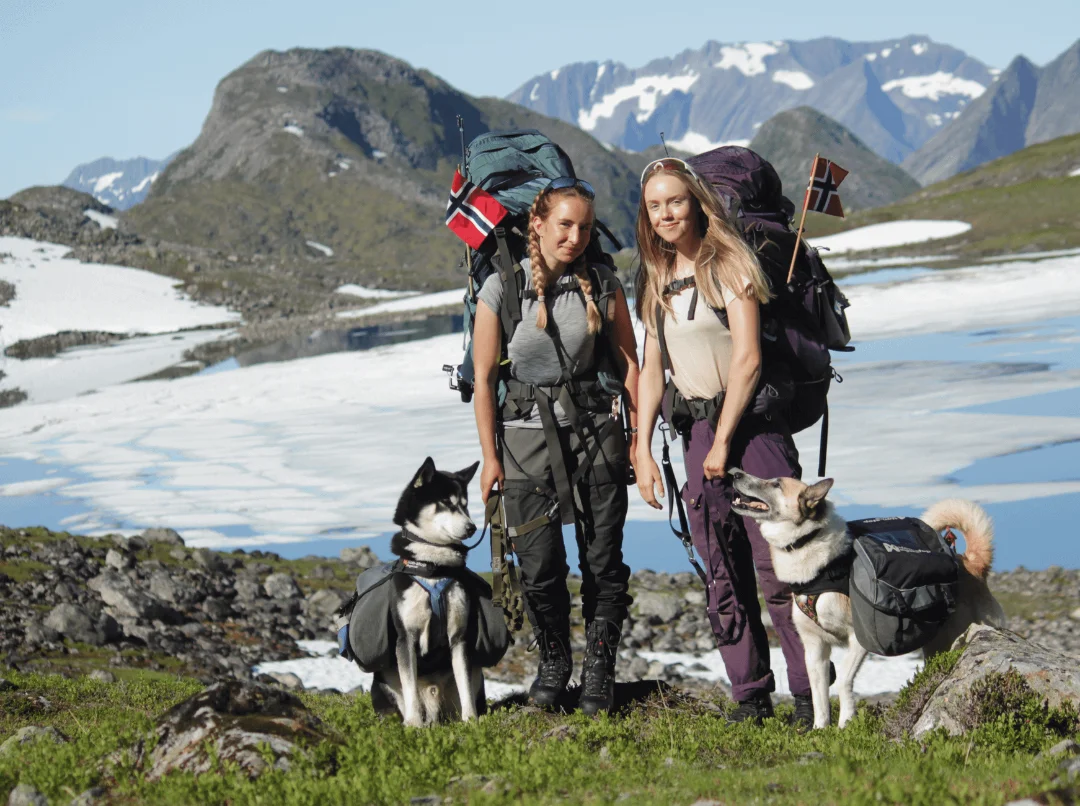
Water from a fountain, a pack on your back and a dog at your side. Ten questions about life on the trail.
Valley walker 0–4 · Mountain hiker 5–8 · Mountain goat 9–10
Pick one

14 votes so far
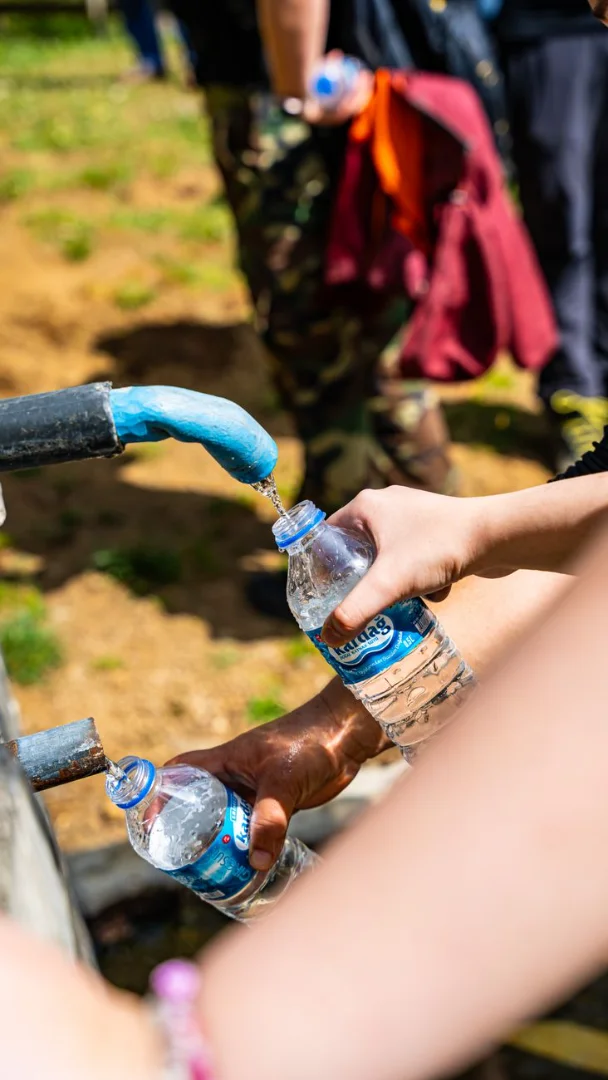
Eau non contrôlée means that the water is not officially approved; on mountain fountains, it is often just spring water that the villagers also drink. The real warning sign is 'eau non potable': not drinkable. Those who distinguish between the two rarely need to carry water in the Alps.
Pick one
11 votes so far
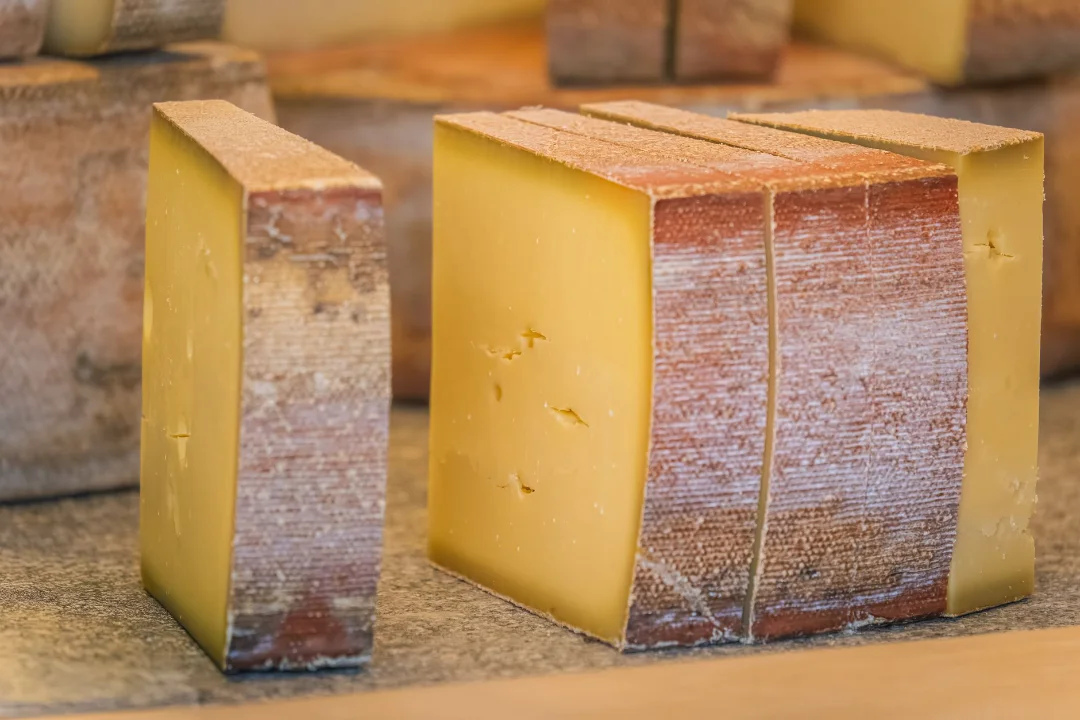
The Jura is the land of Comté, the large hard cheese made from raw cow's milk that ripens in huge wheels in cool cellars. Along the GR5, you can easily enter a fruitière, the cooperative cheese dairy of the village. Camembert comes from Normandy, on the other side of France.
Pick one
11 votes so far
Large parts of the GR5 are perfectly walkable with a dog, and they are usually welcome at campsites. However, in the heart of the French national parks Vanoise and Mercantour, dogs are forbidden, even on a leash, to protect the wildlife. These are precisely the most beautiful, highest parts of the route. Those walking with a dog will have to plan a detour.

Pick one
10 votes so far
The Grand Ballon is with 1,424 meters the highest peak in the Vosges; the Hohneck reaches 1,363 meters. The round 'ballons' are worn-down old mountains, with open grasslands on top where you can see the Alps and the Black Forest on a clear day. The GR5 trail goes right across them.

Pick one
10 votes so far
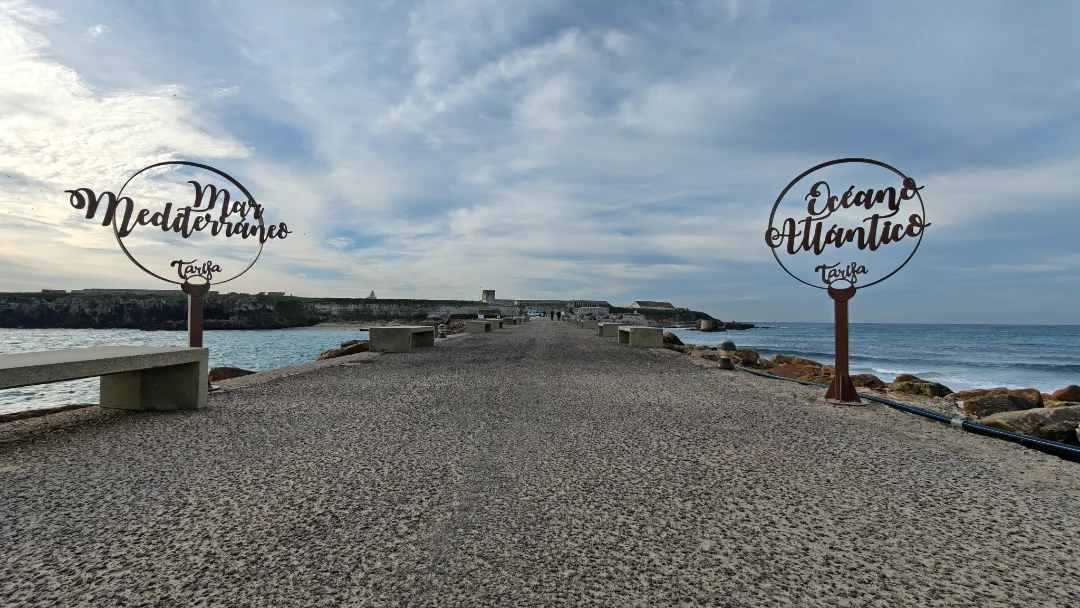
At its narrowest point, near Tarifa, Europe and Africa are only about 14 kilometers apart. On a clear day, you can see the houses of Morocco. The Mediterranean Sea and the Atlantic Ocean meet here, hence the eternal wind that makes Tarifa a surfing paradise.

Pick one
10 votes so far
The Aneto in Spain is the highest mountain in the Pyrenees with 3,404 meters. The Mont Perdu (Monte Perdido) reaches 3,355 meters and is more famous for its canyons. Both are located west of Andorra; the highest peak in Andorra itself, the Coma Pedrosa, reaches 2,942 meters.

Pick one
9 votes so far
Andorra la Vella is located at approximately 1,023 meters and is therefore the highest capital city in Europe. The end of the Algarve-Andorra trek is thus literally high, after 112 stages from sea level. For comparison: Madrid, the second-highest capital city, is located at about 650 meters.

Pick one
11 votes so far
The classic rule of thumb says a maximum of 20 percent of your body weight, but ultralight hikers aim for 10 percent: for someone weighing 70 kilos, that means a backpack of 7 kilos including tent, sleeping bag, and cooking gear. Water and food are added on top of that. Every kilo less is felt in your knees at the end of a long stage.

Pick one
9 votes so far
All ascents of the GR5 combined are over 60,000 vertical meters, and GPS tracks that count every bump go even higher. Mount Everest is 8,849 meters high, so you climb it at least six or seven times on the GR5. The Alps provide the largest part, but the Vosges and the Jura also add up significantly.

Pick one
9 votes so far
Anyone who walks the GR5 in one go is usually on the road for three to four months: about 90 to 120 walking days plus rest days. The Alps section alone, from Lake Geneva to Nice, takes about a month. Six weeks would equate to 50 kilometers per day, every day, even over the passes.


Paste the code into your page. The player fits itself in, and every vote counts in Votur.
On WordPress, Ghost or Squarespace? Just paste the link of this page into your post.
This is how it looks
Also fun