 Get app
Wide heaths, woolly helpers, a village without cars and a famous visitor. Ten questions about the green province in the north-east.
Heath wanderer 0–4 · Shepherd of the heath 5–8 · Drenthe through and through 9–10

Tap the right answer
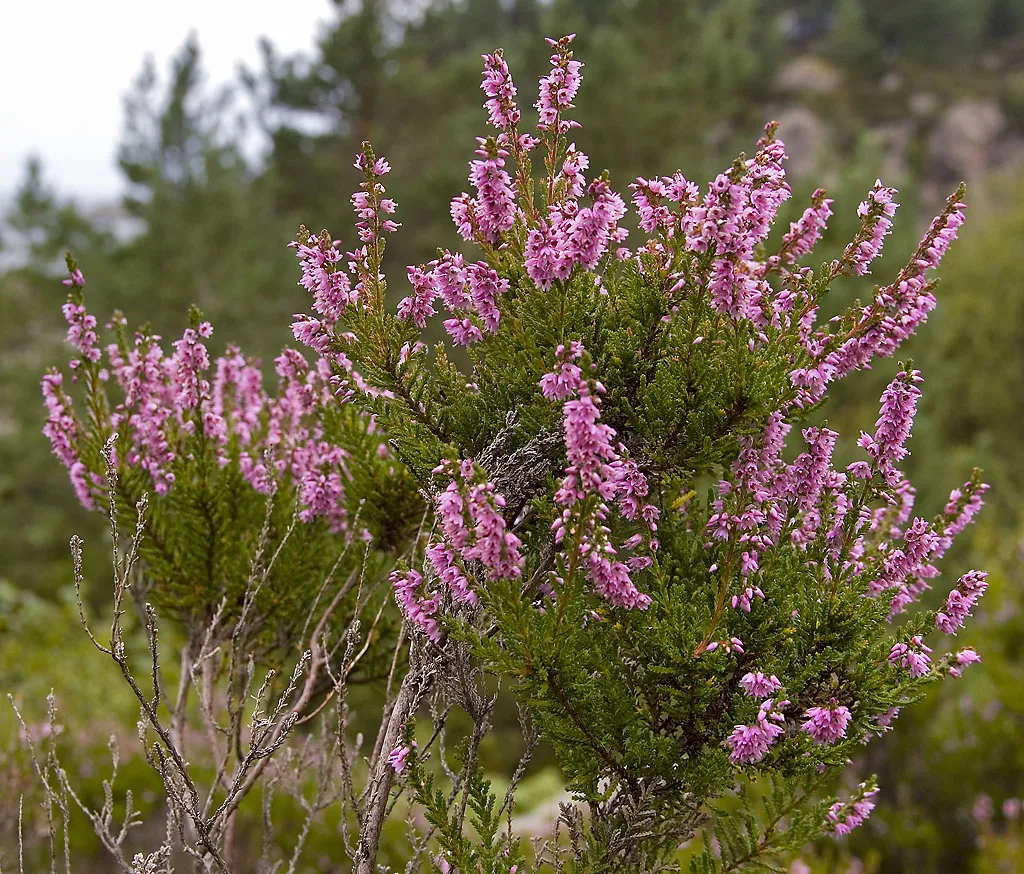
In August and September the heather blooms and whole fields turn purple. Beekeepers often move their hives to the heath in late summer, because the bees make a strong-tasting heather honey from it.
Photo: Aqwis ( Aqwis ), Wikimedia Commons, CC BY-SA 3.0.
Tap the right answer
Drenthe lies in the north-east of the Netherlands, with the German state of Lower Saxony on its eastern side. Belgium is at the opposite end of the country.
Tap the right answer
The Dutch TT has been raced around Assen almost every year since 1925 and is part of the world motorcycle championship. Fans call the circuit the 'Cathedral of Speed'. The Dutch Formula 1 Grand Prix has always been held at Zandvoort, on the coast.
Tap the right answer
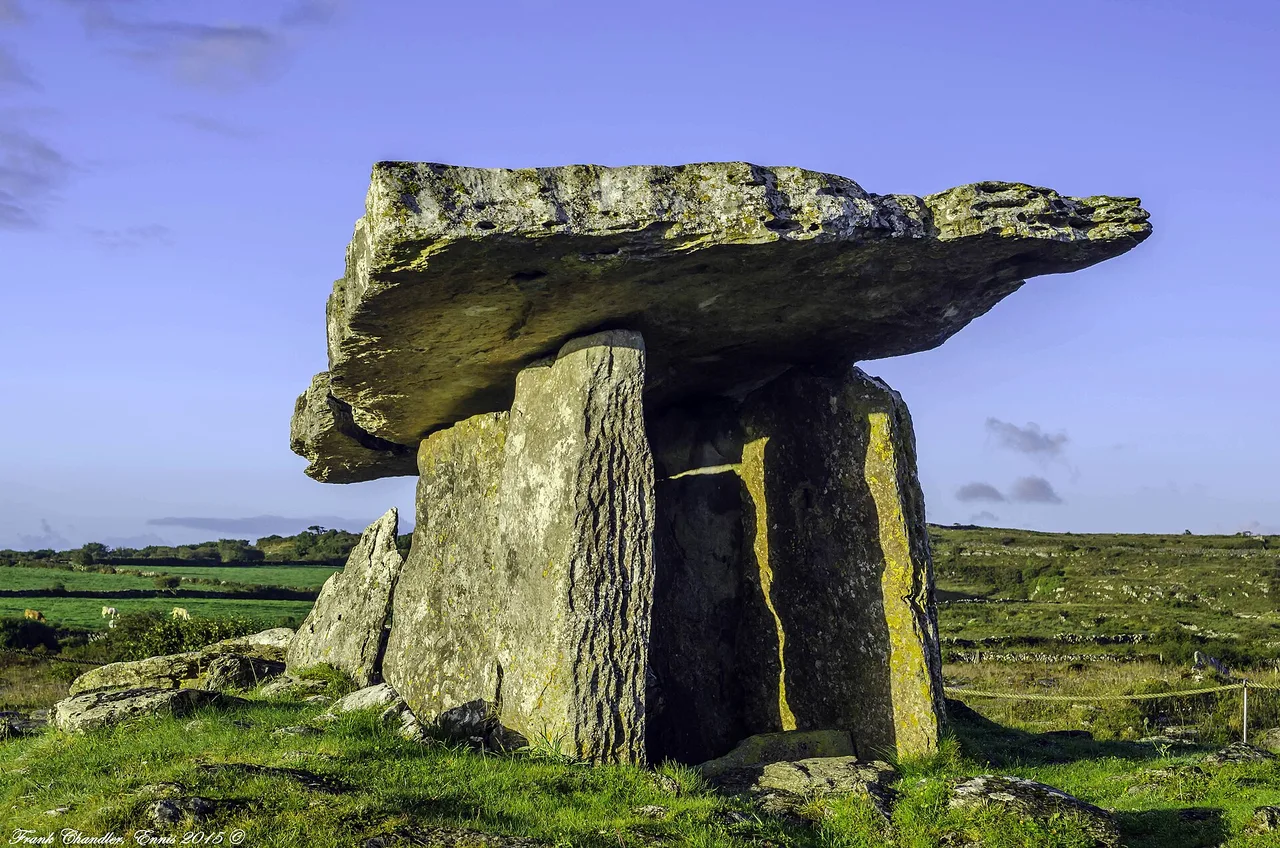
People once believed only giants could have moved such huge stones. In fact, farmers built the tombs more than 5,000 years ago, without any machines.
Photo: Frank Chandler, Wikimedia Commons, CC BY-SA 4.0.
Tap the right answer
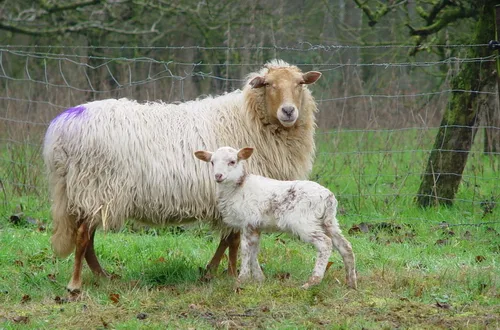
As they graze, the sheep nibble away young trees and grass, so the heather can keep growing. The breed has lived in Drenthe for thousands of years.
Photo: Eadepoeltegroen at Dutch Wikipedia, Wikimedia Commons, CC BY-SA 3.0.
Tap the right answer
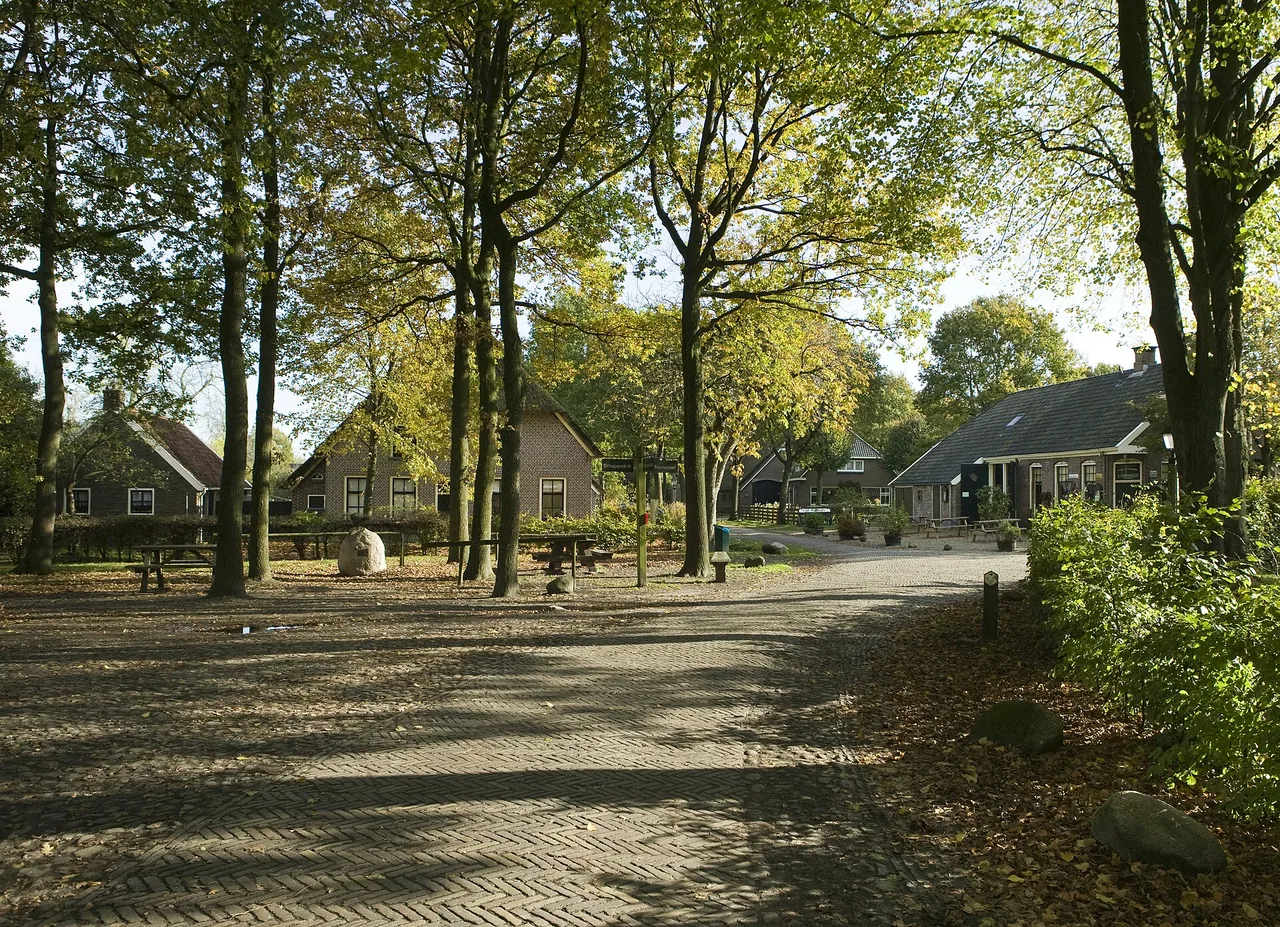
Old farms and barns from other villages were moved to Orvelte to save them. Cars are not allowed, so visitors can ride a horse-drawn tram instead, and people still live and work there.
Photo: Kris Roderburg, Wikimedia Commons, CC BY-SA 4.0.
Tap the right answer
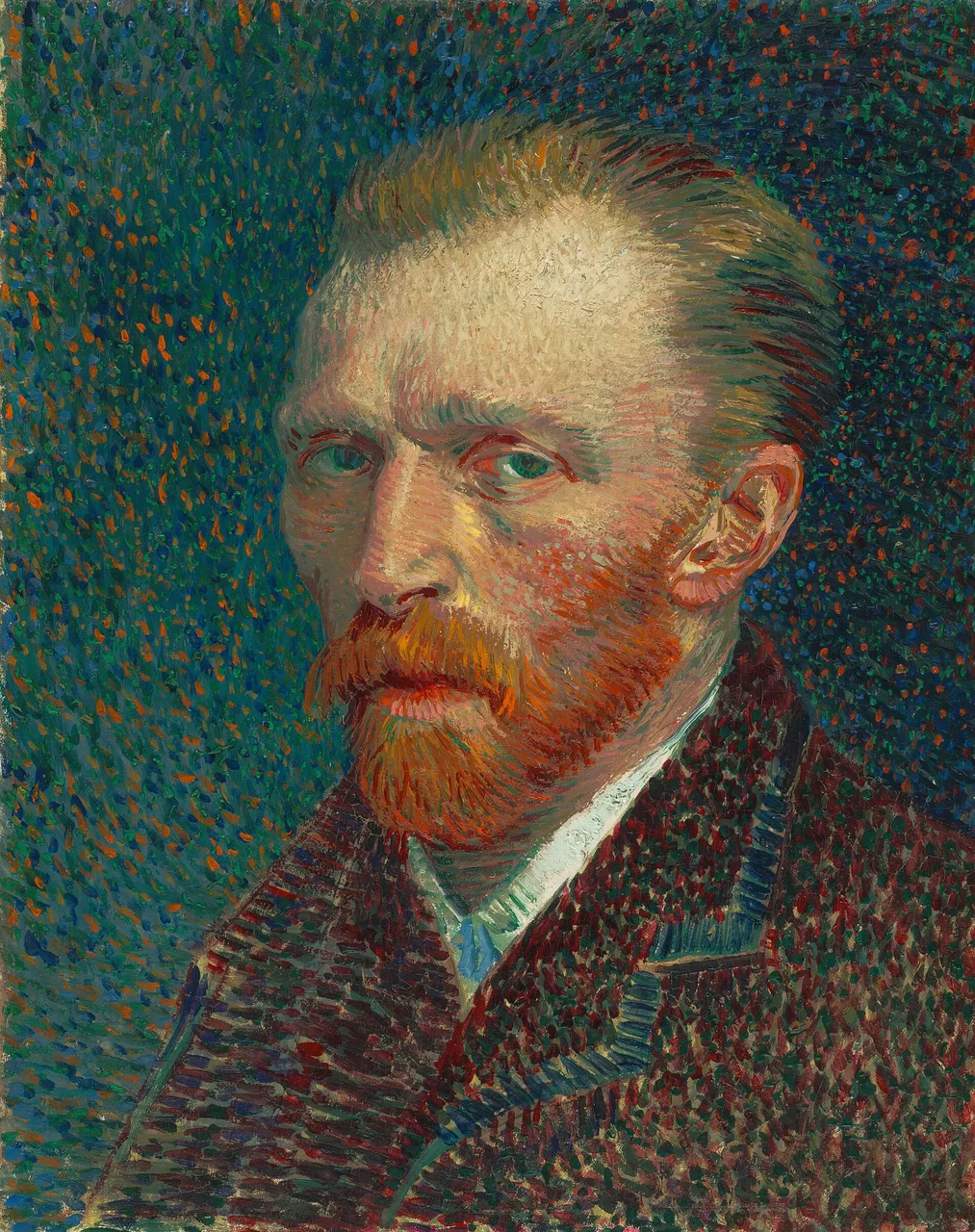
Van Gogh moved to Drenthe in September 1883 to paint its wide, empty landscapes. He felt lonely there, though, and in December he went to live with his parents in Nuenen.
Photo: Vincent van Gogh, Wikimedia Commons, Public domain.
Tap the right answer
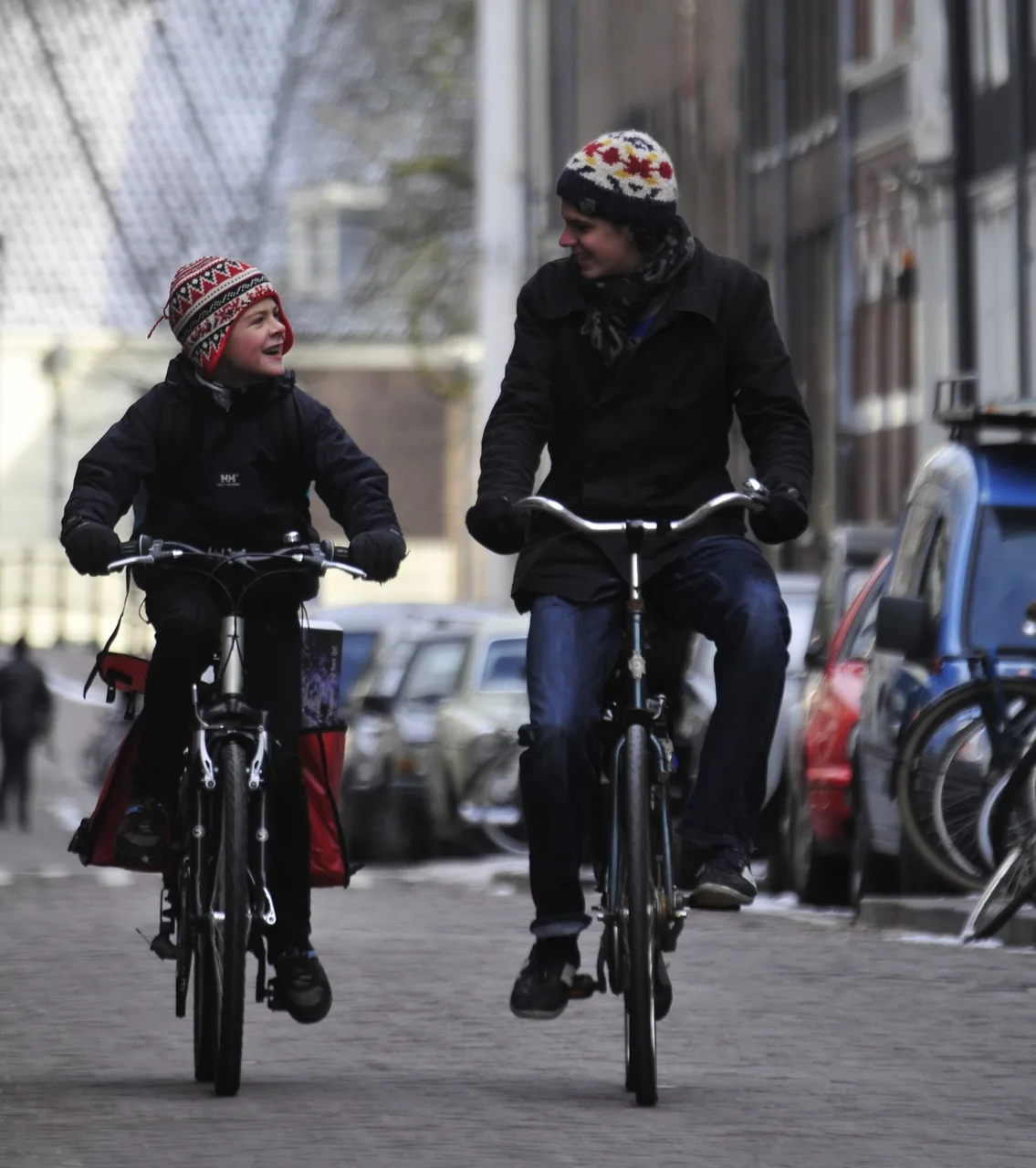
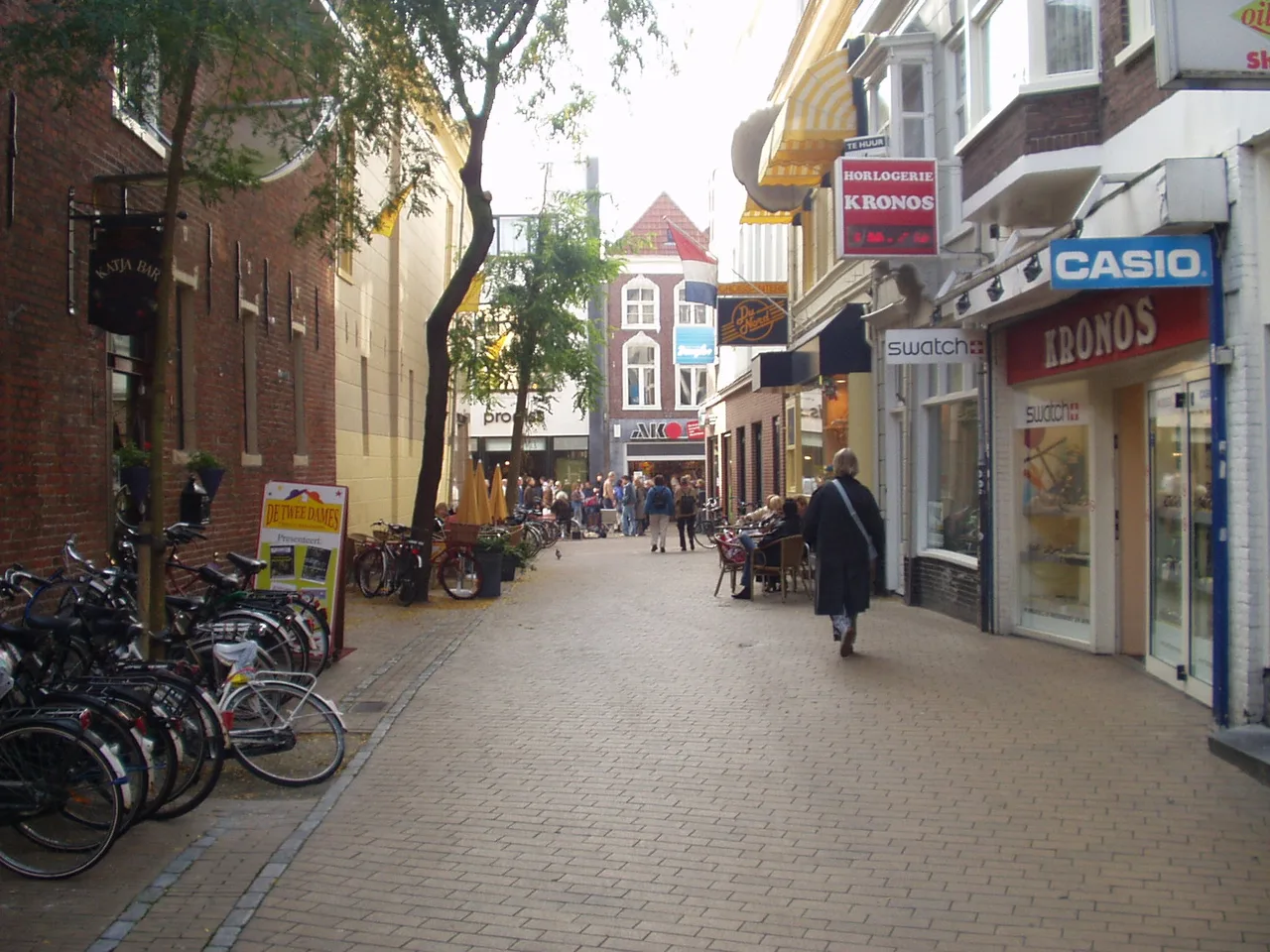
Drenthe calls itself the 'cycling province', with about 2,000 kilometres of cycle paths through forests, heaths and old villages. For sailing, most people head to the lakes of Friesland.
Photo: Marc van Woudenberg, Wikimedia Commons, CC BY-SA 2.0.
Tap the right answer
The ridge was formed by moving ice during the ice ages. That same ice also dragged along the huge boulders that people later used to build the hunebeds.
Photo: Serassot at Dutch Wikipedia, Wikimedia Commons, CC BY-SA 3.0.
Tap the right answer
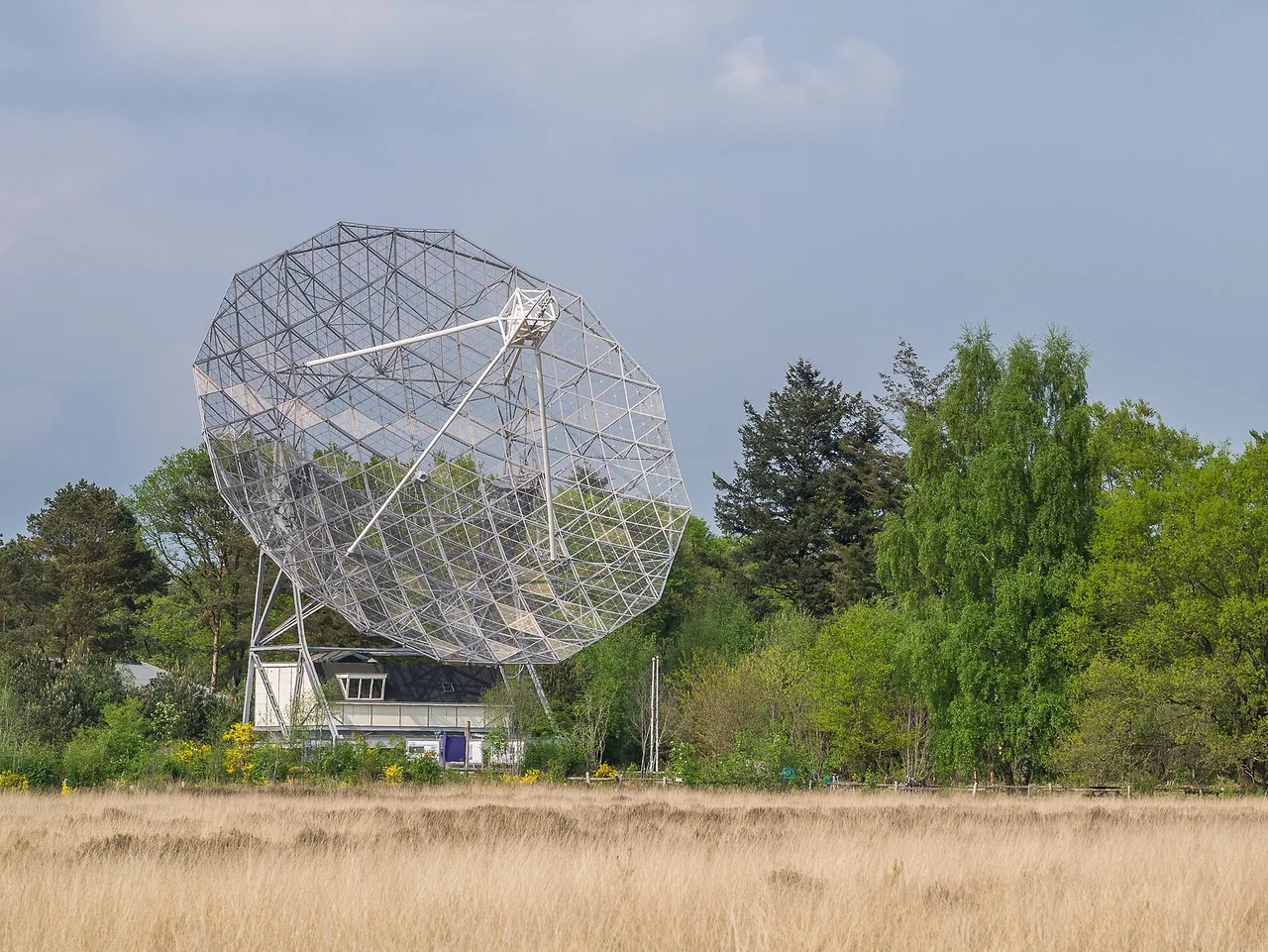
Its dish is 25 metres across. It was the biggest in the world for only about a year, until a larger one was finished in England. Volunteers have restored it and still use it today.
Photo: Uberprutser, Wikimedia Commons, CC BY-SA 3.0 nl.


Want to make a quiz like this yourself? Do it on Votur, it's free.
Paste the code into your page. The player fits itself in, and every vote counts in Votur.
On WordPress, Ghost or Squarespace? Just paste the link of this page into your post.
This is how it looks
Also fun