Get app
 Photo: Colin, Wikimedia Commons, CC BY-SA 4.0.
Embark on a journey through the rich tapestry of the United Kingdom! Test your knowledge on its iconic landmarks, fascinating history, unique culture, and natural wonders. How well do you truly know this diverse nation?
Curious Explorer 0–4 · British Enthusiast 5–8 · Island Insider 9–10
Pick one

William Shakespeare was born and raised in Stratford-upon-Avon, Warwickshire, England, around April 1564. While he spent much of his adult life working in London, where his plays achieved great success, his roots in this market town are well-documented. His family home and several other properties connected to him are now popular tourist attractions, drawing visitors from across the globe.
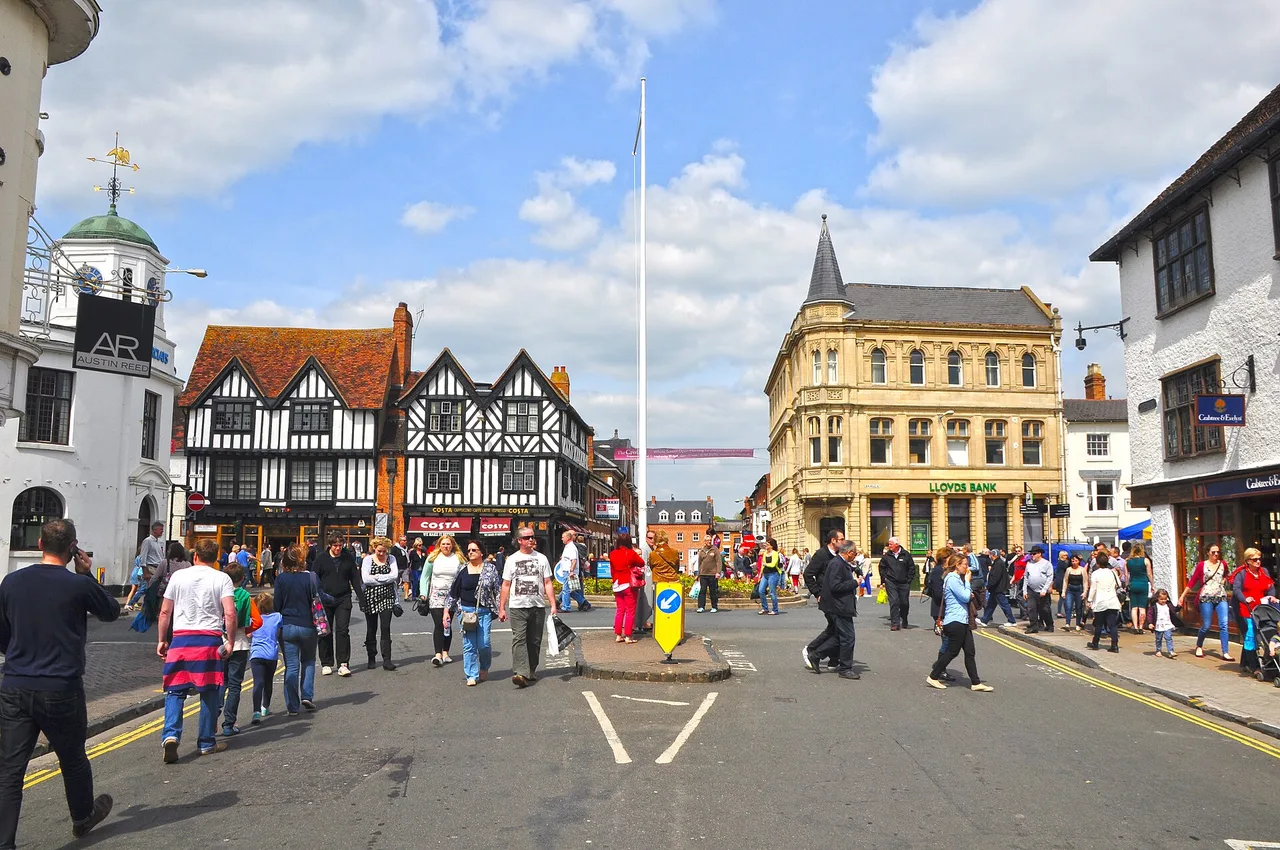
Photo: Lewis Clarke, Wikimedia Commons, CC BY-SA 2.0.

Pick one
Ben Nevis, in the Scottish Highlands, rises 1,345 metres above sea level and is the highest mountain in the British Isles. It is all that remains of an ancient volcano that collapsed in on itself about 350 million years ago. Its summit is often wrapped in cloud, and snow can linger there for much of the year.
Photo: Thincat, Wikimedia Commons, Public domain.
Pick one
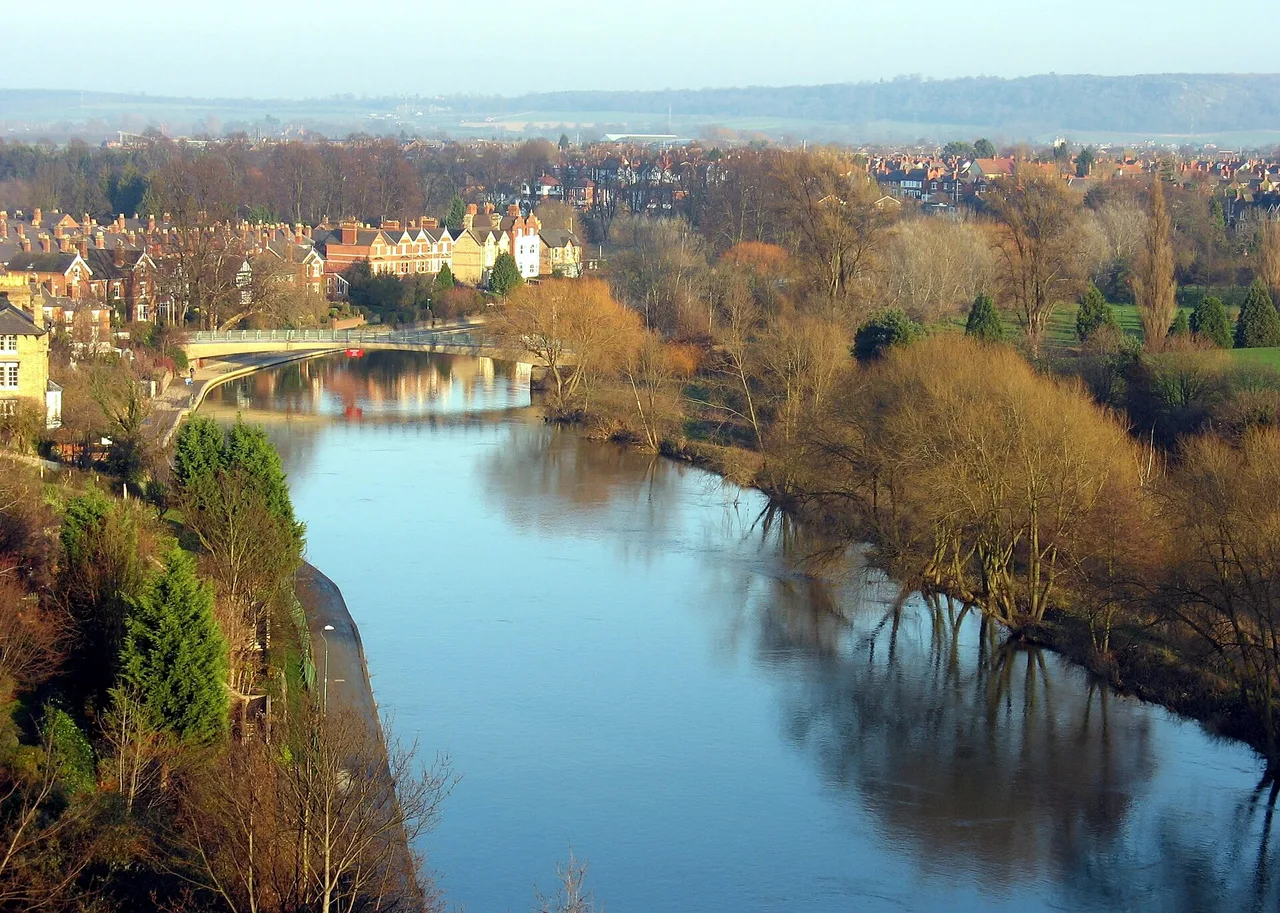
The River Severn is the longest river in Great Britain, flowing approximately 354 kilometers (220 miles) from Plynlimon in Wales through England to the Bristol Channel. While the Thames is iconic and flows through London, the Severn surpasses it in length. It is also known for its unique tidal bore, the Severn Bore, which attracts surfers and spectators.
Photo: The original uploader was Chrisbayley at English Wikipedia., Wikimedia Commons, CC BY-SA 2.5.
Pick one
While famously known as a prison, the Tower of London's original and primary purpose was a royal palace and fortress, built by William the Conqueror in the 11th century. It served as a secure royal residence, a treasury, and an armory, with its role as a prison being secondary, albeit significant for high-profile figures. It also housed the Royal Mint for centuries.
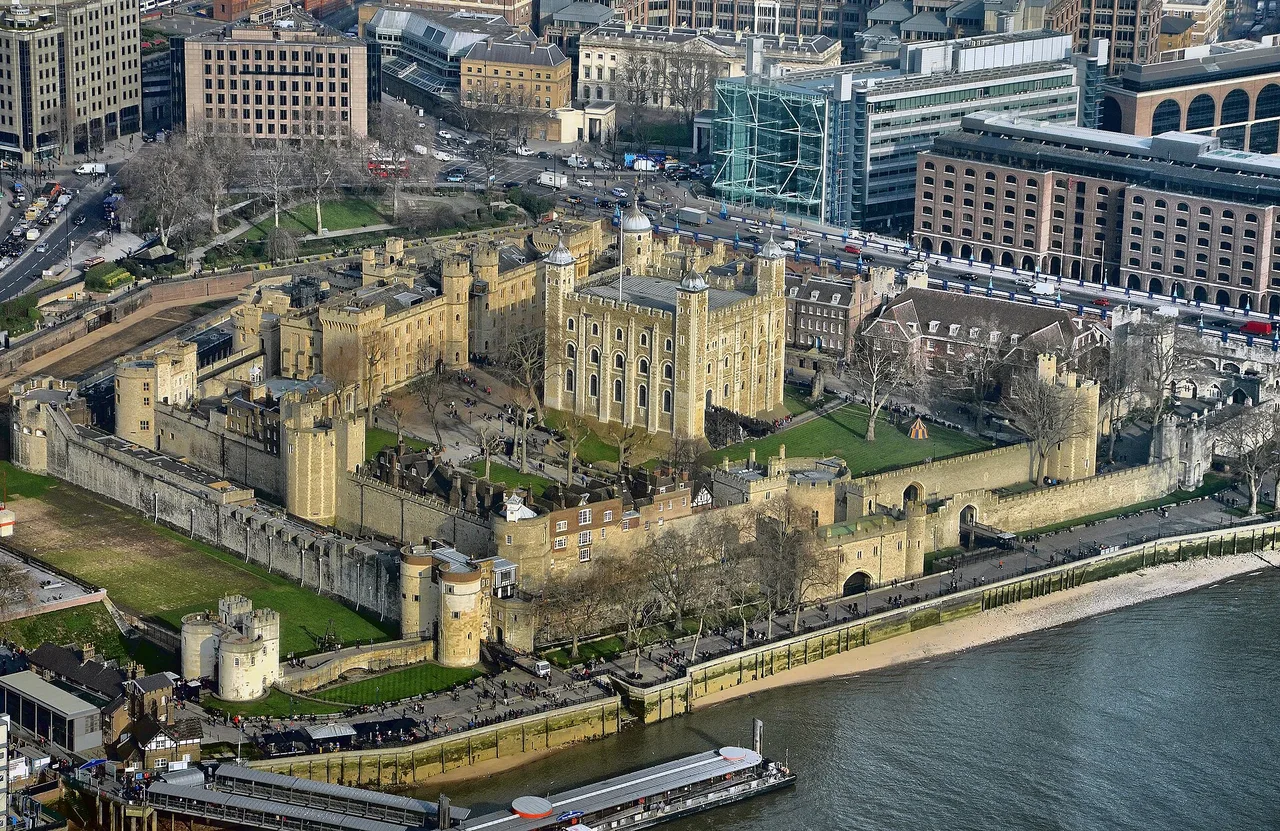
Photo: [Duncan] from Nottingham, UK, Wikimedia Commons, CC BY 2.0.

Pick one
The exact origin is debated, but London is often credited with the first fish and chip shop in the 1860s, combining fried fish introduced by Jewish immigrants with chips popularised in industrial Britain. This humble dish quickly became a staple, especially among the working classes, and remains a beloved, iconic part of British cuisine today, often enjoyed with a dash of vinegar.
Photo: Matthias Meckel, Wikimedia Commons, CC BY-SA 4.0.
Pick one
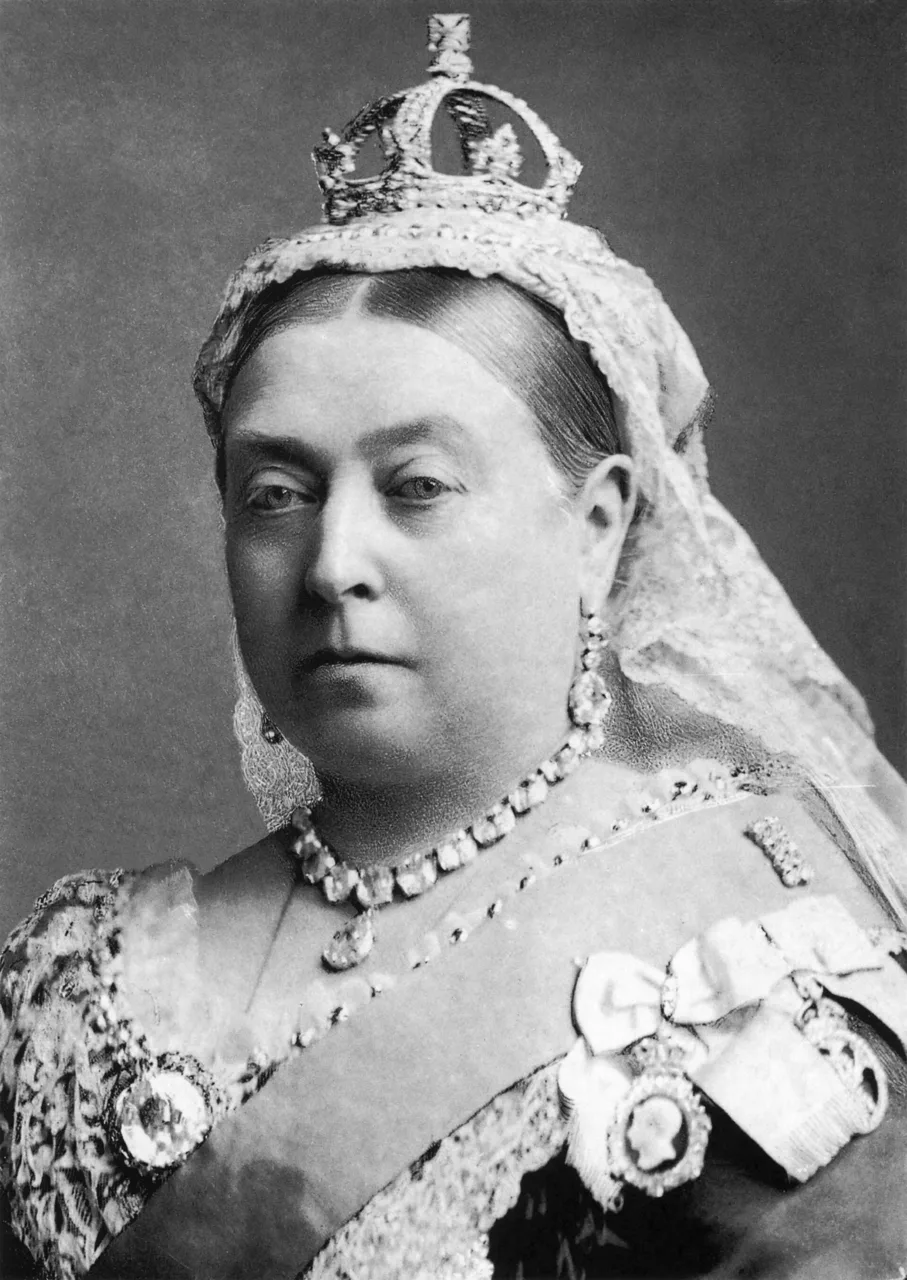
Queen Victoria reigned for 63 years and seven months, from 1837 to 1901, a period known as the Victorian era. Her reign was the longest of any British monarch until it was surpassed by Queen Elizabeth II in 2015, overseeing immense industrial, cultural, political, scientific, and military change. She famously wore black for the rest of her life after the death of her beloved husband, Prince Albert.
Photo: Alexander Bassano, Wikimedia Commons, Public domain.
Pick one
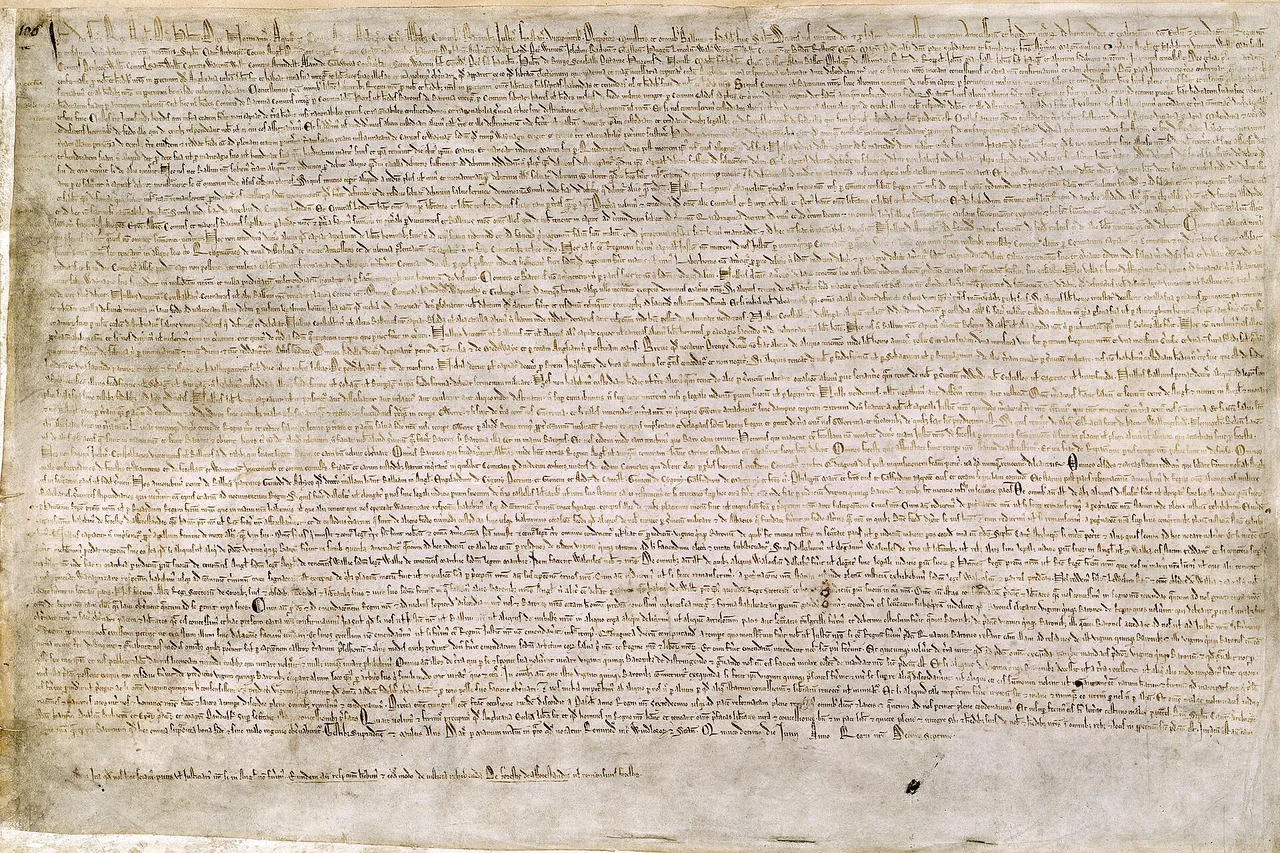
The Magna Carta was sealed by King John of England in 1215, establishing principles that limited the power of the monarch and protected certain rights for his subjects. Although many of its clauses were later repealed or reinterpreted, its influence on constitutional law worldwide, particularly in the English-speaking world, remains profoundly significant, laying groundwork for modern legal systems.
Photo: Original authors were the barons and King John of England. Uploaded by Earthsoun, Wikimedia Commons, Public domain.
Pick one
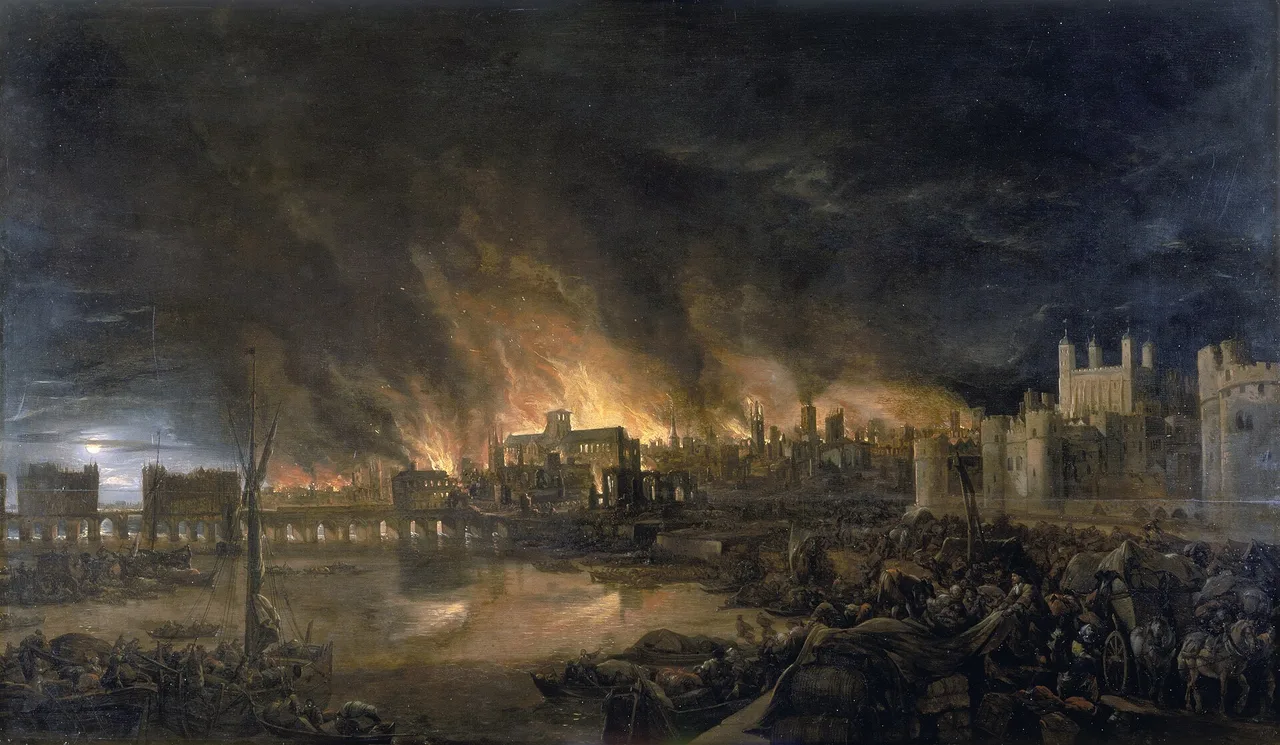
The Great Fire of London occurred in 1666, starting in a bakery on Pudding Lane and quickly spreading through the timber-built city due to strong winds and dry conditions. It devastated much of the City of London, destroying thousands of homes and St Paul's Cathedral. However, it also led to significant rebuilding efforts and improved fire safety regulations, reshaping the city's architecture.
Photo: Unknown artistUnknown artist, Wikimedia Commons, Public domain.
Pick one
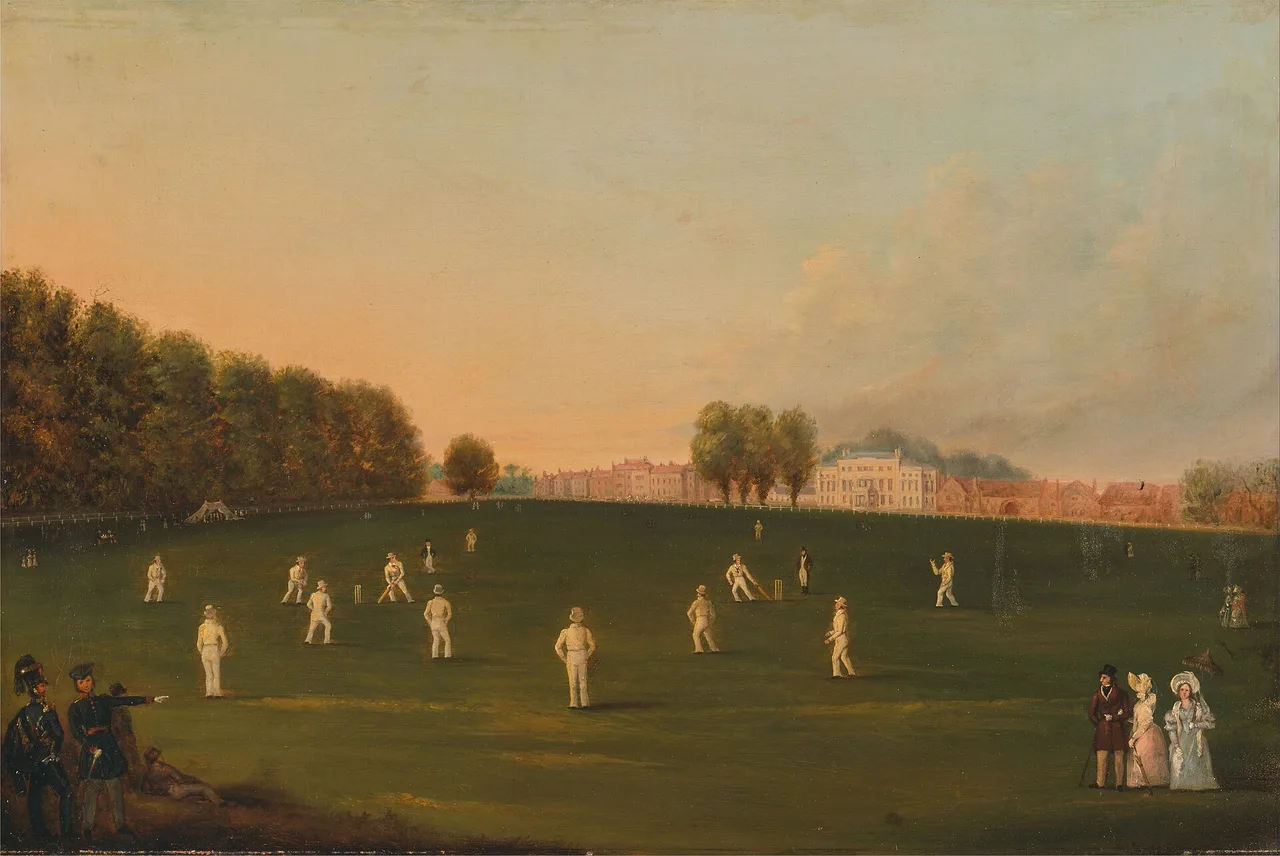
In a 1598 court case about a plot of land in Guildford, Surrey, a 59-year-old man named John Derrick said he had played 'creckett' there with his school friends about fifty years earlier. That makes it the earliest accepted mention of the game, dating cricket back to around 1550.
Photo: Unknown artist – Artist, Wikimedia Commons, Public domain.
Pick one
The lion is the national animal of England, symbolizing bravery, strength, and royalty. It has been a prominent feature in the royal coat of arms for centuries, and lions are often depicted in British heraldry and art, such as the famous Trafalgar Square statues. Interestingly, the unicorn is the national animal of Scotland, one of the UK's constituent countries.


Paste the code into your page. The player fits itself in, and every vote counts in Votur.
On WordPress, Ghost or Squarespace? Just paste the link of this page into your post.
This is how it looks
Also fun