Get app
 Photo: Pavel Kazachkov, Wikimedia Commons, CC BY 2.0.
Embark on a journey through the world's largest country. Test your knowledge of Russia's dramatic landscapes, rich cultural heritage, legendary scientists, and delicious culinary traditions.
Curious Wanderer 0–4 · Seasoned Traveler 5–8 · True Connoisseur 9–10
Pick one

Tchaikovsky's dramatic and emotional compositions revolutionized ballet music, which was previously treated as secondary to choreography. Despite initial mixed reviews for "Swan Lake," his ballets became some of the most performed and beloved works in classical music history.
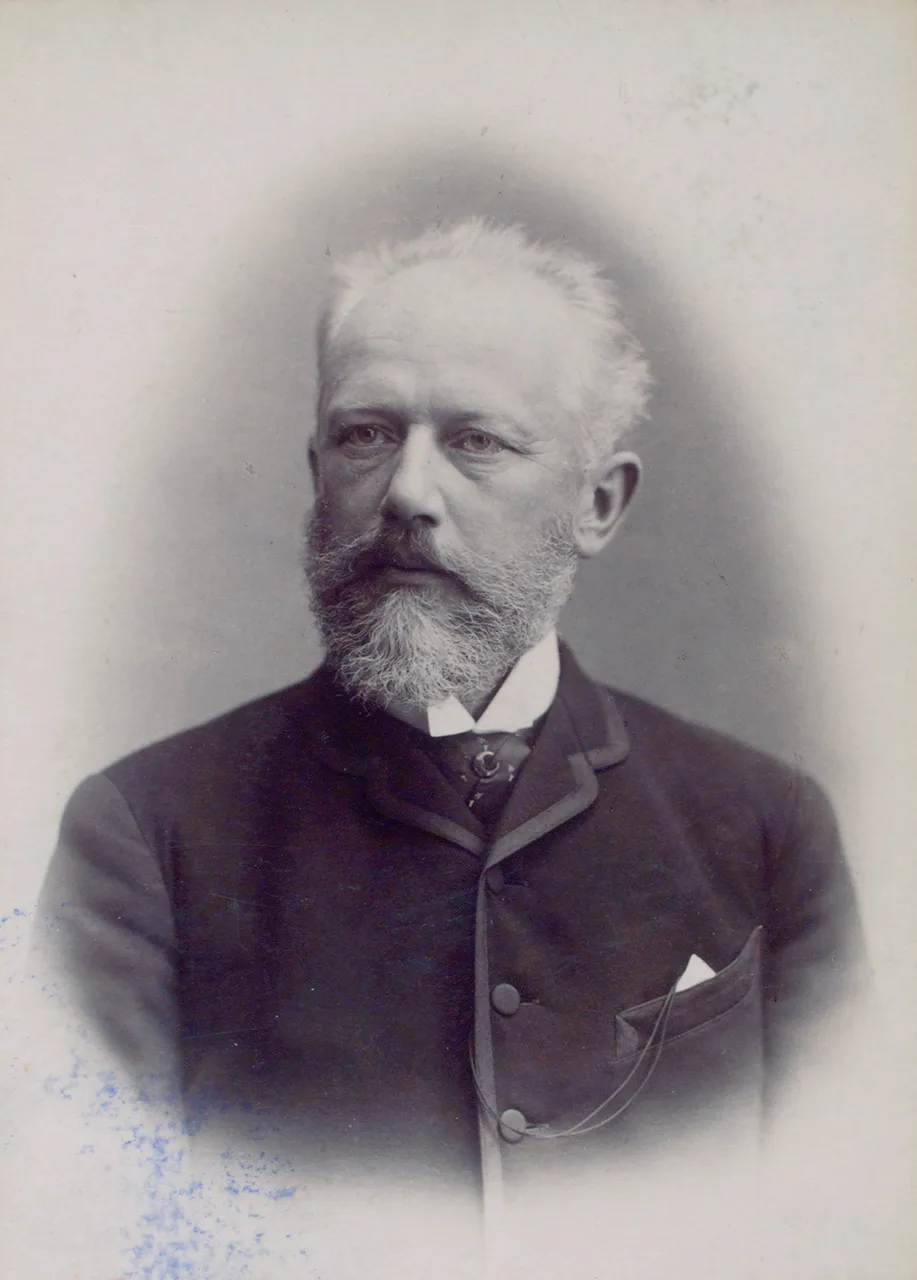
Photo: Émile Reutlinger, Wikimedia Commons, Public domain.
Pick one
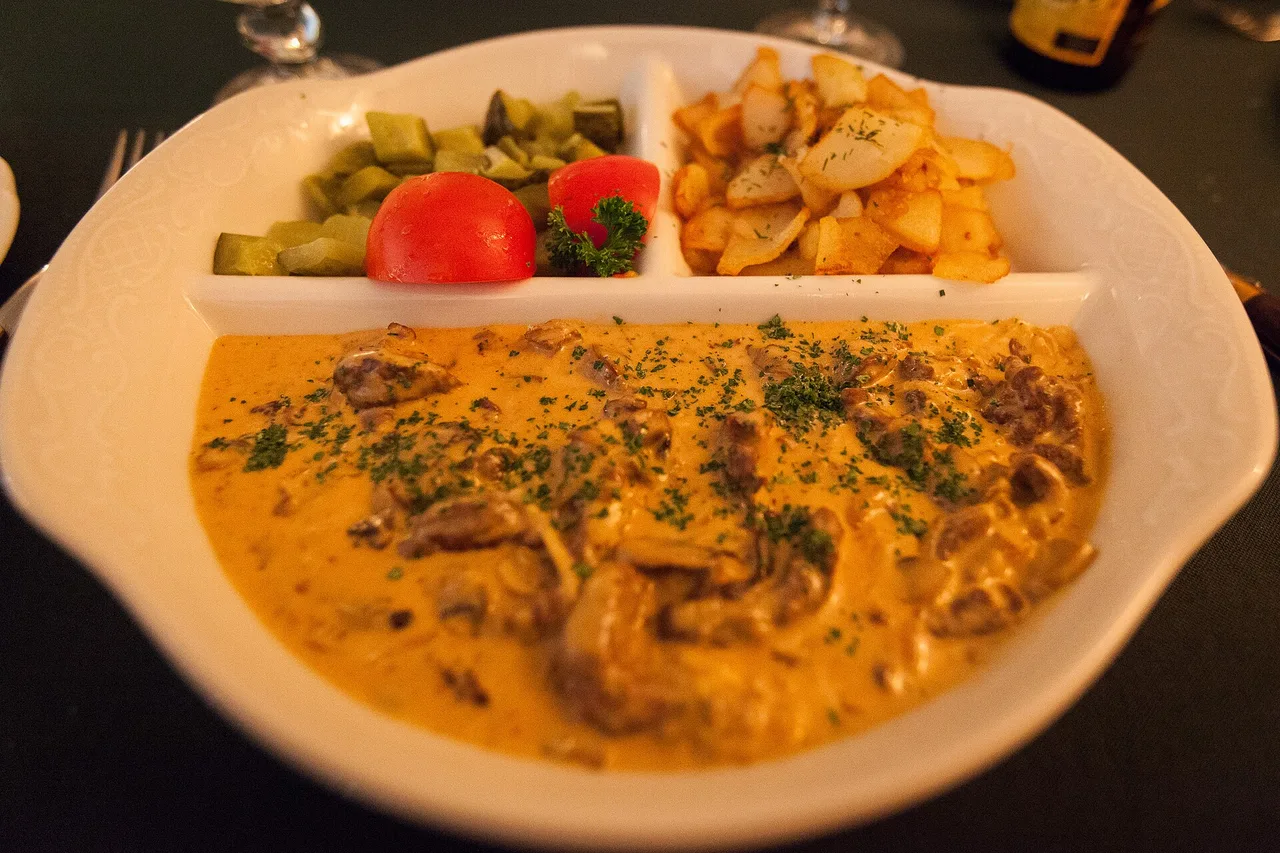
Traditional Beef Stroganoff relies on smetana, a rich Russian sour cream, mixed with a small amount of mustard and broth. Named after the influential Stroganov family, this savory dish gained global popularity in the 20th century, adapting to local tastes with mushrooms or onions.
Photo: jimmyweee, Wikimedia Commons, CC BY 2.0.
Pick one
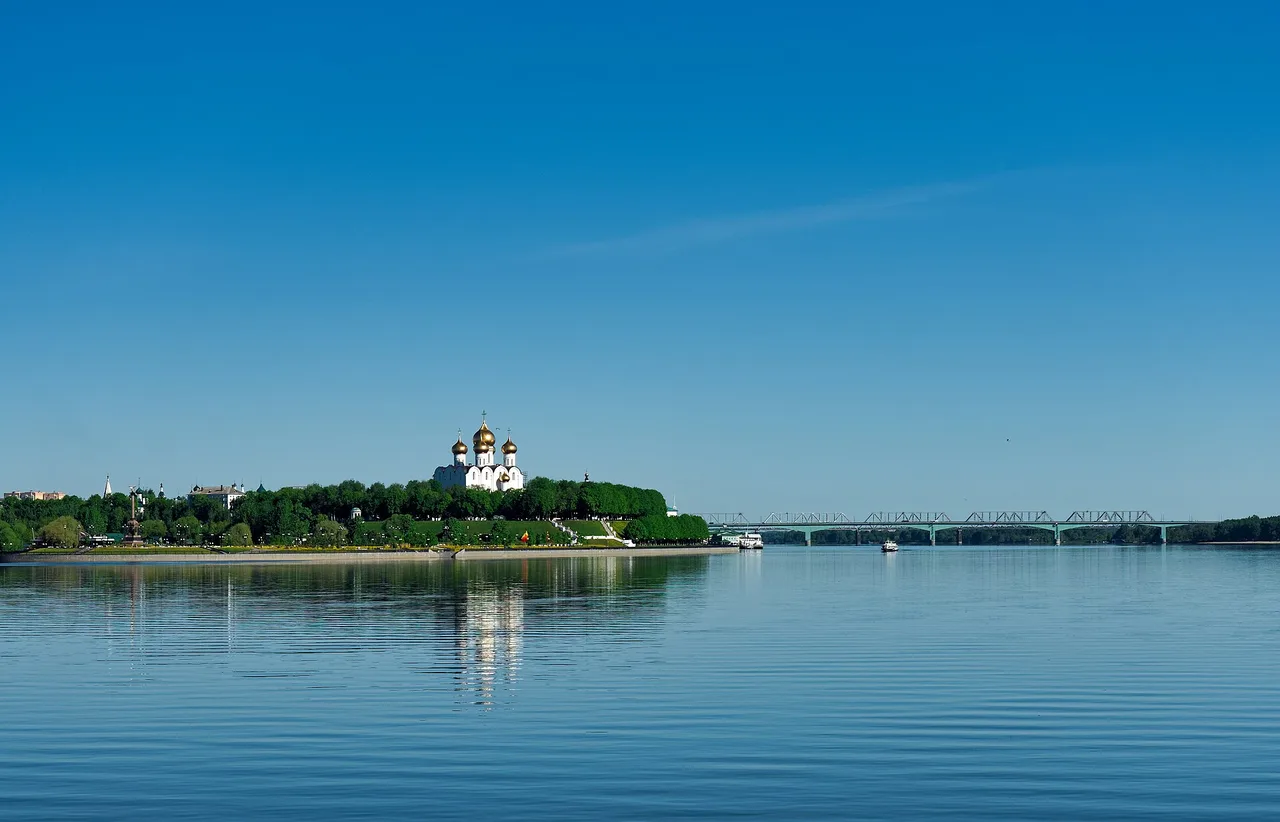
The Volga River flows entirely through Russia and drains into the landlocked Caspian Sea. It is a vital transport route and historically served as the cradle of Russian civilization, often referred to affectionately in national folklore and traditional songs as "Mother Volga."
Photo: Alexxx1979, Wikimedia Commons, CC BY-SA 4.0.
Pick one
Mendeleev organized elements by atomic weight in 1869, leaving empty gaps for elements that had not yet been discovered. He correctly predicted the properties of these missing elements, such as gallium and germanium, years before they were actually found by other scientists.
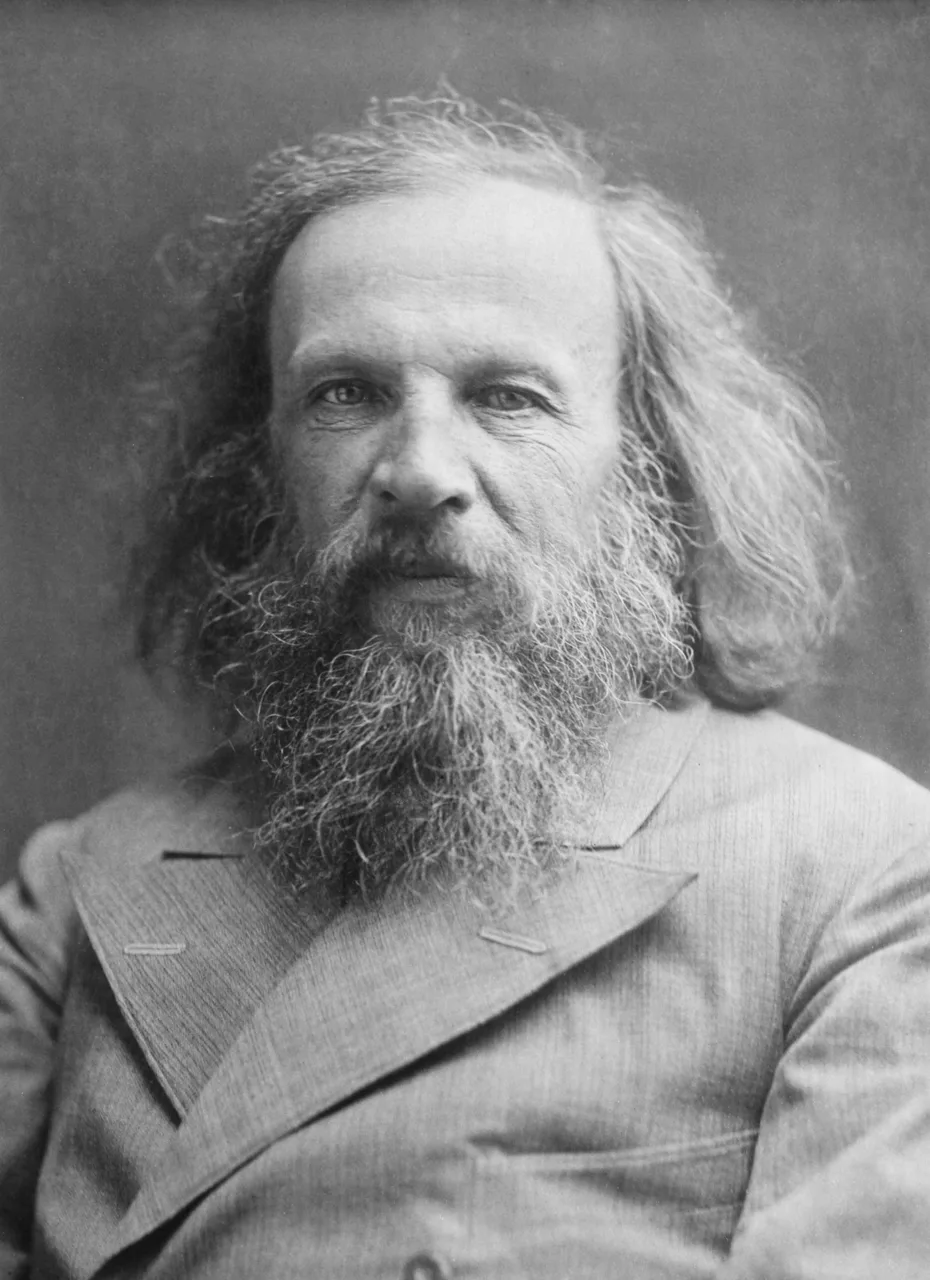
Photo: Original: Unknown authorUnknown author Upload: Germansociety2014, Wikimedia Commons, Public domain.
Pick one
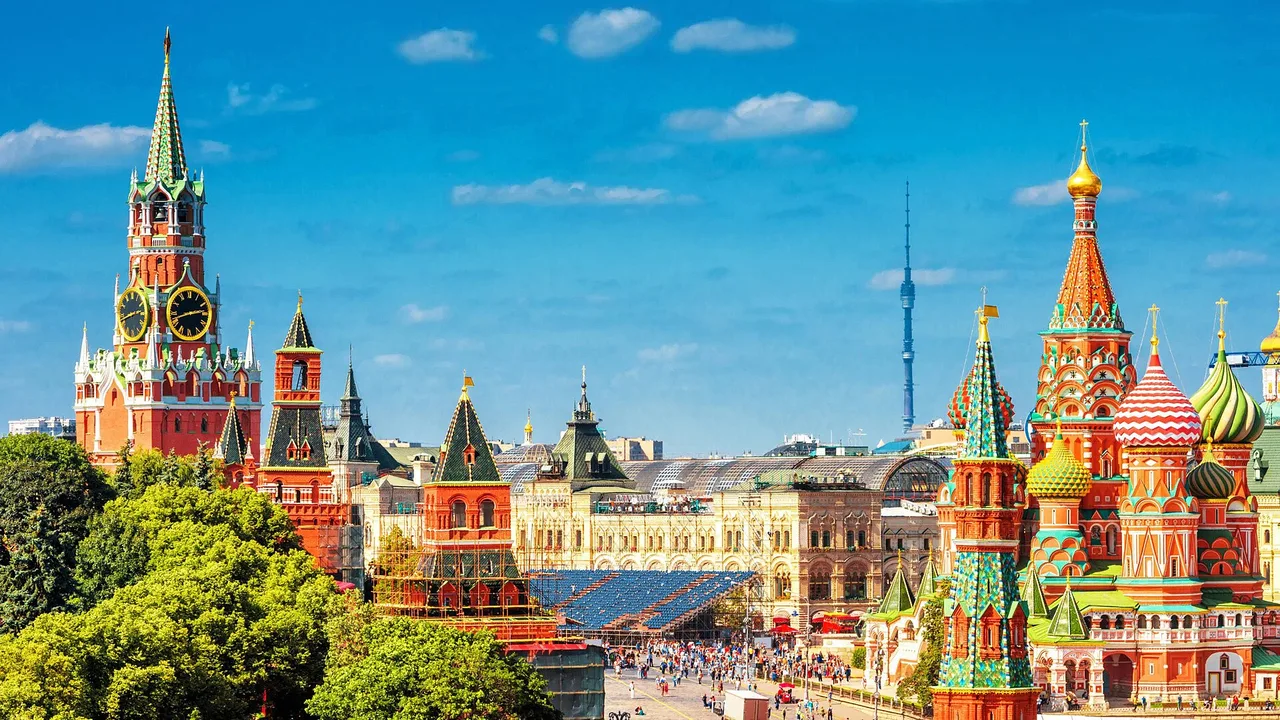
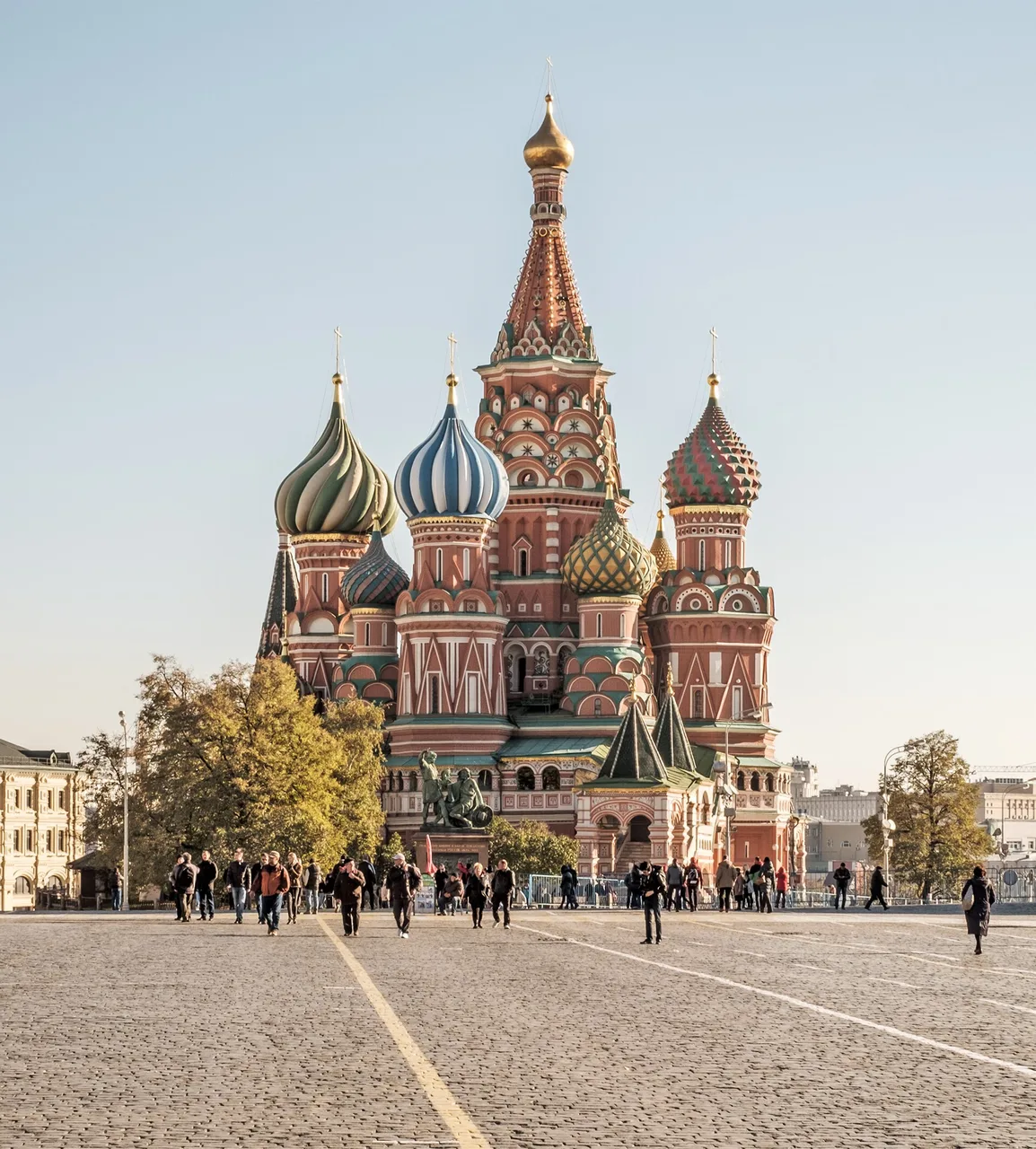
Ivan the Terrible ordered the cathedral's construction in the 1550s to celebrate the capture of Kazan. Legend says he blinded the architects so they could never build anything as beautiful again, though historical records show they went on to construct other major structures afterwards.
Photo: Tsy1980, Wikimedia Commons, CC BY-SA 4.0.
Pick one
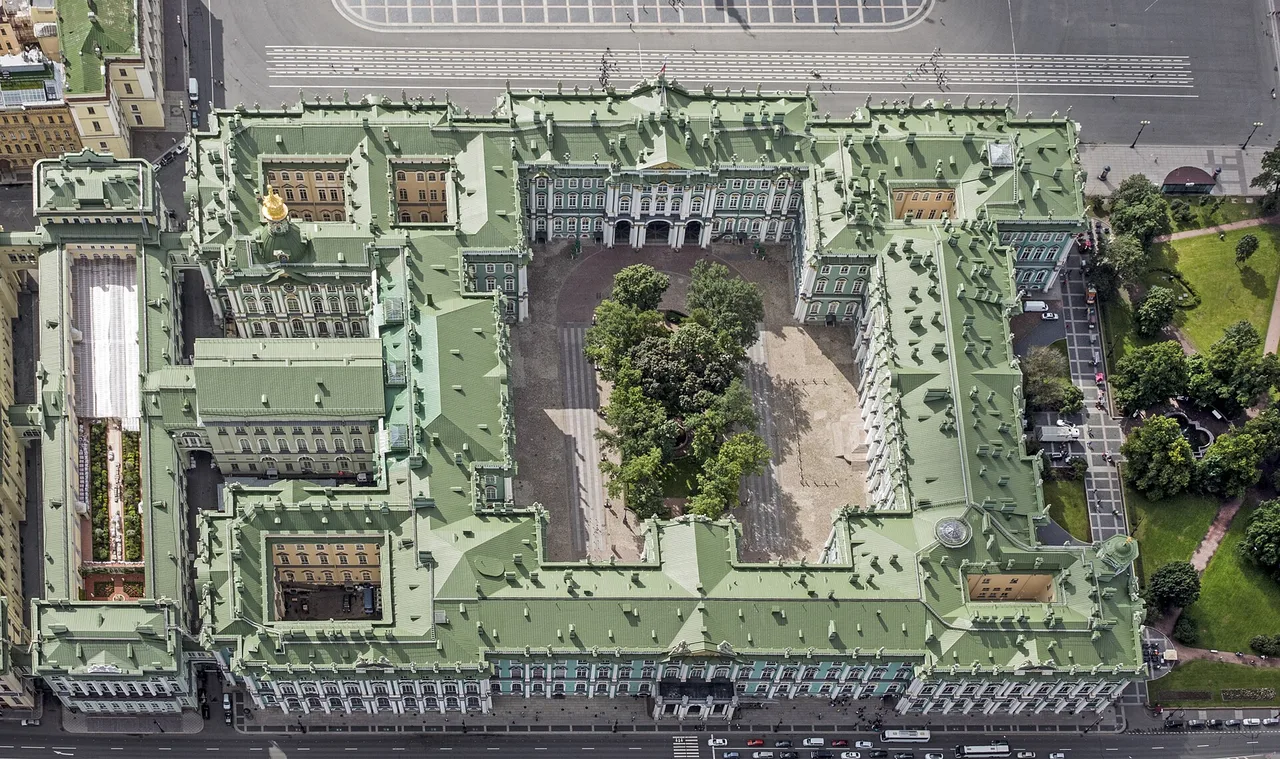
The Winter Palace was the official residence of Russian monarchs from 1732 to 1917. Today, it houses a massive art collection initiated by Catherine the Great. Interestingly, the museum employs a dedicated pack of cats to keep rodents away from the priceless artwork.
Photo: Godot13, Wikimedia Commons, CC BY-SA 4.0.
Pick one
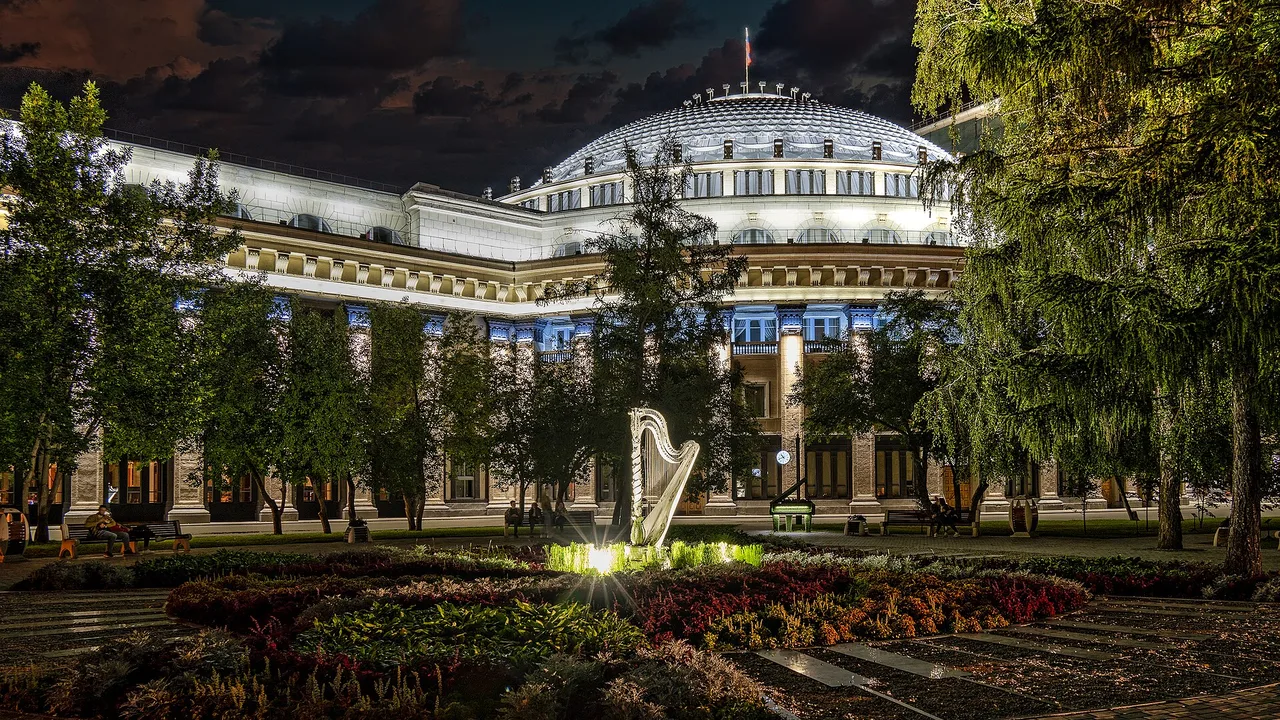
Novosibirsk is Russia's third-most populous city and the unofficial capital of Siberia. Founded in 1893 during the construction of the Trans-Siberian Railway, it grew rapidly from a small settlement into a major scientific, cultural, and industrial powerhouse.
Photo: Boris Sakic, Wikimedia Commons, CC BY-SA 4.0.

Pick one
The Baikal seal, also known locally as the nerpa, is one of the world's only exclusively freshwater seal species. Scientists still debate how their ancestors originally reached this landlocked Siberian lake millions of years ago, though they likely traveled via ancient waterways from the Arctic Ocean.
Photo: Sergey Gabdurakhmanov from Mountain View, USA, Wikimedia Commons, CC BY 2.0.
Pick one
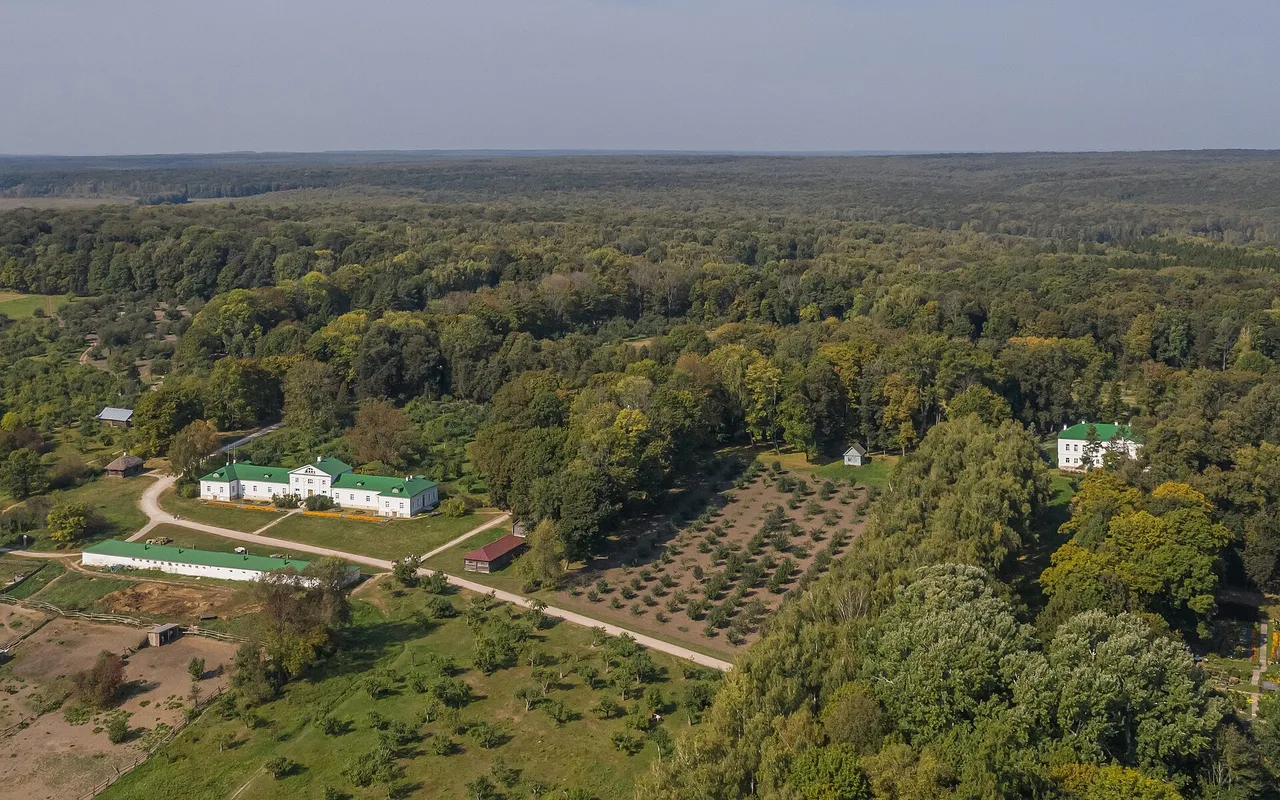
Tolstoy was born, lived for decades, and was eventually buried at Yasnaya Polyana. He opened an innovative school for peasant children on the grounds and wrote his greatest masterpieces in his study. Today, the estate is preserved exactly as it was when he died in 1910.
Photo: A.Savin, Wikimedia Commons, FAL.
Pick one
The samovar is a central symbol of Russian hospitality, historically fueled by charcoal or pinecones. It heats water to keep a teapot warm on top, allowing hosts to dilute a strong tea concentrate called zavarka for their guests throughout long social evenings.
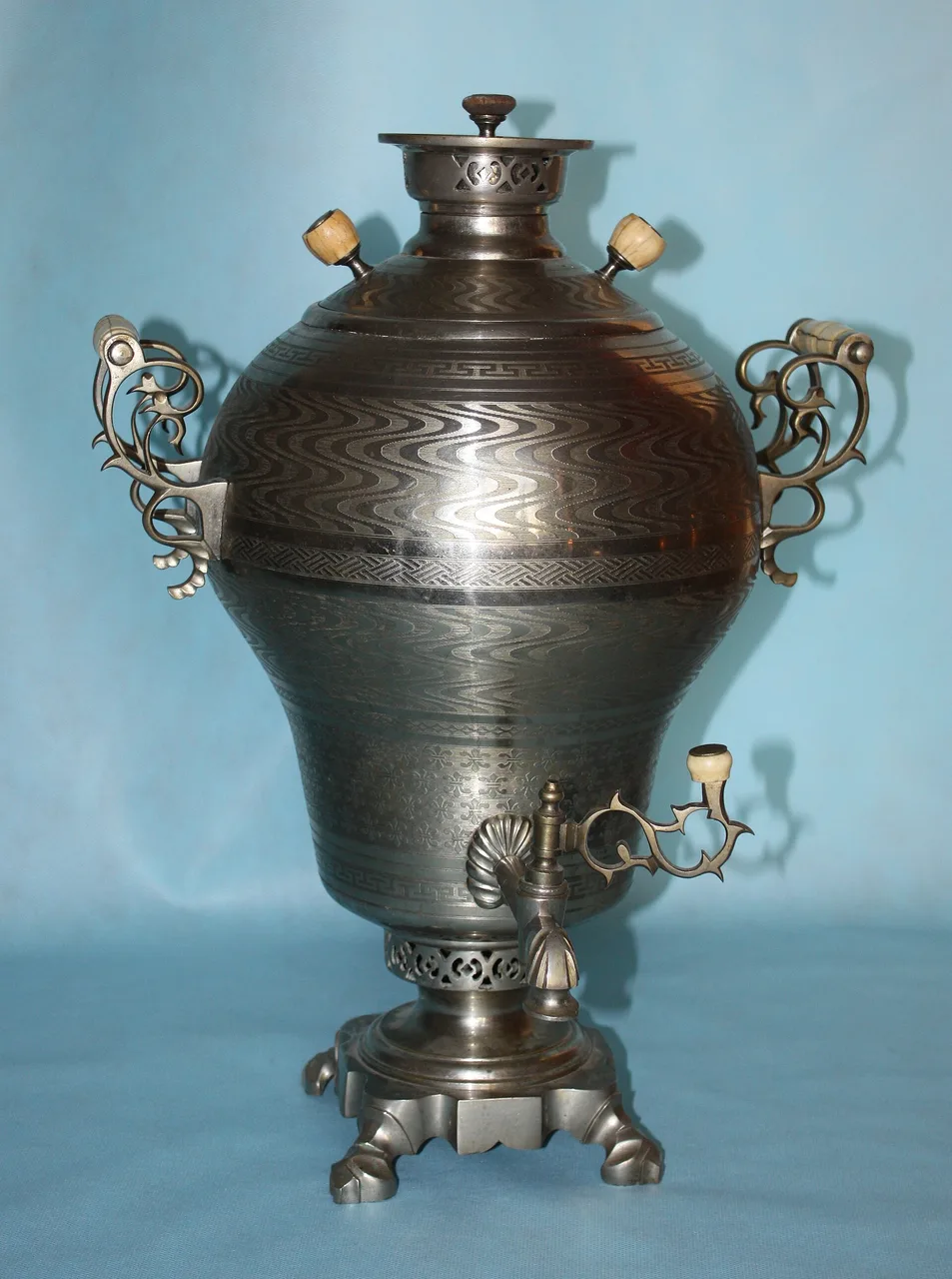
Photo: Benito bonito, Wikimedia Commons, CC BY-SA 3.0.


Paste the code into your page. The player fits itself in, and every vote counts in Votur.
On WordPress, Ghost or Squarespace? Just paste the link of this page into your post.
This is how it looks
Also fun