Get app
 Photo: Clay Gilliland, Wikimedia Commons, CC BY-SA 2.0.
Test your knowledge of North Korea's capital, from its massive monuments and ancient history to its unique local delicacies.
Curious Wanderer 0–4 · Keen Observer 5–8 · City Scholar 9–10
Pick one

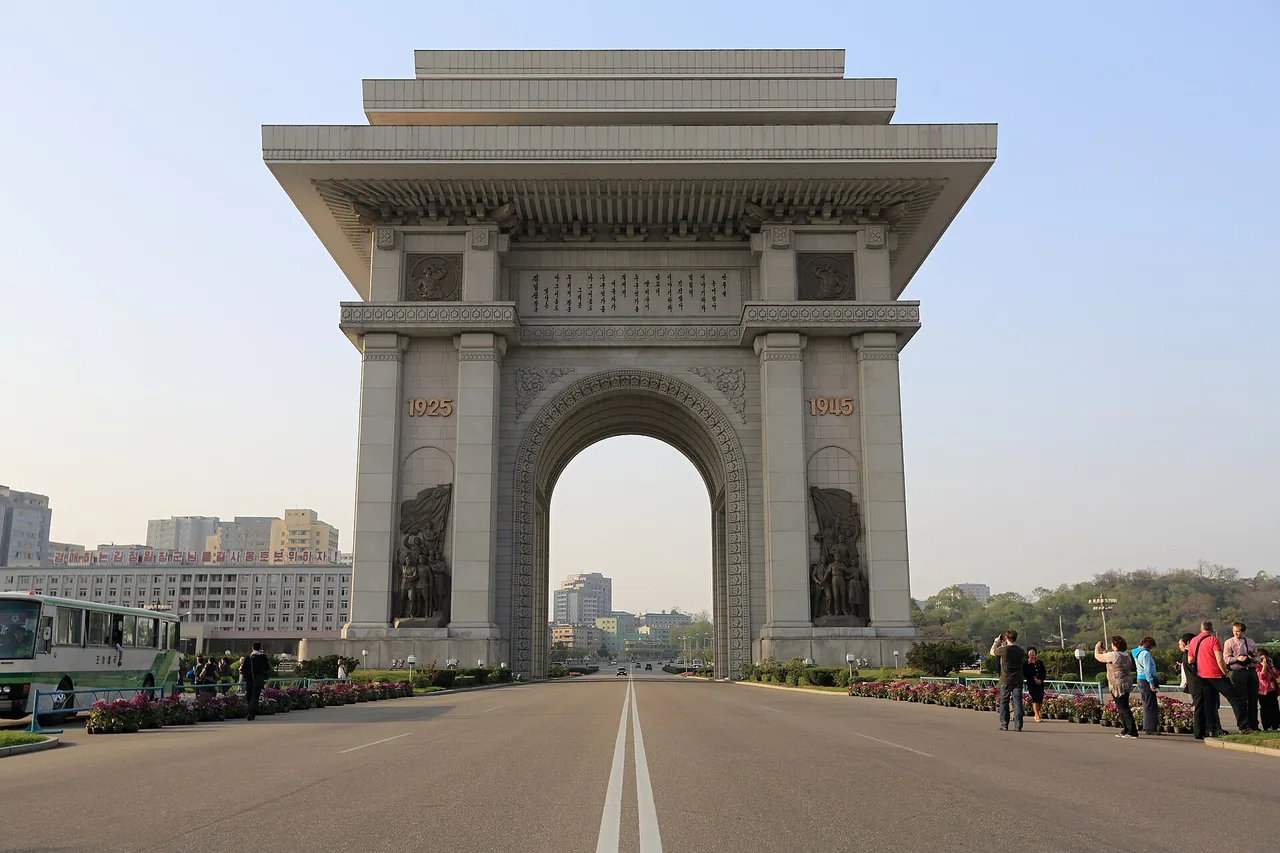
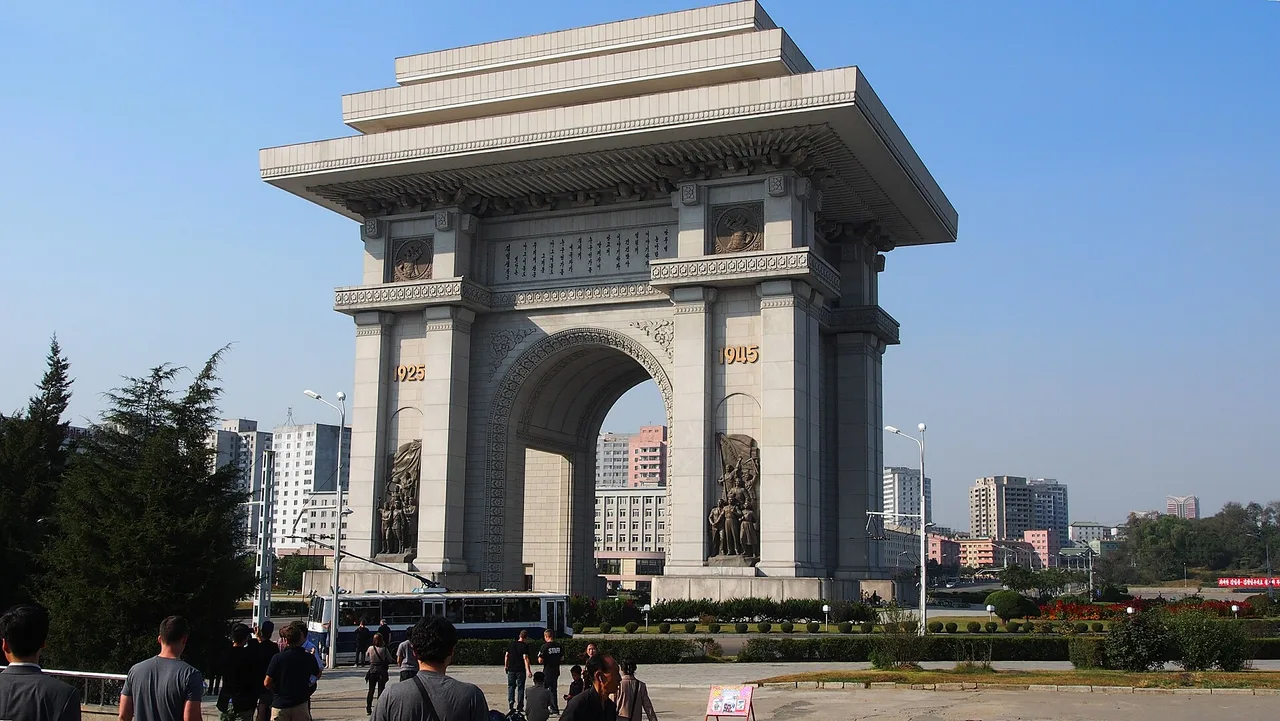
Built in 1982, the Arch of Triumph honors the Korean resistance against Japanese colonial rule from 1910 to 1945. It is modeled after the Arc de Triomphe in Paris but was designed to be slightly larger, standing at 60 meters tall.
Photo: Martin Cígler, Wikimedia Commons, CC BY-SA 3.0.
Pick one
The Chollima Statue features a mythical winged horse that could travel vast distances at incredible speed. In the post-Korean War era, the symbol was used to inspire citizens to rebuild the nation's economy rapidly, giving rise to the 'Chollima Movement.'
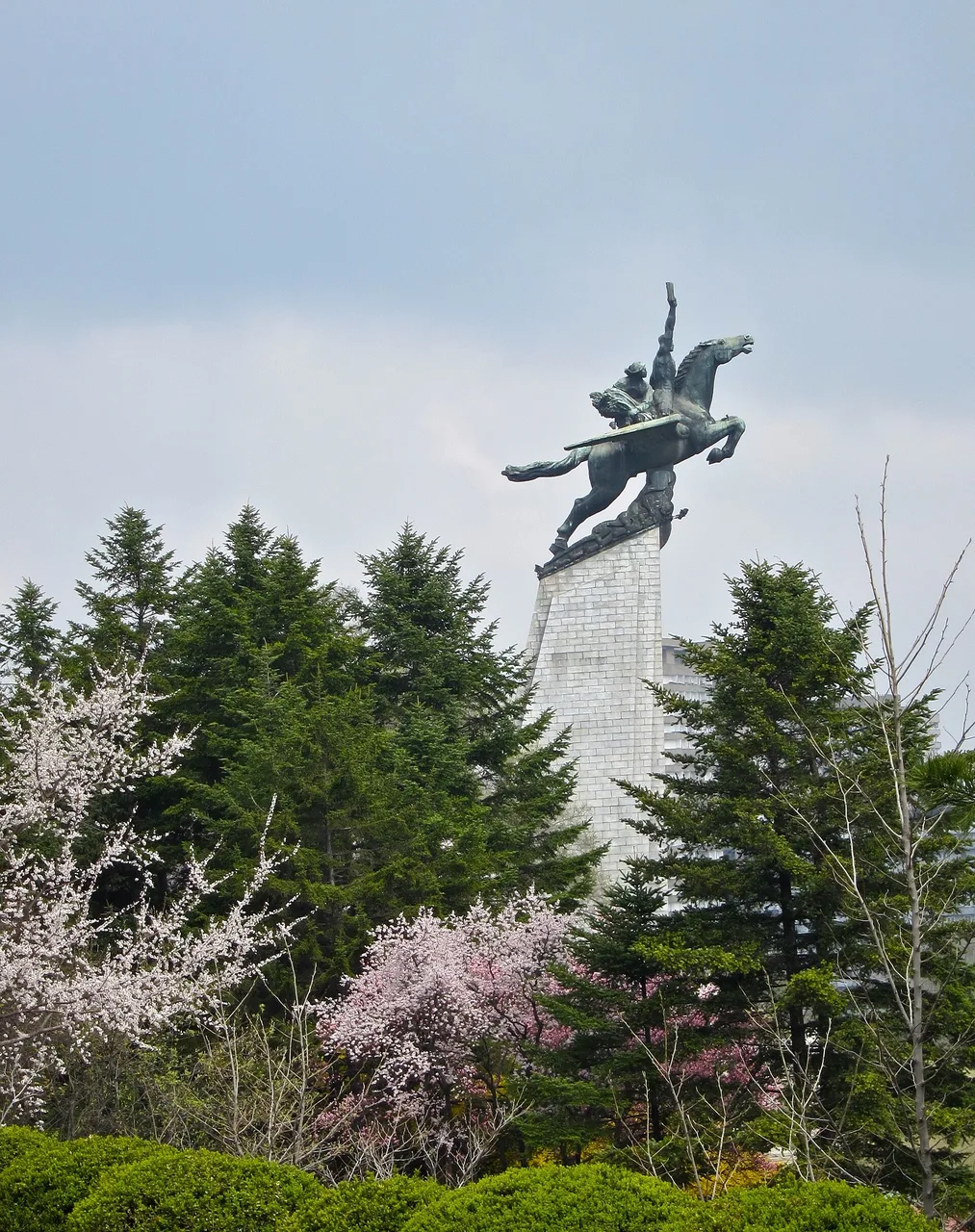
Photo: John Pavelka, Wikimedia Commons, CC BY 2.0.
Pick one
The Juche Tower is topped by a 20-meter-tall, illuminated red metal flame that glows at night to simulate flickering fire. Visitors can take an elevator to the platform just below the flame for a panoramic view of the entire capital.
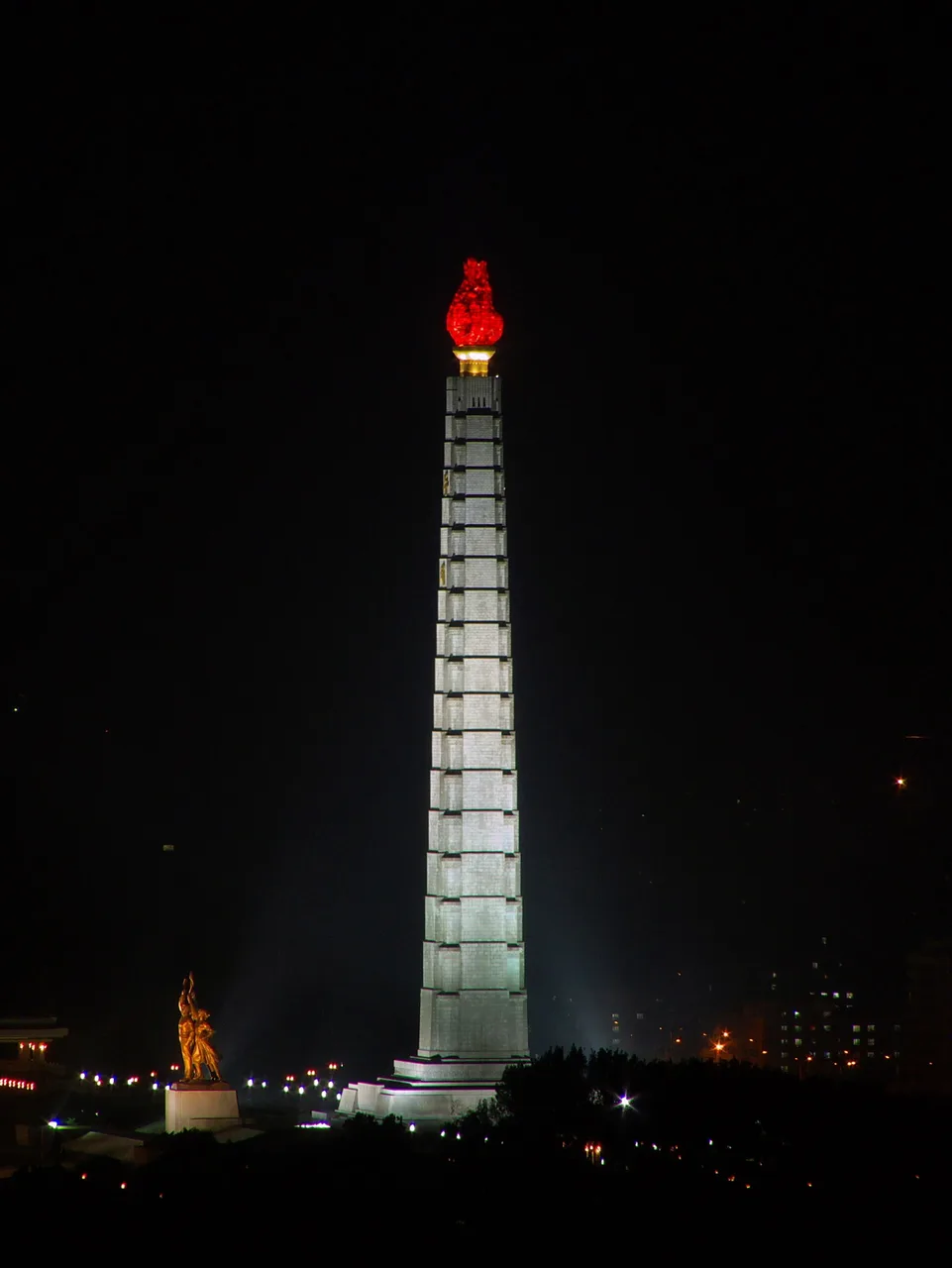
Photo: yeowatzup, Wikimedia Commons, CC BY 2.0.
Pick one
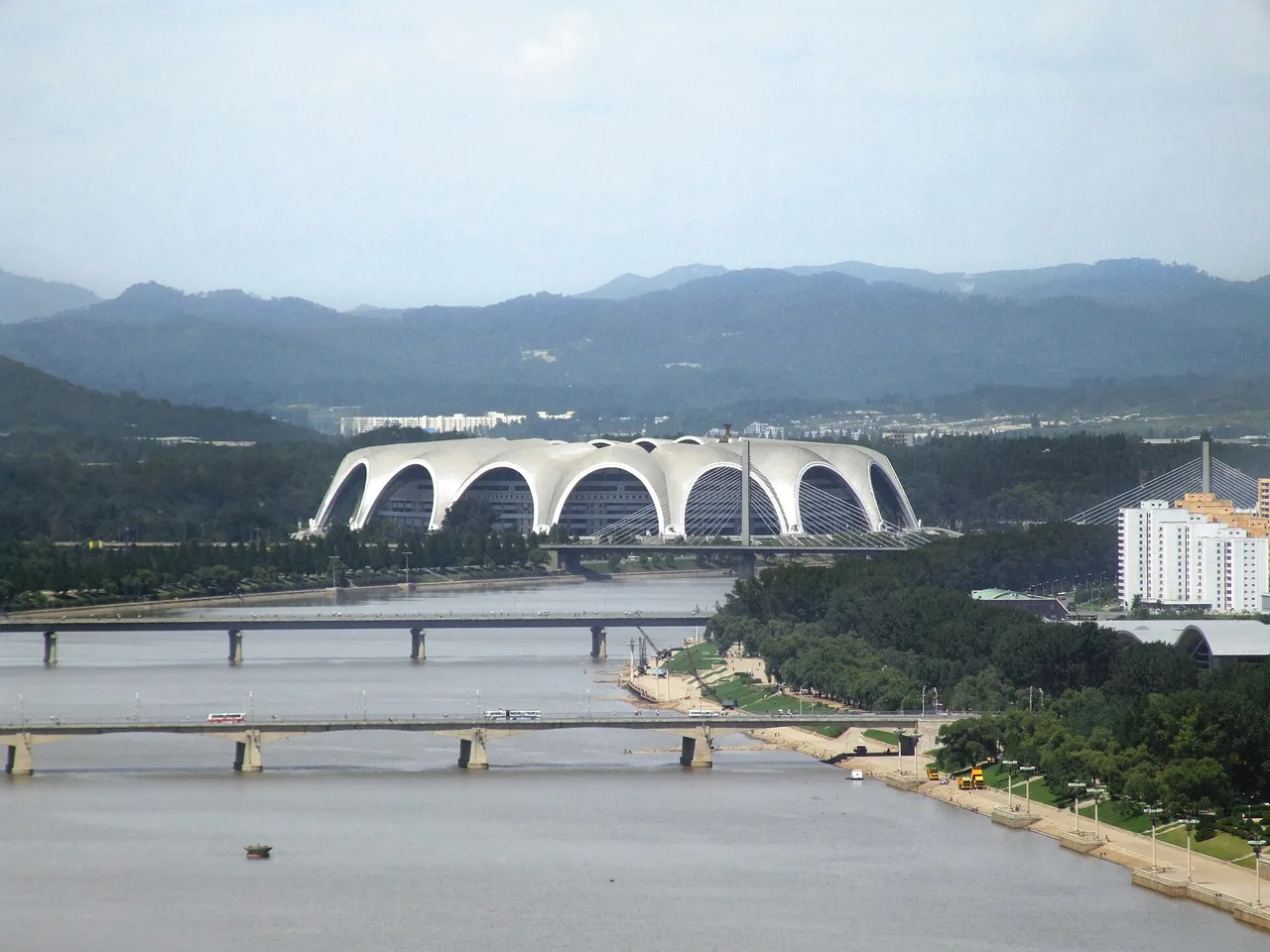
The Rungrado May Day Stadium features a scalloped roof with 16 arches, designed to look like a blooming magnolia flower, which is the national flower of North Korea. It can host over 100,000 spectators and is famous for hosting massive synchronized gymnastics performances.
Photo: Nicor, Wikimedia Commons, CC BY-SA 3.0.
Pick one
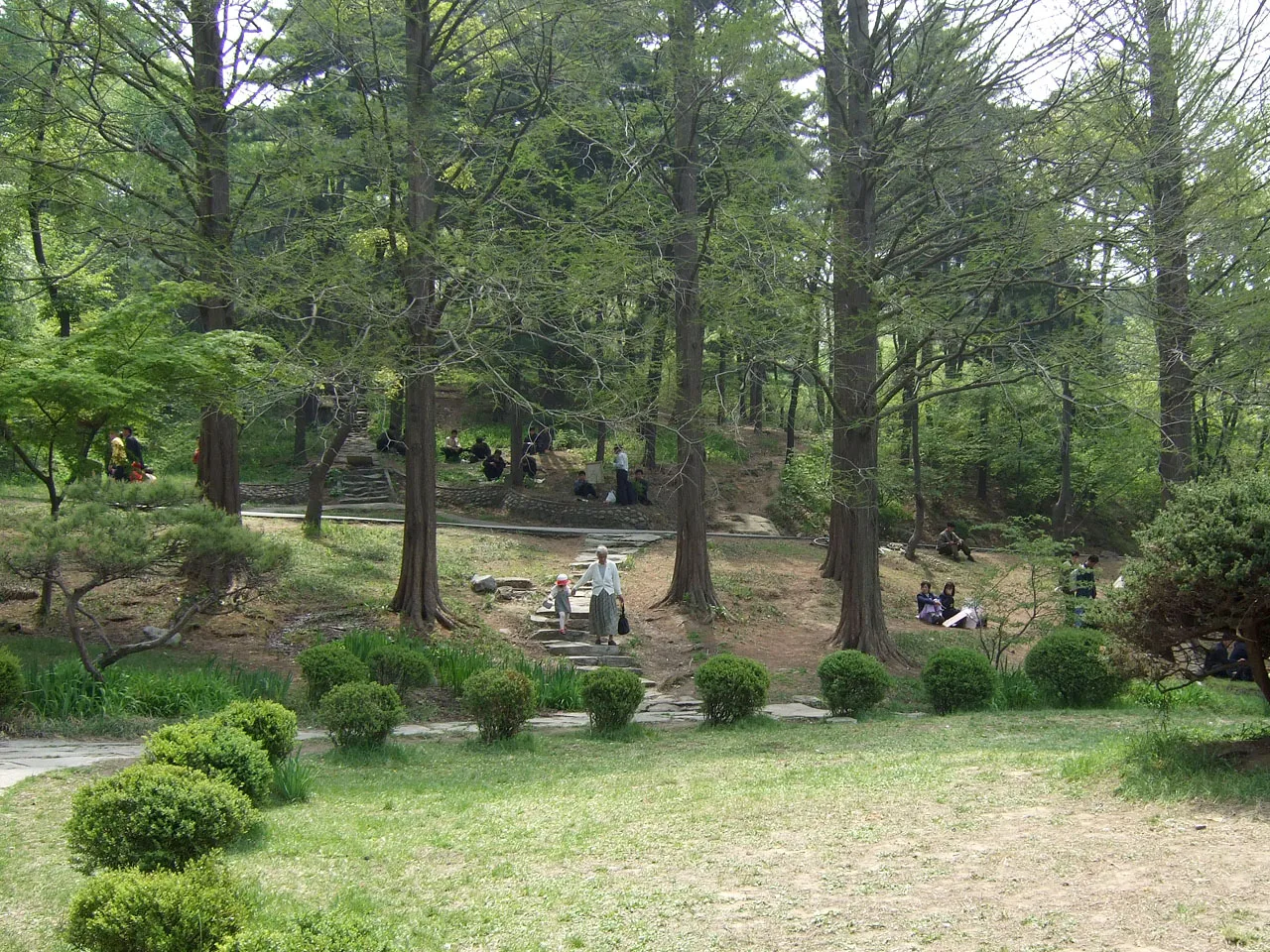
Moranbong, or Moran Hill, translates directly to 'Peony Peak' due to its blooming shape. It is a favorite recreational park for Pyongyang residents, featuring ancient pavilions, walking paths, and historic defensive walls dating back to the Goguryeo dynasty.
Photo: Kounosu, Wikimedia Commons, CC BY-SA 3.0.
Pick one
Pyongyang naengmyeon is made of long buckwheat noodles in an icy cold beef broth. Today people mostly enjoy it in summer, but it was once a winter treat, eaten in warm, heated rooms.
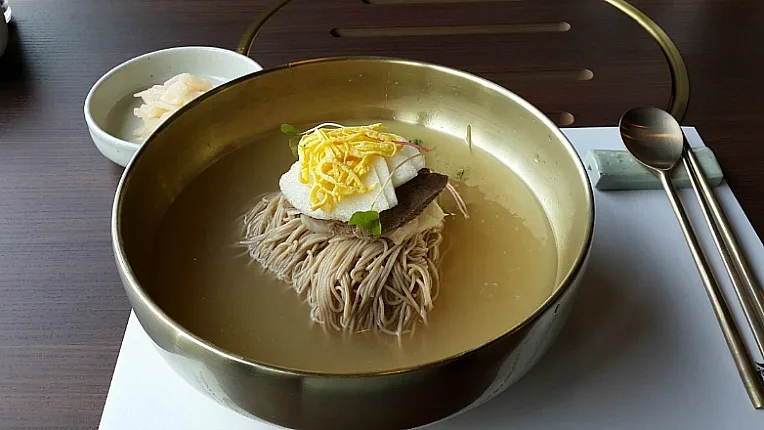
Photo: wjlee4284, Wikimedia Commons, CC BY 2.5.
Pick one
The Korean Film Studio, located on the outskirts of Pyongyang, has been the heart of the country's cinema since 1947. Its sprawling backlots feature replicas of traditional Korean villages, colonial-era streets, and foreign locations. Visitors are sometimes allowed to tour these elaborate sets and dress in costumes.
Pick one
During the Goryeo Dynasty, Pyongyang was designated as Seogyeong, which translates to 'Western Capital.' The dynasty's primary capital was Gaegyeong (modern-day Kaesong). Pyongyang held great strategic and spiritual importance during this period, often serving as a secondary royal residence.
Photo: Clay Gilliland, Wikimedia Commons, CC BY-SA 2.0.
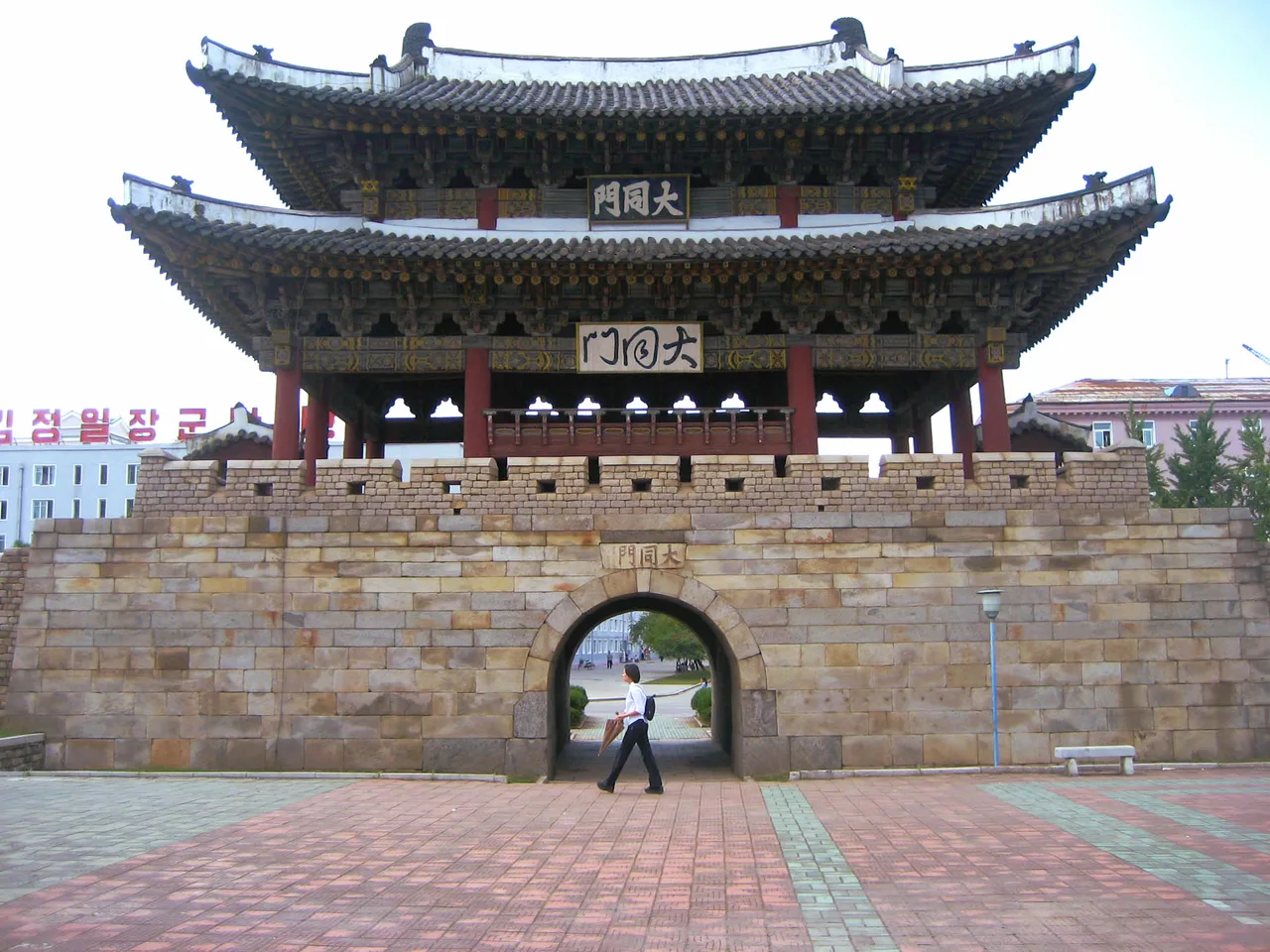
Pick one
Taedongmun is the grand eastern gate of the inner castle of ancient Pyongyang. Originally constructed in the 6th century during the Goguryeo Kingdom, the current structure dates back to a reconstruction in 1635. It stands next to the Taedong River and features a traditional two-story pavilion on top.
Photo: David Stanley from Nanaimo, Canada, Wikimedia Commons, CC BY 2.0.
Pick one
The Taedong River is the lifeblood of Pyongyang, winding right through its urban core. It is spanned by several prominent bridges and serves as a popular recreation spot for locals. The Yalu River, on the other hand, forms the border between North Korea and China far to the north.
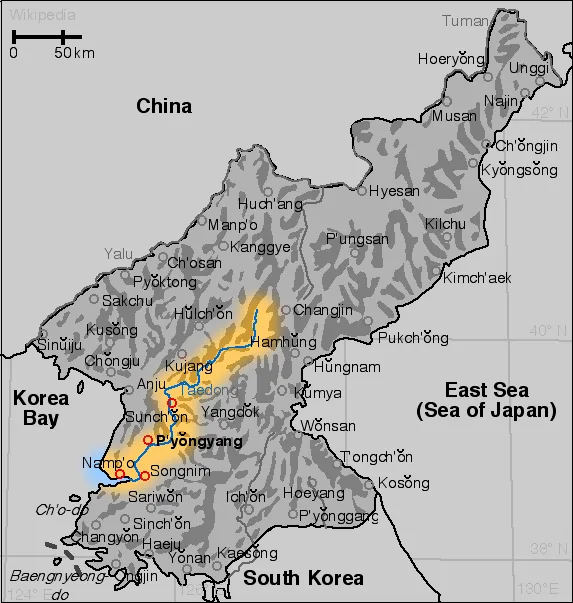
Photo: Wikimedia Commons, CC BY-SA 3.0.


Paste the code into your page. The player fits itself in, and every vote counts in Votur.
On WordPress, Ghost or Squarespace? Just paste the link of this page into your post.
This is how it looks
Also fun