Get app
 Photo: Asamblea Nacional del Ecuador, Wikimedia Commons, CC BY-SA 2.0.
How well do you know Ecuador's high-altitude capital? Test your knowledge of Quito's rich history, stunning volcanic geography, unique landmarks, and vibrant cultural traditions.
Curious Wanderer 0–4 · Quito Explorer 5–8 · Quiteño de Corazón 9–10
Pick one

Locro de papa is a classic Andean potato soup cooked with cheese, milk, and garlic, typically served with fresh avocado slices. It is a staple comfort food in Quito's chilly high-altitude climate, dating back to pre-Columbian times.
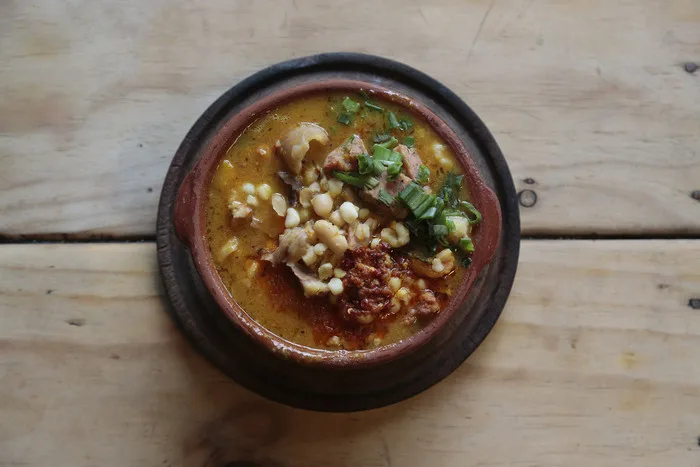
Photo: J. Miers - User: (WT-shared) Jtesla16 at wts wikivoyage, Wikimedia Commons, CC BY-SA 3.0.
Pick one
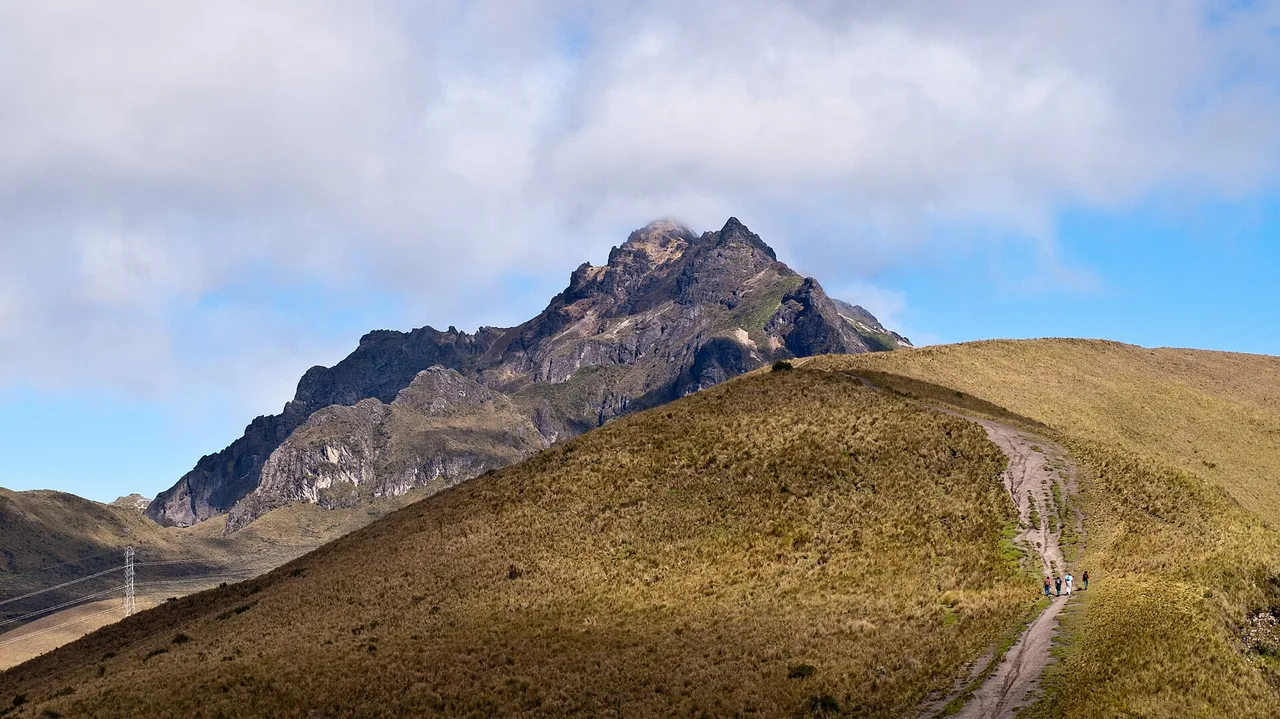
Pichincha's highest peaks are Guagua and Rucu. The volcano had a major eruption in 1999, covering Quito in a layer of ash. Despite this, tourists regularly ride the TeleferiQo cable car up its slopes for stunning panoramic views of the capital.
Photo: Timwryan, Wikimedia Commons, CC BY-SA 3.0.
Pick one
The Battle of Pichincha took place on May 24, 1822, on the slopes of the Pichincha volcano. General Antonio José de Sucre led the patriot forces to a historic victory, which led directly to the liberation of Quito and the wider region.
Pick one
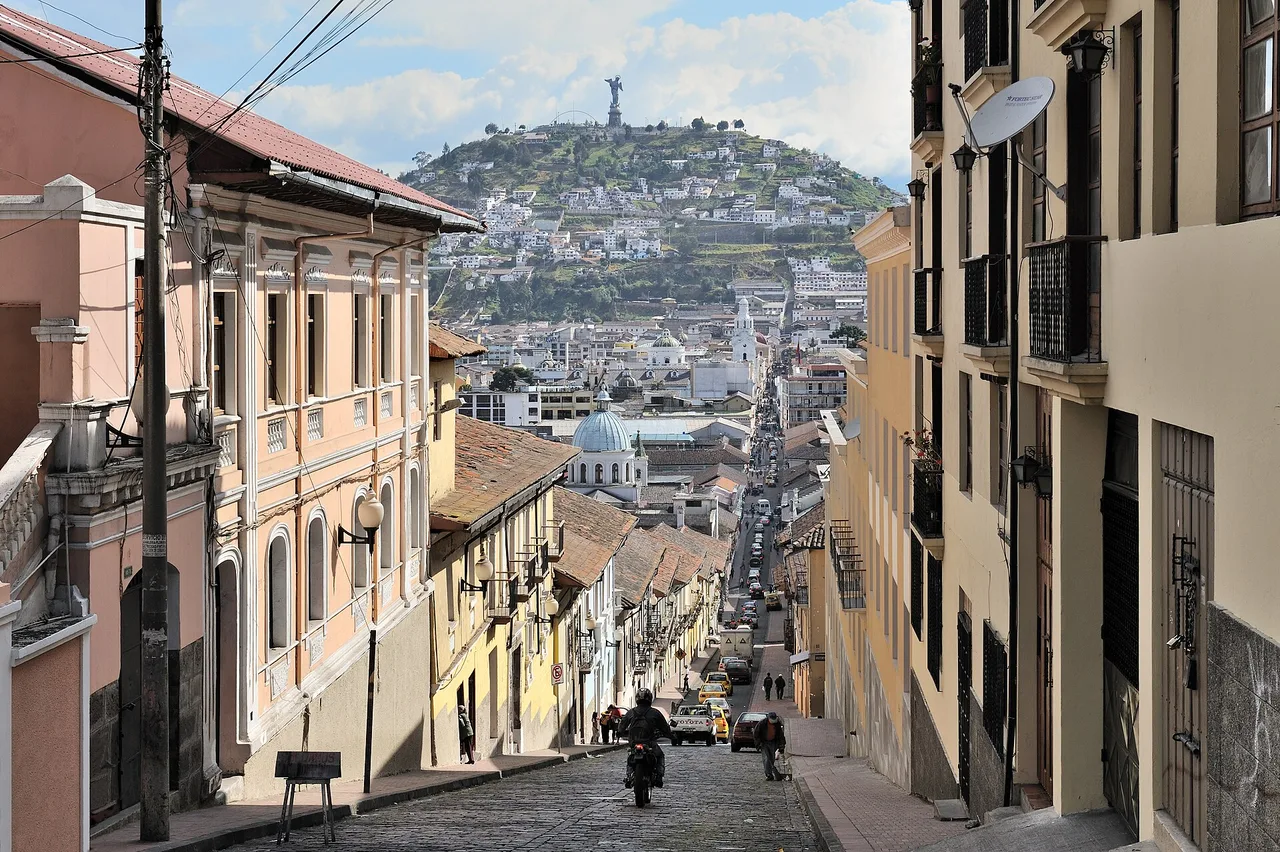
The Virgin of El Panecillo is a 41-meter-tall monument made of thousands of individual aluminum pieces. Designed by Spanish artist Agustín de la Herrán Matorras, this landmark is unique because it depicts the Virgin Mary with wings.
Photo: Cayambe, Wikimedia Commons, CC BY-SA 3.0.
Pick one
Quito and Kraków were the very first urban centers to be declared World Heritage Sites by UNESCO in 1978. Quito boasts one of the best-preserved and least altered historic centers in the Americas, spanning over 300 hectares.
Pick one
Often called La Compañía, this Jesuit masterpiece took 160 years to complete. Its glittering interior has gold leaf covering its columns, altars, and ceilings, blending Spanish baroque architecture with indigenous artistic details.
Pick one
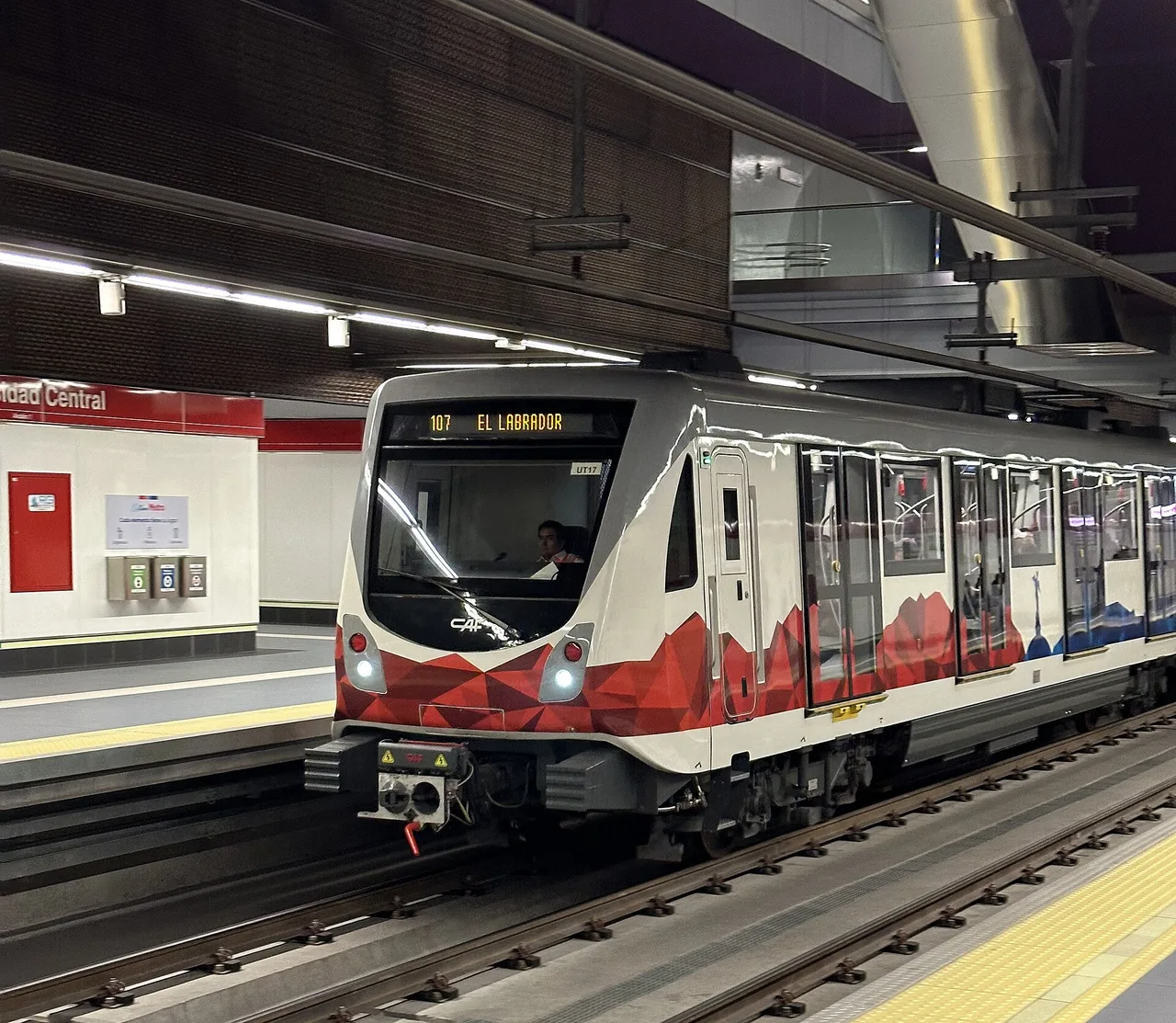
The Quito Metro is a state-of-the-art subway line that spans 22 kilometers from north to south, significantly cutting travel times across the mountainous city. While Cuenca operates a modern overground tramway, Quito's system is the country's sole underground rapid transit network.
Photo: Emilio Mondragón, Wikimedia Commons, CC BY-SA 4.0.
Pick one
Opened in 2013 after the old Mariscal Sucre Airport was relocated, Bicentenario Park covers over 300 acres. Visitors can walk, run, or cycle directly on the former runway, which once saw commercial airplanes landing right in the middle of the densely populated city.
Pick one
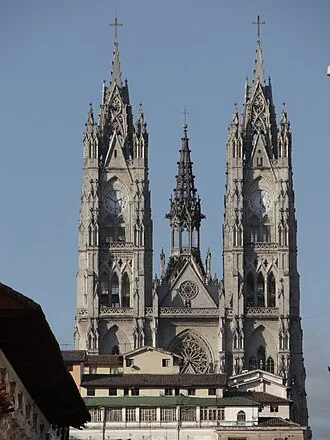
Instead of classic European mythological beasts, this majestic basilica is adorned with stone carvings of native Ecuadorian fauna, including tortoises, iguanas, armadillos, and condors. It is the largest neo-Gothic basilica in the Americas, though technically it remains unfinished.
Photo: Samuelistok, Wikimedia Commons, CC BY-SA 4.0.
Pick one
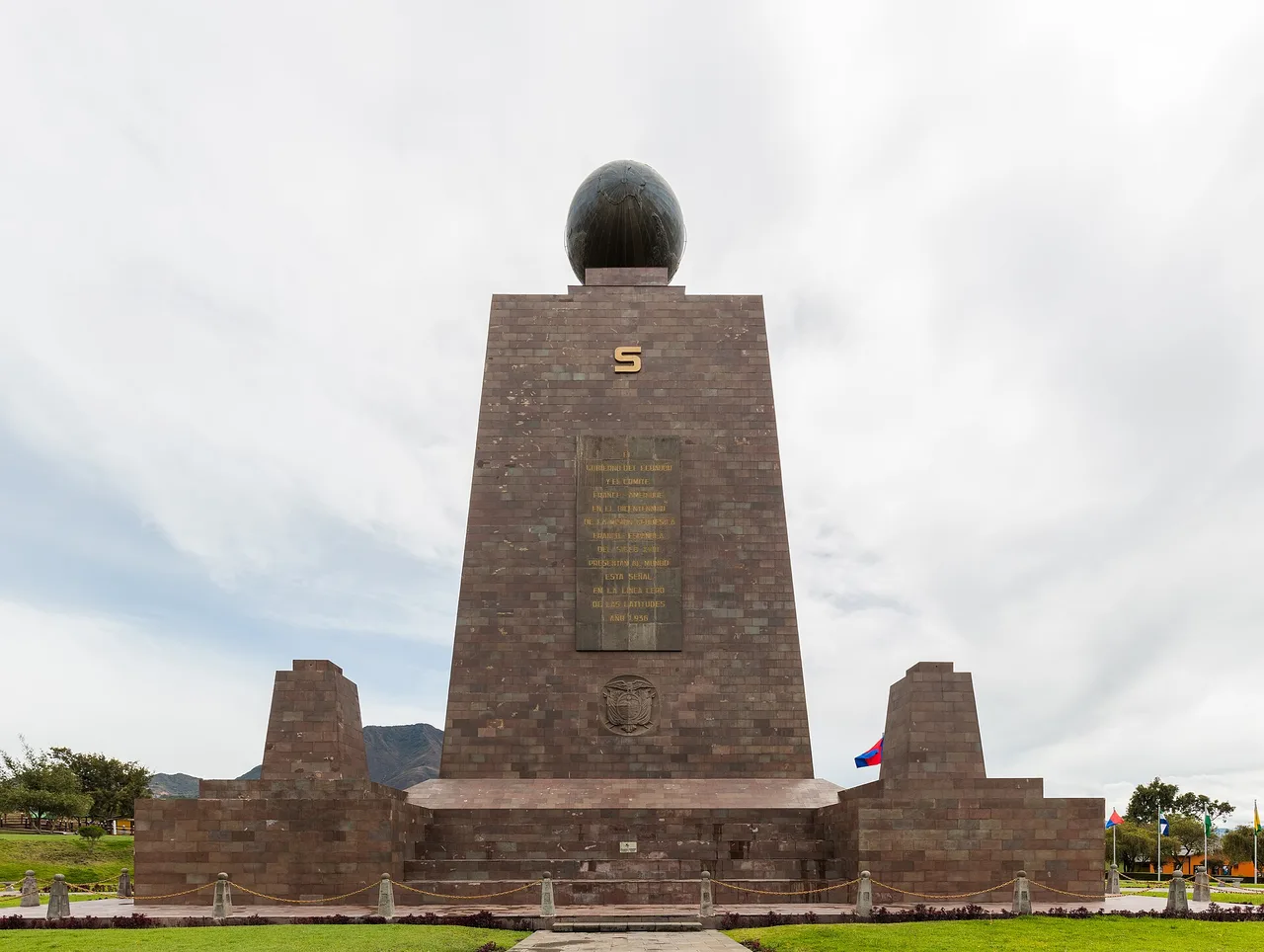
The 30-metre Mitad del Mundo ('Middle of the World') monument stands about 26 km north of Quito and honours an 18th-century French and Spanish expedition that measured the shape of the Earth near the Equator. Ecuador is even named after the line.
Photo: Diego Delso, Wikimedia Commons, CC BY-SA 4.0.


Paste the code into your page. The player fits itself in, and every vote counts in Votur.
On WordPress, Ghost or Squarespace? Just paste the link of this page into your post.
This is how it looks
Also fun