Get app
Eight easy-going questions about the things Belgium is best known for. Perfect to play together, whatever your age.
Day-tripper 0–3 · Feels at home 4–6 · Honorary Belgian 7–8
Pick one

Belgium's flag has three upright stripes in black, yellow and red, colours taken from the old coat of arms of the Duchy of Brabant. Its official shape is unusual too: 13 by 15, so it is only a little wider than it is tall and looks almost square.
Pick one
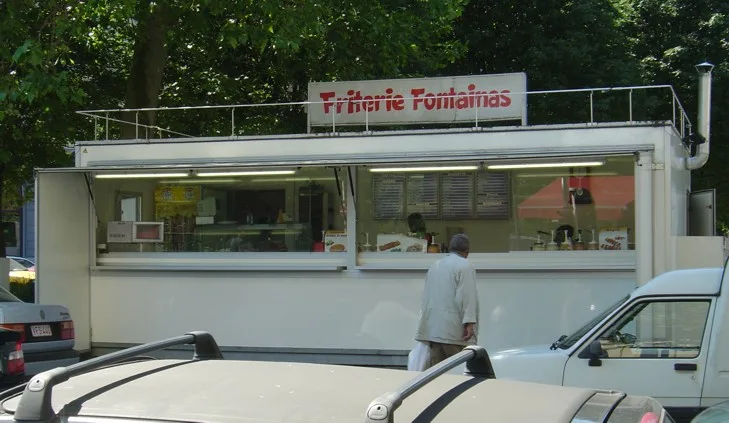
Belgians buy their fries at a snack stand called a frituur or friterie, which usually offers a long list of sauces with fun names like andalouse and samurai. Flemish people call the fries frieten, and French-speaking Belgians say frites.
Photo: Laurent van Roy, Wikimedia Commons, CC BY 2.5.
Pick one
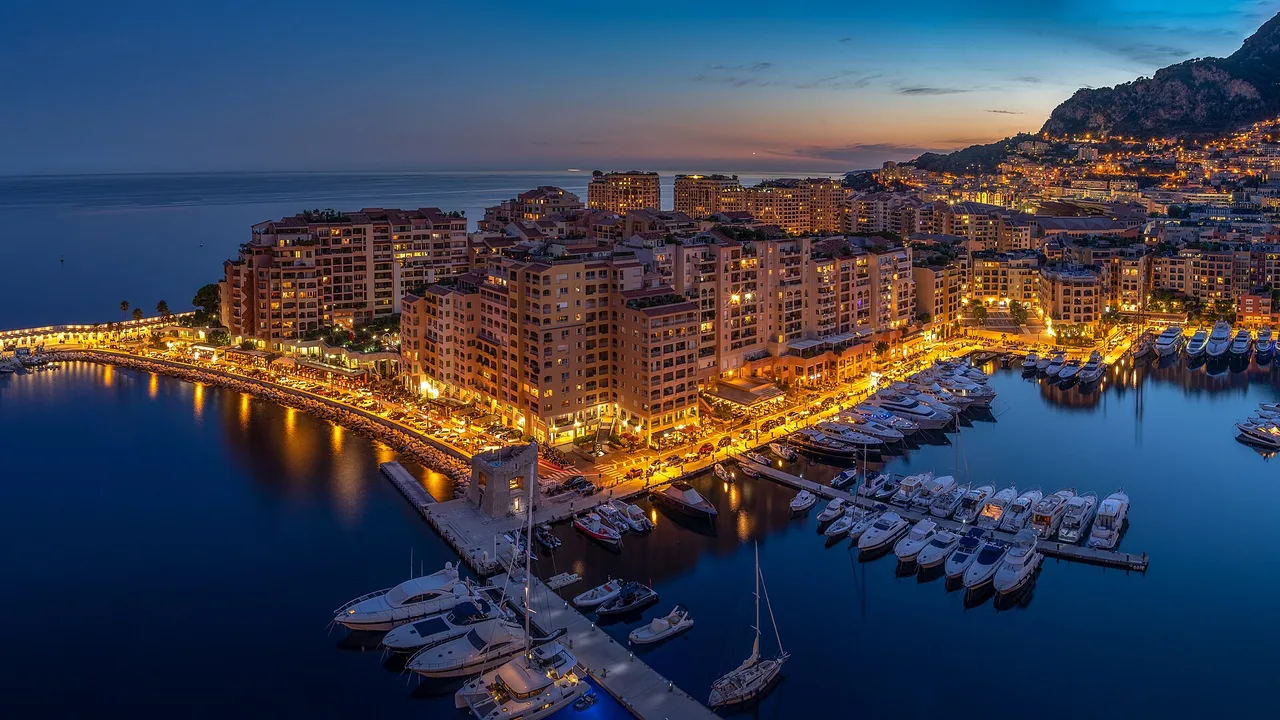
Belgium's coast is so short that a single tram line, the Coast Tram, runs along almost all of it: about 67 km from near the French border to near the Dutch border. It is one of the longest tram lines in the world and stops about 67 times along the way.
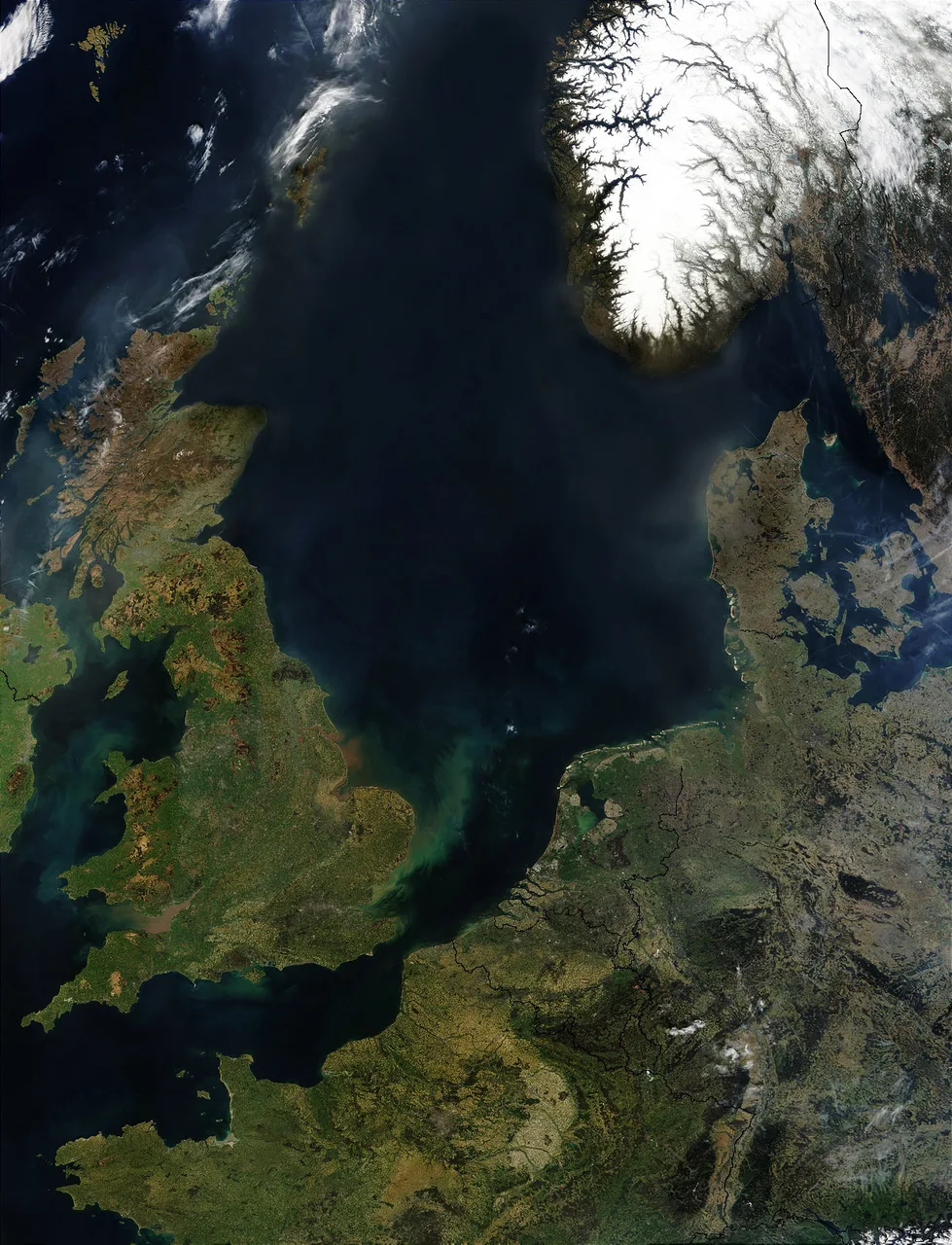
Photo: MODIS Rapid Response Team, NASA/GSFC, Wikimedia Commons, Public domain.
Pick one
Brussels sprouts, which look like mini cabbages, may have been grown near Brussels as early as the 1200s, and that is how they got their name in English and many other languages. They grow in a spiral up a tall stalk that can reach more than a metre. In the 1990s a Dutch scientist found out which substances make sprouts bitter, and growers then bred milder-tasting ones.
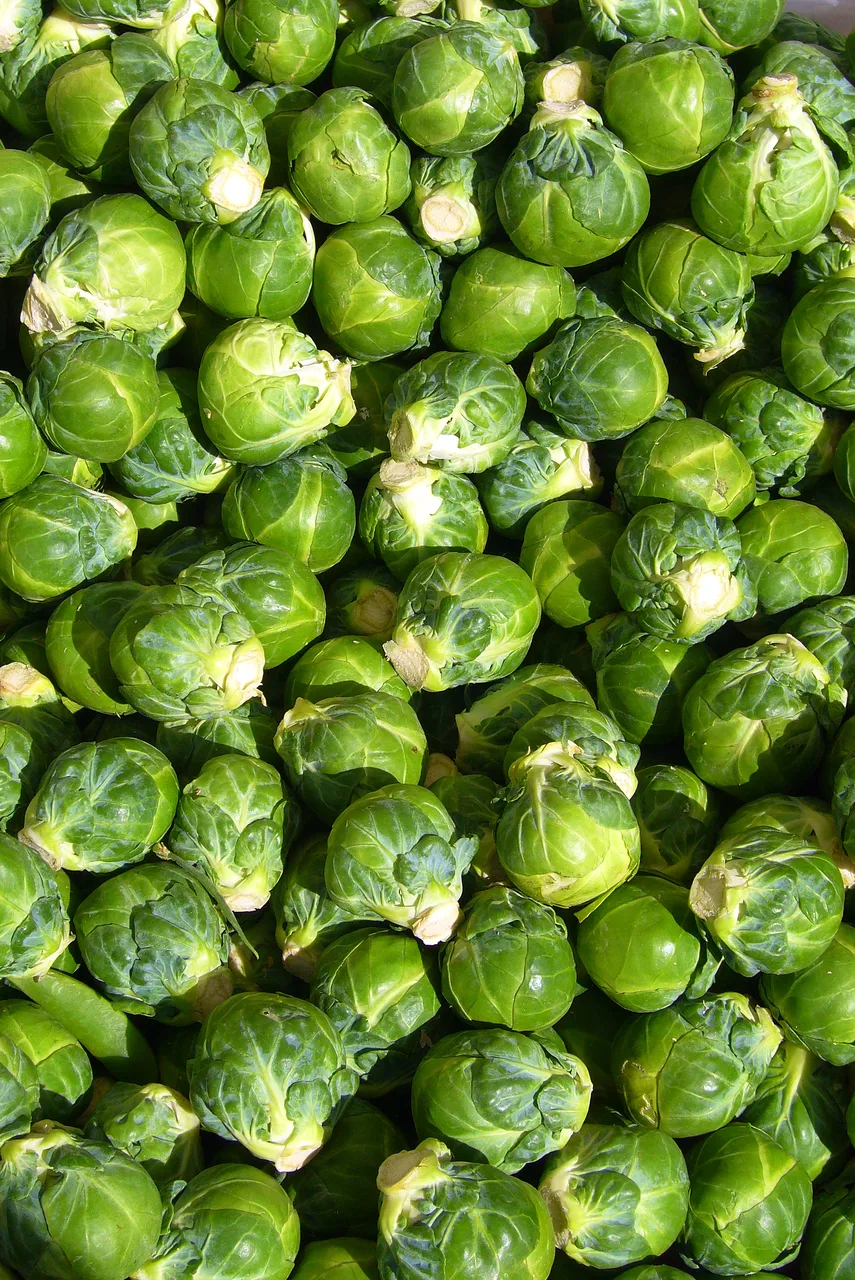
Photo: Eric Hunt, Wikimedia Commons, CC BY 2.5.
Pick one
Hercule Poirot was created by the English writer Agatha Christie. He appears in 33 of her novels and more than 50 short stories, solving cases with his 'little grey cells' and always taking great care of his stiff, waxed moustache.
Pick one
The medieval centre of Bruges has been on the UNESCO list since 2000, and like Amsterdam the city is sometimes called the Venice of the North. Its belfry tower holds 47 bells, and Bruges still employs a full-time bell player, a carillonneur, who gives free concerts.
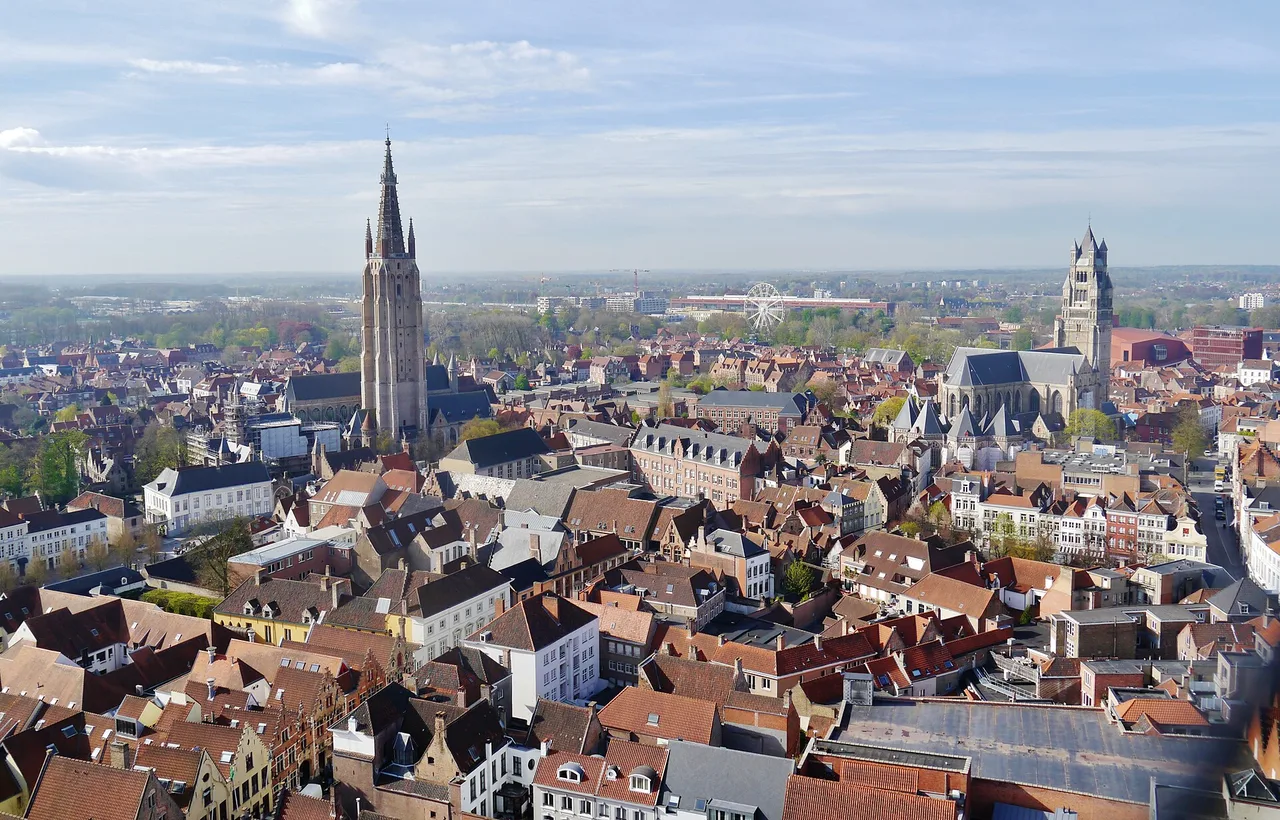
Photo: Zairon, Wikimedia Commons, CC BY-SA 4.0.
Pick one
The Flower Carpet uses nearly a million begonias or dahlias, laid by volunteers into a pattern about 77 metres long and 24 metres wide. It lasts only three or four days in August, and the very first one was made in 1971.
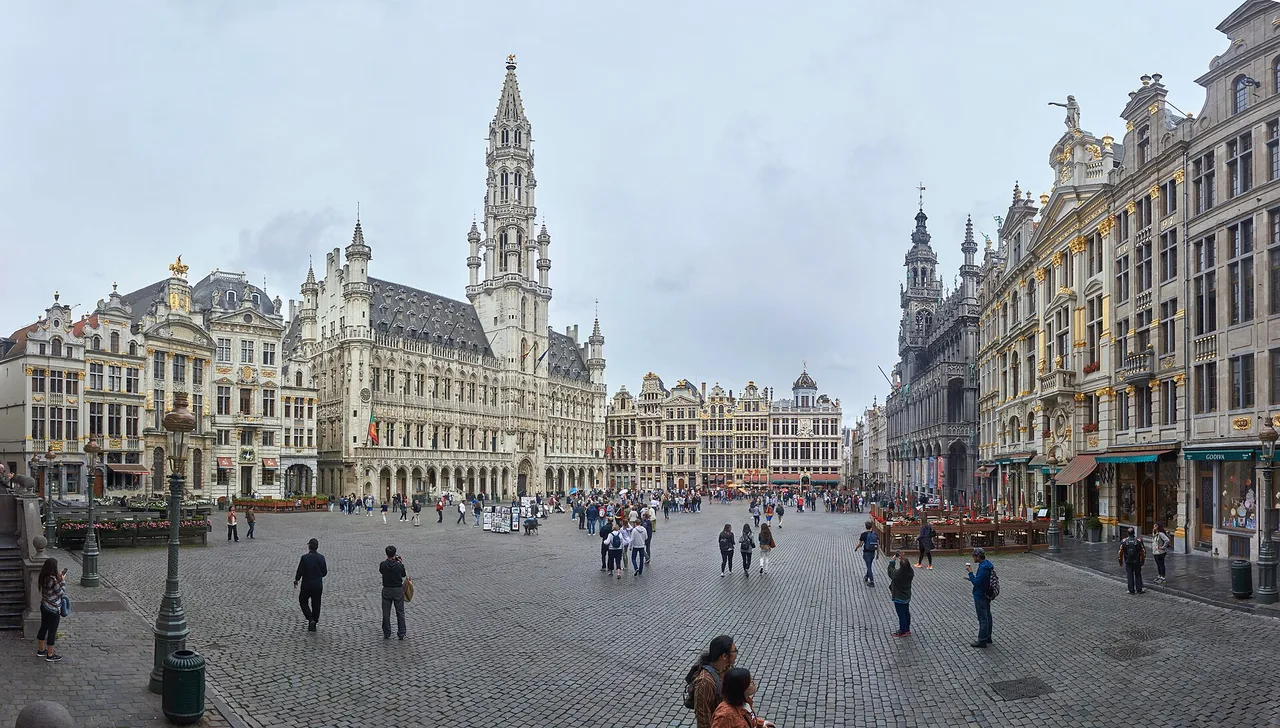
Photo: Celuici, Wikimedia Commons, CC BY-SA 4.0.
Pick one
The artist Peyo first drew them in 1958. He invented their French name, 'Schtroumpf', during a meal at the Belgian coast: he could not think of the word for salt, so he asked his friend to pass him the schtroumpf instead.

Photo: Peyo Productions/I.M.P.S., Wikimedia Commons, Public domain.


Paste the code into your page. The player fits itself in, and every vote counts in Votur.
On WordPress, Ghost or Squarespace? Just paste the link of this page into your post.
This is how it looks
Also fun