Get app
 Photo: Ronakshah1990, Wikimedia Commons, CC BY-SA 4.0.
How well do you know India's vibrant capital? Test your knowledge on the history, landmarks, culture, and flavors of New Delhi!
Curious Wanderer 0–4 · City Explorer 5–8 · Delhi Expert 9–10
Pick one

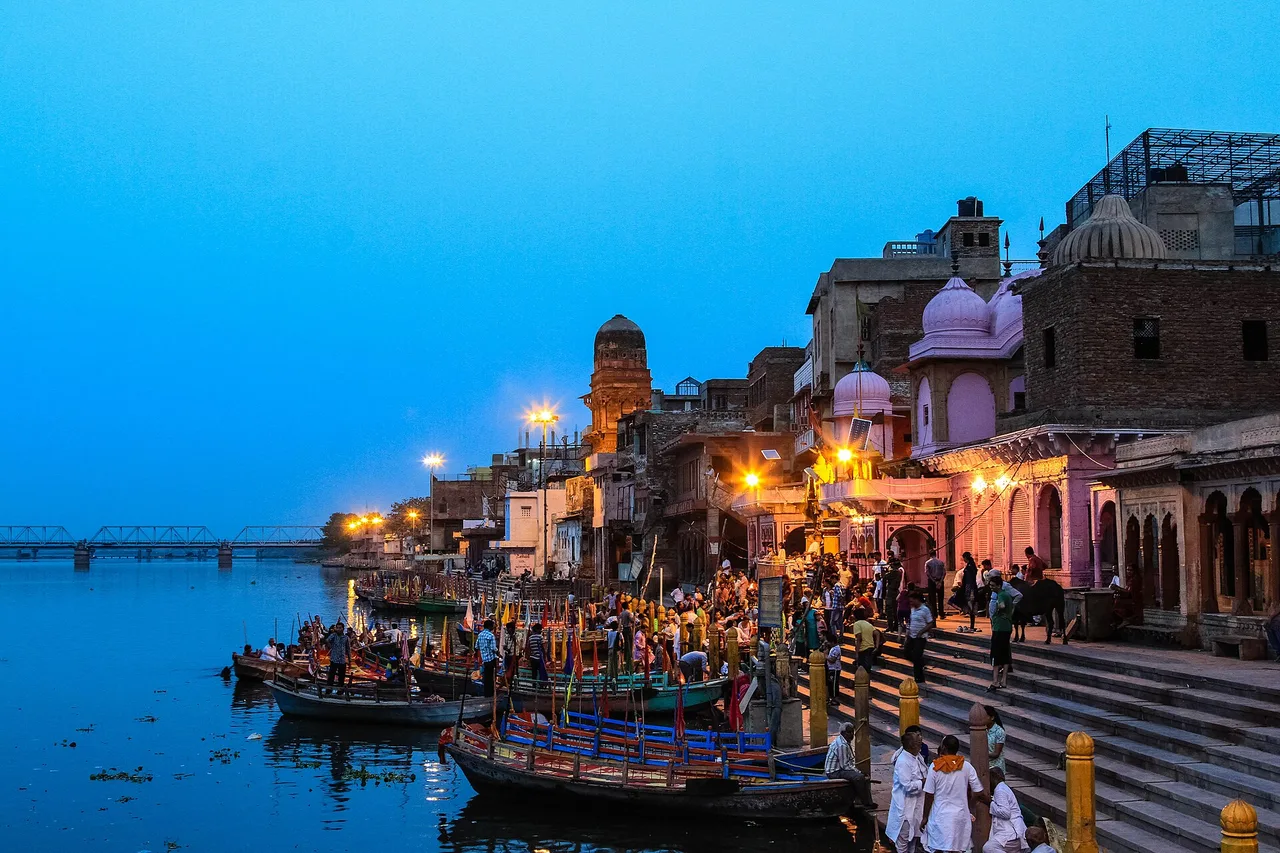
The Yamuna River flows right along the eastern side of Delhi. It is the longest and the second-largest tributary river of the Ganges in India. Historically, the river was a vital trade route and remains a sacred body of water in Hinduism, though it faces severe environmental challenges today.
Photo: Umang108, Wikimedia Commons, CC BY-SA 4.0.
Pick one
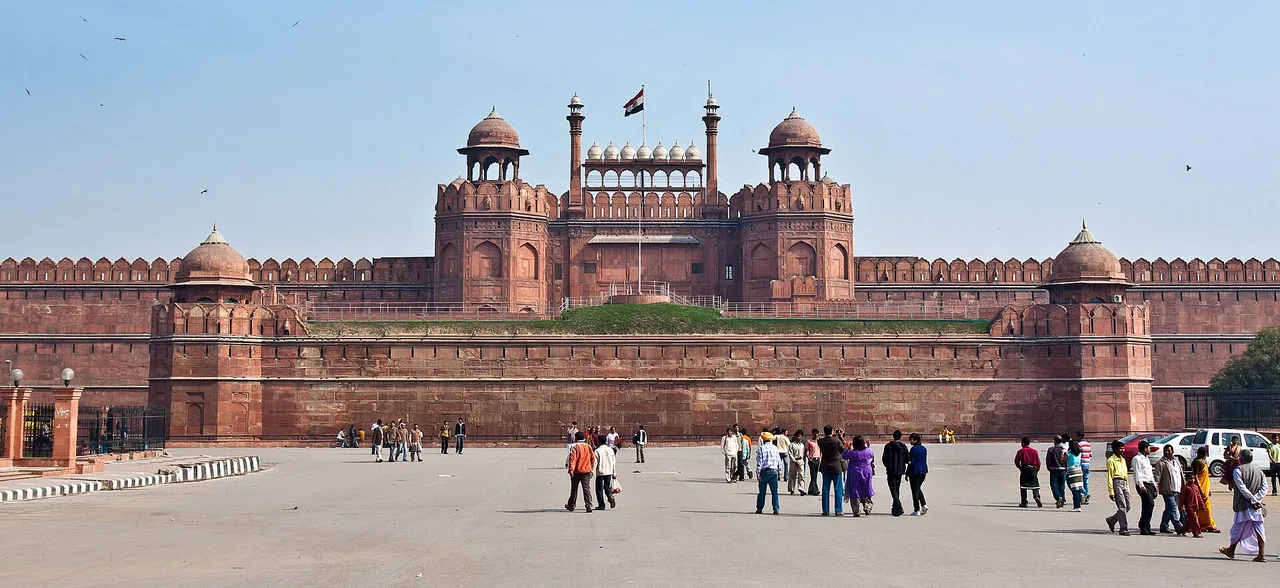
Emperor Shah Jahan commissioned the Red Fort in 1638, naming the new walled city Shahjahanabad. Built with massive red sandstone walls, this fortress served as the political hub of the Mughal Empire for nearly two centuries and remains the iconic site where India's Prime Minister hoists the national flag on Independence Day.
Photo: PerSona77, Wikimedia Commons, CC BY-SA 3.0.
Pick one
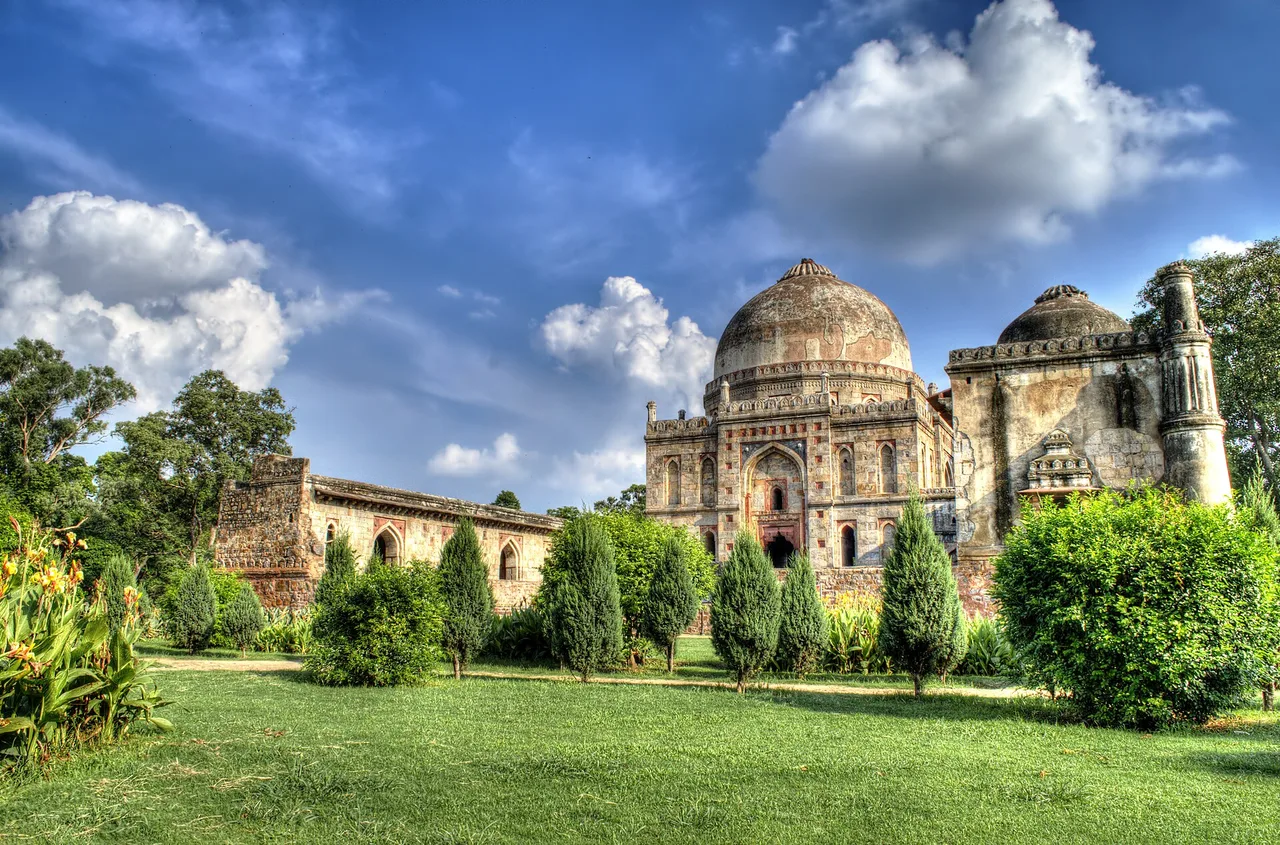
Lodhi Gardens covers about 36 hectares and holds tombs of the Sayyid and Lodi dynasties, who ruled Delhi in the 15th and early 16th centuries. Today it is a favourite spot for morning walks, with old domes rising between the joggers and the lawns.
Photo: Amaninder, Wikimedia Commons, CC BY-SA 3.0.
Pick one
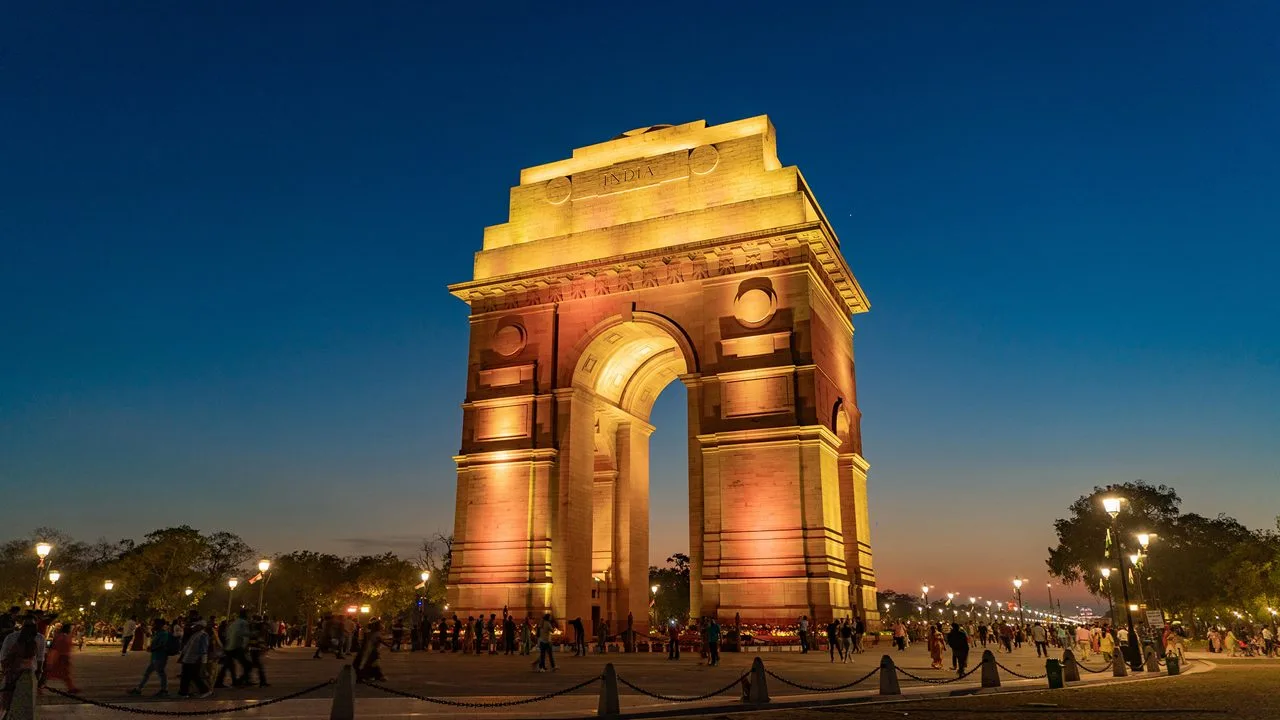
India Gate was designed by Sir Edwin Lutyens, a leading British architect of the era who planned much of New Delhi. It commemorates the soldiers of the British Indian Army who lost their lives during the First World War. Interestingly, its grand archway design is often compared to the famous Arc de Triomphe in Paris.
Photo: Incredible India Portal, Wikimedia Commons, CC0.
Pick one
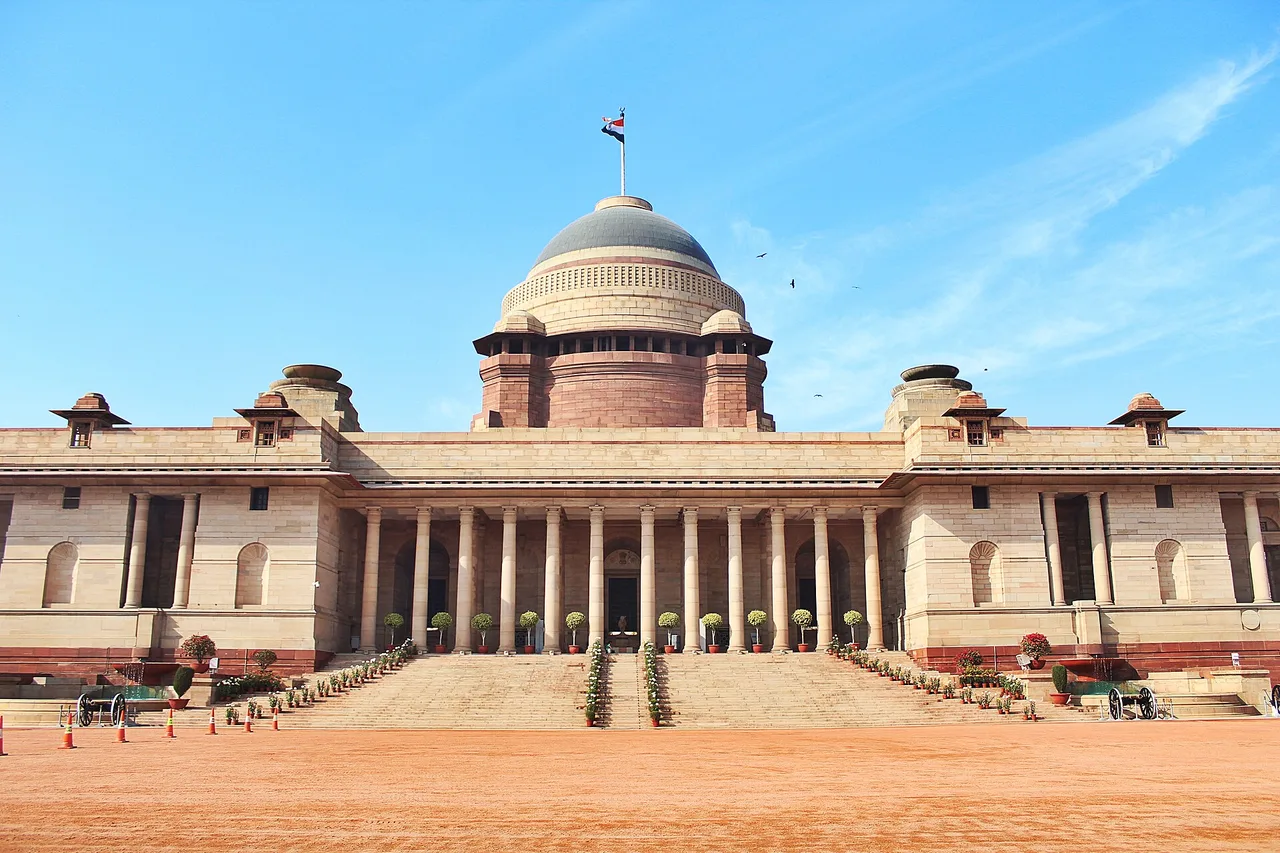
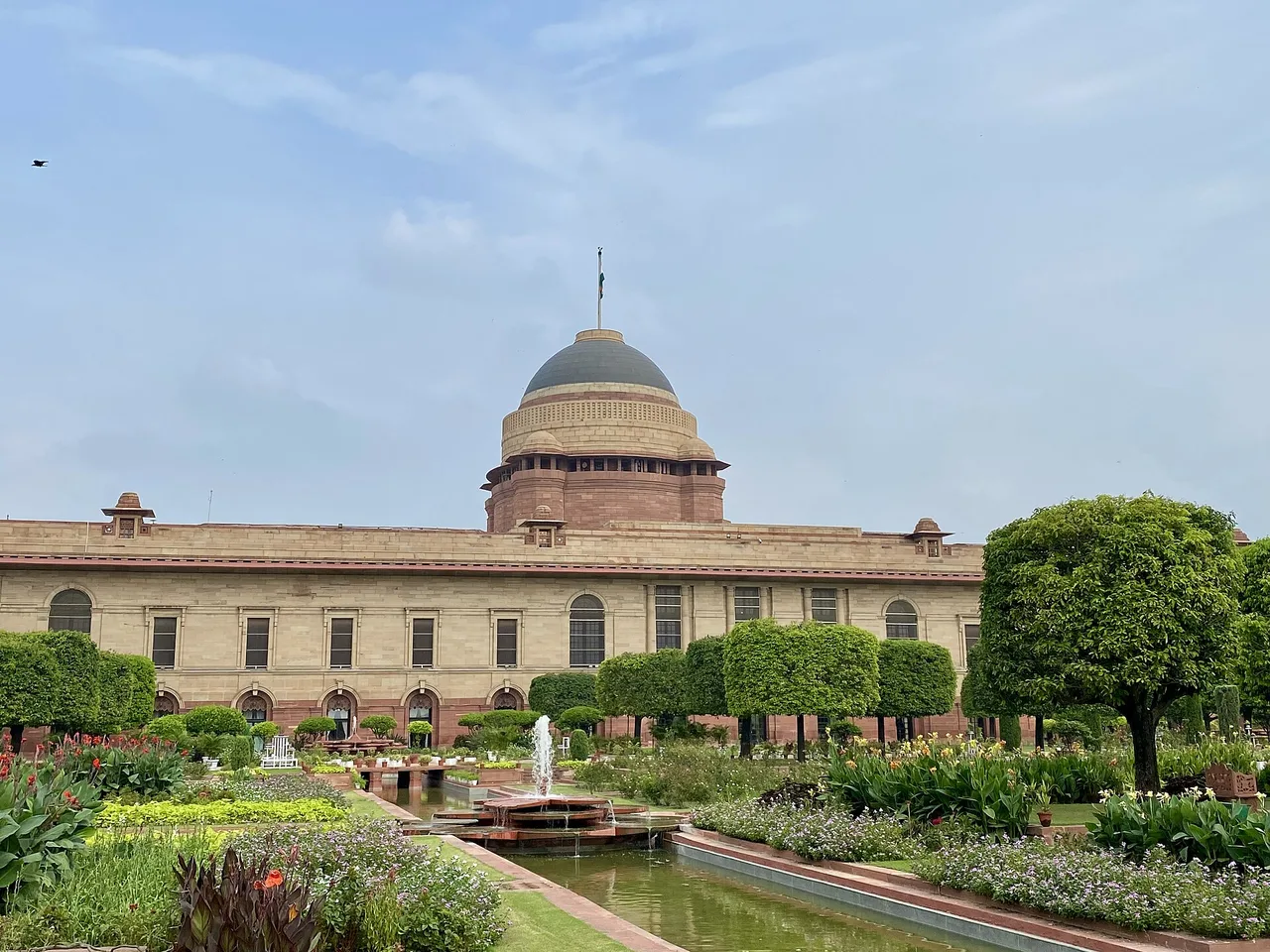
Rashtrapati Bhavan was originally constructed as the Viceroy's House during British rule to serve as the home of the Governor-General of India. Designed by Edwin Lutyens, this massive H-shaped building features 340 rooms and sits on Raisina Hill, serving as a grand symbol of Indian democracy today.
Photo: Tamjeed Ahmed, Wikimedia Commons, CC BY-SA 4.0.
Pick one
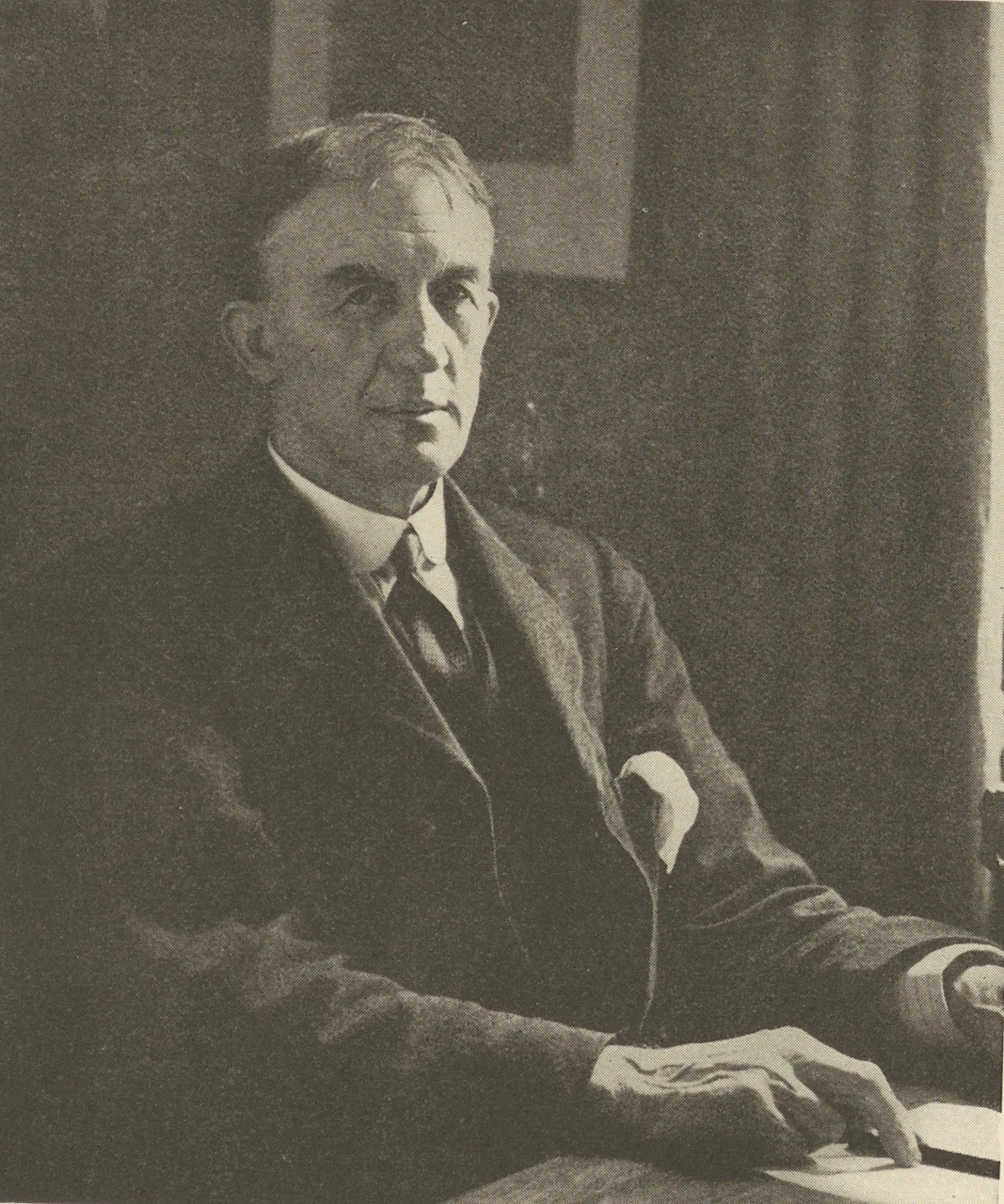
Sir Herbert Baker was the key collaborator with Edwin Lutyens in planning the new imperial capital. He specifically designed the Secretariat Building, which houses the offices of the Indian government. The two architects famously had a falling out over the steepness of the ramp leading up to the Viceroy's House.
Photo: Charles Herbert Reilly, Wikimedia Commons, Public domain.
Pick one
Humayun's Tomb was built between 1565 and 1572 for the Mughal emperor Humayun, on the orders of his widow, Empress Bega Begum. It was the first garden tomb on the Indian subcontinent, set in a large walled garden divided into four parts, and its style led directly to the Taj Mahal.
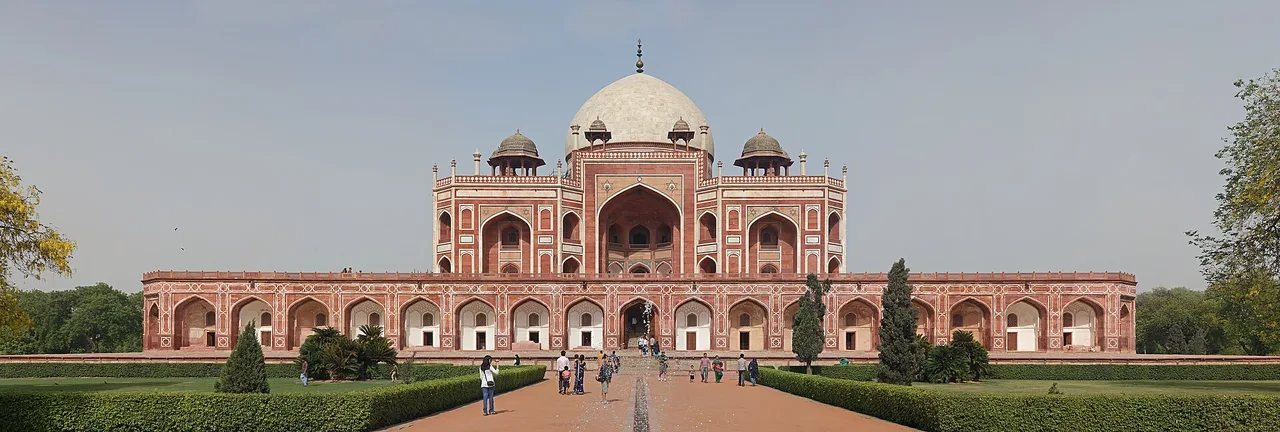
Photo: Muhammad Mahdi Karim, Wikimedia Commons, GFDL 1.2.
Pick one
The Delhi Metro began its commercial operations in December 2002 with the opening of the Red Line, which connected Shahdara to Tis Hazari. Today, the metro network has expanded into a massive, world-class rapid transit system with multiple color-coded lines, transforming daily commutes for millions.
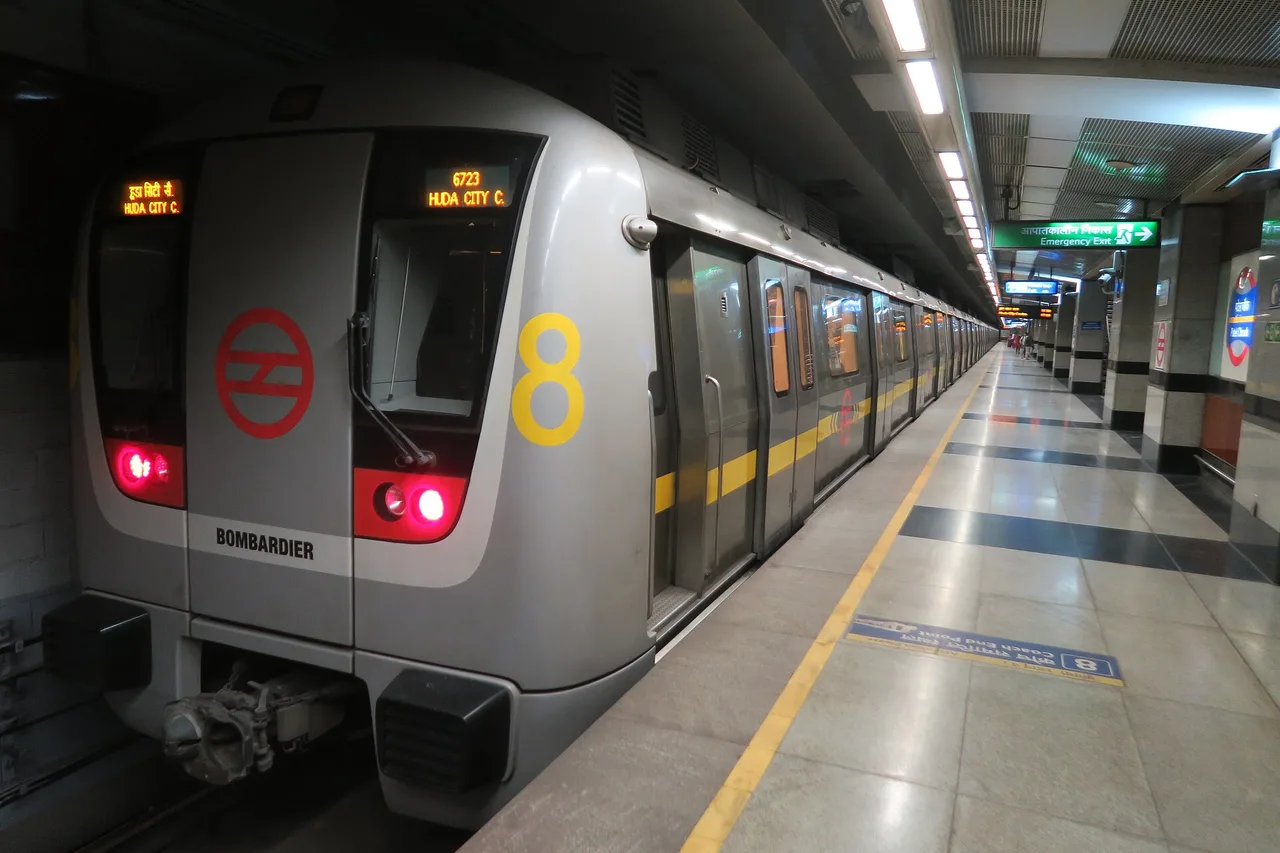
Photo: Ravi Dwivedi, Wikimedia Commons, CC BY-SA 4.0.
Pick one
The National Museum in New Delhi holds an extraordinary collection of over 200,000 works of art spanning 5,000 years. Its most prized possession is the 'Dancing Girl', a 4,500-year-old bronze masterpiece from Mohenjo-daro that showcases the incredible metal-casting skills of early ancient artisans.
Pick one
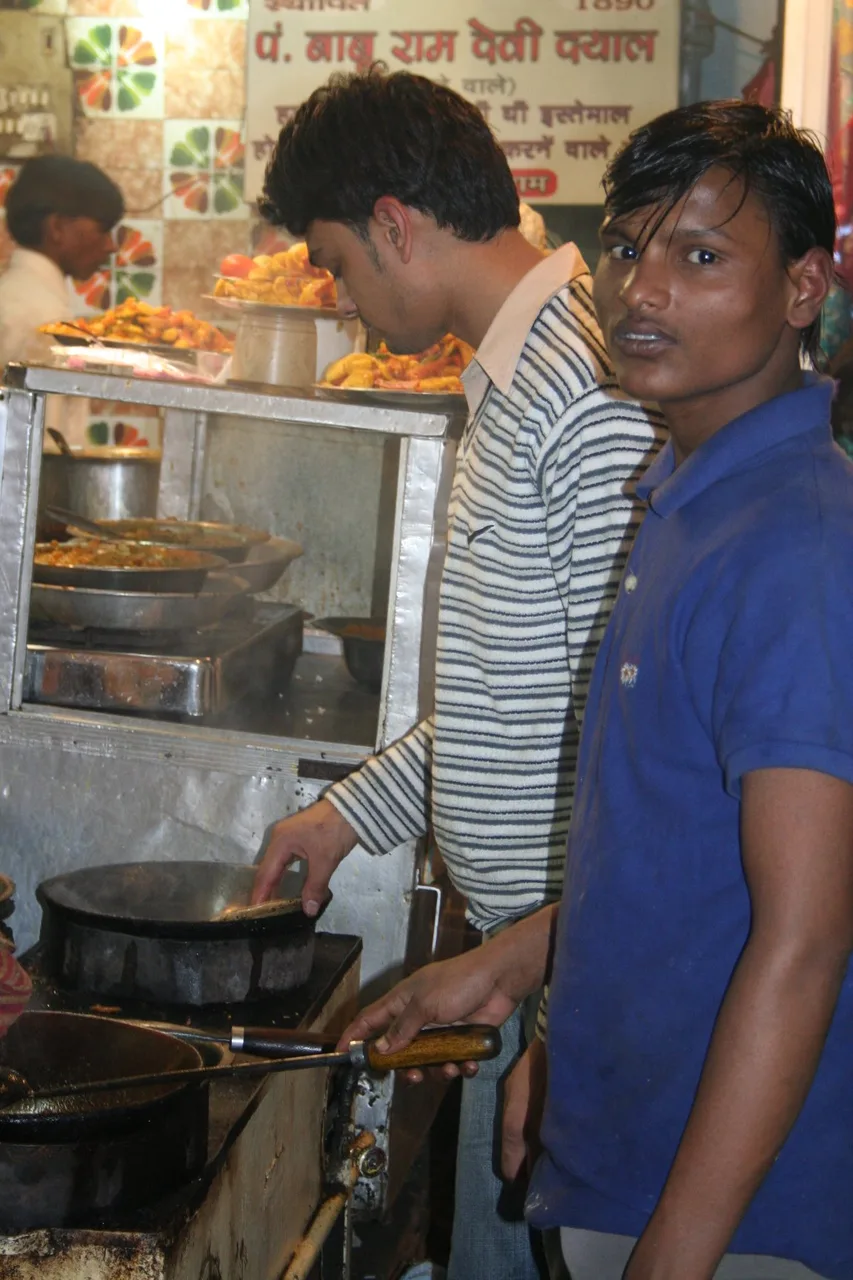
Paranthe Wali Gali is a celebrated narrow street in the heart of Chandni Chowk, Old Delhi. It became legendary in the 1870s when starch-loving locals flocked there for deep-fried flatbreads stuffed with everything from potatoes to cashews. Many of the shops have been run by the same families for generations.
Photo: Supreet Sethi http://supreetsethi.net, Wikimedia Commons, CC BY-SA 3.0.


Paste the code into your page. The player fits itself in, and every vote counts in Votur.
On WordPress, Ghost or Squarespace? Just paste the link of this page into your post.
This is how it looks
Also fun