Get app
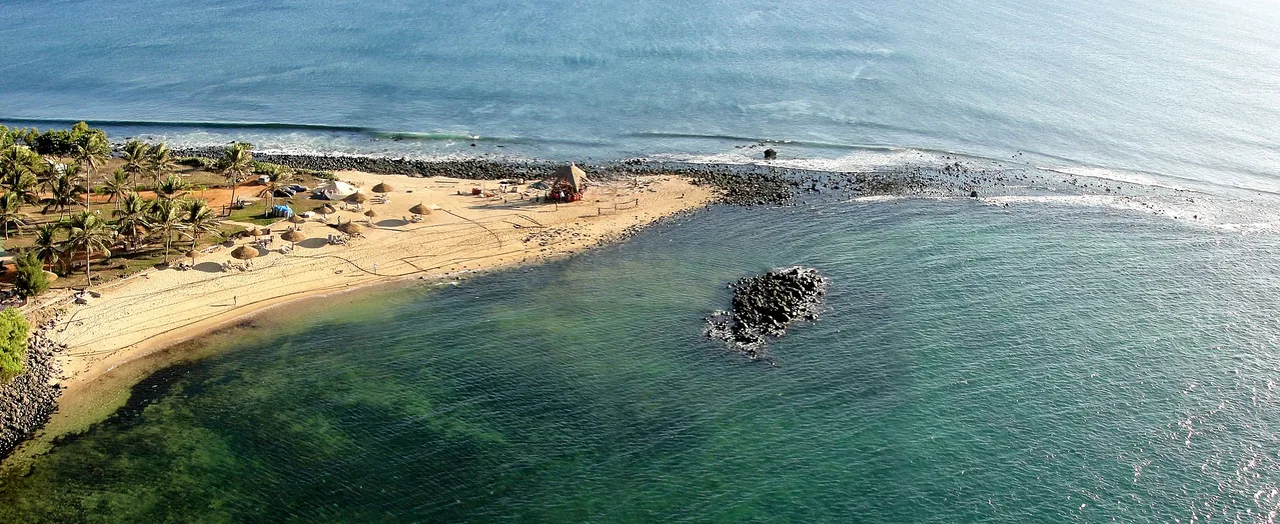
 Photo: GBETONGNINOUGBO JOSEPH HERVE AHISSOU, Wikimedia Commons, CC BY-SA 4.0.
Embark on a journey through Benin, a West African nation rich in royal history, vibrant spiritual traditions, and stunning landscapes. Test your knowledge of its cities, cultures, and heroes!
Friendly Visitor 0–4 · Curious Explorer 5–8 · True Insider 9–10
Pick one

Benin is bordered by Togo to the west, Burkina Faso and Niger to the north, and Nigeria to the east. The two neighbours share deep cultural ties: the Yoruba people live on both sides of the border, so Yoruba is spoken in south-eastern Benin as well as in Nigeria.
Pick one
Angélique Kidjo is one of Africa's most iconic musicians, singing in multiple languages including Fon, Yoruba, French, and English. She has won multiple Grammy Awards, performed at major international events, and serves as a prominent UNICEF Goodwill Ambassador.
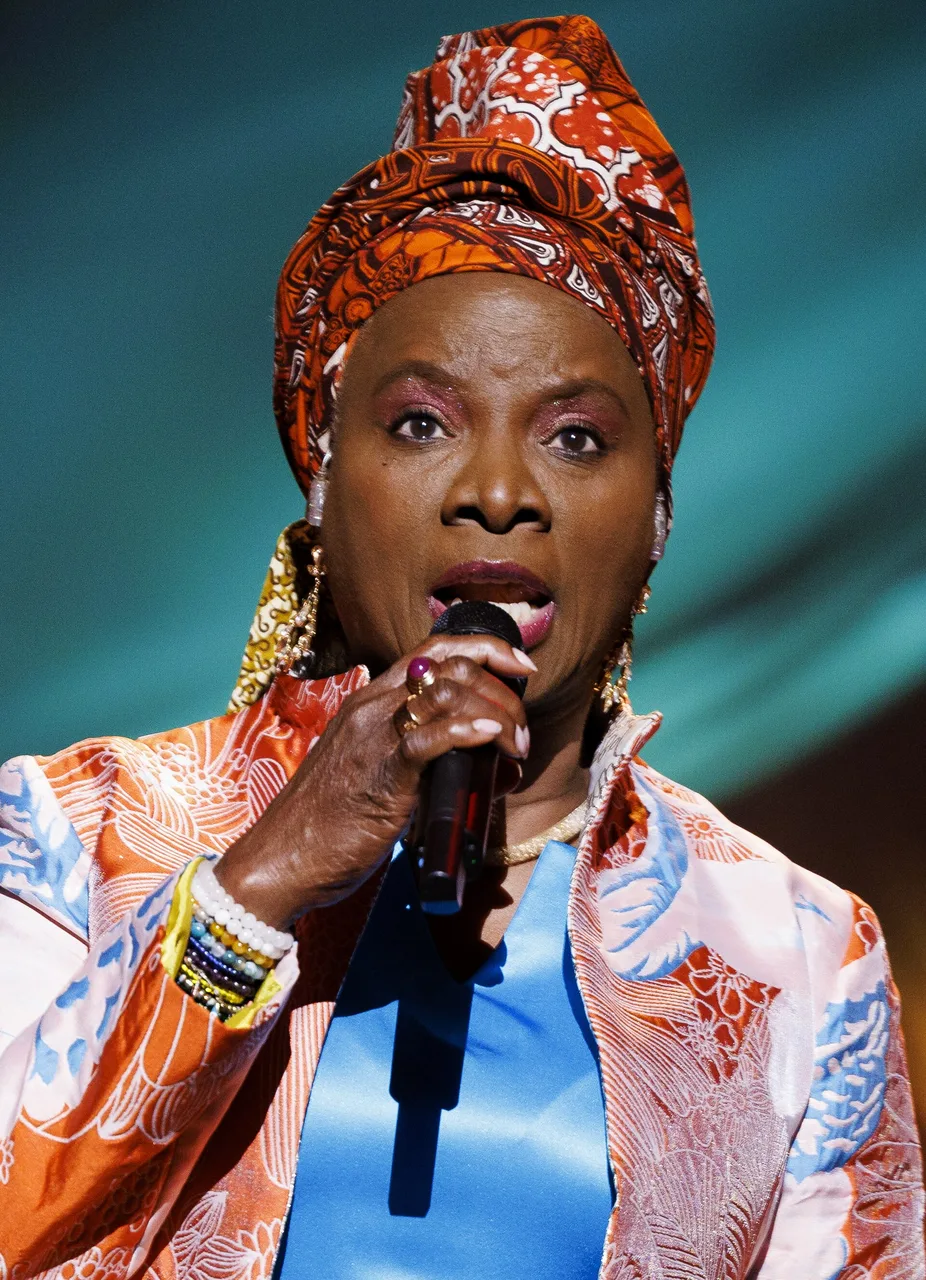
Photo: Library of Congress Life, Wikimedia Commons, CC0.
Pick one
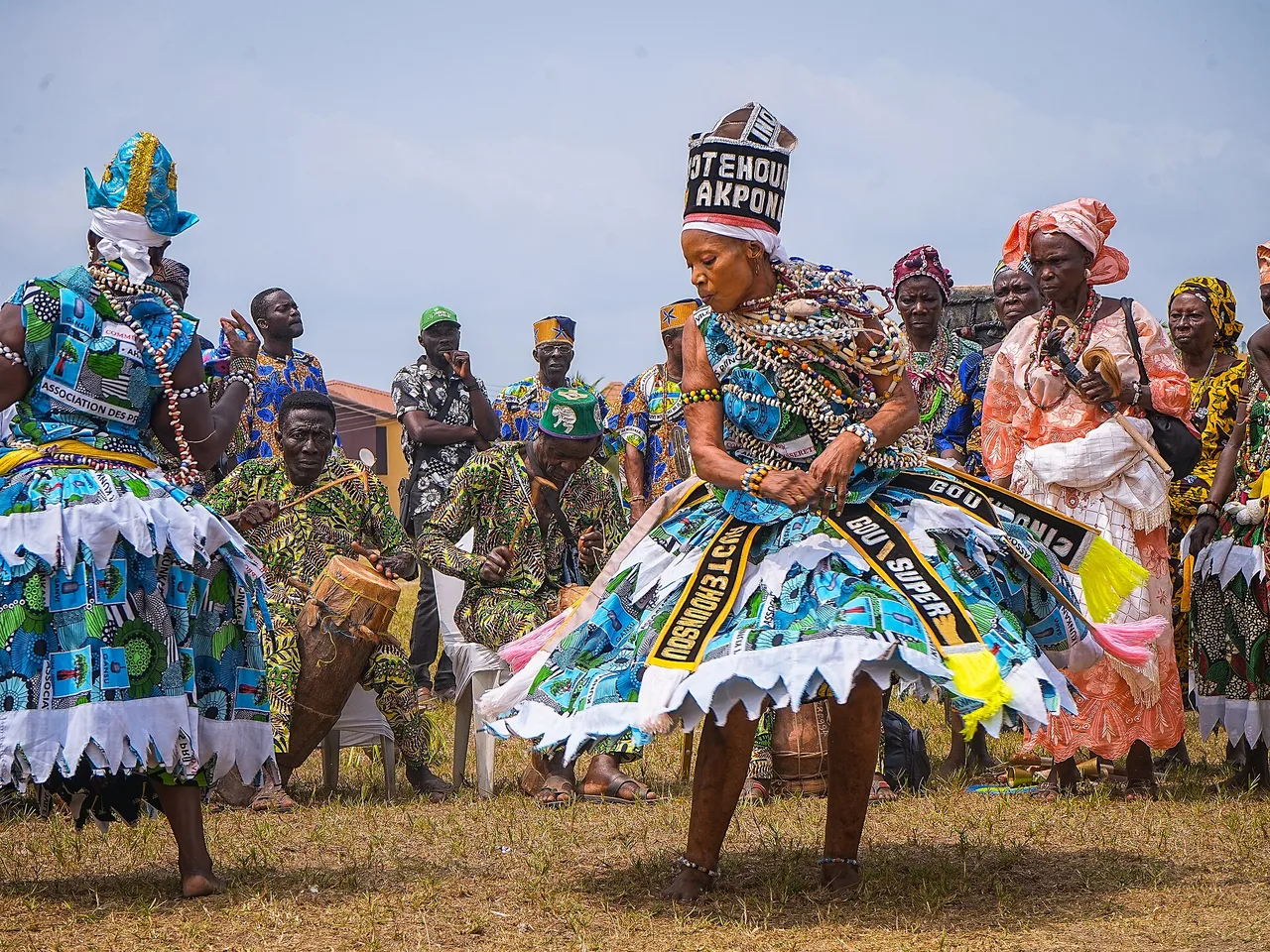
Vodun is an indigenous religion deeply rooted in Benin's culture, practiced alongside Christianity and Islam. Every year on January 10th, the country celebrates National Vodun Day with vibrant festivals, particularly in the historic coastal city of Ouidah.
Photo: Yemi festus, Wikimedia Commons, CC BY-SA 4.0.
Pick one
The Kingdom of Dahomey was a highly organized military state that dominated the region from the 17th to the late 19th century. It was famous for its elite female warriors, often called the Dahomey Amazons, who guarded the king and fought in major military campaigns.
Pick one
The Door of No Return is a memorial arch on the beach of Ouidah, at the end of the old road down which enslaved Africans were led to the ships. By common estimates, around a million people were taken from Ouidah to the Americas, and today the arch is a quiet place of remembrance.
Pick one
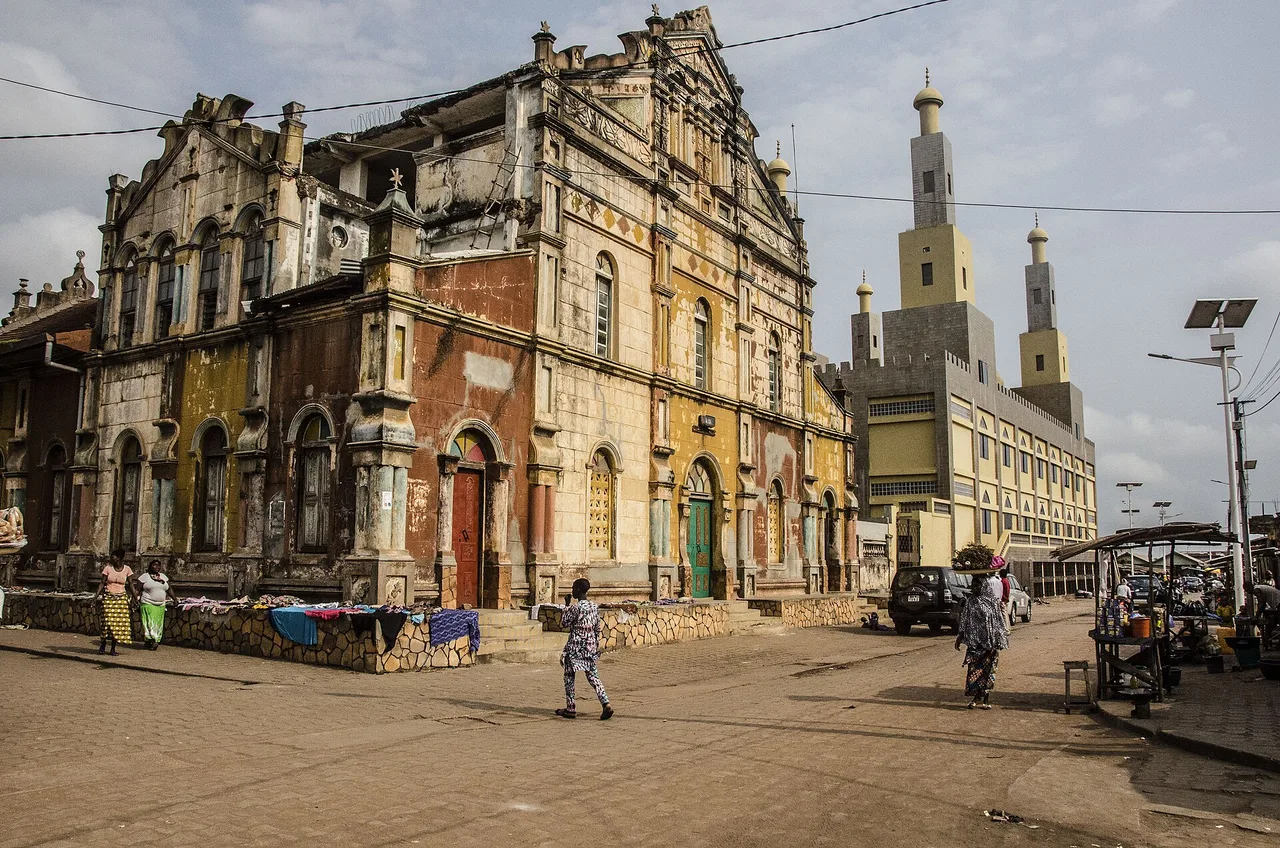
While Cotonou is the economic engine and the seat of government, Porto-Novo remains the official capital. Interestingly, Porto-Novo was originally developed as a port for the slave trade by the Portuguese, who gave it its name in the 18th century, and features beautiful Afro-Brazilian architecture.
Photo: GBETONGNINOUGBO JOSEPH HERVE AHISSOU, Wikimedia Commons, CC BY-SA 4.0.
Pick one
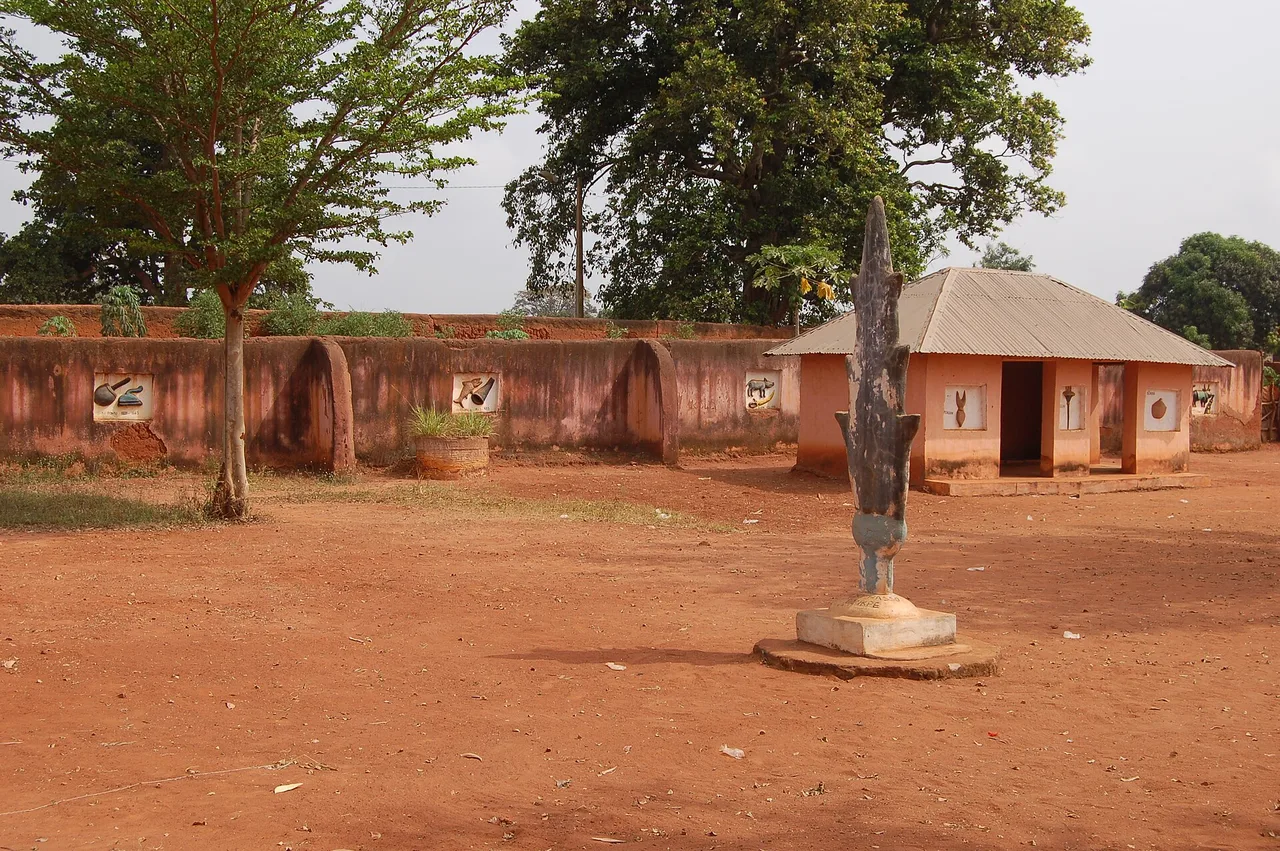
The Royal Palaces of Abomey are a collection of earthen structures built by the Fon people between the 17th and late 19th centuries. Each successive king built a new palace next to the previous one, creating a sprawling historical complex decorated with intricate bas-reliefs.
Photo: Joachim Huber, Wikimedia Commons, CC BY-SA 2.0.
Pick one
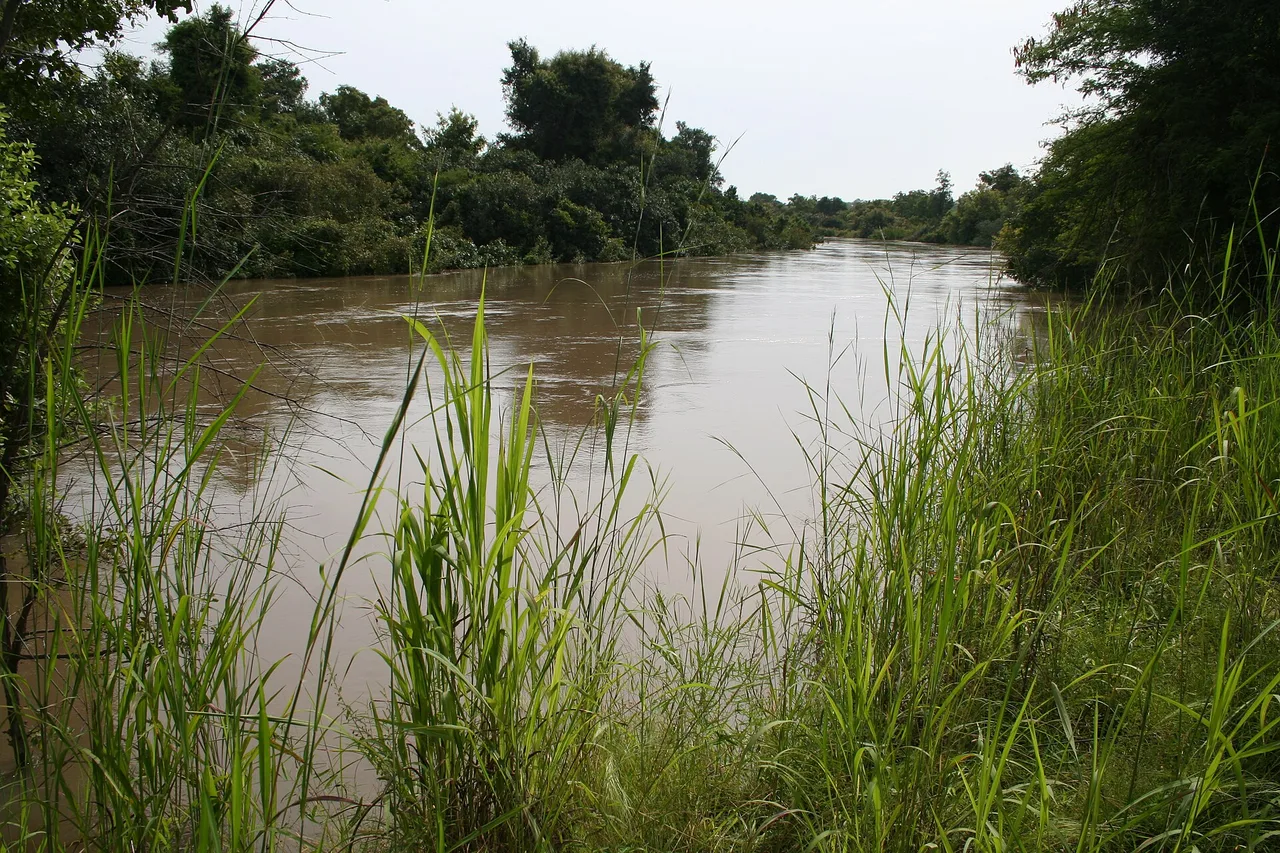
W National Park is named after the double bend of the Niger River, which resembles the letter W. This massive transboundary park is shared with Niger and Burkina Faso and is home to diverse wildlife, including West African cheetahs, elephants, and hundreds of bird species.
Photo: Marco Schmidt, Wikimedia Commons, CC BY-SA 3.0.
Pick one
Igname pilée, often served with a rich peanut or seed sauce, is a beloved traditional dish in Benin, especially in the northern regions. Preparing it is a physical, rhythmic task that usually requires two people working together with large wooden pestles.
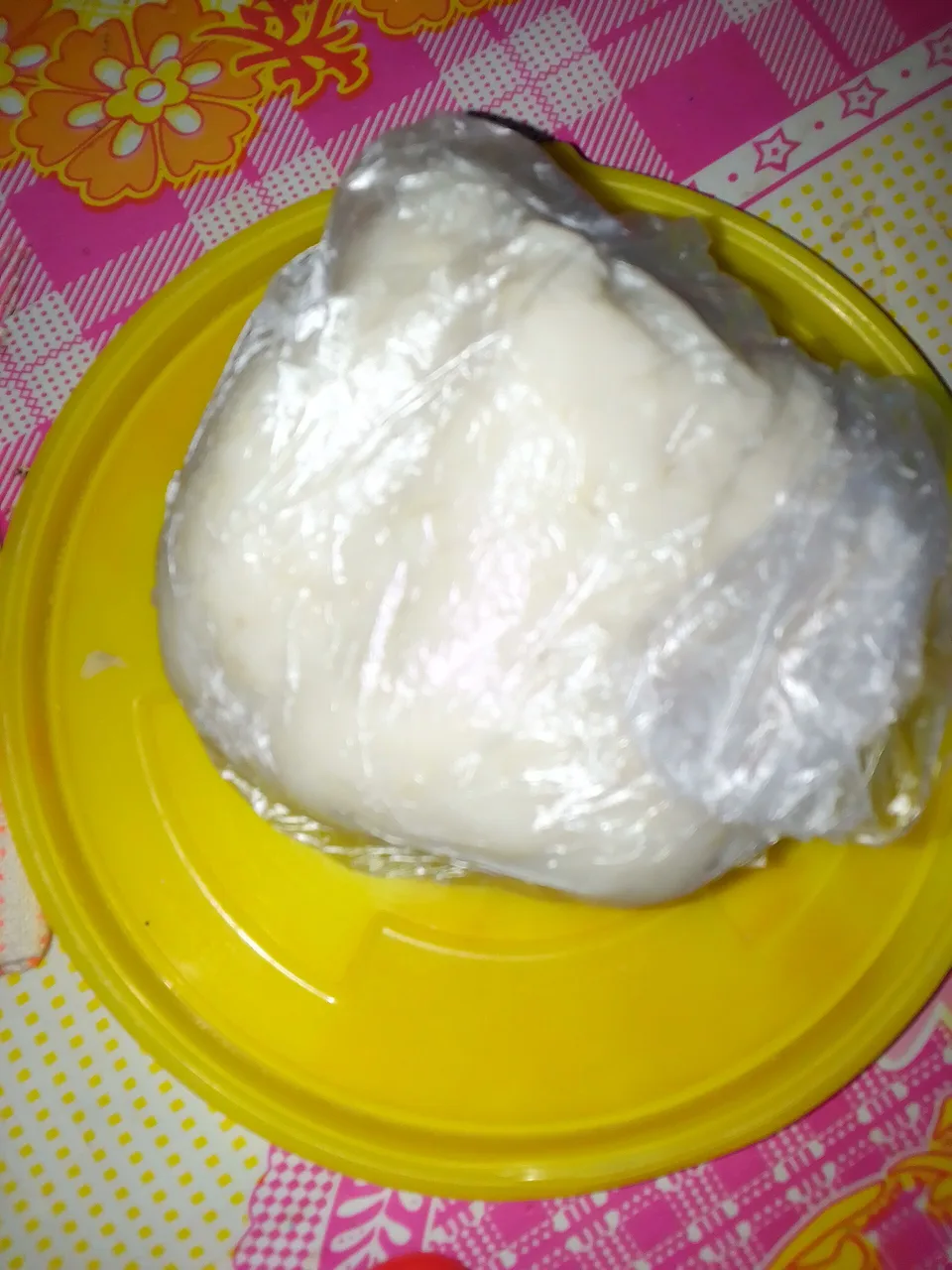
Photo: Taoheedah, Wikimedia Commons, CC BY-SA 4.0.
Pick one
Ganvie is a unique lake village established in the sixteenth or seventeenth century by the Tofinu people fleeing slave hunters. Today, its thousands of wooden structures stand entirely on bamboo stilts, and locals rely on boats for daily life, including a floating market.
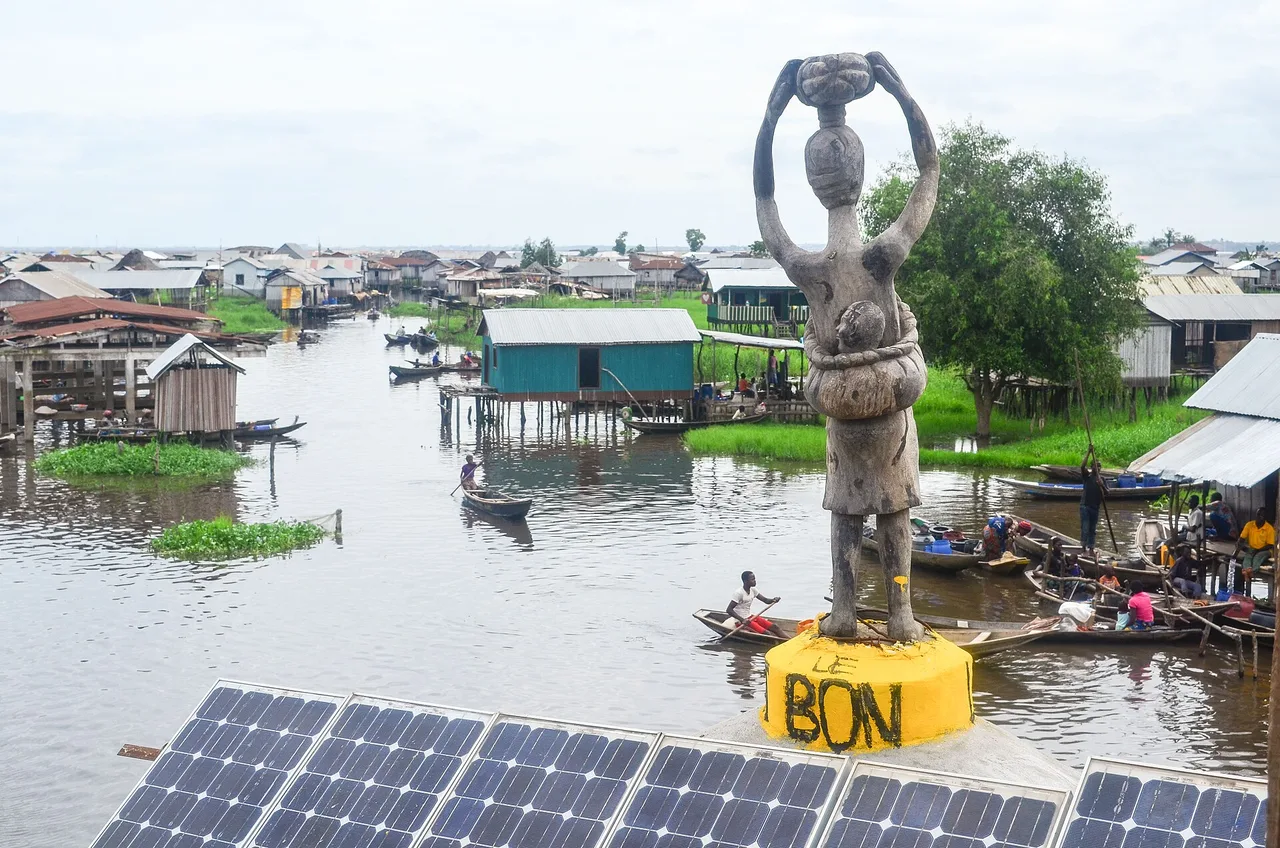
Photo: jbdodane, Wikimedia Commons, CC BY 2.0.


Paste the code into your page. The player fits itself in, and every vote counts in Votur.
On WordPress, Ghost or Squarespace? Just paste the link of this page into your post.
This is how it looks
Also fun