Get app
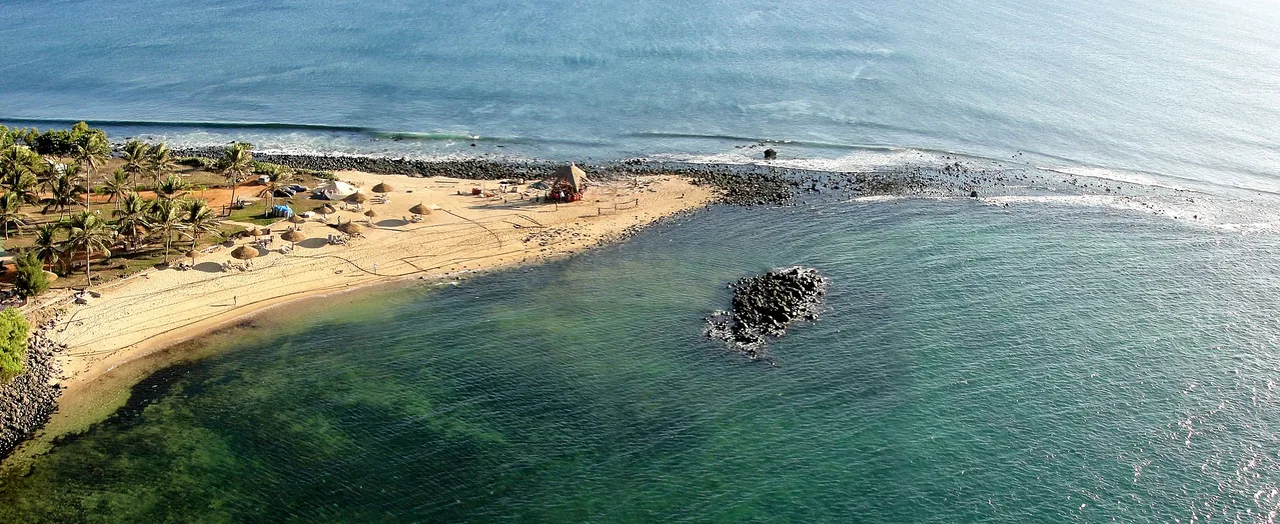
 Photo: Helena Van Eykeren from Gent, Belgium, Wikimedia Commons, CC BY 2.0.
How well do you know the vibrant island capital of São Tomé and Príncipe? Test your knowledge on its history, culture, and colonial landmarks!
Island Explorer 0–4 · Island Neighbor 5–8 · True Santomense 9–10
Pick one

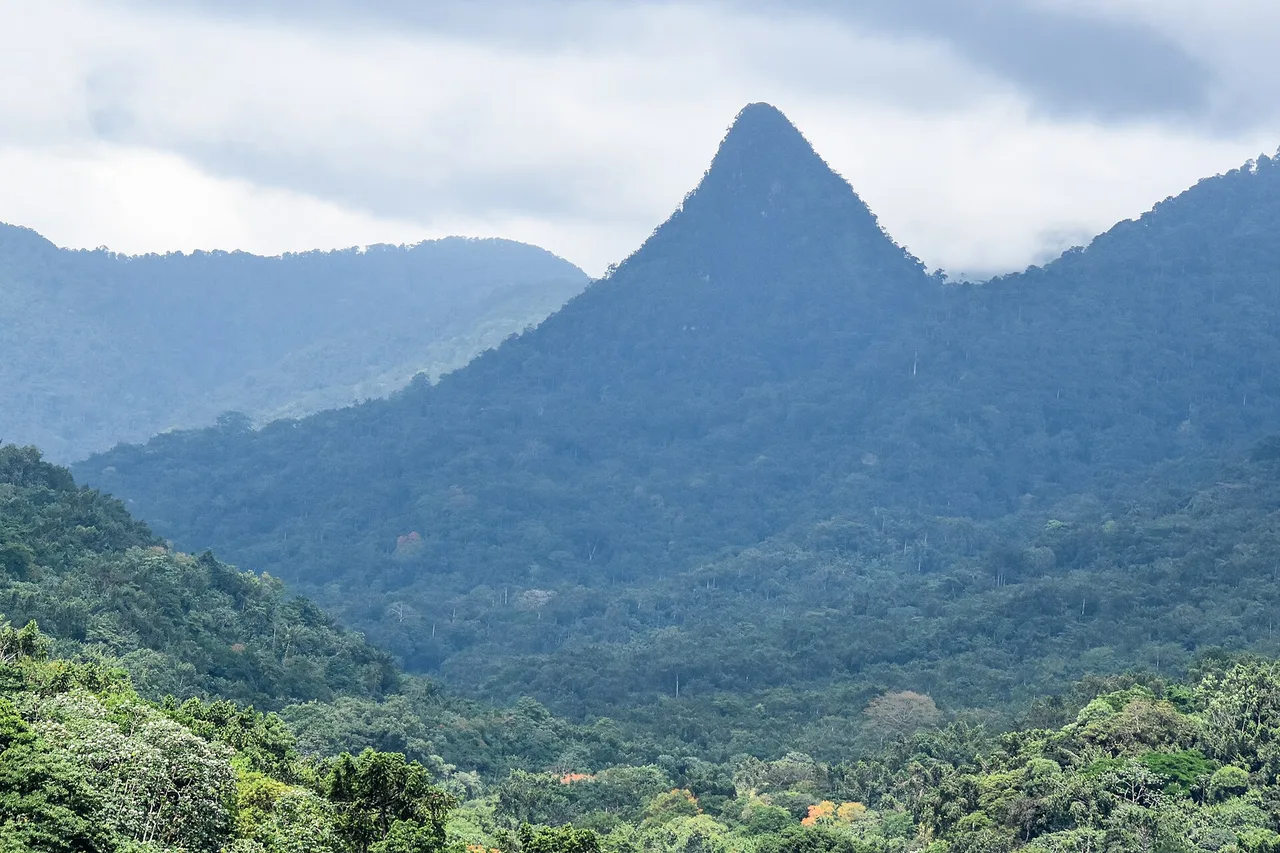
Obo National Park covers about 30% of the island of São Tomé, protecting its incredibly biodiverse primary rainforests. The park is home to hundreds of endemic species of birds, plants, and amphibians, making it a key site for global conservation efforts.
Photo: Yakoo1986, Wikimedia Commons, CC BY-SA 4.0.
Pick one
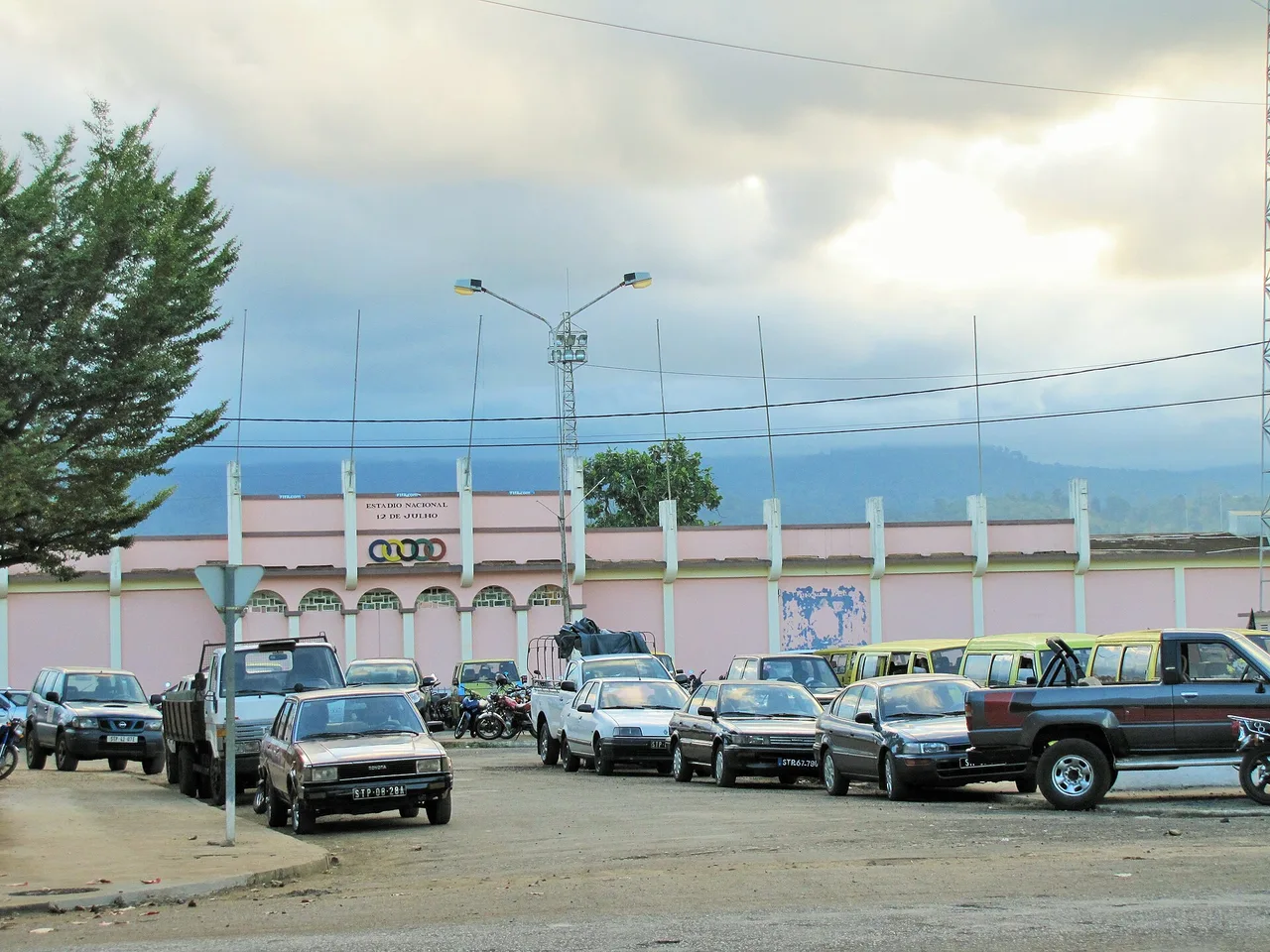
Estádio Nacional 12 de Julho is the country's national stadium, primarily used for football matches and athletic events. It is named in honor of July 12, 1975, the historic day when São Tomé and Príncipe gained full independence from Portugal.
Photo: Chuck Moravec, Wikimedia Commons, CC BY 2.0.
Pick one
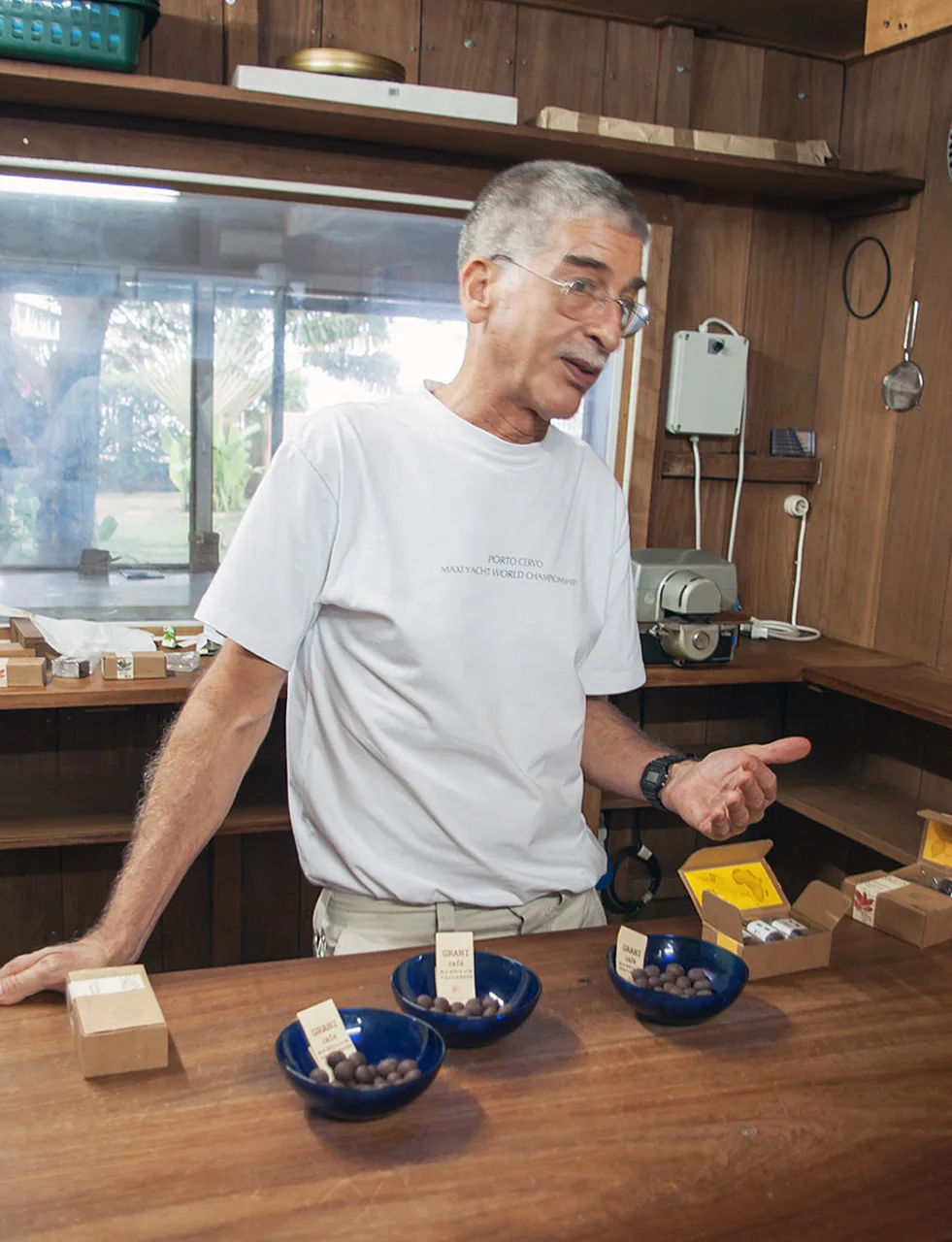
Claudio Corallo is an Italian agronomist who established a highly acclaimed chocolate-making operation in São Tomé. His focus on using traditional, low-tech methods and rare heritage cocoa varieties has earned his chocolates a reputation as some of the finest and purest in the world.
Photo: Helena Van Eykeren from Gent, Belgium, Wikimedia Commons, CC BY 2.0.
Pick one
Rei Amador was the leader of the famous 1595 slave revolt against Portuguese colonial rule on the island. He is regarded as a national icon of freedom, and his likeness is printed on the country's dobras banknotes.
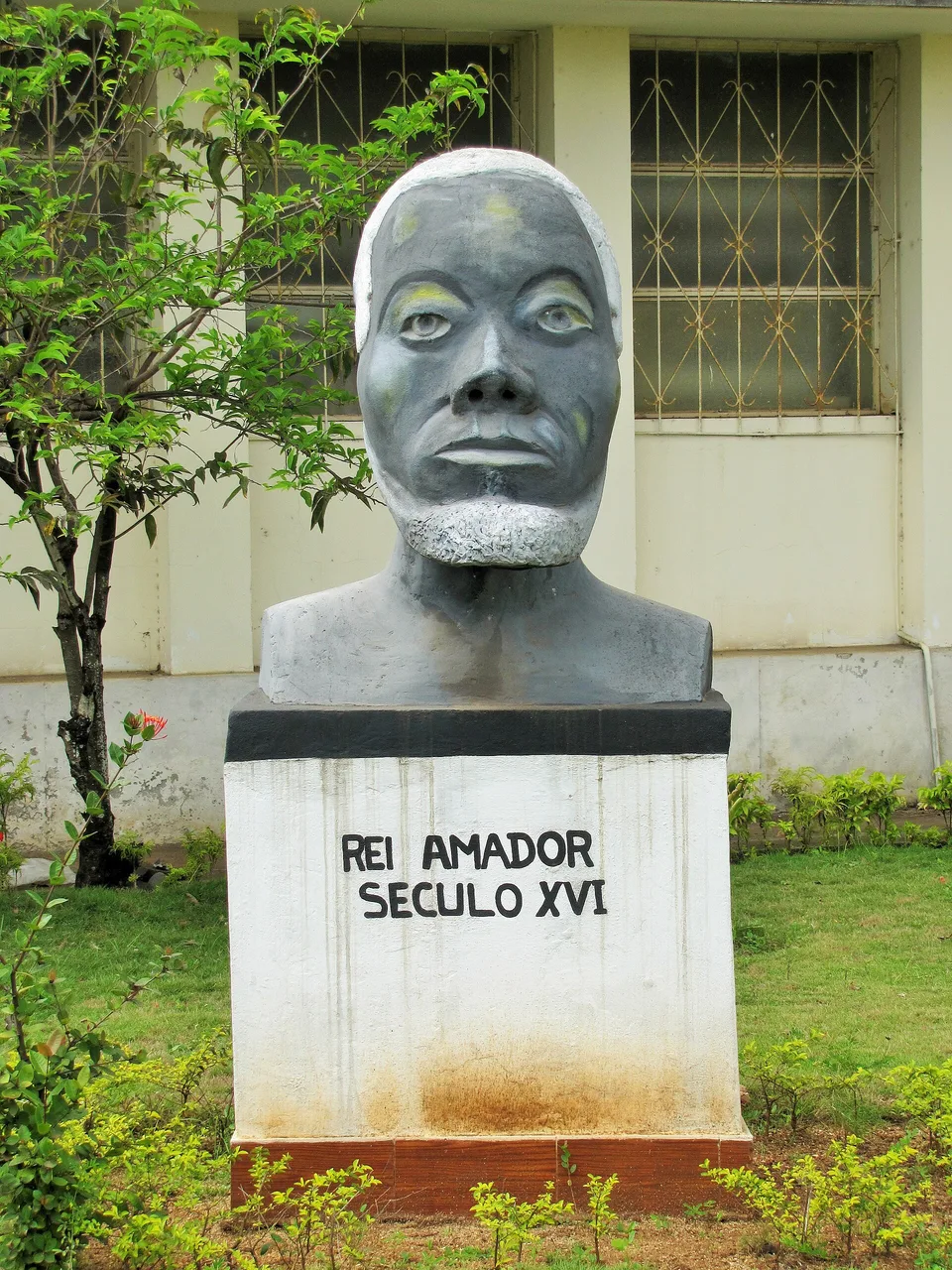
Photo: Chuck Moravec, Wikimedia Commons, CC BY 2.0.
Pick one
Tchiloli is a theatre tradition from São Tomé that blends a 16th-century Portuguese play with African music and dance. It tells a tale from the court of Emperor Charlemagne, who must sit in judgement over his own son. All the roles are played by men, wearing masks and European-style costumes.
Pick one
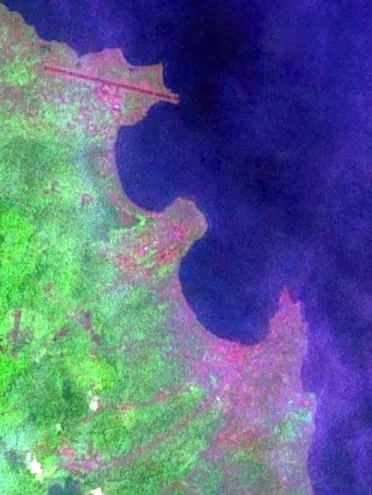
Ana Chaves Bay is a natural harbor where the capital city of São Tomé grew. It was named after a prominent 16th-century Portuguese noblewoman who settled in the islands. The bay is relatively shallow, meaning large cargo ships often have to anchor offshore.
Photo: Júlio Reis, Wikimedia Commons, Public domain.
Pick one
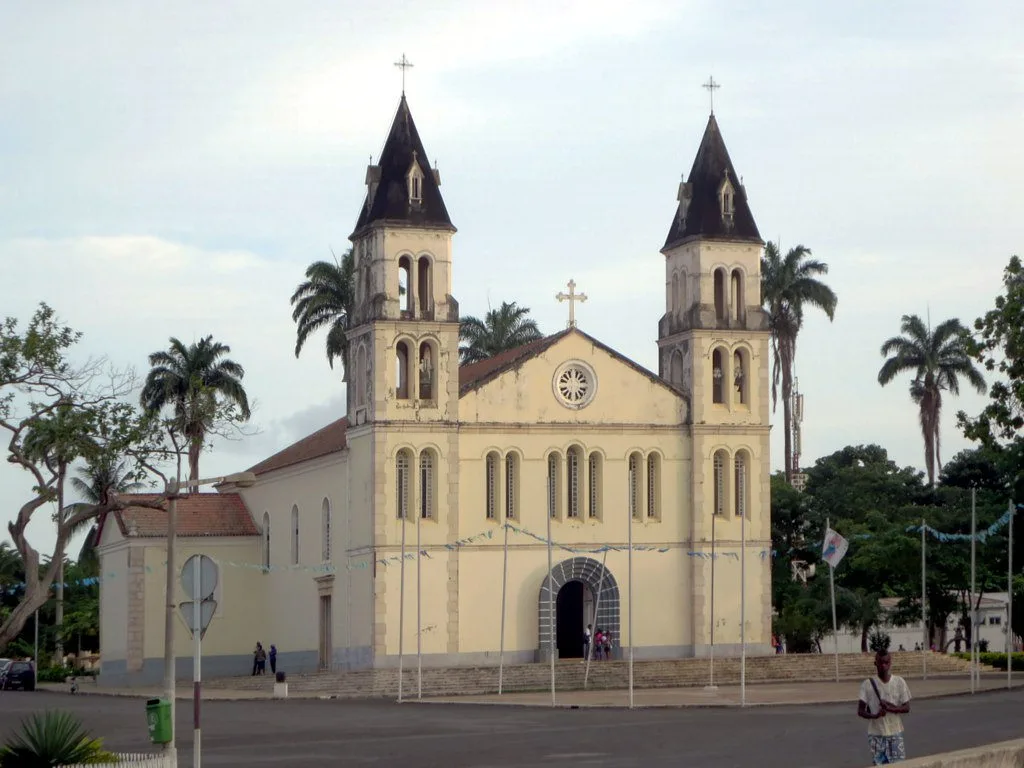
The Our Lady of Grace Cathedral is one of the oldest cathedral buildings in Sub-Saharan Africa, with its origins dating back to the late 15th century. It underwent major renovations in the 18th and 19th centuries, resulting in its current eclectic architectural style.
Photo: David Stanley from Nanaimo, Canada, Wikimedia Commons, CC BY 2.0.
Pick one
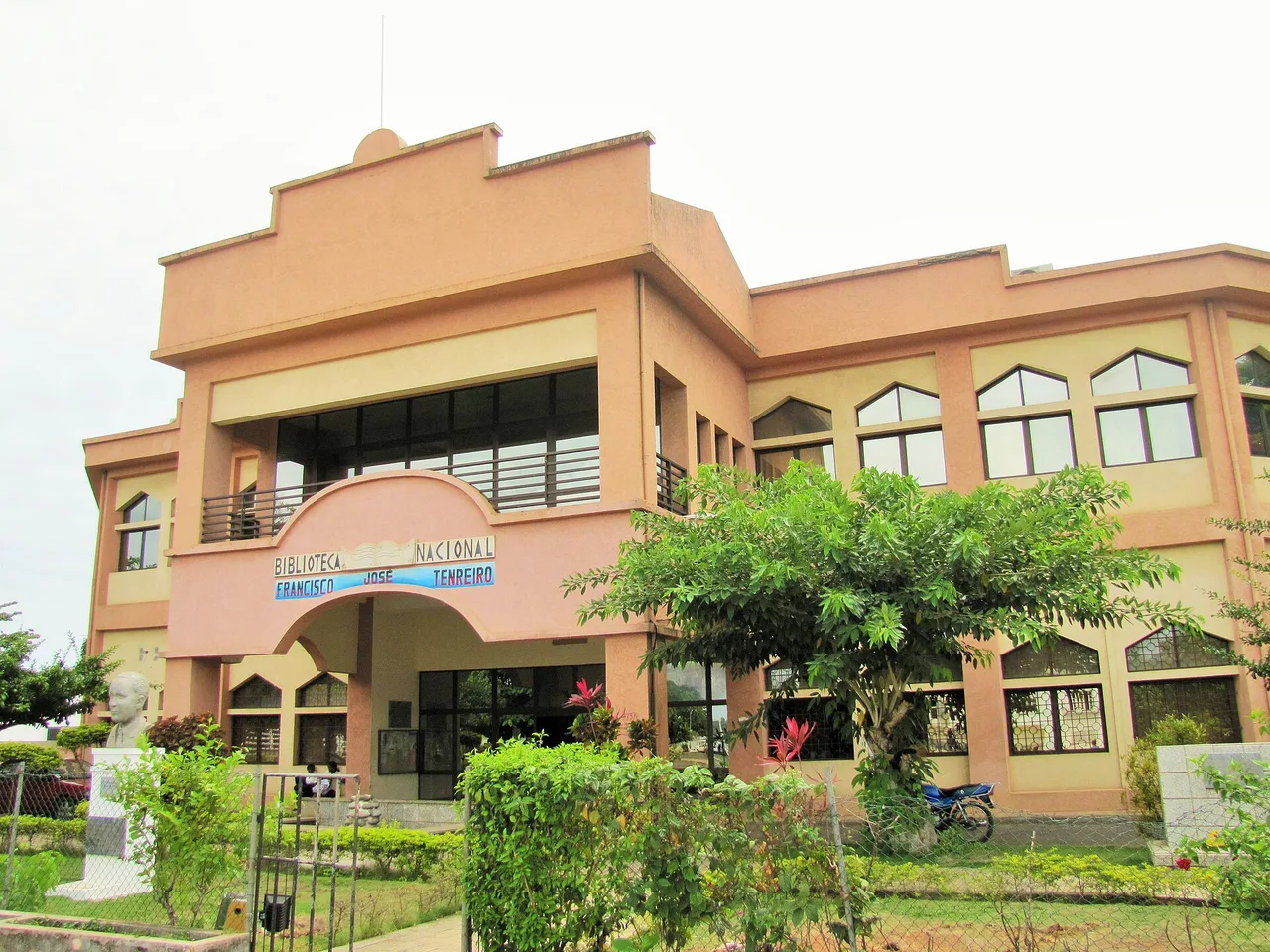
The National Library of São Tomé and Príncipe was opened in 1994 to preserve the nation's literary heritage. It shares its capital city headquarters with the National Historical Archive, and its initial book collection was heavily supported by international donations, particularly from Portugal.
Photo: Chuck Moravec, Wikimedia Commons, CC BY 2.0.
Pick one
The Presidential Palace in São Tomé is a striking pink, two-story neoclassical building constructed in the late 19th century. Originally serving as the palace for the Portuguese governor, it is situated near the waterfront and stands as a major architectural landmark.
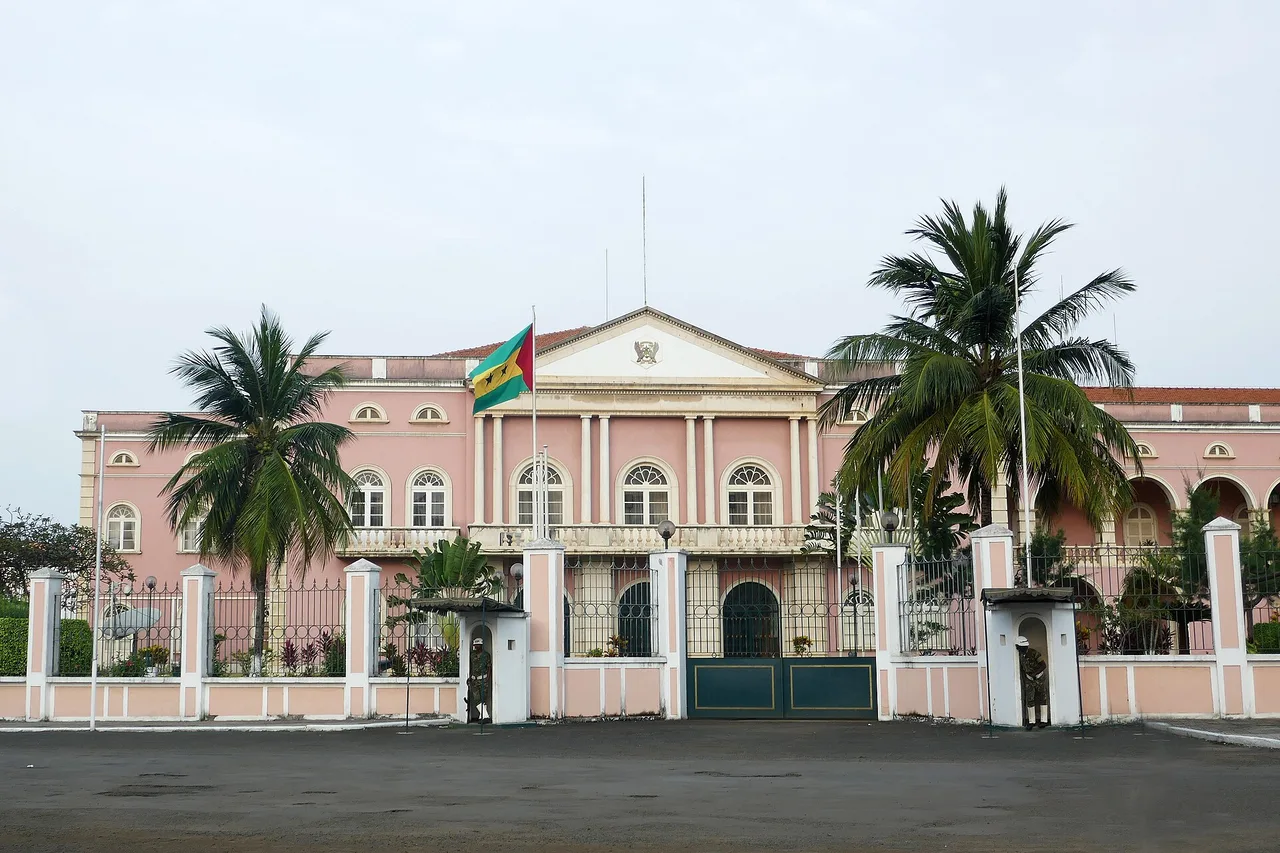
Photo: Ji-Elle, Wikimedia Commons, CC BY-SA 4.0.
Pick one
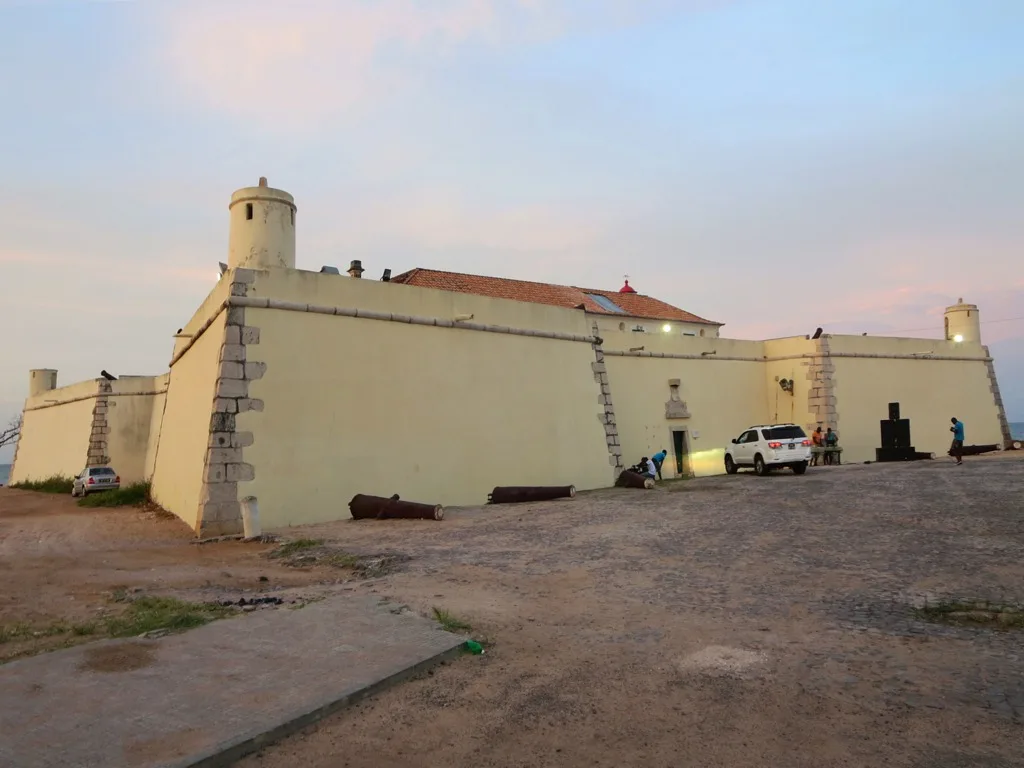
Fort São Sebastião was built by the Portuguese in 1575 to defend the port. Today, it has been converted into the National Museum, displaying religious art and colonial-era artifacts. Interestingly, it still features a lighthouse on its bastions.
Photo: David Stanley from Nanaimo, Canada, Wikimedia Commons, CC BY 2.0.


Paste the code into your page. The player fits itself in, and every vote counts in Votur.
On WordPress, Ghost or Squarespace? Just paste the link of this page into your post.
This is how it looks
Also fun