Get app
 Photo: kallerna, Wikimedia Commons, CC BY-SA 4.0.
Discover the hidden gems and fascinating facts about North Macedonia, a land rich in history, natural beauty, and vibrant traditions. Test your knowledge on its mountains, lakes, ancient sites, and unique culture!
Skopje Seeker 0–4 · Vardar Voyager 5–8 · Macedonian Maestro 9–10
Pick one

Mother Teresa, born Anjezë Gonxhe Bojaxhiu in Skopje in 1910, dedicated her life to serving the poor and sick, primarily in Kolkata, India. Her childhood home was lost in the 1963 earthquake, but a memorial house now stands in Skopje on the site of the church where she was baptized, honoring her legacy.

Photo: Kingkongphoto & www.celebrity-photos.com from Laurel Maryland, USA, Wikimedia Commons, CC BY-SA 2.0.
Pick one
Ohrid is often called the 'Jerusalem of the Balkans' due to its numerous churches and monasteries, alongside its stunning natural lake. Its Old Town, with its cobblestone streets and historic architecture, is a testament to its rich past and spiritual significance, attracting visitors worldwide.
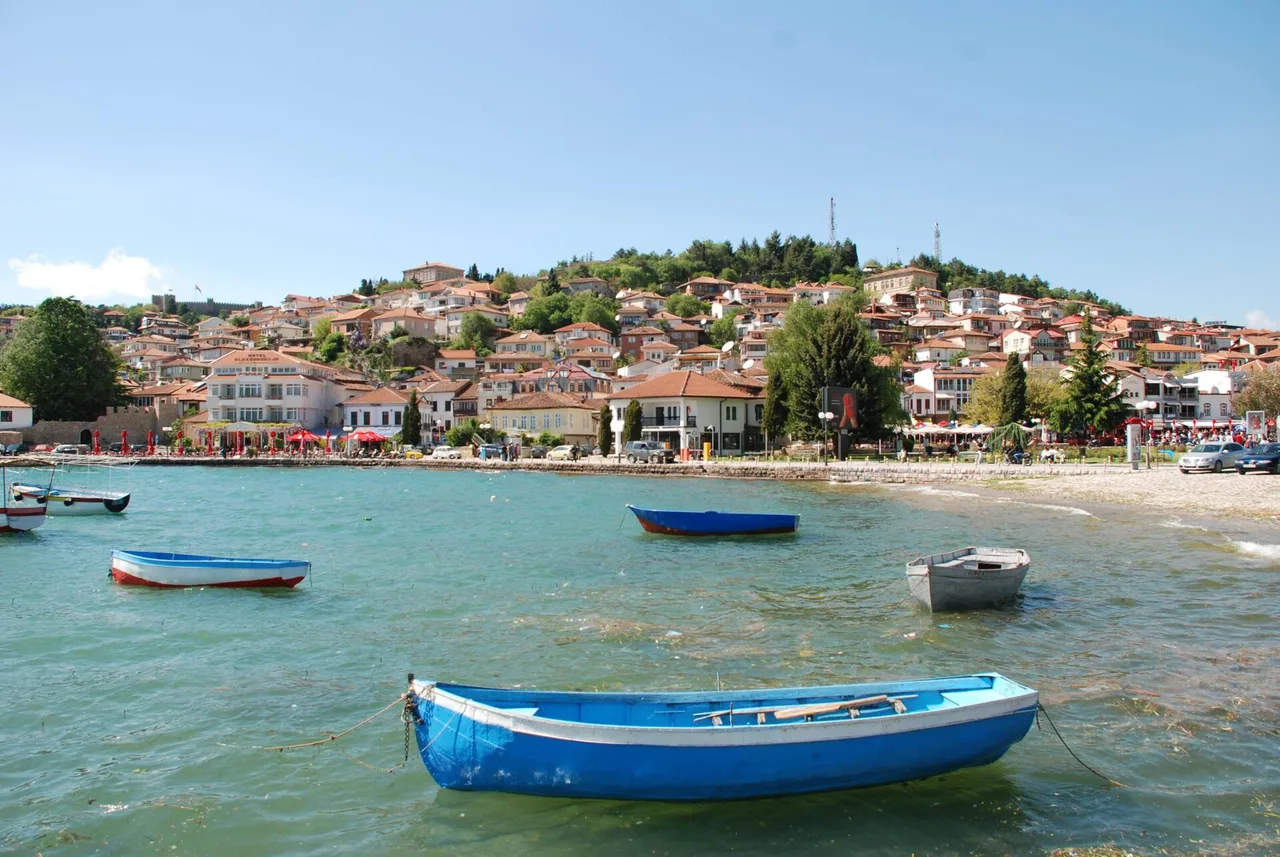
Photo: xiquinhosilva, Wikimedia Commons, CC BY 2.0.
Pick one
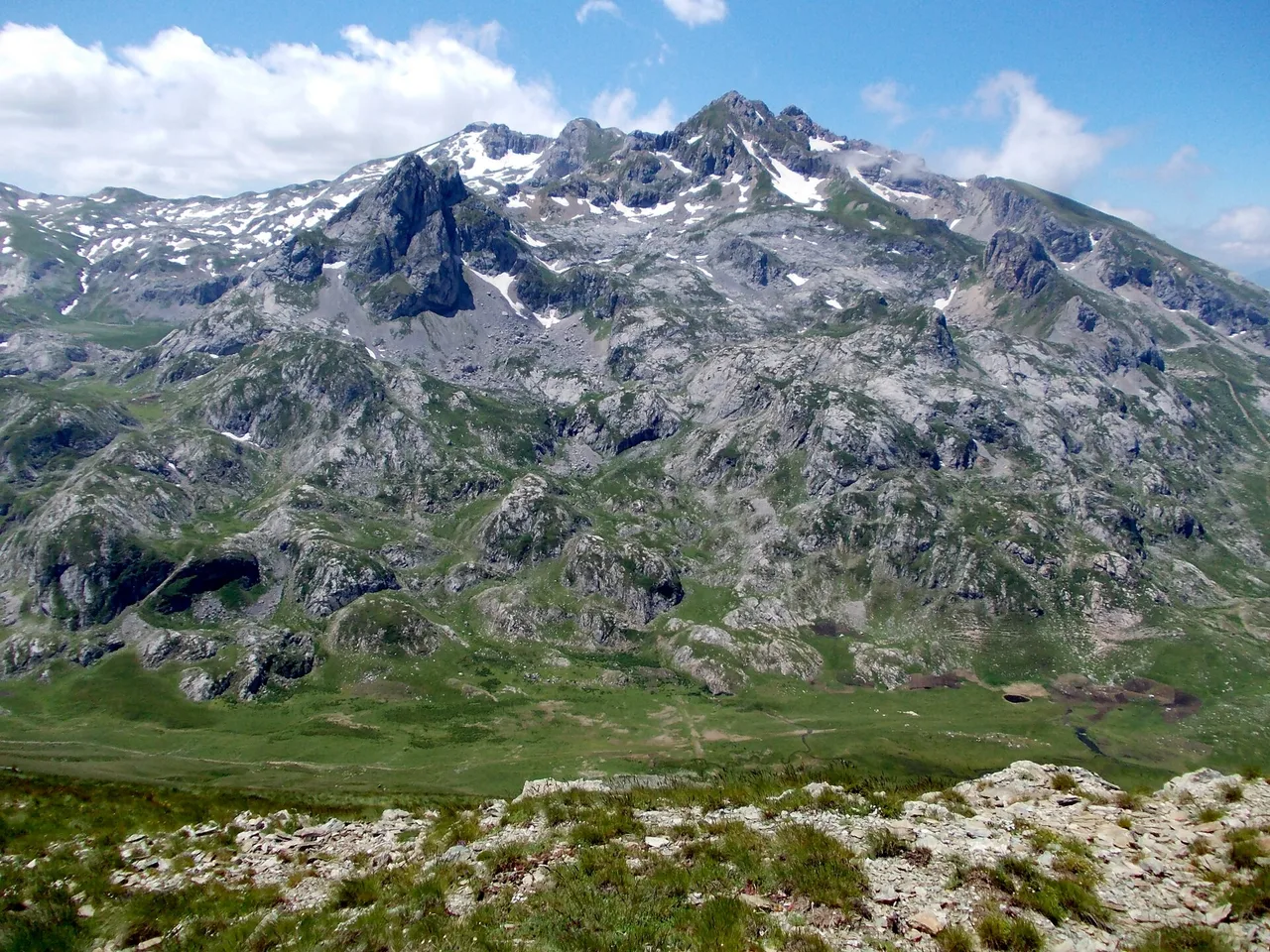
Mavrovo Lake is an artificial lake, and when the valley was flooded in the 1950s the church of Saint Nicholas, built in 1850, ended up half under water. In dry years the water drops and more of it appears, and in summer people come here to swim, sail and fish for trout.
Photo: Alex Iva, Wikimedia Commons, CC BY-SA 3.0.
Pick one
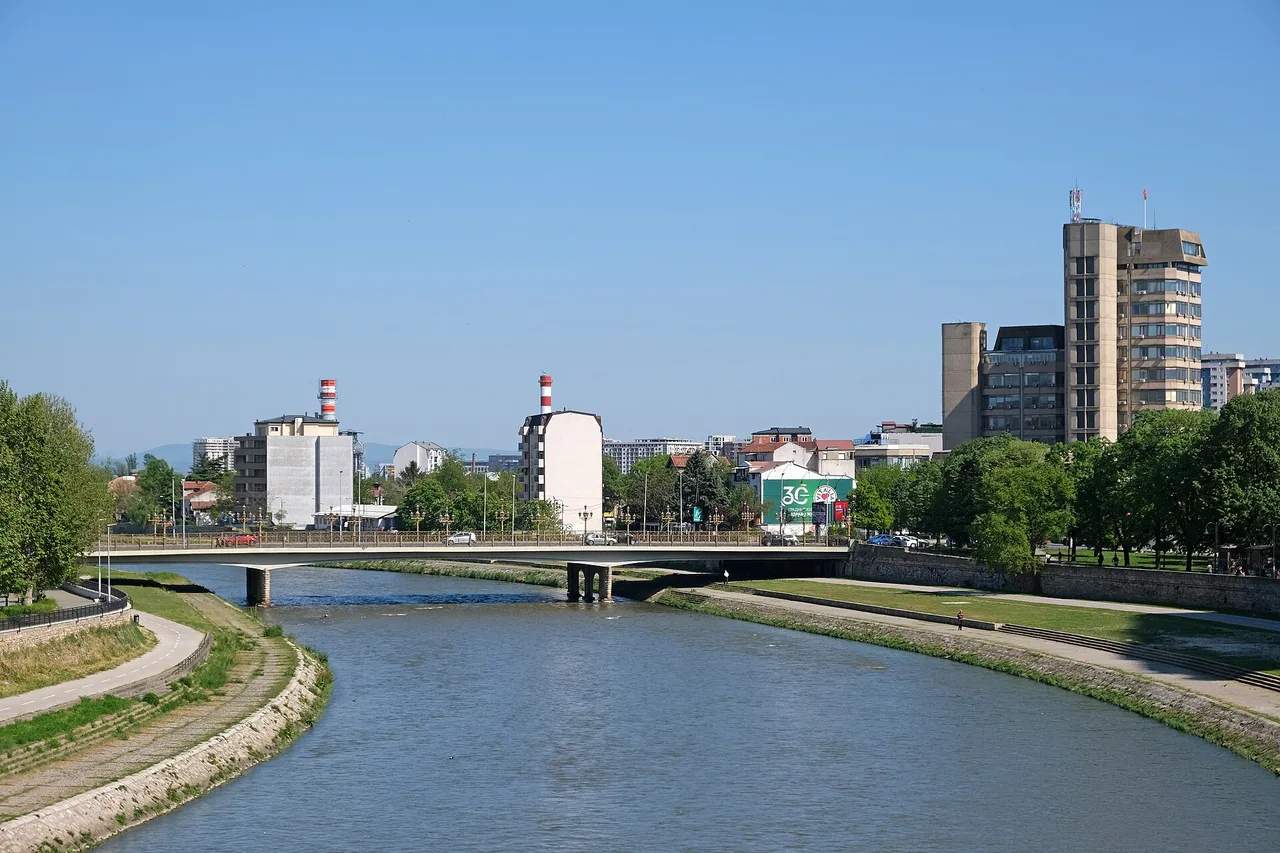
The Vardar River is the longest river in North Macedonia, stretching for 388 kilometers and flowing directly through Skopje. It plays a central role in the city's geography, with several bridges, including the historic Stone Bridge, connecting the two banks and its diverse districts.
Photo: kallerna, Wikimedia Commons, CC BY-SA 4.0.
Pick one
Tavče Gravče is considered a national dish of North Macedonia, a hearty and flavorful stew made with beans, paprika, and various spices. It is traditionally prepared and served in a clay pot, making it a staple of Macedonian cuisine, especially during colder months.
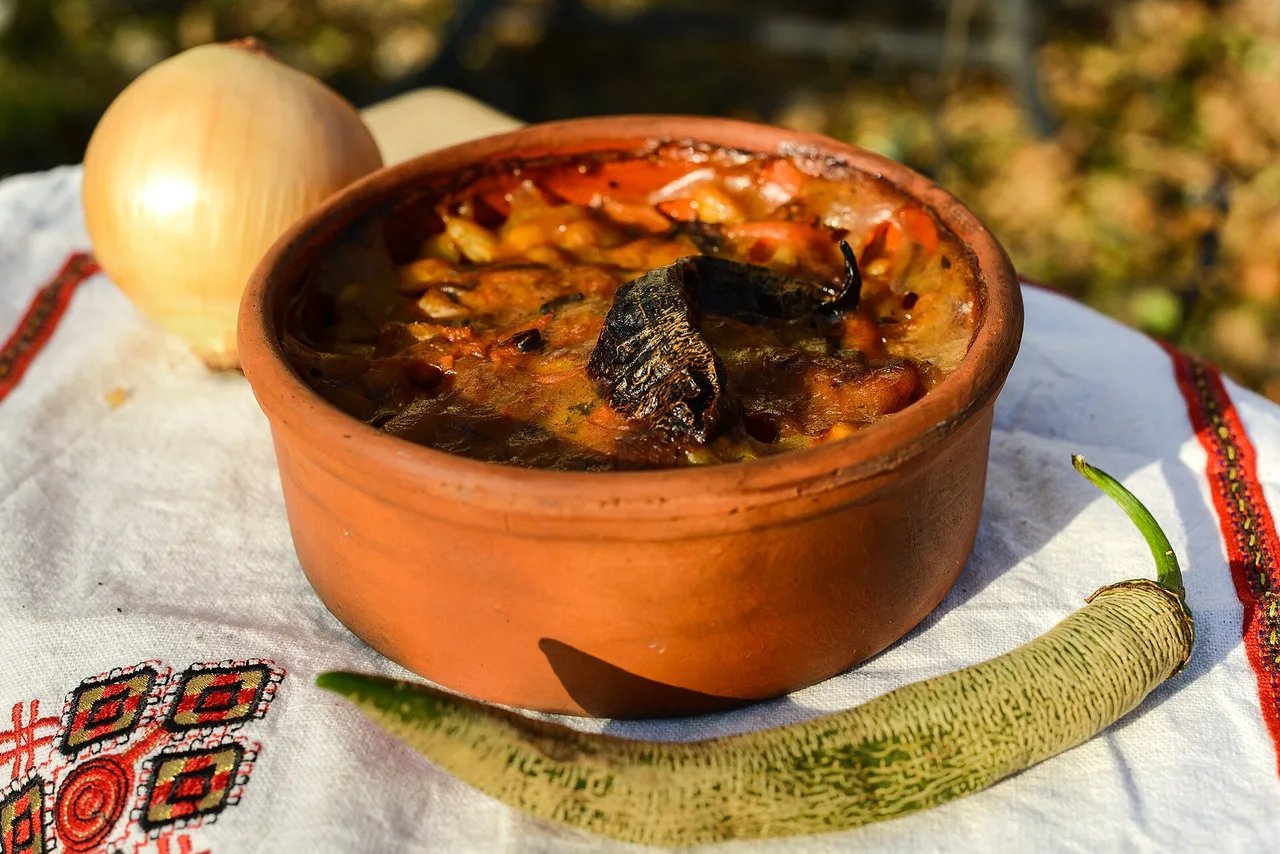
Photo: Oliver Manev, Wikimedia Commons, CC BY-SA 4.0.
Pick one
Macedonian is a member of the South Slavic language group, closely related to Bulgarian and part of a broader linguistic family that includes Serbo-Croatian and Slovenian. It utilizes the Cyrillic alphabet and has distinct phonetic and grammatical features that make it unique within the Slavic languages.
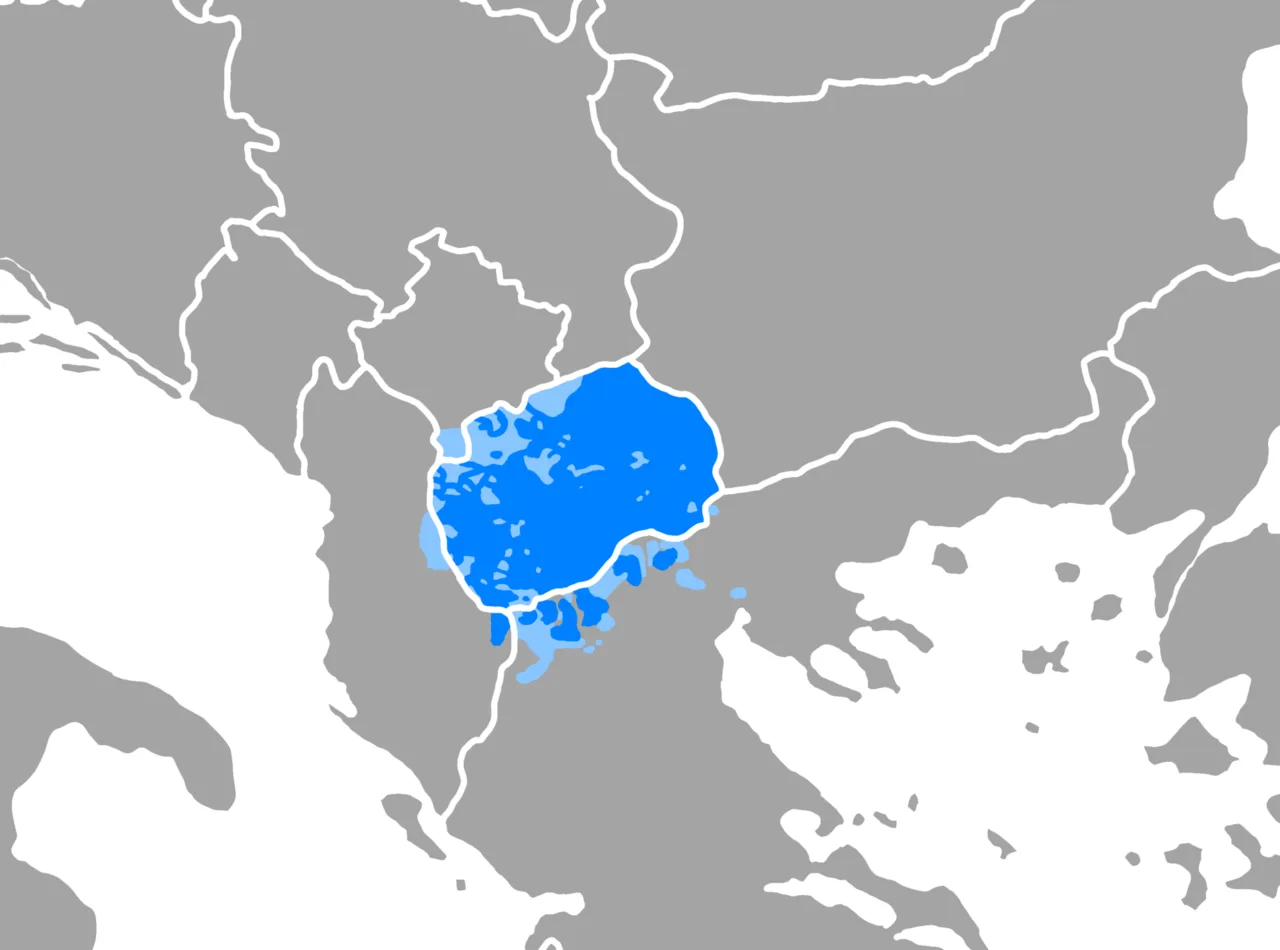
Photo: Viceskeeni2, Wikimedia Commons, CC BY-SA 4.0.
Pick one
The Millennium Cross is one of the largest crosses in the world, built to commemorate 2,000 years of Christianity in Macedonia. It offers breathtaking panoramic views of the capital city, Skopje, from its elevated position on Vodno Mountain, and is accessible by cable car.
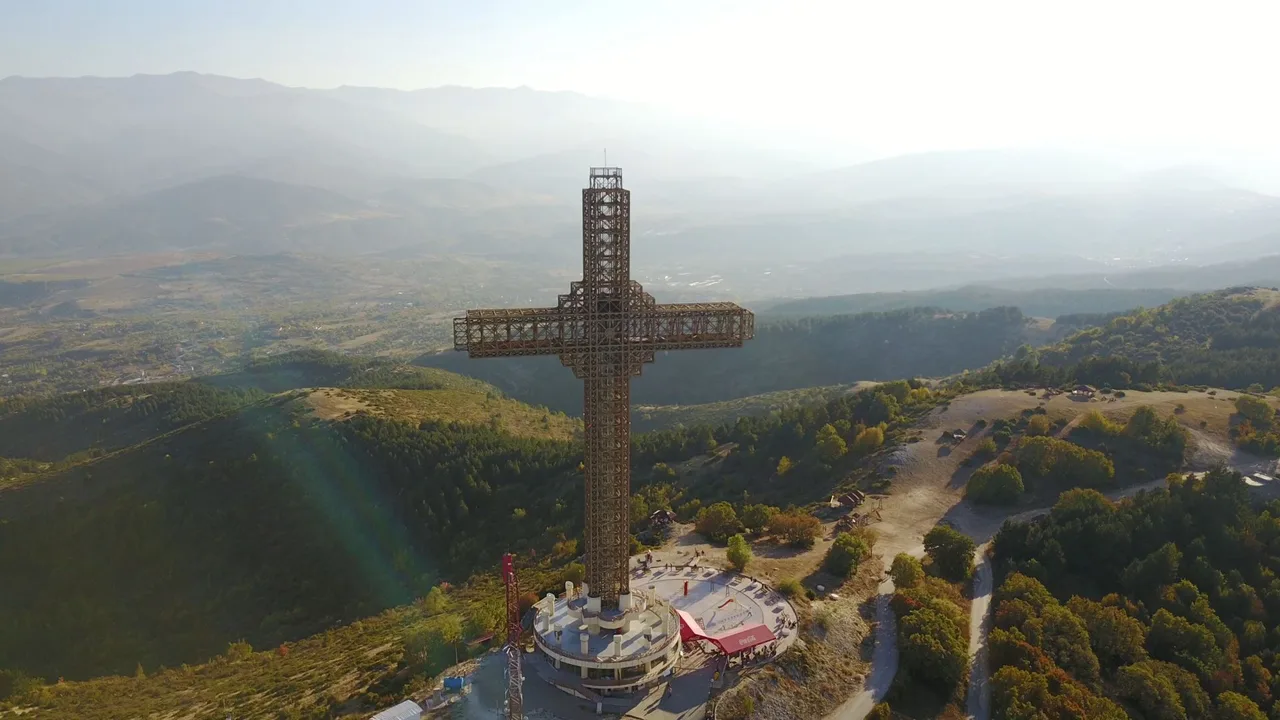
Photo: Boredjohnn, Wikimedia Commons, CC BY-SA 3.0.
Pick one
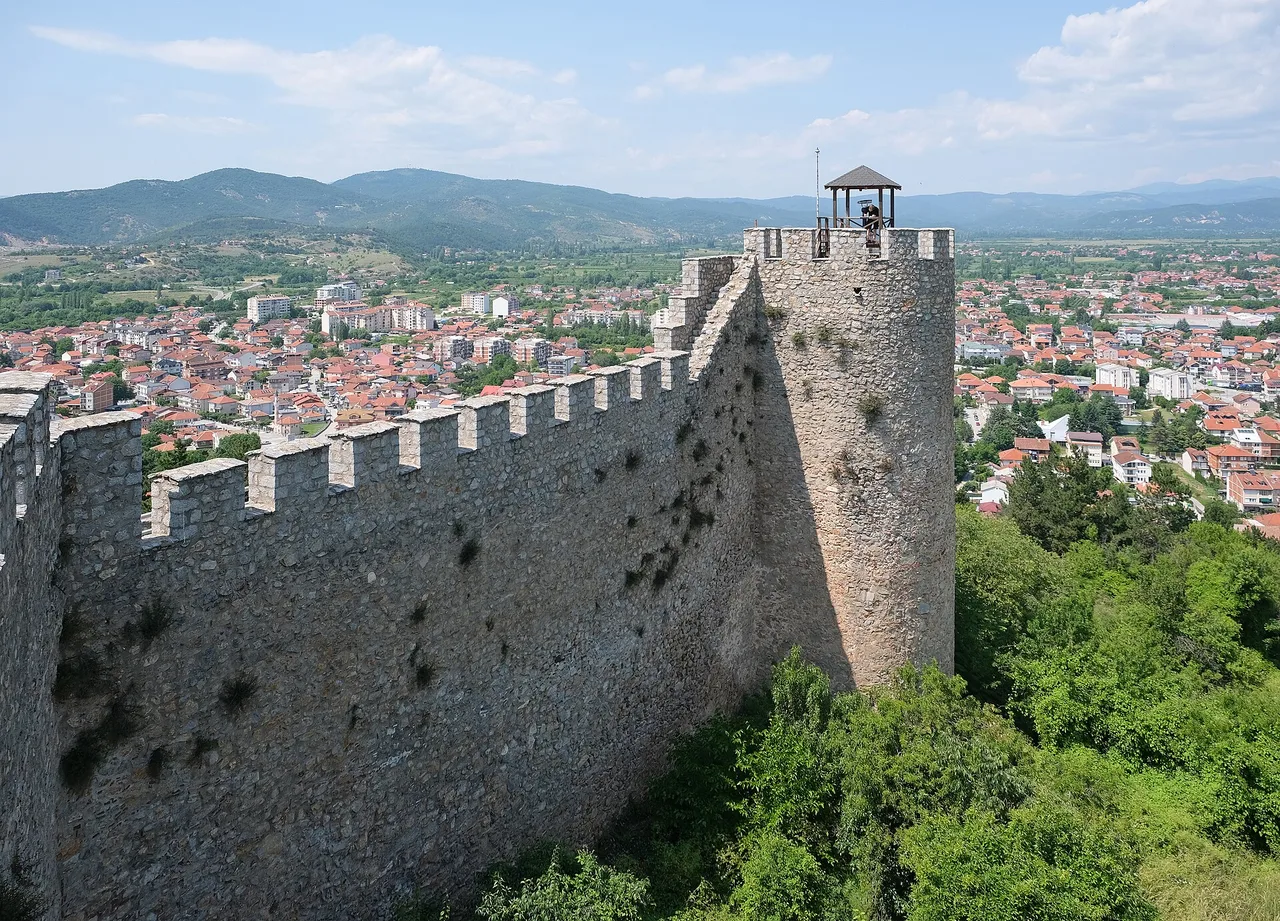
Samuel's Fortress stands majestically above the city of Ohrid, offering commanding views of the historic town and the shimmering waters of Lake Ohrid. Dating back to the First Bulgarian Empire, it is a significant archaeological site and an integral part of Ohrid's UNESCO World Heritage status, attracting many visitors.
Photo: kallerna, Wikimedia Commons, CC BY-SA 4.0.
Pick one
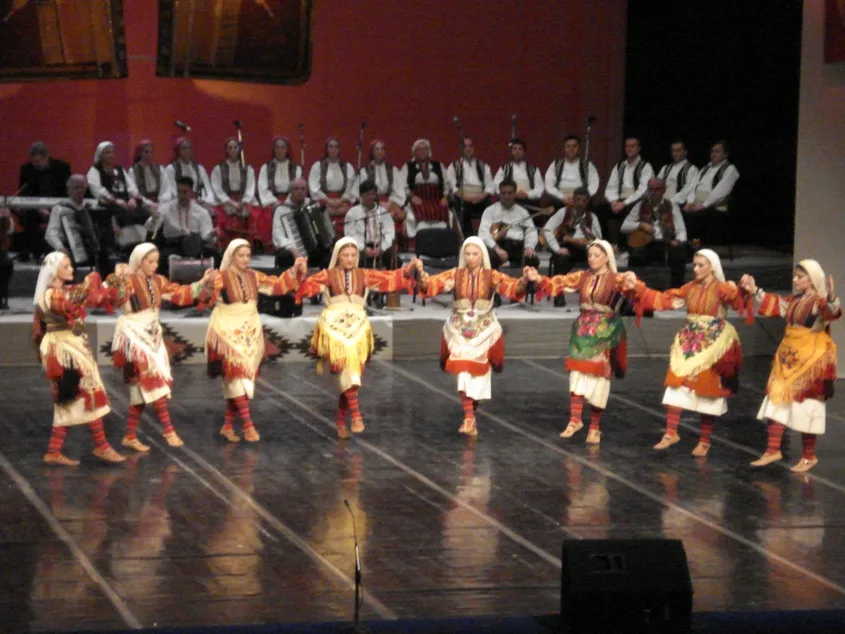
Oro is danced at weddings, festivals and celebrations all over North Macedonia, often to the sound of the gajda (bagpipe) and the tapan drum. Neighbouring countries have close cousins of the same chain dance, such as the Serbian kolo and the Bulgarian horo.
Photo: Chajeshukarie (talk), Wikimedia Commons, Public domain.
Pick one
The Ottoman Empire ruled over the territory of modern-day North Macedonia for more than 500 years, from the late 14th century until the Balkan Wars in the early 20th century. This long period left a profound cultural, architectural, and culinary legacy, particularly visible in the Old Bazaar of Skopje.


Paste the code into your page. The player fits itself in, and every vote counts in Votur.
On WordPress, Ghost or Squarespace? Just paste the link of this page into your post.
This is how it looks
Also fun