Get app
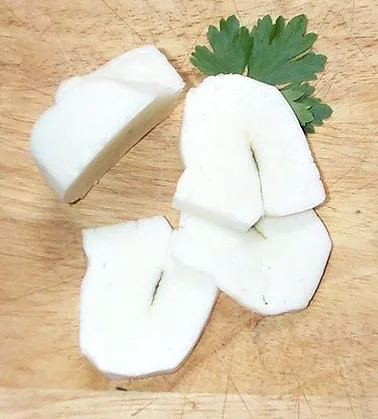
 Photo: Manfred Werner (talk · contribs), Wikimedia Commons, CC BY-SA 3.0.
Embark on a journey through the Kingdom of Wonder! Test your knowledge on Cambodia's majestic ancient empires, lush wildlife, rich culinary traditions, and unique geography.
Friendly Visitor 0–4 · Curious Wanderer 5–8 · Temple Guardian 9–10
Pick one

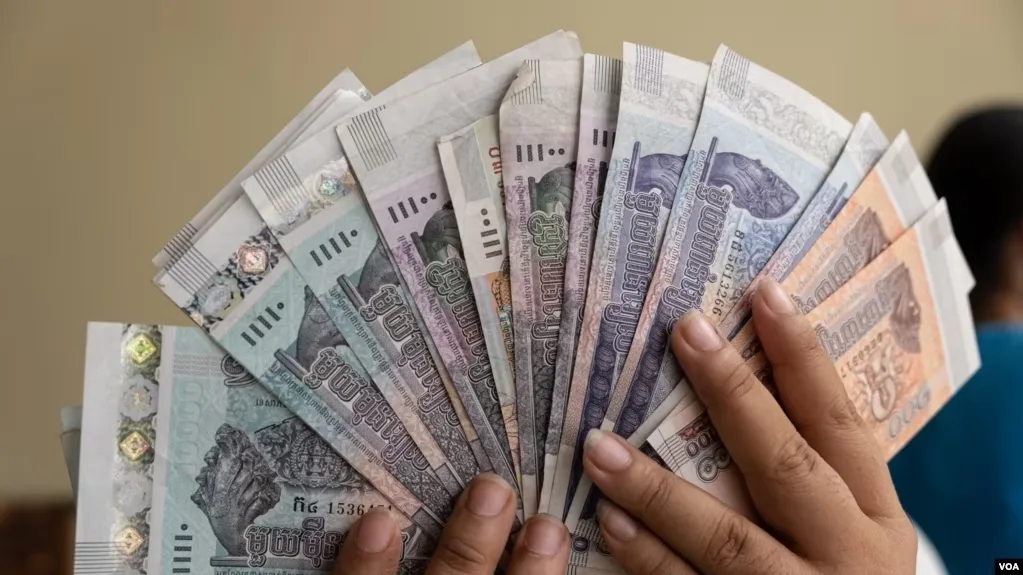
Cambodia operates a highly dollarized economy. Since the UN peacekeeping mission in the early 1990s, the US dollar has been used interchangeably with the Cambodian riel. Typically, large transactions are made in dollars, while riel is used as change for amounts under one dollar.
Photo: Malis Tum, Wikimedia Commons, Public domain.
Pick one
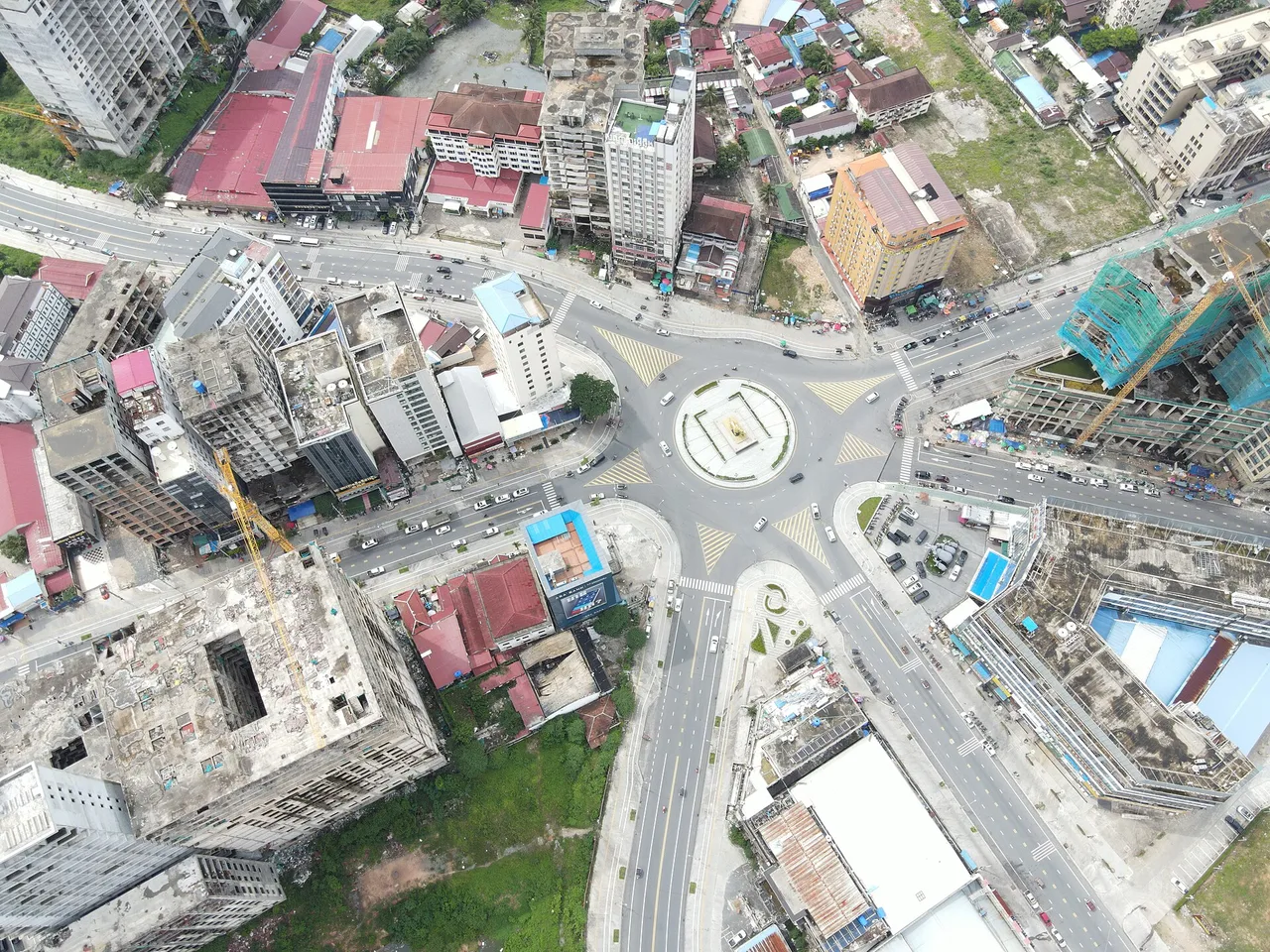
Sihanoukville, also known as Snooky or Preah Sihanouk, was founded in the late 1950s around the country's only deep-water port. Named after the late King Norodom Sihanouk, it evolved from a quiet beach getaway into a bustling, rapidly developing urban hub and trade gateway.
Photo: Kiensvay, Wikimedia Commons, CC BY-SA 3.0.
Pick one
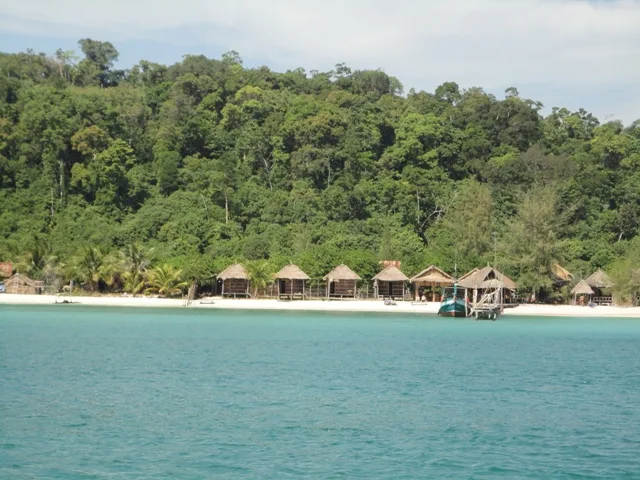
Koh Rong is a tropical paradise located off the coast of Sihanoukville. It is famous for its pristine sandy beaches, dense jungle interior, and bioluminescent plankton that glow in the water at night. Koh Kong is another island and province, but it is less developed for beach tourism and located closer to the Thai border.
Photo: (WT-shared) Gazzzza at wts wikivoyage, Wikimedia Commons, Public domain.
Pick one
Norodom Sihanouk was a towering figure in 20th-century Cambodian history. He led the country to independence from France in 1953. To participate directly in politics, he abdicated the throne to become Prime Minister, only to be crowned king again decades later in 1993.
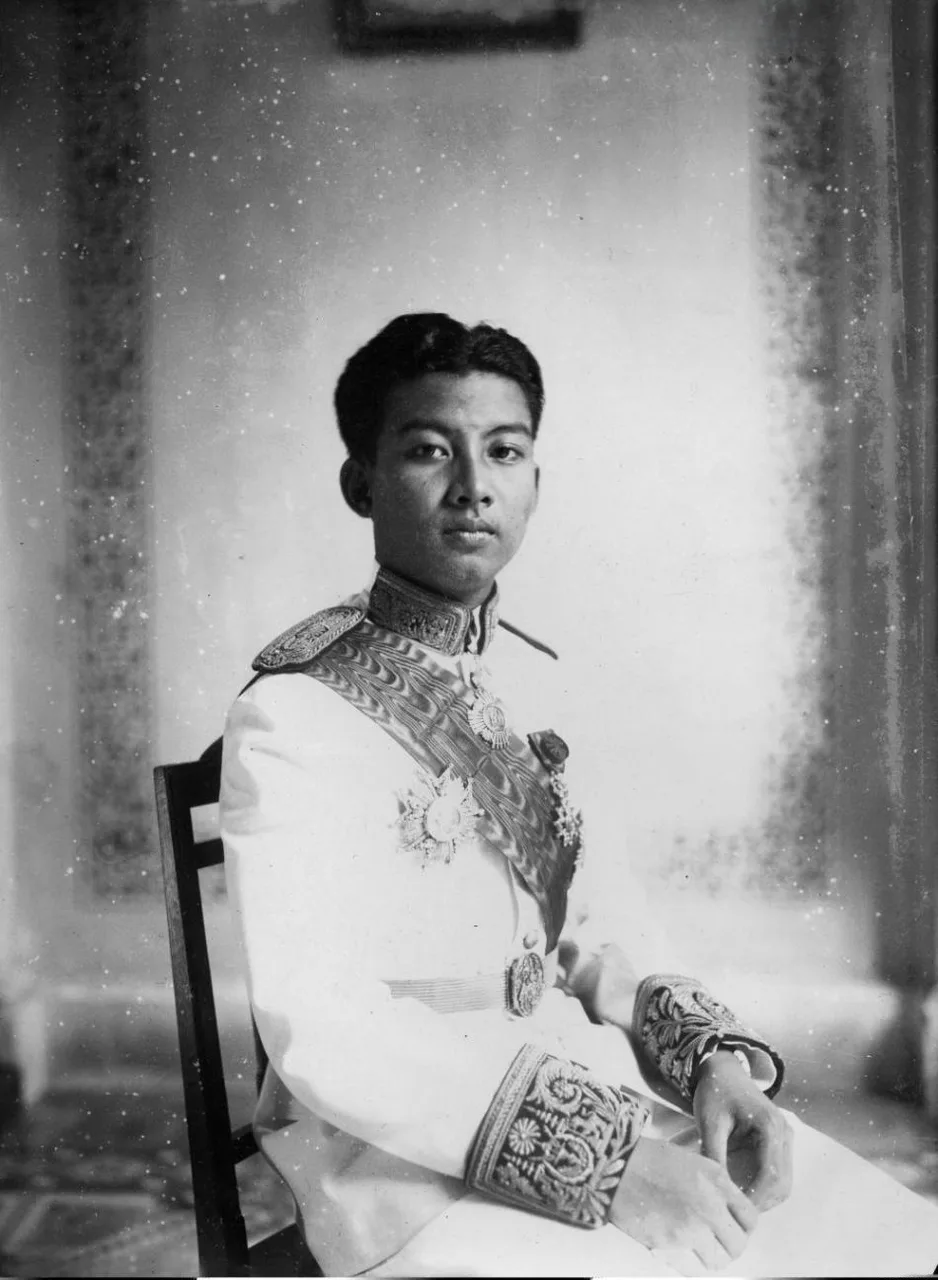
Photo: (unknown, Abaca Press claims ownership but claim is doubtful), Wikimedia Commons, Public domain.
Pick one
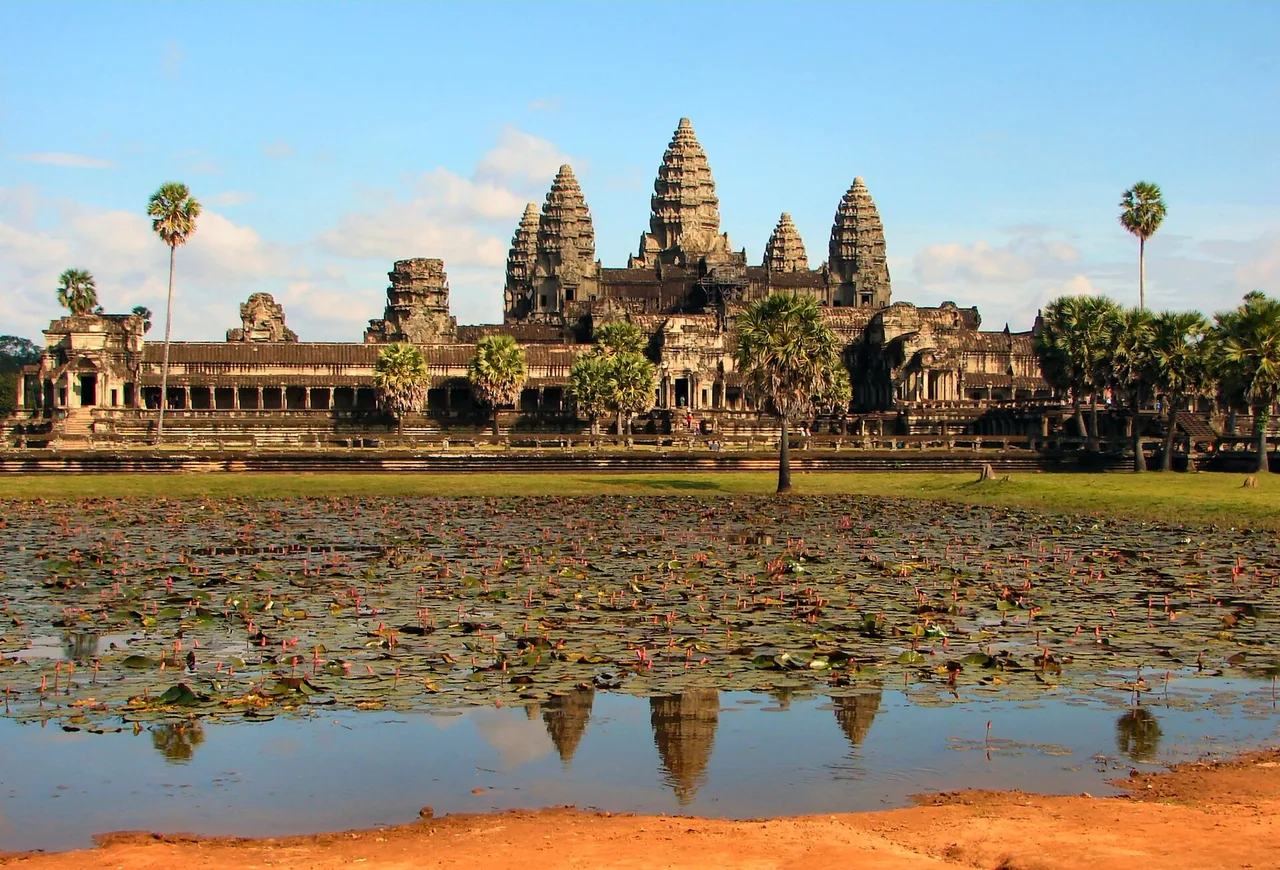
Most Hindu temples of the Khmer Empire face east, the direction of the rising sun. Angkor Wat breaks this rule by facing west, the direction associated with Vishnu and often with funerary rituals. This has led many historians to believe it was built as a funerary temple for King Suryavarman II.
Photo: Bjørn Christian Tørrissen, Wikimedia Commons, CC BY-SA 4.0.
Pick one
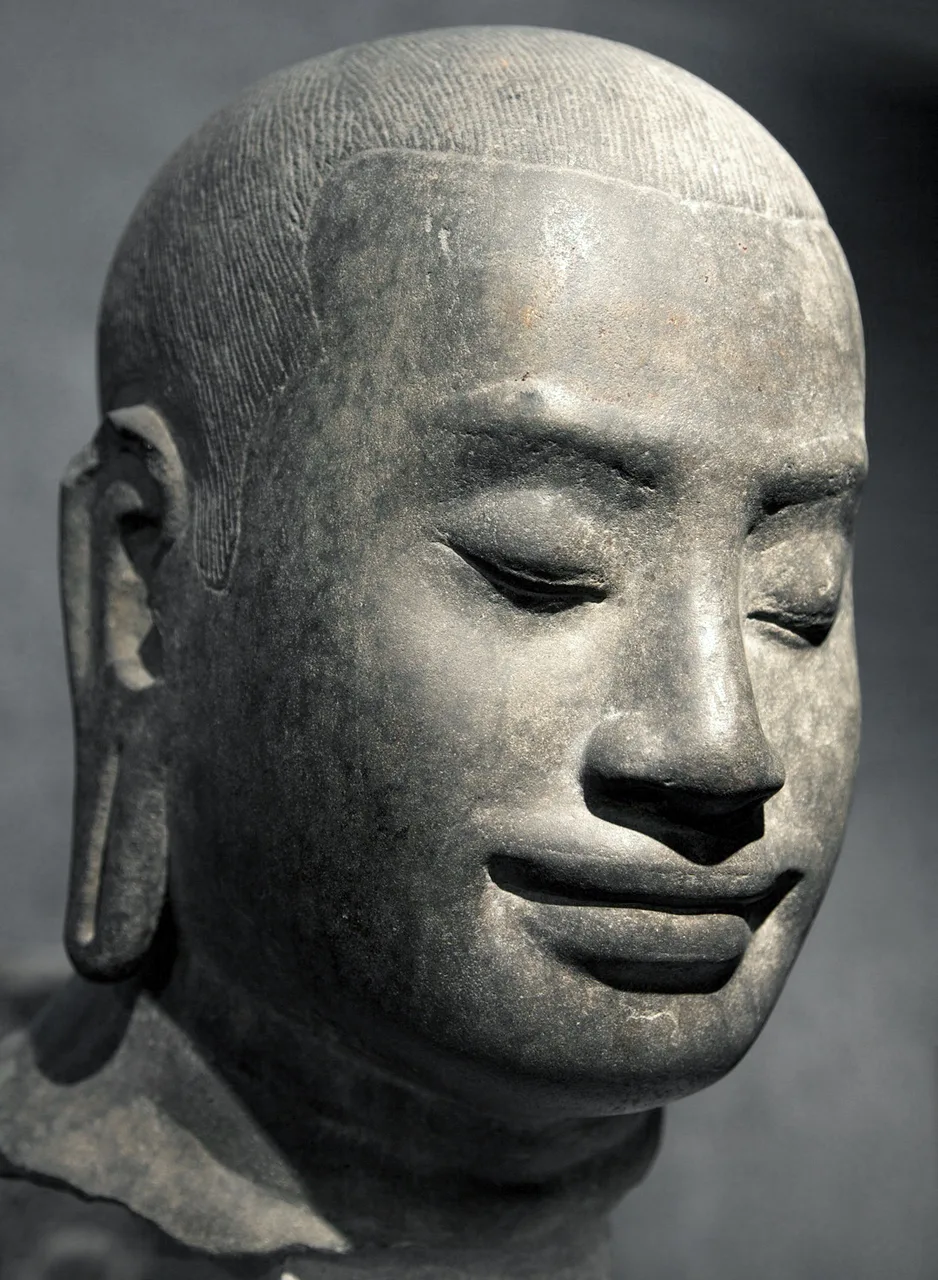
King Jayavarman VII was one of Cambodia's most prolific builders. Following a destructive invasion by the Chams, he established the new capital of Angkor Thom. He also adopted Mahayana Buddhism, which inspired the famous smiling stone faces carved into the towers of the Bayon temple.
Photo: Suzan Black, Wikimedia Commons, CC BY 3.0.
Pick one
Kampot pepper is highly prized by gourmet chefs worldwide for its complex floral and spicy notes. Grown in the mineral-rich soil of Kampot province near the coast, it became the first Cambodian product to receive the European Union's Protected Geographical Indication status, safeguarding its authenticity.
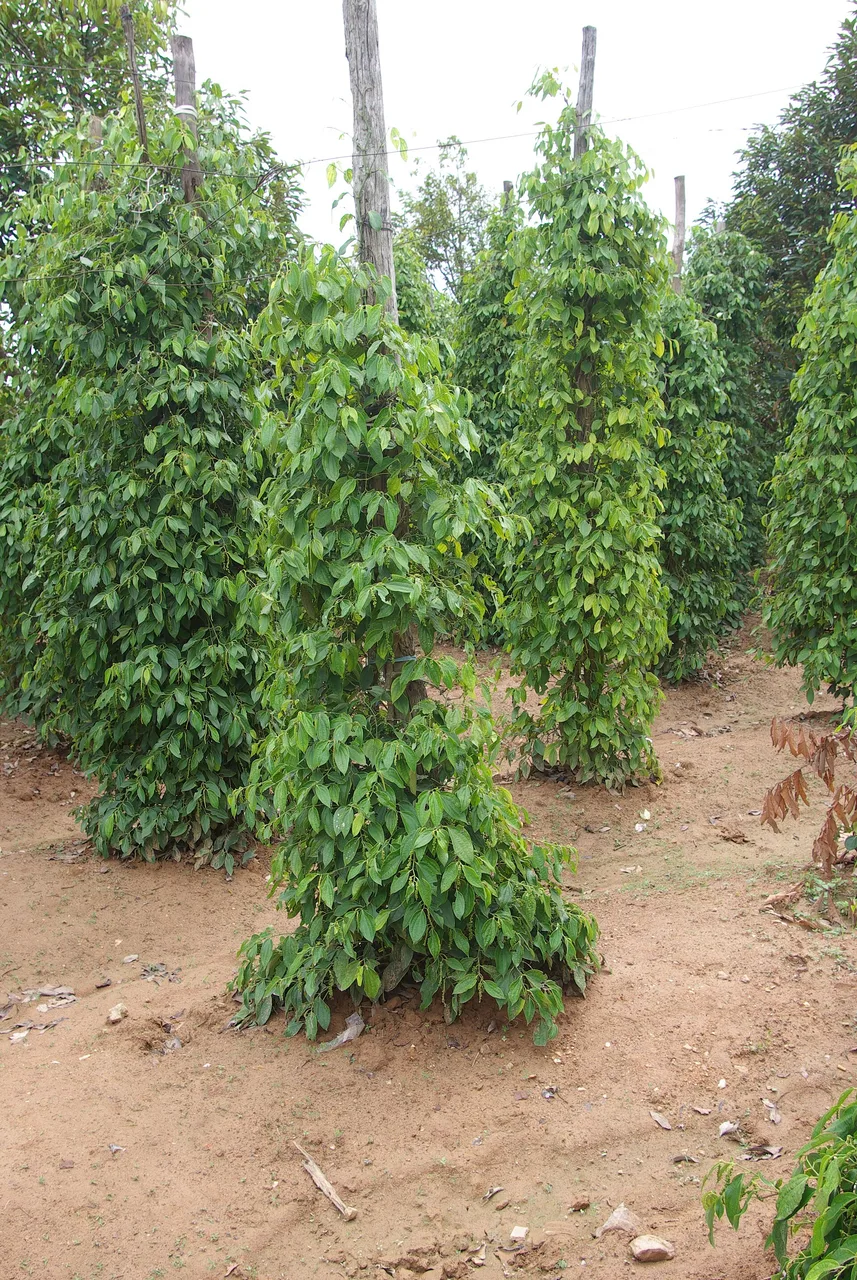
Photo: Taguelmoust, Wikimedia Commons, CC BY-SA 3.0.
Pick one
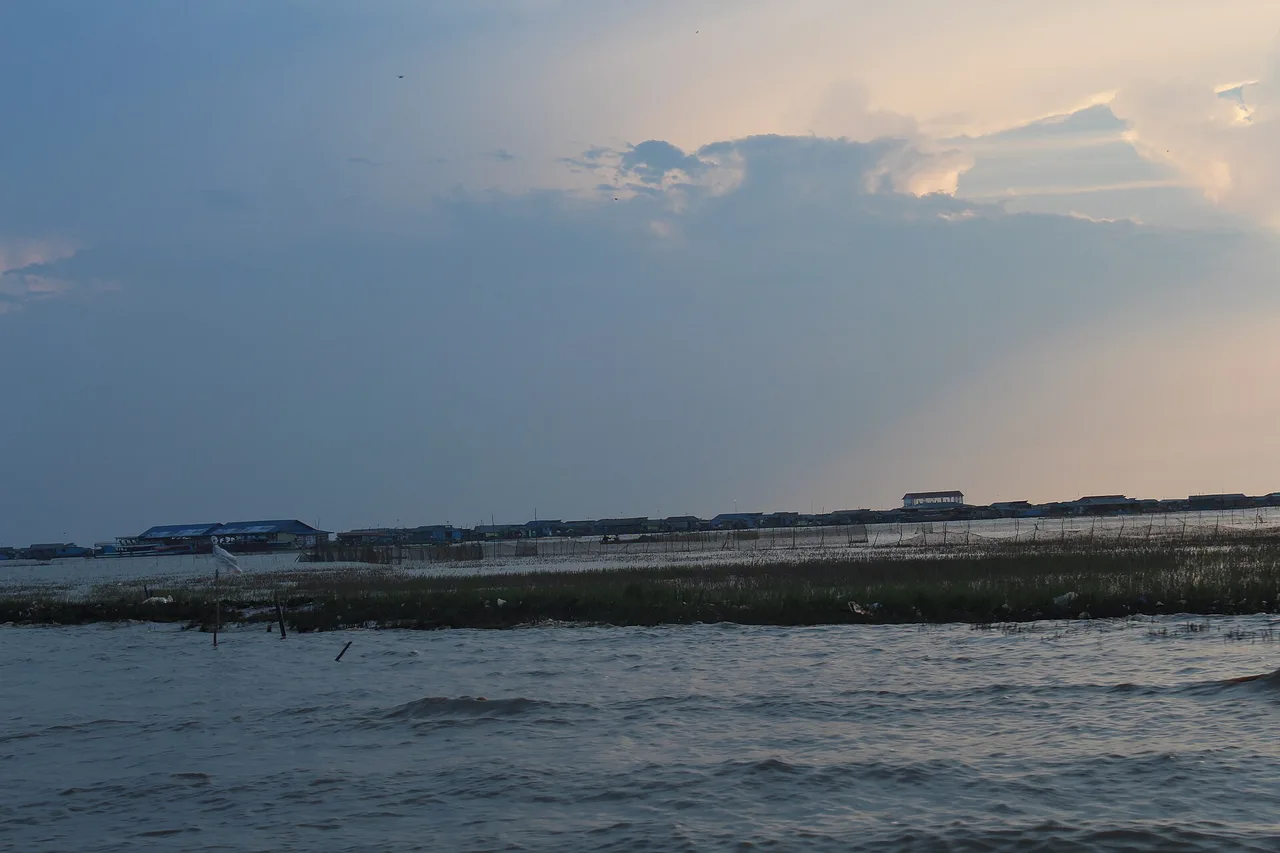
The Tonle Sap River connects the Mekong River to the Tonle Sap Lake. During the rainy season, the Mekong swells so much that it pushes water backward up the Tonle Sap River, expanding the lake to over five times its dry-season size. This unique event supports an incredibly rich freshwater ecosystem.
Photo: Deror_avi, Wikimedia Commons, CC BY-SA 3.0.
Pick one
The kouprey is a large, elusive wild ox with curved horns that was declared Cambodia's national animal in 1960. Unfortunately, due to habitat loss and poaching, there have been no confirmed sightings of the animal since 1988, leading scientists to fear it may now be extinct.
Pick one
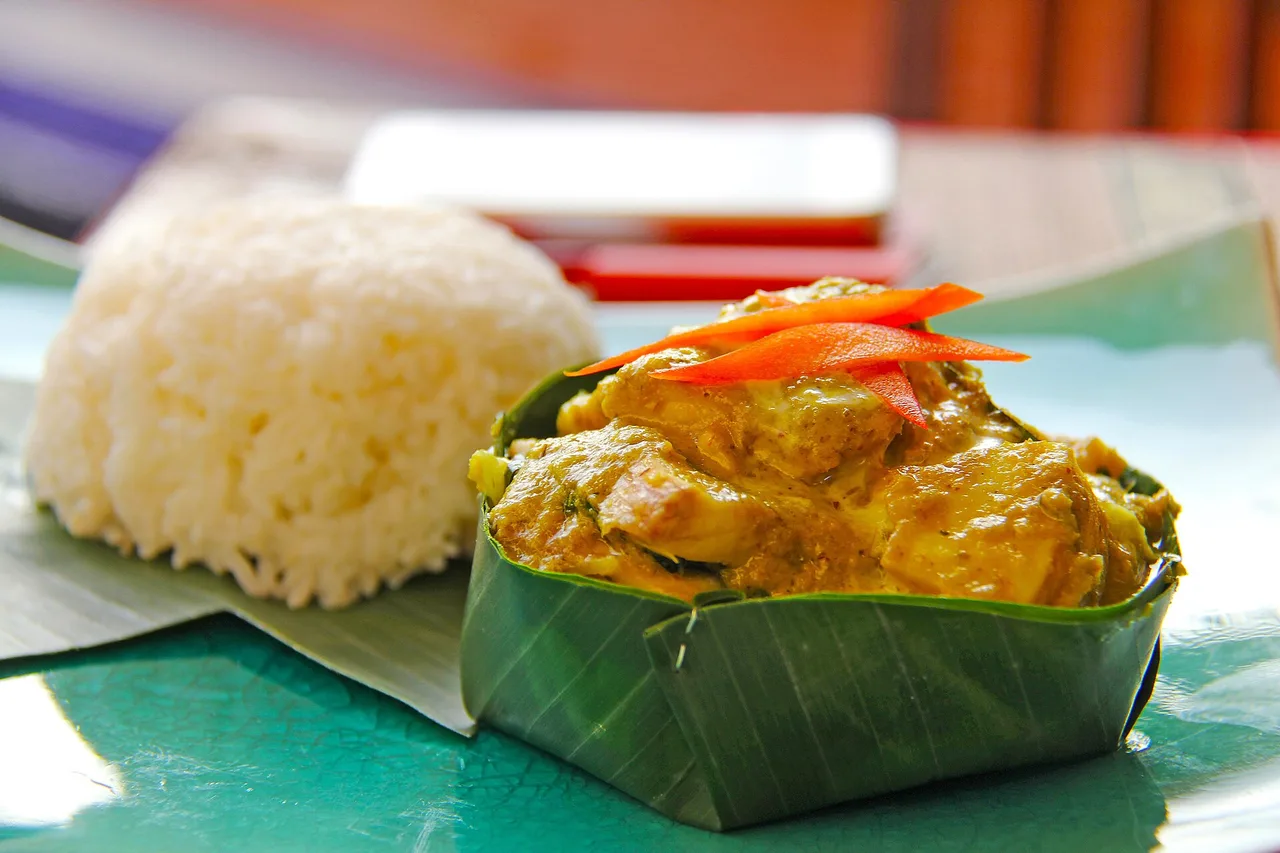
Fish amok (amok trey) is widely considered Cambodia's signature dish. It features local freshwater fish coated in a rich, lemongrass-heavy curry paste called kroeung, mixed with coconut milk, and steamed inside a banana leaf cup. The steaming process gives it a delicate, custard-like texture.
Photo: sharonang, Wikimedia Commons, CC0.


Paste the code into your page. The player fits itself in, and every vote counts in Votur.
On WordPress, Ghost or Squarespace? Just paste the link of this page into your post.
This is how it looks
Also fun