Get app
Cambodia in a nutshell: eight friendly questions about the things it is best known for. Everyone can play along, whatever their age.
Riverbank wanderer 0–3 · Lotus-pond explorer 4–6 · Kingdom of Wonder expert 7–8
Pick one

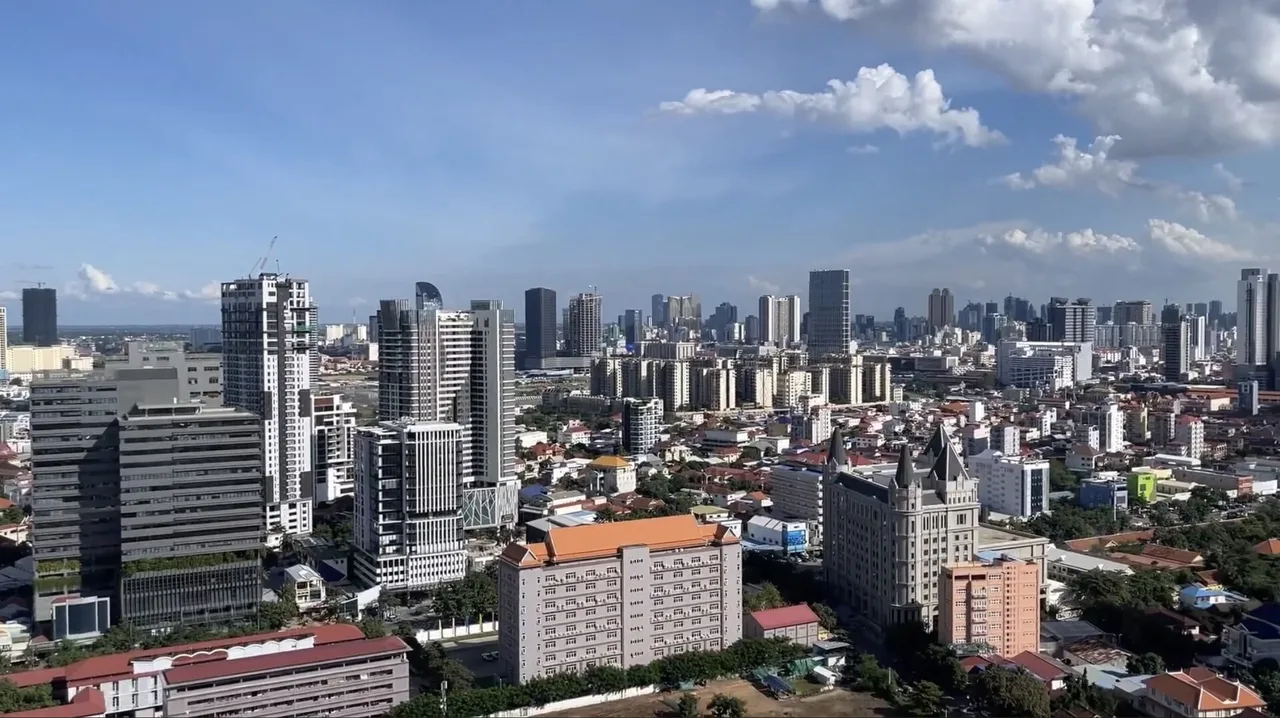
Phnom Penh means 'Penh's hill': legend says that in 1372 a wealthy widow named Penh found a tree floating down the river after a storm and had a hill built beside the river, with a small temple on top. Its elegant buildings later earned the city the nickname 'Pearl of Asia'.
Photo: Looppty, Wikimedia Commons, CC BY-SA 4.0.
Pick one
Angkor Wat was built about 900 years ago and is the largest religious complex in the world, surrounded by a moat about 190 metres wide. Cambodia's flag is one of only four national flags that show a building, together with those of Portugal, San Marino and Spain.
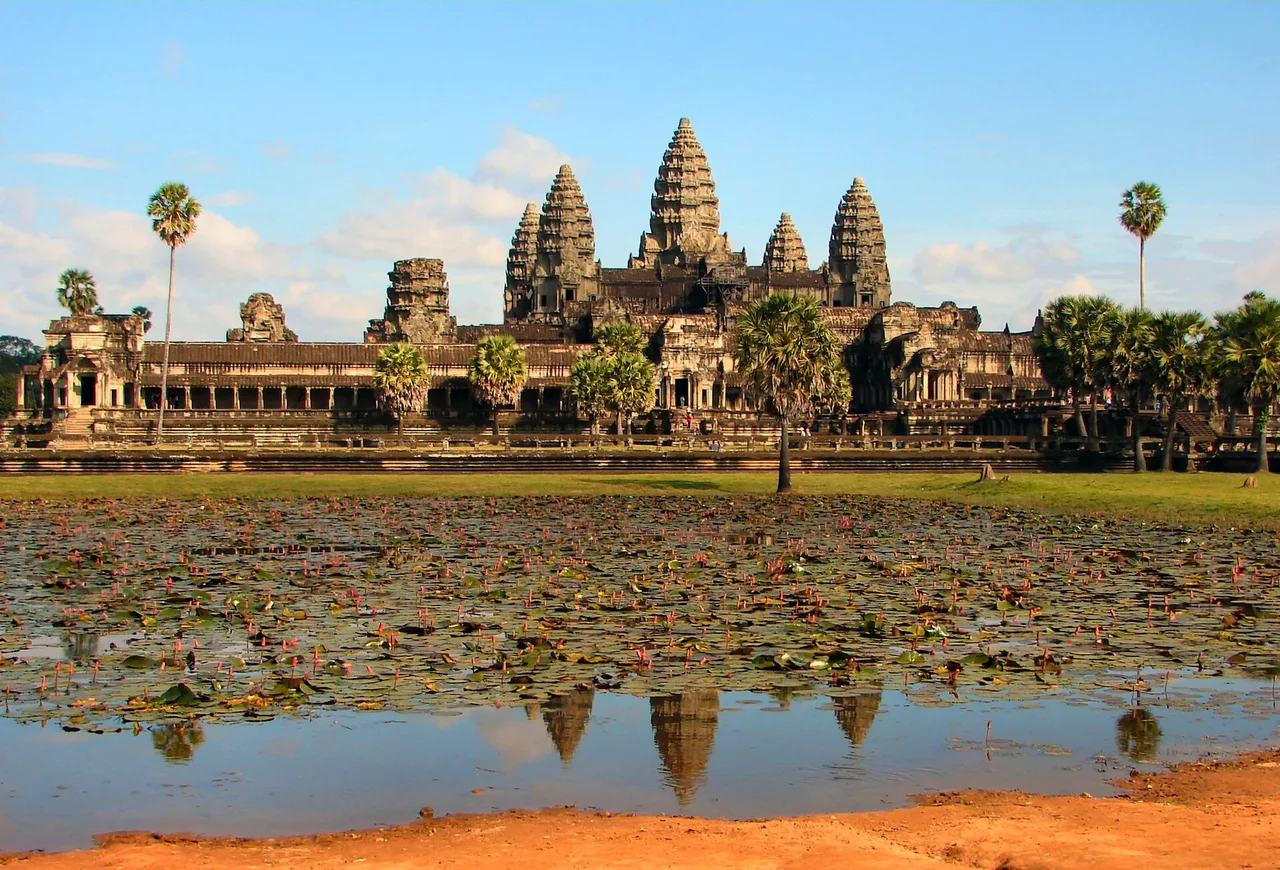
Photo: Bjørn Christian Tørrissen, Wikimedia Commons, CC BY-SA 4.0.
Pick one
Cambodia's land is shaped a bit like a bowl, with wide, flat plains in the middle and low, forested mountains around the edges. It also has about 440 km of coast on the Gulf of Thailand, and its highest mountain, Phnom Aural, is about 1,800 metres high.
Pick one
Khmer is spoken by about 13 million people in Cambodia and has its own curly alphabet, with 33 consonants in use today. Unlike Thai, Lao and Vietnamese, Khmer is not a tonal language, so the pitch of your voice does not change what a word means.
Pick one
The Mekong runs for about 4,900 km, from the mountains of Tibet through six countries to the sea. In 2022 a giant freshwater stingray of about 300 kg was caught in the Mekong, the biggest freshwater fish ever recorded.
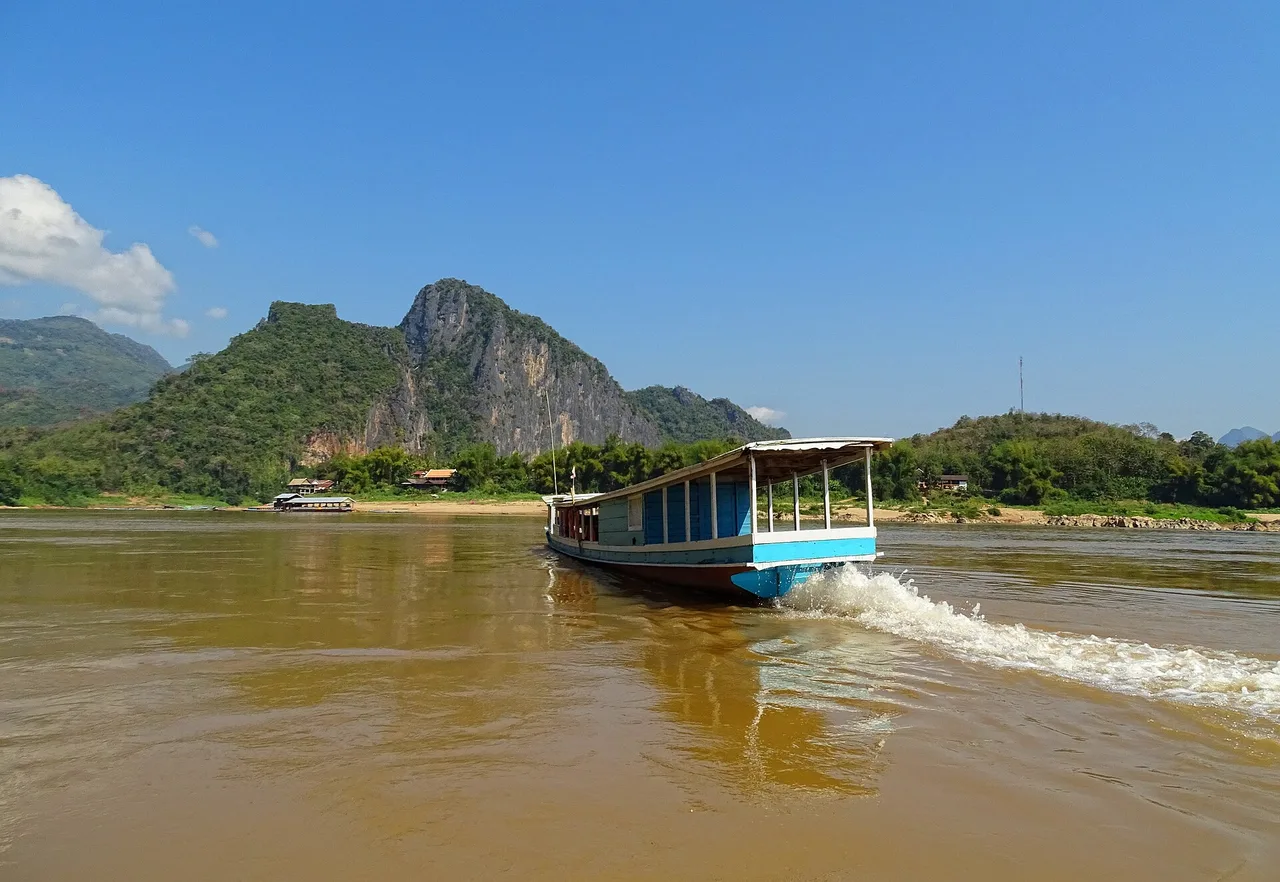
Photo: Bjørn Christian Tørrissen, Wikimedia Commons, CC BY-SA 4.0.
Pick one
The festival is called Bon Om Touk, meaning 'boat paddling festival', and it is held in late October or early November, when teams of paddlers race long dragon boats on the river. At night the celebrations go on with fireworks and boats covered in glowing lights.
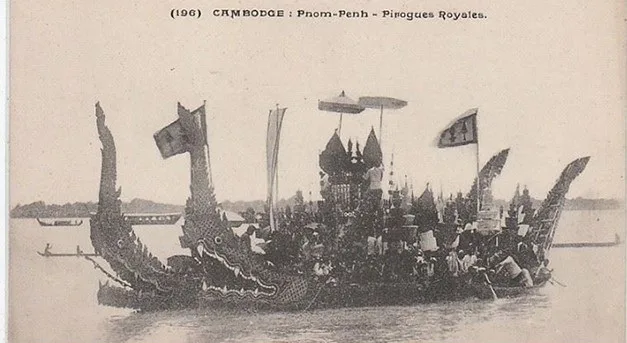
Photo: Chetra Skyline, Wikimedia Commons, CC BY-SA 4.0.
Pick one
Their hand gestures, called kbach, work a bit like an alphabet and can stand for things from nature such as flowers, fruit and leaves. The dancers are often sewn into their tight, glittering costumes before a show, and since 2003 the dance has been on UNESCO's list of intangible cultural heritage.
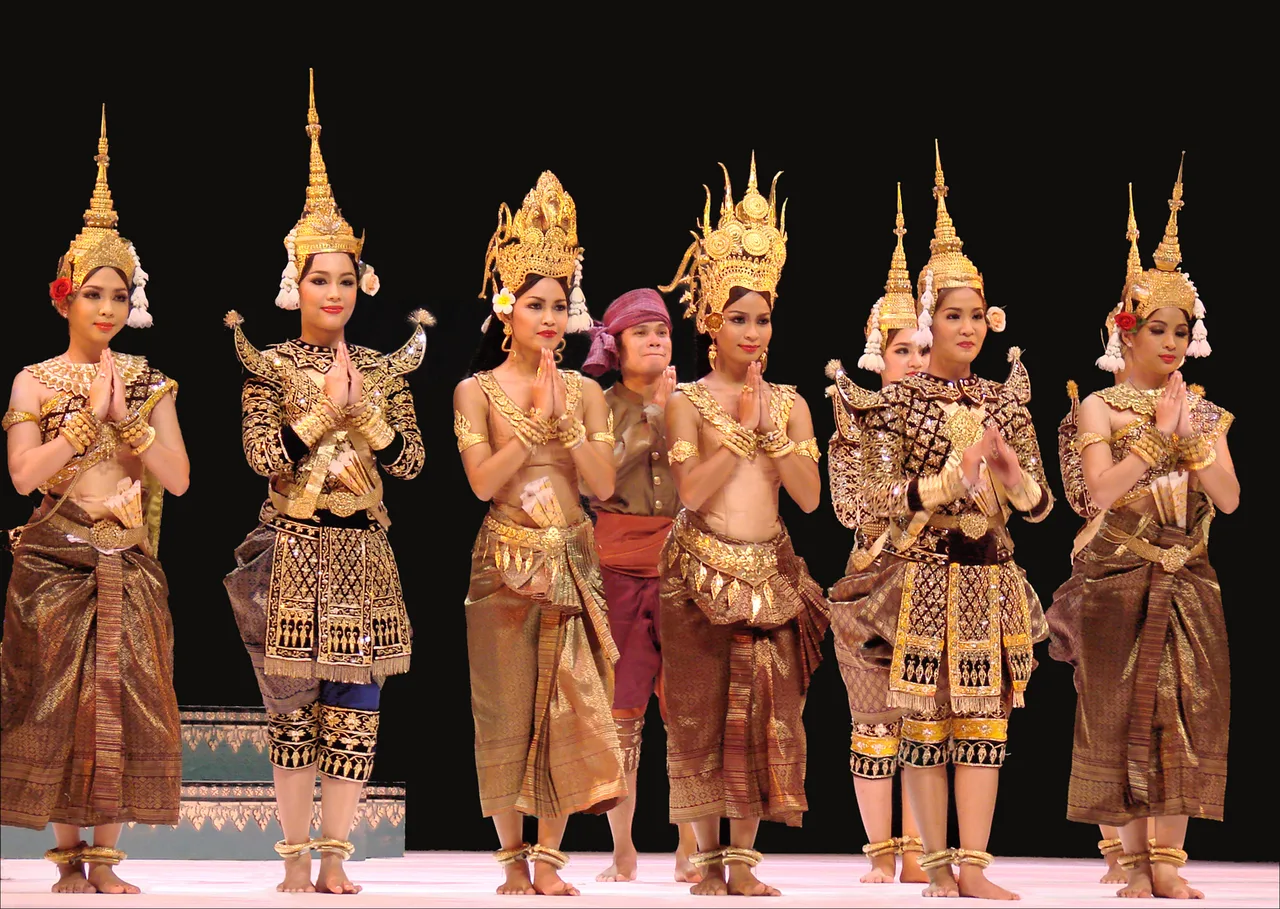
Photo: ' dalbera ' (Flickr user, no real name given), Wikimedia Commons, CC BY 2.0.
Pick one
The temple was built without mortar, so after it was abandoned, seeds took root between the loose stones, and today giant trees wrap their roots around its walls. In the early 1900s experts decided to leave it much as they had found it, and in 2001 it appeared in the film 'Lara Croft: Tomb Raider'.
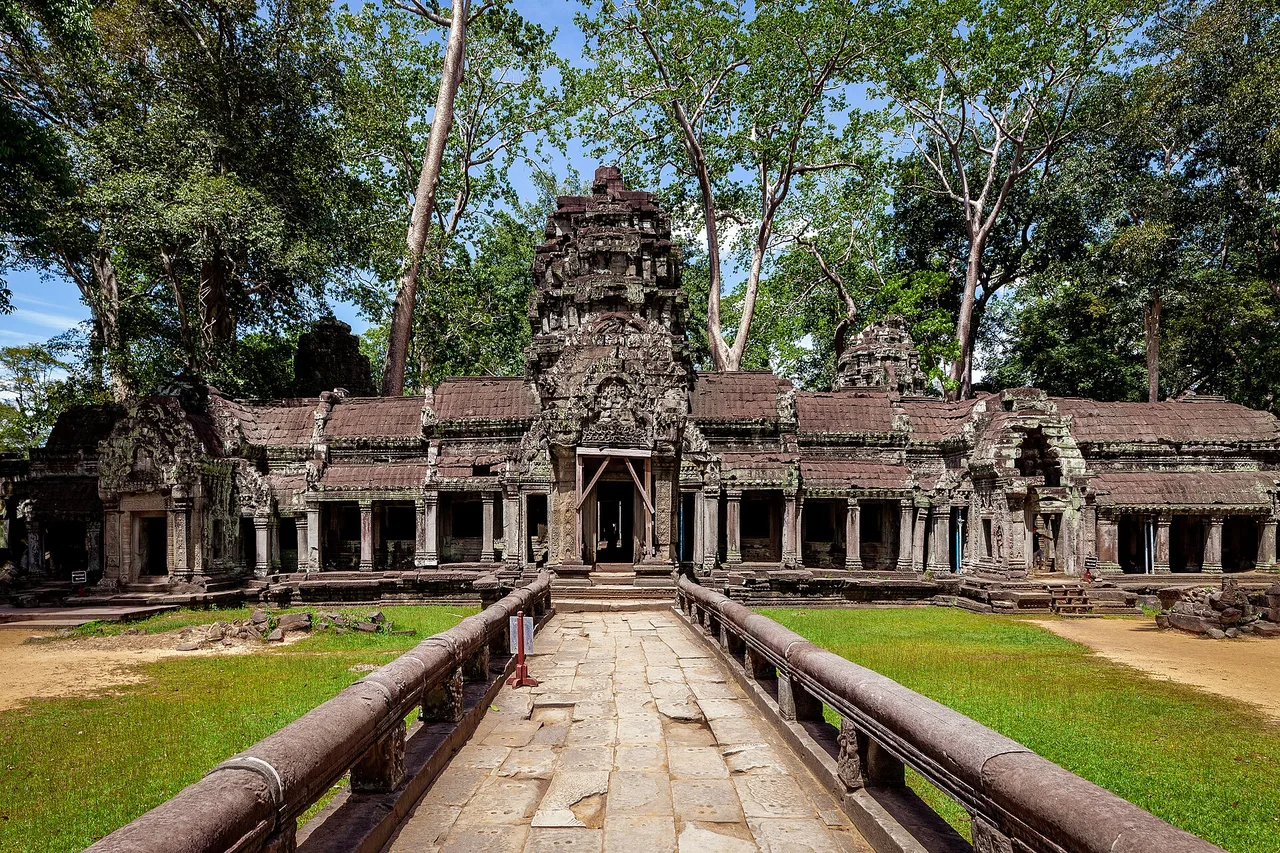
Photo: This Photo was taken by Supanut Arunoprayote . Feel free to use any of my images, Wikimedia Commons, CC BY 4.0.


Paste the code into your page. The player fits itself in, and every vote counts in Votur.
On WordPress, Ghost or Squarespace? Just paste the link of this page into your post.
This is how it looks
Also fun