Get app
 Photo: Dennis G. Jarvis, Wikimedia Commons, CC BY-SA 2.0.
How well do you know Canada's ocean playground? Test your knowledge on the rich history, stunning landscapes, and unique culture of Nova Scotia!
Friendly Visitor 0–4 · Maritime Explorer 5–8 · True Nova Scotian 9–10
Pick one

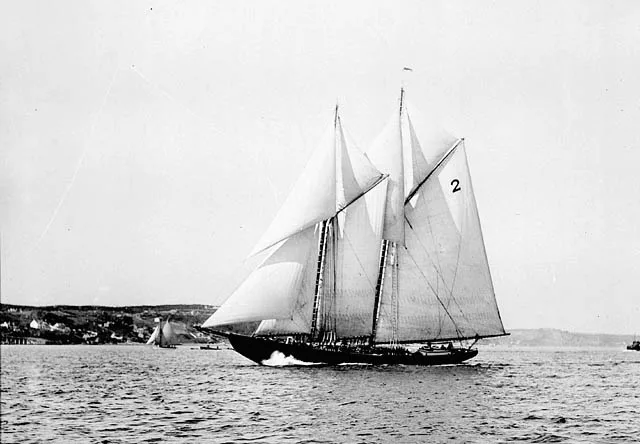
The Bluenose was a celebrated racing and fishing schooner built in Lunenburg in 1921. It became a Canadian icon after remaining undefeated in the International Fishermen's Trophy for nearly two decades. Interestingly, the legendary vessel was so famous that its image has graced the Canadian ten-cent coin almost continuously since 1937, cementing its status as a symbol of Canadian maritime pride.
Photo: MacAskill, Wallace R., 1893-1956, Wikimedia Commons, Public domain.
Pick one
The Bay of Fundy, nestled between Nova Scotia and New Brunswick, experiences the highest tides on Earth, with water levels rising up to 16 meters (53 feet) twice a day. This massive movement of water moves more than 100 billion tons of sediment-rich seawater in and out of the bay during each tide cycle. Remarkably, this volume of water is greater than the combined flow of all the world's freshwater rivers.
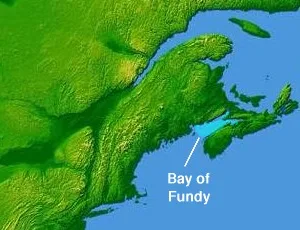
Photo: Decumanus at English Wikipedia, Wikimedia Commons, CC BY-SA 3.0.
Pick one
The Cabot Trail is a world-famous 298-kilometer highway that winds through the breathtaking highlands of Cape Breton Island, offering dramatic ocean views and steep cliffs. Completed in 1932, it was named after Italian explorer John Cabot, who landed in Atlantic Canada in 1497. The trail is globally renowned for its stunning autumn foliage, which draws thousands of leaf-peeping travelers every October.
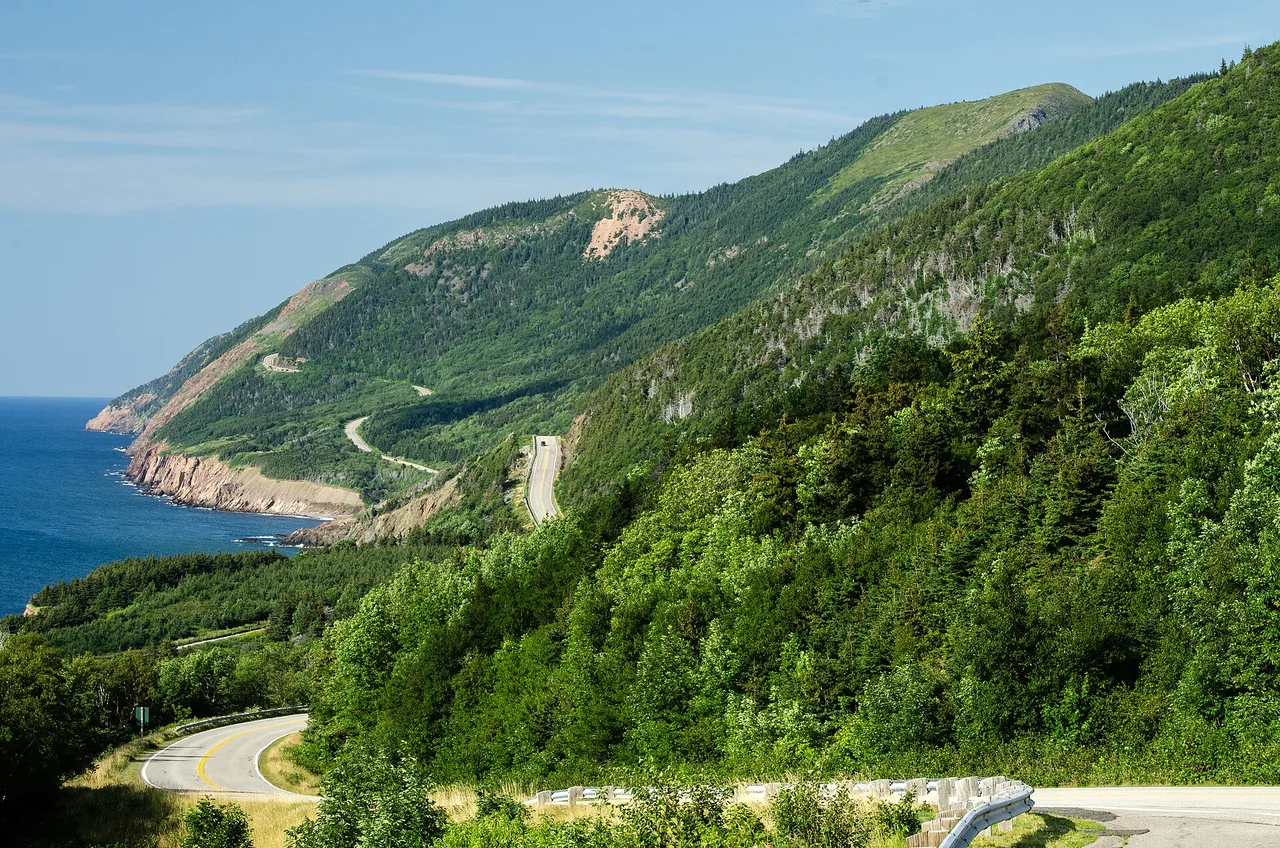
Photo: Elviroyage, Wikimedia Commons, CC BY-SA 4.0.
Pick one
Grand-Pré is a powerful monument to Acadian history, marking the area where thousands of French-speaking Acadians were forcefully deported by British forces starting in 1755. The beautiful landscape showcases the complex dyke system built by early Acadian settlers to reclaim fertile farmland from the sea. Today, a statue of Evangeline, the fictional heroine of Longfellow's famous poem, stands at the site.
Pick one
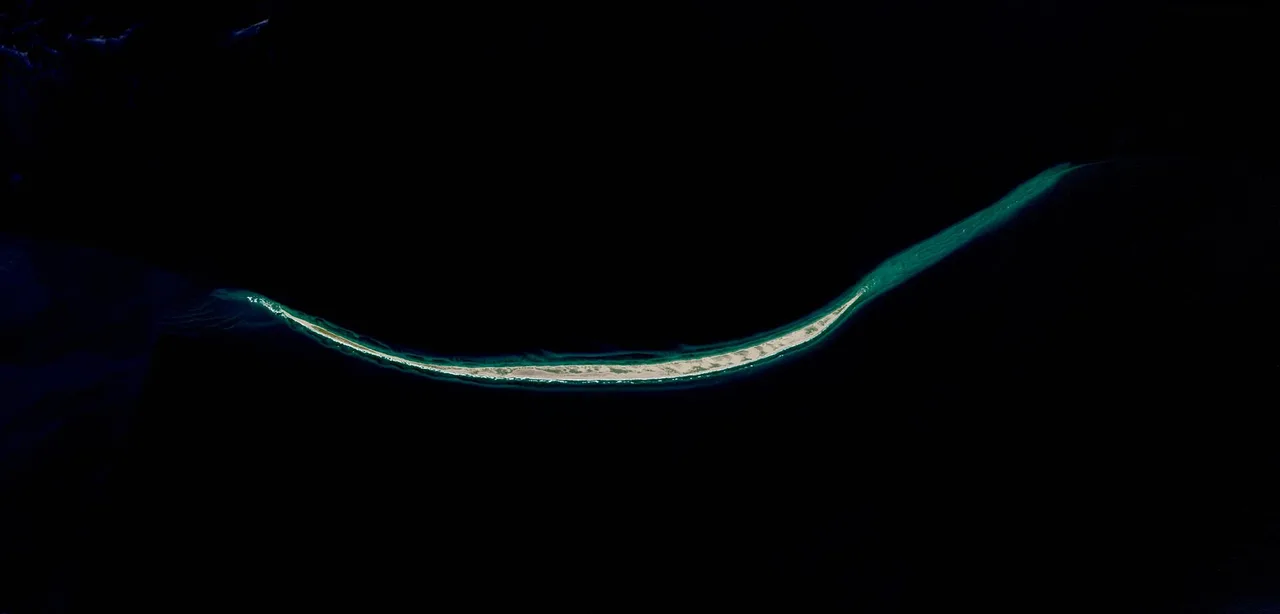
Sable Island is a narrow, shifting sandbar located about 300 kilometers southeast of Halifax, famous for its population of hundreds of wild horses that have adapted to the harsh Atlantic environment. Known as the 'Graveyard of the Atlantic,' the island has also been the site of over 350 recorded shipwrecks. Today, it is a protected national park reserve, and access is strictly controlled to protect its fragile ecology.
Photo: Sentinel-2 / MSI, Wikimedia Commons, Public domain.
Pick one
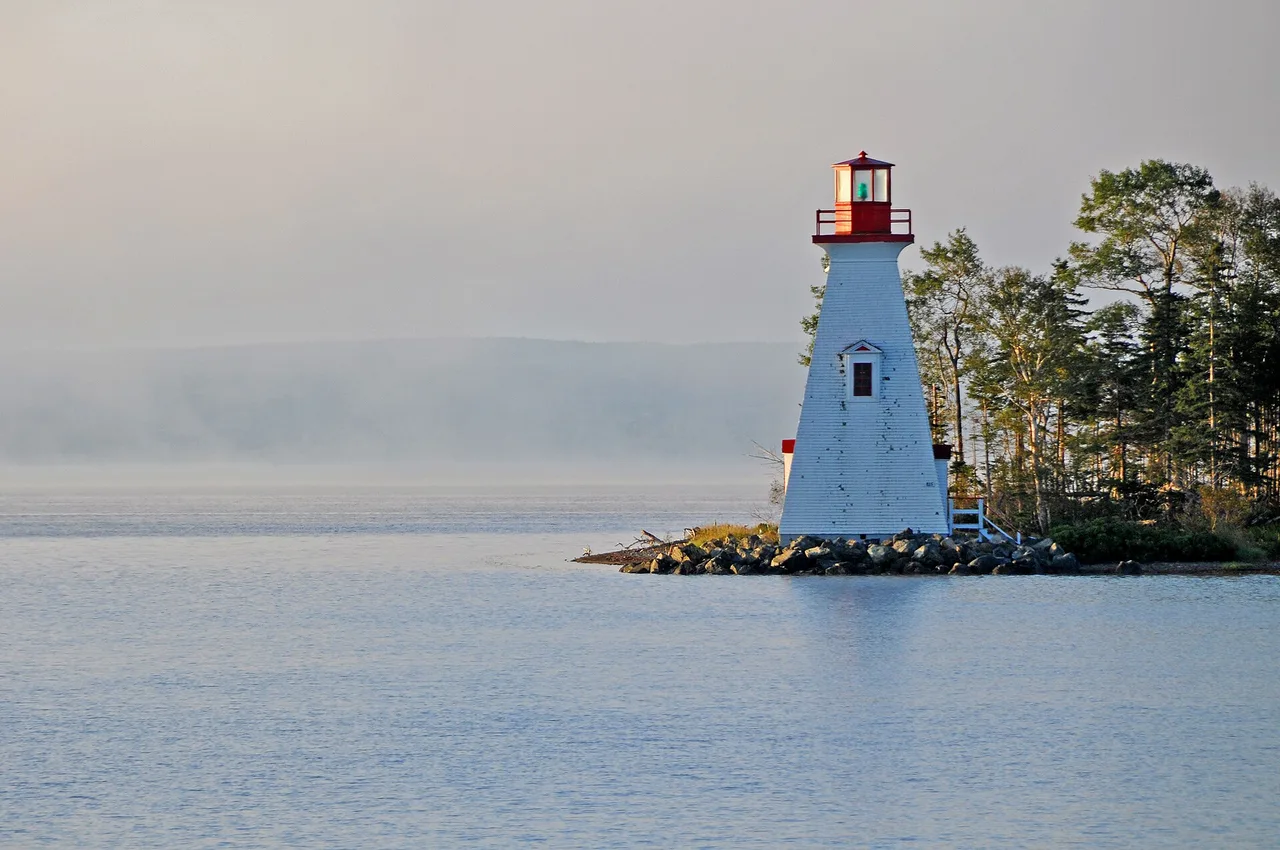
Alexander Graham Bell, the world-famous inventor of the telephone, fell in love with the scenery of Cape Breton and built his summer estate, Beinn Bhreagh, near Baddeck. He spent his final thirty years conducting groundbreaking experiments there. Surprisingly, these included building the HD-4, a pioneering hydrofoil boat that set a world marine speed record of 114 kilometers per hour in 1919.
Photo: Dennis G. Jarvis, Wikimedia Commons, CC BY-SA 2.0.
Pick one
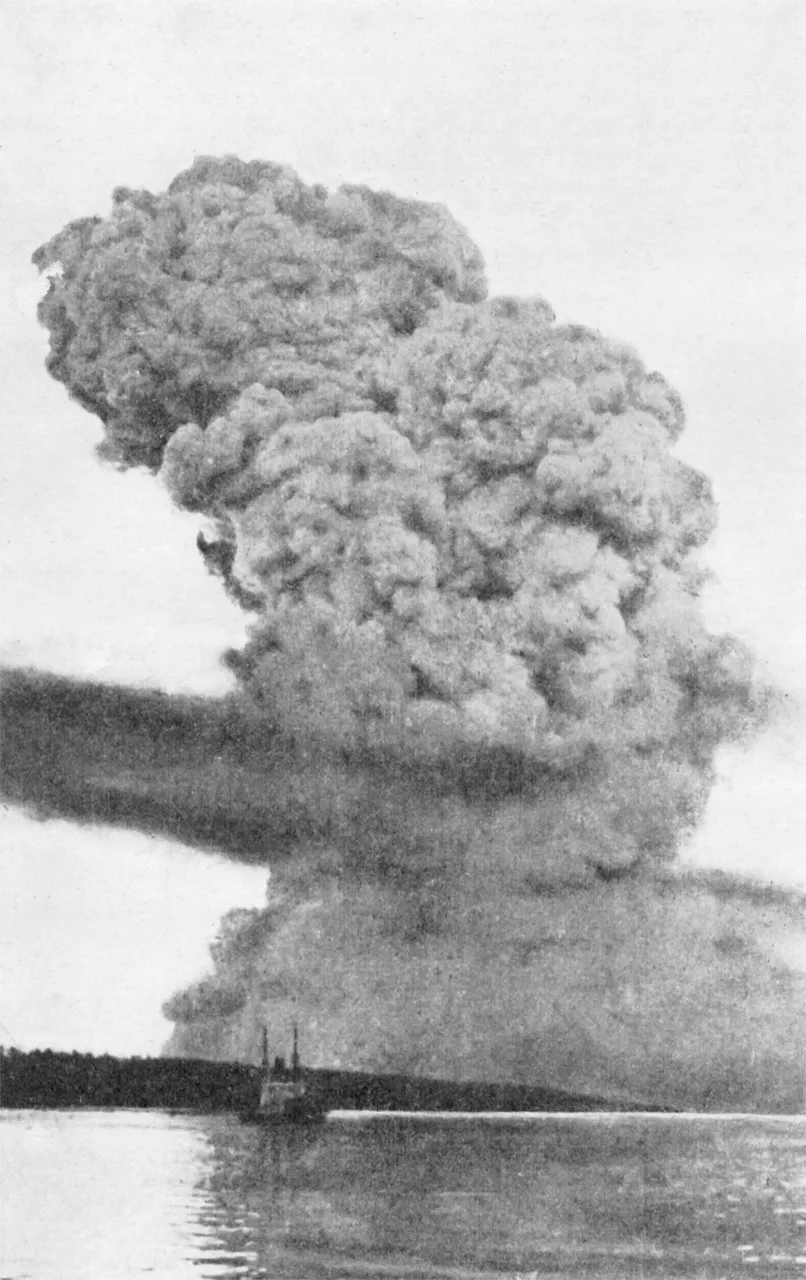
The French cargo ship SS Mont-Blanc was packed with tons of wartime explosives when it collided with the Norwegian vessel SS Imo in Halifax Harbour. The resulting blast was the largest man-made explosion before the atomic bomb. Surprisingly, the force of the detonation was so powerful that it launched one of the Mont-Blanc's anchor shafts over three kilometers across the city, where it remains today as a historical monument.
Photo: Wikimedia Commons, Public domain.
Pick one
In December 1902, Italian inventor Guglielmo Marconi sent the first complete wireless messages from North America to Europe, from his station at Table Head in Glace Bay, Cape Breton, to Poldhu in Cornwall, England. A year earlier he had only picked up a faint signal in the other direction, in Newfoundland. A few years later, the first permanent transatlantic wireless service started from Marconi Towers near Glace Bay.
Pick one
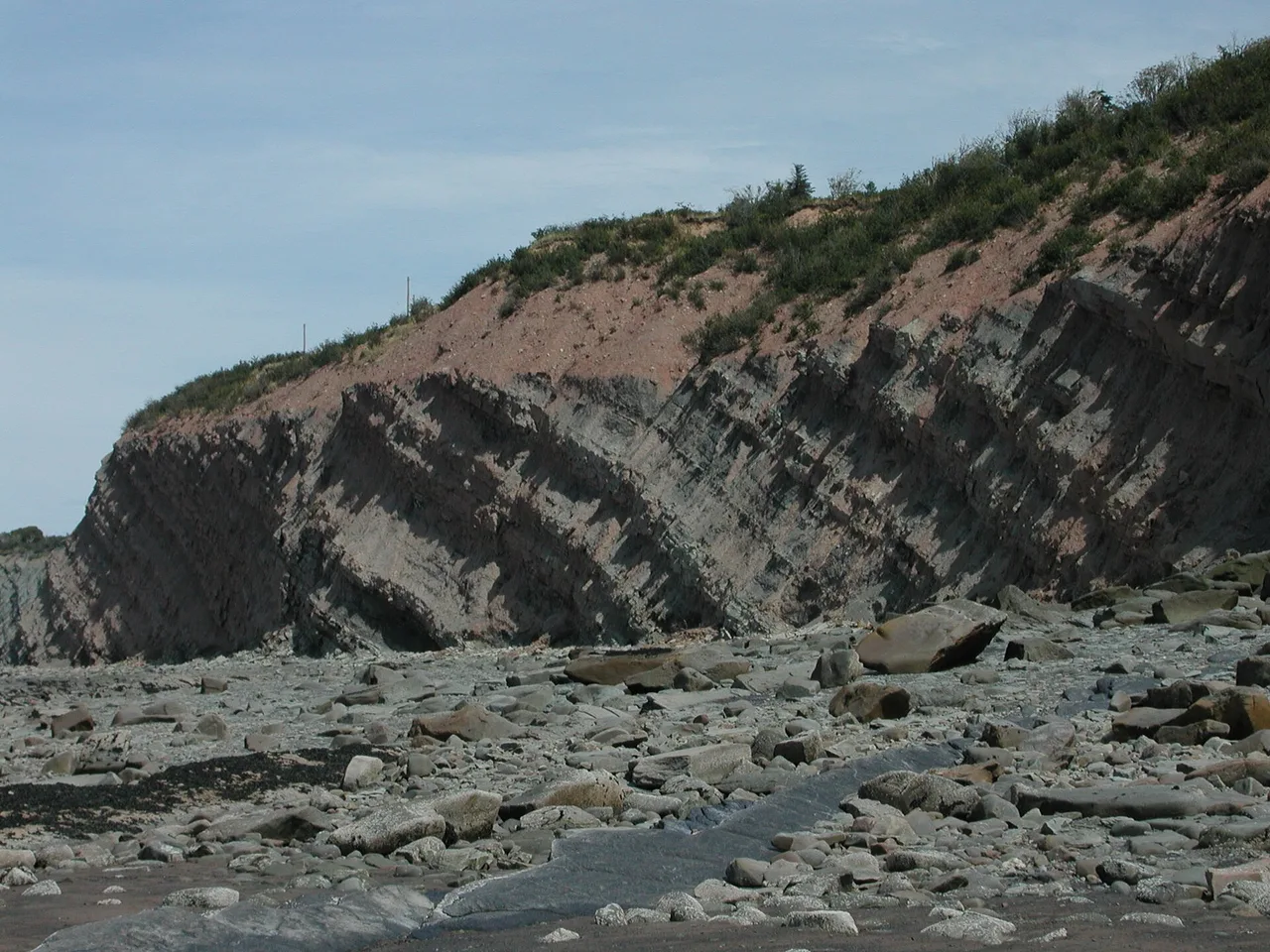
The Joggins Fossil Cliffs are a UNESCO World Heritage Site famous for containing the world's most complete fossil record of the Carboniferous 'Coal Age' from 300 million years ago. Constant coastal erosion by the massive tides of the Bay of Fundy naturally unearths new fossils daily. Remarkably, legendary scientist Charles Darwin used the fossil discoveries at Joggins to help support his theory of evolution.
Photo: Cornellier, Wikimedia Commons, CC BY-SA 4.0.
Pick one
The Nova Scotia Duck Tolling Retriever was specifically bred in the Little River district of Yarmouth County to lure and retrieve waterfowl. By playing playfully along the shoreline, these clever dogs pique the curiosity of ducks, drawing them within range of hunters. Fun fact: they are the smallest of all the retriever breeds, yet they possess boundless energy and a highly water-resistant double coat.

Photo: Cal119 at English Wikipedia, Wikimedia Commons, Public domain.


Paste the code into your page. The player fits itself in, and every vote counts in Votur.
On WordPress, Ghost or Squarespace? Just paste the link of this page into your post.
This is how it looks
Also fun