Get app
 Photo: Paul Gierszewski, Wikimedia Commons, Public domain.
Explore Canada's spectacular subarctic territory! Test your knowledge on its vast lakes, majestic national parks, unique official symbols, and rich northern history.
Northern Dreamer 0–4 · Trail Explorer 5–8 · True Northerner 9–10
Pick one

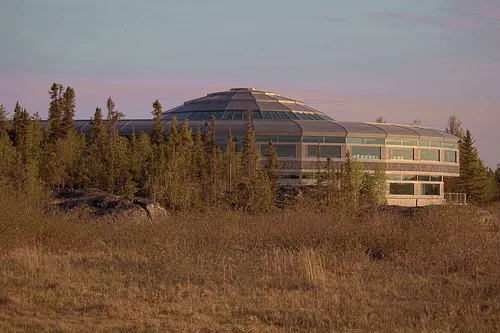
Yellowknife became the capital of the Northwest Territories in 1967. Originally established during a gold rush in the 1930s, it is situated on the northern shore of Great Slave Lake. Today, the city is known as the 'Diamond Capital of North America' due to the rich diamond mines found in the surrounding region.
Photo: self-made, Wikimedia Commons, CC BY-SA 3.0.
Pick one
The Northwest Territories officially adopted the diamond as its gemstone emblem in 1999. Following the discovery of major deposits in the 1990s, the territory quickly grew into one of the world's leading producers of high-quality, ethically sourced gem diamonds, transforming the local economy.
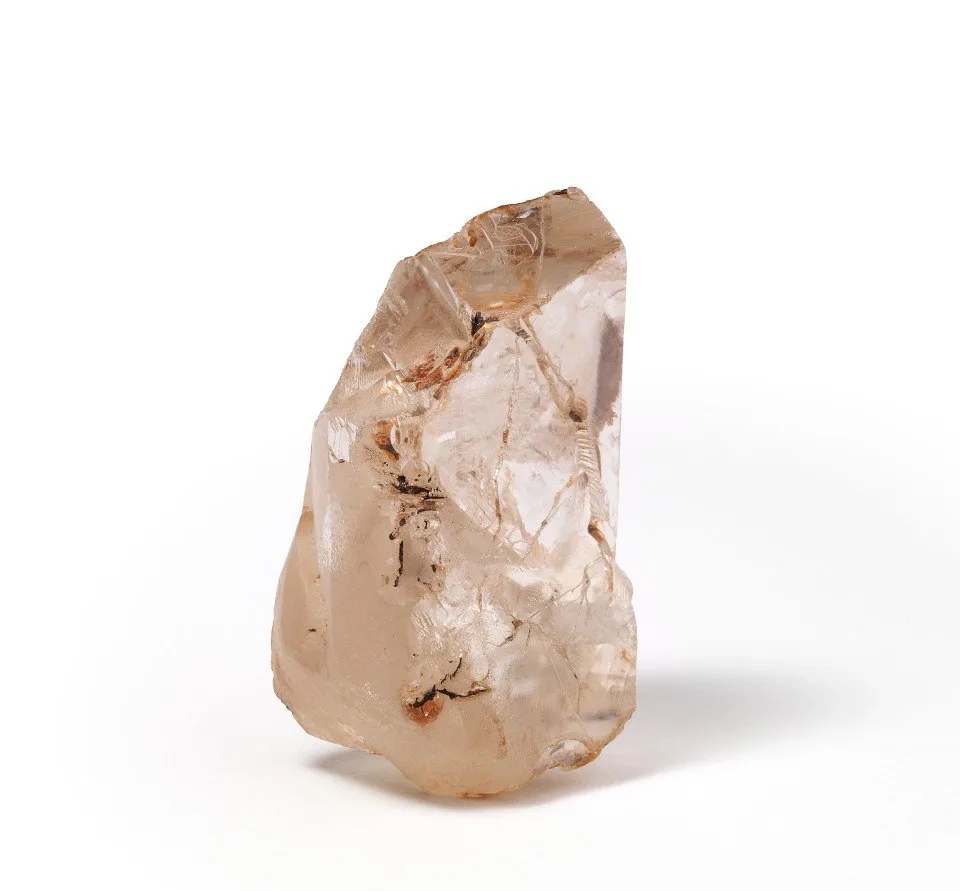
Photo: DGPC/ADF Luísa Oliveira, Wikimedia Commons, CC0.
Pick one
Great Bear Lake is the largest lake entirely within Canada and the eighth-largest in the world. Situated on the Arctic Circle, it is incredibly pristine and cold, with water so clear that you can see deep into its depths. It is also home to some of the world's largest lake trout.
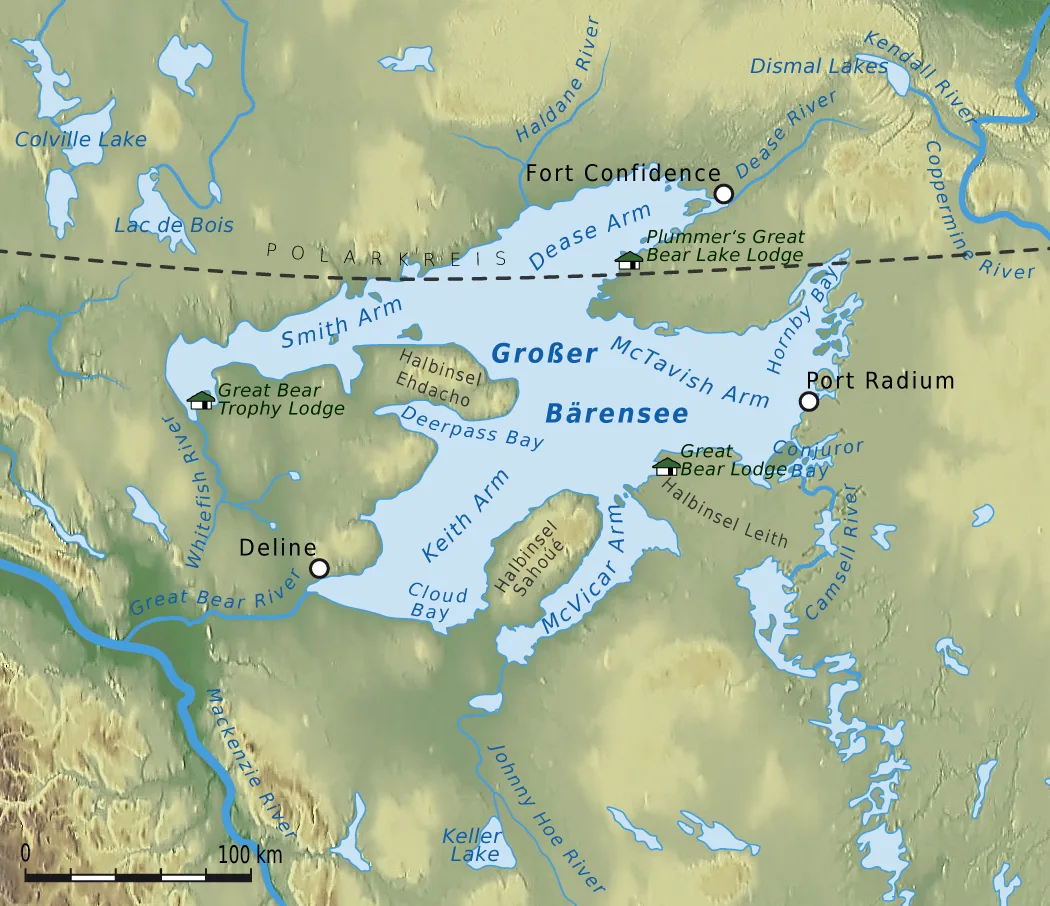
Photo: TomGonzales, Wikimedia Commons, CC BY-SA 2.0.
Pick one
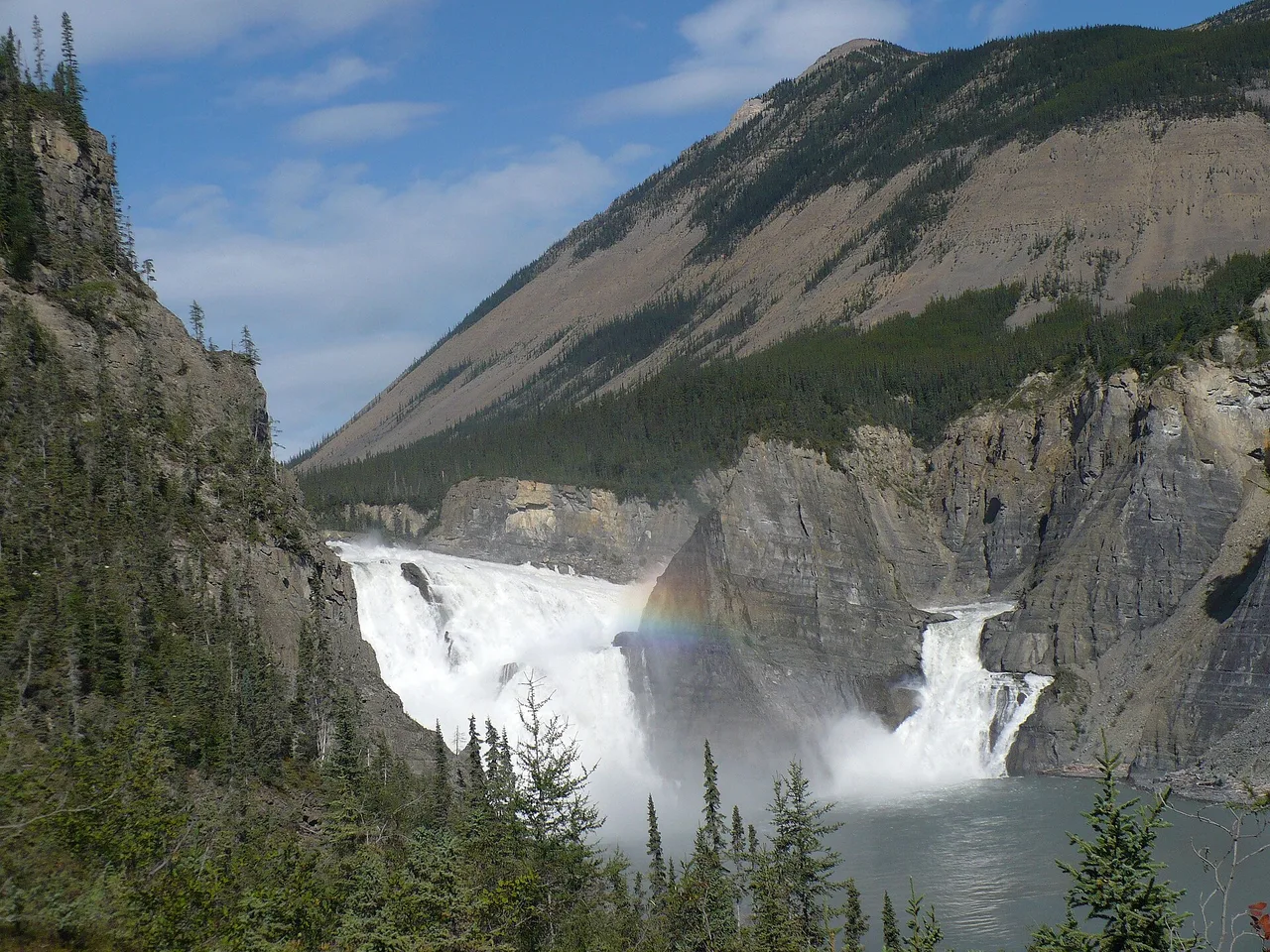
Nahanni National Park Reserve is a wilderness paradise centered around the South Nahanni River. Its crown jewel, Virginia Falls, plunges 96 meters into a dramatic canyon. The park was among the first group of natural sites globally to be designated as a UNESCO World Heritage Site in 1978.
Photo: Paul Gierszewski (Gierszep), Wikimedia Commons, Public domain.
Pick one
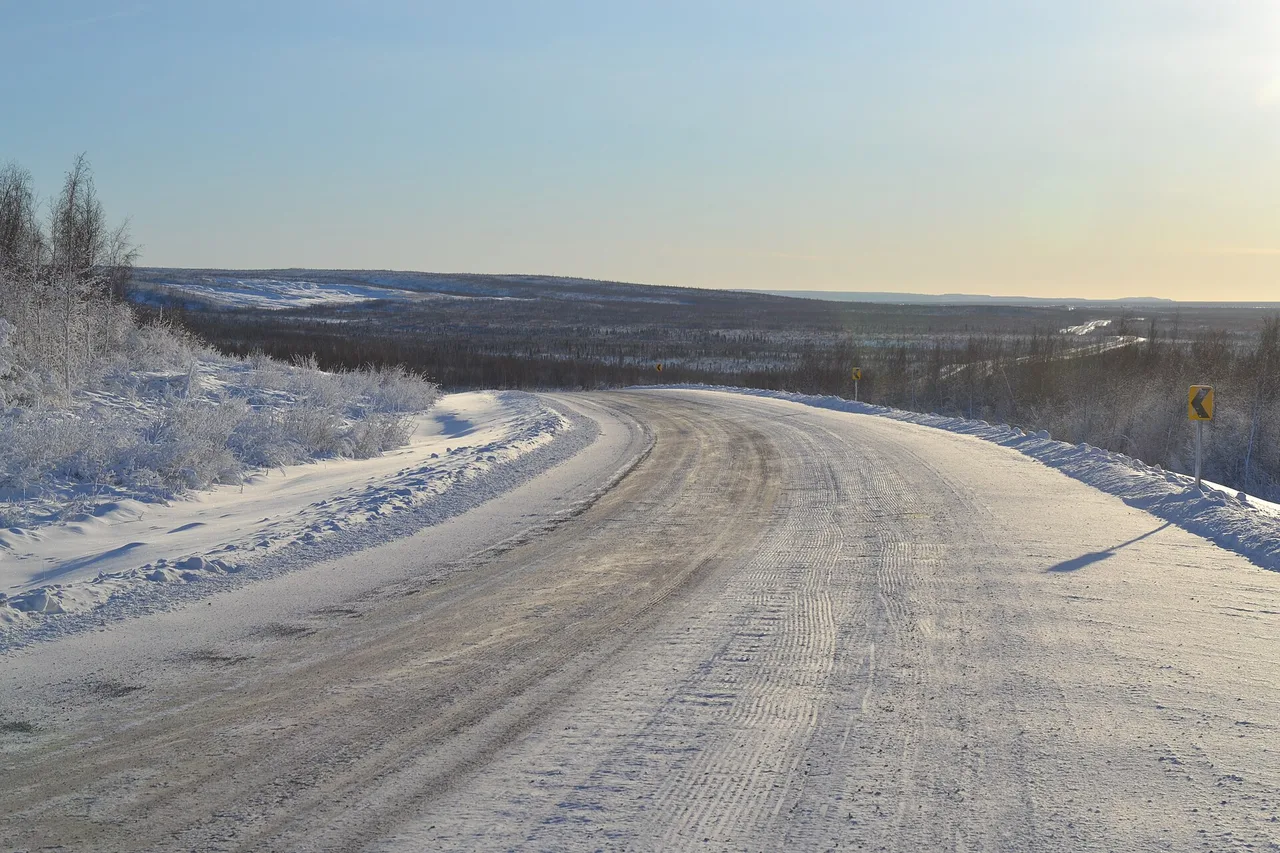
The Dempster Highway is a famous gravel road that stretches 740 kilometers through spectacular subarctic wilderness. Completed in 1979, it crosses the Arctic Circle and offers drivers breathtaking views of the Tombstone and Richardson mountains, as well as opportunities to spot migrating caribou.
Pick one
The Inuvik-Tuktoyaktuk Highway, opened in late 2017, replaced a historic seasonal ice road with a permanent 138-kilometer gravel highway. This engineering marvel allows travelers to drive all the way to the shores of the Arctic Ocean, boosting tourism and connecting the remote hamlet of Tuktoyaktuk year-round.
Photo: Samuell, Wikimedia Commons, CC BY 4.0.
Pick one
The Northwest Territories recognizes 11 official languages, which is more than any other Canadian province or territory. These include Chipewyan, Cree, English, French, Gwich'in, Inuinnaqtun, Inuktitut, Inuvialuktun, North Slavey, South Slavey, and Tłı̨chǫ, reflecting the region's rich cultural diversity.
Pick one
The gyrfalcon became the official avian symbol of the territory in 1990. These magnificent birds of prey thrive in the cold Arctic tundra and can vary in color from nearly pure white to dark brown. They are highly prized in falconry for their incredible speed and hunting prowess.
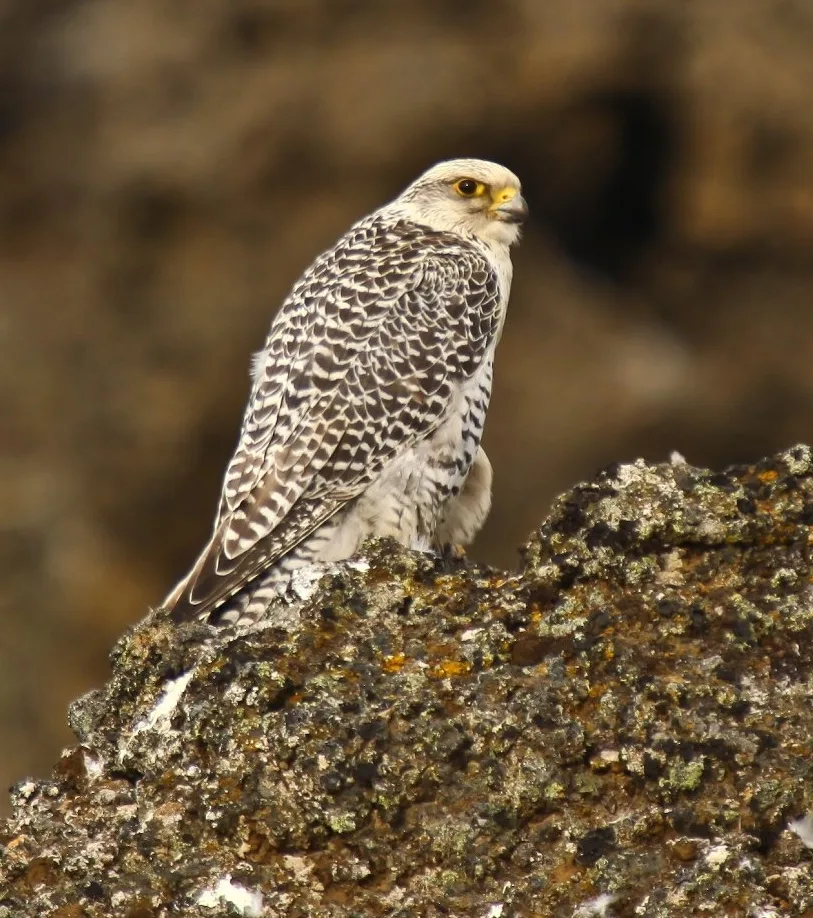
Photo: Falco_rusticolus_white.jpg: Ólafur Larsen derivative work: Bogbumper (talk), Wikimedia Commons, CC BY-SA 2.0.
Pick one
The mountain avens was adopted as the official floral emblem in 1957. This resilient member of the rose family features white-and-yellow flowers that follow the sun to maximize warmth. It is exceptionally hardy, thriving in barren, rocky soils where few other plants can survive.
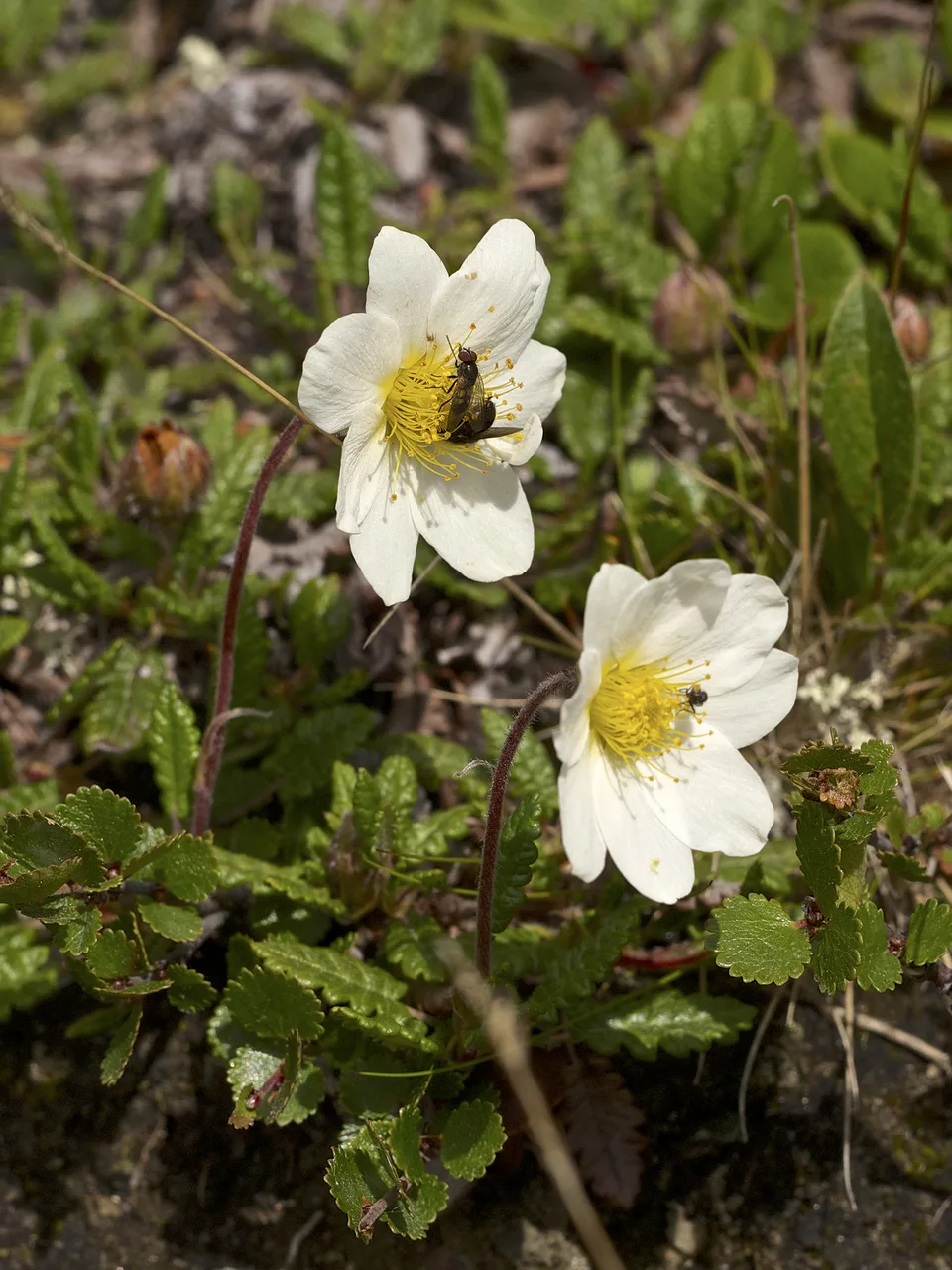
Photo: Jörg Hempel, Wikimedia Commons, CC BY-SA 3.0 de.
Pick one
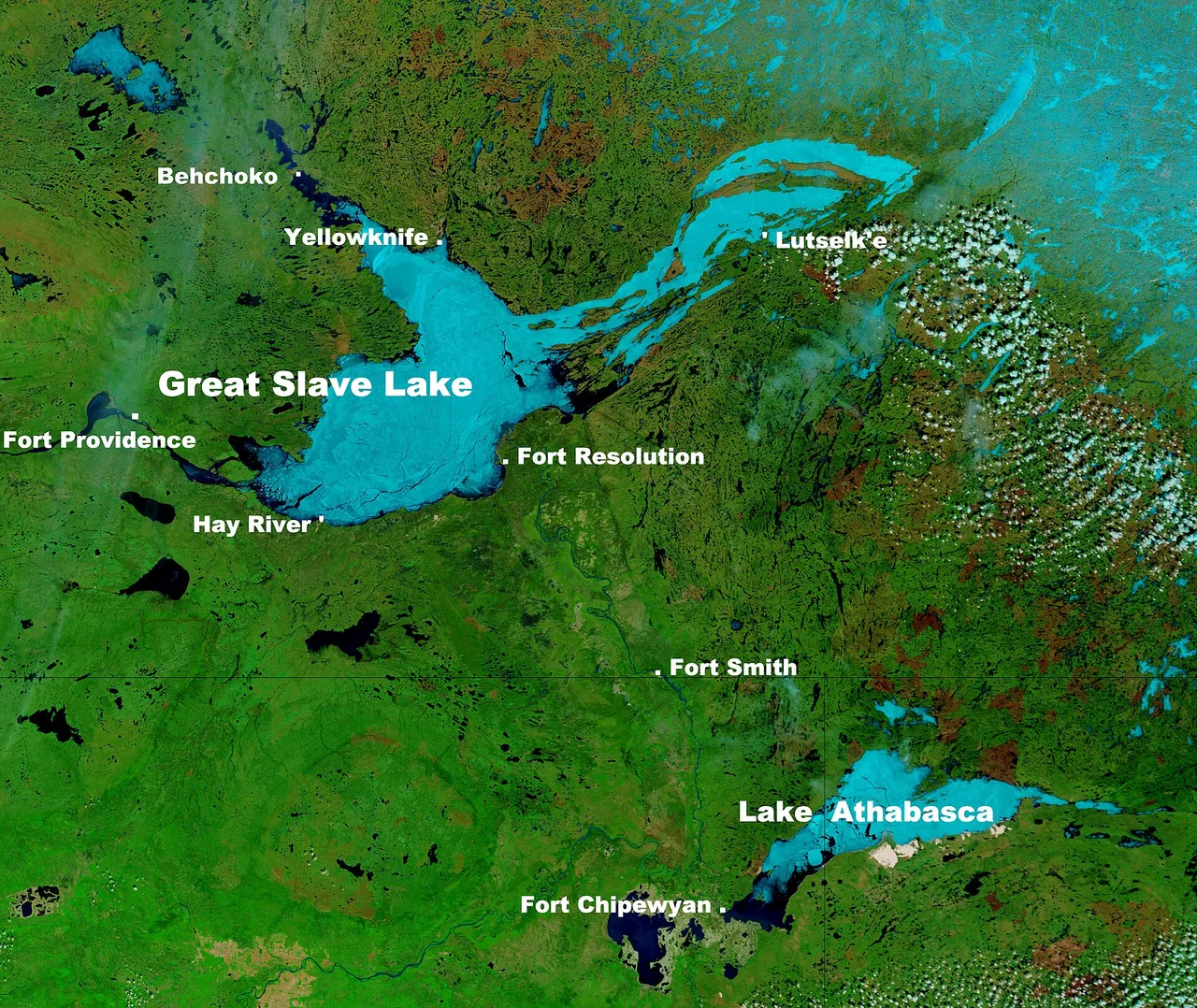
Great Slave Lake reaches an astonishing depth of 614 meters (over 2,000 feet), making it the deepest lake on the continent. Named after the Slavey First Nations people, this massive lake remains frozen for about eight months of the year, allowing for heavy ice roads to be built across its surface.
Photo: Jacques Descloitres, MODIS Land Rapid Response Team, NASA/GSFC, Wikimedia Commons, Public domain.


Paste the code into your page. The player fits itself in, and every vote counts in Votur.
On WordPress, Ghost or Squarespace? Just paste the link of this page into your post.
This is how it looks
Also fun