Get app
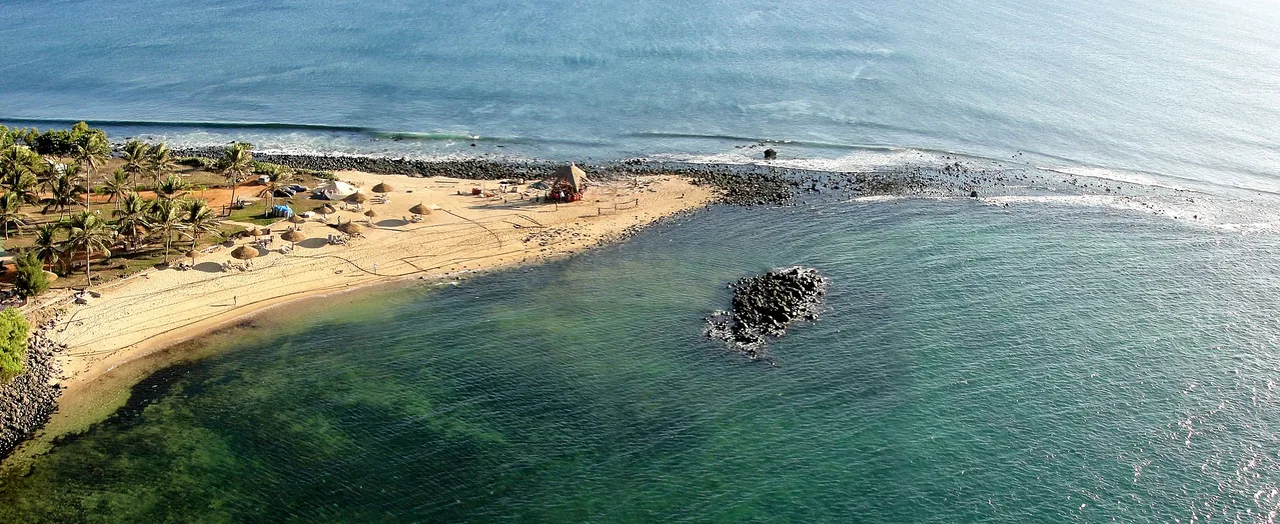
 Photo: Jens Klinzing, Wikimedia Commons, CC BY-SA 3.0.
How well do you know the vibrant capital of South Sudan? Test your knowledge on Juba's geography, landmarks, history, and natural wonders!
First-Time Visitor 0–4 · River Explorer 5–8 · True Juba Local 9–10
Pick one

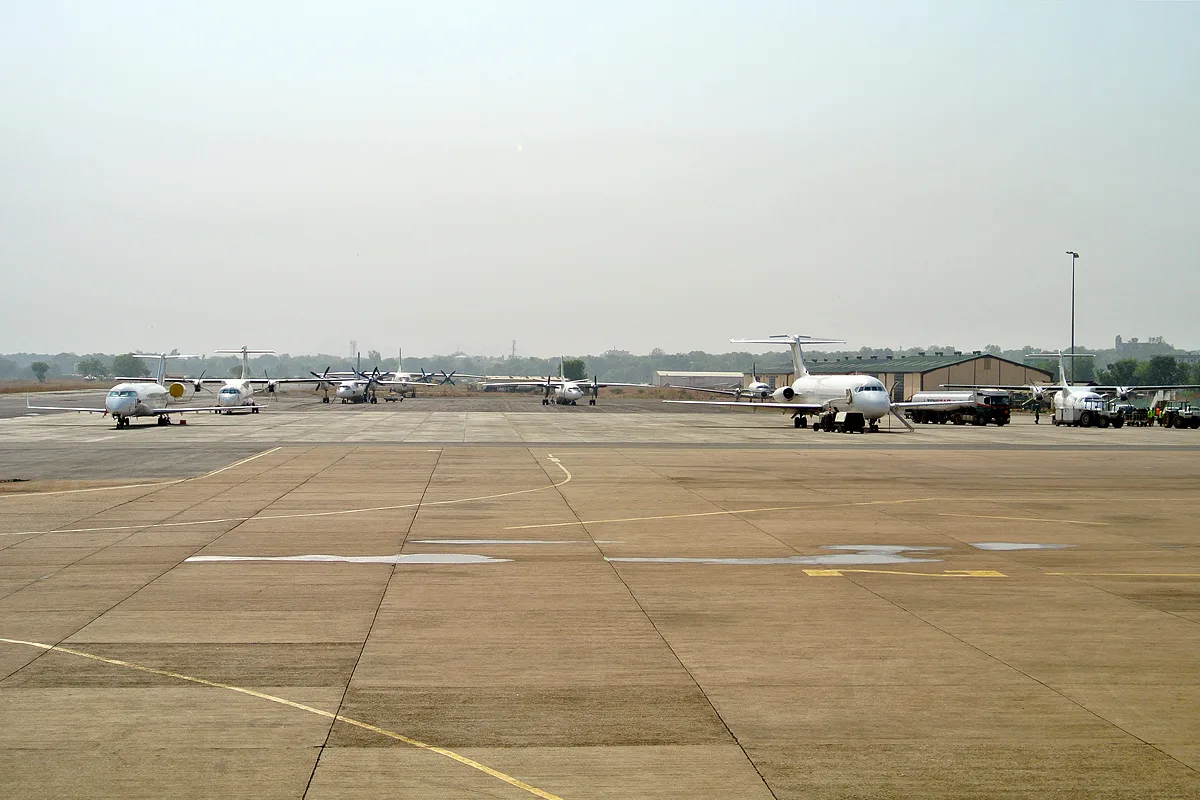
Juba was part of Sudan until 2011, when South Sudan became independent, making it one of the youngest countries in the world. Juba's first airfield was cleared back in 1929, and for a few years travellers even checked in under large tents, until a new terminal opened in 2018.
Photo: UR-SDV, Wikimedia Commons, GFDL.
Pick one
The White Nile flows right past Juba, serving as a vital lifeline for the city's transport, fishing, and water supply. Unlike the Blue Nile, which originates in Ethiopia, the White Nile flows from Lake Victoria and journeys north through South Sudan. In Juba, the river's banks are lively hubs of social and economic activity.
Photo: User DEMOSH on flickr.com, Wikimedia Commons, CC BY 2.0.
Pick one
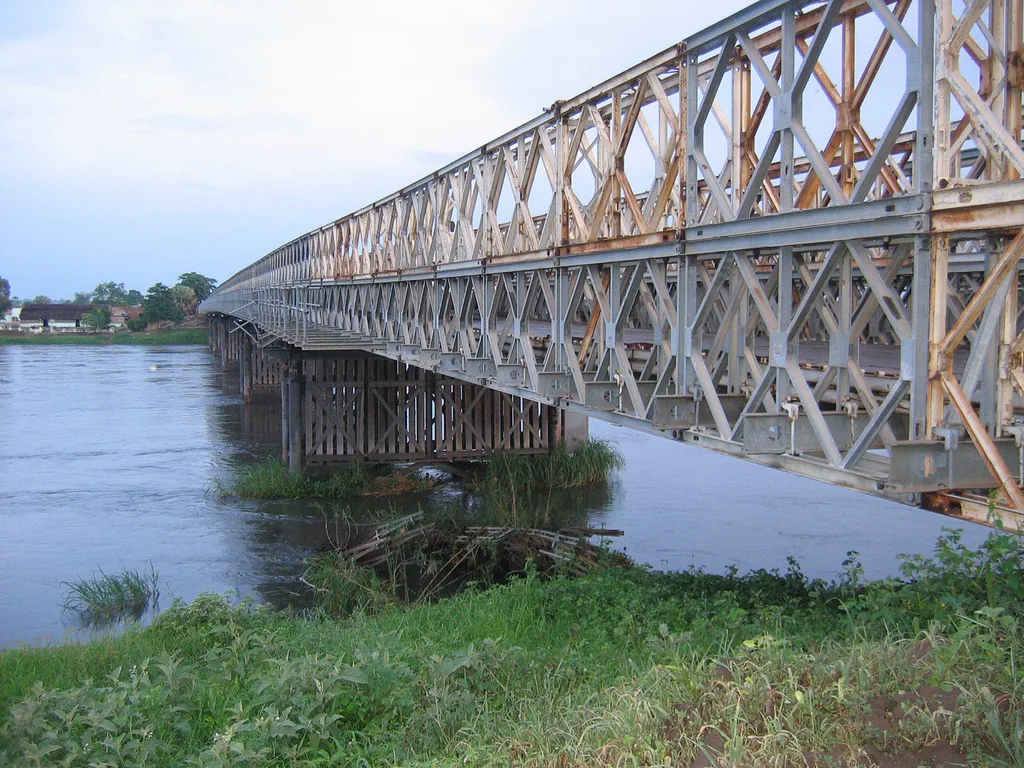
The Juba Bridge was completed in 1974 and stood as the sole permanent crossing over the Nile in the entire country for nearly fifty years. It consists of two parallel steel truss bridges. In 2022, the modern Freedom Bridge was opened nearby to ease traffic and boost regional trade.
Pick one
The University of Juba was founded in 1975 and admitted its first students in 1977. Due to civil conflict, the university was temporarily relocated to Khartoum in 1989 for safety. It successfully moved all its operations back to its original Juba campus in 2011 after South Sudan gained independence.
Photo: Ajuong, Wikimedia Commons, CC BY-SA 4.0.
Pick one
All Saints Cathedral is the main seat of the Episcopal Church of South Sudan. The cathedral is a prominent spiritual landmark in Juba, drawing thousands of worshippers weekly. South Sudan has a highly diverse religious landscape, where Christian denominations play a major role in community support and peacebuilding.
Pick one
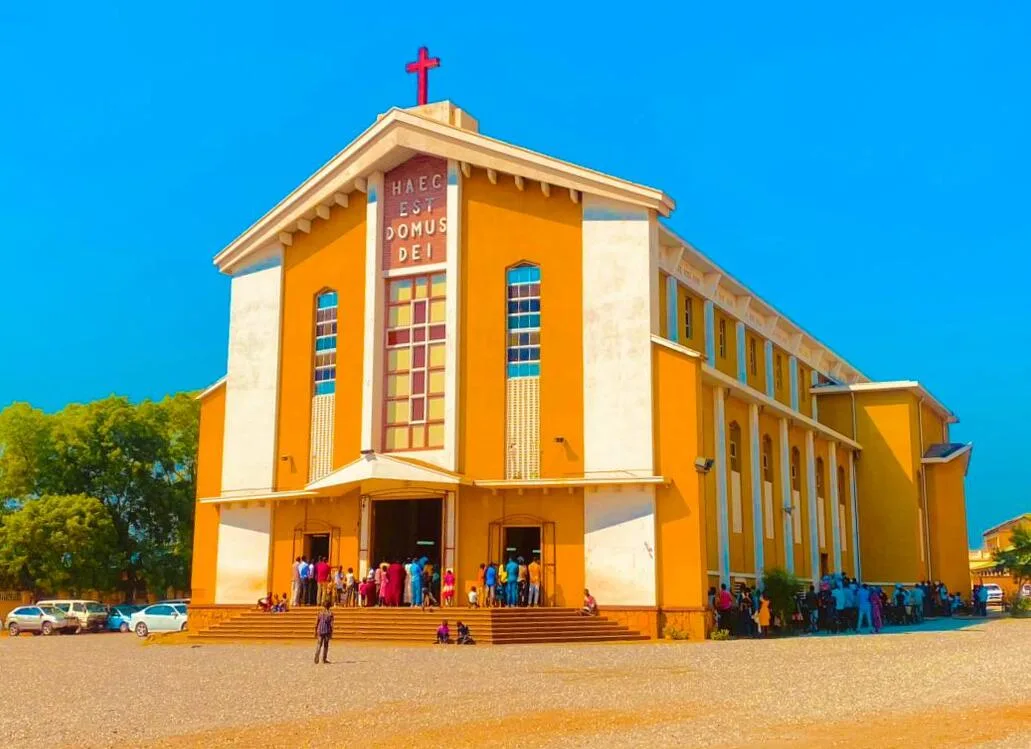
St. Theresa Cathedral is situated in the Kator district of Juba. Construction of this impressive red-brick church began in the 1950s. Today, it serves as the headquarters for the Roman Catholic Archdiocese of Juba and remains a central gathering point for local cultural and religious events.
Photo: Lomoraronald, Wikimedia Commons, CC BY-SA 4.0.
Pick one
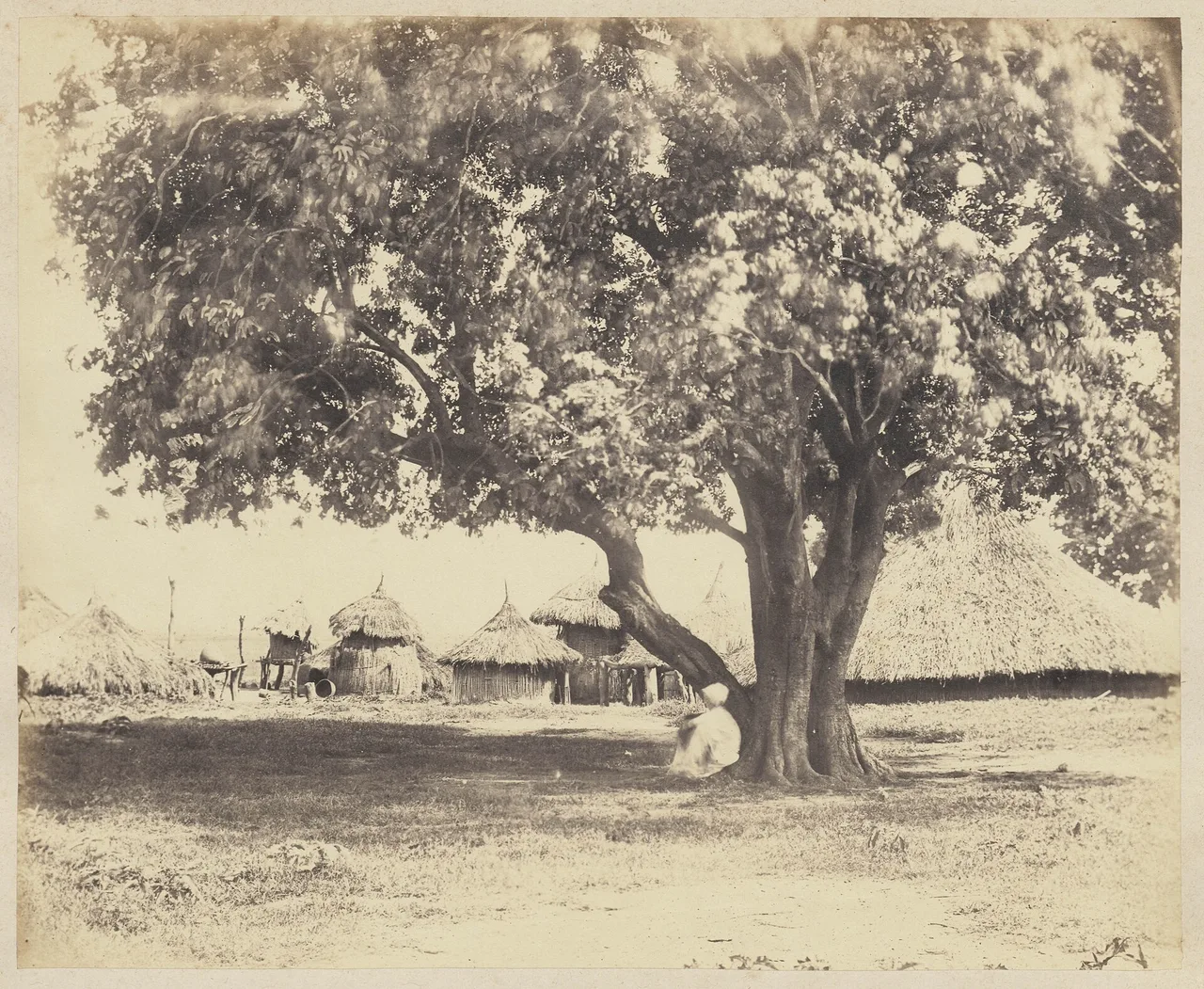
Gondokoro was established as an Austrian Catholic mission and trading post in the mid-1800s. It served as a critical base for explorers like Samuel Baker searching for the source of the Nile. Over time, political shifts and environmental factors led to the growth of Juba on the opposite bank.
Photo: Alexine Tinne, Wikimedia Commons, Public domain.
Pick one
Bandingilo National Park covers over 10,000 square kilometres near Juba. Every year huge herds of tiang, reedbuck and white-eared kob move between Bandingilo, Boma and Ethiopia's Gambella park. Aerial surveys in 2024 counted around six million antelope, making it the largest land mammal migration on Earth.
Pick one
Juba Game Reserve covers about 200 square kilometres of savannah grassland and woodland along the White Nile around the capital. It is also an Important Bird Area, home to birds such as Heuglin's spurfowl and the Arabian bustard.
Pick one
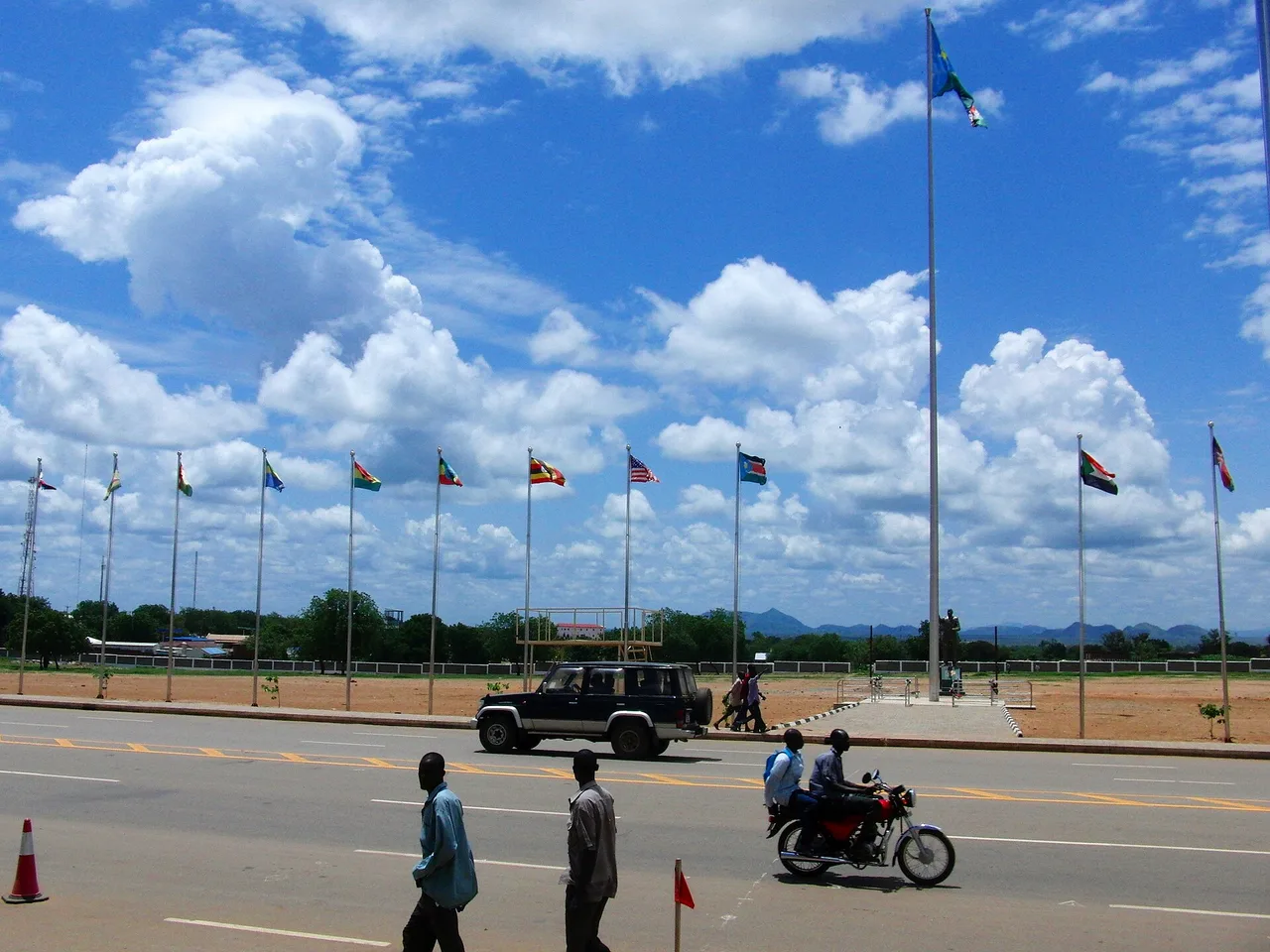
Juba grew from a small Bari village where a mission school opened in 1920-21. Greek merchants who supplied the British army got on so well with the local Bari people that they built many of the early buildings around Juba Market, even though there were never more than about 2,000 of them.
Photo: Jens Klinzing, Wikimedia Commons, CC BY-SA 3.0.


Paste the code into your page. The player fits itself in, and every vote counts in Votur.
On WordPress, Ghost or Squarespace? Just paste the link of this page into your post.
This is how it looks
Also fun