Get app
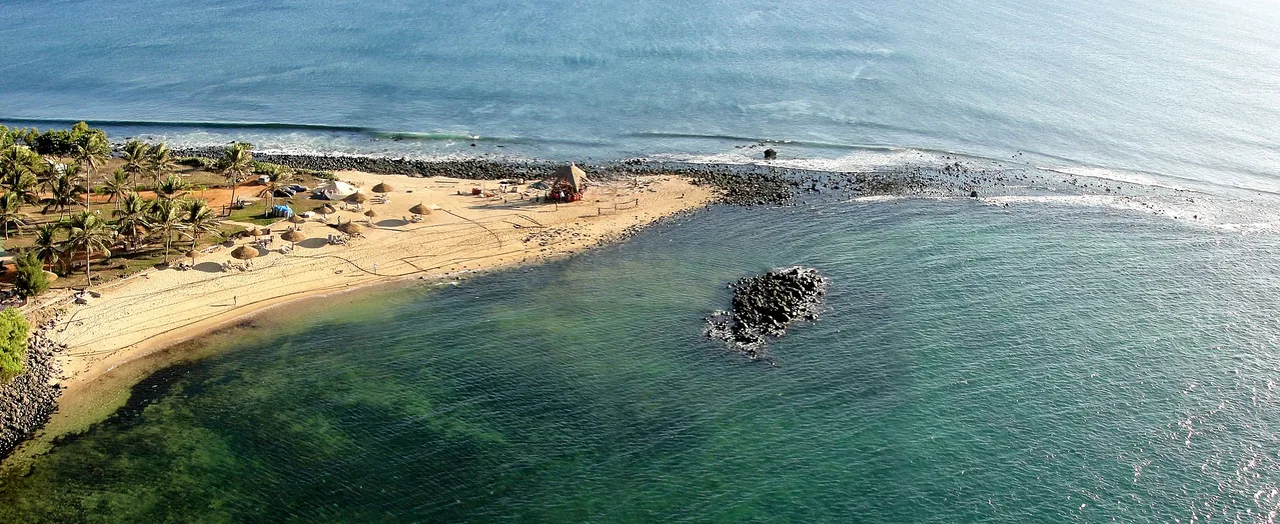
 Photo: Yoni Rubin, Wikimedia Commons, CC BY 3.0.
Test your knowledge of Haiti's vibrant capital, Port-au-Prince. Discover the rich history, diverse culture, and unique landmarks of this historic Caribbean city!
Curious Wanderer 0–4 · City Explorer 5–8 · True Port-au-Princien 9–10
Pick one

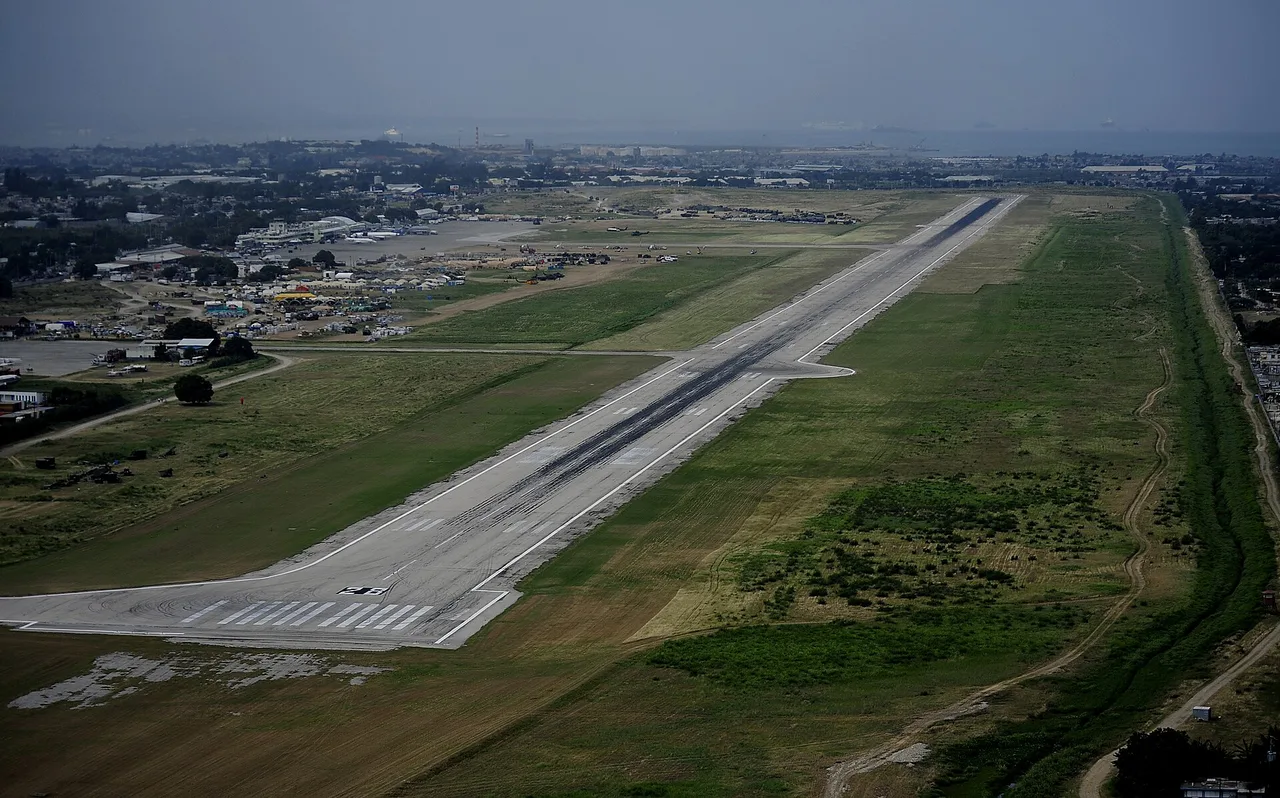
Haiti's main international gateway is named after Toussaint Louverture, the brilliant general and leader who steered the Haitian Revolution toward freedom from French colonial rule. Opened in the 1960s, the airport serves as the primary aerial connection between Port-au-Prince and the rest of the world. It was renamed in 2003, on the bicentennial of Louverture's death, and has kept that name ever since.
Photo: Tech. Sgt. James L. Harper , USAF, Wikimedia Commons, Public domain.
Pick one
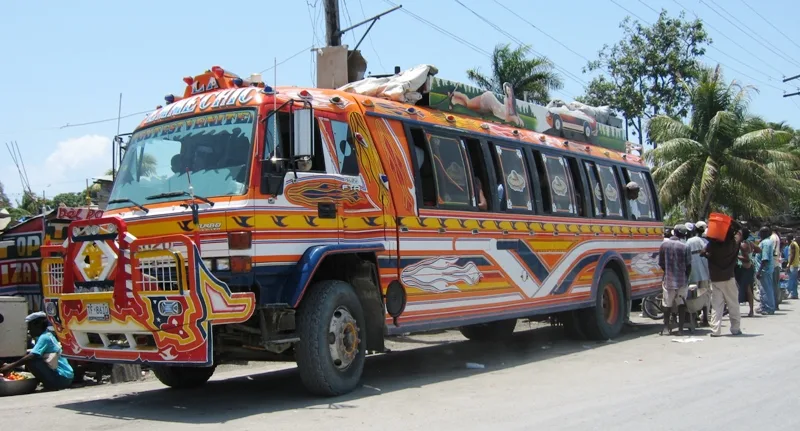
Tap-taps are privately owned, brilliantly hand-painted pickup trucks and buses that function as the primary shared transit in Port-au-Prince. The name 'tap-tap' comes from the sound passengers make when they tap on the wooden or metal body of the vehicle to signal the driver that they want to get off. No two tap-taps are decorated exactly alike, often featuring religious or pop-culture art.
Photo: Wikimedia Commons, CC BY 2.0.
Pick one
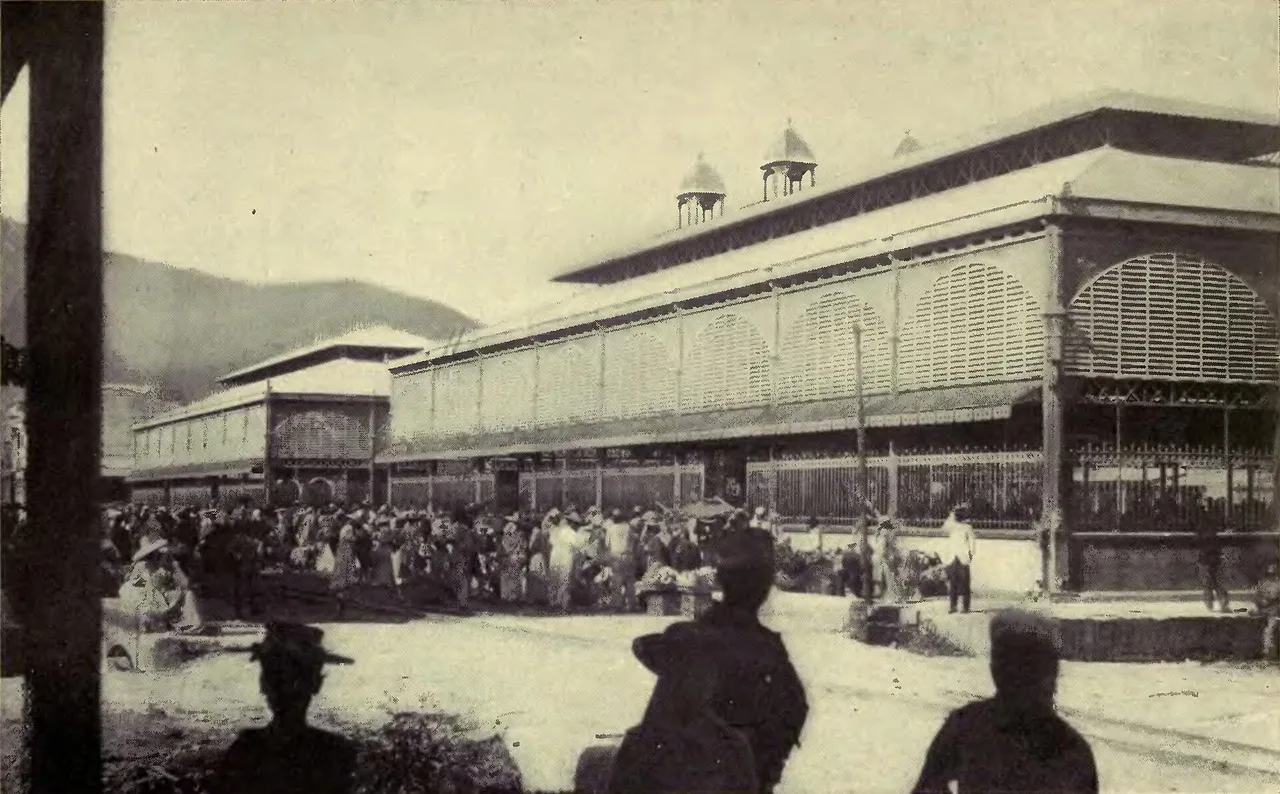
According to the usual story, the Marché en Fer, with its minarets and red iron frame, was made in Paris as a railway station for Cairo. When that plan fell through, Haitian President Florvil Hyppolite bought it and had it shipped to Port-au-Prince in 1891. Today it is a bustling market full of food, crafts and local art.
Photo: book by Jacques Nicolas Léger, photo uncredited, Wikimedia Commons, Public domain.
Pick one
The Episcopal Holy Trinity Cathedral was renowned worldwide for its beautiful murals depicting biblical scenes with Haitian characters, painted by native artists in the late 1940s. Tragically, most of these masterpieces were lost when the building collapsed in 2010.
Pick one
Soup joumou is a hearty squash soup with beef, potatoes and vegetables. Under colonial rule, enslaved people grew the squash but were not allowed to eat the soup. Since independence on 1 January 1804, Haitians eat it on New Year's Day to celebrate freedom, and in 2021 UNESCO added it to its cultural heritage list.
Pick one
The Massif de la Selle rises sharply to the south of Port-au-Prince, dominating the city's skyline. This impressive range contains Pic la Selle, which is the tallest point in Haiti, reaching an elevation of 2,680 meters. The mountains help block rain-bearing winds, creating a distinct microclimate that makes the capital significantly drier than other lush parts of the island.
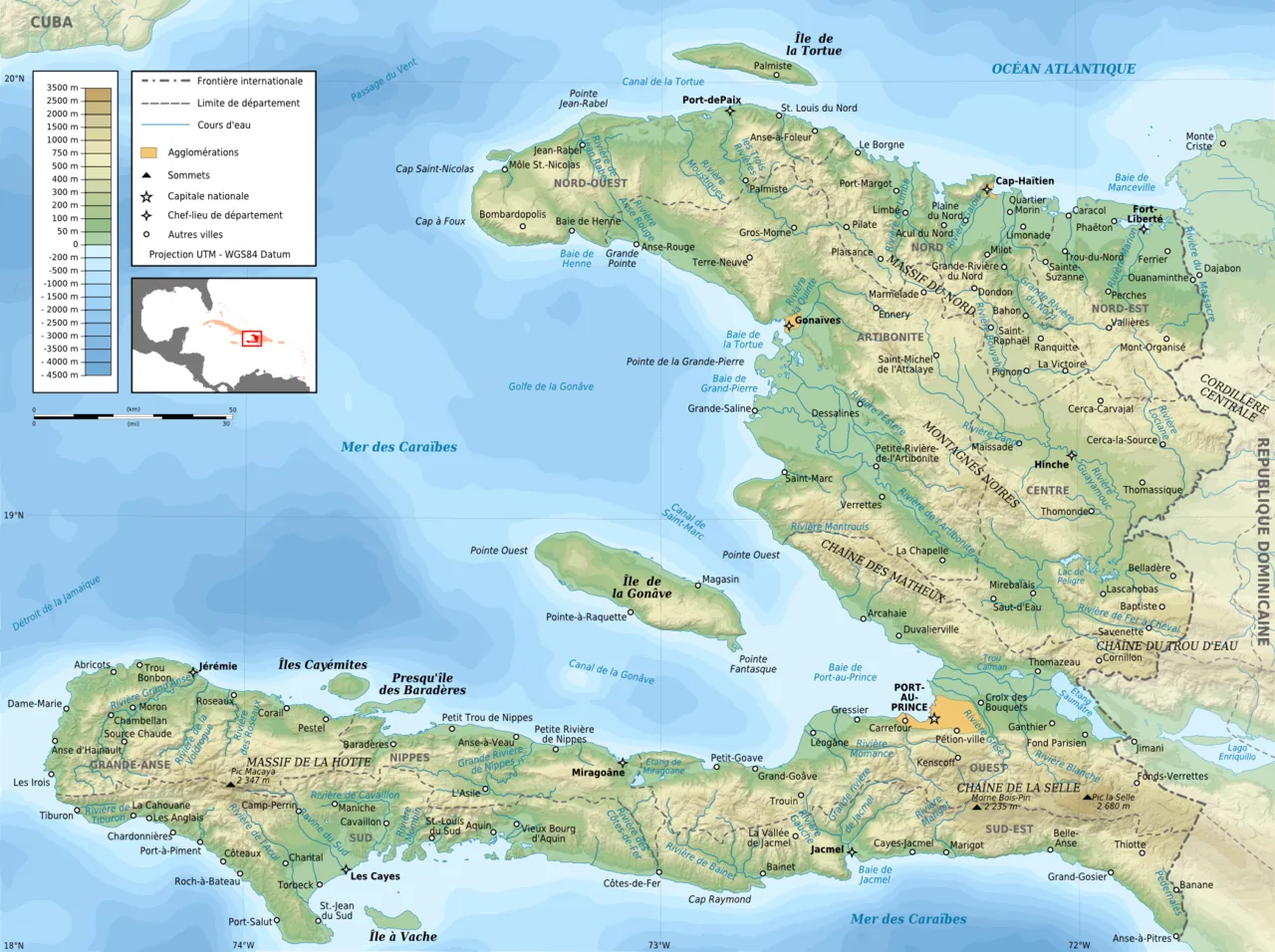
Photo: Rémi Kaupp, Wikimedia Commons, CC BY-SA 4.0.
Pick one
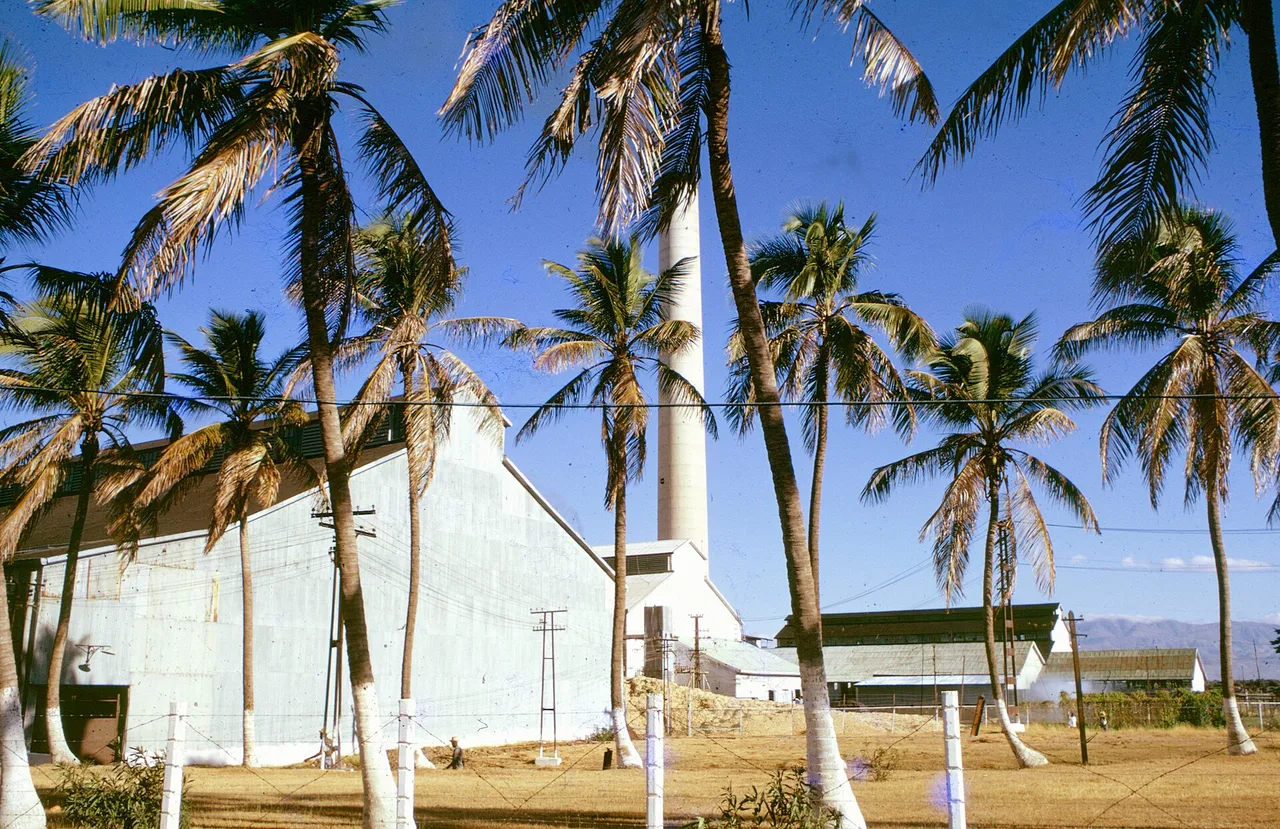
Port-au-Prince lies at the western edge of the Plaine du Cul-de-Sac, a fertile geological depression that was once an ancient marine strait separating two mountainous islands. This flat valley stretches all the way to the Dominican border and contains several saltwater lakes. Its rich alluvial soil historically supported massive sugar cane plantations during the colonial era.
Photo: JM Lebigre, Wikimedia Commons, CC BY-SA 4.0.
Pick one
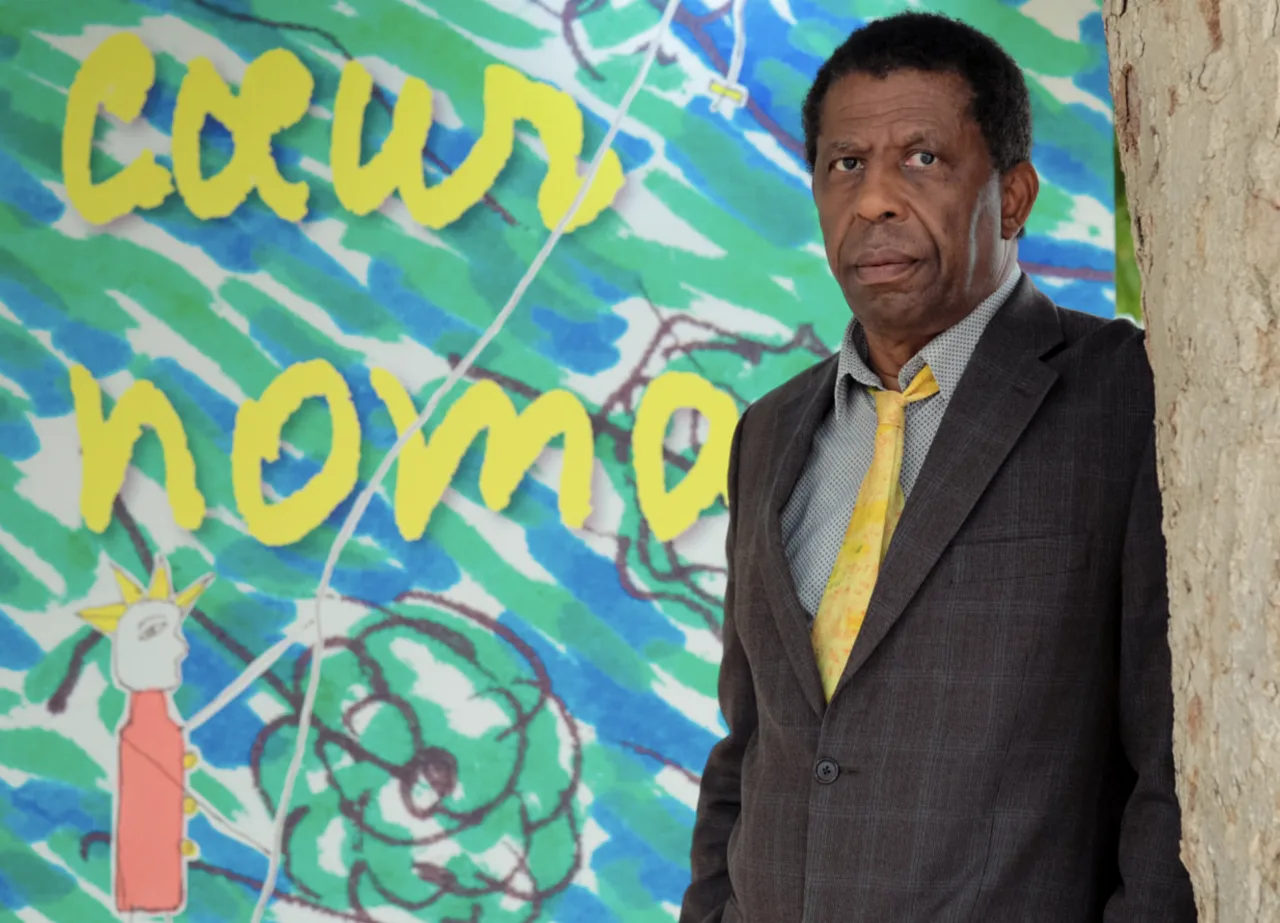
Dany Laferrière, born in Port-au-Prince, was elected to the Académie Française in 2013, occupying Seat number 2. He is celebrated for his engaging, humorous, and deeply reflective novels that explore exile and identity. His election was a historic moment, as he was not only the first Haitian but also the first Canadian citizen to receive this prestigious lifetime honor.
Photo: CamiRobi, Wikimedia Commons, CC BY-SA 4.0.
Pick one
The Musée du Panthéon National Haïtien proudly displays the original anchor of the Santa María, Christopher Columbus's flagship that ran aground off the northern coast of Haiti on Christmas Eve in 1492. Measuring about four meters in length, this massive iron relic is one of the oldest European artifacts in the Americas, serving as a powerful link to the island's colonial past.
Photo: MUPANAH, Wikimedia Commons, Public domain.
Pick one
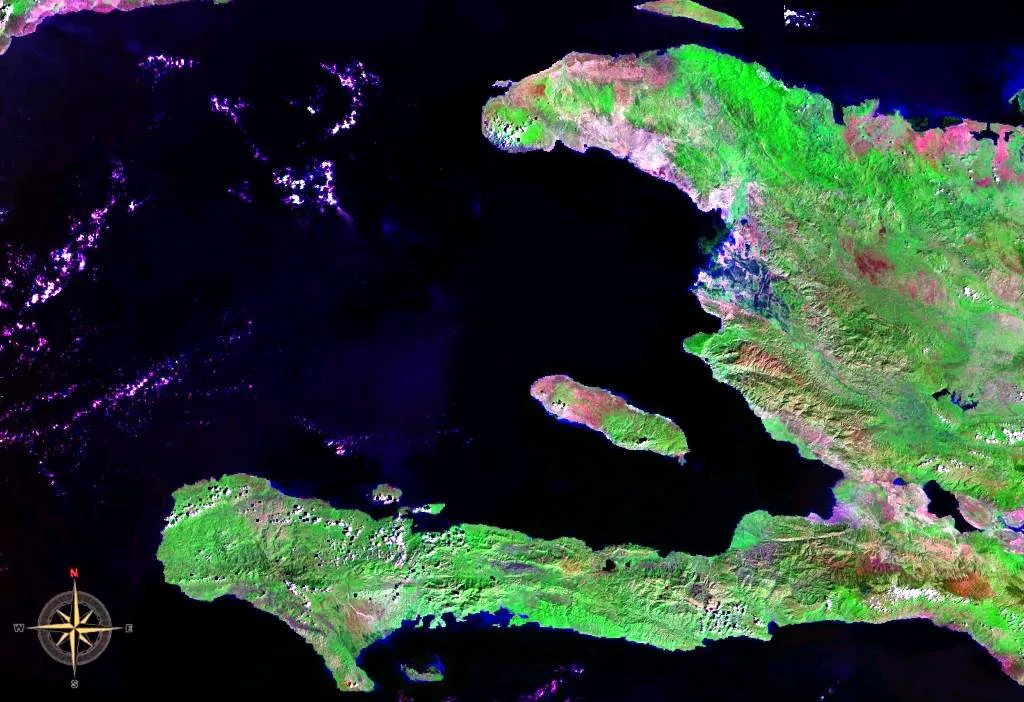
Port-au-Prince sits snugly at the easternmost end of the Gulf of Gonâve, a large body of water that deeply indents the western coast of Hispaniola. This strategic natural harbor helped the city grow into Haiti's primary economic and shipping hub. Interestingly, the gulf contains the large Gonâve Island, which acts as a giant natural breakwater protecting the bay from rough open-ocean waves.
Photo: Wikimedia Commons, Public domain.


Paste the code into your page. The player fits itself in, and every vote counts in Votur.
On WordPress, Ghost or Squarespace? Just paste the link of this page into your post.
This is how it looks
Also fun