Get app
 Photo: Flooffy, Wikimedia Commons, CC BY 2.0.
How well do you really know the land of Alps, chocolate, and direct democracy? Dive into this quiz to discover fascinating facts about Switzerland's culture, history, and geography.
Alpine Apprentice 0–4 · Chalet Champion 5–8 · Helvetian Hotshot 9–10
Pick one

Toblerone is a globally recognized Swiss chocolate brand, uniquely identified by its distinctive triangular prism shape and individual peaks. Created in Bern in 1908 by Theodor Tobler, its iconic form is often said to be inspired by the majestic Matterhorn mountain. The name itself is a portmanteau of Tobler's name and 'torrone', the Italian word for nougat, a key ingredient.
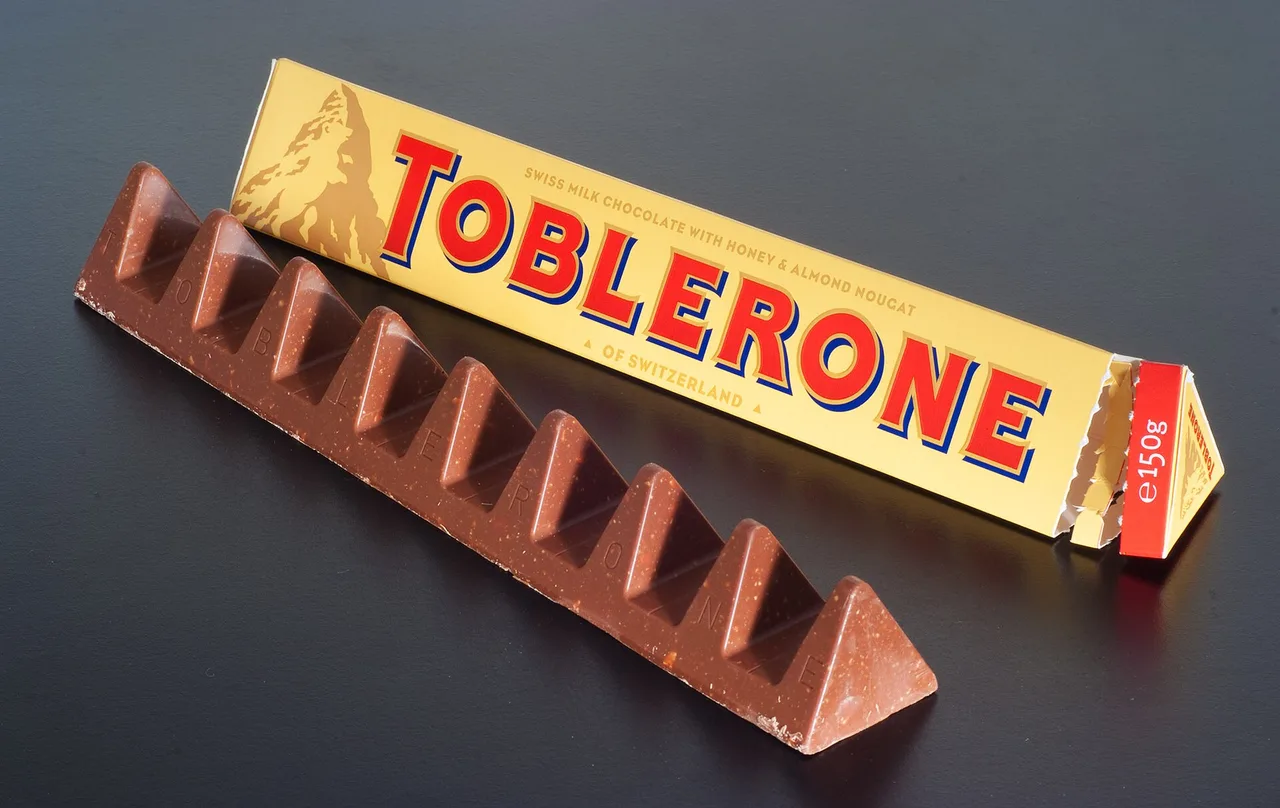
Photo: Ashley Pomeroy, Wikimedia Commons, CC BY 3.0.
Pick one
The Matterhorn, on the border between Switzerland and Italy, is instantly recognisable by its sharp pyramid shape. At 4,478 metres it is one of the highest peaks of the Alps. It is often said to have inspired the triangular Toblerone chocolate bar, which showed the mountain on its wrapper for decades.

Photo: chil, on Camptocamp.org Derivative work:Zacharie Grossen, Wikimedia Commons, CC BY-SA 3.0.
Pick one
The International Committee of the Red Cross (ICRC) was founded in Geneva in 1863 by Henry Dunant, a Swiss businessman. This vital humanitarian organization operates worldwide, dedicated to protecting the lives and dignity of victims of armed conflict and other situations of violence, and providing them with assistance. It has received the Nobel Peace Prize three times, more than any other organization.
Pick one
Switzerland recognizes four official national languages: German, French, Italian, and Romansh. While German, French, and Italian are widely used in federal communications and across different regions, Romansh, a Romance language, holds national status but is primarily spoken in the canton of Graubünden. This linguistic diversity reflects Switzerland's rich cultural tapestry and historical influences from its neighboring countries.
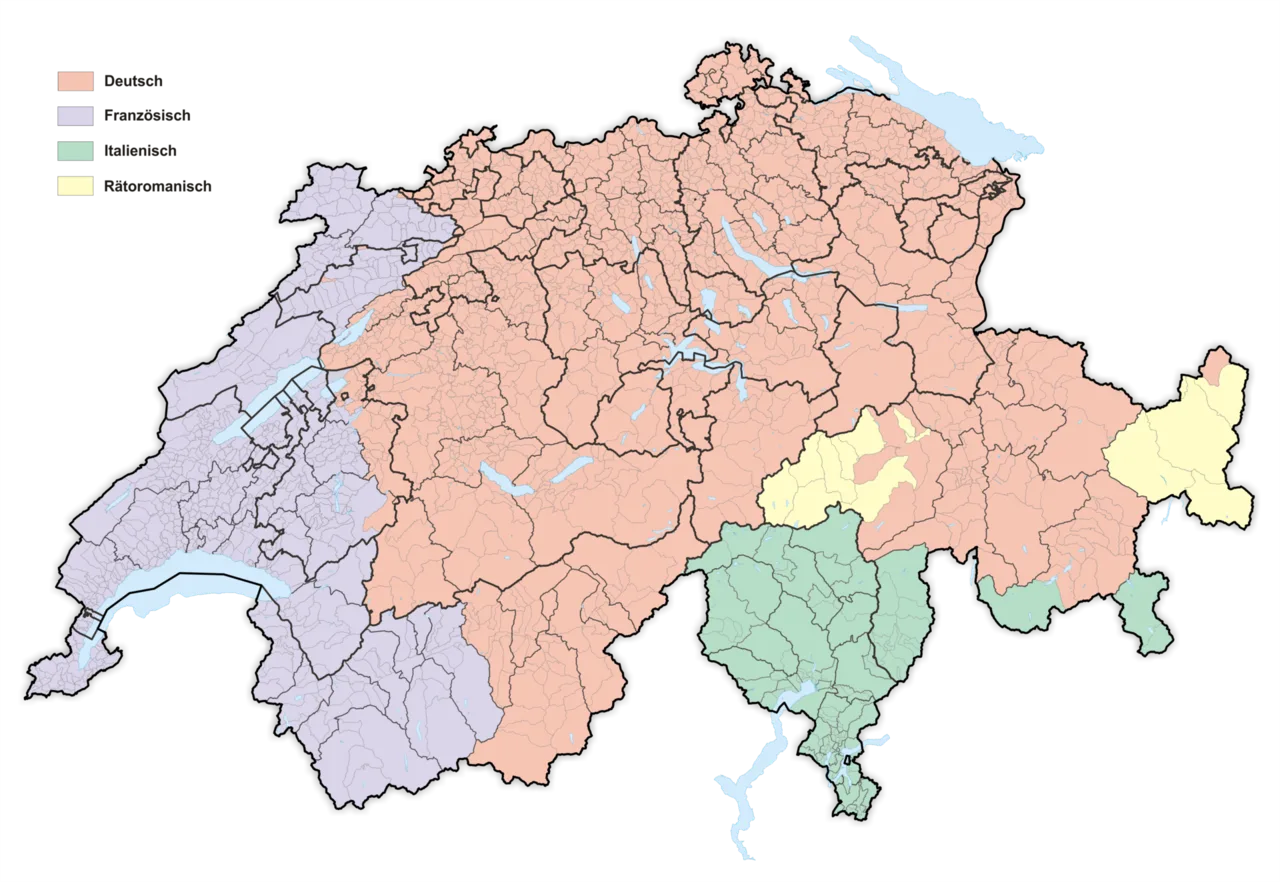
Photo: Tschubby, Wikimedia Commons, CC BY-SA 3.0.
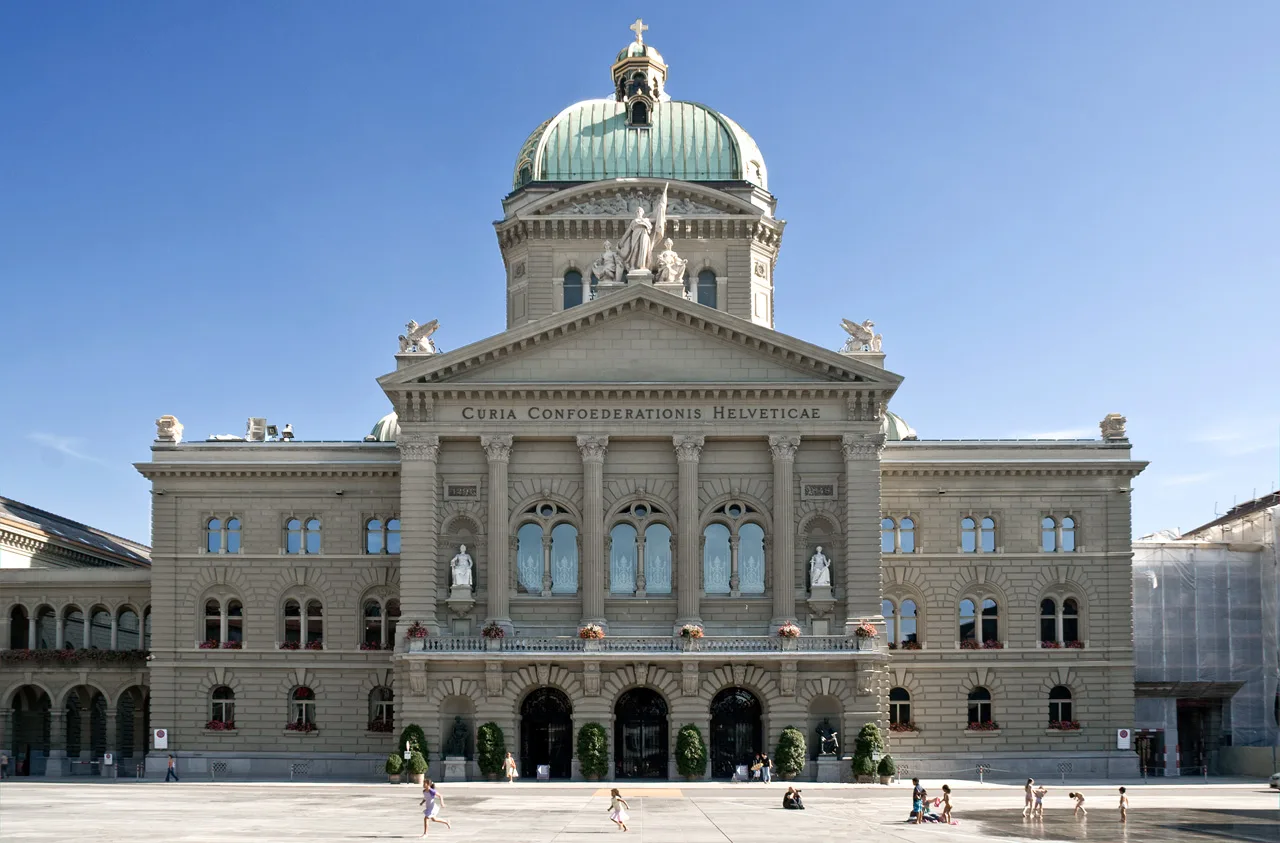
Pick one
Bern serves as the federal city and the seat of the Swiss government, making it the de facto capital, although Switzerland constitutionally does not declare one. Its Old City is a UNESCO World Heritage site, celebrated for its well-preserved medieval architecture and distinctive arcaded walkways, which add to its unique charm and historical significance. The bear, a symbol of Bern, is featured prominently in the city's coat of arms and even has a bear park by the Aare river.
Photo: Flooffy, Wikimedia Commons, CC BY 2.0.
Pick one
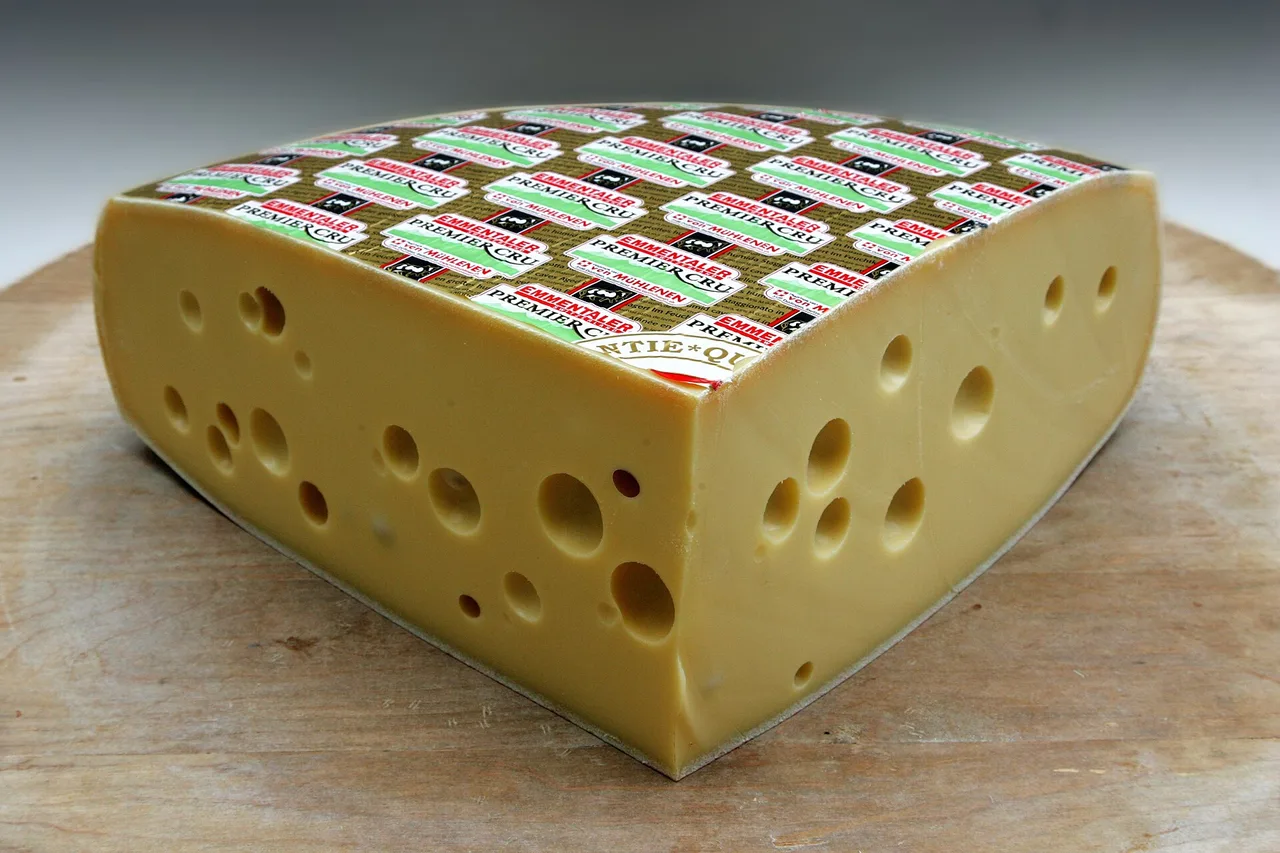
Gruyère is a renowned hard yellow cheese with a complex, nutty and slightly sweet flavor that deepens with age. It is a cornerstone of Swiss cuisine and the star of traditional Swiss fondue, often blended with other cheeses such as Vacherin or Emmental. Tête de Moine, by contrast, is shaved into delicate rosettes with a special tool called a girolle.
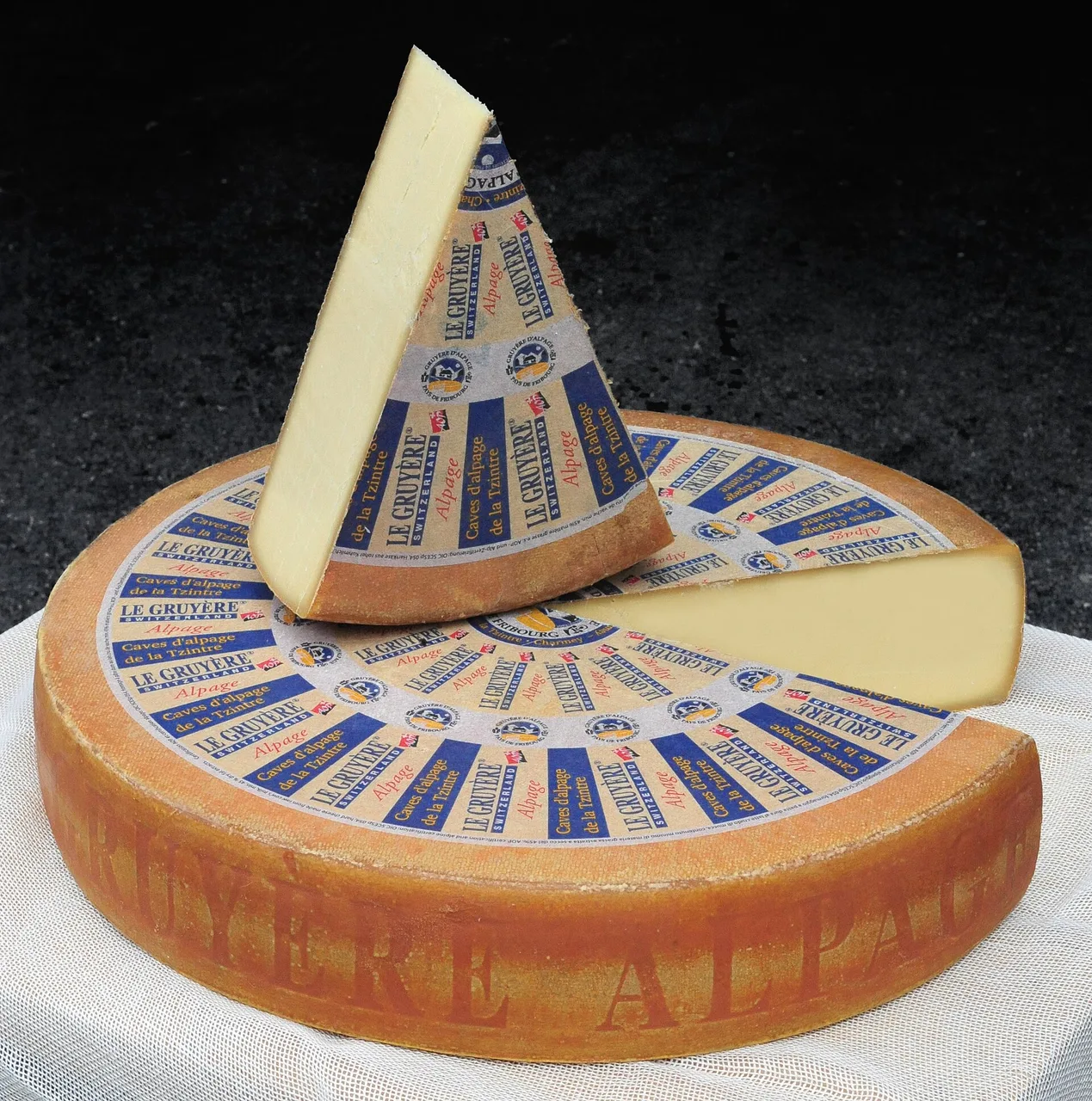
Photo: Gruyere alpage, Wikimedia Commons, CC BY-SA 4.0.
Pick one
The Edelweiss is a small, striking white flower, widely revered as a national symbol of Switzerland. Its delicate, star-shaped appearance and woolly texture make it instantly recognizable. Growing in the high altitudes of the Alps, the Edelweiss is associated with purity, rugged beauty, and national pride, and is now a protected species in many parts of the country due to past over-picking.
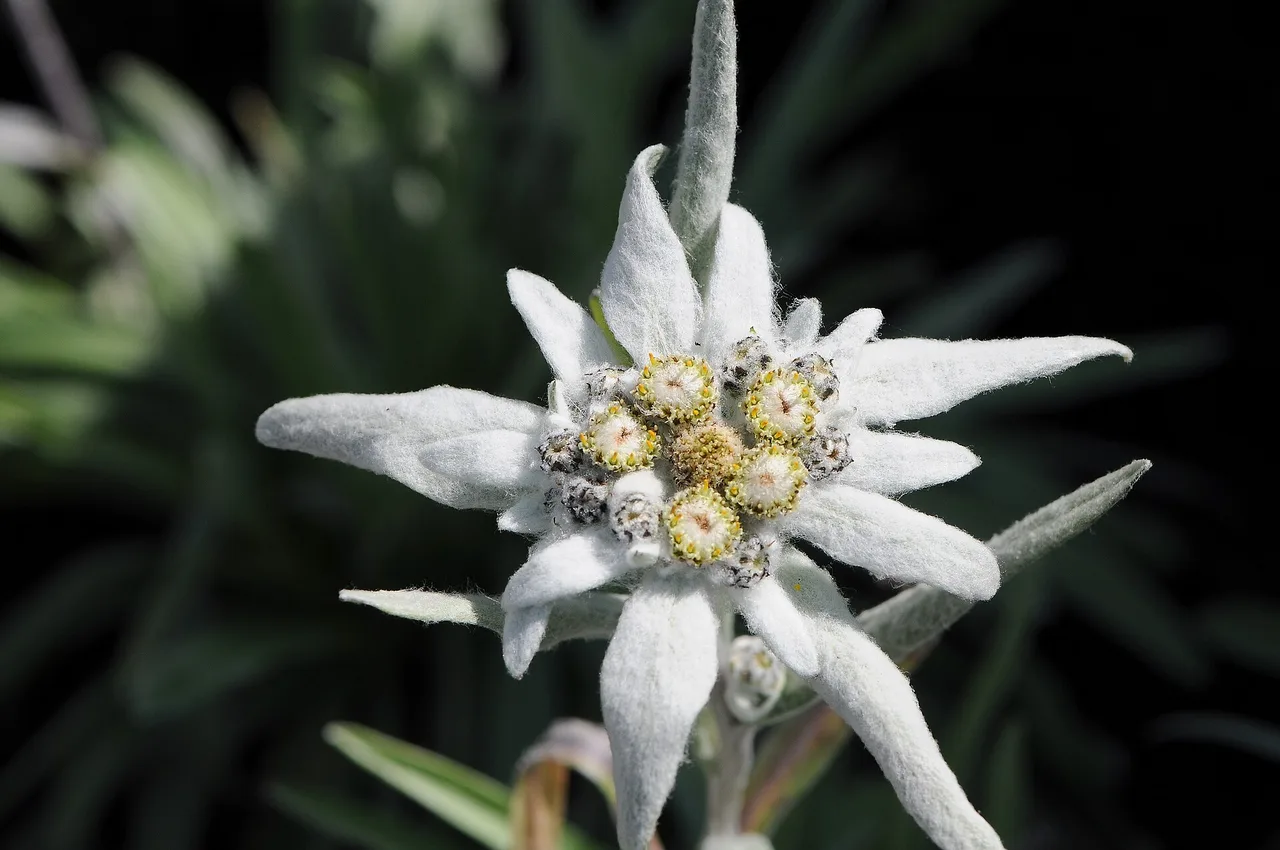
Photo: Böhringer Friedrich, Wikimedia Commons, CC BY-SA 2.5.
Pick one
The Rhine Falls, located near Schaffhausen in northern Switzerland, holds the title of Europe's most powerful waterfall by water volume. Its impressive cascade attracts numerous visitors who can witness the immense force of the water from various viewing platforms and boat tours. The falls are approximately 150 meters (490 feet) wide and 23 meters (75 feet) high, offering a breathtaking natural spectacle.
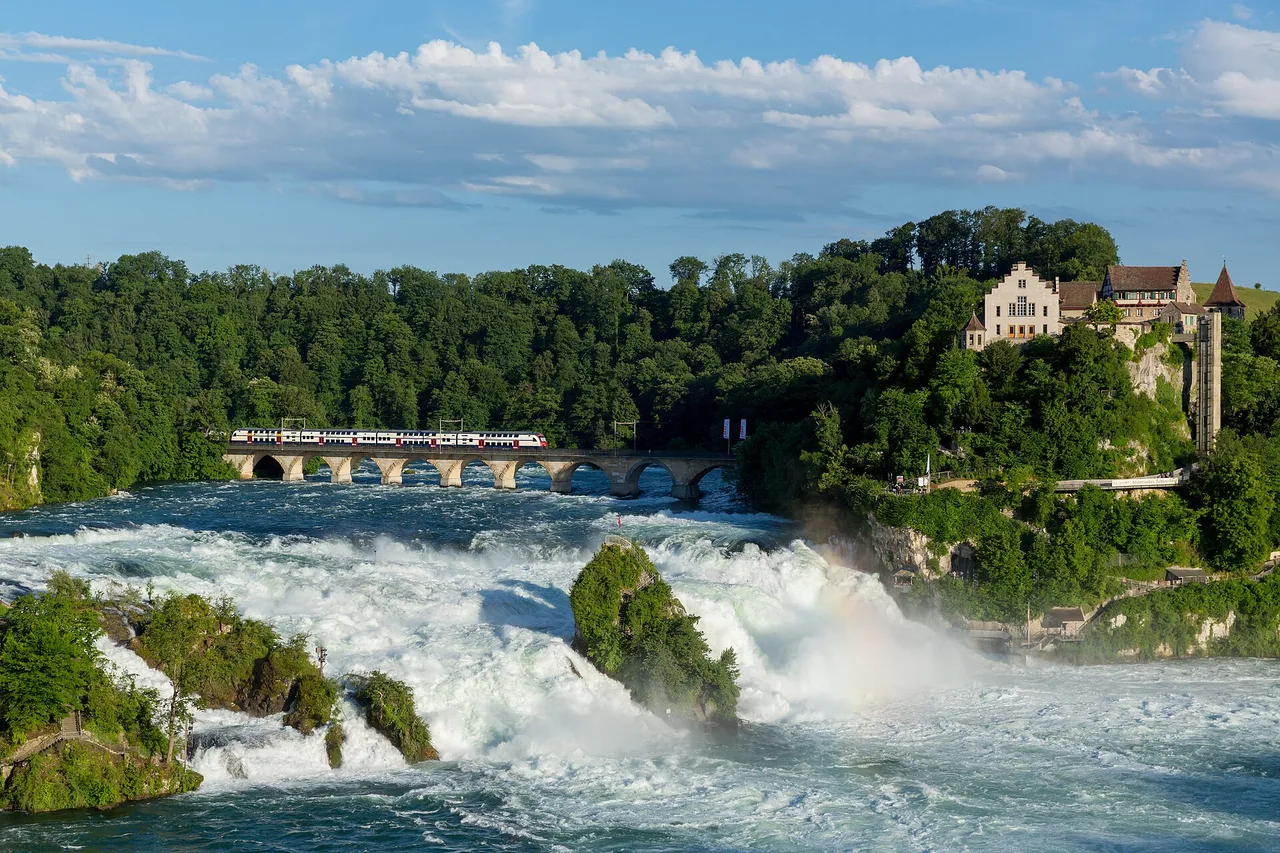
Photo: Kabelleger / David Gubler, Wikimedia Commons, CC BY-SA 4.0.
Pick one
Switzerland is celebrated for its robust system of direct democracy, which empowers its citizens to frequently vote on specific laws and constitutional amendments through referendums and popular initiatives. This unique political participation allows the public to directly influence policy-making multiple times a year, ensuring a high level of civic engagement. Citizens can even propose new laws if they gather enough signatures.
Pick one
Albert Einstein, one of history's most influential physicists, developed his groundbreaking theories, including special relativity, while working as a patent clerk in Bern, Switzerland. From 1902 to 1909, this period proved incredibly fertile for his scientific thought, leading to several papers that revolutionized physics. He had become a Swiss citizen in 1901, highlighting his strong connection to the country.
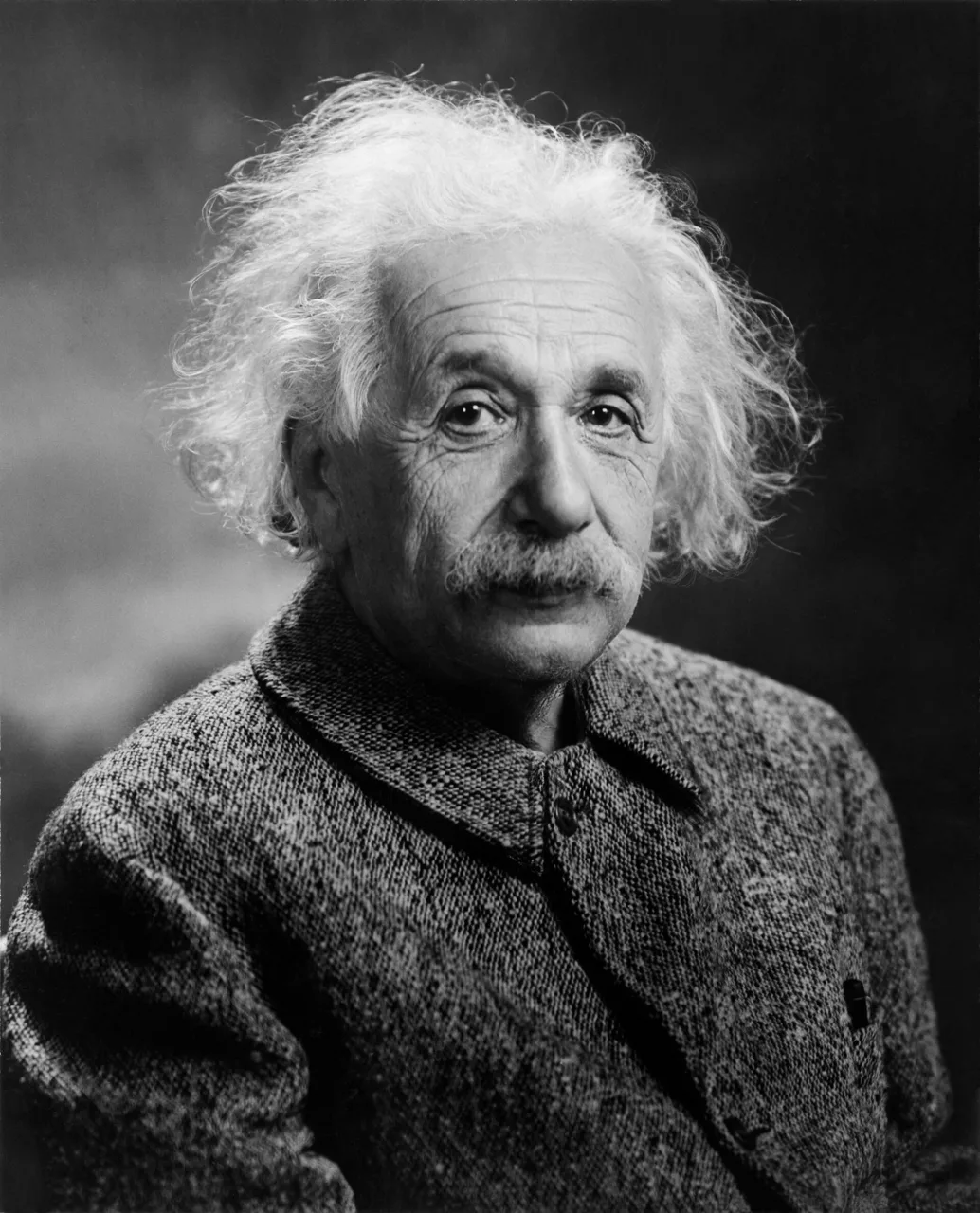
Photo: Oren Jack Turner, Wikimedia Commons, Public domain.


Paste the code into your page. The player fits itself in, and every vote counts in Votur.
On WordPress, Ghost or Squarespace? Just paste the link of this page into your post.
This is how it looks
Also fun