Get app
 Photo: Weaveravel, Wikimedia Commons, CC BY-SA 4.0.
How well do you know Afghanistan's historic capital? Test your knowledge on Kabul's geography, rich history, landmarks, and vibrant culture.
Friendly Visitor 0–4 · Curious Explorer 5–8 · True Kabuli 9–10
Pick one

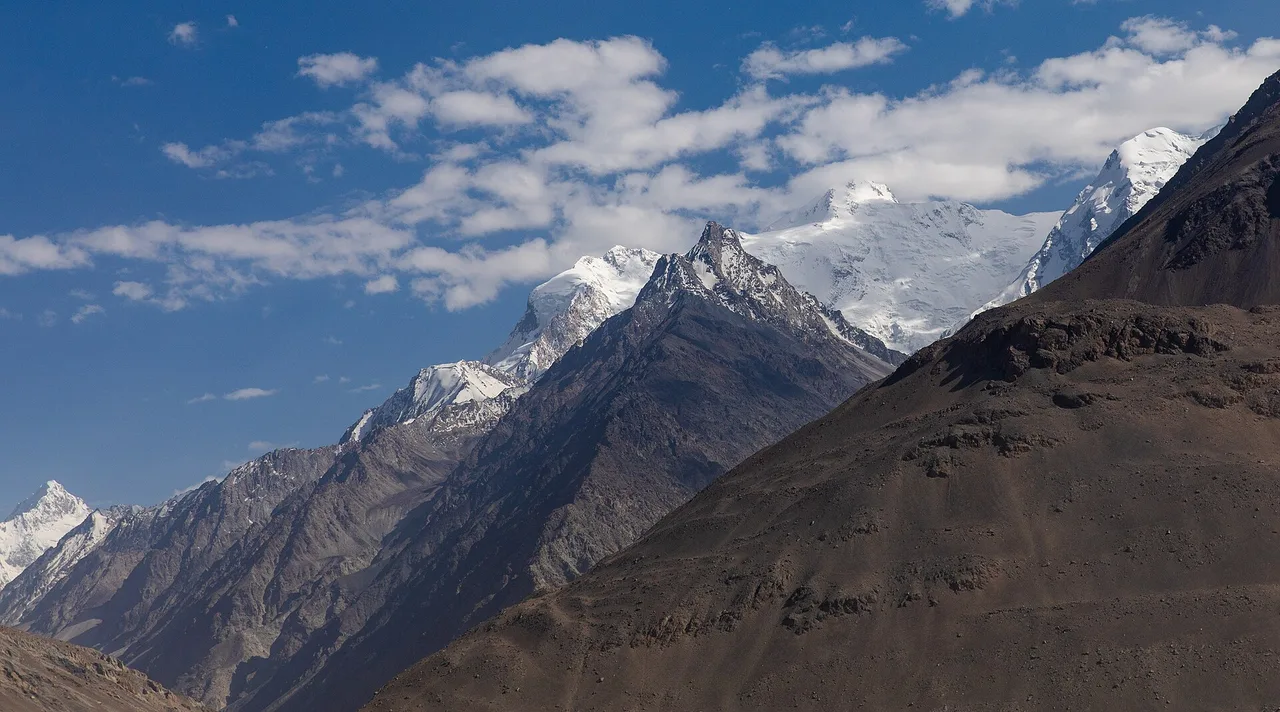
The Hindu Kush stretches for about 800 kilometres from Afghanistan into Pakistan, and its highest peak, Tirich Mir, rises to 7,708 metres. Melting snow from these mountains feeds the Kabul River, which flows right through the city.
Photo: Ninara from Helsinki, Finland, Wikimedia Commons, CC BY 2.0.
Pick one
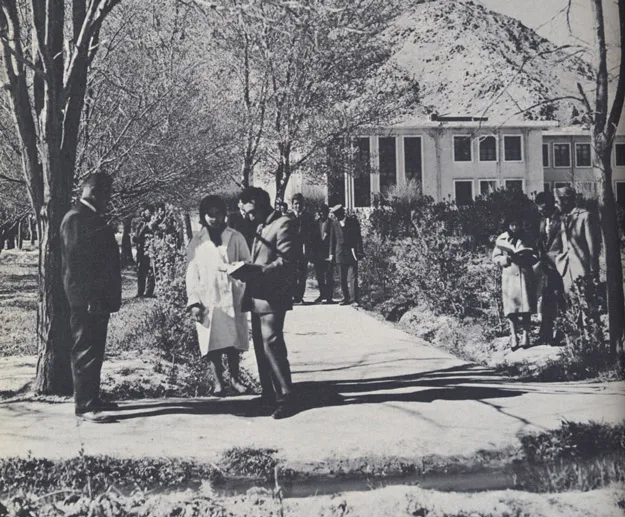
Kabul University is the historical intellectual heart of the country, producing many of Afghanistan's top scientists, writers, and politicians. During the mid-20th century, it was known as a progressive center of learning in the region, attracting scholars from across Asia.
Photo: Wikimedia Commons, Public domain.
Pick one
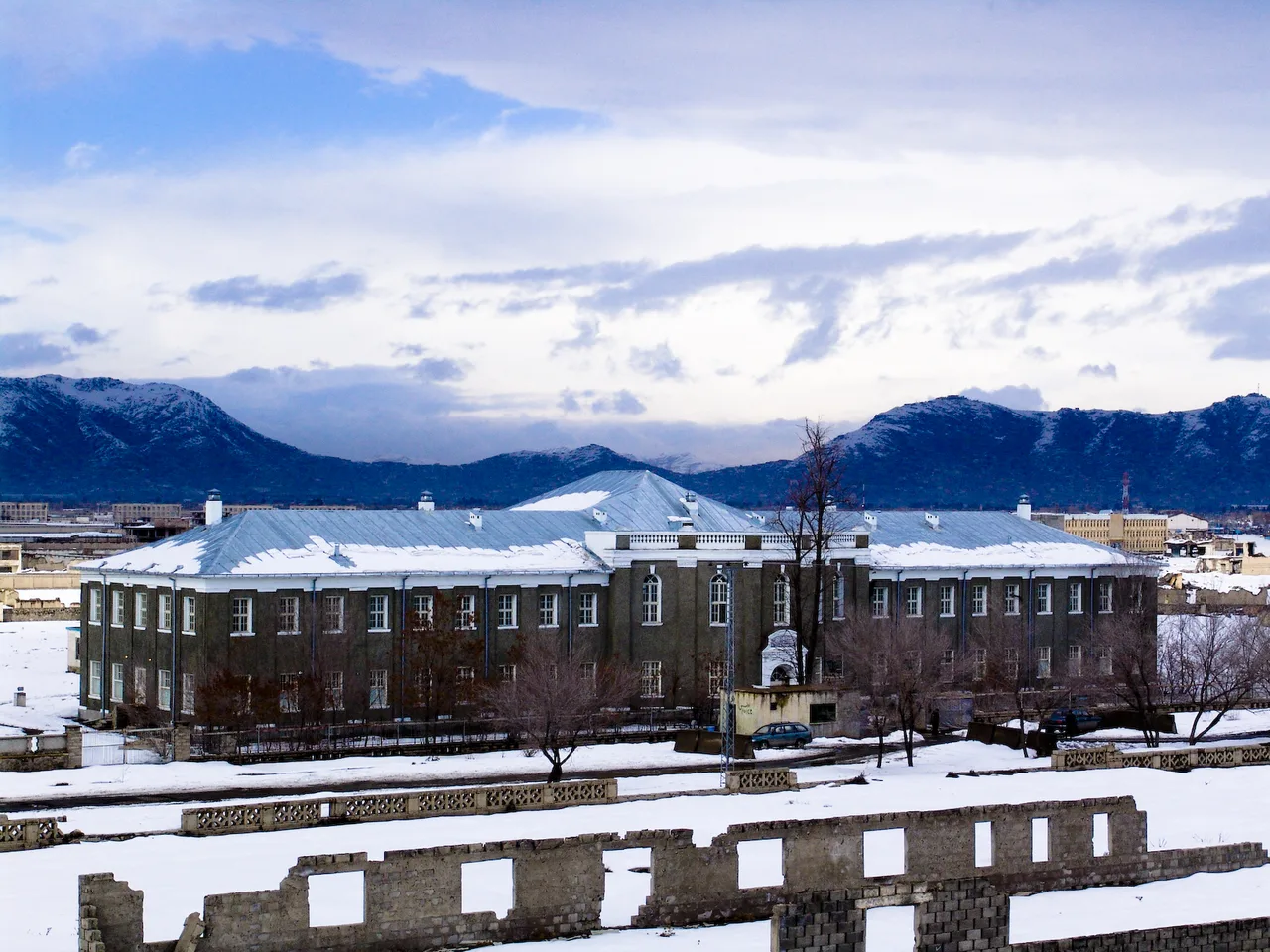
The National Museum of Afghanistan, located in the Darulaman area, has survived decades of conflict. The Bactrian Gold, a hoard of thousands of gold ornaments found in northern Afghanistan, was hidden in secret vaults beneath the central bank to keep it safe during turbulent times, only resurfacing in 2003.
Photo: Babak Fakhamzadeh, Wikimedia Commons, CC BY 2.0.
Pick one
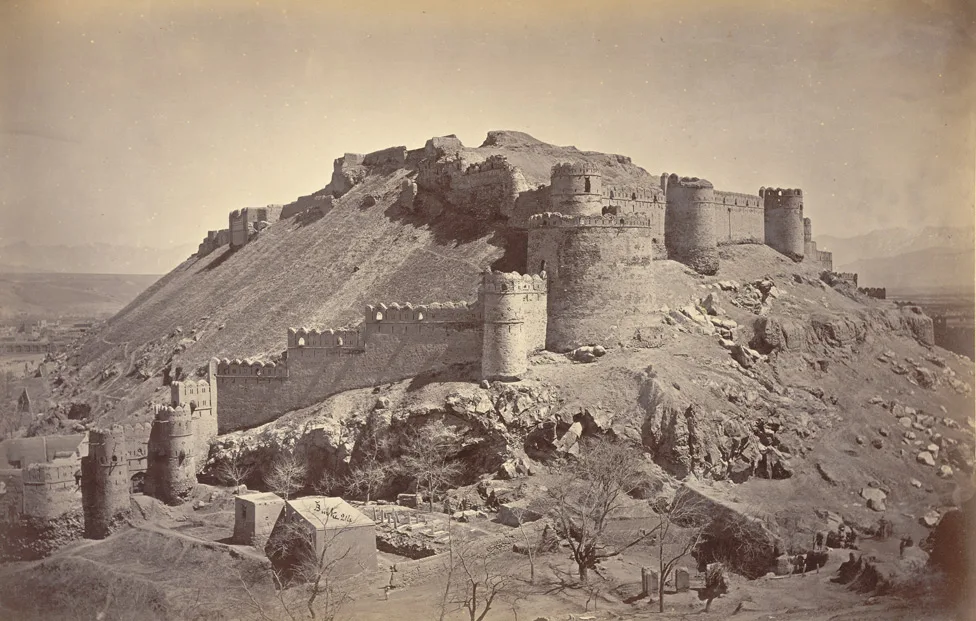
Bala Hissar is an ancient fortress that has guarded Kabul for over 1,500 years. It was the principal stronghold of Kabul's rulers before the Arg was built in the late 19th century. The fortress has witnessed countless sieges, battles, and rebuilds throughout Afghanistan's turbulent history.
Photo: John Burke, Wikimedia Commons, Public domain.
Pick one
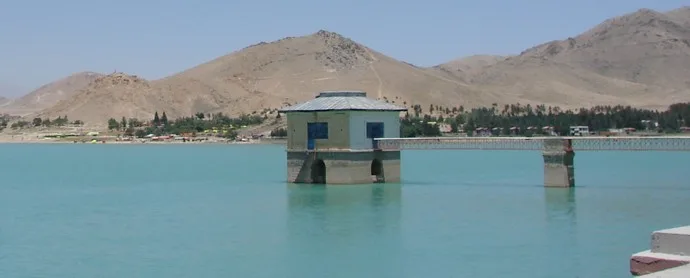
Qargha Reservoir (or Lake Qargha) is a major recreation area near Kabul. It features a dam, a golf course, and facilities for boating, making it a highly popular weekend getaway for locals seeking a break from the city.
Photo: Aryob Zazai from Pekhawar, Afghanistan, Wikimedia Commons, CC BY 2.0.
Pick one
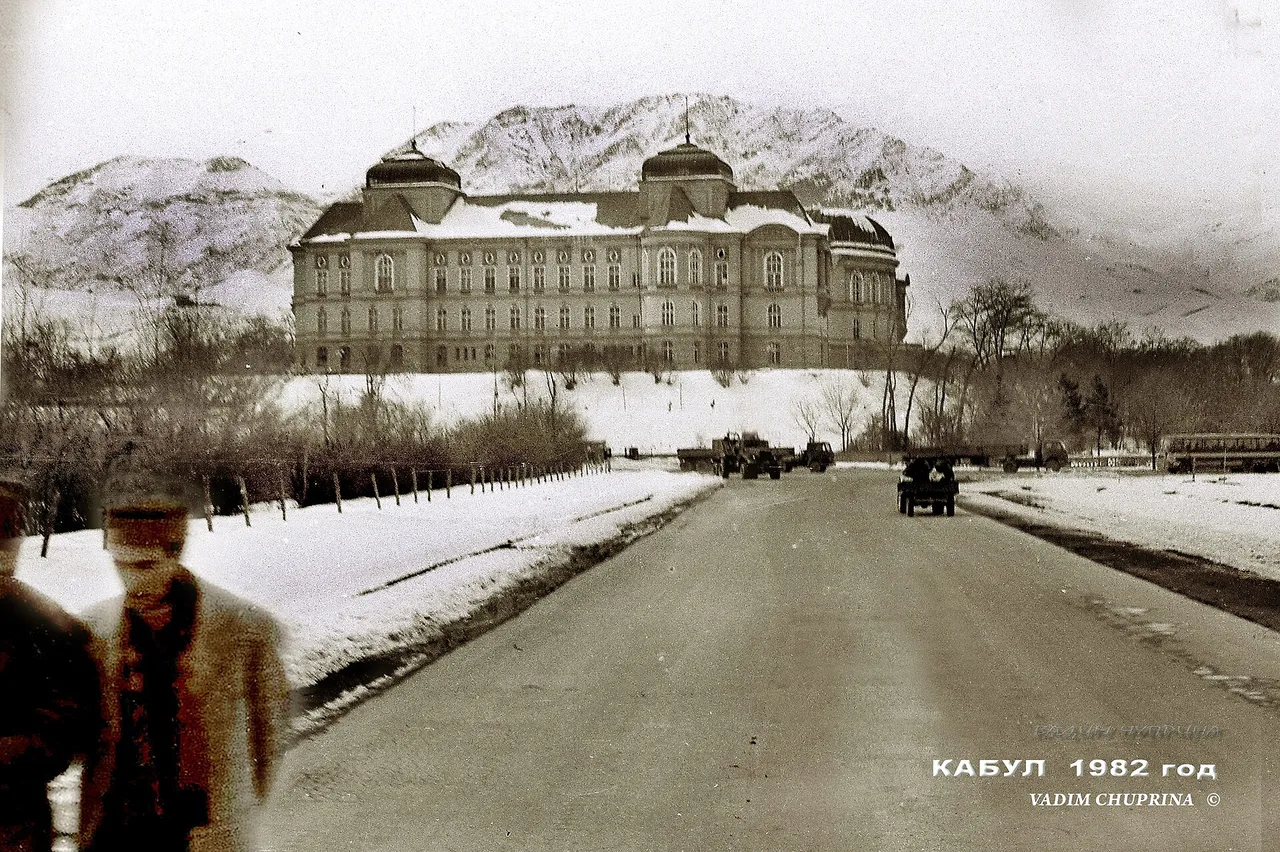
Darul Aman Palace, which translates to 'Abode of Peace,' is an iconic neoclassical palace on the outskirts of Kabul. Designed by German and French architects, it was heavily damaged during the civil wars of the 1990s but has recently undergone a massive restoration to return it to its former glory.
Photo: ВАДИМ ЧУПРИНА, Wikimedia Commons, CC BY-SA 4.0.
Pick one
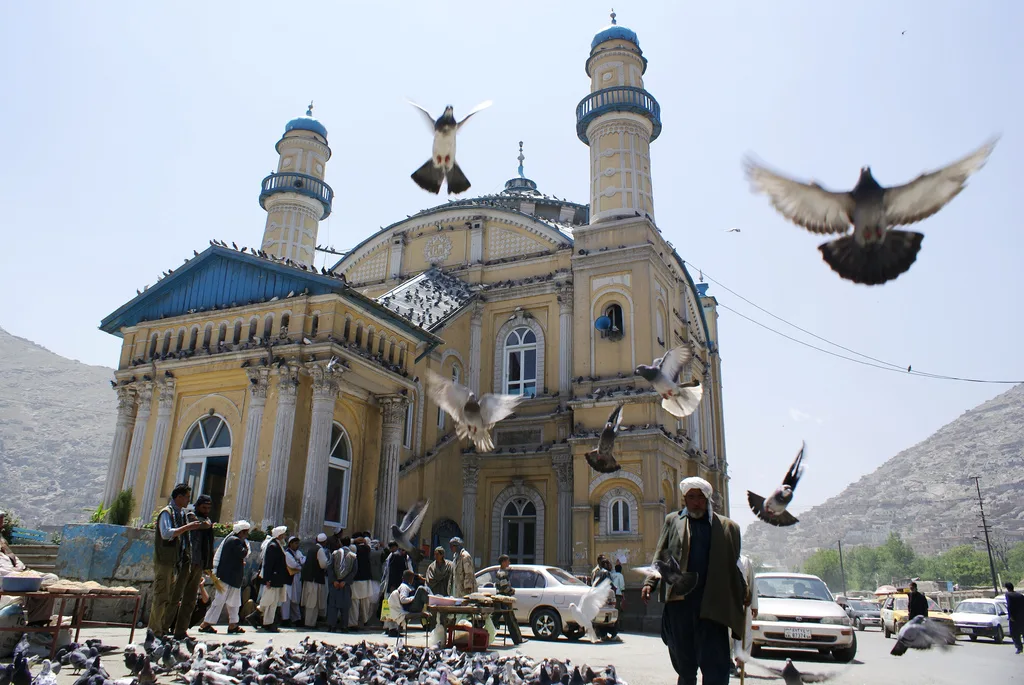
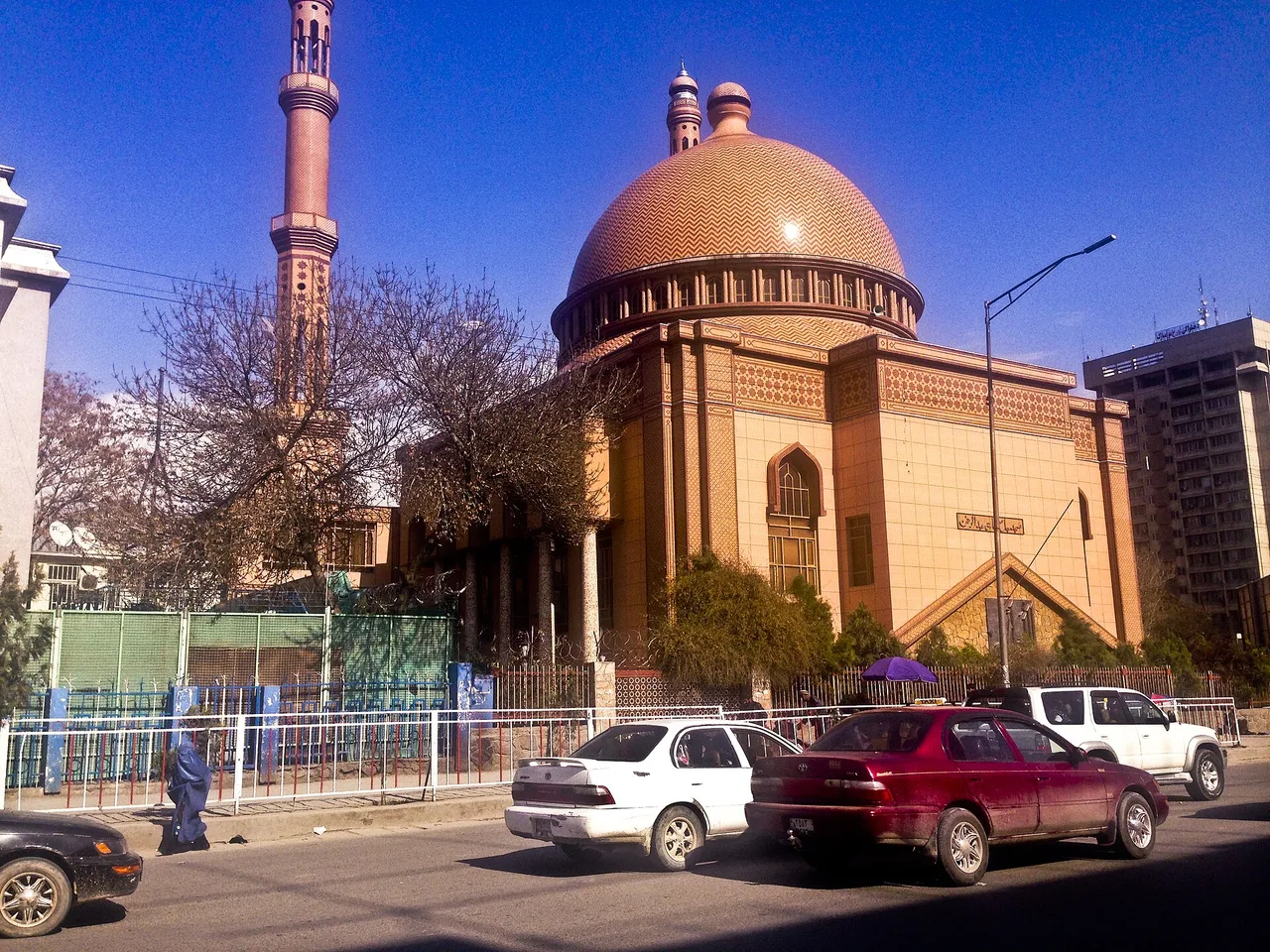
Shah-Do Shamshira Mosque, meaning 'Mosque of the King of Two Swords,' has an unusual Italian baroque-style design built in the 1920s. It stands near the riverbank on the site of an ancient temple. Its bright yellow facade and multi-tiered balconies make it one of the most photographed spots in Kabul.
Photo: Masoud Akbari, Wikimedia Commons, CC BY-SA 3.0.
Pick one
Kabul lies about 1,790 metres above sea level, which makes it one of the highest capital cities in the world. Because of that height its winters are cold: the average January temperature is below freezing.
Photo: Nasim Fekrat, Wikimedia Commons, CC BY 2.0.
Pick one
Timur Shah Durrani moved the capital to Kabul in 1775 because of its milder climate and strategic location compared to Kandahar. His tomb, a large octagonal brick mausoleum with a grand dome, remains a prominent historical monument in central Kabul, surrounded by a peaceful public garden.
Pick one
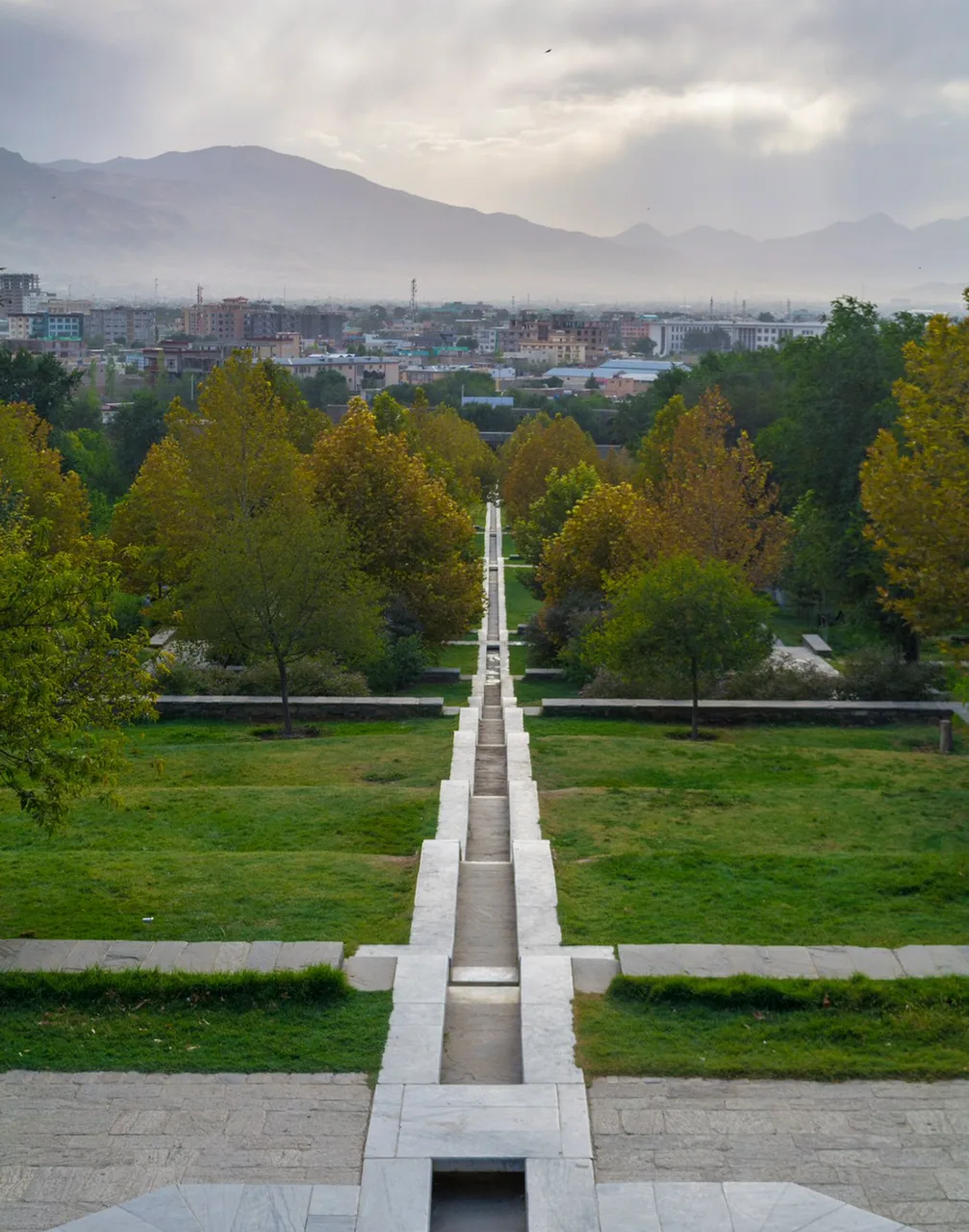
Emperor Babur, the founder of the Mughal Empire, loved Kabul so much that he requested to be buried in these beautiful terraced gardens. Known as Bagh-e Babur, the site features fifteen terraces, a small marble mosque, and panoramic views of the city. It remains a popular spot for weekend picnics.
Photo: Danial f4, Wikimedia Commons, CC BY-SA 4.0.


Paste the code into your page. The player fits itself in, and every vote counts in Votur.
On WordPress, Ghost or Squarespace? Just paste the link of this page into your post.
This is how it looks
Also fun