Get app
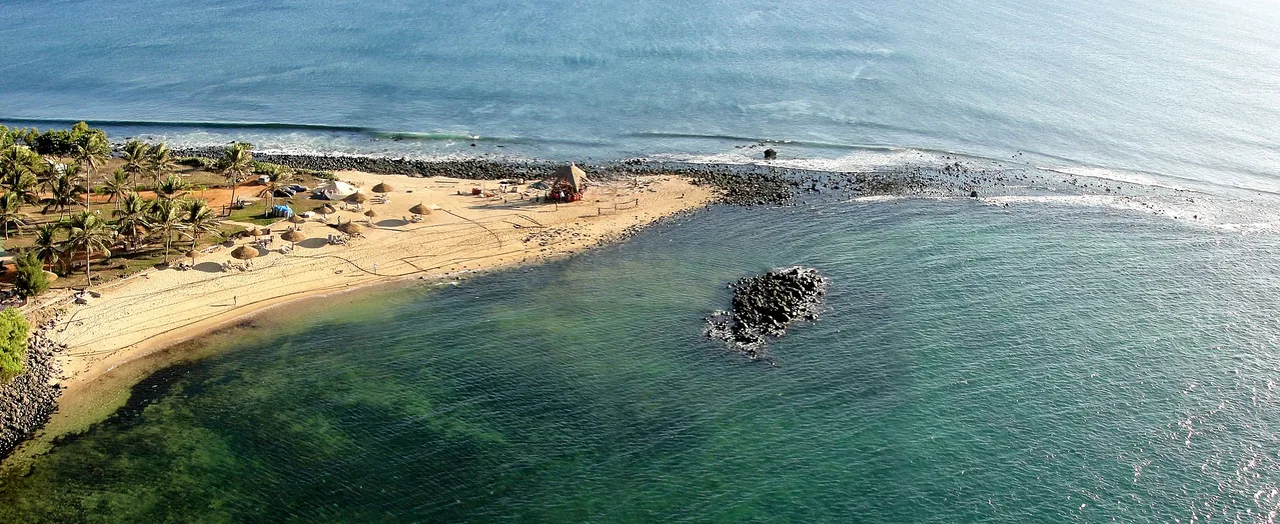
 Photo: Boubacar Bila Diao Balde, Wikimedia Commons, CC BY-SA 4.0.
How well do you know Conakry? Test your knowledge on the vibrant capital of Guinea, from its scenic islands and historical landmarks to its famous residents and local flavors.
Friendly Visitor 0–4 · City Explorer 5–8 · Conakry Expert 9–10
Pick one

St. Mary's Cathedral is a prominent red and yellow brick Roman Catholic cathedral in Conakry. It was built during the French colonial era, with construction starting in 1928. It serves as the seat of the Archdiocese of Conakry and stands as a striking architectural landmark near the presidential palace.
Pick one
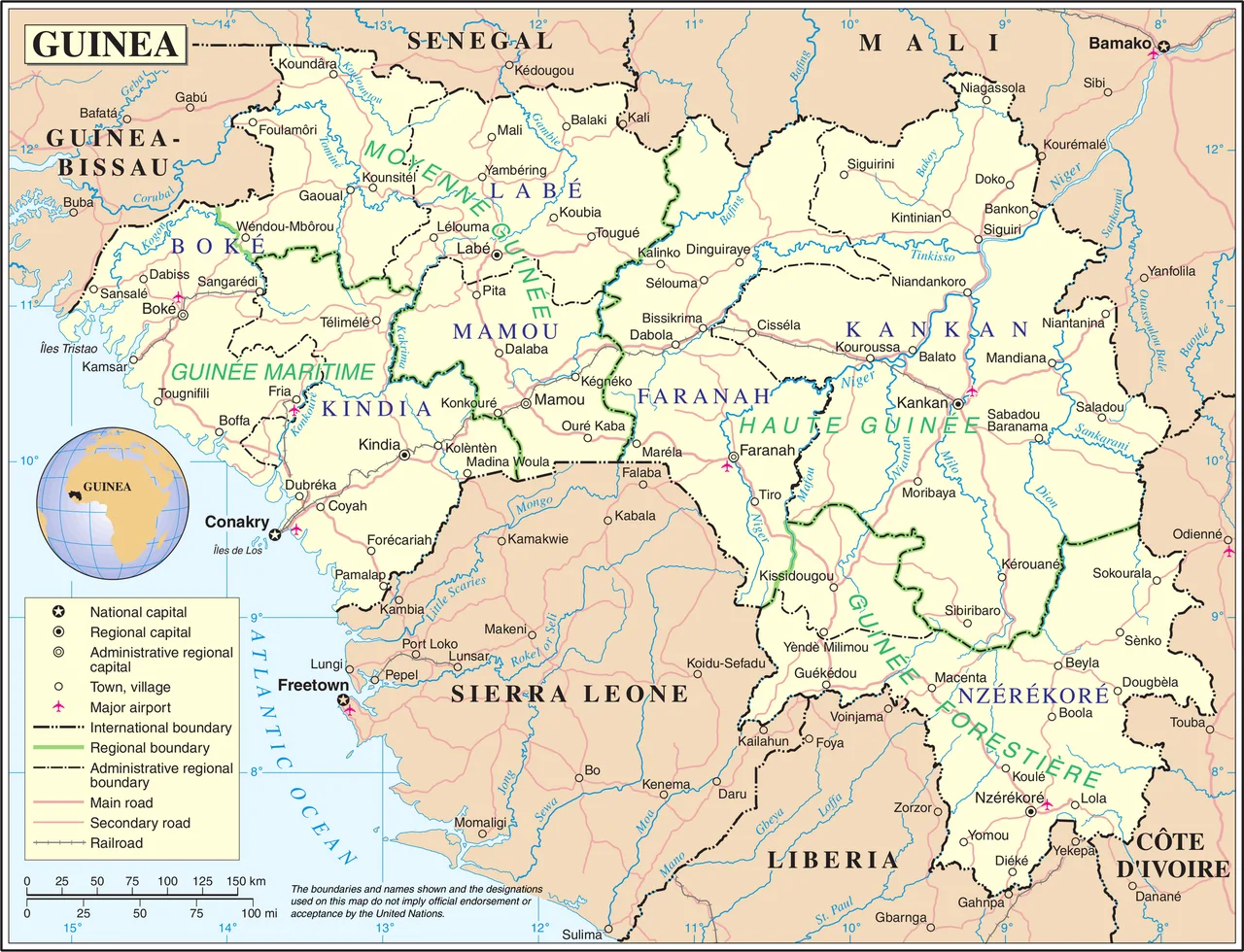
Conakry is one of the rainiest cities in West Africa: it gets more than 1,100 millimetres of rain in July and again in August, and nearly 3,800 millimetres over the whole year. Yet in January and February hardly a drop falls.
Photo: Wikimedia Commons, Public domain.
Pick one
The Îles de Los are a group of islands located close to the Kaloum Peninsula in Conakry. They are famous for their sandy beaches and forested interiors. Interestingly, the name "Los" is a corruption of "Ilhas dos Idolos" (Islands of the Idols), named by early Portuguese explorers who found local religious shrines there.
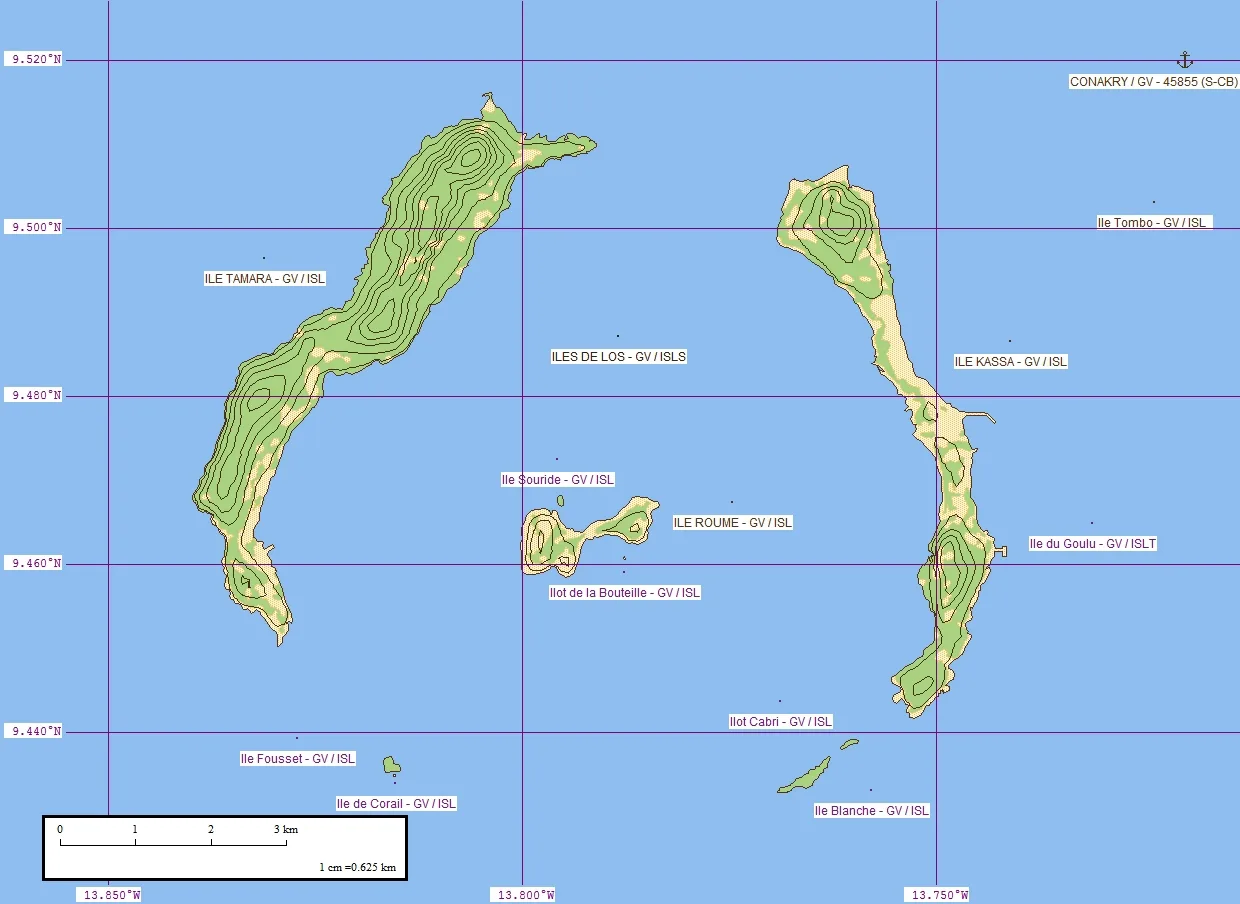
Photo: EVS-Islands, Wikimedia Commons, CC BY 2.0.
Pick one
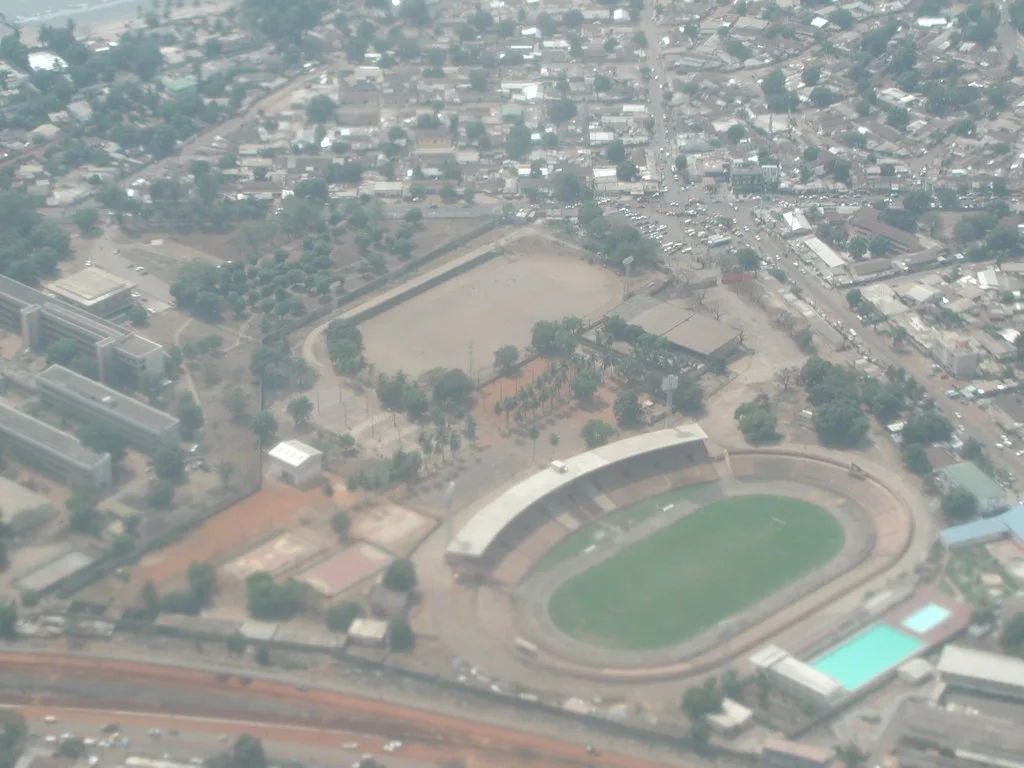
The Stade du 28 Septembre is named after September 28, 1958, the day Guinea voted "No" in the French constitutional referendum. This historic vote led to Guinea becoming the first French colony in Sub-Saharan Africa to secure immediate independence. The stadium is a major venue for football matches and national celebrations.
Photo: Jeff Attaway from Abuja, Nigeria, Wikimedia Commons, CC BY 2.0.
Pick one
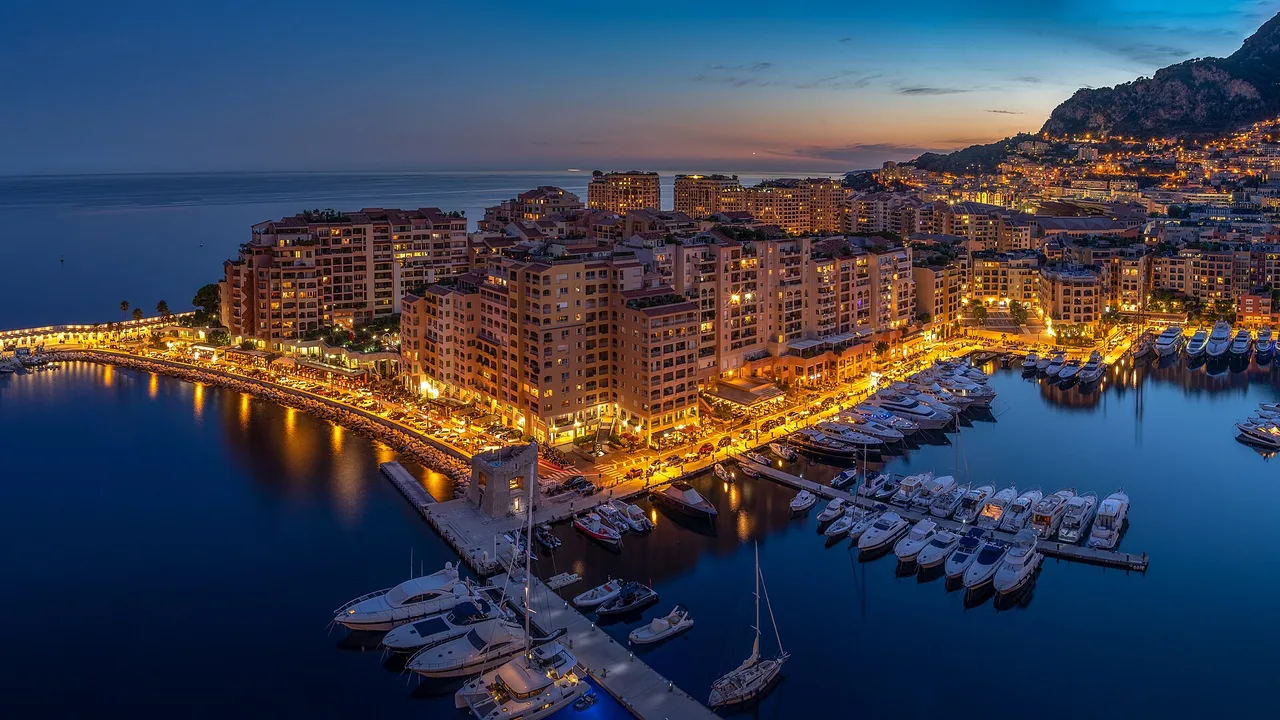
Conakry began on little Tombo Island, which Britain handed over to France in 1887. The city soon spread onto the long, narrow Kaloum Peninsula, and the old centre on Tombo is now linked to the mainland. Kassa is one of the nearby Îles de Los, a popular spot for a day at the beach.
Pick one
Founded in Paris by Fodéba Keïta but later nationalized and based in Conakry, Les Ballets Africains played a crucial role in promoting Guinean culture worldwide. Their energetic performances, featuring traditional West African instruments like the djembe and balafon, captivated audiences across Europe and the Americas for decades.
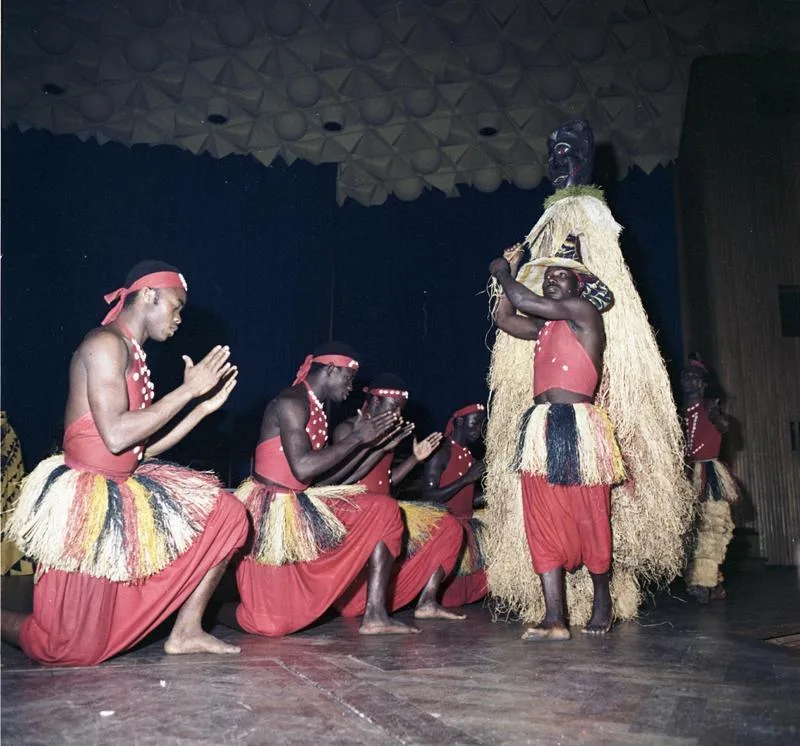
Photo: Ludwig Wegmann, Wikimedia Commons, CC BY-SA 3.0 de.
Pick one
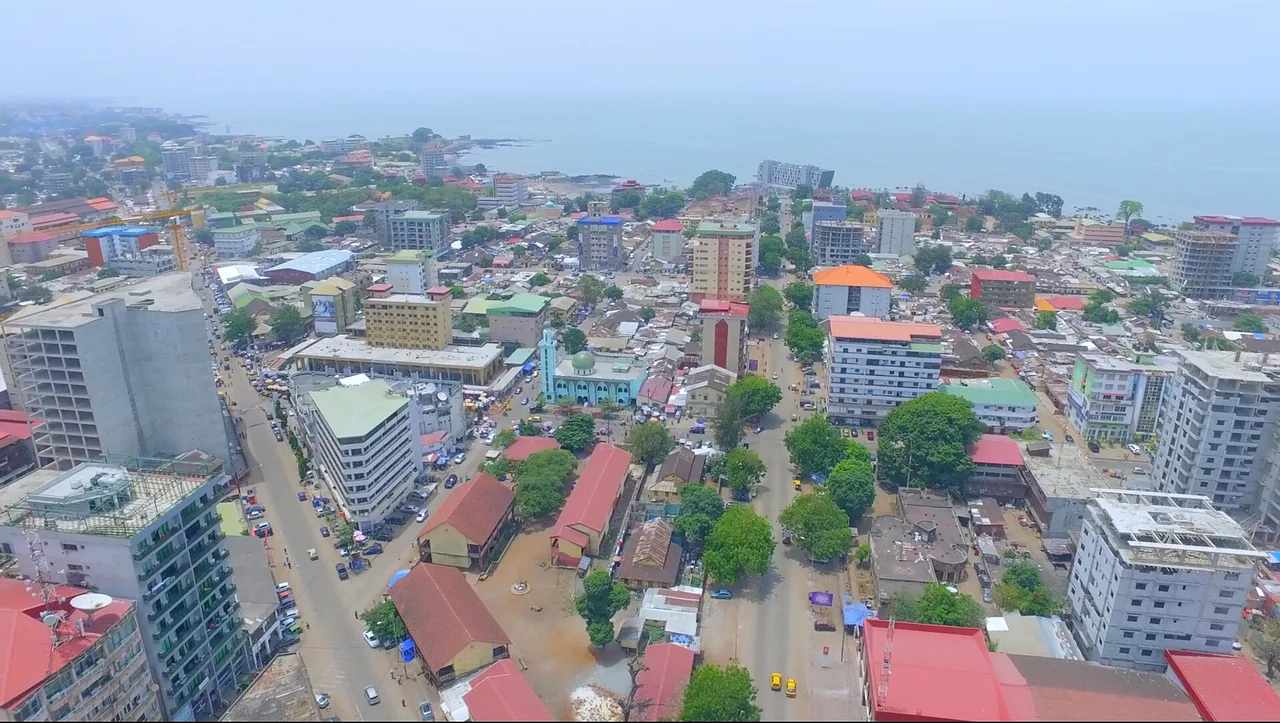
Opened in 1982, the Conakry Grand Mosque can accommodate over 10,000 worshippers. It was financed by King Fahd of Saudi Arabia, reflecting strong ties between the two nations. The mosque complex also contains the tombs of prominent Guinean figures, including the country's first president, Ahmed Sékou Touré.
Pick one
The Conakry Botanical Garden is a peaceful green oasis in the middle of the bustling capital. Established during the French colonial era, it features a wide variety of tropical trees, including massive kapoks. It serves as both an educational resource for botany and a quiet retreat for city dwellers.
Photo: Boubacar Bila Diao Balde, Wikimedia Commons, CC BY-SA 4.0.
Pick one
The museum was founded in 1960, soon after independence, and shows traditional masks, statues and objects from Guinea's different regions. It is named after the Sandervalia district, and a curious little masonry structure built in 1896 by the French explorer Aimé Olivier de Sanderval still stands by its entrance.
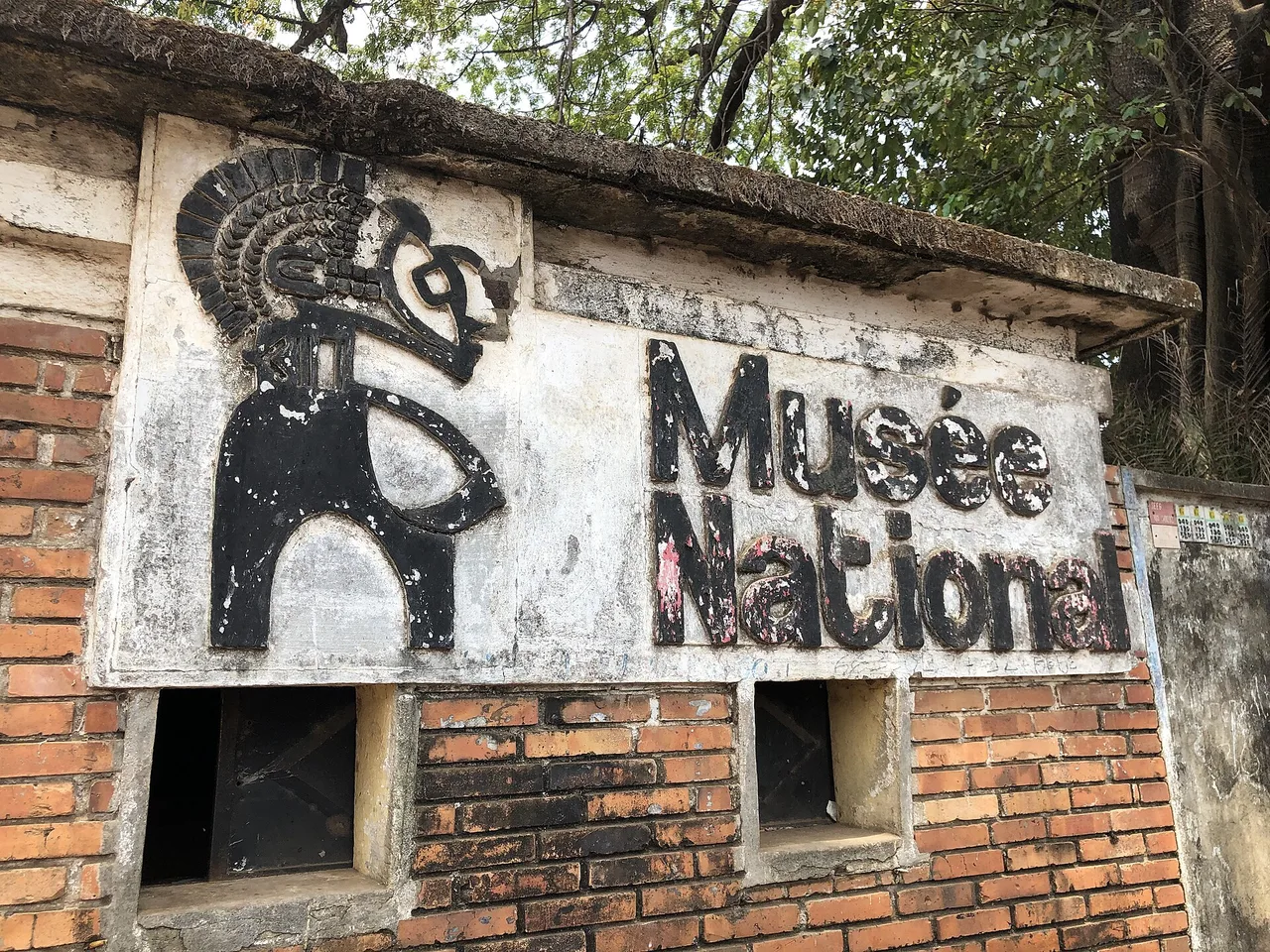
Photo: Yamen, Wikimedia Commons, CC BY 4.0.
Pick one
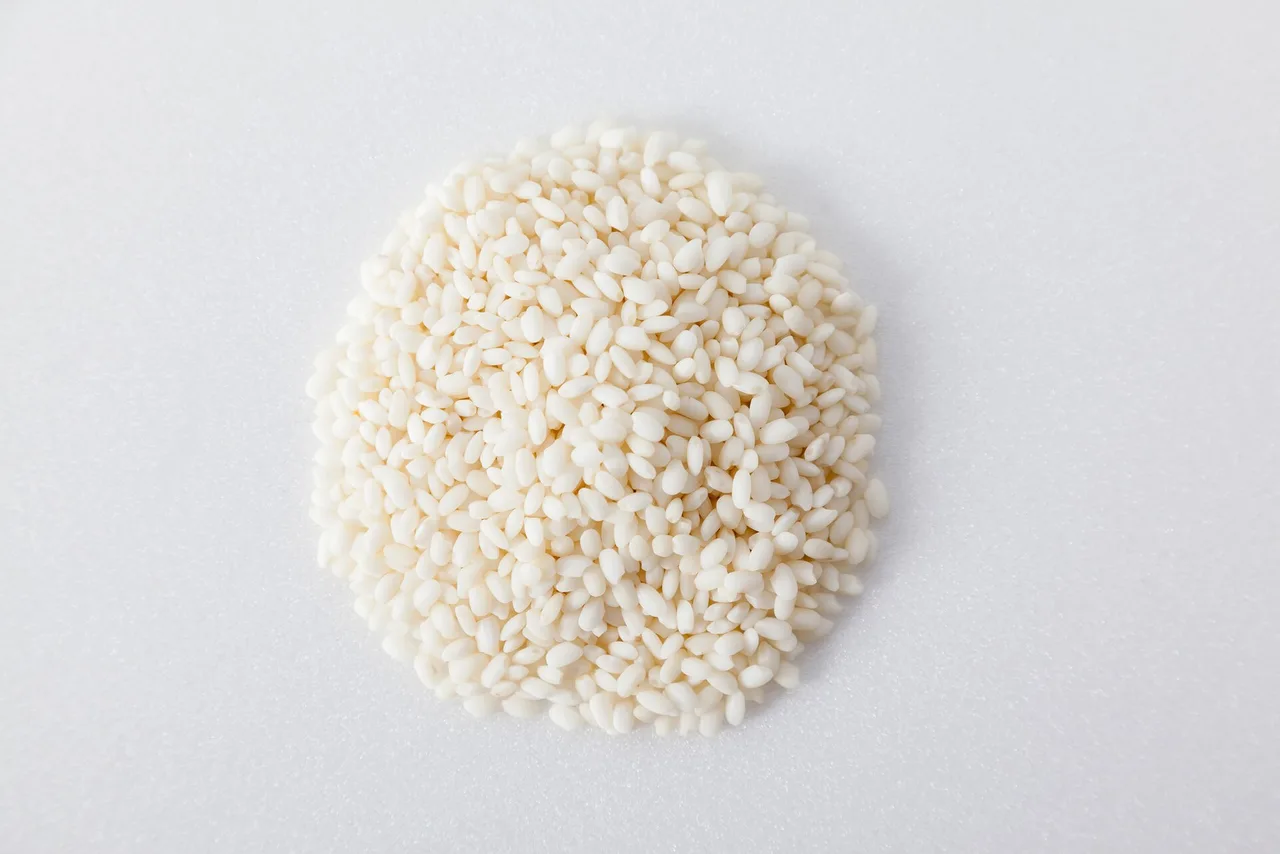
Sauce feuille (literally "leaf sauce") is a beloved staple in Guinean cuisine. It is typically prepared by simmering finely chopped sweet potato or cassava leaves with palm oil, fish, or meat, and served over a mountain of white rice. It is a daily comfort food enjoyed by families across Conakry.


Paste the code into your page. The player fits itself in, and every vote counts in Votur.
On WordPress, Ghost or Squarespace? Just paste the link of this page into your post.
This is how it looks
Also fun