Get app
 Photo: uploaded by Juanmak, Wikimedia Commons, Public domain.
From rugged gold-rush workwear to high-fashion runways, blue jeans have become the ultimate global uniform. Test your knowledge on the history, culture, and science behind your favorite pair of pants!
Pocket Seeker 0–4 · Indigo Friend 5–8 · Denim Maestro 9–10
Pick one

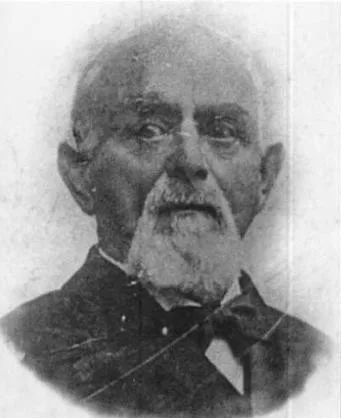
Jacob Davis came up with the brilliant idea to reinforce strain points like pocket corners with small copper rivets after a customer complained about ripping pants. Because he lacked the money to file a patent, he partnered with his fabric supplier, Levi Strauss, creating the iconic blueprint for modern jeans in 1873.
Photo: unknown (Life time: 1908), Wikimedia Commons, Public domain.
Pick one
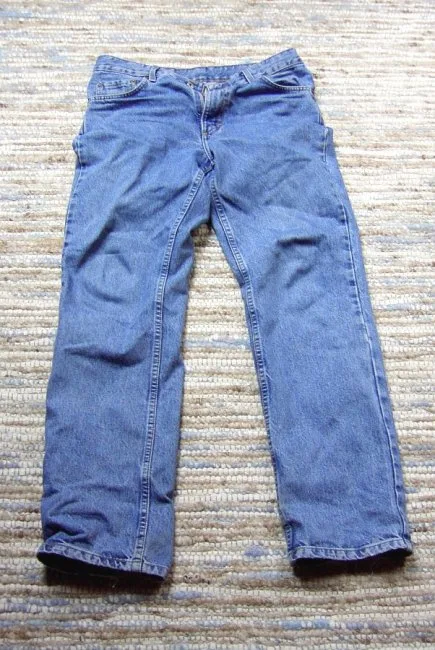
The word 'jeans' comes from 'Gênes', the French name for Genoa in Italy. Genoa's navy dressed its sailors in a sturdy, affordable cotton fabric that could be worn wet or dry. In the 17th century, an unknown painter now nicknamed the 'Master of the Blue Jeans' painted poor working people in northern Italy wearing this blue cloth.
Photo: uploaded by Juanmak, Wikimedia Commons, Public domain.
Pick one
In 'The Misfits' Marilyn Monroe played a newly divorced woman in Nevada, starring alongside Clark Gable. The script was written by the playwright Arthur Miller, who was married to her while it was being made, and it was the last film she completed.
Pick one
In 1951 Bing Crosby, dressed in denim from top to toe, was reportedly refused entry to a hotel in Vancouver, Canada. Levi's heard the story and made him a tuxedo jacket entirely out of denim, which is how double denim got the nickname 'Canadian tuxedo'. In 2014 Levi's made 200 replicas of Crosby's jacket.
Photo: FOTO:Fortepan — ID 6735: Adományozó/Donor: Erky-Nagy Tibor. archive copy at the , Wikimedia Commons, CC BY-SA 3.0.
Pick one
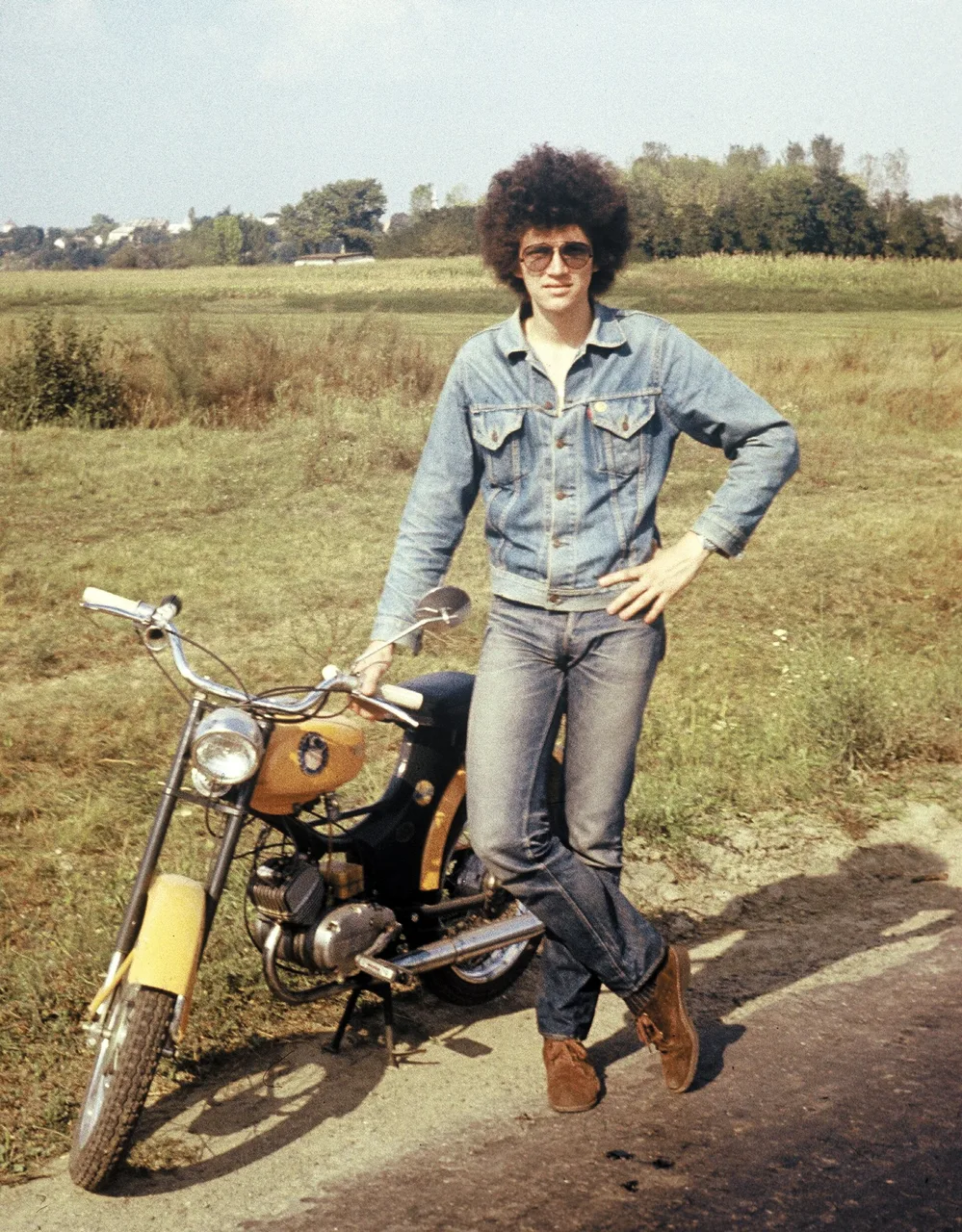
Lee introduced the '101Z' jeans in 1926, featuring the world's first zipper fly on a pair of jeans. This was marketed as a faster and more convenient alternative to the traditional button fly. The zipper was a massive hit among cowboys and workers, cementing Lee's reputation as a top-tier innovator in workwear.
Pick one
In 1935, Vogue published its first feature on women in denim, showcasing two chic women wearing 'Western chic' jeans. This marked a massive shift, helping transition jeans from purely utilitarian workwear for laborers into a mainstream fashion statement for wealthy women looking for stylish leisurewear.
Pick one
The bright orange thread was chosen to match the copper rivets that strengthen the pockets, and many denim brands still use it today. The curved stitching on the back pockets has been on Levi's jeans since 1873 and became a registered trademark in 1943.
Photo: Nielsoncaetanosalmeron, Wikimedia Commons, CC BY 4.0.
Pick one
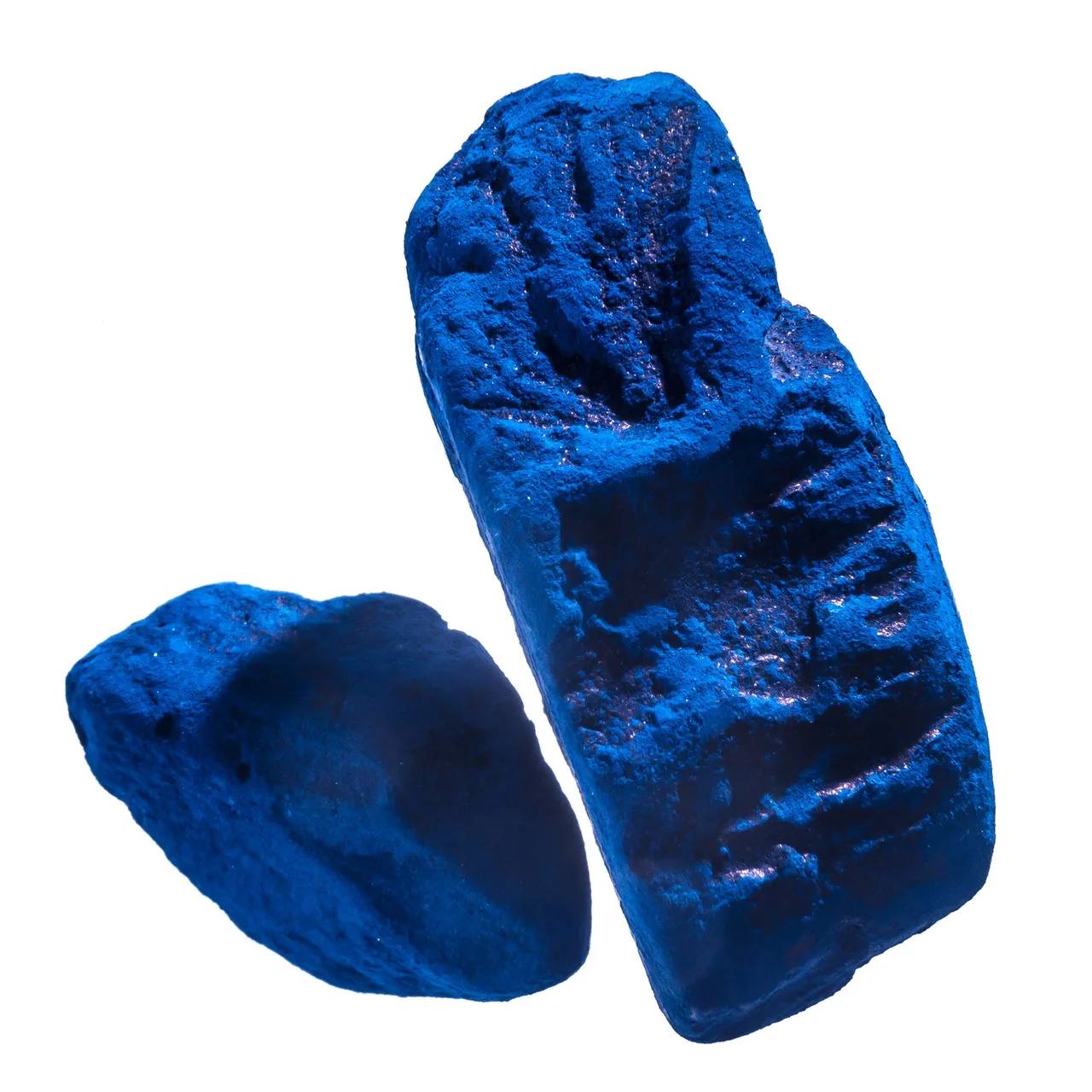
Natural indigo dye is extracted from plants in the Indigofera genus. Unlike other dyes that penetrate fabric fibers deeply, indigo only coats the outside of the threads. This unique chemical property is why denim fades so beautifully over time, as the outer blue layers gradually rub off to reveal the white core of the yarn.
Photo: David Stroe, Wikimedia Commons, CC BY-SA 3.0.
Pick one
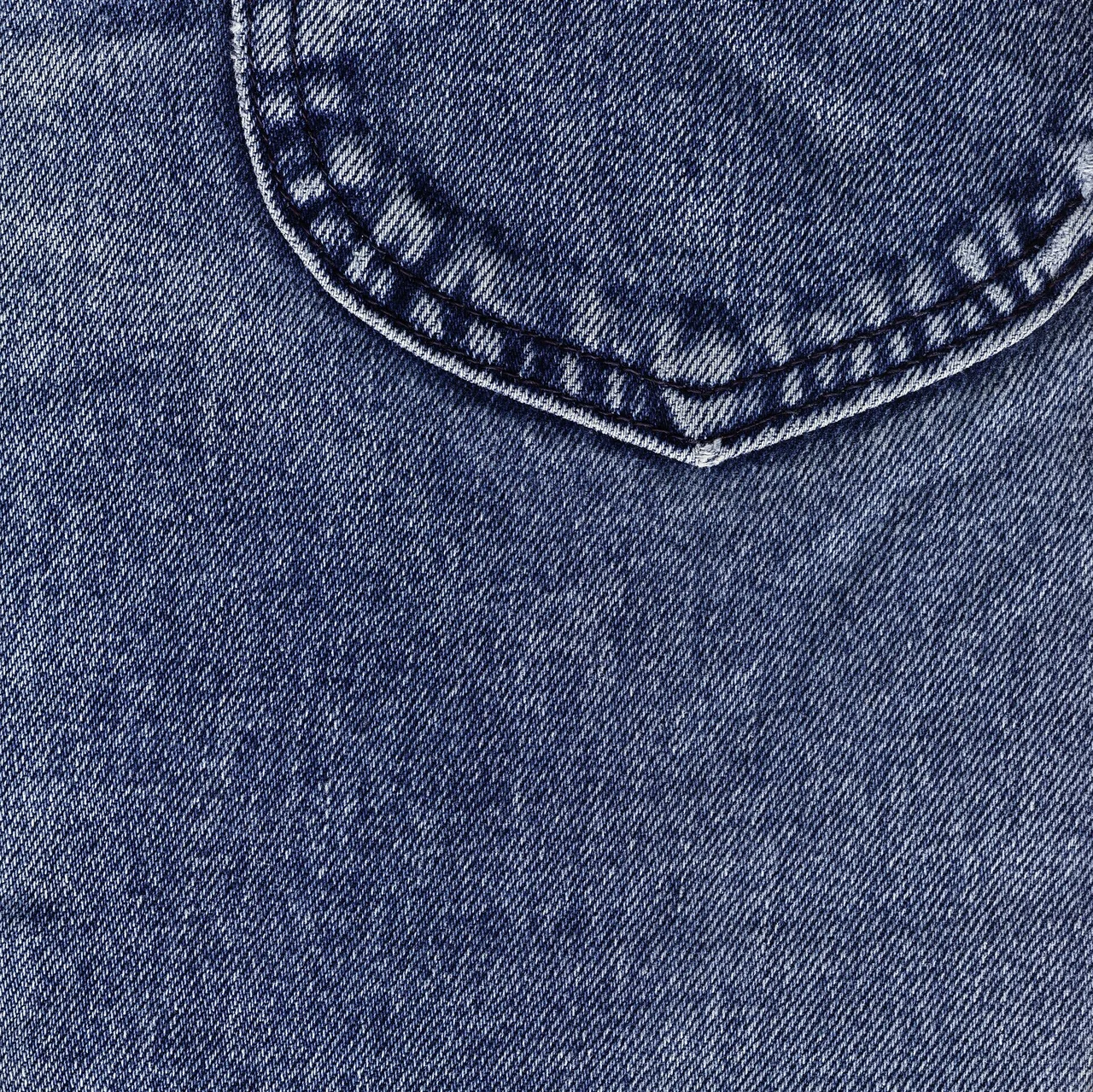
Levi Strauss added the little 'watch pocket' in the late 1870s, when workers carried a pocket watch instead of wearing one on the wrist. In 1901 a second back pocket followed, giving jeans the five pockets they still have today.

Photo: ElooKoN, Wikimedia Commons, CC BY-SA 4.0.
Pick one
Denim comes from 'serge de Nîmes', a sturdy twill fabric from the French town of Nîmes. In classic denim only the threads running lengthwise are dyed blue and the crosswise threads stay white, which is why jeans are much paler on the inside.
Photo: Nikodem Nijaki, Wikimedia Commons, CC BY-SA 3.0.


Paste the code into your page. The player fits itself in, and every vote counts in Votur.
On WordPress, Ghost or Squarespace? Just paste the link of this page into your post.
This is how it looks
Also fun