Get app
Step behind the screen and discover the secrets, science, and surprising history of the studio that changed animation forever.
Day One Dreamer 0–4 · Studio Regular 5–8 · Pixar Historian 9–10
Pick one

The hopping desk lamp is named Luxo Jr., after Pixar's first short film released in 1986. The short was groundbreaking because it showed how simple computer-generated shapes could express human emotions like curiosity and joy, laying the groundwork for future characters.
Pick one
Toy Story changed animation forever when it debuted in 1995. It was the first fully computer-animated feature film in history. To render the movie, a massive network of 117 computers worked around the clock, with some individual frames taking up to 30 hours to complete.
Pick one
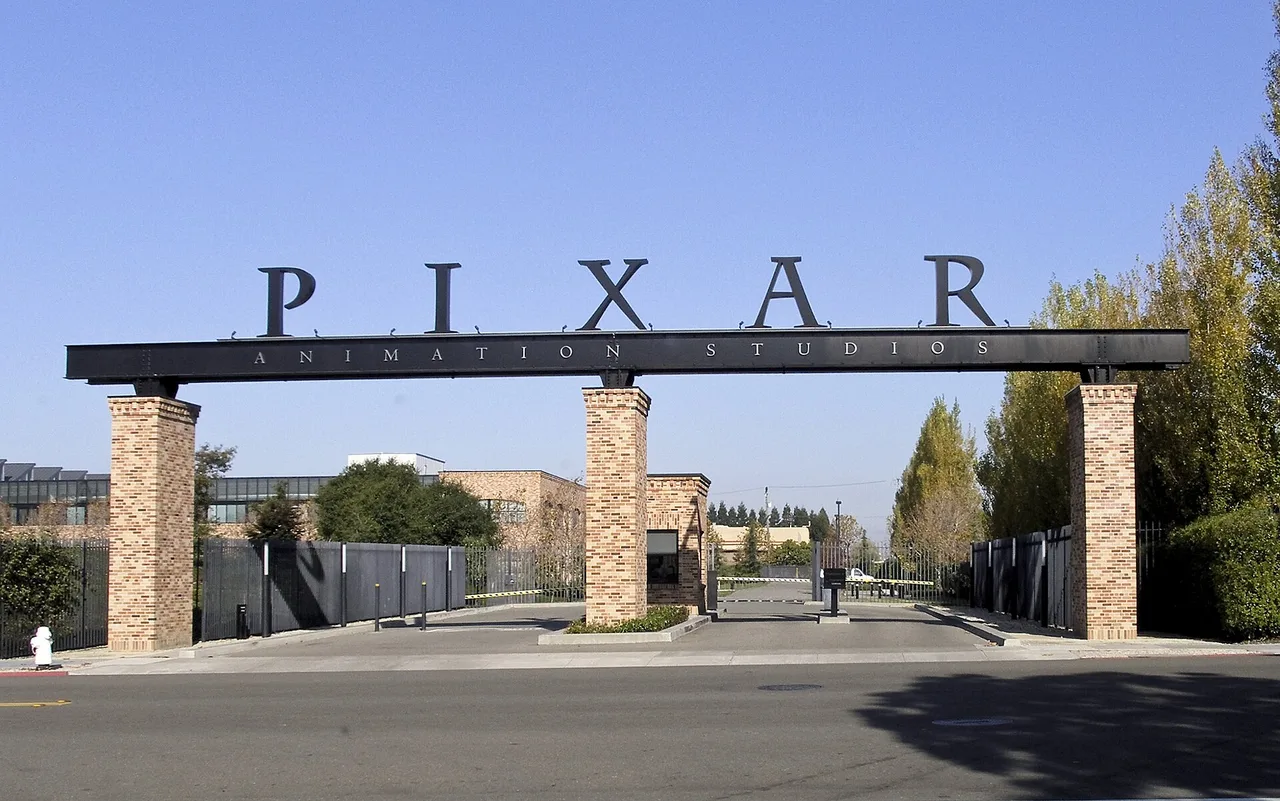
Steve Jobs paid George Lucas 5 million dollars and put another 5 million into the company, which became independent as Pixar. Jobs kept funding the young company for years, and the gamble paid off when Toy Story became a worldwide hit.
Photo: Coolcaesar, Wikimedia Commons, CC BY-SA 3.0.
Pick one
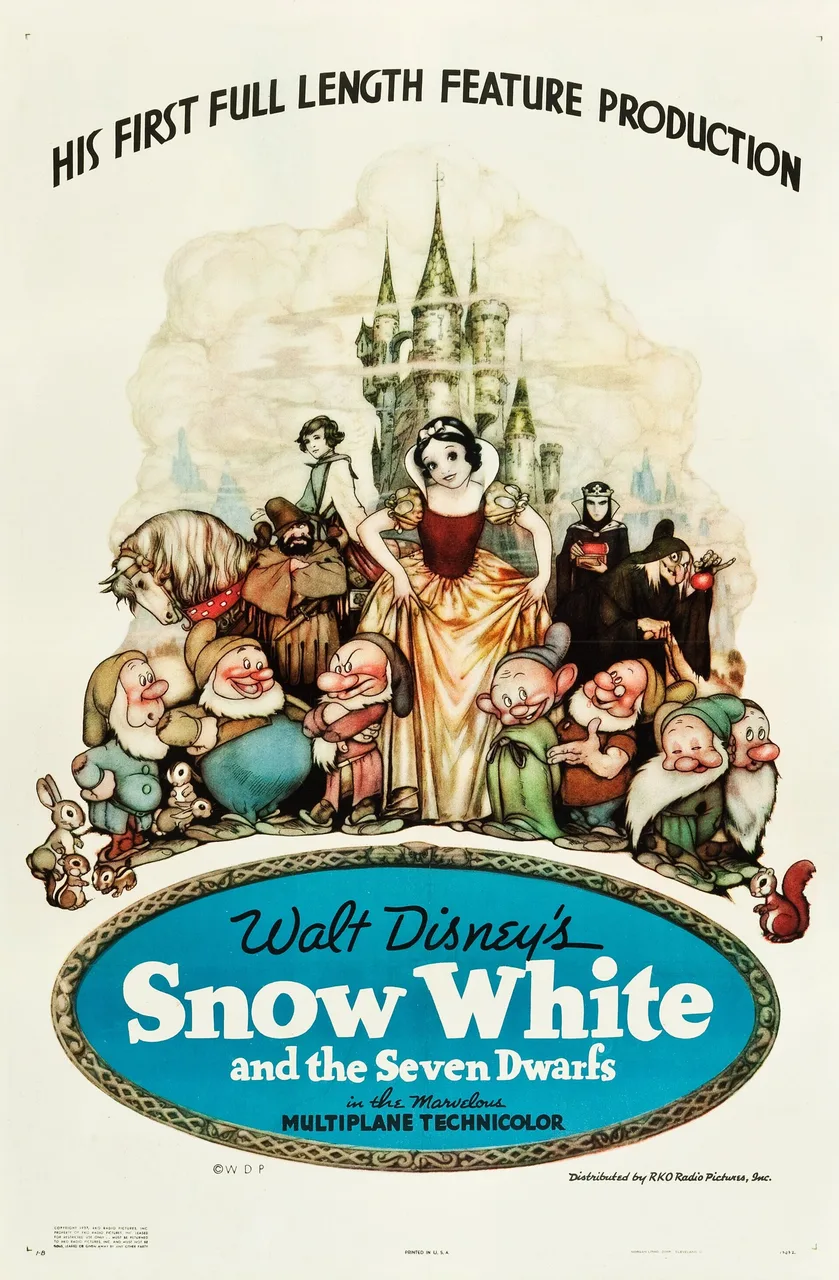
Up was nominated for Best Picture at the 2010 Oscars, after the Academy had widened the category to ten nominees. It was only the second animated film ever nominated, after Disney's Beauty and the Beast from 1991. That same night it won the Oscar for Best Animated Feature.
Pick one
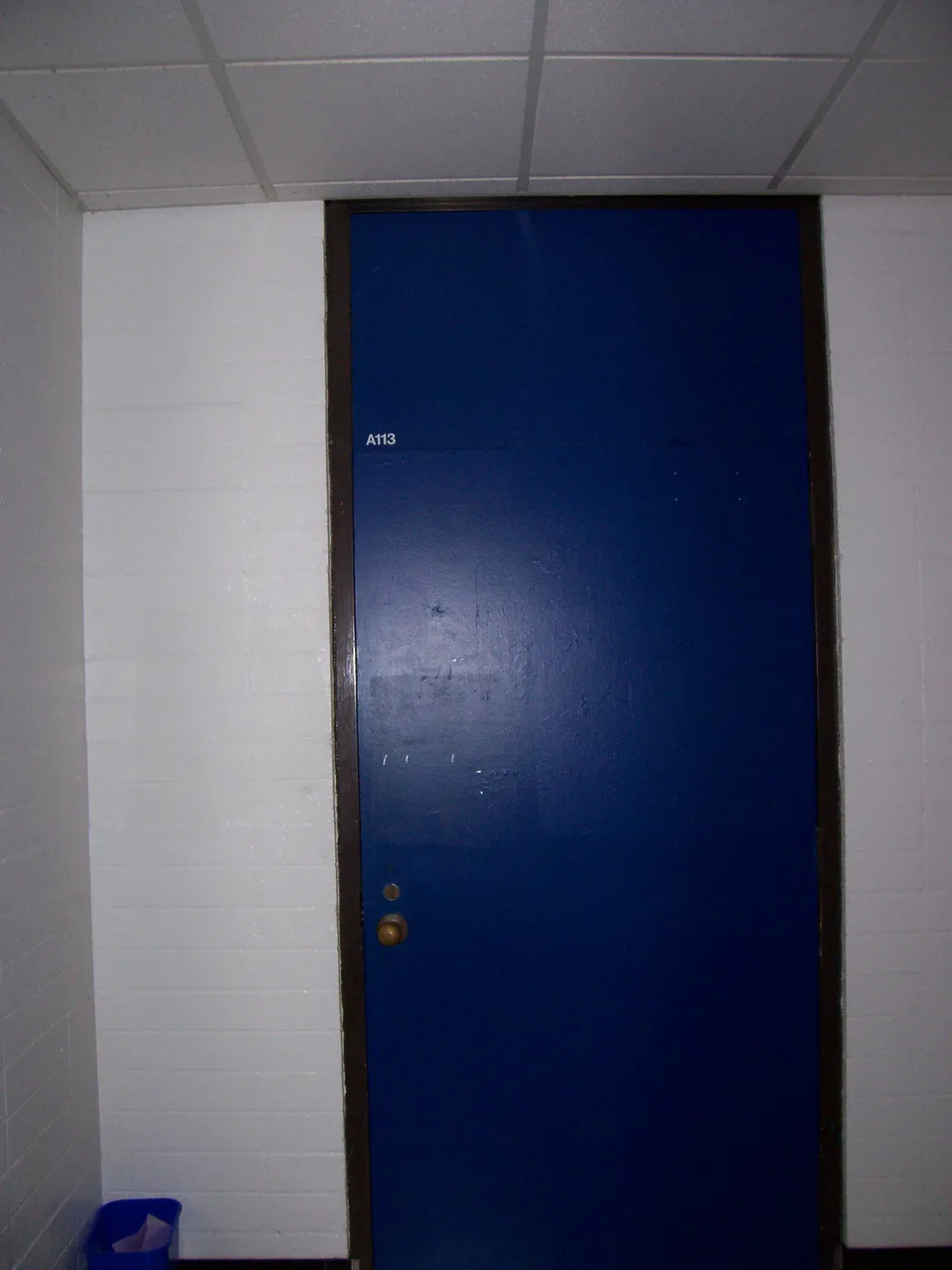
A113 is a classroom at the California Institute of the Arts where many famous animators, including John Lasseter and Brad Bird, studied graphic design and character animation. It appears as a license plate in Toy Story, a camera model in Finding Nemo, and even on a train in Cars.
Photo: rubber cat, Wikimedia Commons, CC BY-SA 2.0.
Pick one
To get the compost pile just right, the art team photographed fifteen kinds of produce, from bananas to broccoli, as they slowly rotted. A Pixar employee who had trained as a professional chef also cooked real dishes so the animators could study how food looks, glistens and steams.
Pick one
The animation team took scuba lessons and attended lectures on marine biology to capture the movement of light underwater. They made the water look so realistic in early tests that they had to make it a little less realistic so audiences would know it was animated.
Pick one
Director John Lasseter insisted that placing the eyes on the windshield made the characters feel like the whole vehicle was alive, rather than just a face painted on a bumper. This design choice was actually inspired by a classic 1952 Disney cartoon called Susie the Little Blue Coupe.
Pick one
The Pixar Image Computer was a powerful machine designed for high-resolution visualization, sold mostly to government agencies, medical facilities, and geologists. One of their few commercial buyers was Walt Disney Studios, which used the computer to automate their traditional 2D ink-and-paint process.
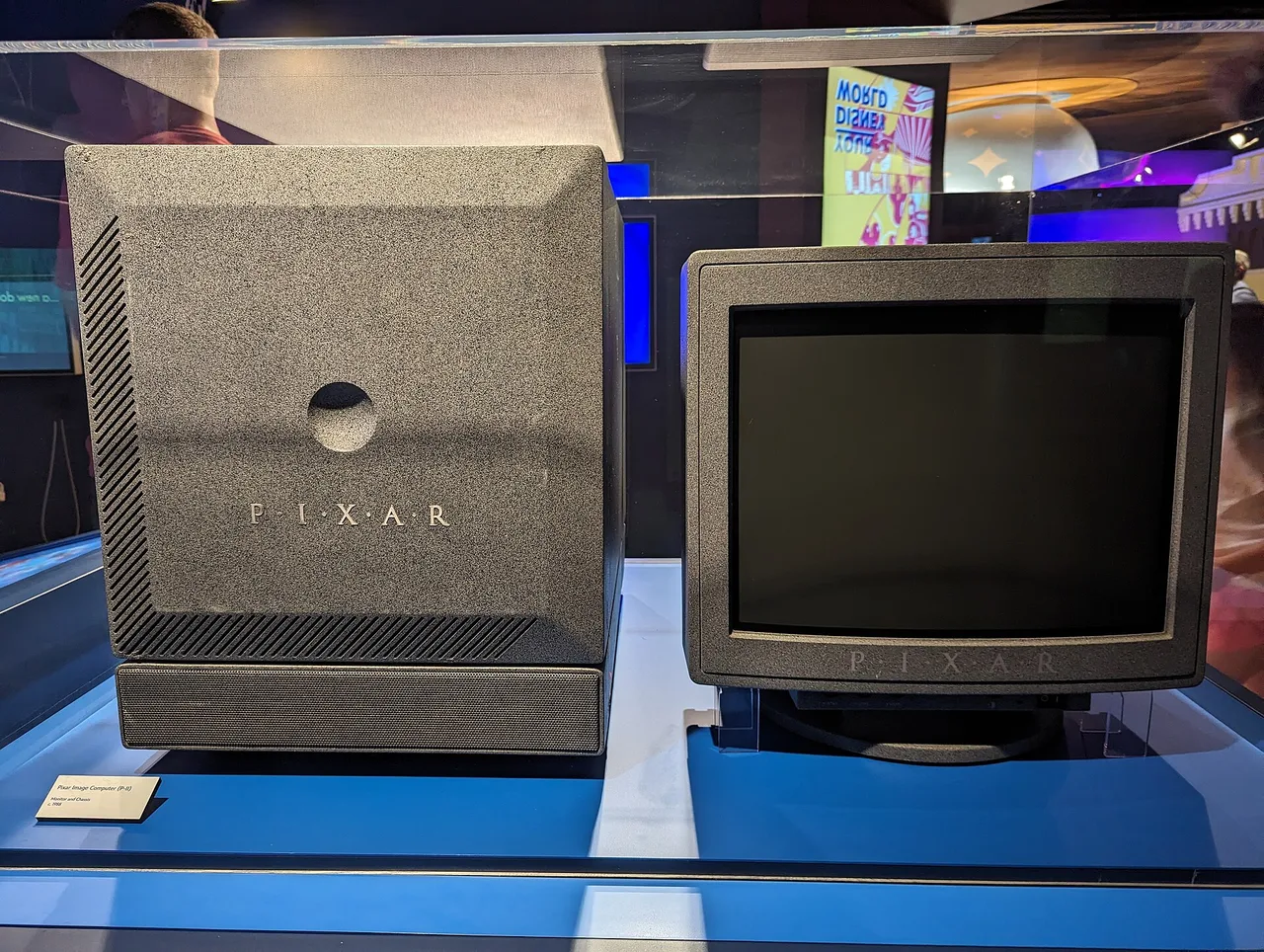
Photo: BakedintheHole, Wikimedia Commons, CC0.
Pick one
John Ratzenberger became Pixar's personal lucky charm, voicing iconic characters like the piggy bank Hamm, Mack the truck in Cars, and the Yeti in Monsters, Inc. He has appeared in over twenty Pixar films, earning him the nickname of Pixar's good-luck charm.

Photo: Gage Skidmore from Surprise, AZ, United States of America, Wikimedia Commons, CC BY-SA 2.0.


Paste the code into your page. The player fits itself in, and every vote counts in Votur.
On WordPress, Ghost or Squarespace? Just paste the link of this page into your post.
This is how it looks
Also fun