Get app
Step behind the scenes of the world's most famous animation studio! Test your knowledge on how these classic films were made, the real-world inspirations behind them, and the secrets hidden in plain sight.
Casual Viewer 0–4 · Animation Fan 5–8 · Master Storyteller 9–10
Pick one

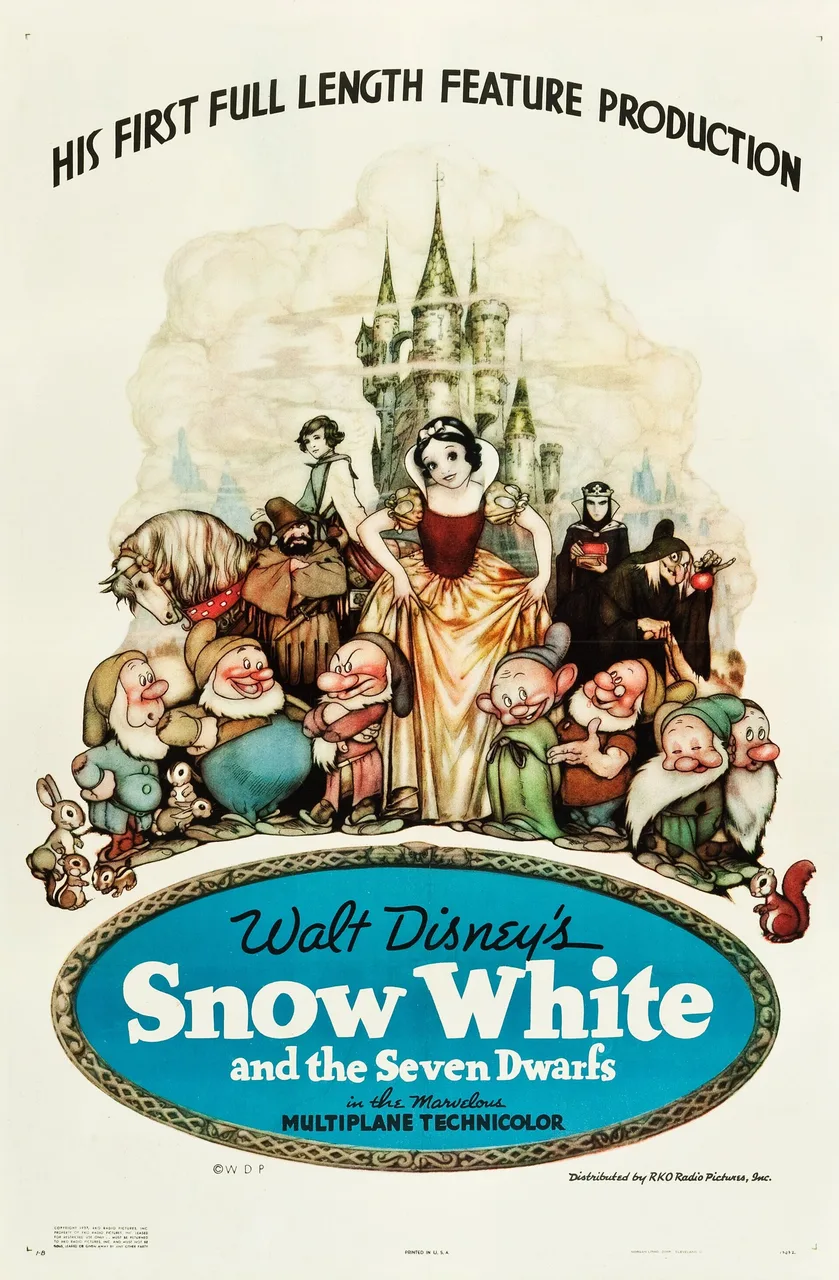
Snow White and the Seven Dwarfs premiered in 1937 and changed cinema forever. Many industry insiders predicted it would fail, calling it "Disney's Folly" during production. Instead, it became a massive box office hit and earned Walt Disney a unique honorary Oscar accompanied by seven miniature ones.
Photo: Gustaf Tenggren, Wikimedia Commons, Public domain.
Pick one
Frozen is loosely based on Hans Christian Andersen's fairy tale The Snow Queen. Disney tried to adapt this story for decades, dating back to the 1930s, but struggled to make the villainous queen relatable. The breakthrough came when songwriters wrote the anthem "Let It Go," which portrayed Elsa as a misunderstood person rather than an evil witch.
Pick one
The animators based the Sultan's grand palace on the Taj Mahal in India, shifting the visual style of Agrabah toward iconic South Asian architecture. They simplified the shapes and brightened the colors to fit the film's lively, magical atmosphere.
Pick one
Released in 1991, Beauty and the Beast made history at the 1992 Oscars as the first animated film ever nominated for Best Picture, back when only five films could be nominated. It lost to The Silence of the Lambs but won Best Original Score and Best Original Song. Its success is often said to have paved the way for a separate award for Best Animated Feature.
Pick one
Dumbo is one of the few title characters in animation who never says a single word. He conveys all his emotions through his large eyes and expressive ears. Despite his silence, the 1941 film was a massive success and saved the studio from financial trouble after Pinocchio performed poorly.
Pick one
Chicken Little, released in 2005, was Disney's first fully CGI animated feature film produced in-house. While the 2000 film Dinosaur used CGI characters, those were placed over real-world, live-action backgrounds. Chicken Little marked Disney's complete transition away from traditional hand-drawn animation for a period.
Pick one
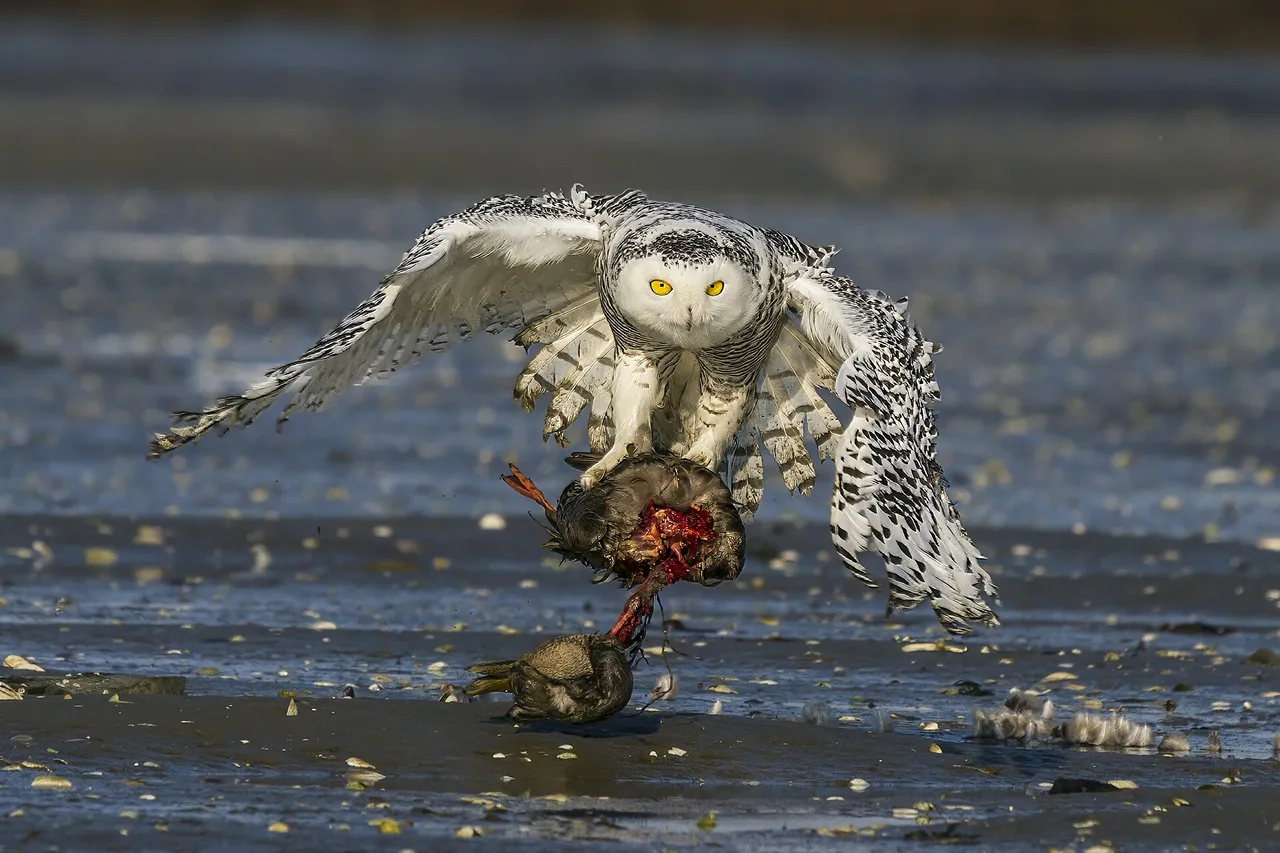
Walt Disney wanted the animation to be as realistic as possible, so he set up a small zoo at the studio. The artists studied two live fawns, named Bambi and Faline, to capture their exact movements. They also kept rabbits, skunks, and owls on site for inspiration.
Pick one
Animators initially modeled Aladdin after Michael J. Fox, but they felt the character looked too young and cute for a romantic lead. They switched to Tom Cruise, borrowing his confident smile, hair, and athletic build to make Aladdin more of a dashing hero. They also looked at MC Hammer's baggy pants to design Aladdin's signature trousers.
Pick one
Lilo & Stitch features lush, soft backgrounds painted with watercolors. Disney had largely stopped using this technique after the early 1940s, when it was used for films like Dumbo. The filmmakers chose watercolors to give the Hawaiian setting a warm, storybook feel and to stay within a tight budget, which forced them to simplify the visual style.
Pick one
Neuschwanstein Castle in Bavaria, Germany, served as the primary inspiration for Sleeping Beauty Castle. The 19th-century castle, built for King Ludwig II, is famous for its fairy-tale towers and turrets, and it has inspired storybook castles all over the world.
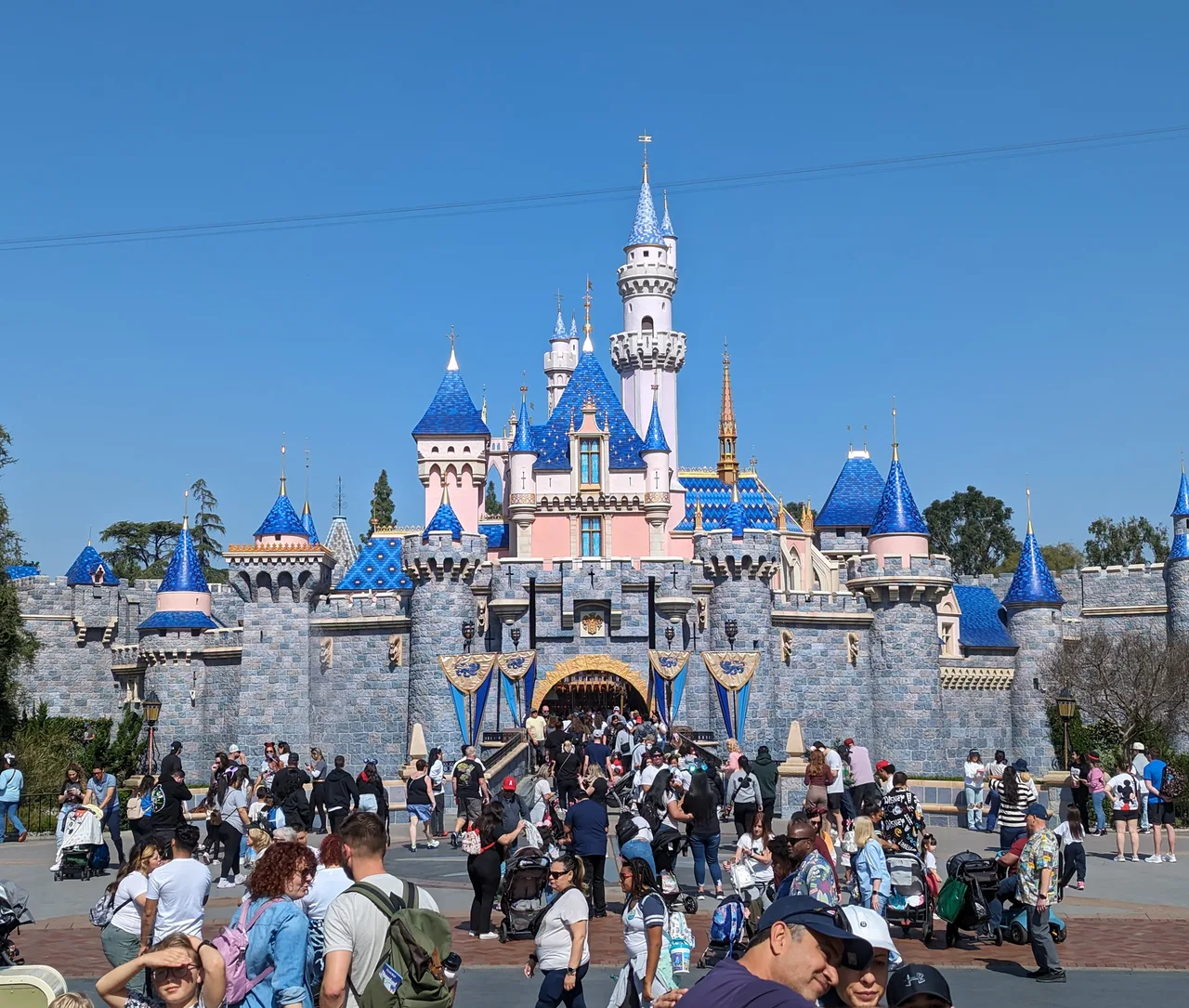
Photo: Parksfan1955, Wikimedia Commons, CC0.


Paste the code into your page. The player fits itself in, and every vote counts in Votur.
On WordPress, Ghost or Squarespace? Just paste the link of this page into your post.
This is how it looks
Also fun