Get app
 Photo: Jorge Franganillo from Barcelona, Spain, Wikimedia Commons, CC BY 2.0.
Discover fascinating facts about Latvia, from its vibrant capital to its ancient traditions. Test your knowledge of this beautiful Baltic nation with these intriguing questions!
Latvia Curious 0–4 · Latvia Explorer 5–8 · Latvia Insider 9–10
Pick one

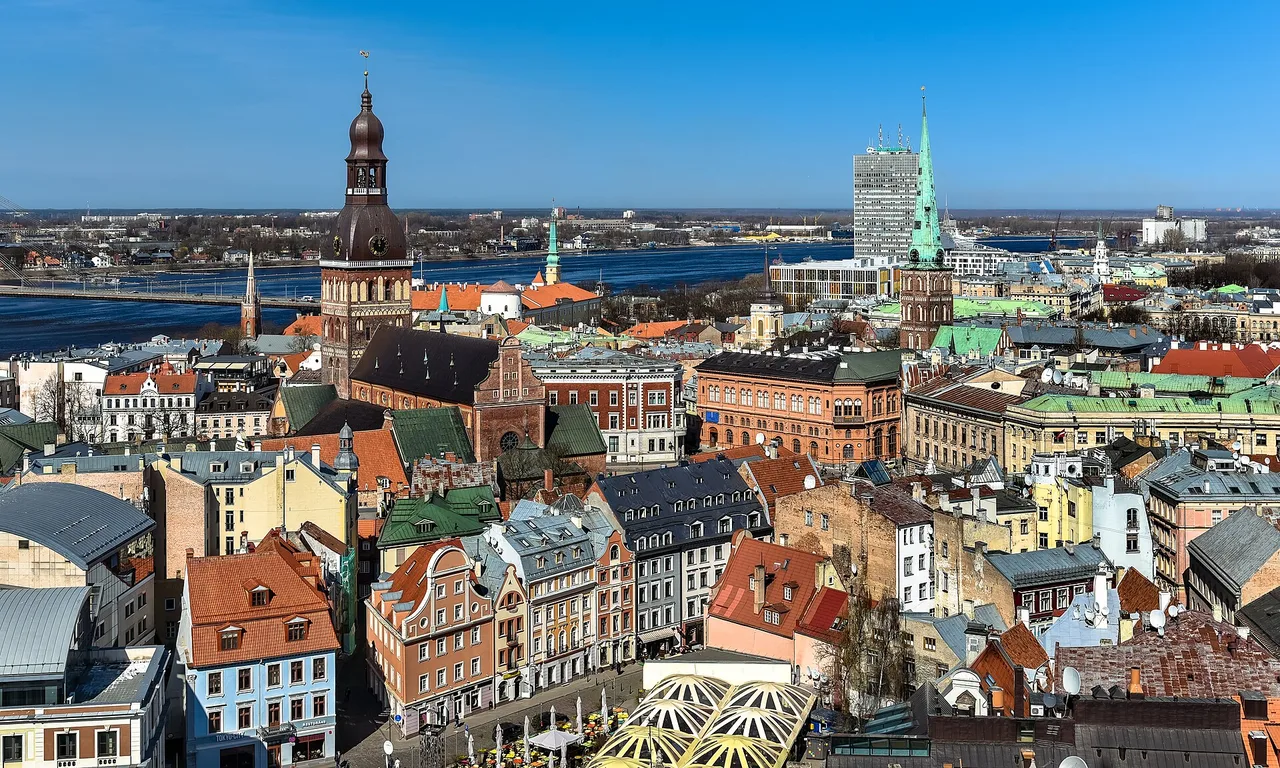
Riga is not only the capital but also the largest city in the Baltic states, boasting an impressive collection of over 800 Art Nouveau buildings. Its historic center is a UNESCO World Heritage site, showcasing stunning examples of this decorative architectural style from the late 19th and early 20th centuries.
Photo: Jorge Franganillo from Barcelona, Spain, Wikimedia Commons, CC BY 2.0.
Pick one
Latvia officially adopted the Euro on January 1, 2014, becoming the 18th member state of the Eurozone. Before this, its national currency was the Latvian Lats, which had been in circulation since 1993, following the country's regained independence. The transition involved a smooth exchange process for citizens.

Photo: The RedBurn, Wikimedia Commons, ECB decisions ECB/2003/4 and ECB/2003/5.
Pick one
Latvian is the official state language of Latvia and belongs to the Baltic branch of the Indo-European language family. It is distinct from Slavic and Germanic languages, preserving ancient linguistic features. Its closest living relative is Lithuanian, though they are not mutually intelligible, having evolved separately for centuries.
Pick one
Riga is world-renowned for its exceptional concentration of Art Nouveau architecture, especially in the so-called 'Quiet Centre' and along Alberta Street. These elaborate buildings, characterized by their ornamental facades, intricate details, and organic motifs, were largely constructed during the city's rapid growth in the late 19th and early 20th centuries, reflecting the popular style of the era.
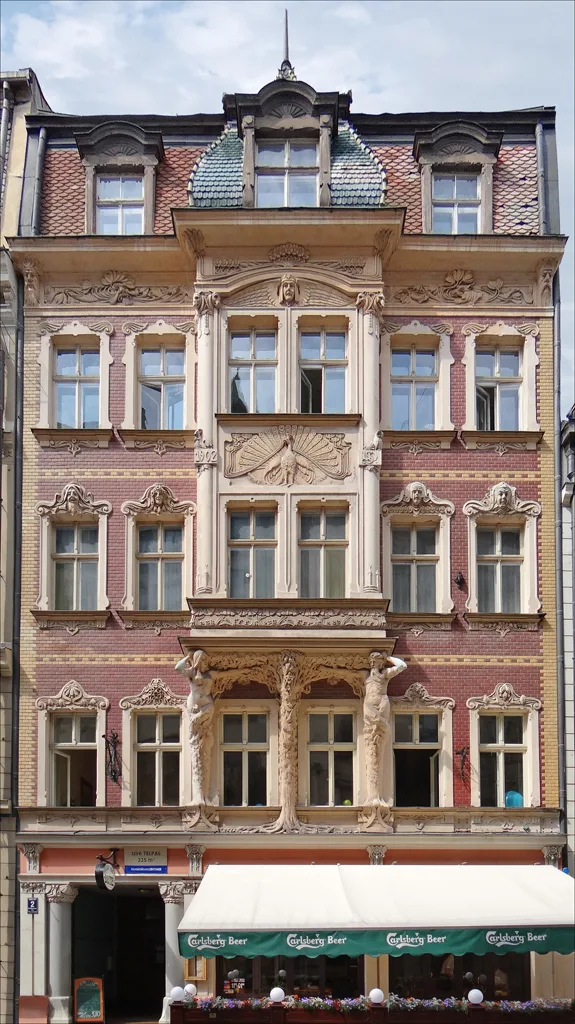
Photo: Jean-Pierre Dalbéra from Paris, France, Wikimedia Commons, CC BY 2.0.
Pick one
Skābeņu zupa, or sorrel soup, is a beloved traditional Latvian dish, particularly popular in spring and summer. Its distinctive sour flavor comes from sorrel leaves, often combined with potatoes, eggs, and served with a dollop of sour cream. While borscht is common in Eastern Europe, sorrel soup holds a special place in Latvian culinary heritage.
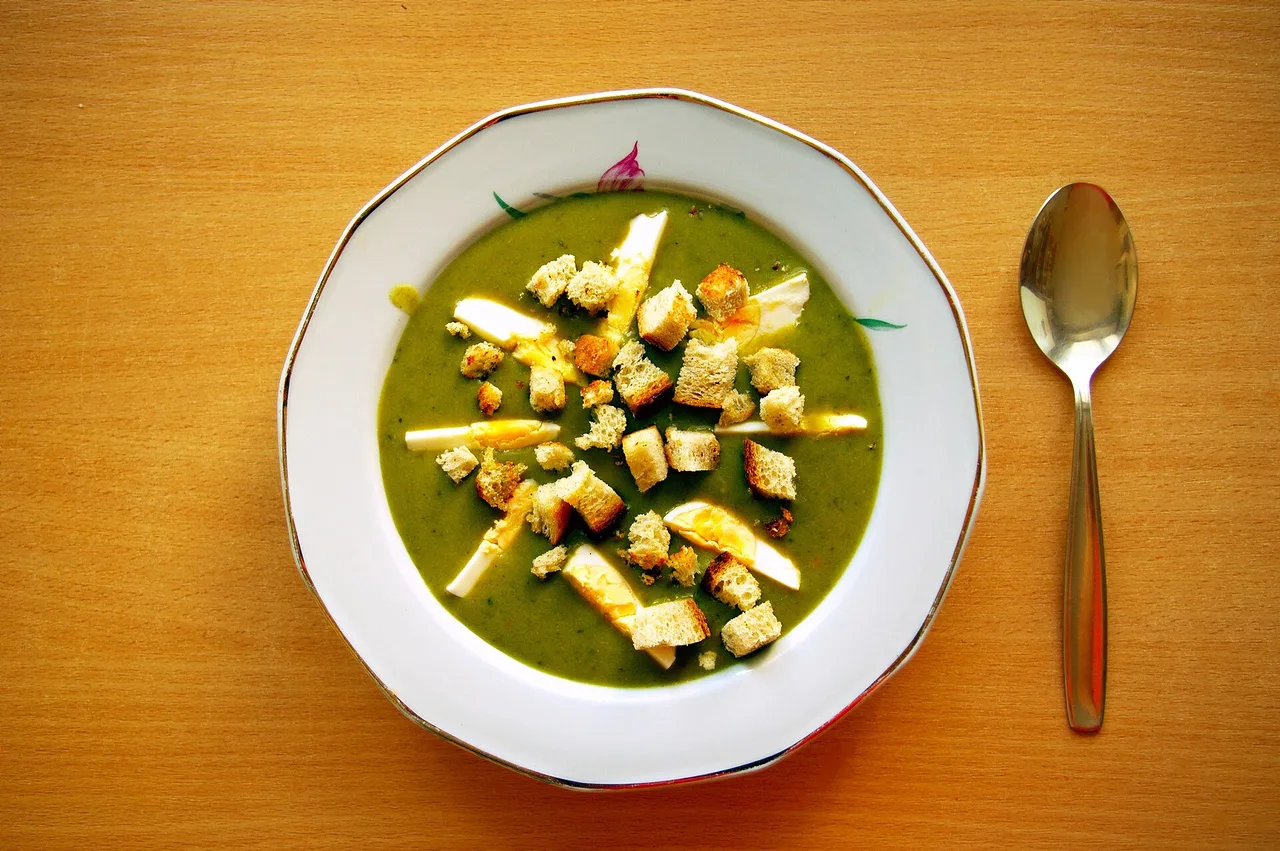
Photo: Michał Sulik, Wikimedia Commons, CC BY 3.0.
Pick one
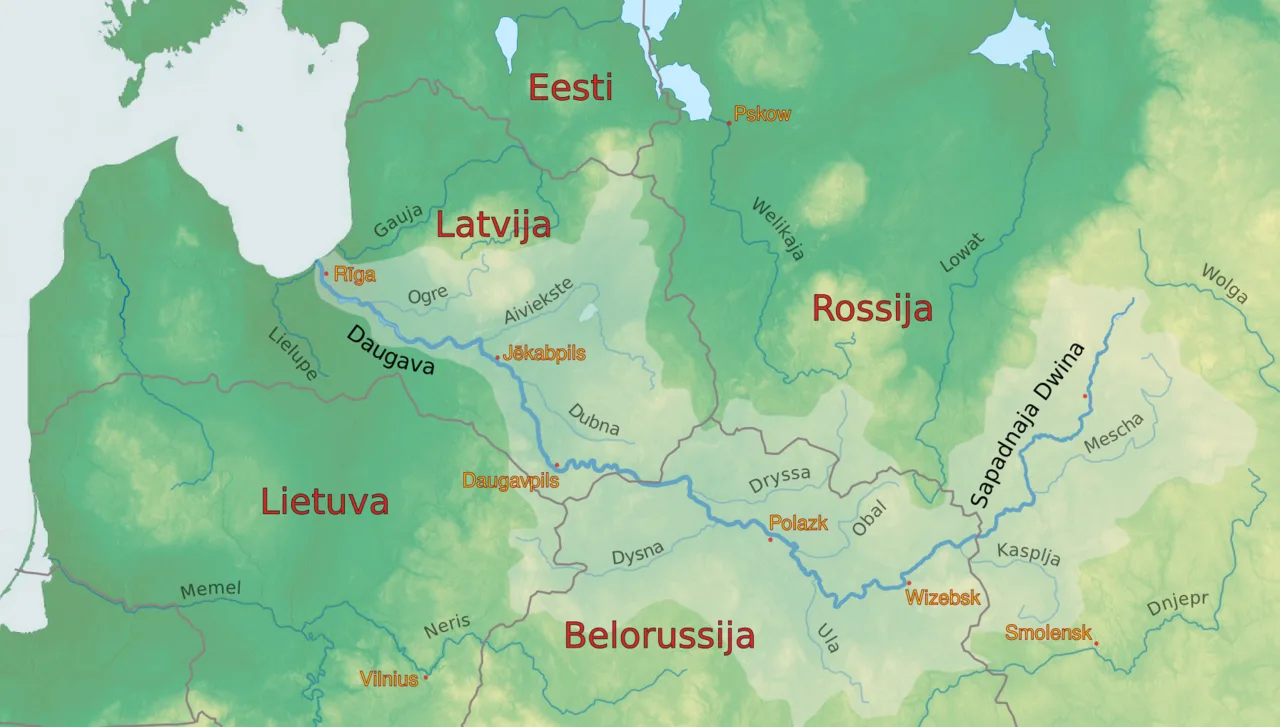
The Daugava, also called the Western Dvina, is about 1,020 km long, and about 352 km of it flow through Latvia. It starts in Russia and flows through Belarus and Latvia into the Gulf of Riga, and for centuries it was a key trade route that helped Riga grow.
Photo: Karlis, Wikimedia Commons, CC BY-SA 3.0.
Pick one
Gauja National Park, established in 1973, is Latvia's largest and oldest national park, encompassing a diverse landscape along the Gauja River valley. It's renowned for its ancient forests, striking sandstone cliffs, and numerous caves, often earning it the nickname 'Latvian Switzerland'. The park is a haven for hiking, canoeing, and exploring historical castles.
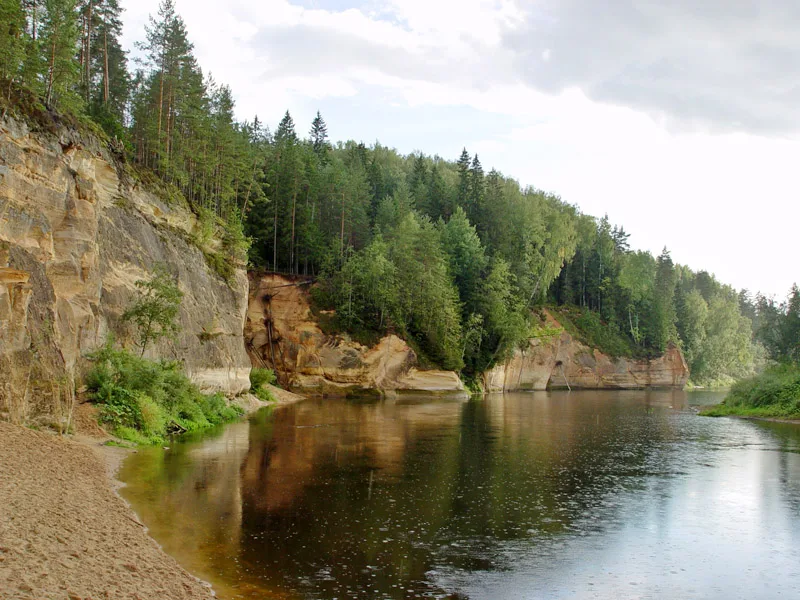
Photo: Gatis Pāvils, Wikimedia Commons, CC BY-SA 3.0.
Pick one
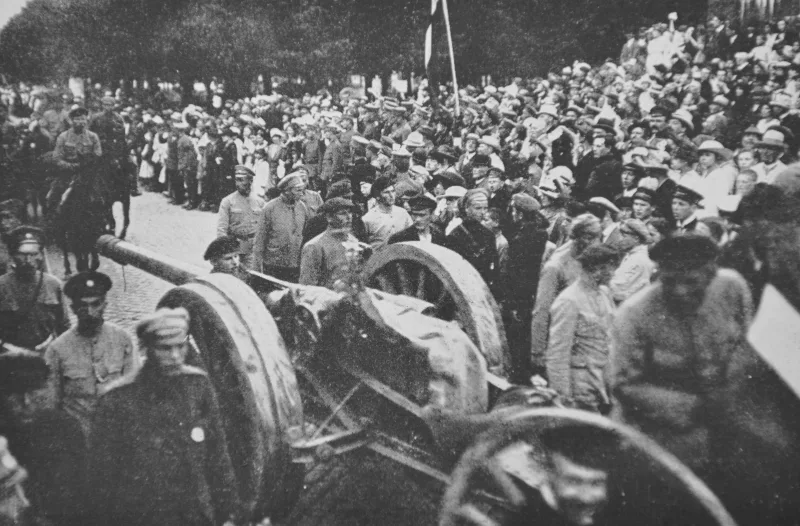
Latvia declared its independence on November 18, 1918, immediately after the end of World War I and the collapse of the Russian Empire. This declaration was a pivotal moment, though it was followed by the Latvian War of Independence (1918-1920) against both Soviet Russian and German forces to secure its sovereignty. International recognition followed shortly thereafter.
Photo: Wikimedia Commons, Public domain.
Pick one
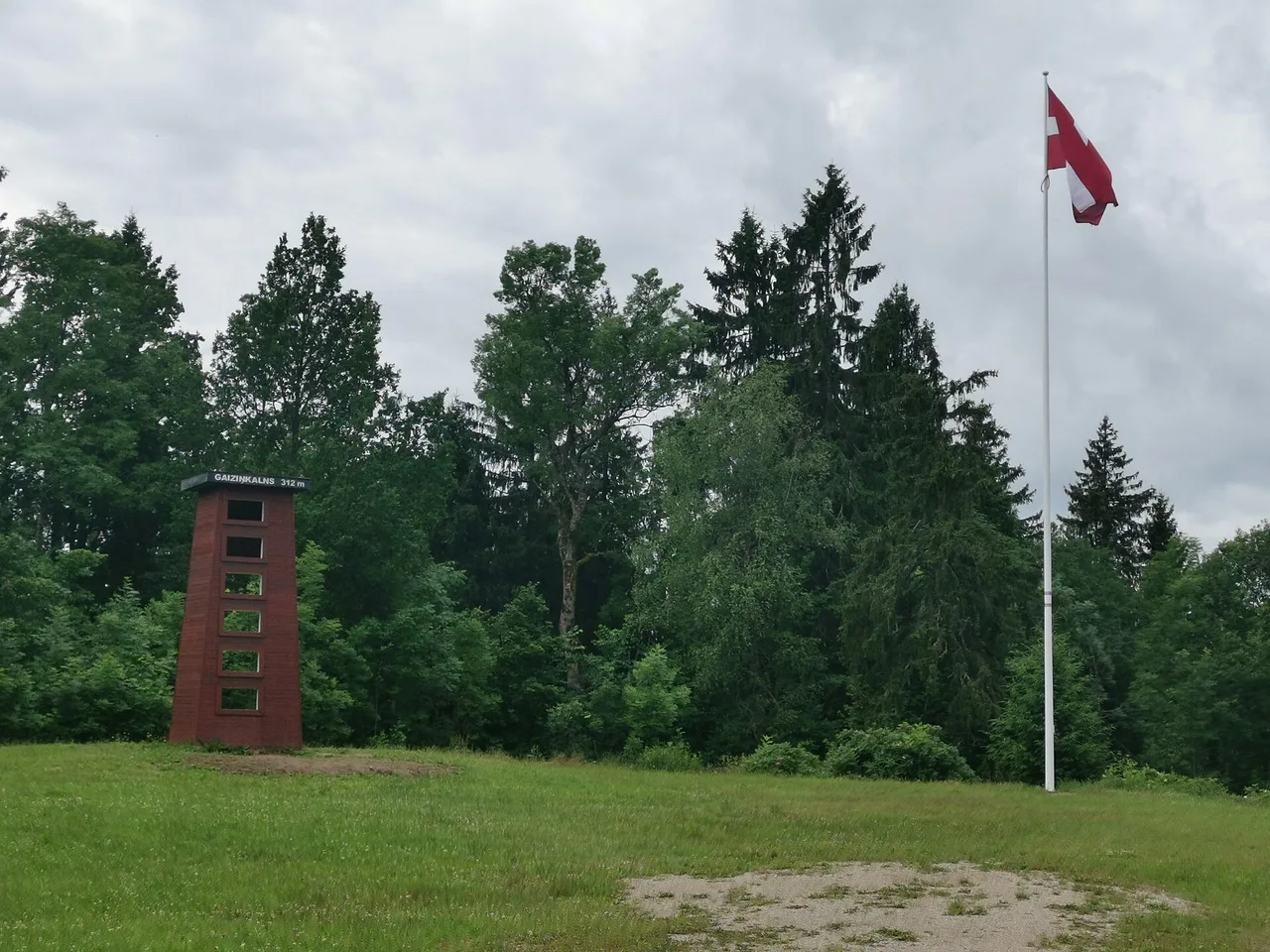
Gaiziņkalns is the highest point in Latvia, located in the Vidzeme Upland. While not a towering mountain by global standards, its 312-meter elevation offers panoramic views of the surrounding rolling hills and forests. It is a popular destination for nature enthusiasts and winter sports, with a small ski resort operating during the colder months.
Photo: LakyLora, Wikimedia Commons, CC BY-SA 4.0.
Pick one
Amber is a significant natural resource found along Latvia's Baltic Sea coast, especially after storms. This fossilized tree resin has been highly prized for millennia, used in jewelry and folk medicine. Intriguingly, some pieces of Baltic amber contain perfectly preserved insects or plant matter, offering a unique window into ancient ecosystems.
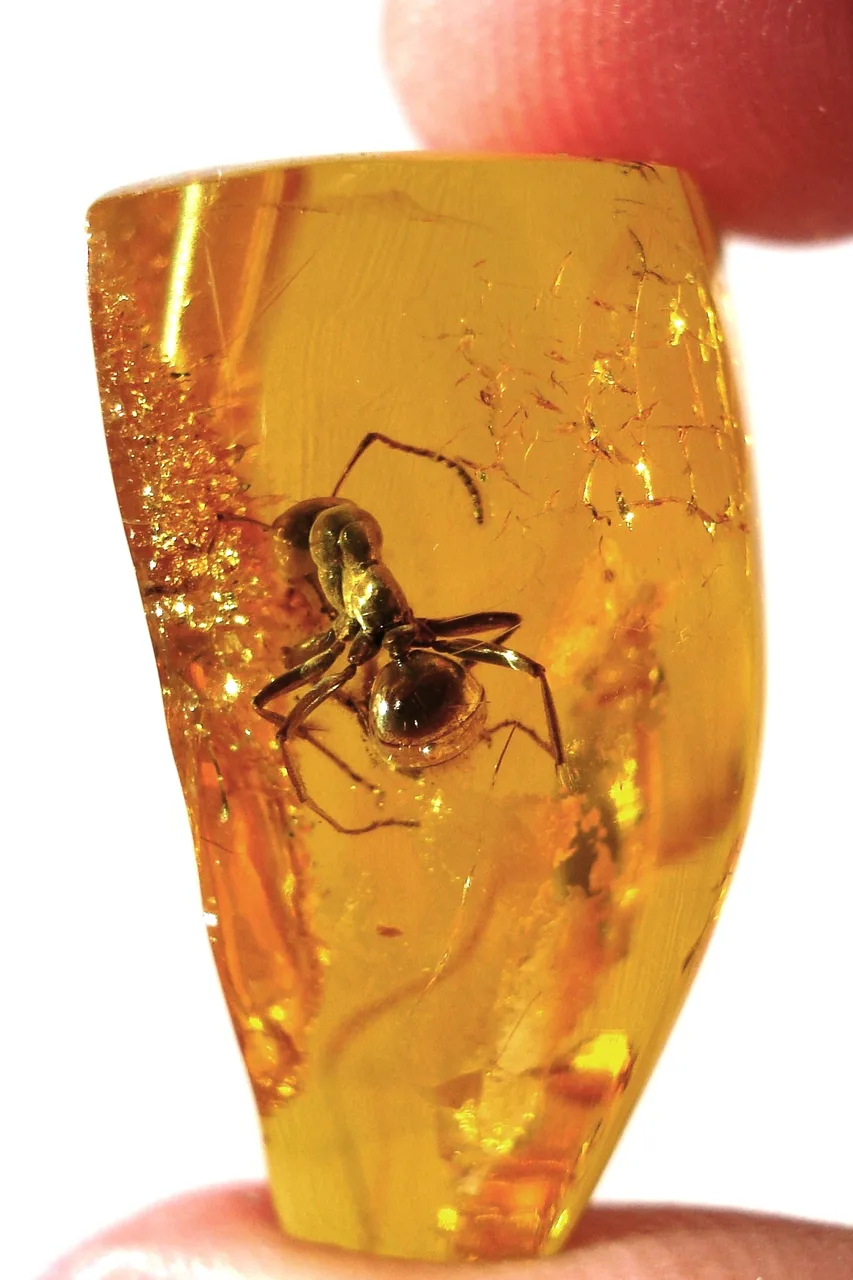
Photo: Anders L. Damgaard - www.amber-inclusions.dk - Baltic-amber-beetle, Wikimedia Commons, CC BY-SA 4.0.


Paste the code into your page. The player fits itself in, and every vote counts in Votur.
On WordPress, Ghost or Squarespace? Just paste the link of this page into your post.
This is how it looks
Also fun