Get app
 Photo: Africany, Wikimedia Commons, CC0.
Test your knowledge on the Republic of the Congo! Discover its rich history, vibrant culture, unique fashion, and breathtaking natural wonders.
Friendly Explorer 0–4 · River Navigator 5–8 · Honorary Congolese 9–10
Pick one

The Republic of the Congo gained independence from France on August 15, 1960. To this day, French remains the official language of the country, used widely in government, media, and education alongside local languages like Lingala and Kituba. Independence Day is celebrated annually with colorful parades and music.
Pick one
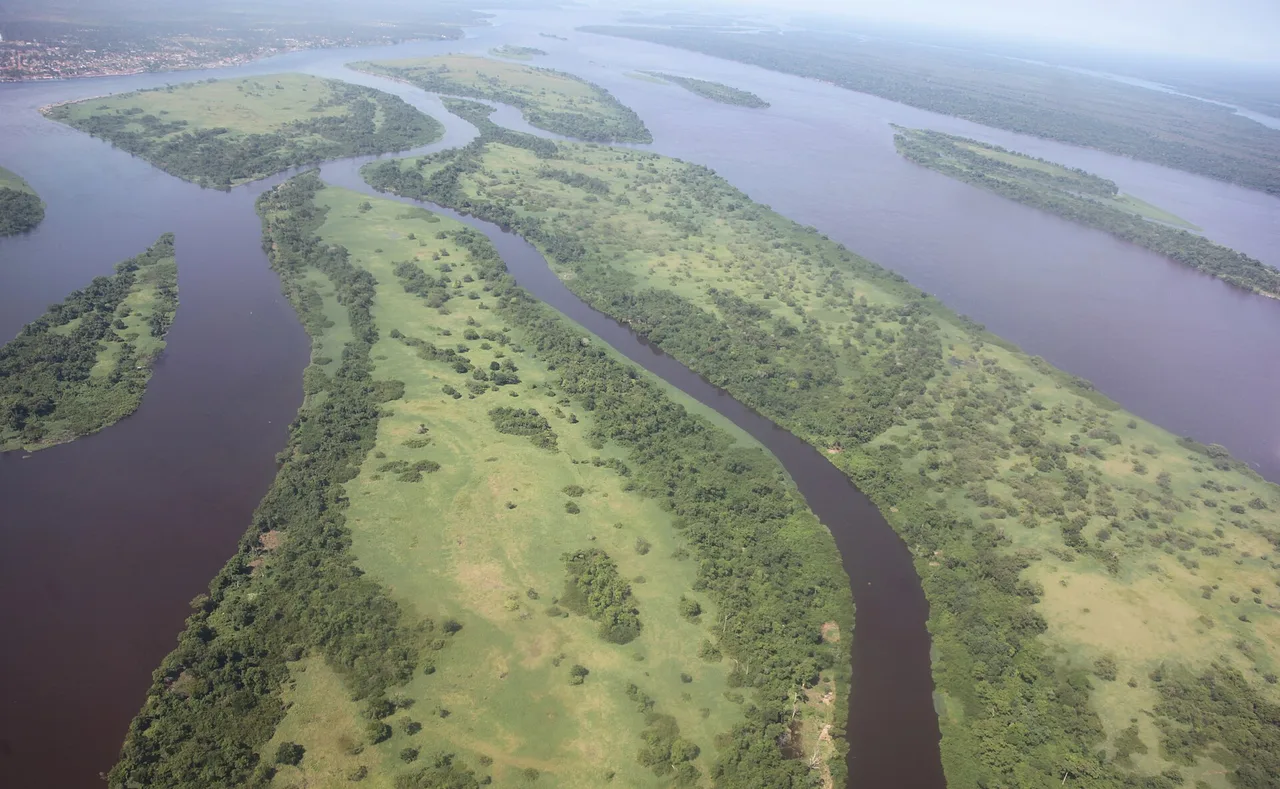
Kinshasa and Brazzaville are the two closest capital cities in the entire world, excluding Rome and Vatican City. They sit directly opposite each other across the massive Congo River, which is the second-longest river in Africa. Residents of both cities can easily see each other's skylines on any clear day.
Photo: MONUSCO/Myriam Asmani, Wikimedia Commons, CC BY-SA 2.0.
Pick one
The Republic of the Congo uses the Central African CFA franc, shared with five other independent states in the region. Although pegged to the Euro, this currency has its own unique banknotes and coins distinct from those used in West Africa. The notes feature beautiful illustrations of local wildlife and culture.
Pick one
In 1940, Brazzaville became the official capital of Free France under Charles de Gaulle. The historic Brazzaville Conference of 1944 held here redefined the relationship between France and its African colonies, setting the stage for eventual independence. De Gaulle is still remembered fondly in several local monuments.
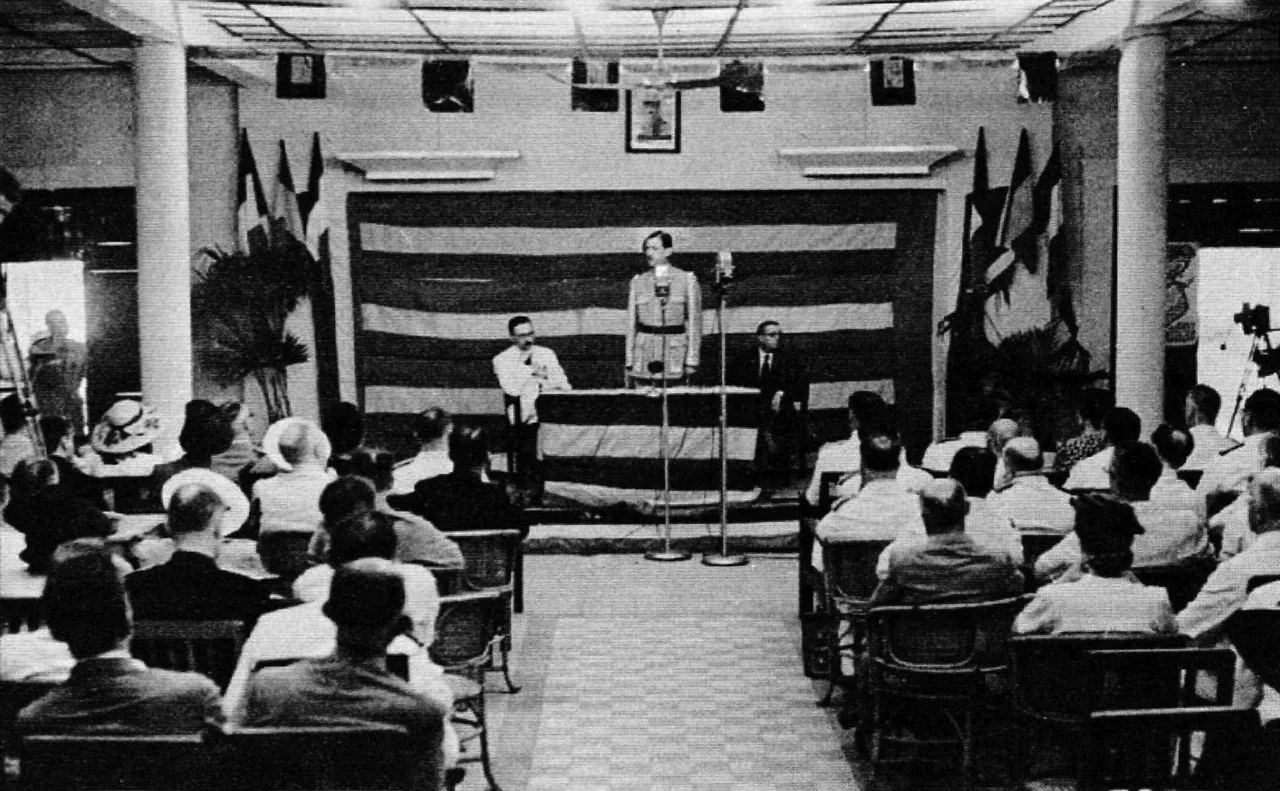
Photo: unknown, Service de Presse et d'Information. France., Wikimedia Commons, Public domain.
Pick one
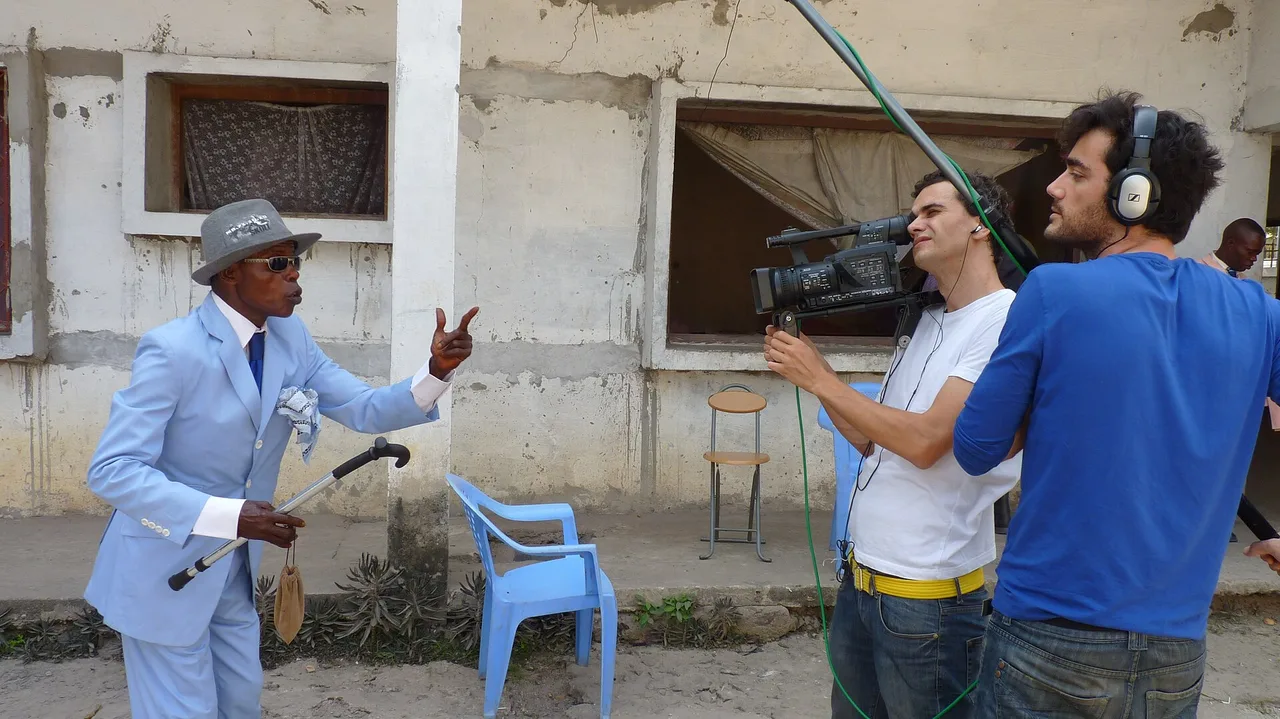
Members of this unique subculture are known as Sapeurs. They treat fashion as a high art, wearing expensive, colorful designer suits and accessories to spread joy and elegance through the streets of Brazzaville. The movement began as a form of peaceful resistance against colonial dress codes.
Photo: Enric Bach, Wikimedia Commons, CC BY 2.0.
Pick one
Chikwangue is a beloved staple food made from fermented cassava dough. Wrapped carefully in banana or Marantaceae leaves before boiling, it has a dense, chewy texture and a slightly sour taste that pairs wonderfully with grilled fish or rich peanut sauces. It can keep for several days without refrigeration.
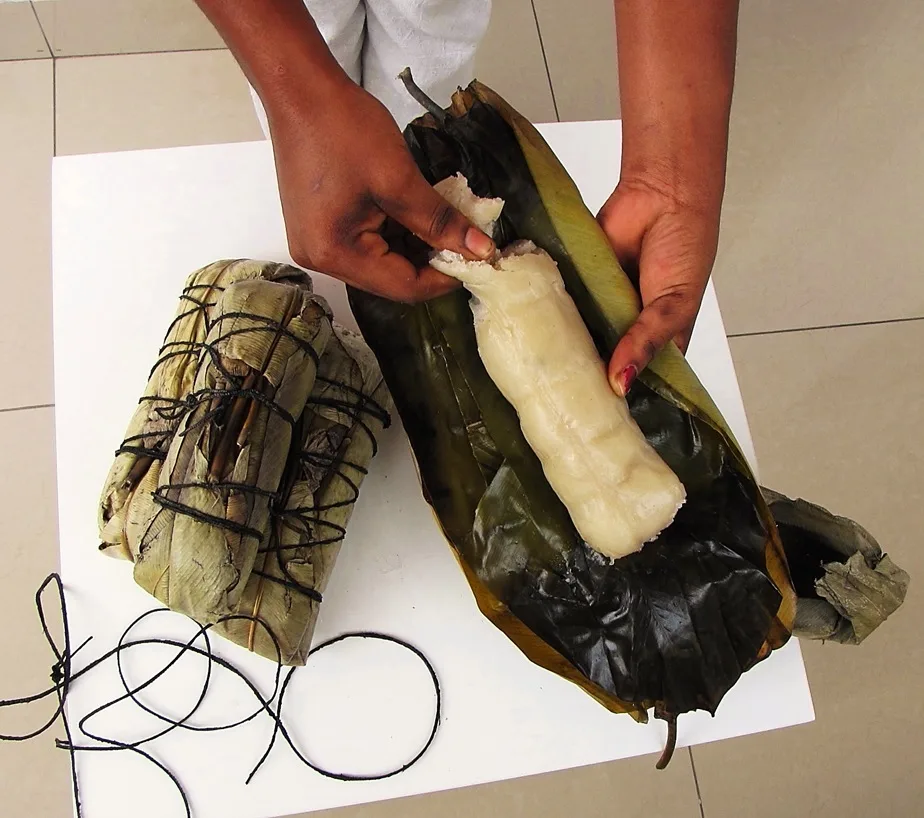
Photo: T.K. Naliaka, Wikimedia Commons, CC BY-SA 4.0.
Pick one
Lake Télé is located in the middle of a vast swamp forest. For decades, explorers have traveled to this remote, shallow lake searching for the legendary Mokele-mbembe, a dinosaur-like creature said by locals to inhabit the muddy waters. The lake's perfectly round shape remains a geological mystery.
Pick one
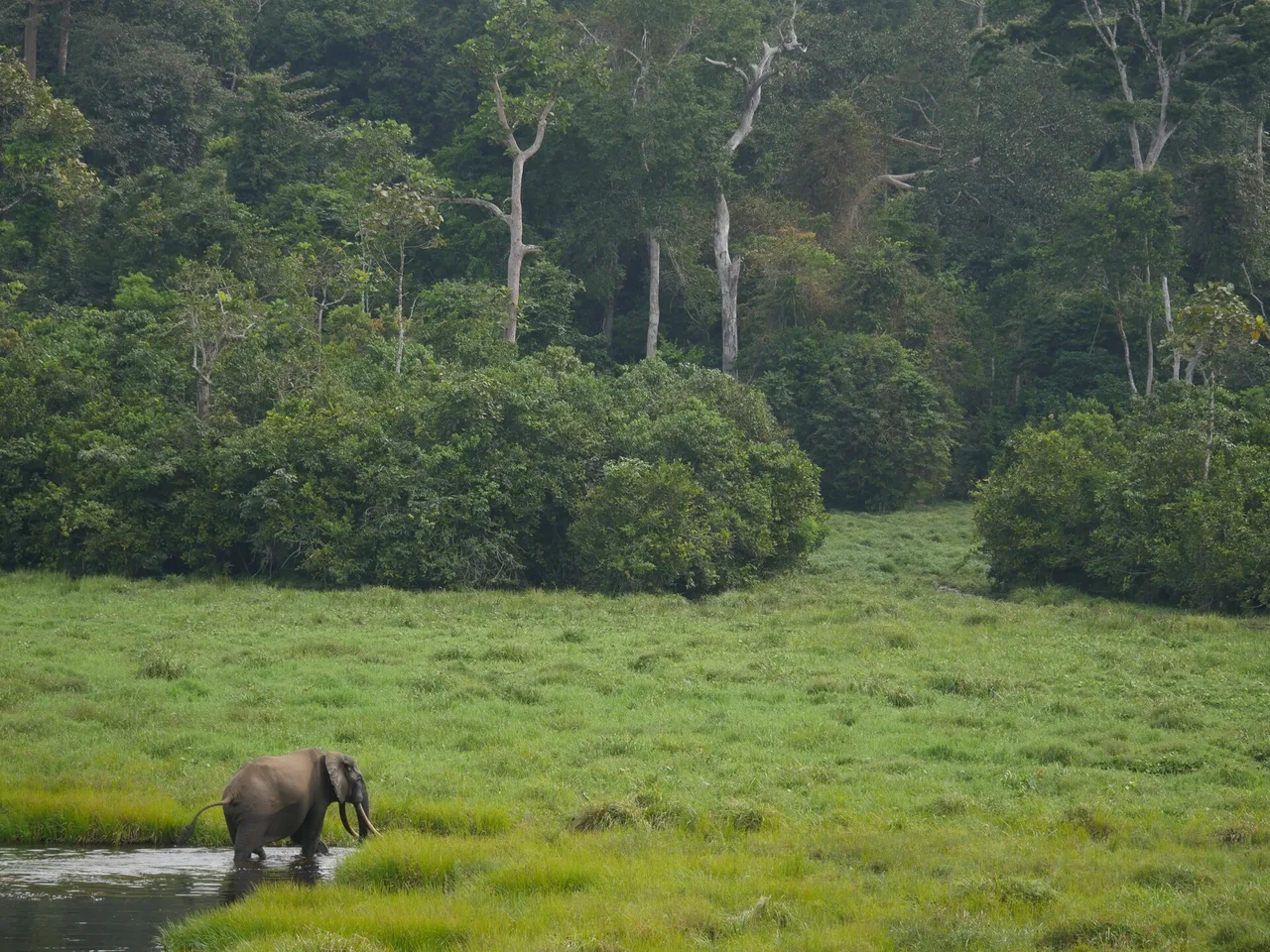
Nouabalé-Ndoki National Park was established in 1993 and forms part of a multi-country UNESCO World Heritage site. It is a crucial sanctuary for wild chimpanzees, forest elephants, and western lowland gorillas, remaining largely untouched by human exploitation. Remarkably, some animals here had never seen humans before researchers arrived.
Photo: Matt Muir, Wikimedia Commons, CC BY 4.0.
Pick one
Alain Mabanckou is one of the best-known French-language writers from Africa. His lively, funny novels tell of life in Congo and among Africans in France, and his 'Memoirs of a Porcupine' won France's Prix Renaudot in 2006. He teaches literature at UCLA in the United States.
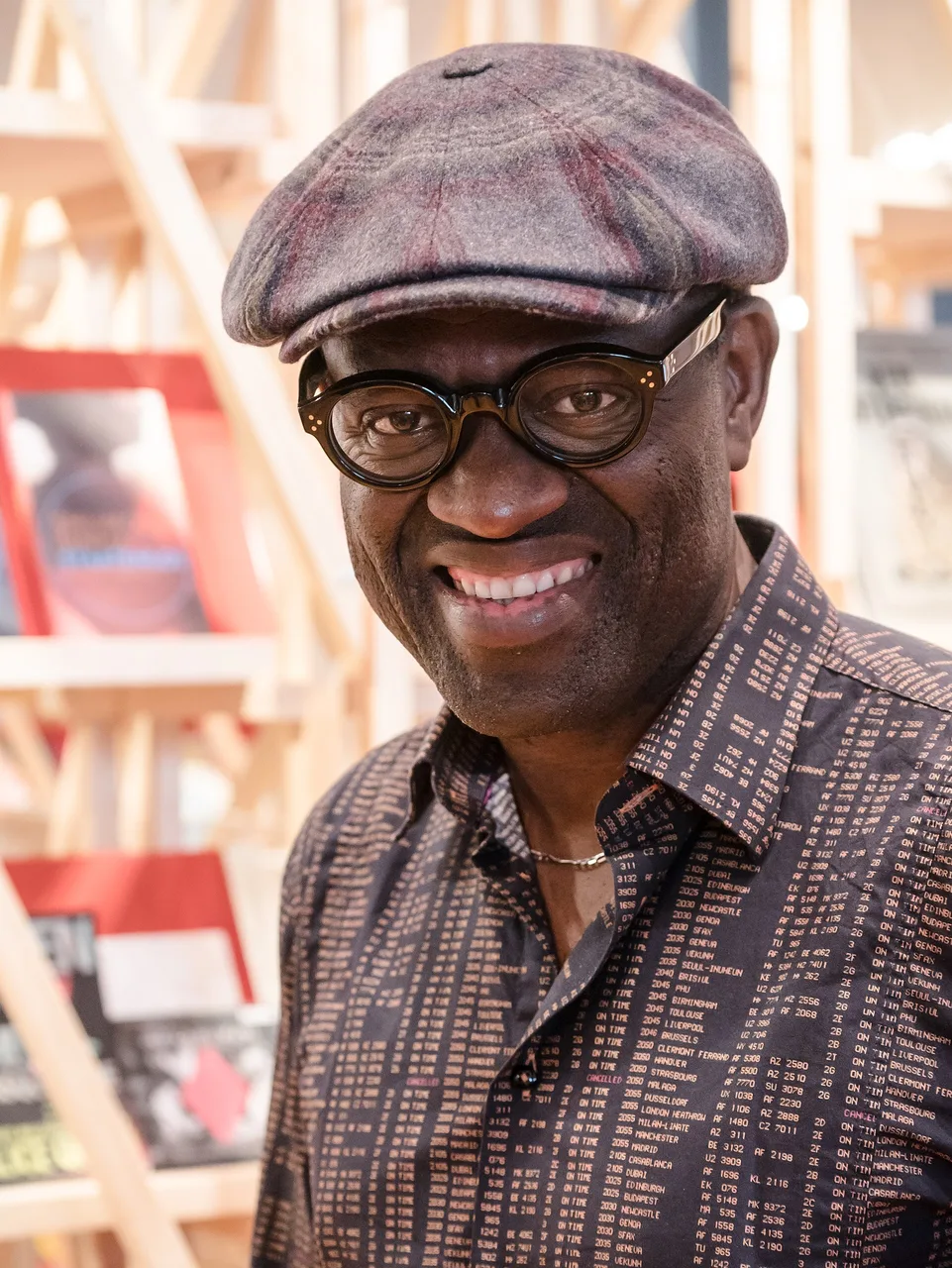
Photo: Harald Krichel, Wikimedia Commons, CC BY-SA 4.0.
Pick one
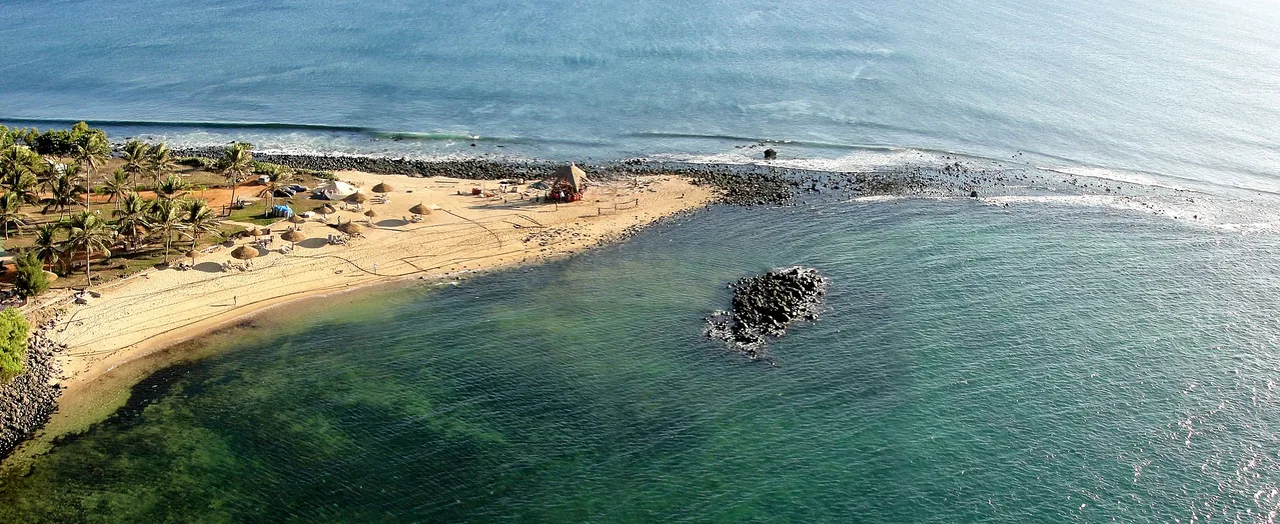
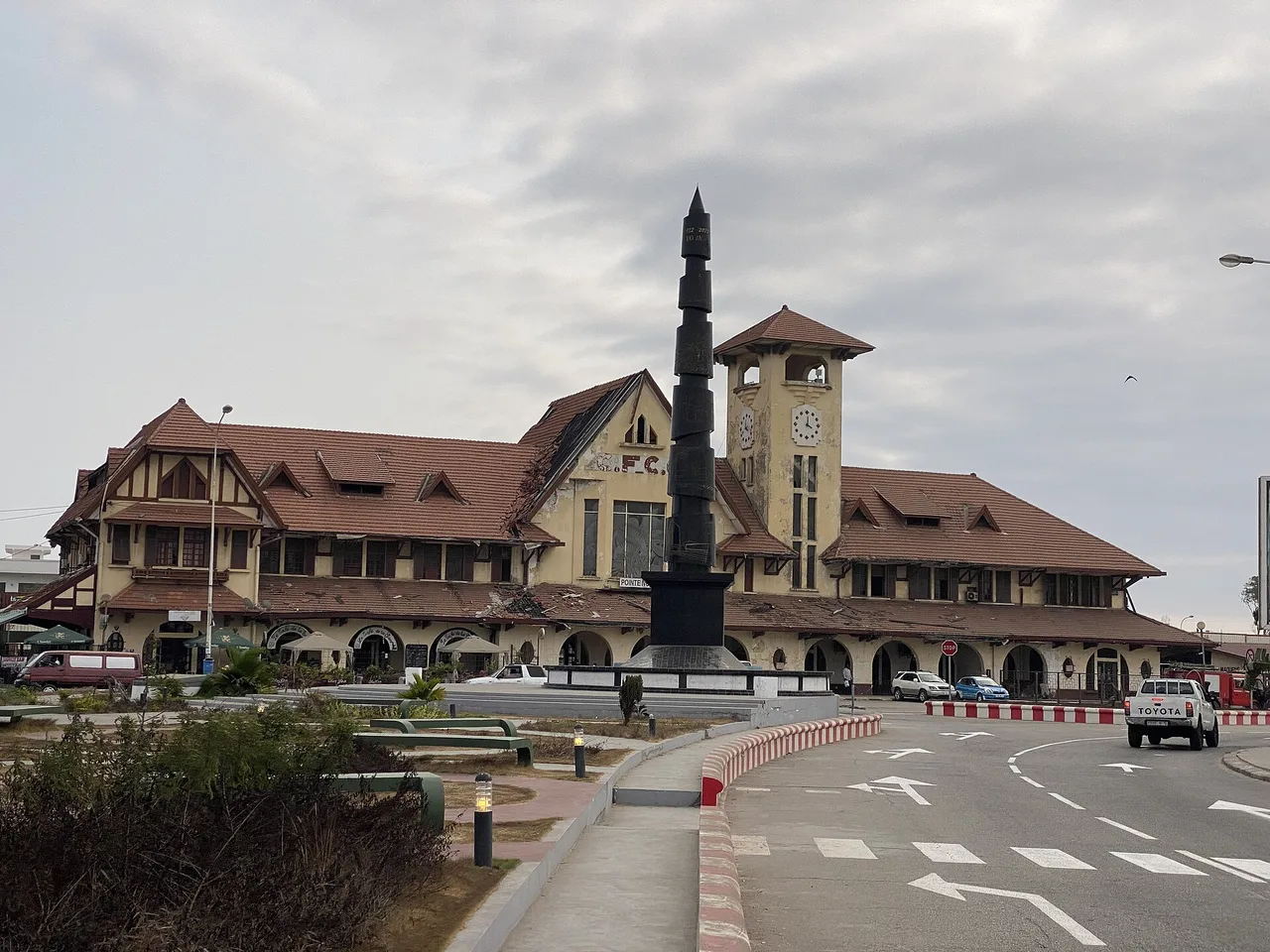
Pointe-Noire is the second-largest city in the country and its maritime gateway. It handles almost all of the nation's maritime trade and serves as the center of the Congolese petroleum industry, which is a major driver of the national economy. The city is also famous for its beautiful, wild Atlantic beaches.
Photo: ArnoBOUJIKA, Wikimedia Commons, CC BY 4.0.


Paste the code into your page. The player fits itself in, and every vote counts in Votur.
On WordPress, Ghost or Squarespace? Just paste the link of this page into your post.
This is how it looks
Also fun