 Get app
Step onto the global stage! Explore the surprising stories, ancient roots, and quirky moments behind the world's greatest sports festival.
Torchbearer in Training 0–4 · Dedicated Sports Fan 5–8 · Olympic Historian 9–10

Tap the right answer
By tradition, Greece always enters the stadium first to honor its role as the birthplace of the ancient games. The other nations follow in alphabetical order of the host country's language, while the host nation itself enjoys the grand finale by marching in last.
Tap the right answer
The five rings represent Africa, the Americas, Asia, Europe, and Oceania. They are interlaced to show the unity of athletes from around the globe. The flag's colors (blue, yellow, black, green, and red, plus the white background) were chosen because every nation's flag at the time, in 1913, contained at least one of them.
Tap the right answer
Skateboarding made its highly anticipated debut at the Tokyo 2020 Games, showcasing both street and park disciplines. The event brought a youthful energy to the Olympics, with some of the youngest competitors in history taking home medals, including teenagers and even pre-teens.
Tap the right answer
From 1900 to 1920, tug of war was an official Olympic track and field event. Teams were often made up of athletic clubs, which meant a single country could win multiple medals in the same year. Great Britain and the USA were particularly dominant in this heavy-duty test of strength.
Tap the right answer
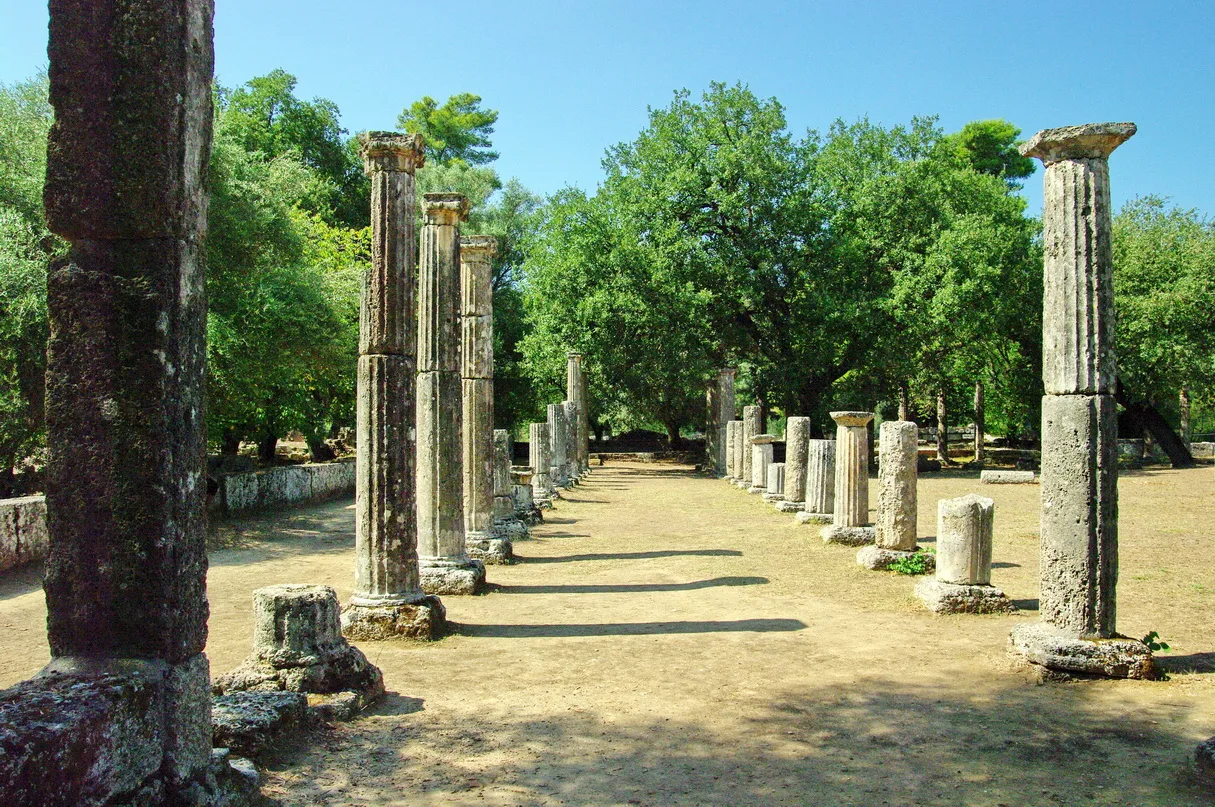
In the ancient games, winners did not get gold, silver, or bronze medals. Instead, they were crowned with a wreath made from the leaves of a sacred wild olive tree that grew near the temple of Zeus at Olympia. They also received great fame and free meals for life in their home cities.
Photo: Bgabel, Wikimedia Commons, CC BY-SA 3.0.
Tap the right answer
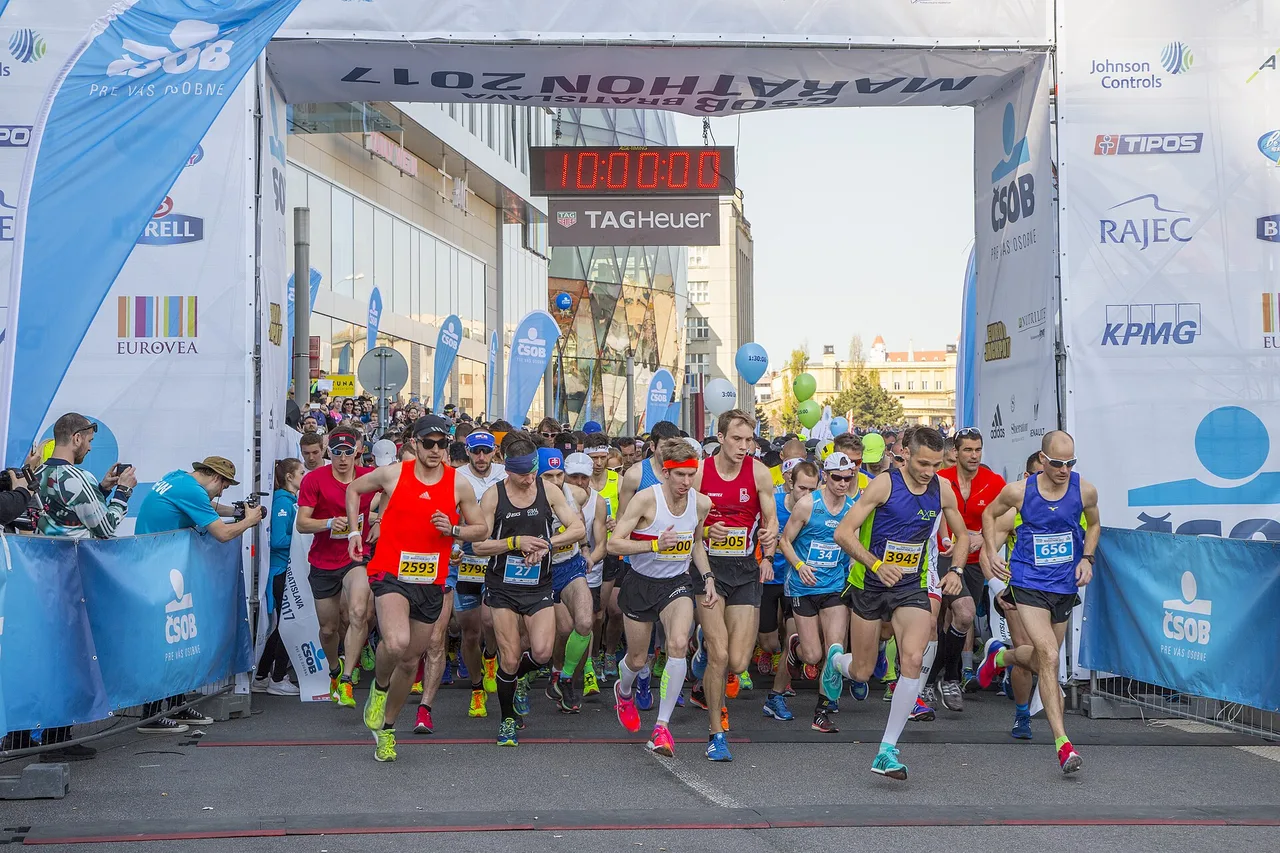
During the 1908 London Olympics, the marathon was extended slightly so it could start at Windsor Castle and finish right in front of the Royal Box at the White City Stadium. This specific distance was so popular that it became the official international standard for all marathons starting in 1921.
Photo: Bratislavská župa from Bratislava, Slovakia, Wikimedia Commons, CC BY 2.0.
Tap the right answer
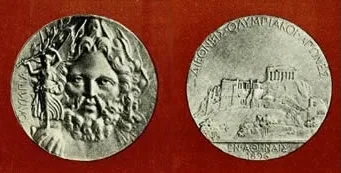
Olympic gold medals are actually made of sterling silver coated with a thin layer of pure gold. The last time the Olympics awarded solid gold medals was back in 1912. Today, regulations require that the gold medal must contain at least six grams of pure gold plating.
Photo: Wikimedia Commons, Public domain.
Tap the right answer
Melbourne hosted the 1956 Games, but Australia's strict quarantine laws required foreign horses to be isolated for six months before entry. To solve this, the equestrian events were held in Stockholm, Sweden, six months earlier. It is one of the few times Olympic events were split across two continents.
Tap the right answer
For several decades, the Olympics held juried art competitions. Between 1912 and 1948, medals were awarded in five categories: architecture, literature, music, painting, and sculpture. The only catch was that all submitted artworks had to be entirely inspired by sports.
Tap the right answer
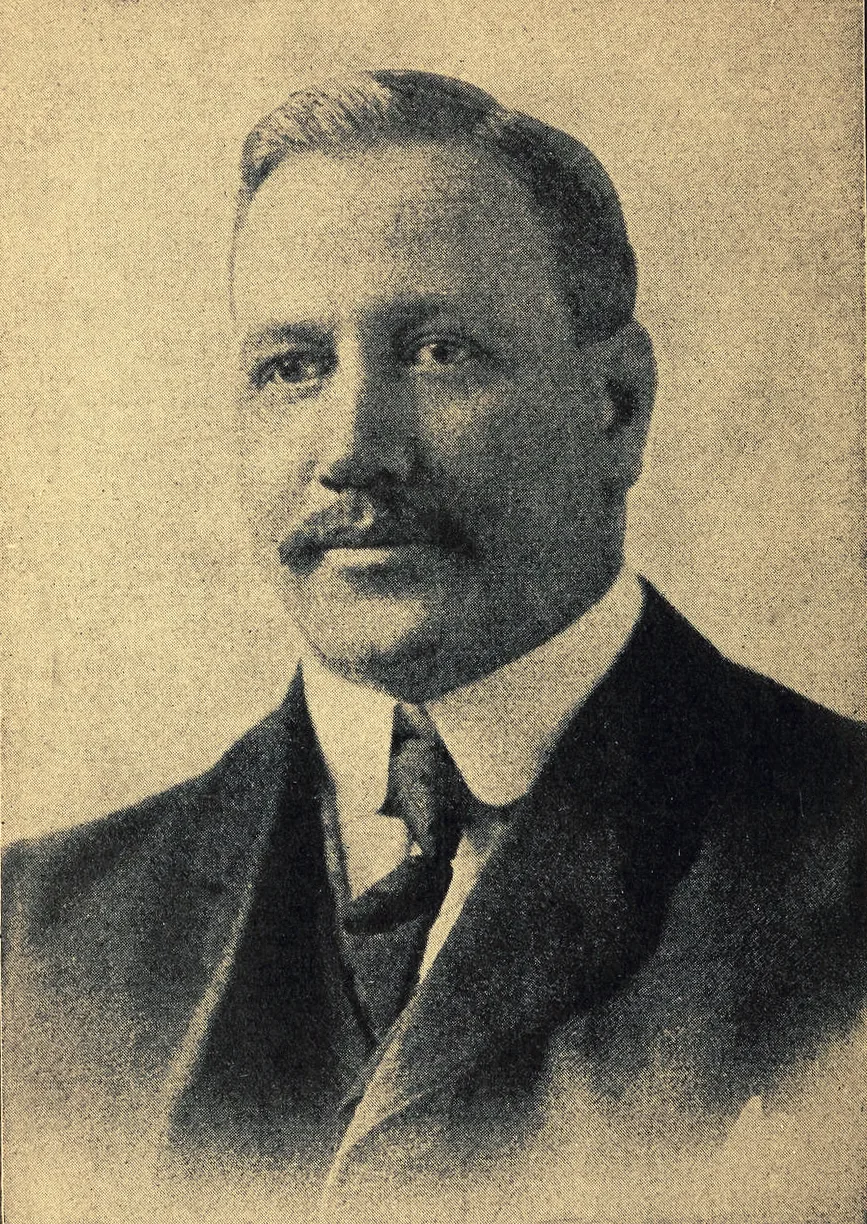
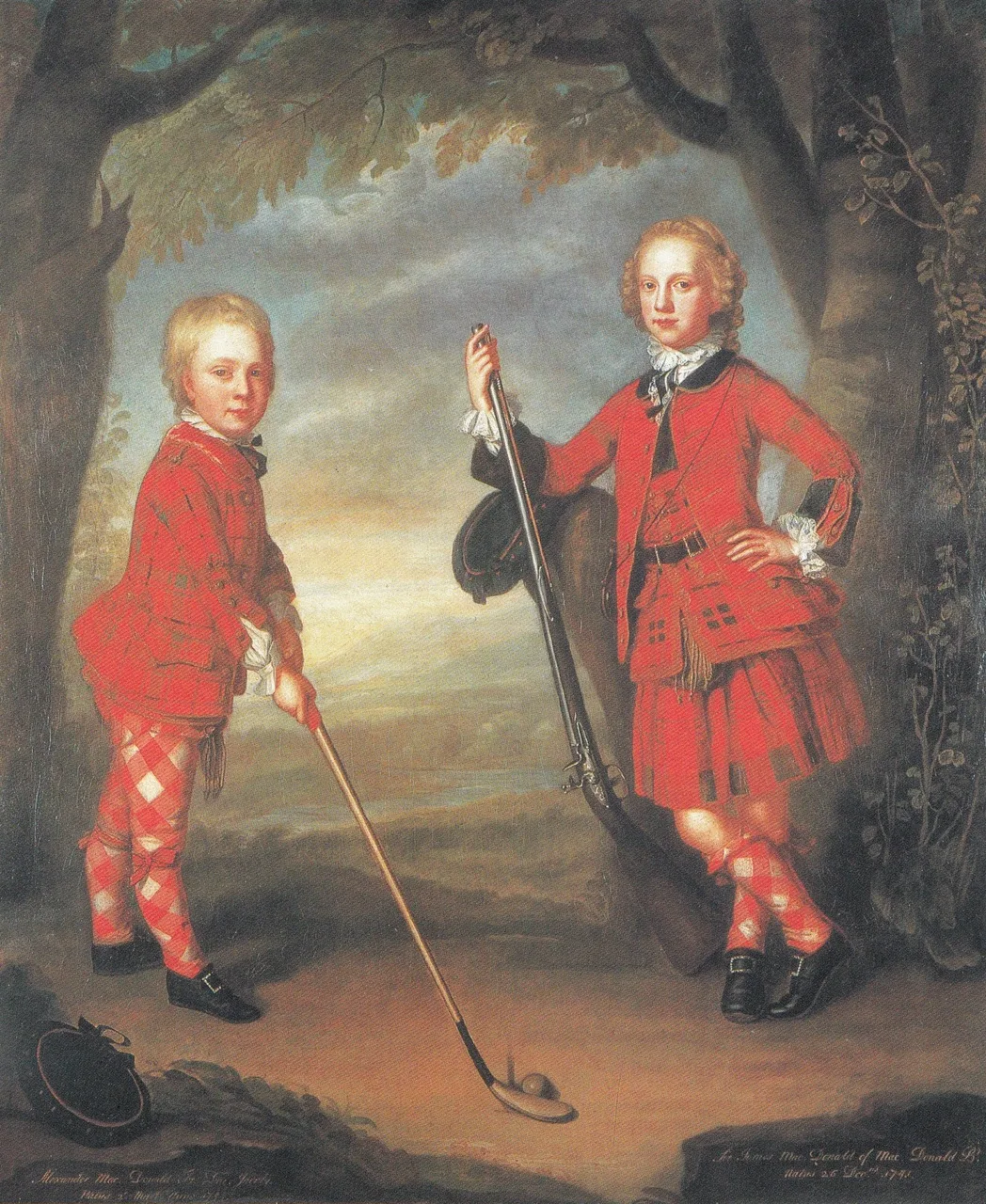
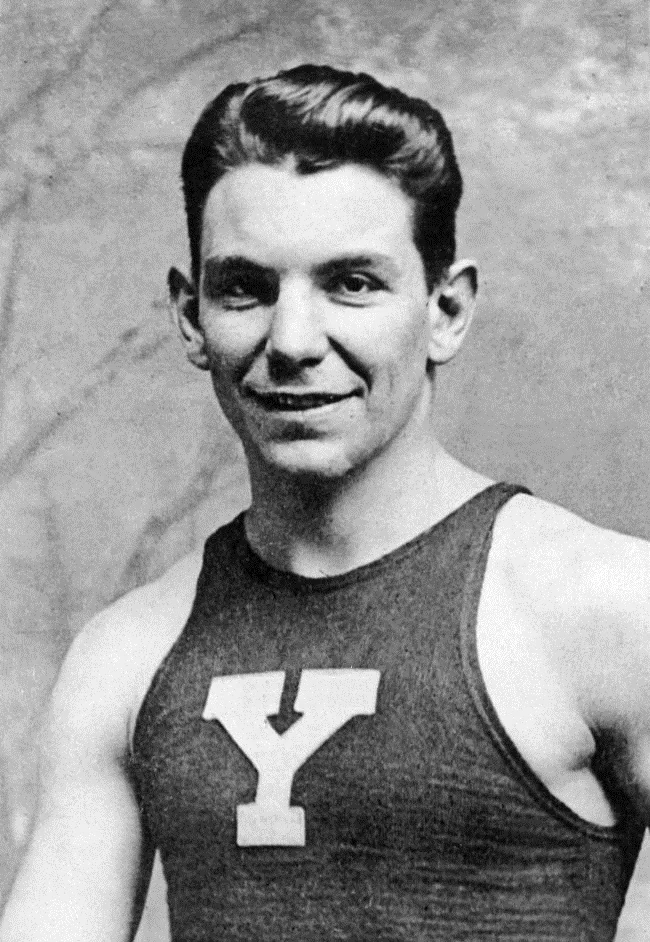
American athlete Eddie Eagan won a gold medal in light-heavyweight boxing at the 1920 Antwerp Summer Games. Twelve years later, he won gold as a member of the four-man bobsled team at the 1932 Lake Placid Winter Games, making him a unique multi-season champion.
Photo: Keystone-France, Wikimedia Commons, Public domain.


Want to make a quiz like this yourself? Do it on Votur, it's free.
Paste the code into your page. The player fits itself in, and every vote counts in Votur.
On WordPress, Ghost or Squarespace? Just paste the link of this page into your post.
This is how it looks
Also fun