 Get app
Step into the royal world of kings, queens, and clever strategies. Test your knowledge on the history, quirky records, and surprising facts behind the game of chess!
Pawn in Training 0–4 · Strategic Thinker 5–8 · Grandmaster Mind 9–10

Tap the right answer
Grandmaster is the highest title a chess player can earn, awarded by the world chess federation FIDE. To get it, a player needs a very high rating and several excellent tournament results against other strong players. Once earned, the title is kept for life.
Tap the right answer
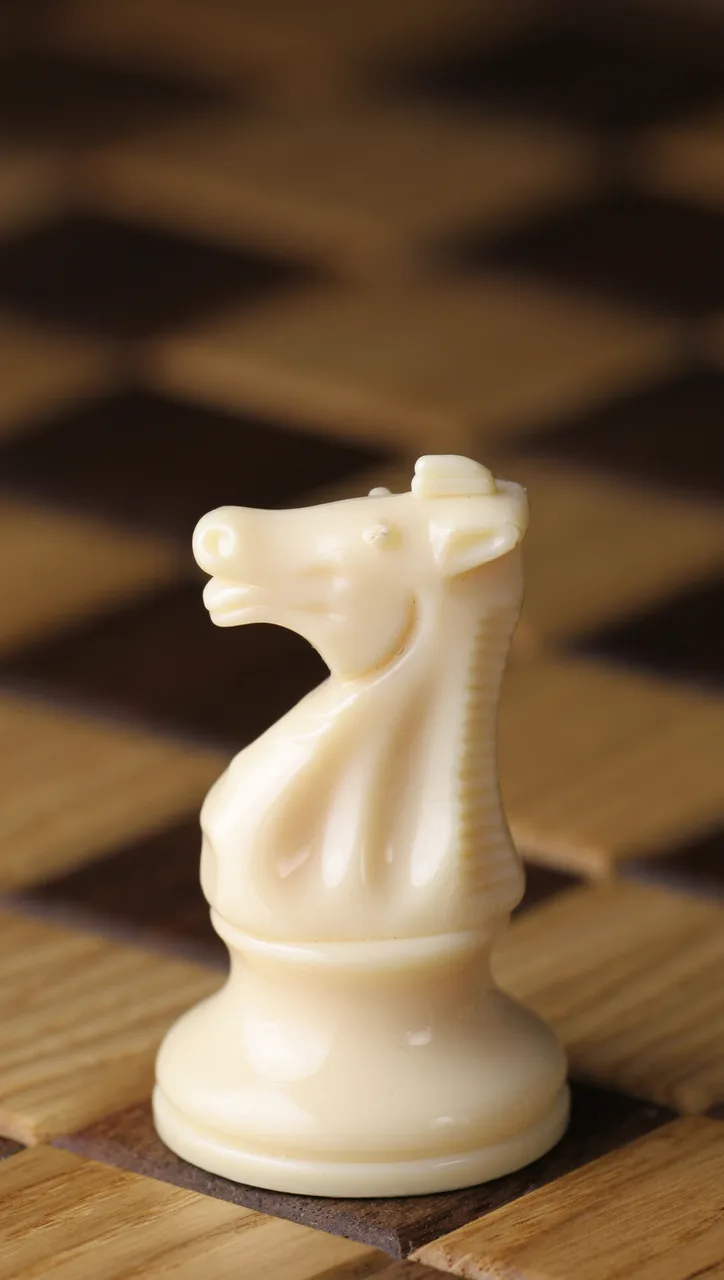
The knight moves in an 'L' shape and is the only piece that can jump over occupied squares. Because of this unique ability, a knight can be highly effective in closed positions where other pieces are blocked by pawns.
Photo: MichaelMaggs, Wikimedia Commons, CC BY-SA 2.5.
Tap the right answer
A stalemate occurs when a player's king is not in check, but they have absolutely no legal moves left on the board. This immediately ends the game as a draw, allowing players in losing positions to sometimes pull off a miraculous save.
Tap the right answer
Known as the Fool's Mate, this incredibly quick checkmate can happen in just two moves if White makes two weak pawn advances, allowing Black's queen to deliver a fatal blow. A four-move checkmate, called Scholar's Mate, is much more common among beginners.
Tap the right answer
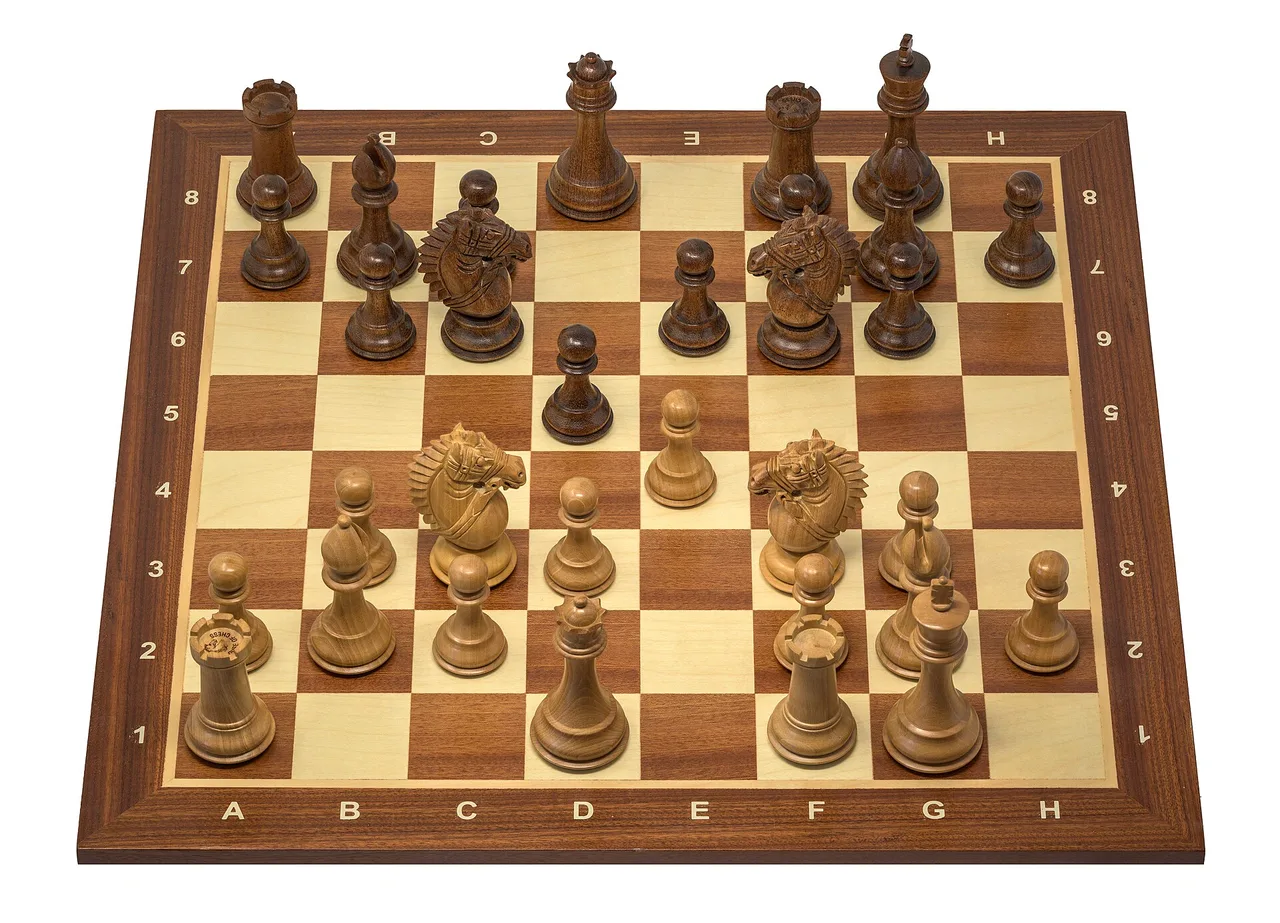
A golden rule of chess setup is 'white on the right'. Both players must set up the board so that the square in their bottom-right corner is light-colored. If the board is rotated incorrectly, the positions of the kings and queens will end up swapped.
Photo: Wilfredor, Wikimedia Commons, CC0.
Tap the right answer
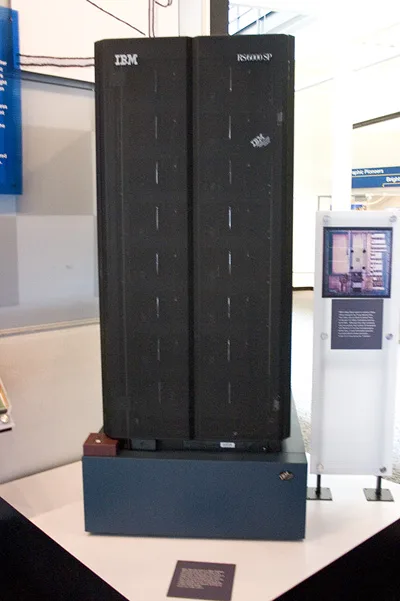
IBM's Deep Blue made history by defeating Garry Kasparov under standard tournament time controls. This landmark event signaled a massive leap forward in artificial intelligence, showing that machines could calculate millions of positions per second to outsmart human intuition.
Photo: James the photographer, Wikimedia Commons, CC BY 2.0.
Tap the right answer
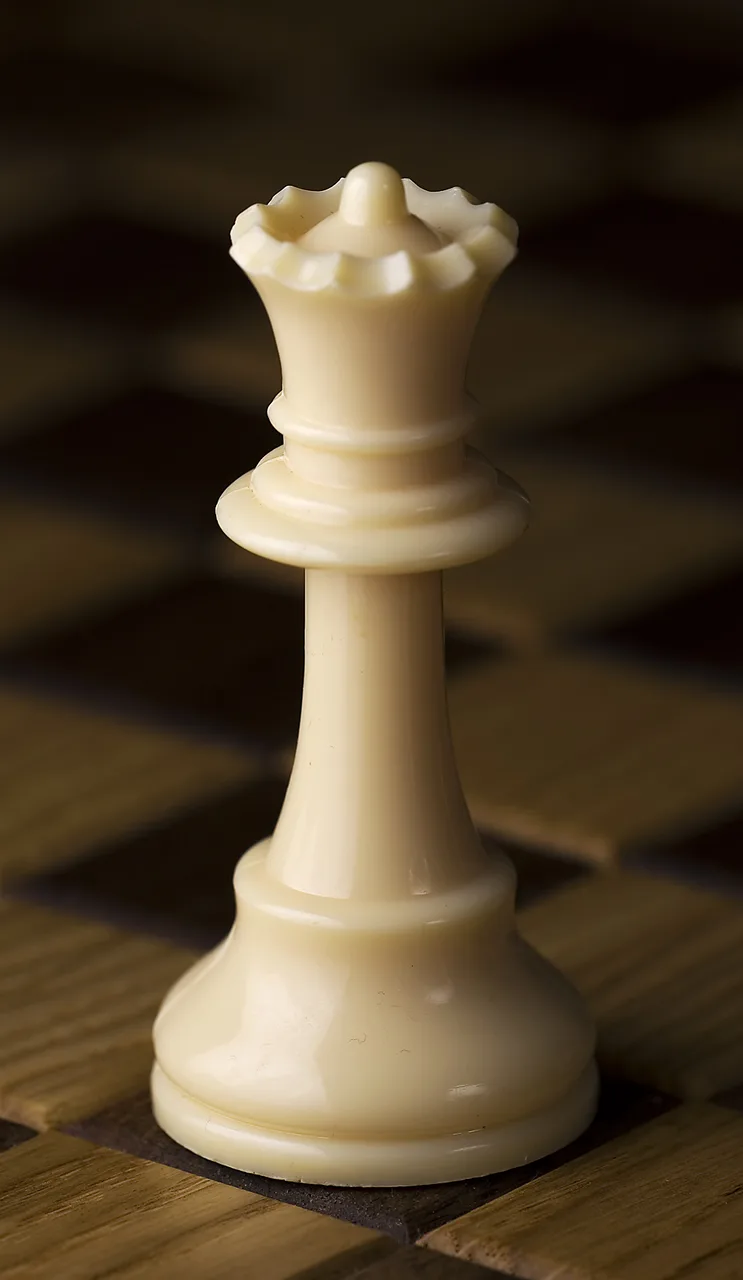
Before becoming the most powerful piece on the board, the queen was the 'ferz' or advisor, moving only one square diagonally. It transformed into the powerful queen we know today in 15th-century Europe, possibly inspired by powerful queens such as Isabella I of Castile.
Photo: MichaelMaggs, Wikimedia Commons, CC BY-SA 2.5.
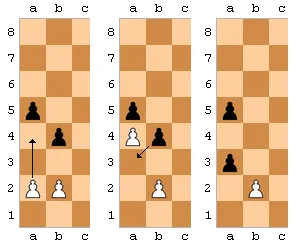
Tap the right answer
En passant is French for 'in passing'. It is a special rule introduced in the 15th century to prevent pawns from using their initial two-square leap to bypass an enemy pawn without giving it a chance to capture them.
Photo: Jasampler de la wikipedia en español, Wikimedia Commons, CC BY-SA 2.5.
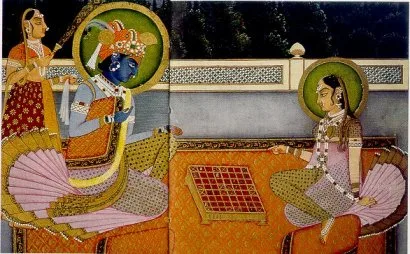
Tap the right answer
Chaturanga arose in northern India during the Gupta Empire around the 6th century. It featured four divisions of the military: infantry, cavalry, elephants, and chariots, which later evolved into the modern pawn, knight, bishop, and rook.
Photo: Darkness1089 at English Wikipedia, Wikimedia Commons, Public domain.
Tap the right answer
The Mechanical Turk toured Europe and America for decades, beating strong players and famous guests such as Napoleon in 1809. The cabinet was cleverly built so that a skilled human player could hide inside and move the pieces with magnets and levers. The secret was only fully revealed in the 1850s.


Want to make a quiz like this yourself? Do it on Votur, it's free.
Paste the code into your page. The player fits itself in, and every vote counts in Votur.
On WordPress, Ghost or Squarespace? Just paste the link of this page into your post.
This is how it looks
Also fun