Get app
 Photo: ssr, Wikimedia Commons, Public domain.
Explore Tashkent, the vibrant green capital of Uzbekistan! Test your knowledge on its stunning metro stations, rich Silk Road history, unique architecture, and delicious culinary traditions.
Mahalla Explorer 0–4 · Chaykhana Regular 5–8 · True Tashkentlik 9–10
Pick one

Besh Qozon, also known as the Central Asian Plov Center, prepares thousands of kilograms of Uzbekistan's national dish, plov, every day. Master chefs cook rice, meat, carrots, and spices in gigantic iron cauldrons over open wood fires, creating an unforgettable culinary spectacle.
Pick one
Amir Timur Square features a grand bronze monument of the 14th-century conqueror and ruler Amir Timur (Tamerlane) on horseback. In the Soviet era, this central spot was occupied by statues of Joseph Stalin and later Karl Marx, reflecting the shifting political history of the region.
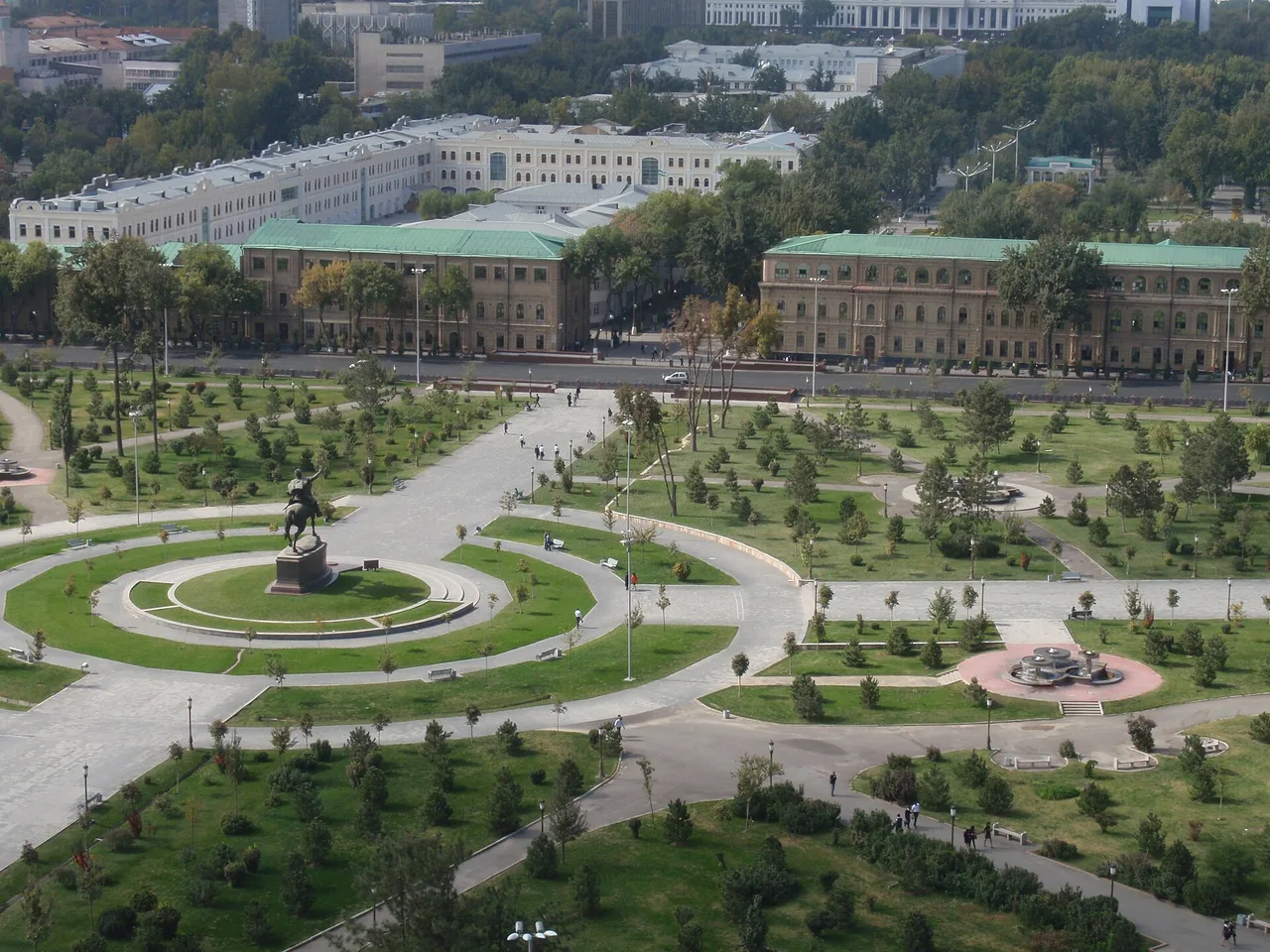
Photo: Doris Ingeborg Lohse, Wikimedia Commons, CC BY-SA 4.0.
Pick one
Chorsu Bazaar is topped by a massive, Soviet-modernist concrete dome decorated with traditional blue tiles. This design helps keep the interior cool during hot Uzbek summers. The market has been active at this exact crossroads for centuries, serving as a vital stop along the Silk Road.
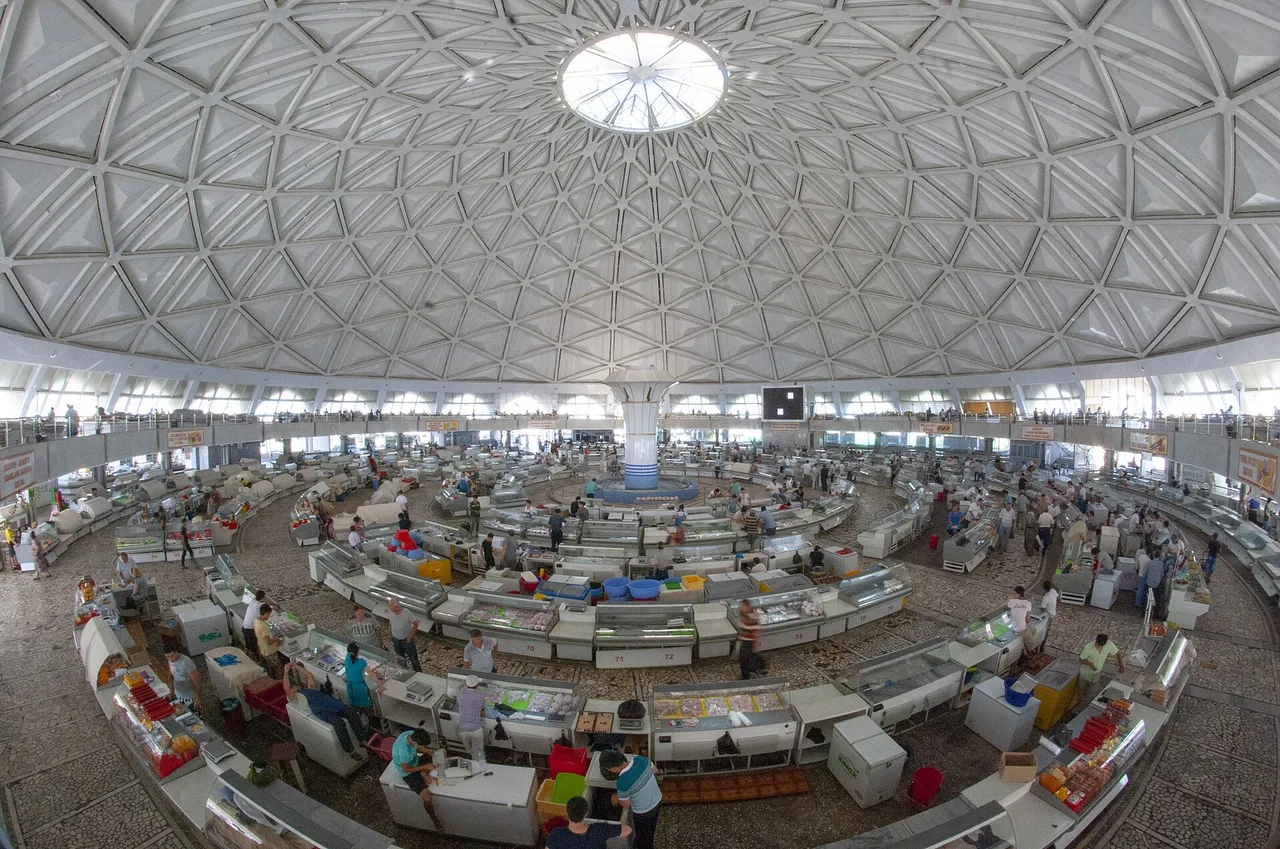
Photo: Theklan, Wikimedia Commons, CC BY-SA 4.0.
Pick one
Standing 375 metres tall, the Tashkent Television Tower is one of the tallest structures in Central Asia. At about 100 metres up it has an observation deck and a revolving restaurant called Koinot, meaning 'Universe', with a red hall and a blue hall that slowly turn to show off the whole city.
Pick one
Covering over 65 hectares, the Tashkent Botanical Garden is the largest botanical garden in the Central Asian region. It houses thousands of plant species from all over the world, organized by geographical zones, and serves as a peaceful, lush green sanctuary in the middle of the bustling capital.
Pick one
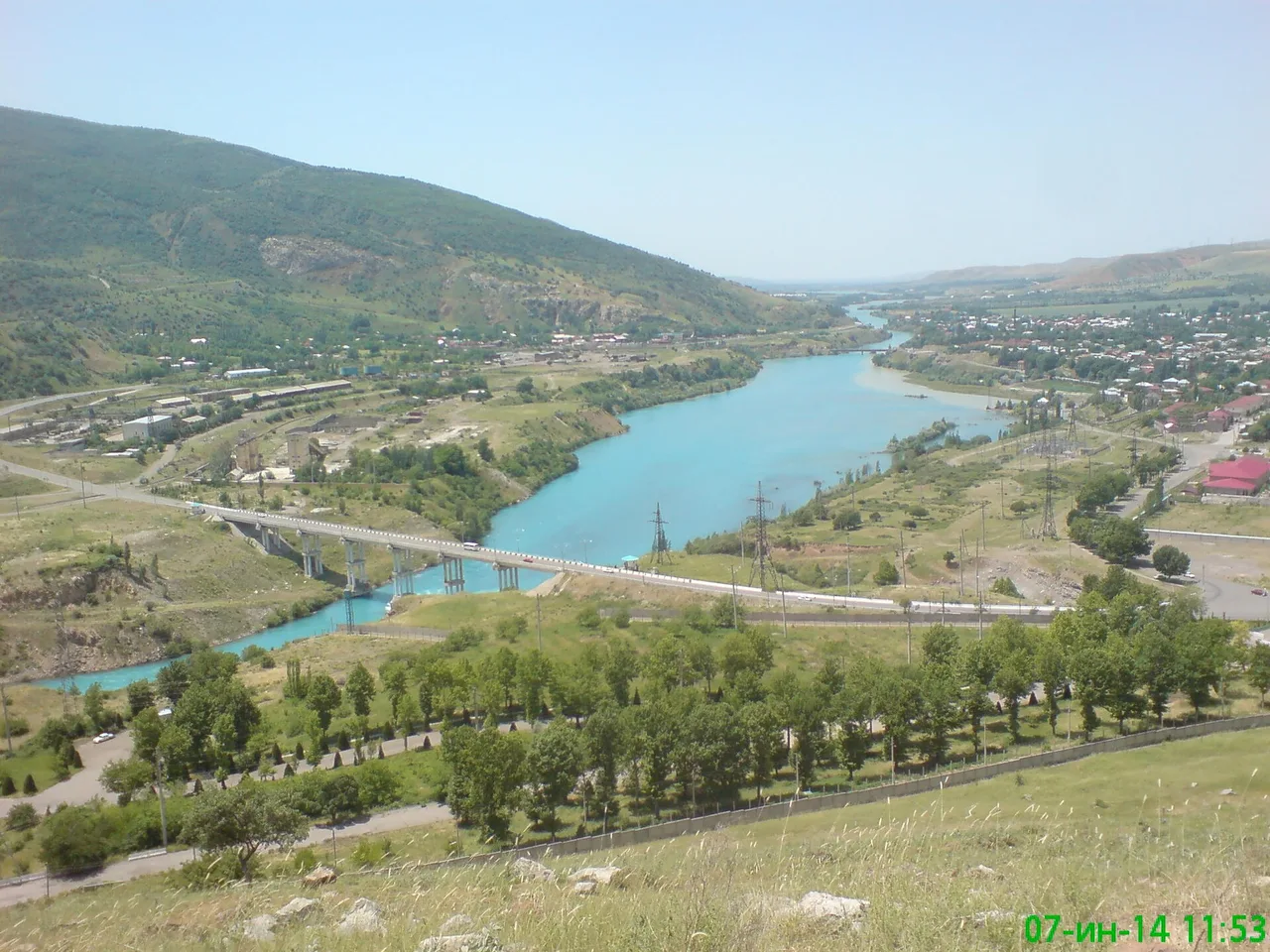
Tashkent is situated in the valley of the Chirchiq River, which is a major tributary of the Syr Darya. The abundance of water from these glacial rivers has allowed Tashkent to flourish as a green oasis in an otherwise arid region for more than two millennia.
Photo: Carpodacus, Wikimedia Commons, CC BY-SA 4.0.
Pick one
The Samarkand Kufic Quran, also called the Uthman Quran, is a huge manuscript written on parchment. Tradition links it to the third Caliph, Uthman, while experts think it was probably written in the 8th or 9th century, which still makes it one of the oldest Qurans in the world. In 2025 it moved from the Hazrati Imam complex to the brand-new centre next door.
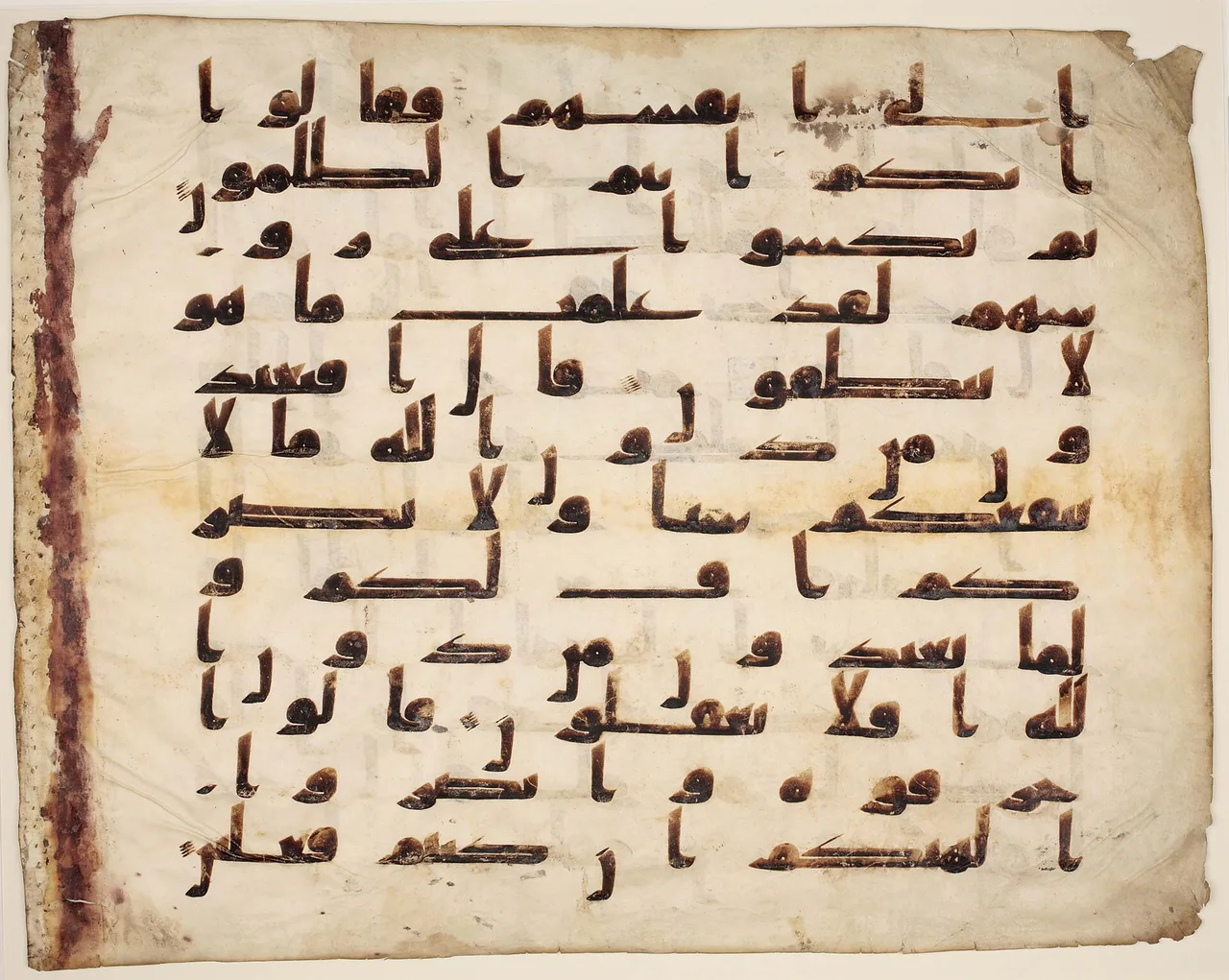
Photo: Khalili Collections, Wikimedia Commons, CC BY-SA 3.0 igo.
Pick one
The Alisher Navoiy station is one of the most stunning stops on the Tashkent Metro, featuring spectacular vaulted ceilings and ceramic domes that evoke classical Timurid architecture. It honors the great poet and statesman Alisher Navoiy. Interestingly, the metro system served as a nuclear bomb shelter during the Cold War.
Pick one
In the 19th century, under the Kokand Khanate, the old city of Tashkent was ringed by an adobe wall about 20 kilometres long with 12 gates. Many gates were named after the town their road led to, such as the Samarkand Gate, a name that still lives on in the city today.
Pick one
On April 26, 1966, a powerful 5.2 magnitude earthquake struck Tashkent, destroying most of its ancient clay-brick buildings and leaving over 300,000 people homeless. The subsequent reconstruction effort by Soviet sister republics completely transformed Tashkent into a modern, planned city with wide avenues.
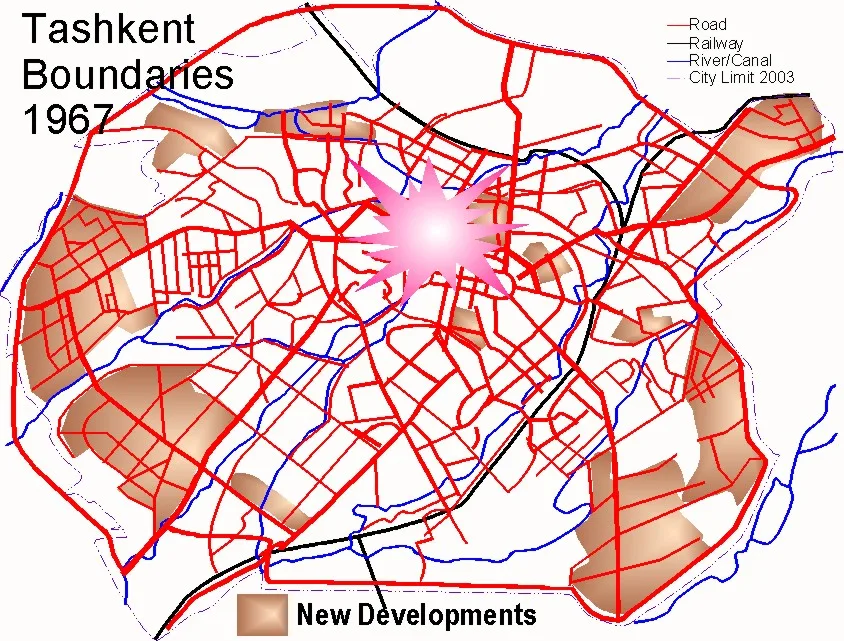
Photo: Guy Cosnahan, Wikimedia Commons, CC BY-SA 4.0.


Paste the code into your page. The player fits itself in, and every vote counts in Votur.
On WordPress, Ghost or Squarespace? Just paste the link of this page into your post.
This is how it looks
Also fun