Get app
 Photo: Tristan, Wikimedia Commons, CC BY 2.0.
How well do you know Oman's stunning capital? Test your knowledge on the history, culture, and natural beauty of Muscat!
Curious Wanderer 0–4 · Friendly Navigator 5–8 · True Muscateer 9–10
Pick one

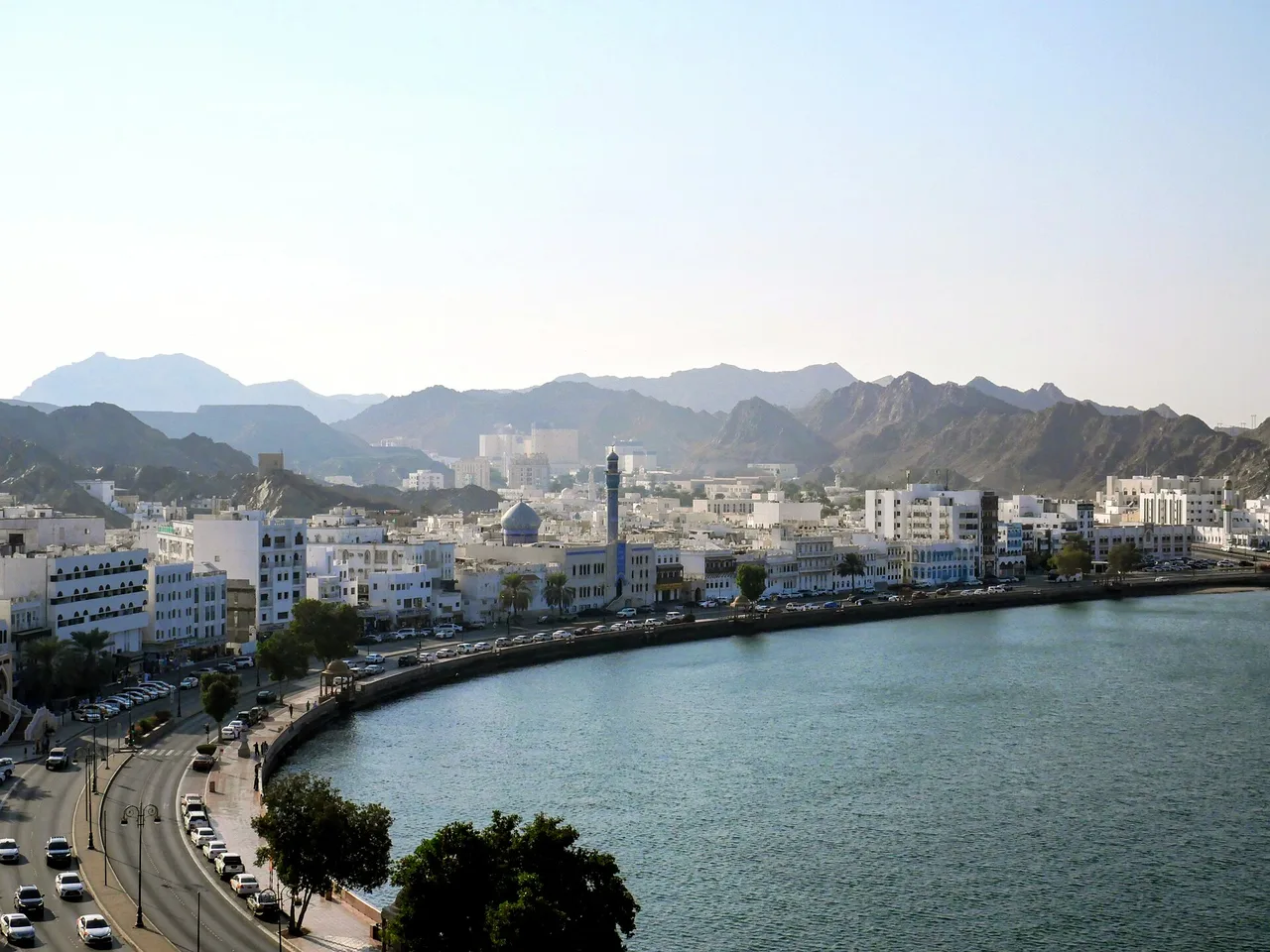
Sultan Qaboos bin Said ruled Oman for nearly fifty years, transforming Muscat from a small, walled medieval town with just a few miles of paved roads into a thriving, modern metropolis while carefully preserving its traditional architectural style.
Pick one
Muttrah Souq is a maze of narrow, shaded alleys filled with the scent of burning frankincense. For centuries this busy harbour market traded goods from India, East Africa and the Omani interior.
Photo: Izeberg007, Wikimedia Commons, CC0.
Pick one
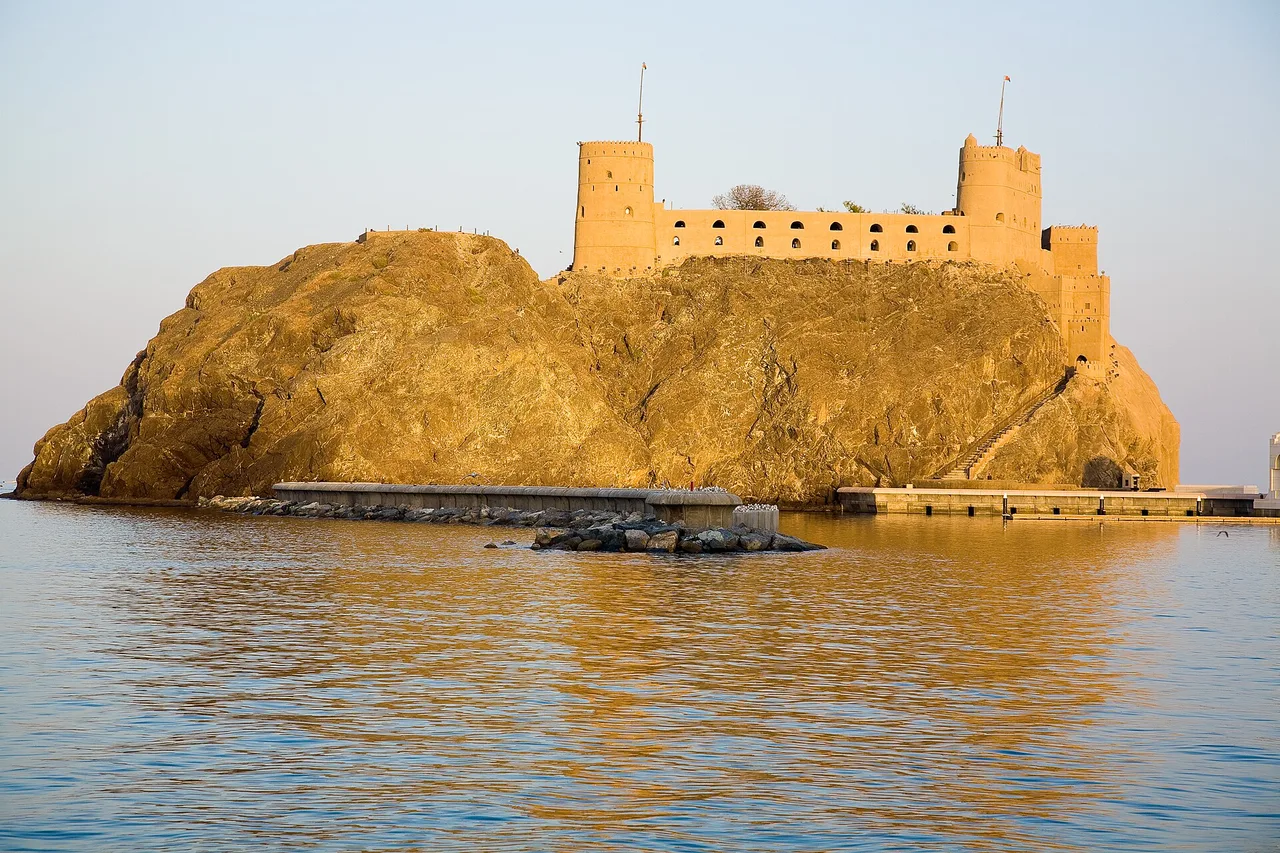
Fort Al Jalali was constructed by the Portuguese in the 1580s to protect the harbor from Ottoman forces. It served as a vital military stronghold and later as a prison, but today it houses a private museum of Omani cultural heritage accessible only to VIP guests.
Photo: Andries Oudshoorn, Wikimedia Commons, CC BY-SA 2.0.
Pick one
Amouage was founded by Prince Sayyid Hamad bin Hamoud Al Busaidi to preserve Oman's ancient perfume-making traditions. It uses rare local ingredients like silver frankincense from Dhofar and mountain roses from Al Jabal Al Akhdar to create some of the most expensive scents in the world.
Photo: Mariacaminod, Wikimedia Commons, CC BY-SA 4.0.

Pick one
Commissioned by the music-loving Sultan Qaboos, the Royal Opera House Muscat was the first opera house in the GCC region. It is renowned for its incredible acoustics and features an innovative movable stage that can adapt to different types of musical performances.
Photo: Arsalaan Ahmad, Wikimedia Commons, CC BY-SA 4.0.
Pick one
The Qurm Nature Reserve protects a vital mangrove forest right in the middle of Muscat's urban sprawl. This wetland habitat acts as a natural purifier for coastal waters and provides a critical sanctuary for dozens of migratory bird species, including elegant flamingos.
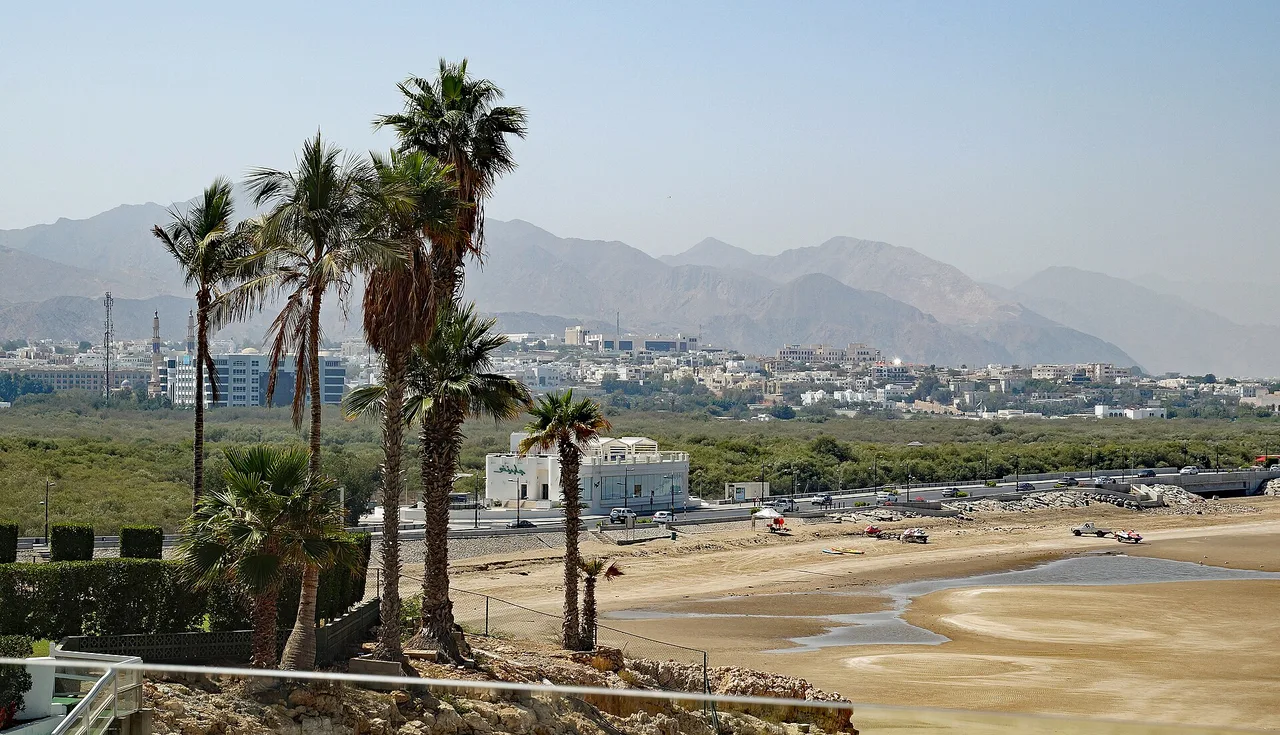
Photo: Albinfo, Wikimedia Commons, CC BY 4.0.
Pick one
The Al Alam Palace stands out for its unique, futuristic design featuring bright blue and gold flared columns. While visitors are not allowed inside the palace, they can walk right up to the gates to admire this striking combination of modern and traditional Islamic architecture.

Photo: Andrew Moore, Wikimedia Commons, CC BY-SA 2.0.
Pick one
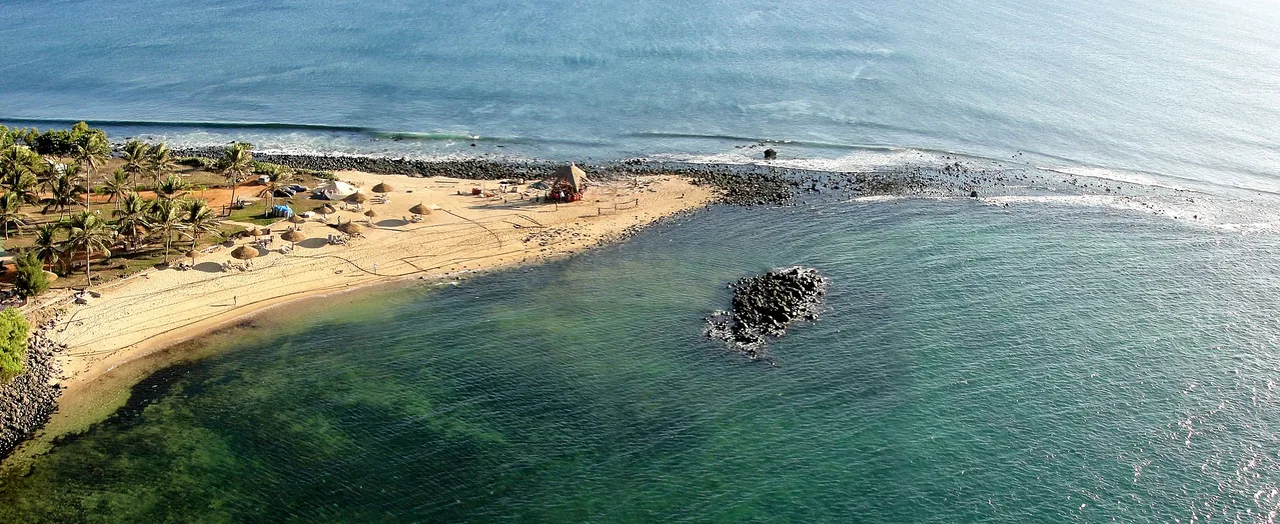
Yiti is a picturesque fishing village and beach area surrounded by rugged orange-hued hills. It offers a peaceful escape from the city, where visitors can camp under the stars, explore small coves, and watch local fishermen bring in their daily catch.
Pick one
The spectacular chandelier in the main prayer hall is about 14 meters tall, weighs around 8 tons and sparkles with some 600,000 crystals and over a thousand bulbs. It is so big that it even has a small staircase inside, so the maintenance crew can climb in to change the bulbs!
Pick one
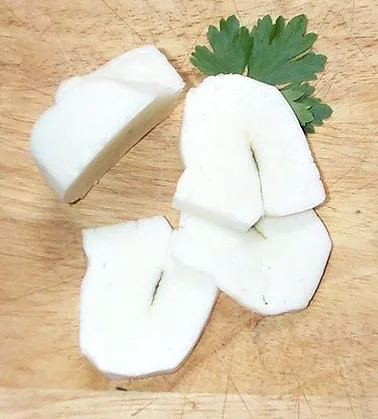
Omani Halwa is a sticky, sweet delicacy made from starch, sugar, ghee, and rosewater, cooked slowly in large copper pots. It is traditionally served alongside bitter cardamom-infused Omani coffee (kahwa) as a symbol of hospitality.

Photo: Shuhrenataxmedov, Wikimedia Commons, CC BY-SA 3.0.


Paste the code into your page. The player fits itself in, and every vote counts in Votur.
On WordPress, Ghost or Squarespace? Just paste the link of this page into your post.
This is how it looks
Also fun