Get app
The essentials of Iceland in eight friendly questions. Young or old, everyone can join in, and no warm coat is required.
Bundled-up newcomer 0–3 · Glacier hiker 4–6 · Fire and ice expert 7–8
Pick one

Iceland's flag shows a red cross edged in white on a blue background, and the colours are often said to stand for the mountains and sea, for snow and ice, and for the fire of its volcanoes. An older flag was simply blue with a white cross, and the red cross inside it was added in 1915.
Pick one
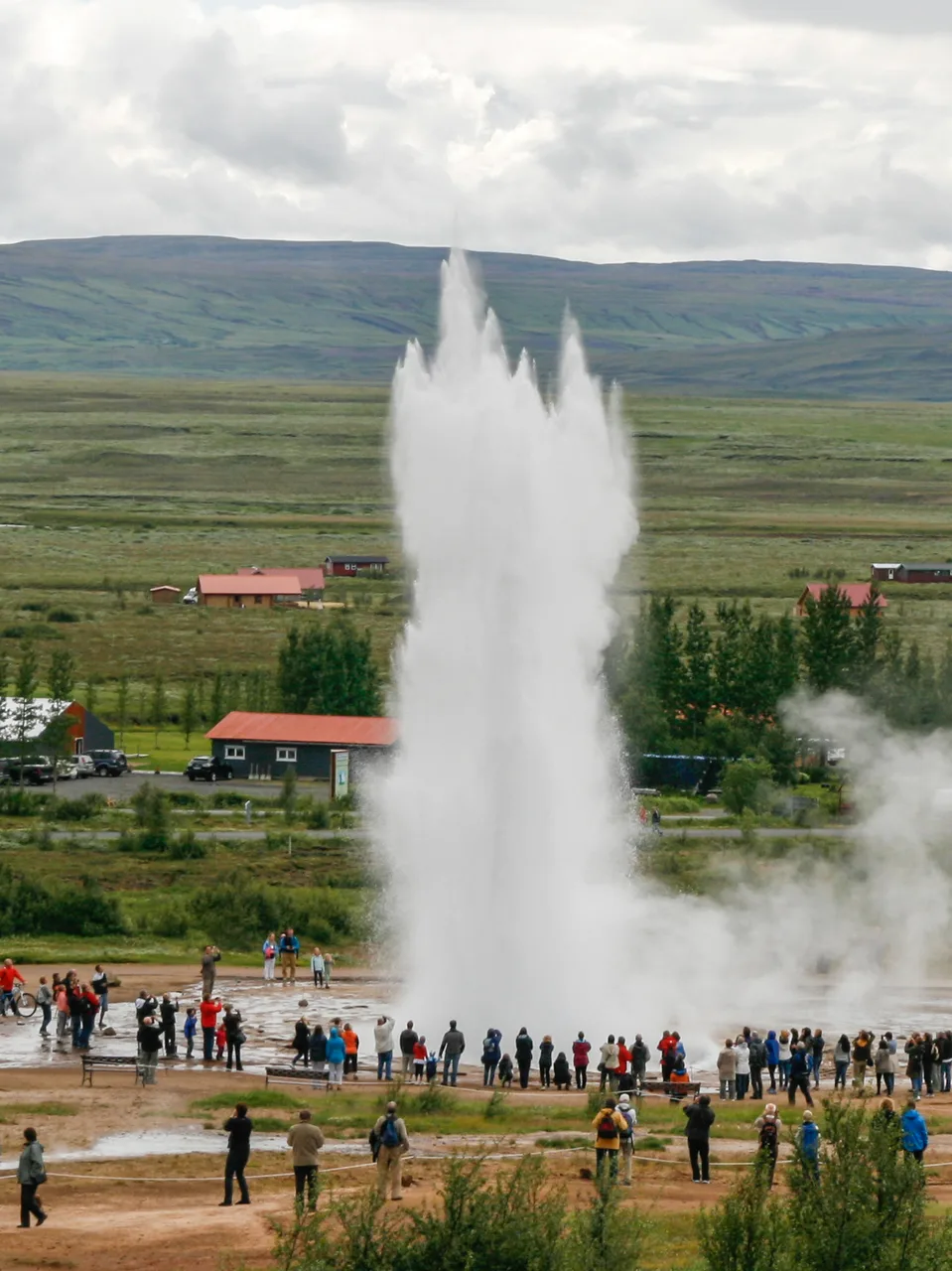
Strokkur erupts every 6 to 10 minutes, usually 15 to 20 metres high and sometimes up to 40 metres, so visitors rarely have to wait long. Only about 50 metres away lies the Great Geysir, and it is from Geysir that the word 'geyser' comes, now used for spouting hot springs all over the world.
Photo: Christoph Strässler from Oberdorf BL, Schweiz, Wikimedia Commons, CC BY-SA 2.0.
Pick one
The northern lights appear when tiny particles from the Sun crash into the air high above the Earth. Oxygen up there glows mostly green, and because our eyes are extra sensitive to green, it is the colour we see most often; red, pink and purple show up more rarely.
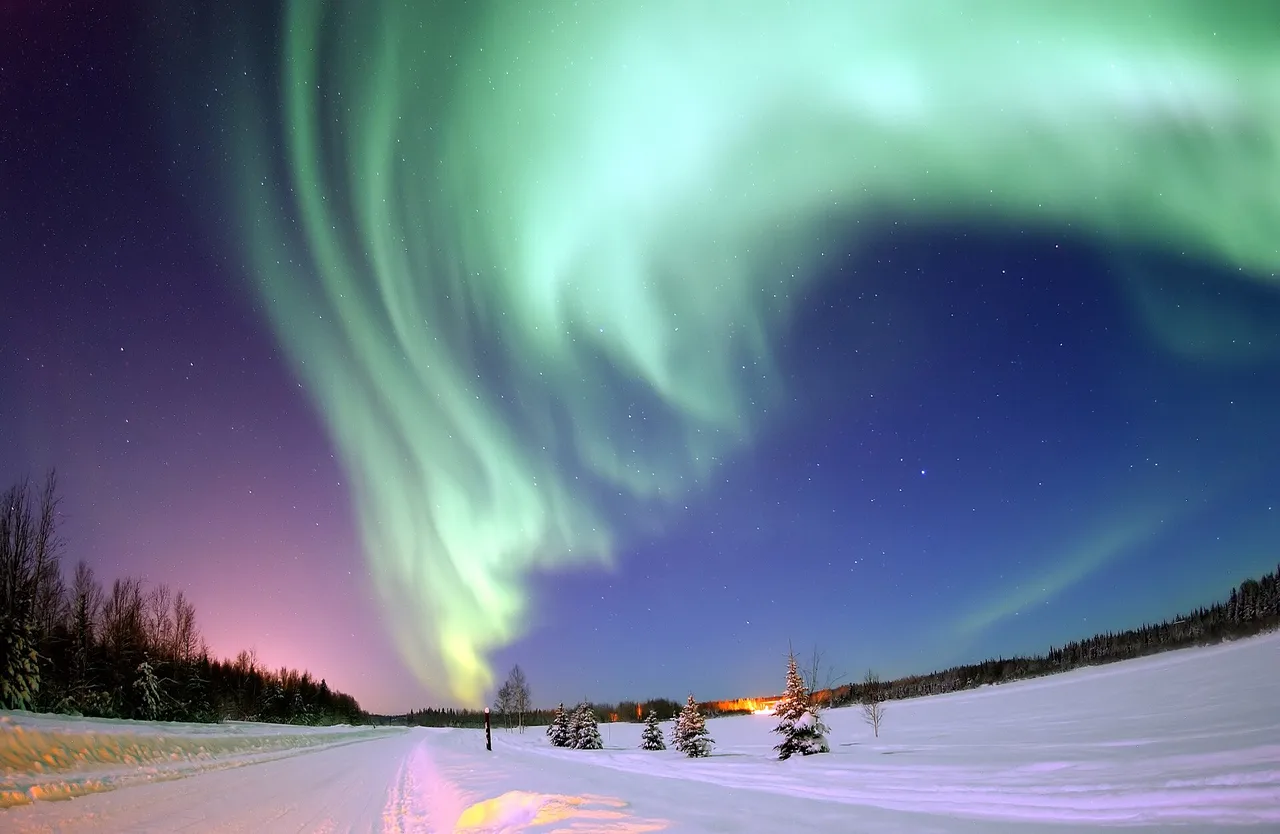
Photo: United States Air Force photo by Senior Airman Joshua Strang, Wikimedia Commons, Public domain.
Pick one
Most of Iceland lies just south of the Arctic Circle, yet from late May to late July the Sun dips only a little below the horizon and the sky stays light all night. In winter it is the other way round: around Christmas, Reykjavík gets less than five hours of daylight.
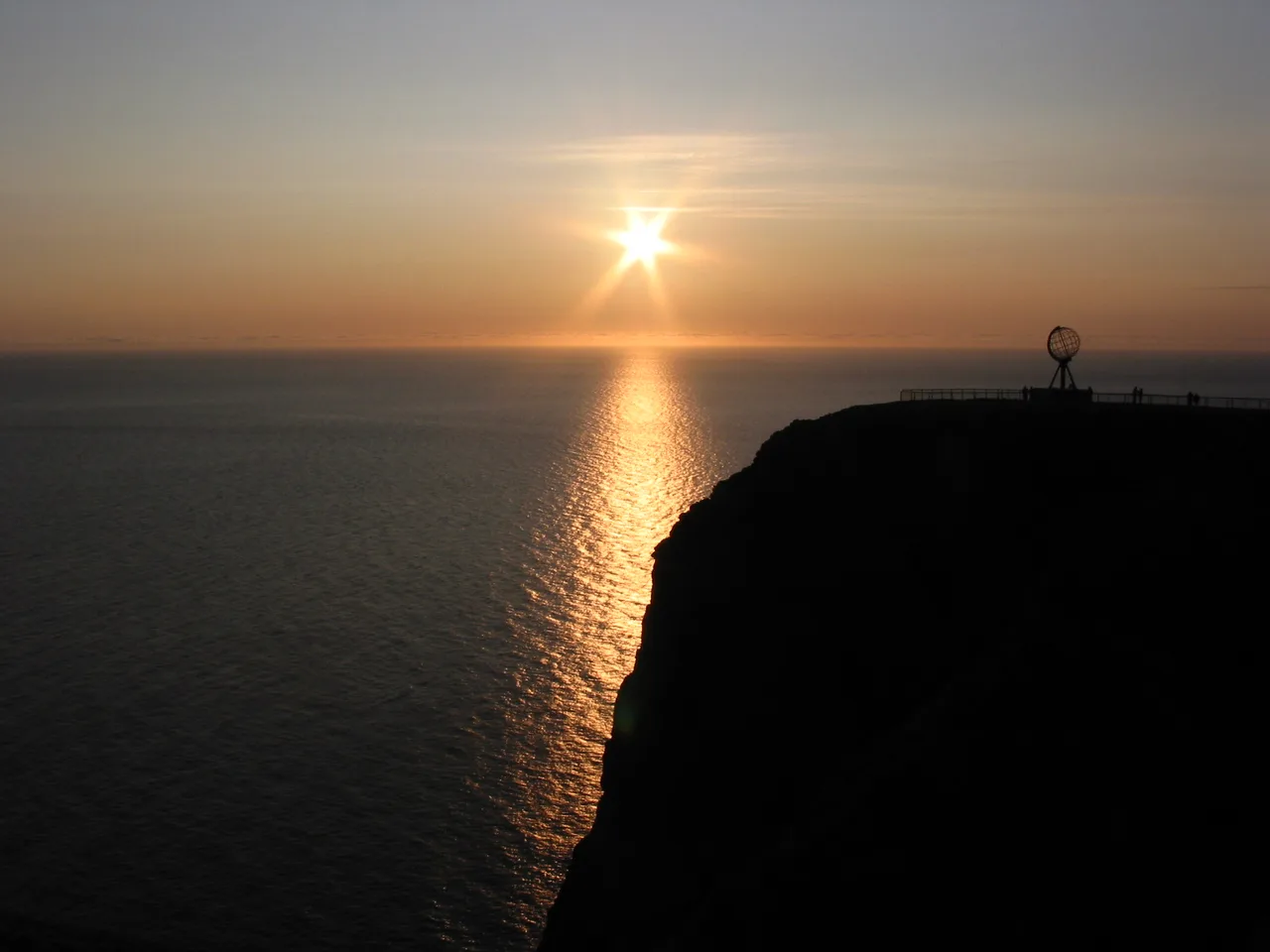
Photo: Yan Zhang, Wikimedia Commons, CC BY-SA 3.0.
Pick one
Old Icelandic stories warn against throwing stones, in case you hit one of the hidden people by accident. On New Year's Eve the elves are said to move to new homes, and some Icelanders leave candles burning to help them find their way.
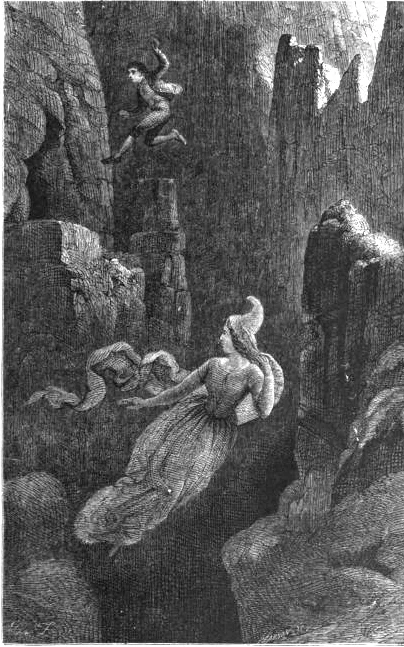
Photo: George Pearson, Wikimedia Commons, Public domain.
Pick one
The Icelandic horse has been bred pure in Iceland for more than 1,000 years, and a horse that leaves the island may never come back. These sturdy horses are often about the size of a pony, but breeders always call them horses, and many can do a special smooth gait called the tölt.
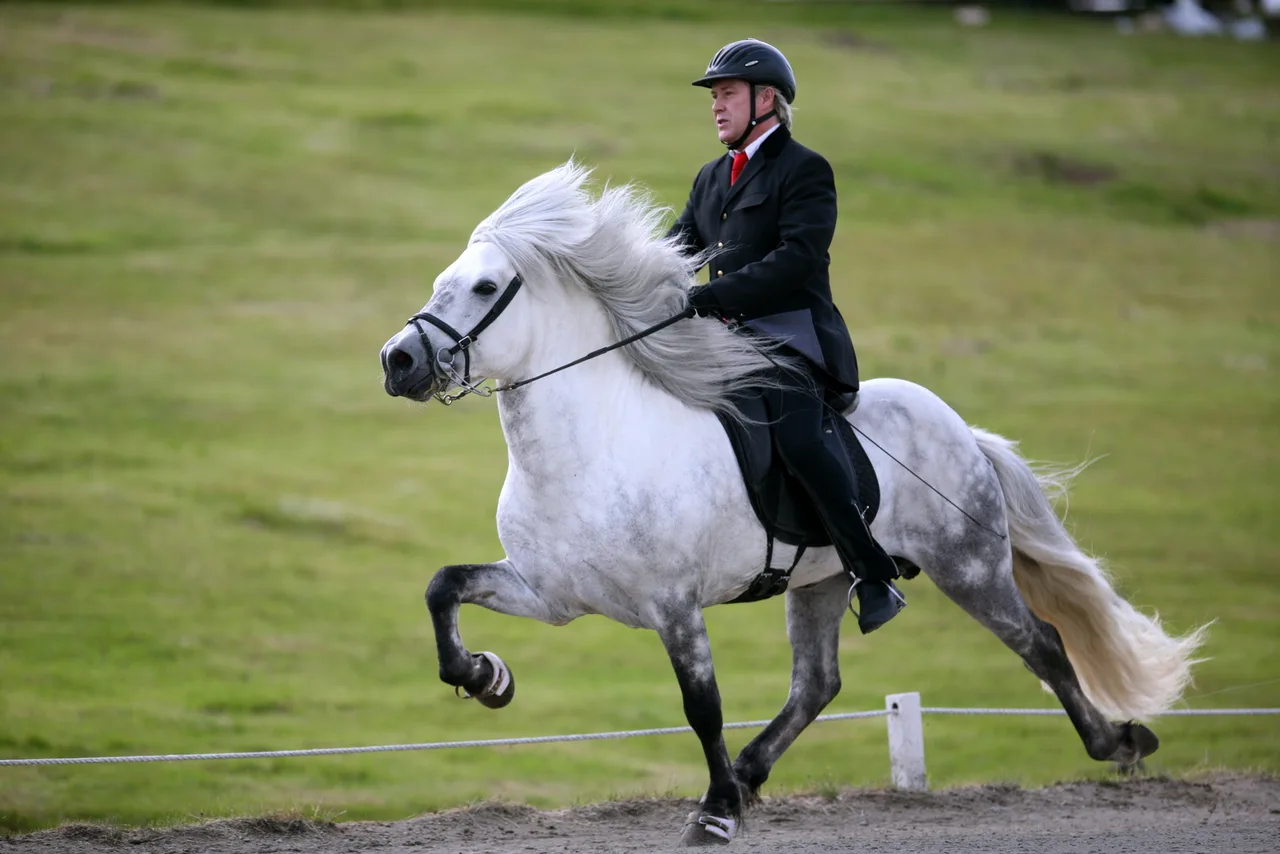
Photo: Dagur Brynjólfsson, Wikimedia Commons, CC BY-SA 2.0.
Pick one
Arctic foxes reached Iceland at the end of the last ice age by walking across the frozen sea, long before the first settlers came. Reindeer were only brought to the island by people much later, and the odd polar bear that turns up has drifted over from Greenland on floating ice.
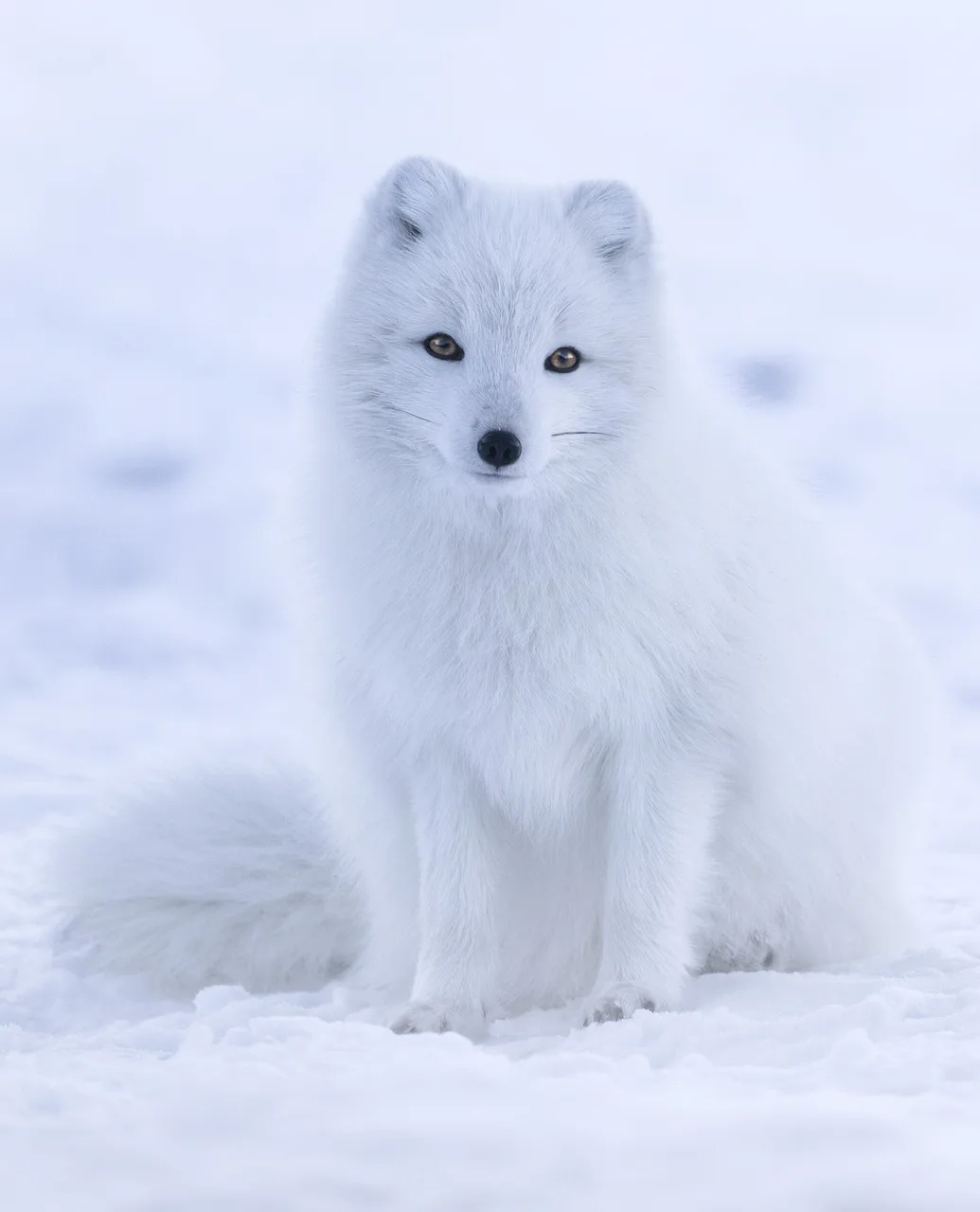
Photo: Jonatan Pie ( unsplash.com/@r3dmax ), Wikimedia Commons, CC0.
Pick one
About 60% of the world's Atlantic puffins nest in Iceland, and their bright beaks have earned them the nickname 'clowns of the sea'. On the island of Heimaey, children rescue young puffins that get confused by the town's lights and land in the streets, and carry them back to the sea.
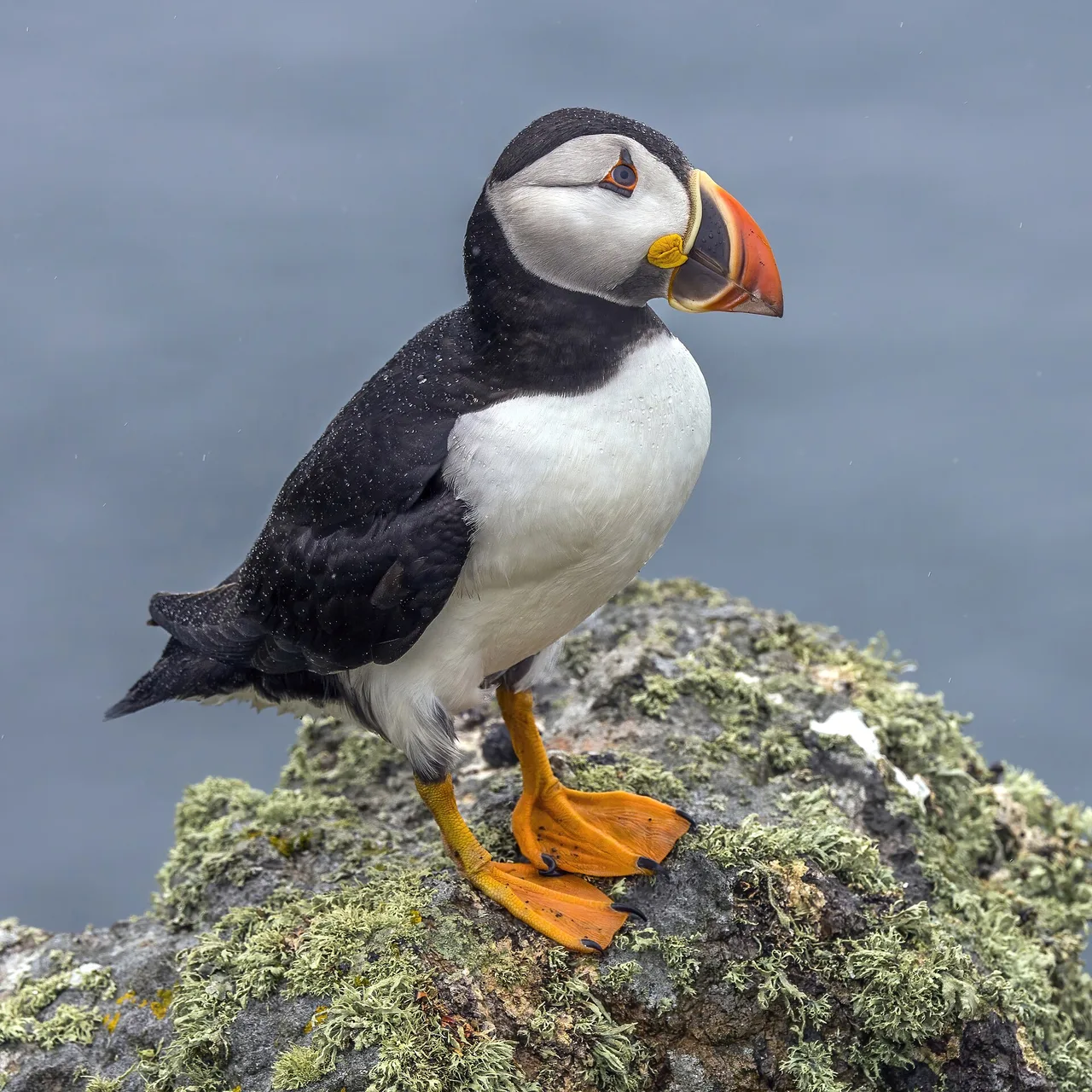
Photo: Charles J. Sharp, Wikimedia Commons, CC BY-SA 4.0.


Paste the code into your page. The player fits itself in, and every vote counts in Votur.
On WordPress, Ghost or Squarespace? Just paste the link of this page into your post.
This is how it looks
Also fun