Get app
Eight friendly questions about the essentials of Saudi Arabia, from everyday life to the desert. No expert knowledge needed: everyone can join in.
Dune explorer 0–3 · Friend of the oasis 4–6 · Star of the desert 7–8
Pick one

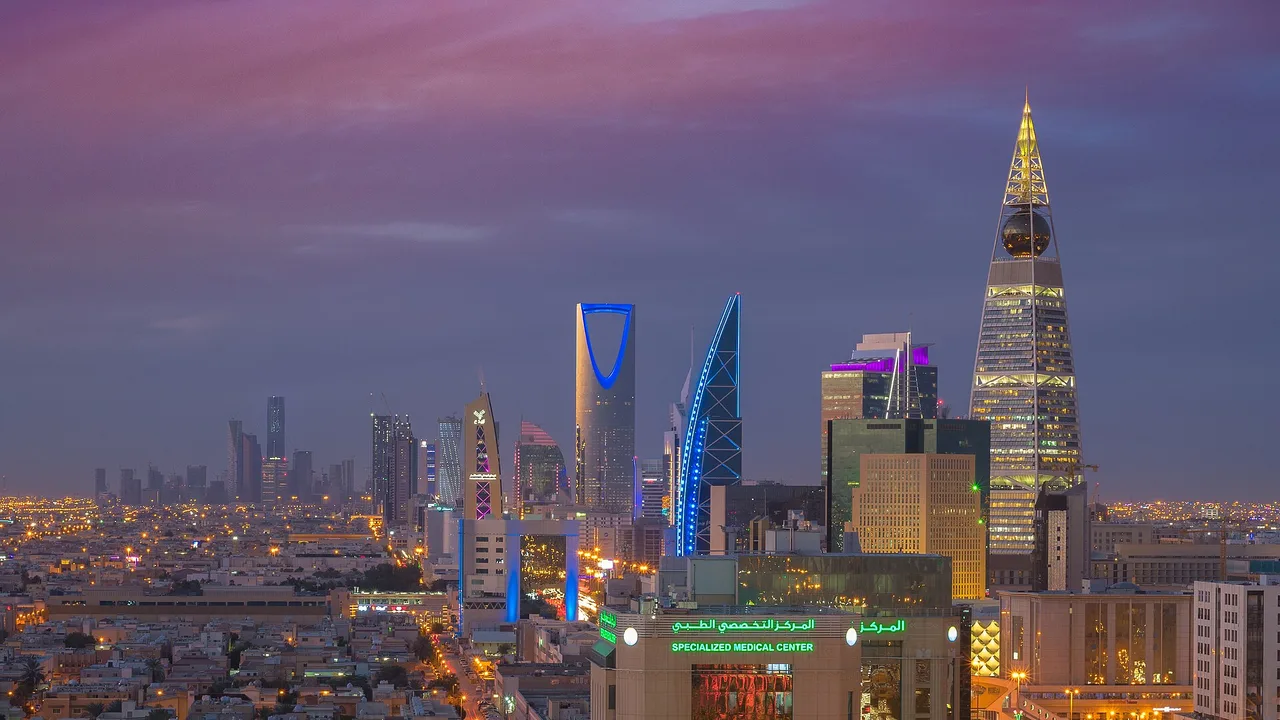
Riyadh lies in the heart of the country, and its name comes from an Arabic word meaning 'gardens', after the orchards of date palms that once grew outside its old town walls. Jeddah is the second-biggest city in Saudi Arabia.
Photo: B.alotaby, Wikimedia Commons, CC BY-SA 4.0.
Pick one
Arabic is written from right to left, so a book in Arabic opens from the side that English readers think of as the back. The alphabet has 28 letters, and most of them join up with the letters next to them, a bit like joined-up handwriting.
Pick one
Oil was first found in large amounts at a well in Dammam, now known as the 'Prosperity Well'. It was the seventh well drilled there, after six disappointing tries, and it kept pumping oil until 1982. Today Saudi Arabia is one of the world's leading oil producers.
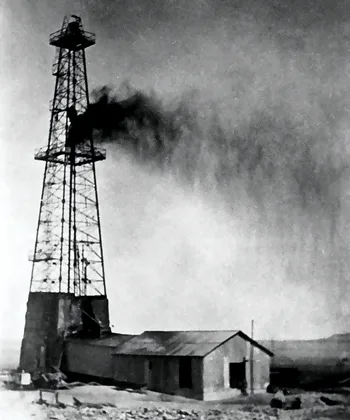
Photo: Wikimedia Commons, Public domain.
Pick one
Thobes are usually made of white or beige cloth, which reflects the sunshine and helps keep the wearer cool. In the cooler winter months, many men switch to warmer thobes made of wool, in other colours.
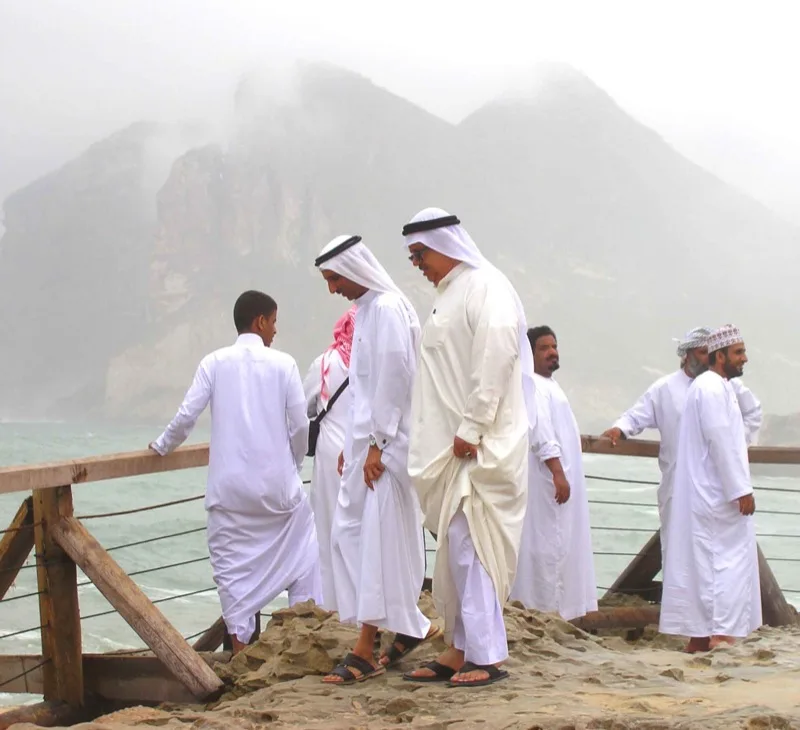
Photo: Mary Paulose from Muscat, Oman, Wikimedia Commons, CC BY 2.0.
Pick one
Summer afternoons in much of the country reach around 45 °C, and on the hottest days it can climb above 50 °C. Winter nights in Riyadh are surprisingly cool, though, at about 7 °C on average in January.
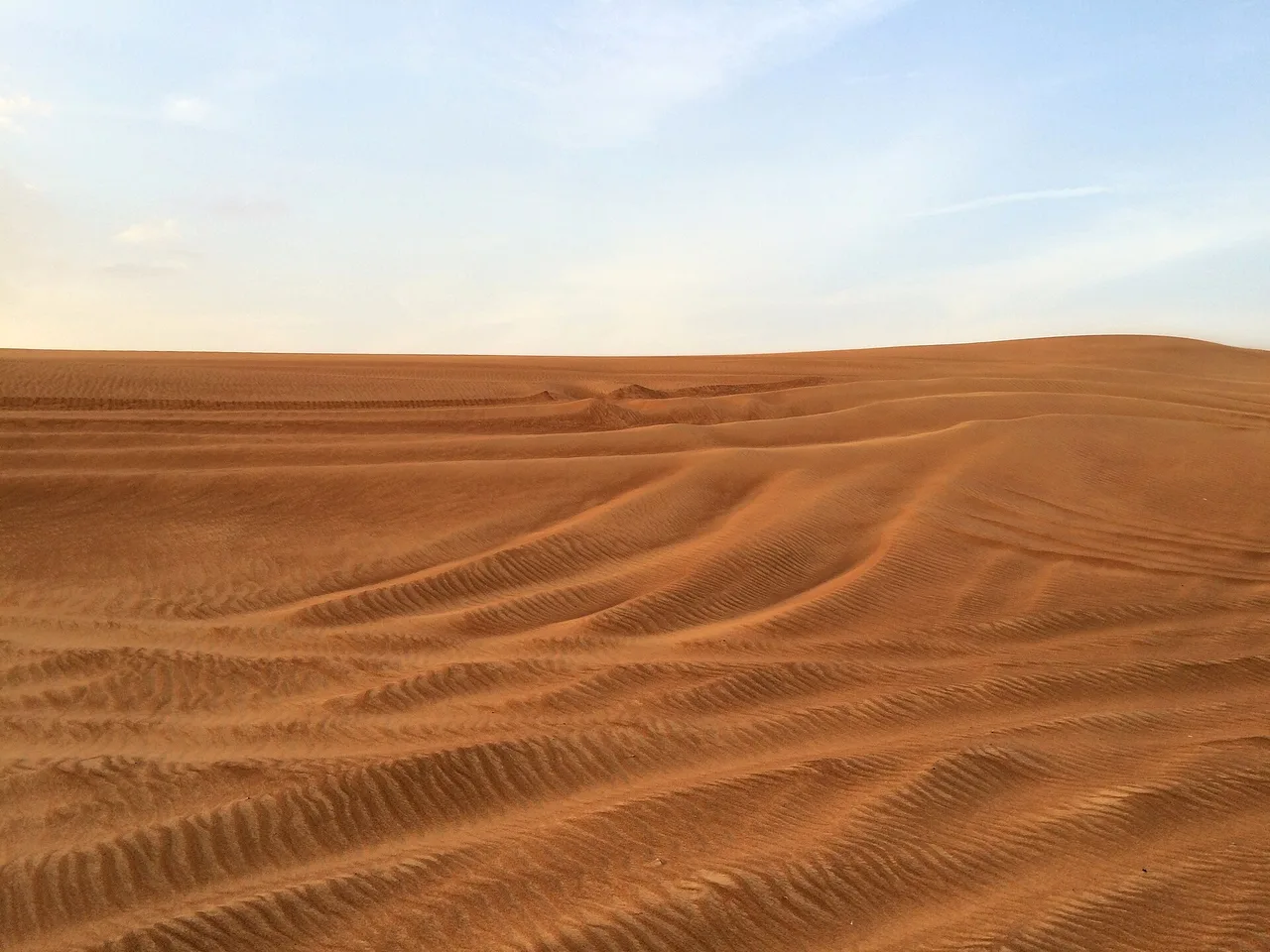
Photo: Aidas U., Wikimedia Commons, CC BY 3.0.
Pick one
Saudi Arabia makes more drinking water from seawater than any other country, in huge plants along its coasts. Long pipelines then carry the fresh water far inland, more than 300 kilometres to Riyadh in the middle of the country.
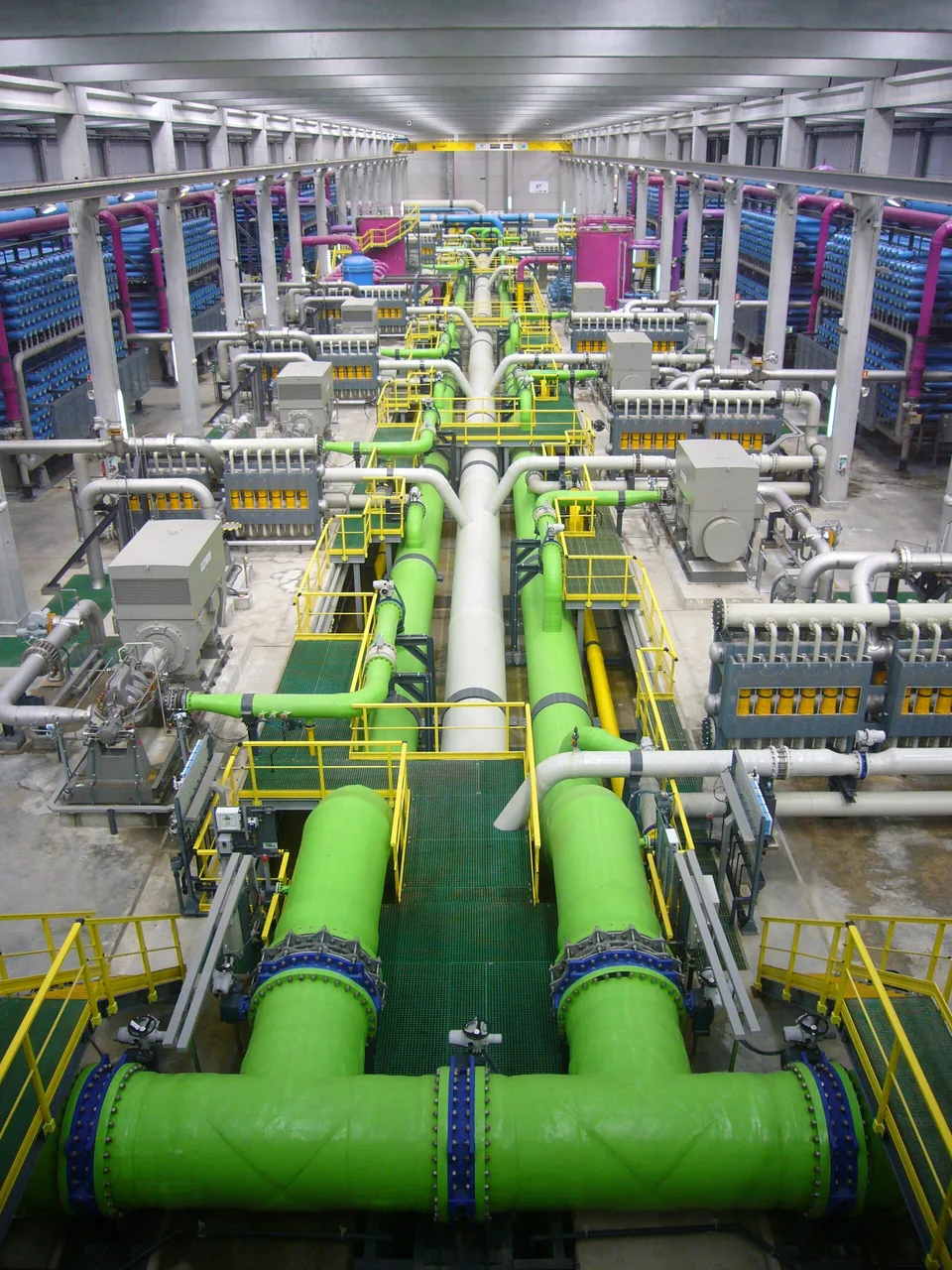
Photo: James Grellier, Wikimedia Commons, CC BY-SA 3.0.
Pick one
Elephant Rock is about 52 metres tall, and its 'trunk' reaches right down to the sand. The sandstone it is made of formed around 500 million years ago, long before the first dinosaurs, and rain, wind and sand slowly carved out its shape.
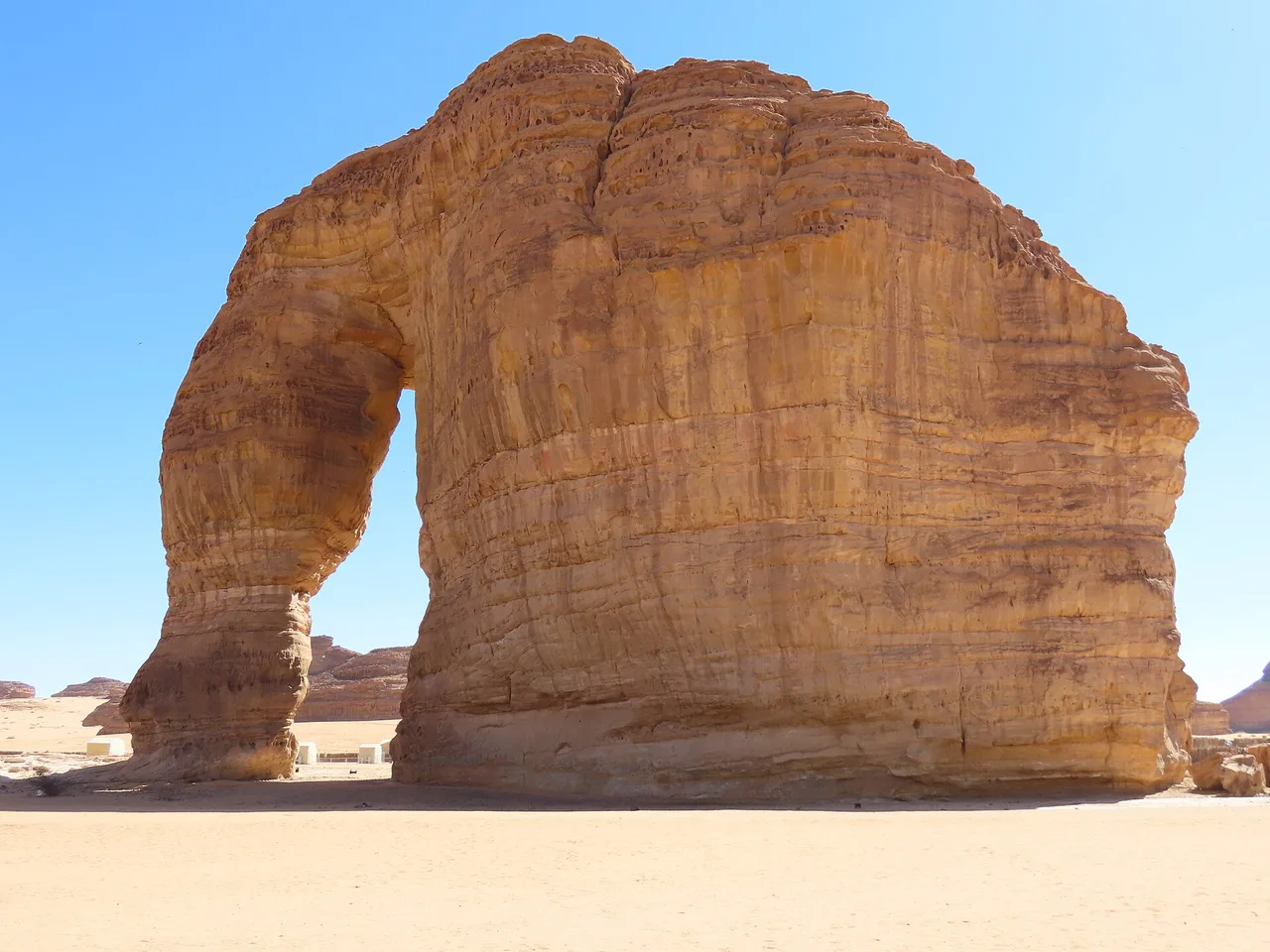
Photo: Uhooep, Wikimedia Commons, CC BY-SA 4.0.
Pick one
Arabian camels, also called dromedaries, have one hump, and they make up about 94 out of every 100 camels in the world. A grown-up dromedary is more than 2 metres tall at the top of its hump, and it can run at up to 65 km/h in short bursts.
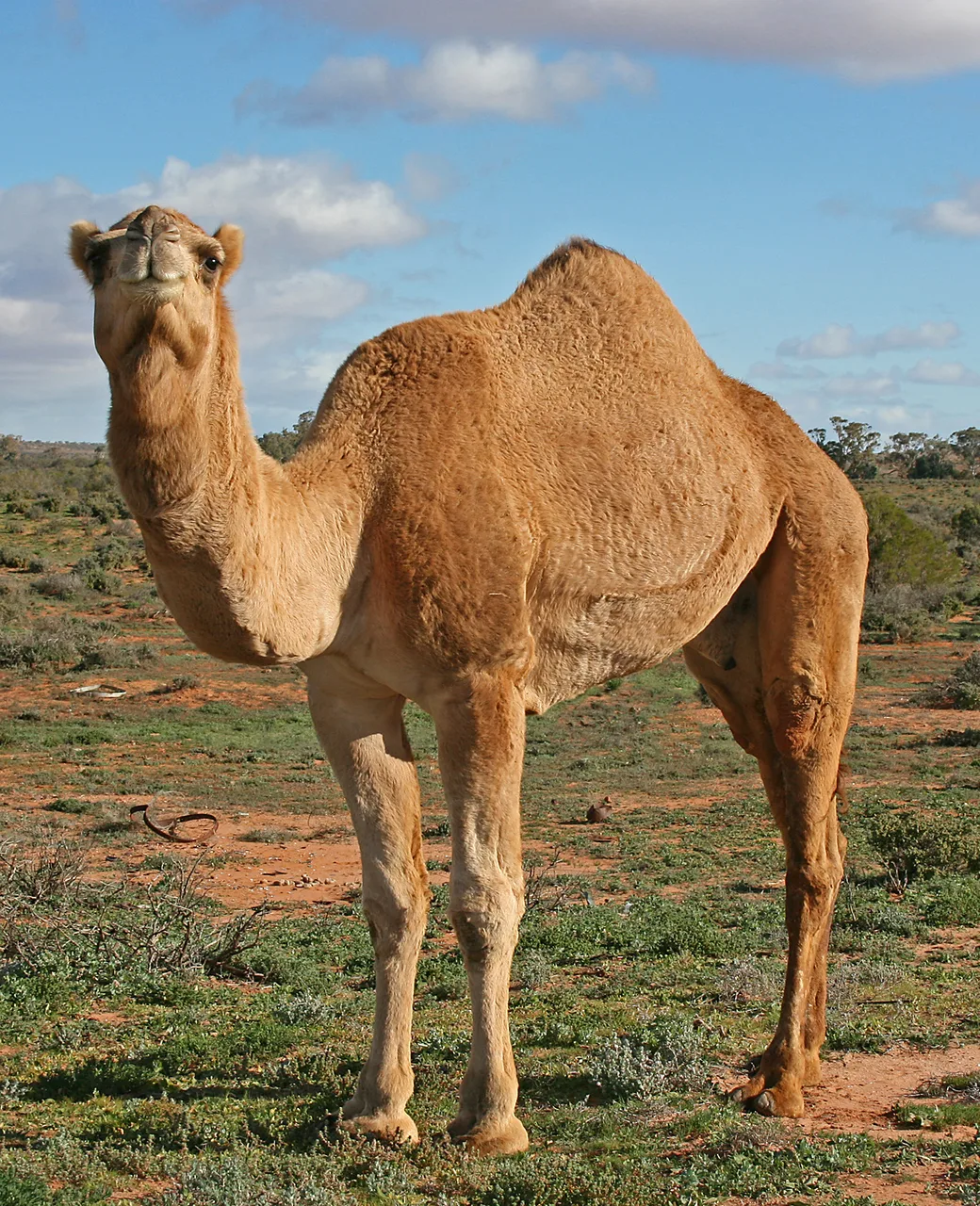
Photo: Jjron, Wikimedia Commons, CC BY-SA 3.0.


Paste the code into your page. The player fits itself in, and every vote counts in Votur.
On WordPress, Ghost or Squarespace? Just paste the link of this page into your post.
This is how it looks
Also fun