 Get app
How well do you know the club that is 'more than a club'? Test your knowledge on the legends, the quirks, and the incredible history of FC Barcelona!
Camp Nou Tourist 0–4 · Culers Faithful 5–8 · Blaugrana Legend 9–10

Tap the right answer
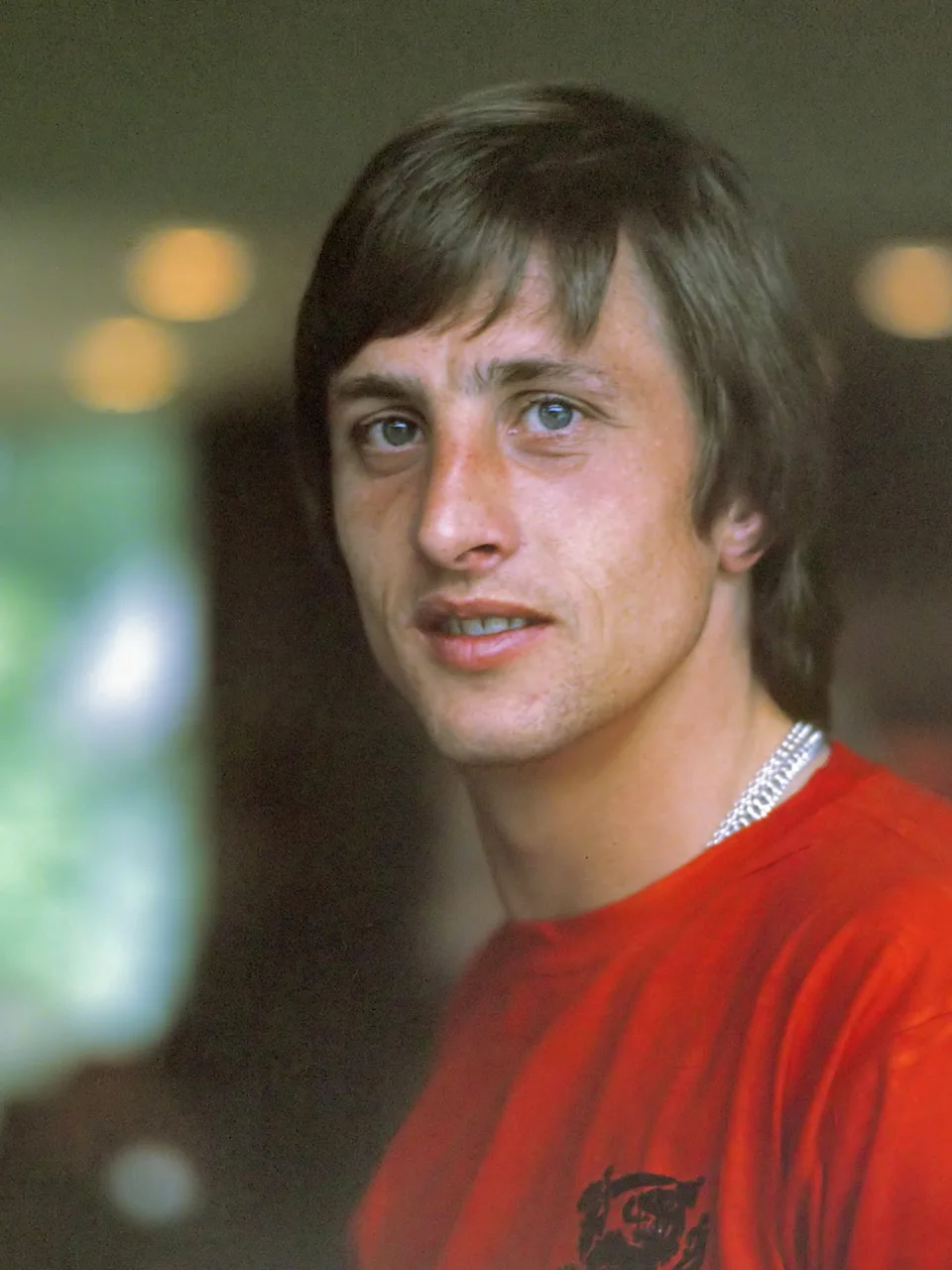
While Pep Guardiola perfected the style as a manager, it was Johan Cruyff who laid the foundation when he arrived as manager in 1988. He revolutionized the club's youth academy, La Masia, insisting that every team from the kids to the pros play a quick, short-passing possession game.
Photo: Rob Mieremet / Anefo, Wikimedia Commons, CC0.
Tap the right answer
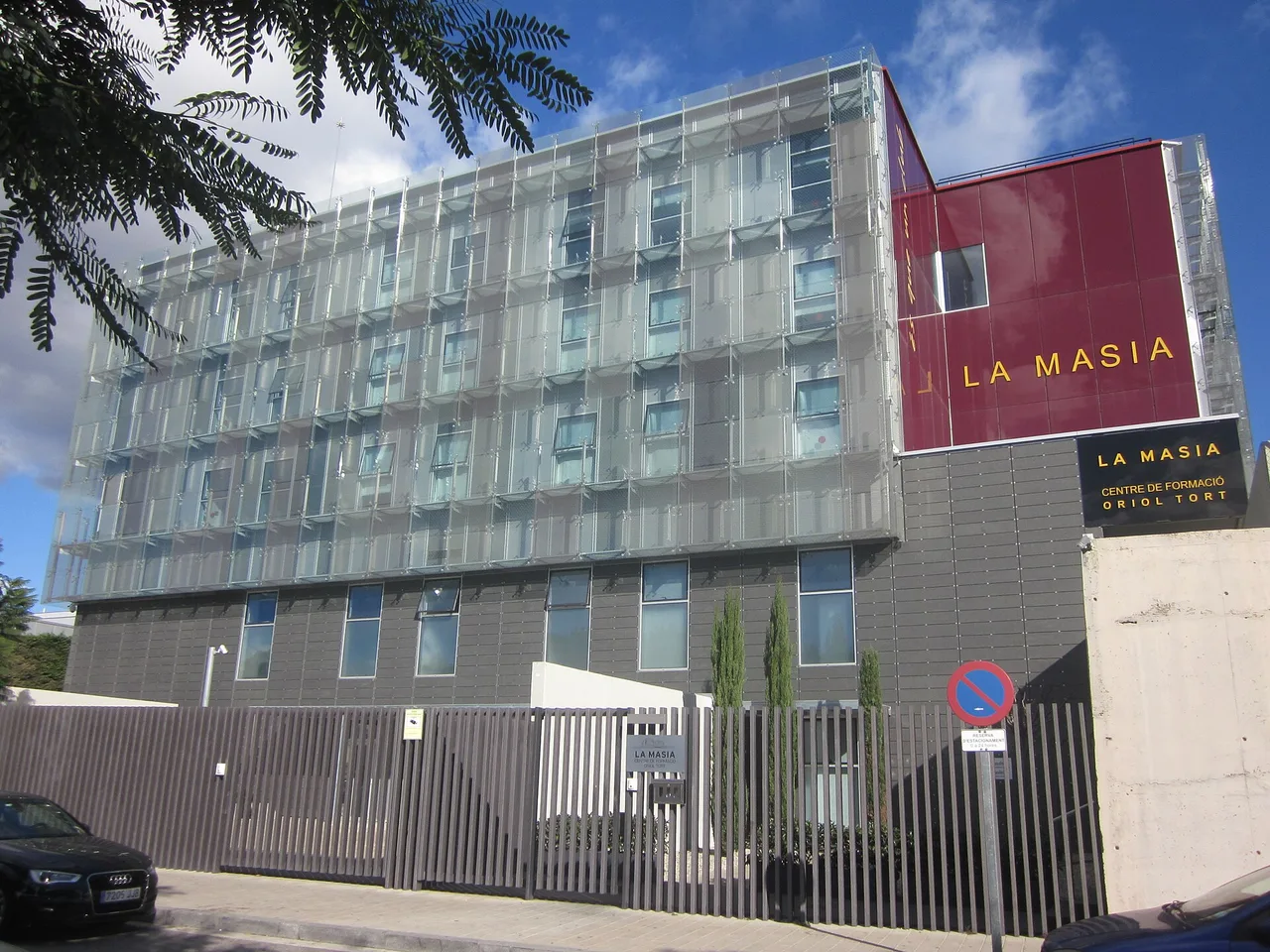
La Masia literally translates to 'The Farmhouse' in Catalan. The original building was a traditional 18th-century country house that served as the club's headquarters during the construction of Camp Nou, before being converted into a residence for young players in 1979.
Photo: Electro07, Wikimedia Commons, CC BY-SA 4.0.
Tap the right answer
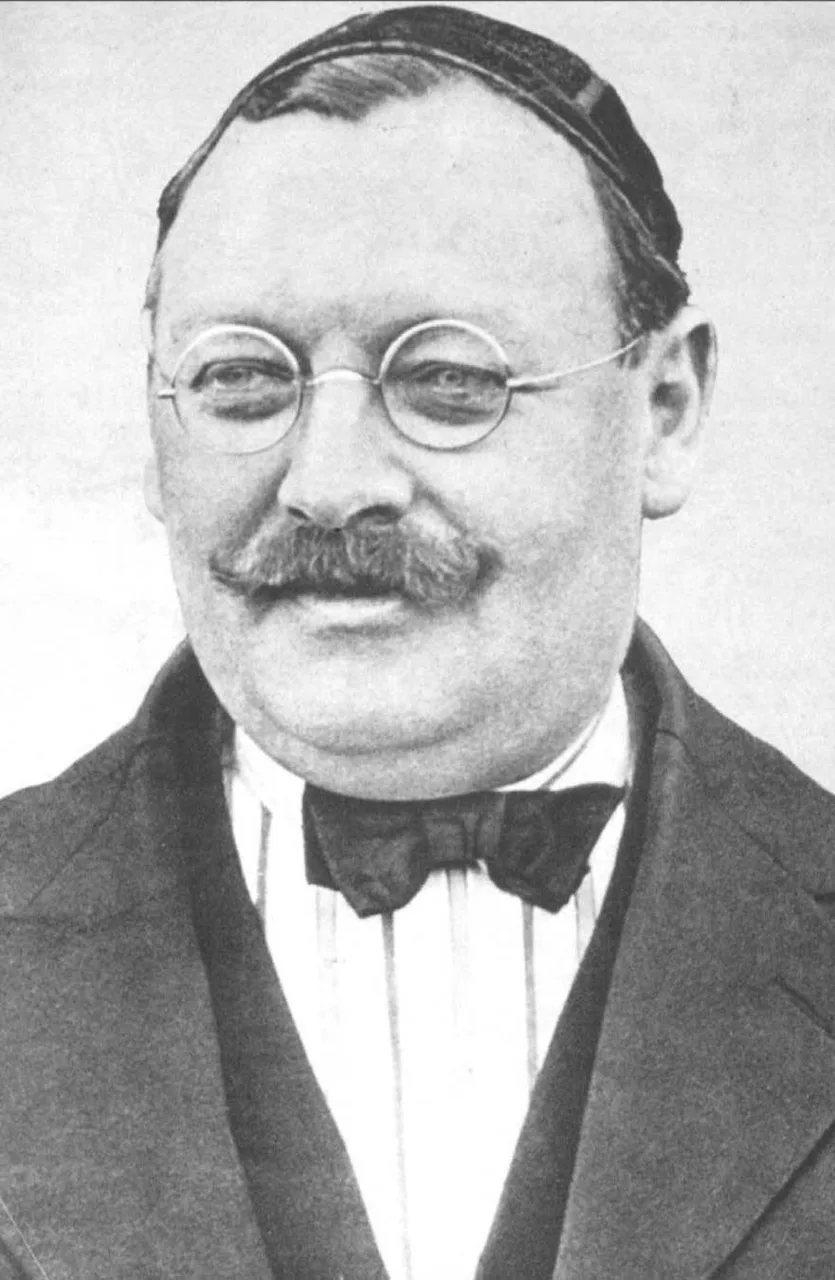
Joan Gamper was born in Switzerland and was a keen sportsman before moving to Barcelona for business. In 1899, he placed an advertisement in a local newspaper looking for players to start a football club, which led directly to the founding of FC Barcelona.
Photo: Wikimedia Commons, Public domain.
Tap the right answer
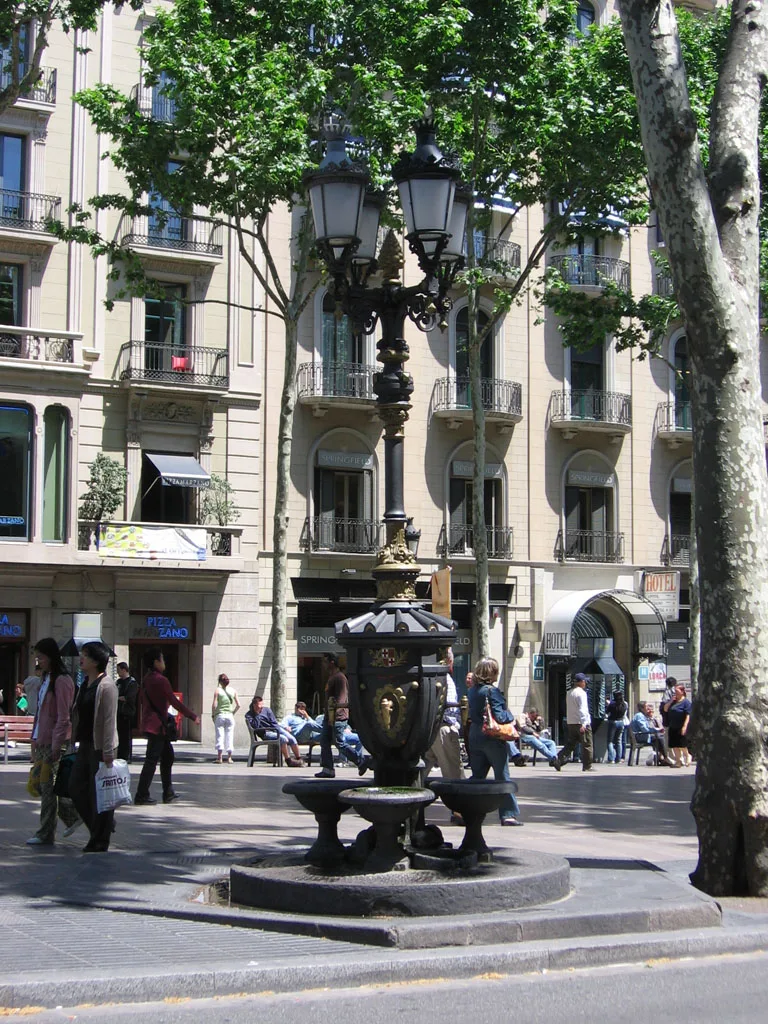
Barca fans celebrate major victories at the Font de Canaletes on Las Ramblas. This tradition started in the 1930s because a local sports newspaper posted match results on a blackboard outside its office right next to the fountain, drawing crowds of excited fans.
Photo: Darz Mol, Wikimedia Commons, CC BY-SA 3.0.
Tap the right answer
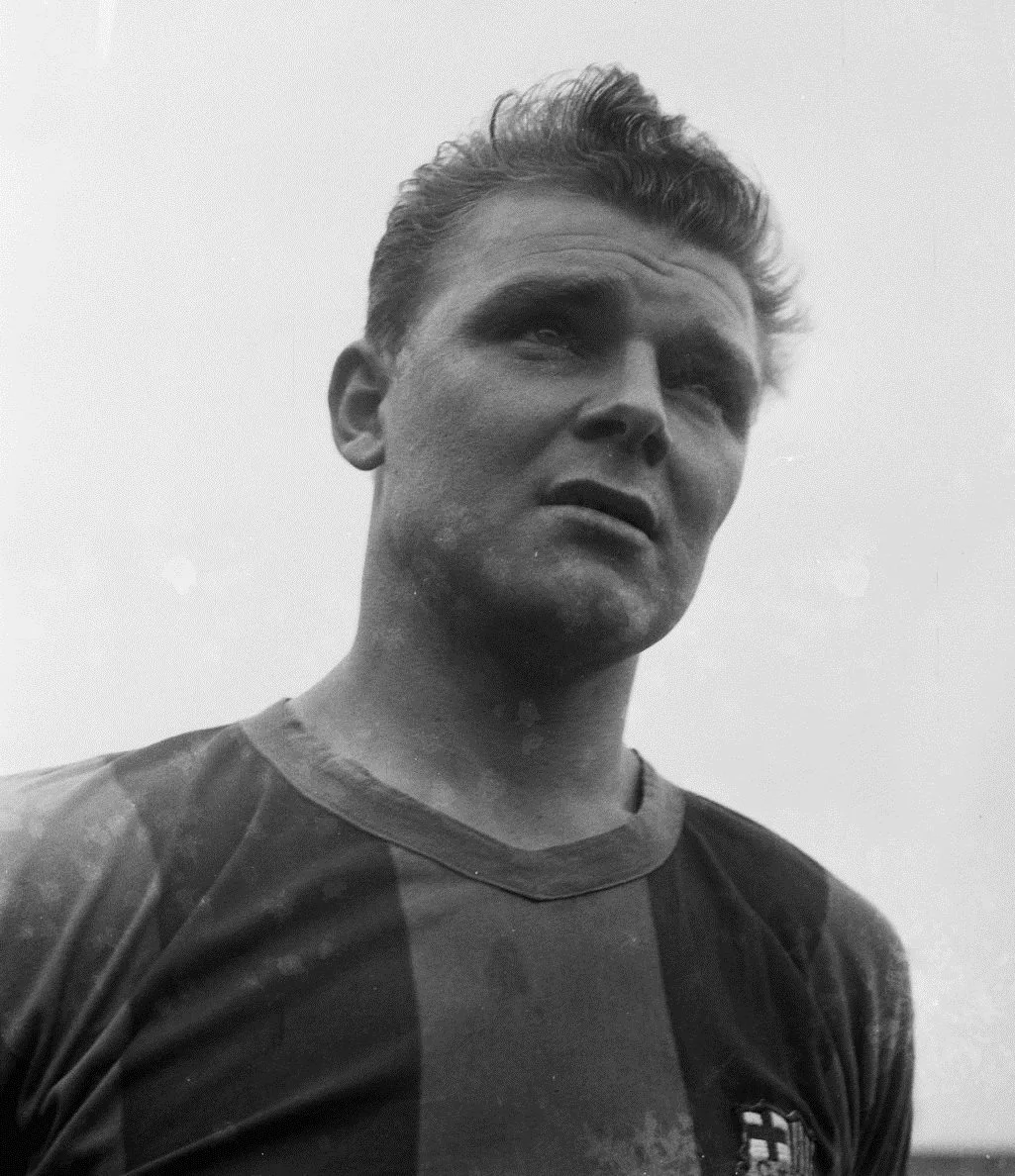
László Kubala was so incredibly popular in the 1950s that the club's old stadium, Les Corts, simply could not hold the crowds wanting to see him play. This high demand forced the board to construct the Camp Nou, which opened in 1957 and later grew into the biggest stadium in Europe.
Photo: Nationaal Archief, Den Haag, Rijksfotoarchief: Fotocollectie Algemeen Nederlands, Wikimedia Commons, CC BY-SA 3.0 nl.
Tap the right answer
In the early 1900s, Barca played at a small stadium on Calle Industria. Fans who couldn't find a seat sat on the wall surrounding the pitch. Passersby on the street outside could only see a long row of backsides, leading to the nickname 'culers' from the Catalan word for bottom. Today, even Barca's superstar players proudly use the term.
Tap the right answer
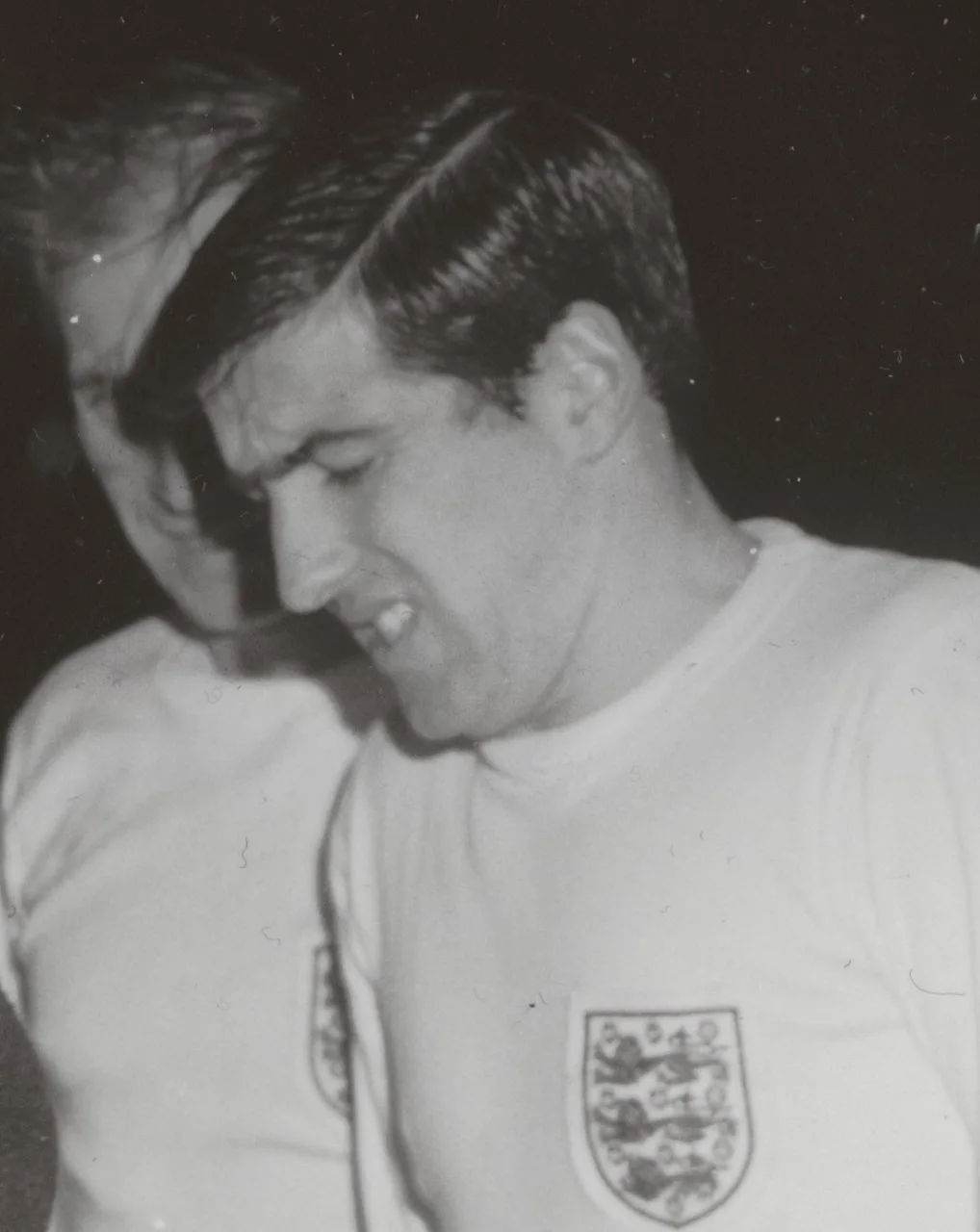
Terry Venables, affectionately nicknamed 'El Tel' by the British press, managed Barcelona from 1984 to 1987. He won the La Liga title in his first season and took them to the 1986 European Cup final, where they lost on penalties to Steaua Bucharest. Bobby Robson also managed the club, but during the late 1990s.
Photo: Joop van Bilsen for Anefo, Wikimedia Commons, CC0.
Tap the right answer
FC Barcelona founded its rugby union section back in 1924, making it one of the oldest and most successful rugby teams in Spain. The club has won several Spanish league titles and cups, showing that its sporting passion goes far beyond the football pitch.
Tap the right answer
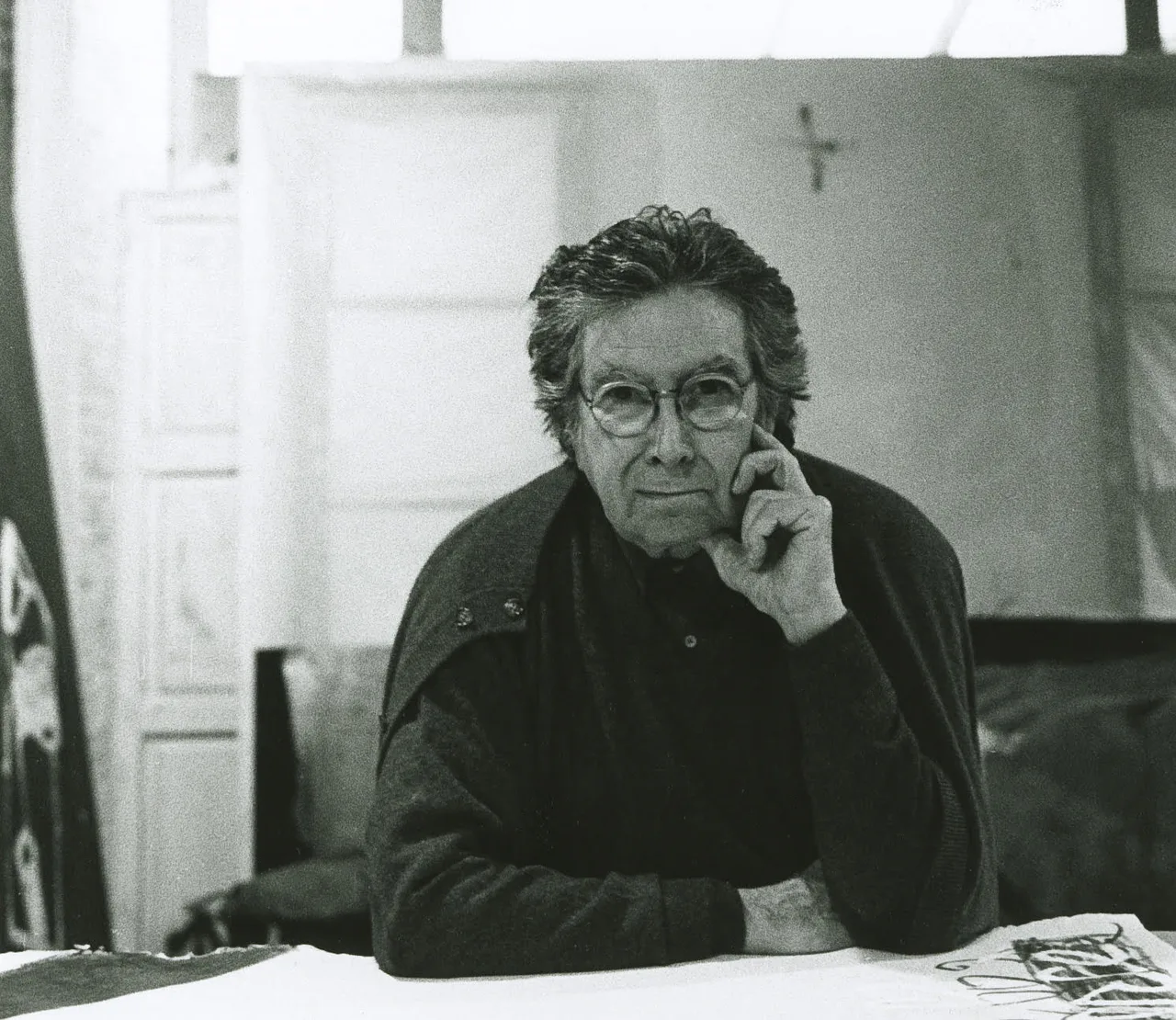
Antoni Tàpies, one of Catalonia's most famous modern artists, designed the official poster for the club's 100th anniversary in 1999. His abstract style captured the club's deep Catalan identity. Joan Miró had actually designed the club's 75th-anniversary poster back in 1974.
Photo: Teresa Tàpies Domènech, Wikimedia Commons, CC BY-SA 4.0.
Tap the right answer
The catchy anthem was commissioned for the club's 75th anniversary in 1974. Writers Jaume Picas and Josep Maria Espinàs penned the famous Catalan lyrics, which emphasize unity, equality, and welcoming people from all over. The music was composed by Manuel Valls.


Want to make a quiz like this yourself? Do it on Votur, it's free.
Paste the code into your page. The player fits itself in, and every vote counts in Votur.
On WordPress, Ghost or Squarespace? Just paste the link of this page into your post.
This is how it looks
Also fun