Get app
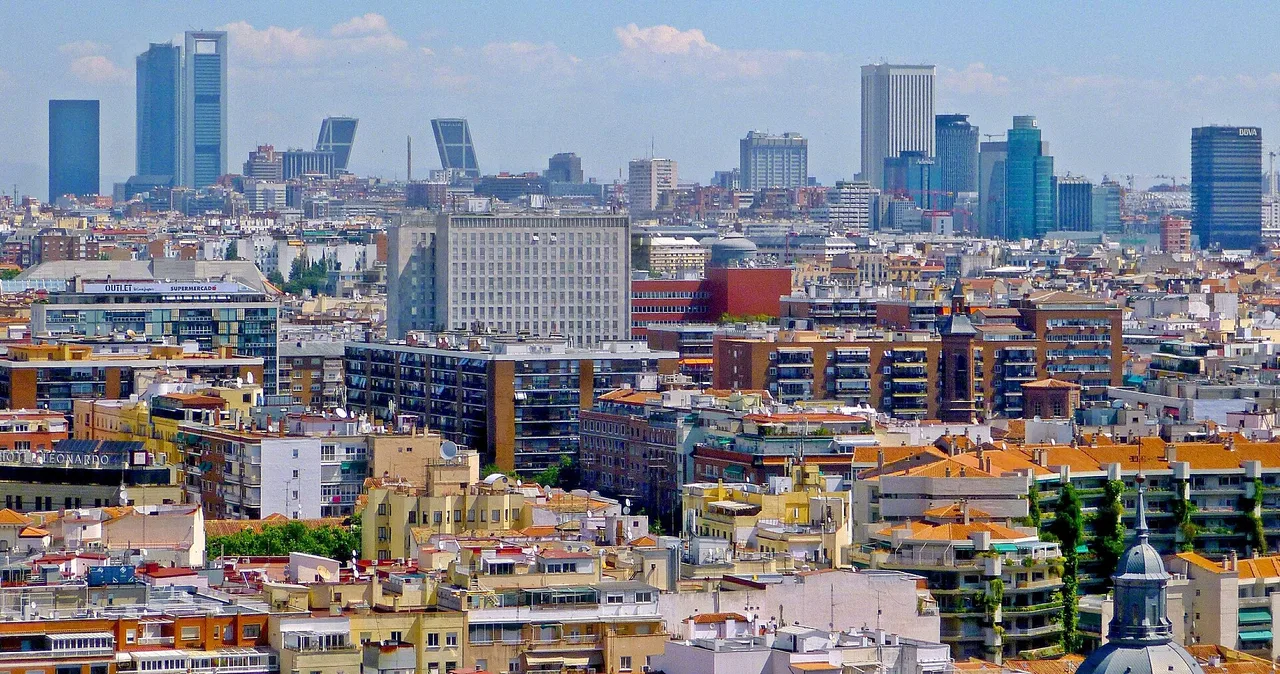
 Photo: Zarateman, Wikimedia Commons, CC0.
Madrid, Spain's vibrant capital, is a city rich in history, culture, and unique traditions. Test your knowledge of its famous landmarks, delicious food, and fascinating facts with this quiz!
Madrid Curious 0–4 · Tapas Traveler 5–8 · Madrileño Maestro 9–10
Pick one

The Santiago Bernabéu Stadium is the home of Real Madrid, one of the most successful football clubs in the world, and is named after the club's legendary former president. It hosted the 1982 FIFA World Cup final. After a huge makeover completed in 2024, it now has a retractable roof and a pitch that can be packed away, so it can also host concerts.
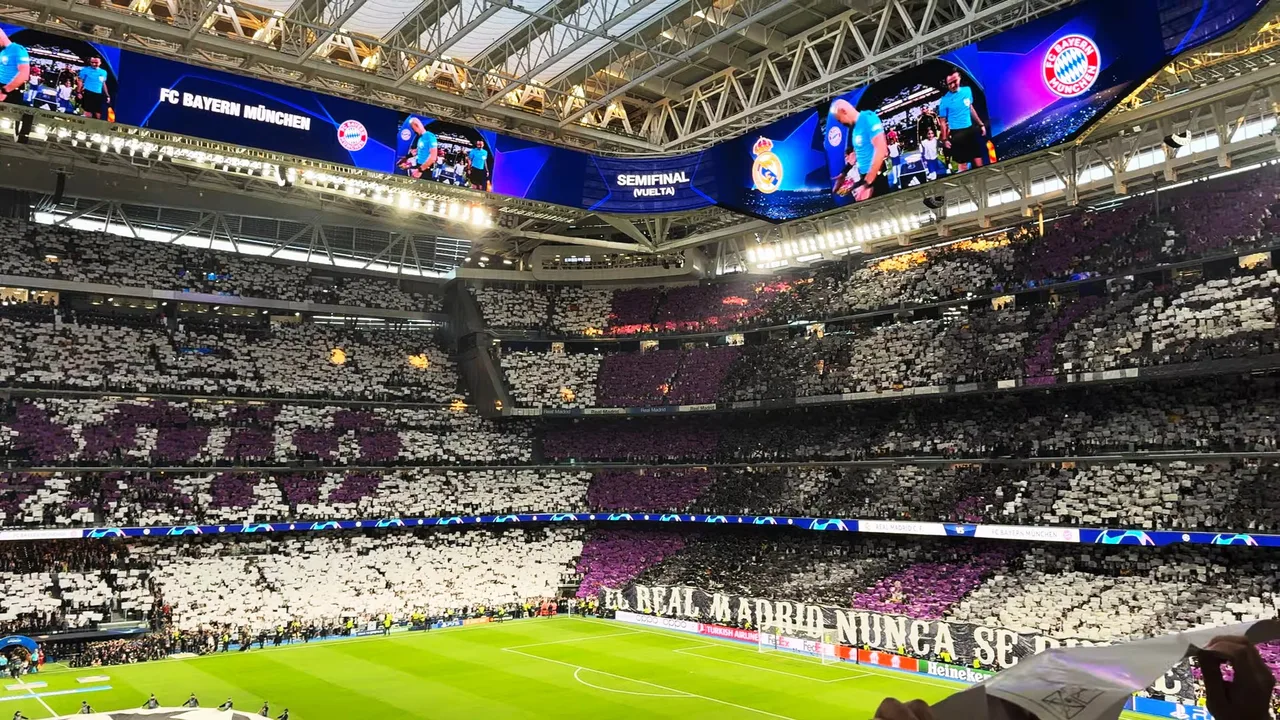
Photo: Zoser, Wikimedia Commons, CC BY 4.0.

Pick one
El Retiro Park, officially known as Parque del Buen Retiro, is one of Madrid's largest and most beautiful parks. Once owned by the Spanish Monarchy, it became a public park in the late 19th century. Highlights include the Crystal Palace, a stunning glass structure, a large artificial lake where visitors can row boats, and the Rosaleda, a beautiful rose garden. It's a beloved green oasis in the city center.
Photo: Max Alexander / PromoMadrid, Wikimedia Commons, CC BY-SA 2.0.
Pick one
The iconic symbol of Madrid is a bear reaching up to eat fruits from a strawberry tree (Arbutus unedo). It goes back to a dispute in the early 13th century between the city council and the clergy: in 1222 the pastures went to the clergy and the forests to the council. After that, the council's bear was shown standing up against the tree, probably as a sign that the woods were now the city's. You can find statues of this symbol throughout Madrid.
Pick one
The Royal Palace is the official residence of the Spanish royal family and is used for state ceremonies, but King Felipe VI and his family actually live in the smaller Palacio de la Zarzuela outside the city centre. With more than 3,000 rooms, the Royal Palace is one of the biggest royal palaces in Europe.
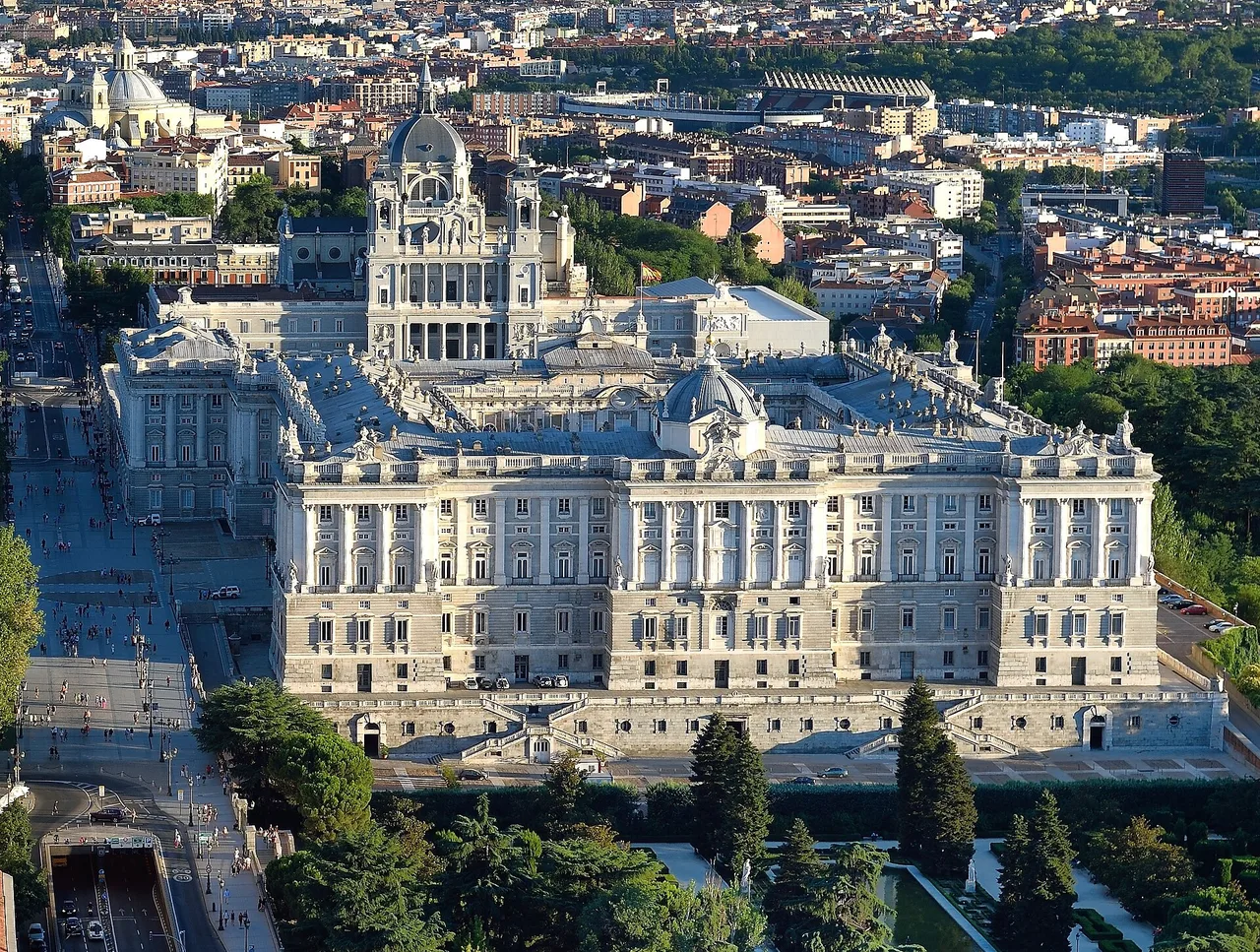
Photo: Tim Adams, Wikimedia Commons, CC BY-SA 4.0.
Pick one
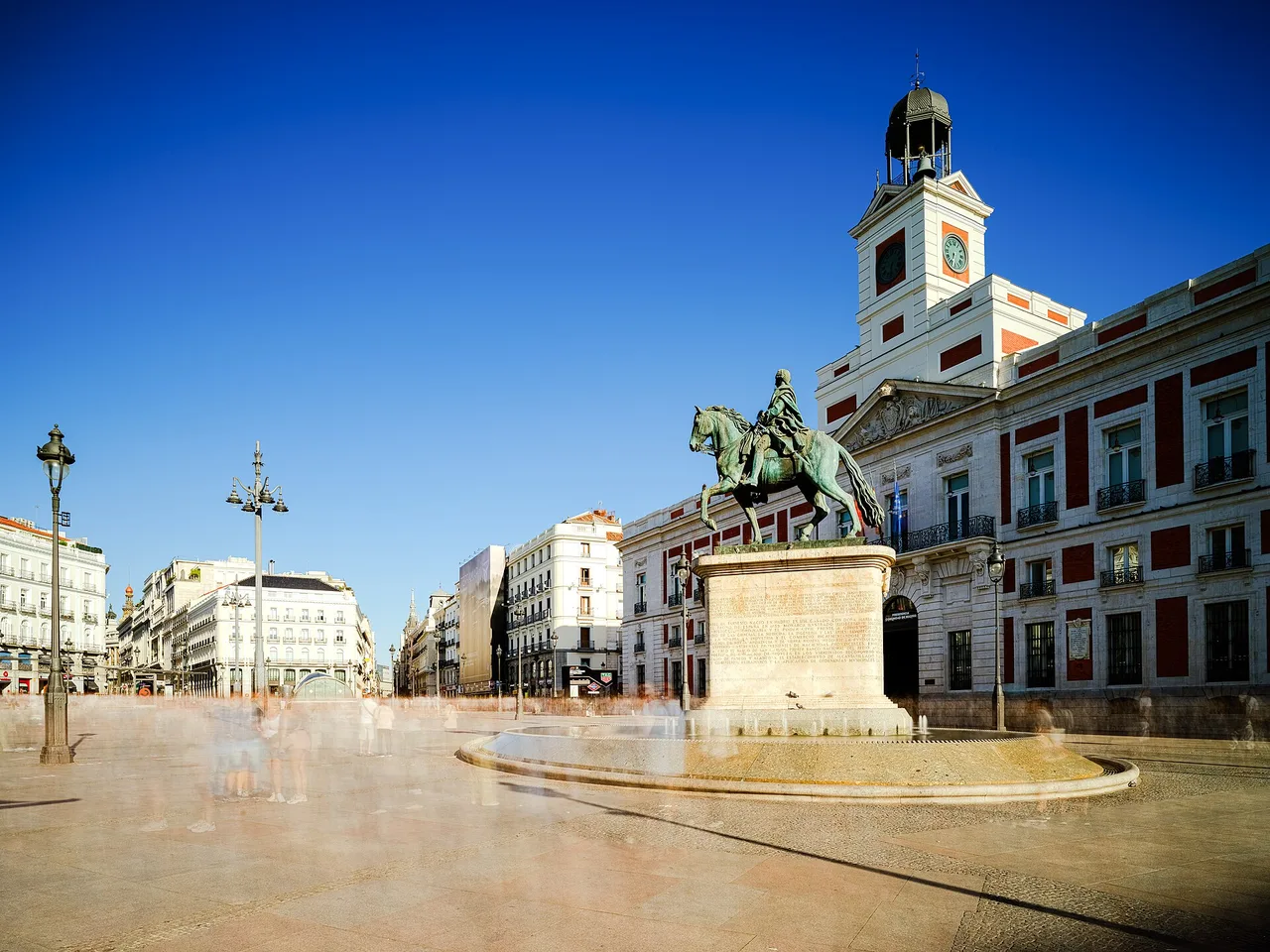
Puerta del Sol is one of Madrid's most famous and busiest public squares, literally meaning 'Gate of the Sun.' It's home to the famous clock whose bells mark the traditional eating of twelve grapes at New Year's Eve. The 'Kilometre Zero' plaque, located in front of the old Post Office building, marks the starting point for Spain's radial road network, making it a symbolic center of the country.
Photo: Matt Joseph, Wikimedia Commons, CC BY-SA 4.0.
Pick one
The bocadillo de calamares is a quintessential Madrid street food, consisting of crispy, fried calamari rings served in a crusty baguette. Despite Madrid being landlocked, this seafood sandwich is deeply ingrained in the city's culinary identity. It's a simple yet delicious dish, a testament to the city's ability to import fresh ingredients.
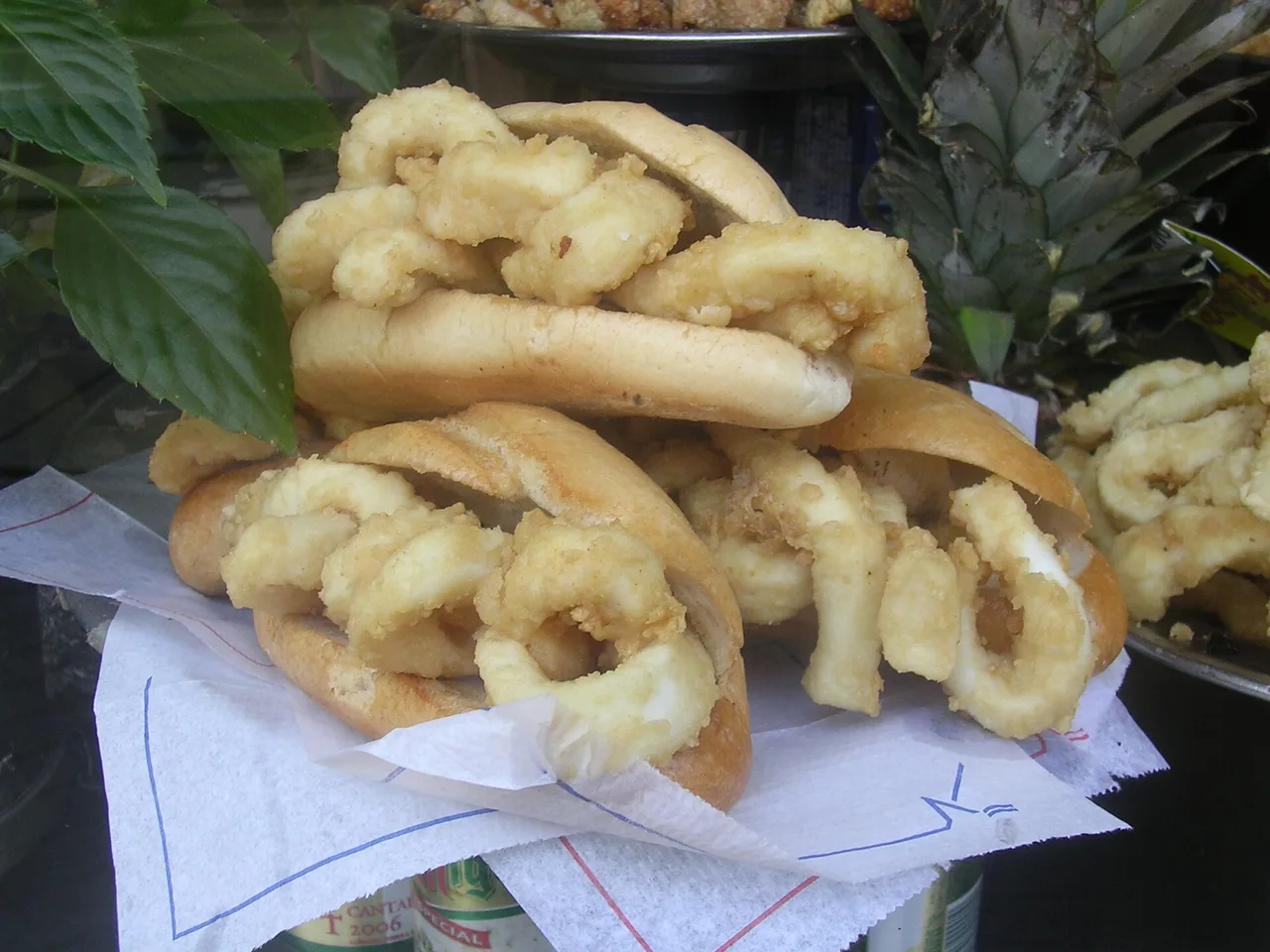
Photo: Tamorlan, Wikimedia Commons, CC BY-SA 3.0.
Pick one
San Isidro Labrador is the patron saint of Madrid, and his feast day on 15 May brings the city's biggest festival, the Fiestas de San Isidro. Locals dress up in traditional chulapo and chulapa outfits, and there are parades, concerts, dancing and picnics in the Pradera de San Isidro meadow.

Photo: Wikimedia Commons, CC BY 2.0.
Pick one
Plaza Mayor began as the Plaza del Arrabal, the town's busiest market, and was rebuilt as a grand square between 1617 and 1619. Over the centuries it hosted markets, royal celebrations, festivals and plays, and 237 balconies look down on it. A bronze statue of King Philip III on horseback stands in the middle.
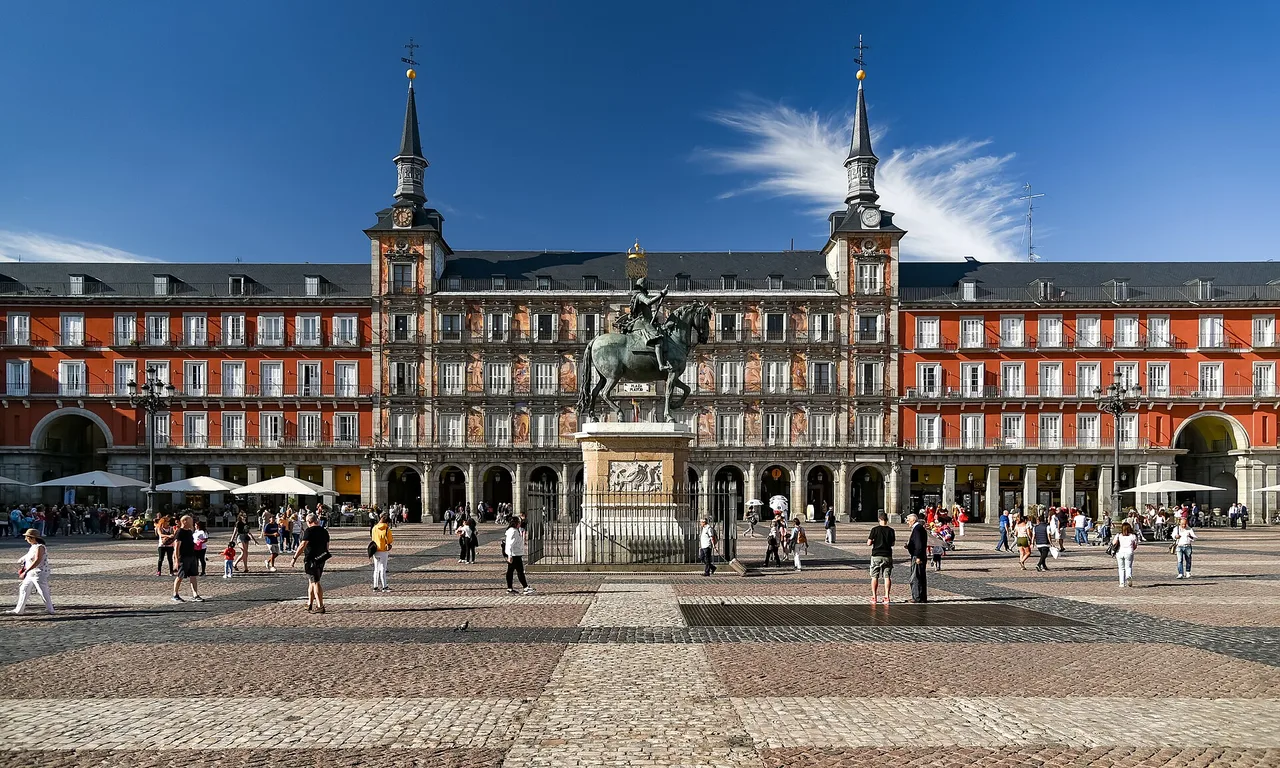
Photo: Jorge Franganillo, Wikimedia Commons, CC BY 2.0.

Pick one
In 1561 King Philip II moved his royal court to Madrid, partly because it lies right in the middle of Spain. There was never a formal decree: the court simply stayed, and apart from a short spell in Valladolid (1601-1606) Madrid has been the capital ever since.
Photo: Zarateman, Wikimedia Commons, CC0.
Pick one
The Museo del Prado is one of the world's premier art museums, renowned for its extensive collection of European art, especially Spanish masters. 'Las Meninas,' a masterpiece by Diego Velázquez, is one of its most celebrated works, known for its complex composition and enigmatic subject matter. The museum's collection also features significant works by Goya, El Greco, and Rubens, attracting millions of visitors annually.
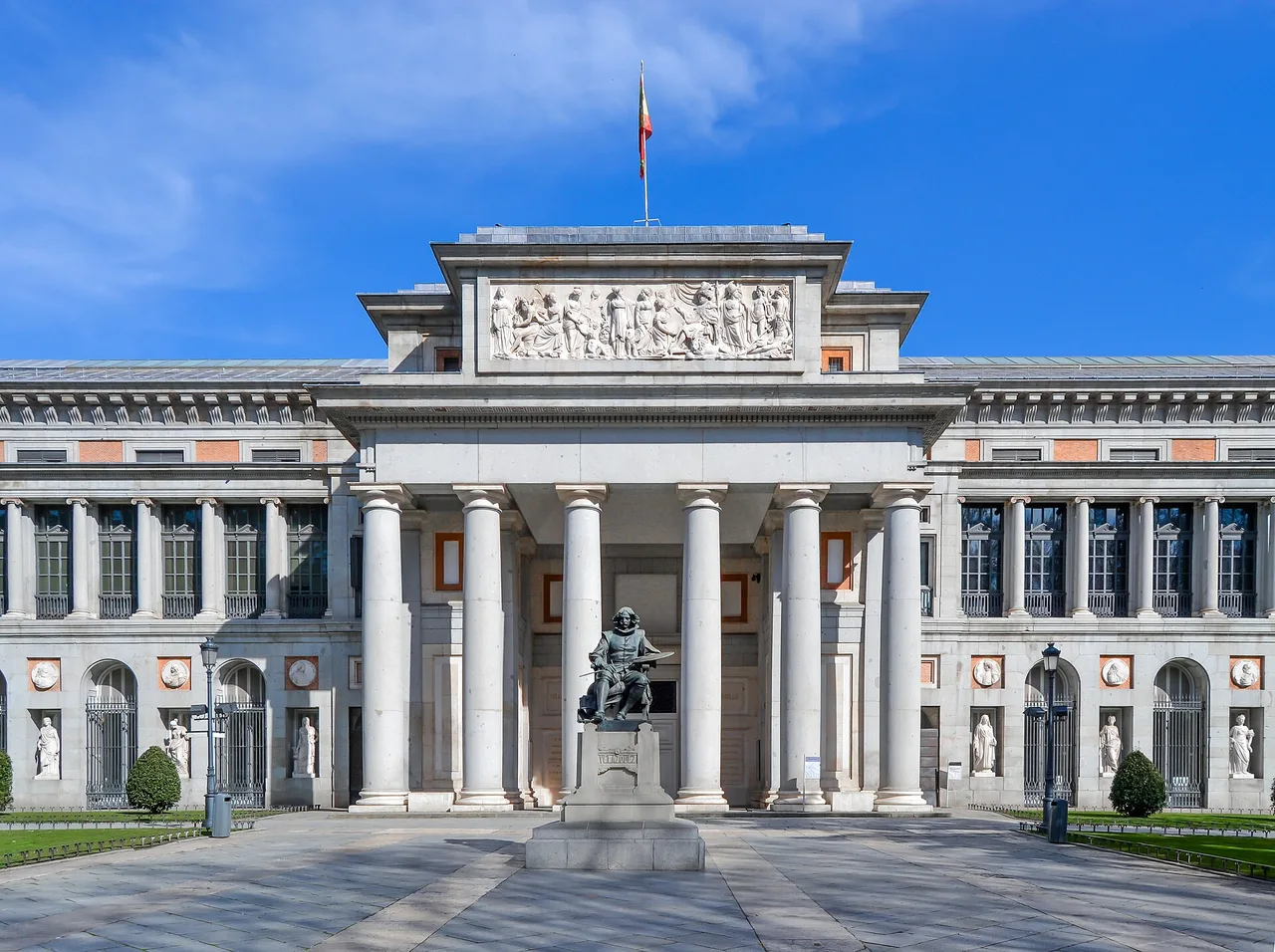
Photo: Emilio J. Rodríguez Posada, Wikimedia Commons, CC BY-SA 2.0.


Paste the code into your page. The player fits itself in, and every vote counts in Votur.
On WordPress, Ghost or Squarespace? Just paste the link of this page into your post.
This is how it looks
Also fun