Get app
Eight friendly questions about the essentials of Romania. No expert knowledge needed: everyone can join in and learn something new along the way.
First-time visitor 0–3 · Mountain-village guest 4–6 · Honorary Romanian 7–8
Pick one

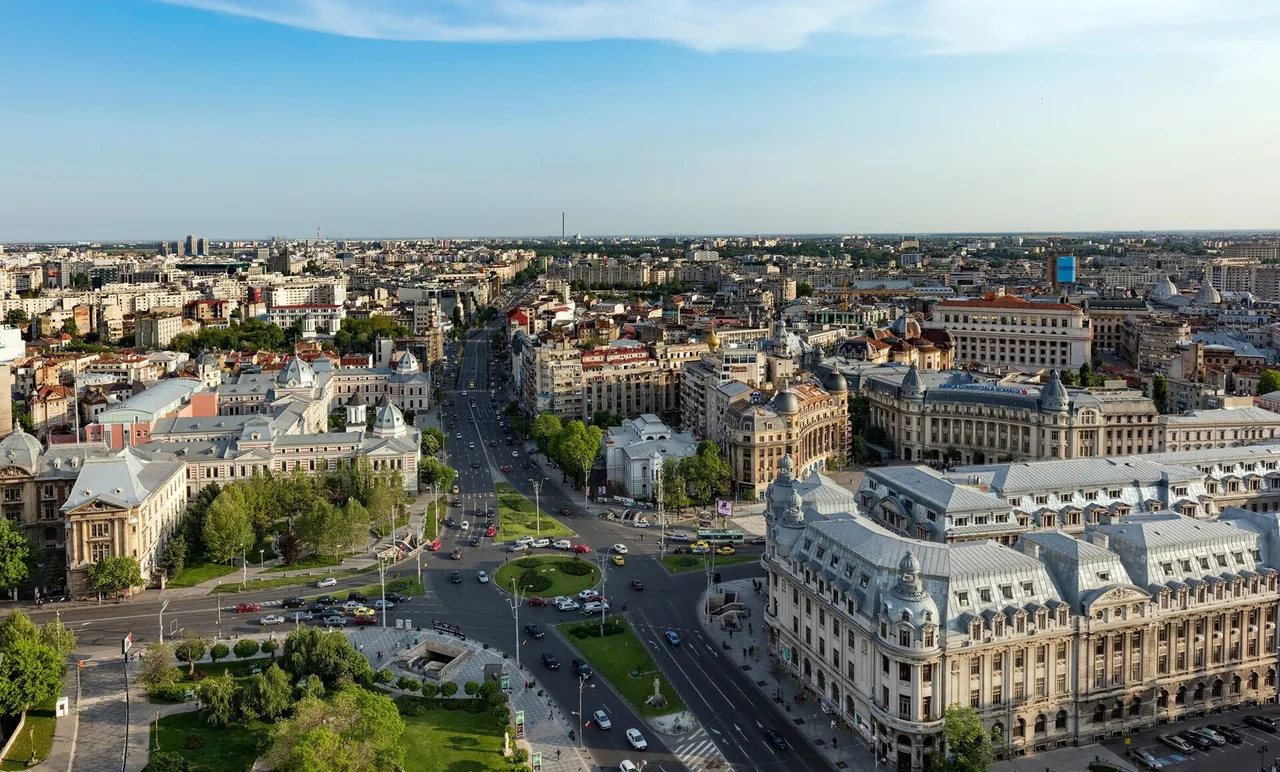
Bucharest became the capital in 1862, and in the decades that followed its elegant buildings earned it the nickname 'Paris of the East'. It even has its own Arc de Triumf, built in its present form in 1936 and modelled on the famous arch in Paris.
Photo: Madalin Pentelie, Wikimedia Commons, CC0.
Pick one
Romania's flag has three upright stripes of blue, yellow and red, with the blue next to the flagpole. The flag of Chad, in Africa, looks almost exactly the same, and in 2004 Chad even asked the United Nations to look into it, although the two flags came about separately.
Pick one
Romanian grew out of the Latin spoken in Roman times, which makes it a cousin of Italian, Spanish and French, even though most of Romania's neighbours speak Slavic languages or Hungarian. Plenty of everyday words look alike: milk is 'lapte' in Romanian and 'latte' in Italian.
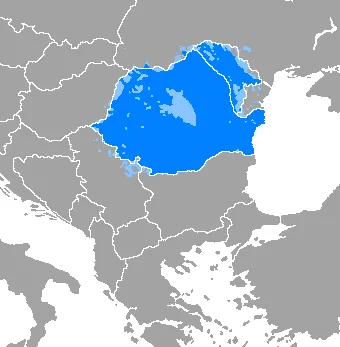
Photo: GeoNile, Wikimedia Commons, CC BY-SA 4.0.
Pick one
Mămăligă is a lot like Italian polenta, but it is often cooked so firm that it can be sliced like bread. Because it sticks to metal, it is traditionally cut with a piece of thread instead of a knife, and it is often eaten with sour cream and cheese.
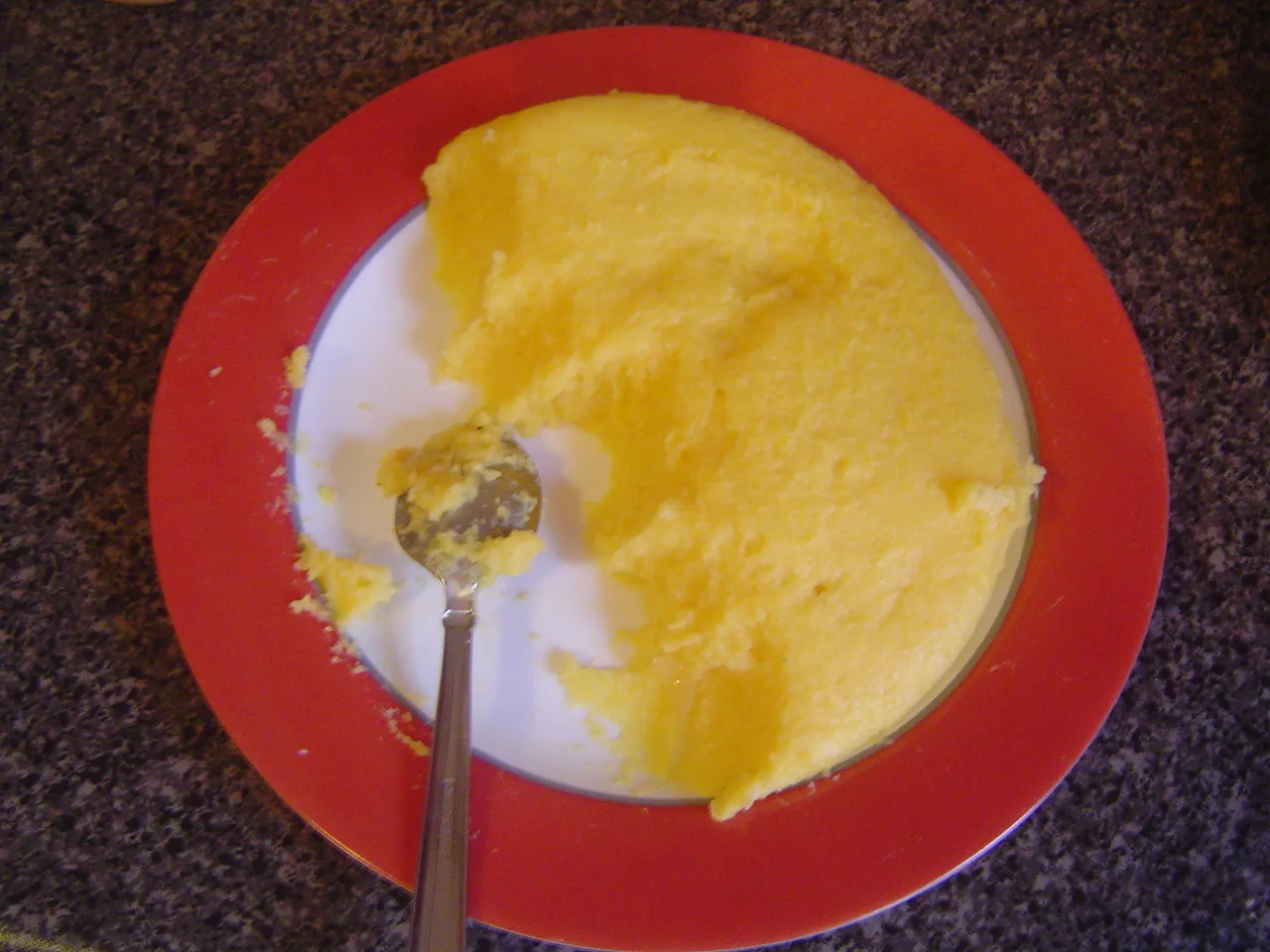
Photo: Wikimedia Commons, CC BY-SA 3.0.
Pick one
More than half of all the great white pelicans of Europe and Asia breed in the Danube Delta, arriving in late March or early April. They often fish as a team, dipping their bills at the same moment in a circle, and each pouch scoops up water and fish together before the water is squeezed out.
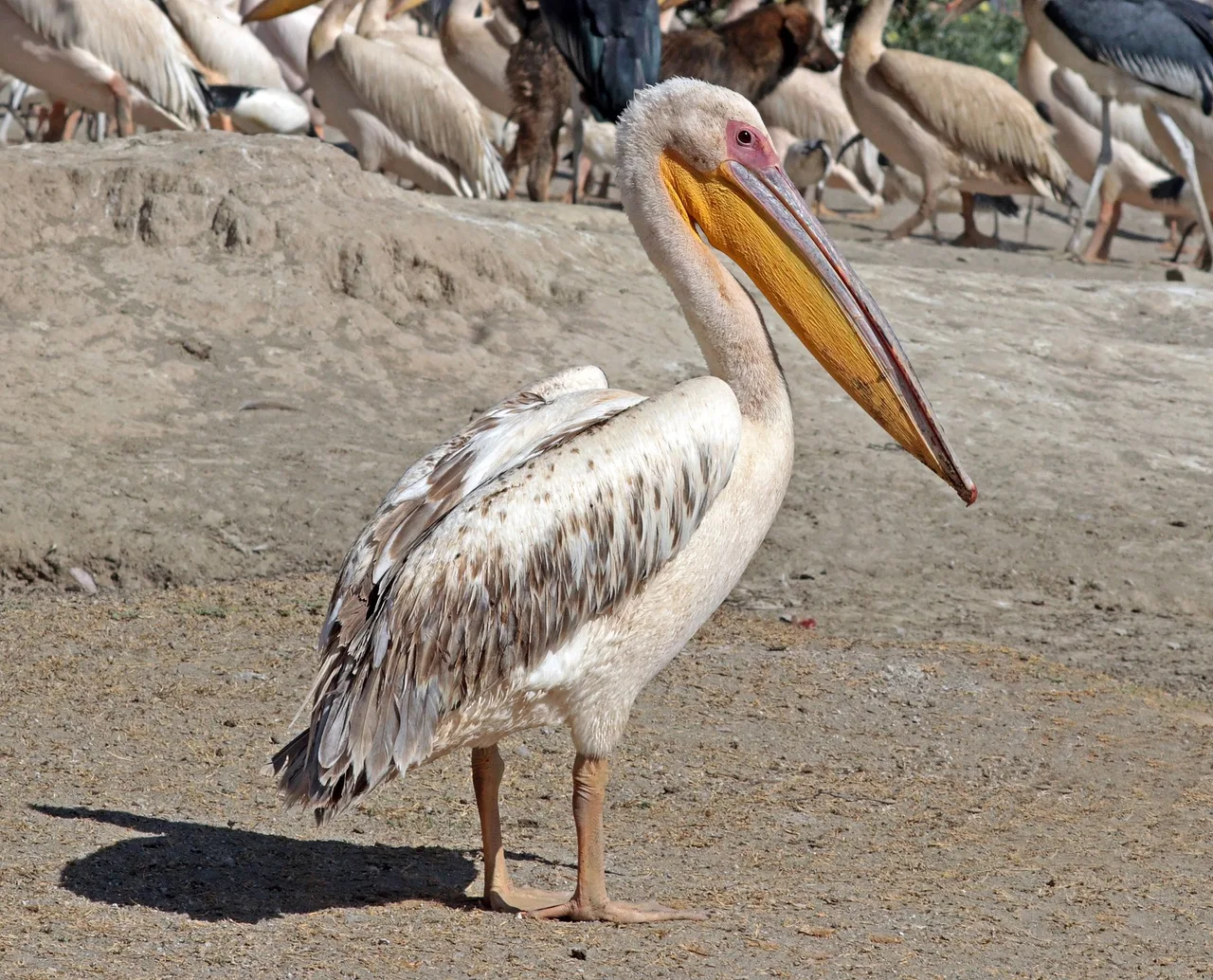
Photo: Charles J. Sharp, Wikimedia Commons, CC BY-SA 4.0.
Pick one
Romania's women's gymnastics team won a medal at every Summer Olympics from 1976 to 2012, ten Games in a row. Winter medals are much rarer: Romania has won just one so far, a bronze in the two-man bobsleigh in 1968.
Pick one
Mărțișor means 'little March': it is a small charm hanging from a twisted red-and-white string, often shaped like a clover, a ladybird or a snowdrop. People wear it pinned to their clothes in early March, and afterwards many tie it to a tree branch as a gift for the birds returning from the south.
Pick one
Count Dracula comes from the novel 'Dracula', written in 1897 by the Irish author Bram Stoker. Stoker travelled widely but never visited Eastern Europe, and in his story the count can turn into a bat, a wolf or even a mist.
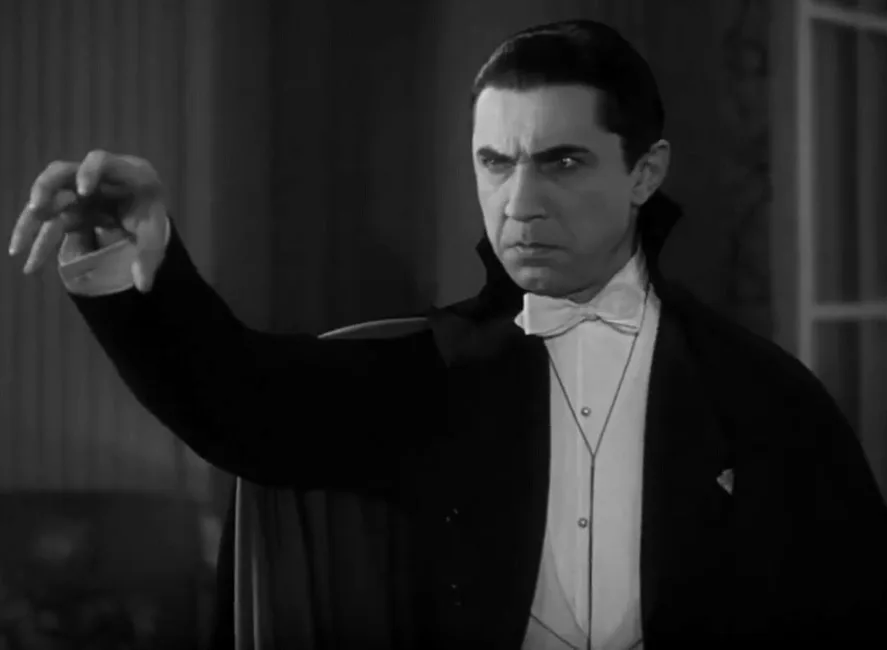
Photo: Screenshot from "Internet Archive" of the movie Dracula (1931), Wikimedia Commons, Public domain.


Paste the code into your page. The player fits itself in, and every vote counts in Votur.
On WordPress, Ghost or Squarespace? Just paste the link of this page into your post.
This is how it looks
Also fun