 Get app
Test your knowledge of Germany's vibrant capital! From historic landmarks to unique cultural quirks, discover fascinating facts about Berlin in this engaging quiz.
Spree Stroller 0–4 · Mitte Maven 5–8 · Berlin Bear 9–10

Tap the right answer
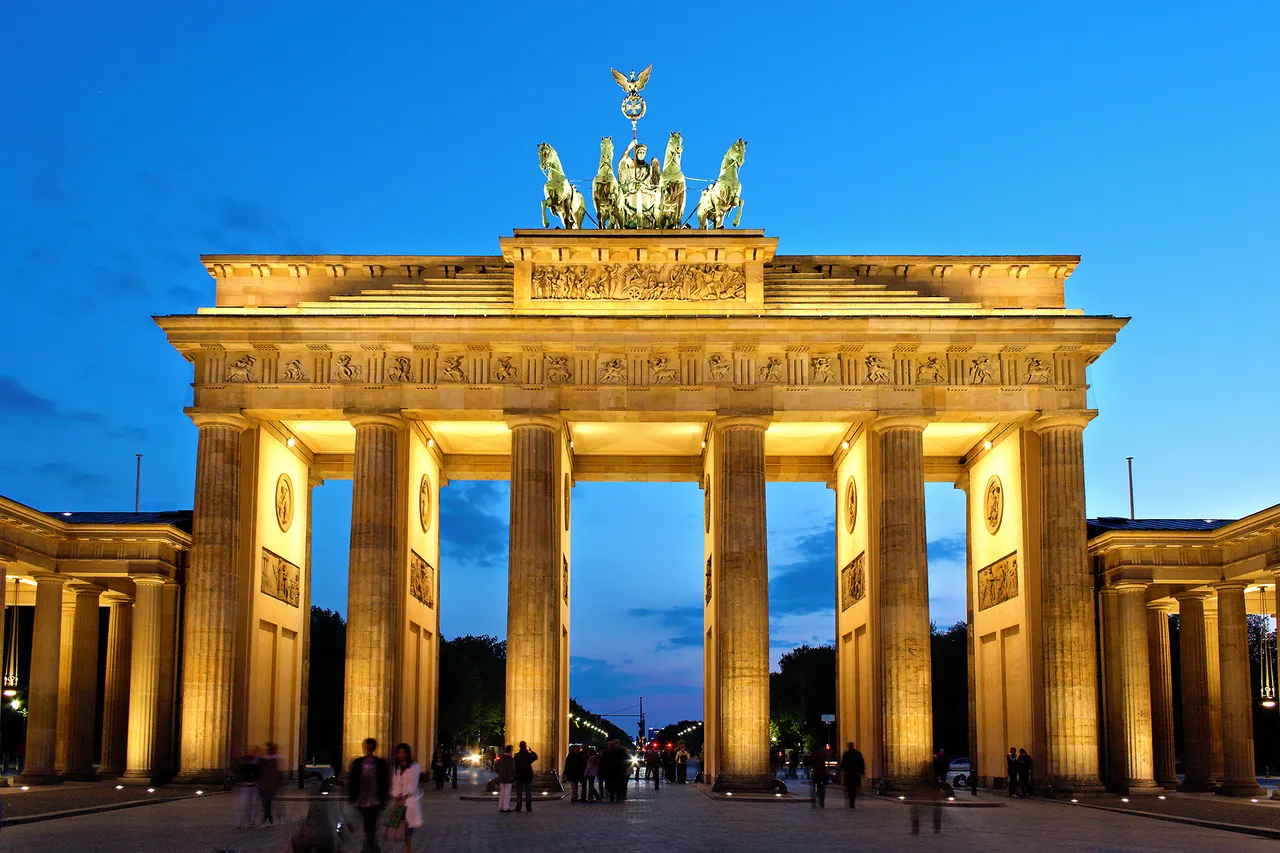
The Brandenburg Gate, a former city gate, became a powerful symbol of a divided Berlin during the Cold War. Its location near the wall meant it was inaccessible to East and West Berliners alike for decades. After the fall of the Berlin Wall in 1989, it became the site of massive celebrations, representing the peaceful reunification of Germany.
Photo: Thomas Wolf, www.foto-tw.de, Wikimedia Commons, CC BY-SA 3.0.
Tap the right answer
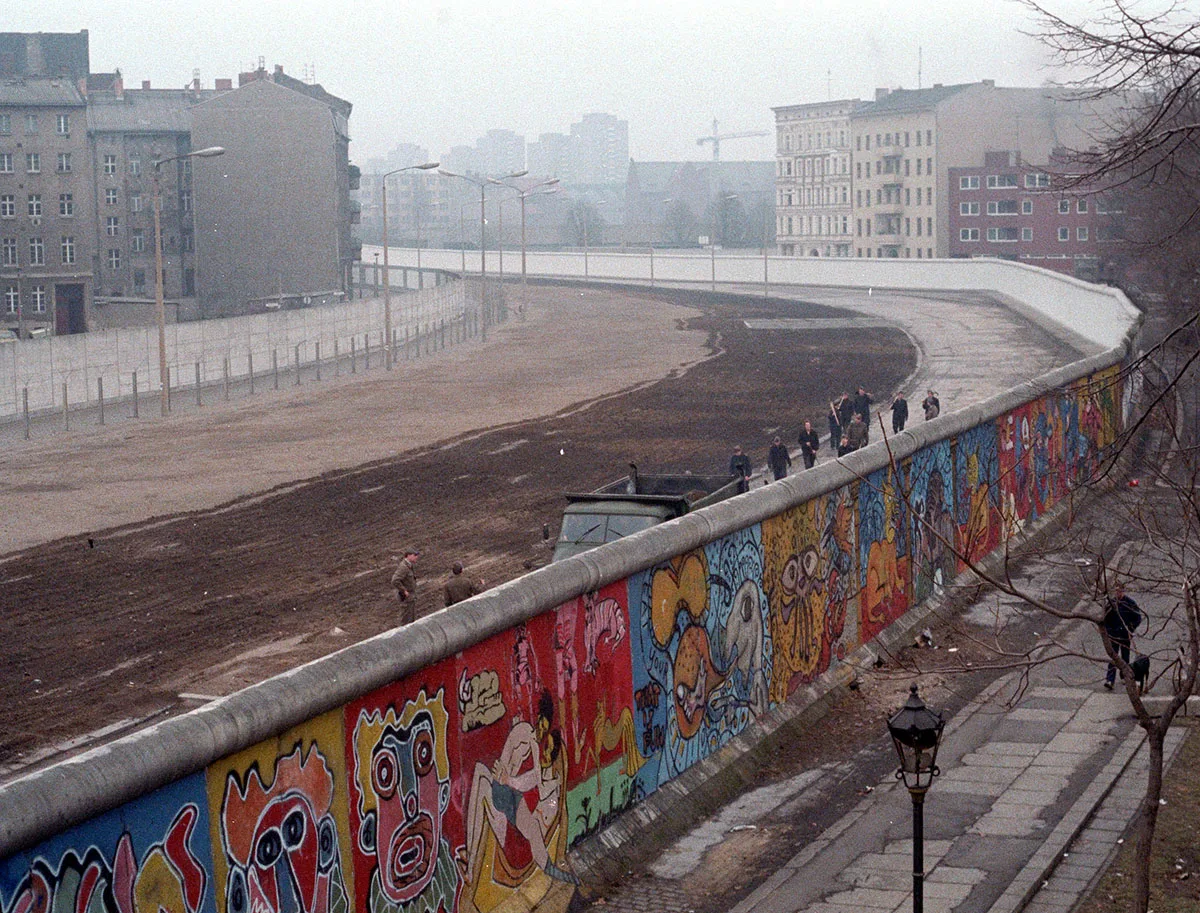
The Berlin Wall, a heavily guarded concrete barrier, divided East and West Berlin from 1961 to 1989. Its fall on November 9, 1989, was a pivotal moment in history, signaling the end of the Cold War and paving the way for Germany's reunification less than a year later. Many parts of the wall still stand today as memorials.
Photo: Noir, Wikimedia Commons, CC BY-SA 3.0.
Tap the right answer
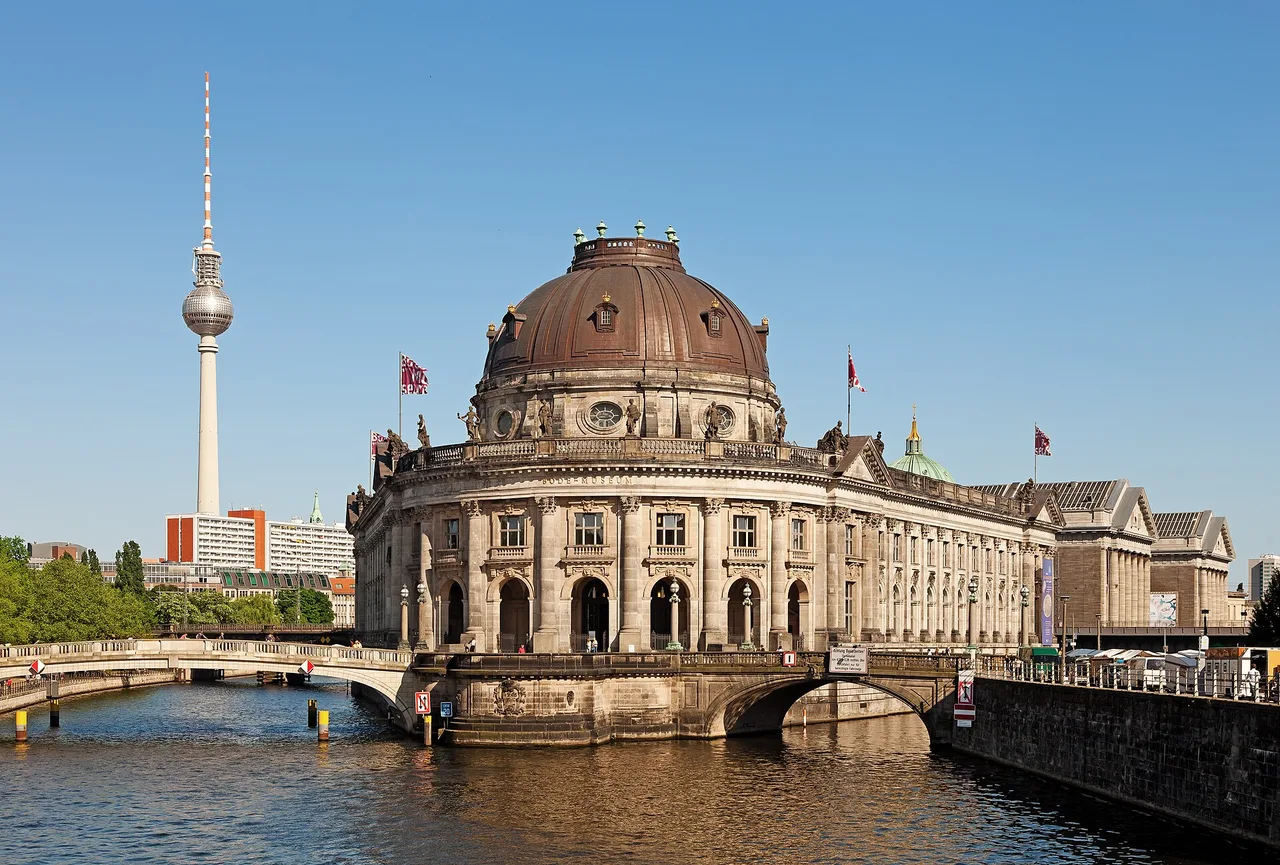
Museum Island is a unique ensemble of five world-renowned museums, all built on an island in the Spree River in the heart of Berlin. It houses vast collections covering art, archaeology, and ethnology, including the famous Pergamon Altar and the bust of Nefertiti. It was designated a UNESCO World Heritage site in 1999.
Photo: Thomas Wolf, www.foto-tw.de, Wikimedia Commons, CC BY-SA 3.0.
Tap the right answer
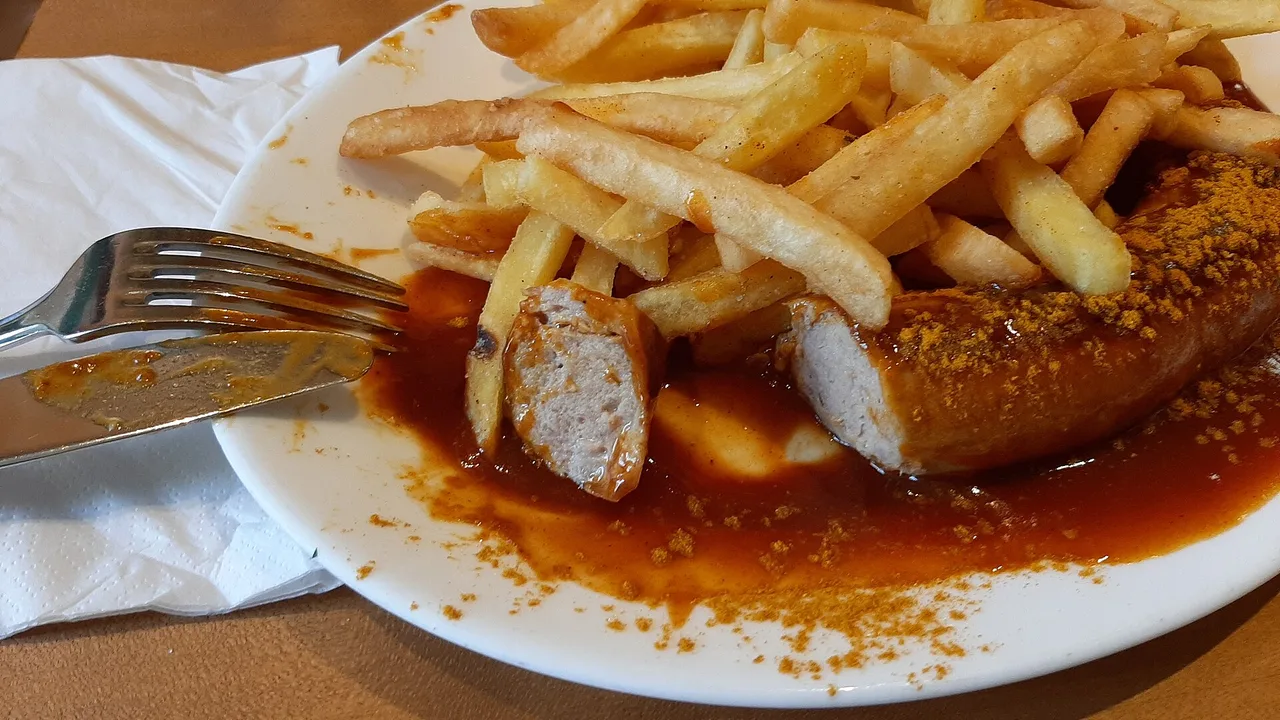
Currywurst, a dish consisting of steamed and then fried pork sausage, typically cut into bite-sized pieces and smothered in a special spiced ketchup sauce, was invented in Berlin in 1949 by Herta Heuwer. It quickly became a beloved street food, and an estimated 800 million currywurst are consumed annually in Germany, many of them in Berlin.
Photo: Ziko van Dijk, Wikimedia Commons, CC BY-SA 4.0.
Tap the right answer
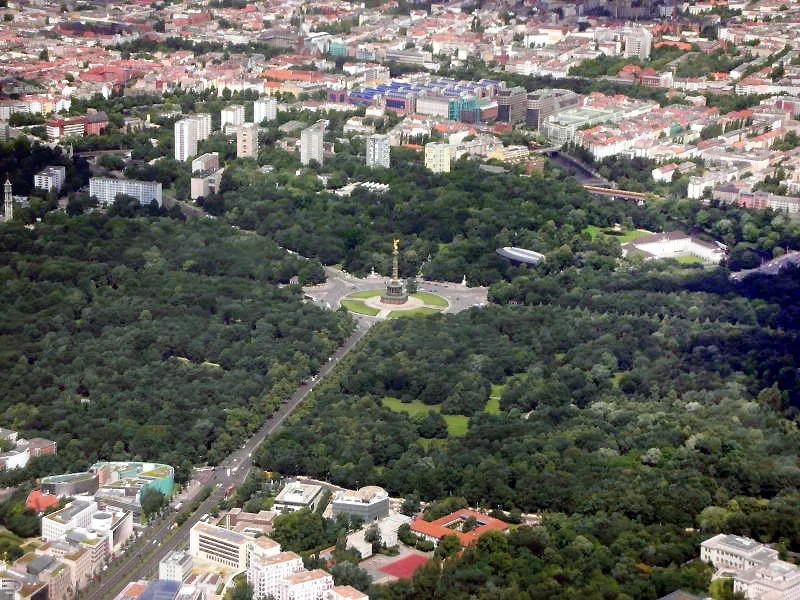
The Tiergarten is Berlin's most popular urban park, spanning over 500 acres. Originally a royal hunting ground, it was transformed into a public park in the 18th century. It features extensive walking paths, lakes, and monuments, including the Victory Column, offering a green oasis in the bustling city center.
Photo: beedubz, Wikimedia Commons, CC BY-SA 3.0.
Tap the right answer
The Reichstag Building, Germany's parliament, underwent a major reconstruction after reunification. Architect Norman Foster added a spectacular glass dome, which provides panoramic views of the city and symbolizes the transparency of the democratic process. Visitors can ascend the dome to observe parliamentary proceedings.
Photo: Mfield, Matthew Field, http://www.photography.mattfield.com; edit by Waugsberg (, Wikimedia Commons, GFDL 1.2.

Tap the right answer
Following World War II, Berlin, like Germany itself, was divided into four occupation sectors. These were controlled by the United States, the United Kingdom, France, and the Soviet Union. The three Western sectors eventually merged to form West Berlin, while the Soviet sector became East Berlin, leading to the city's infamous division.
Tap the right answer
Berlin's U-Bahn, or underground railway, first opened on February 15, 1902, making it one of the oldest subway systems in Germany. Initially, it ran a relatively short distance, but it rapidly expanded to become a vital part of the city's public transport network, serving millions of passengers annually.
Photo: Sarah Jane at Flickr, Wikimedia Commons, CC BY 2.0.

Tap the right answer
The Berlinale, officially the Berlin International Film Festival, is one of the "Big Three" major international film festivals, alongside Cannes and Venice. Held annually in February, it attracts hundreds of thousands of visitors and showcases thousands of films from around the world, including premieres and retrospectives.
Tap the right answer
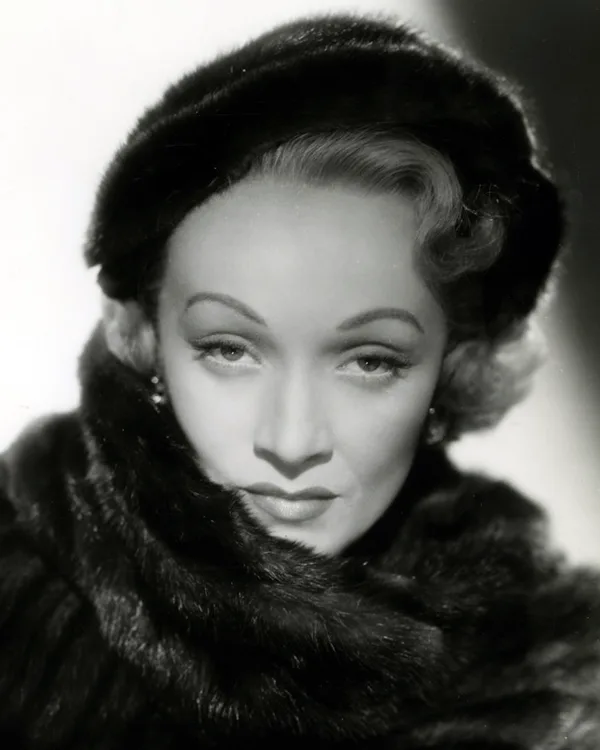
Marlene Dietrich, born in Schöneberg (now part of Berlin) in 1901, rose to international fame as a cabaret artist and film star in the 1920s and 30s. She became an American citizen during World War II and was known for her distinctive voice, glamour, and strong anti-Nazi stance. She remains a cultural icon.
Photo: Marlene_Dietrich_in_No_Highway_(1951).jpg: Twentieth Century Fox derivative work, Wikimedia Commons, Public domain.


Want to make a quiz like this yourself? Do it on Votur, it's free.
Paste the code into your page. The player fits itself in, and every vote counts in Votur.
On WordPress, Ghost or Squarespace? Just paste the link of this page into your post.
This is how it looks
Also fun
How well do you know Madrid? · 10 →How well do you know Spain? · 10 →How well do you know Rome? · 10 →How well do you know Italy? · 10 →How well do you know Bern? · 10 →How well do you know Switzerland? · 10 →How well do you know Vienna? · 10 →How well do you know Austria? · 10 →How well do you know London? · 10 →How well do you know the United Kingdom? · 10 →How well do you know Paris? · 10 →How well do you know France? · 10 →How well do you know Brussels? · 10 →How well do you know Amsterdam? · 10 →How well do you know the Netherlands? · 10 →How well do you know Copenhagen? · 10 →How well do you know Denmark? · 10 →How well do you know Athens? · 10 →How well do you know Greece? · 10 →How well do you know Lisbon? · 10 →How well do you know Portugal? · 10 →How well do you know Tallinn? · 10 →How well do you know Estonia? · 10 →Belgium · 8 →Universe · 10 →Which Greek hero are you? · 8 →Gulpen · 5 →How well do you know Dutch weather? · 10 →How well do you know Germany? · 10 →Who owns the Netherlands? · 10 →The little church village of Klimmen · 10 →Do you know Neutral Moresnet? · 10 →