Get app
 Photo: Baynham Goredema from Johannesburg, South Africa, Wikimedia Commons, CC BY 2.0.
How well do you know Zimbabwe's vibrant capital? Test your knowledge of Harare's rich history, iconic architecture, lush nature, and unique local culture!
First-Time Visitor 0–4 · Harare Regular 5–8 · True Harare Insider 9–10
Pick one

Harare is famous for its vibrant purple jacaranda trees, which bloom spectacularly around September and October. They were introduced to the city in the late 19th century. Bougainvillea is also common but grows as a woody vine rather than large canopy trees.
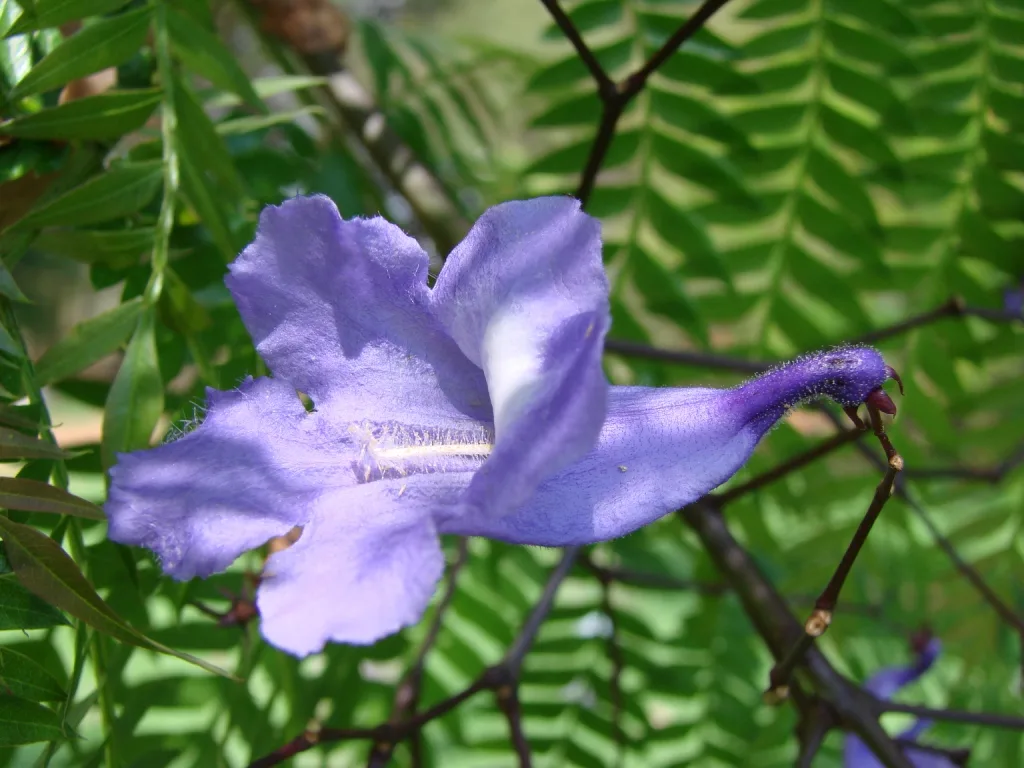
Photo: João Medeiros, Wikimedia Commons, CC BY 2.0.
Pick one
The Harare International Festival of the Arts is one of the largest international arts festivals in Africa. For about a week, usually in late April or early May, the city fills with theatre, music, dance, art and poetry from Zimbabwe and around the world.
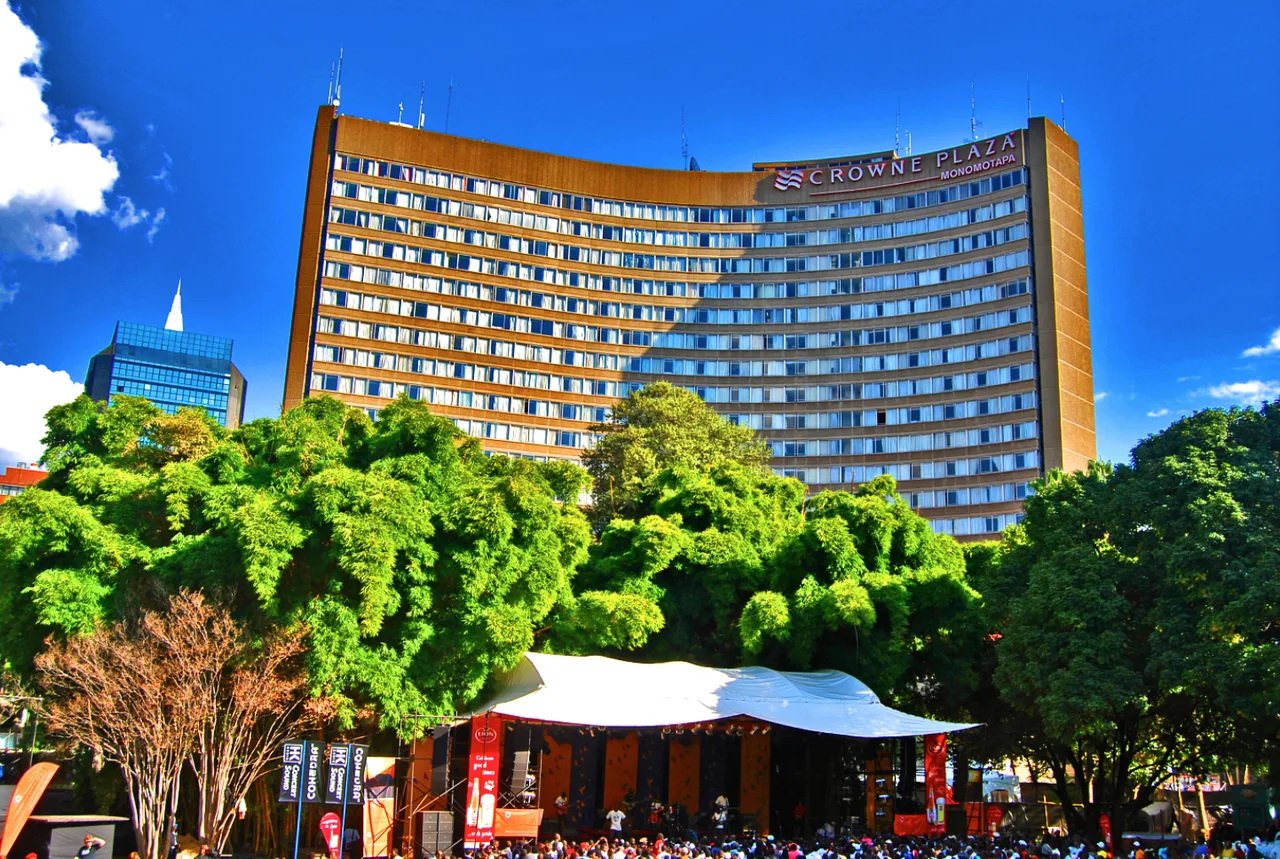
Photo: Baynham Goredema from Johannesburg, South Africa, Wikimedia Commons, CC BY 2.0.
Pick one
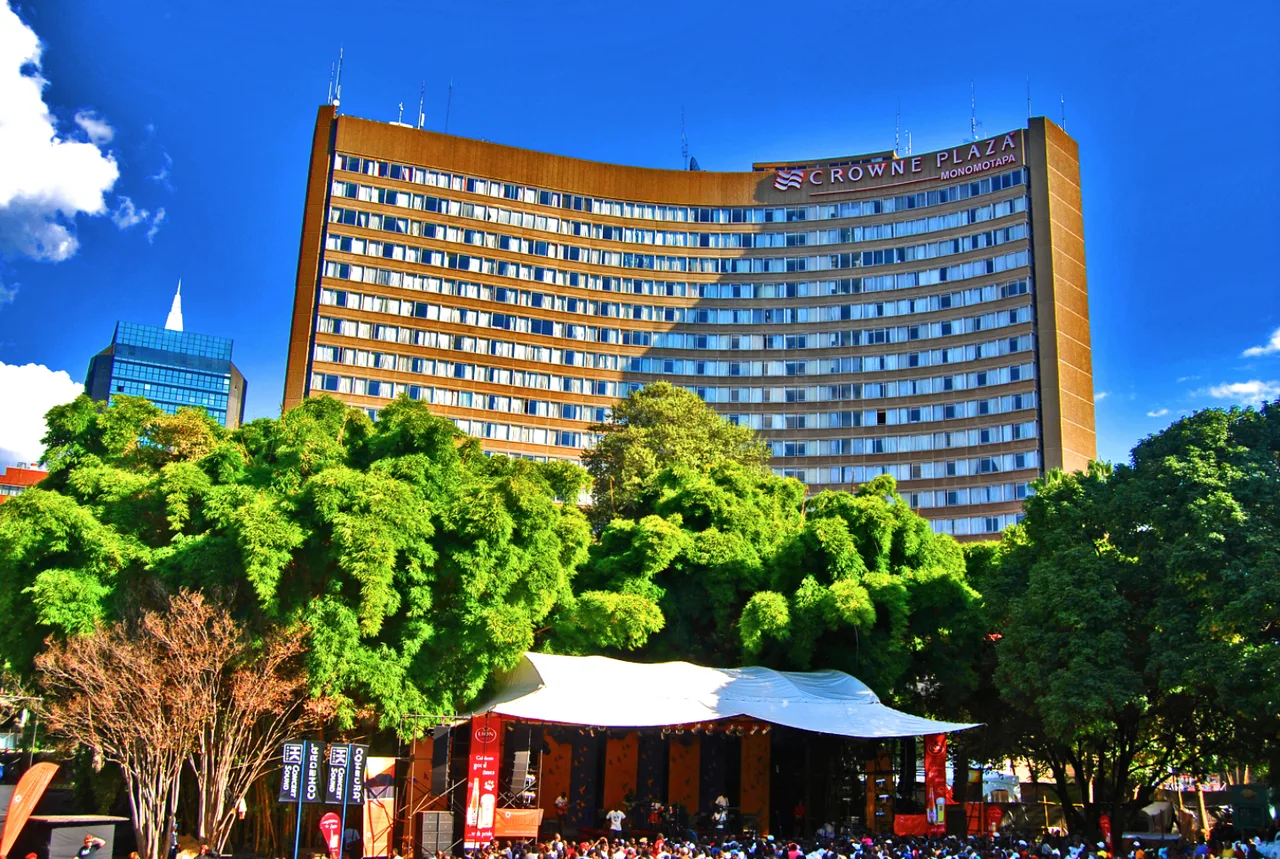
Harare was founded in 1890 by the Pioneer Column and named Fort Salisbury after the British Prime Minister, Lord Salisbury. It was renamed Harare on April 18, 1982. Bulawayo is Zimbabwe's second-largest city and has always kept its original name.
Photo: Baynham Goredema from Johannesburg, South Africa, Wikimedia Commons, CC BY 2.0.
Pick one
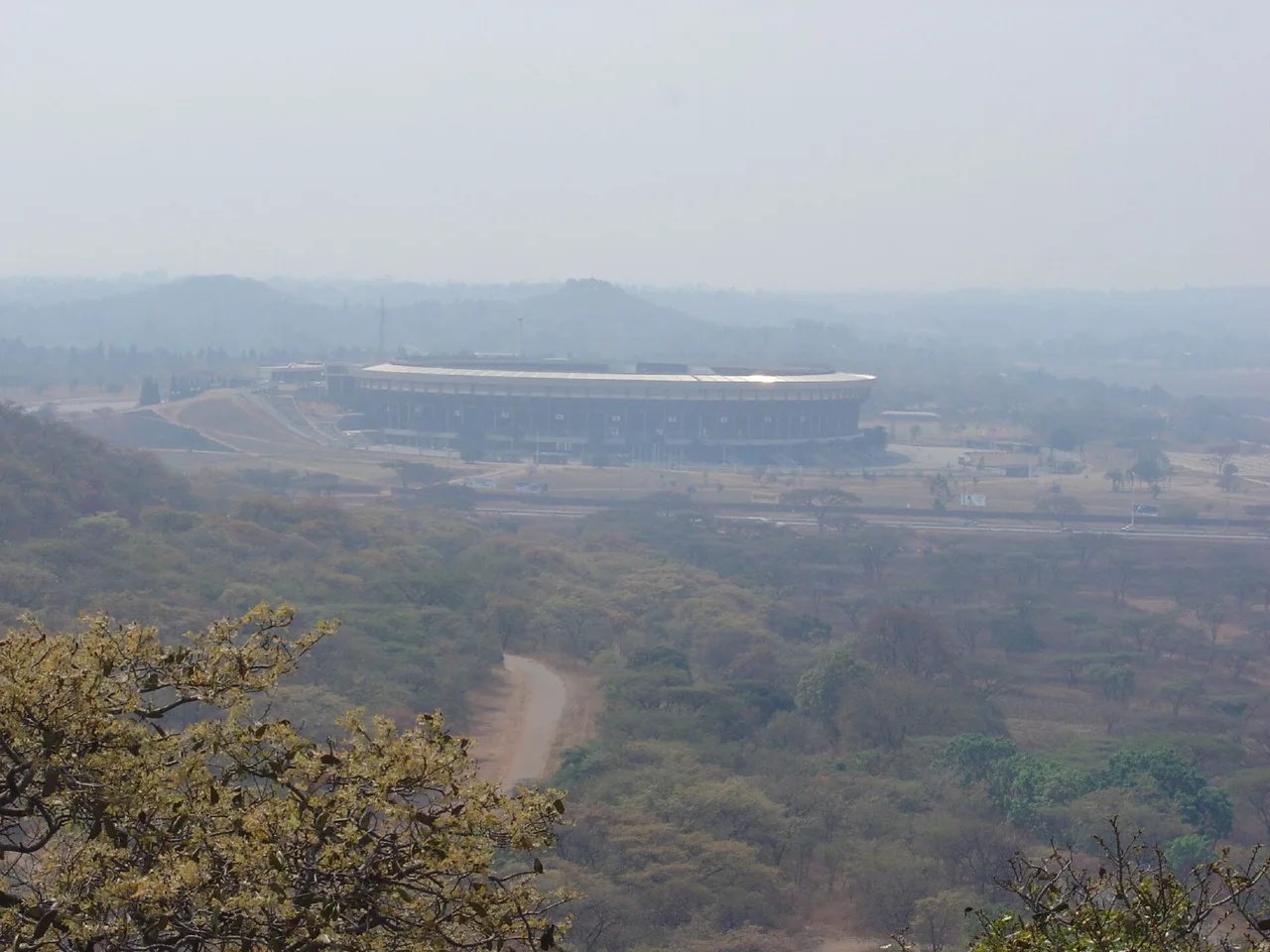
The National Sports Stadium in Harare is the largest stadium in Zimbabwe, with a capacity of around 60,000 people. It is used mostly for football matches and major state events. Rufaro Stadium, located in Mbare, is historic but much smaller.
Photo: Gary Bembridge from London, UK, Wikimedia Commons, CC BY 2.0.
Pick one
Oliver Mtukudzi, one of Zimbabwe's most famous cultural icons, was born in the Highfield township of Harare in 1952. He recorded over 60 albums during his prolific career. Thomas Mapfumo, another music giant, was born in Marondera.
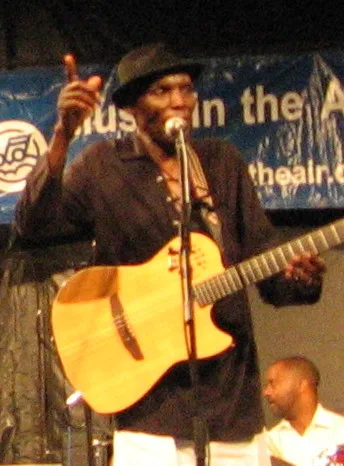
Photo: Jshecket, Wikimedia Commons, CC BY-SA 3.0.
Pick one
Mukuvisi Woodlands was founded in 1980 and covers about 263 hectares, a slice of wild bush right on the edge of the city. Visitors can spot giraffes, zebras, wildebeest and impalas from trails and viewing platforms, along with more than 300 kinds of birds.
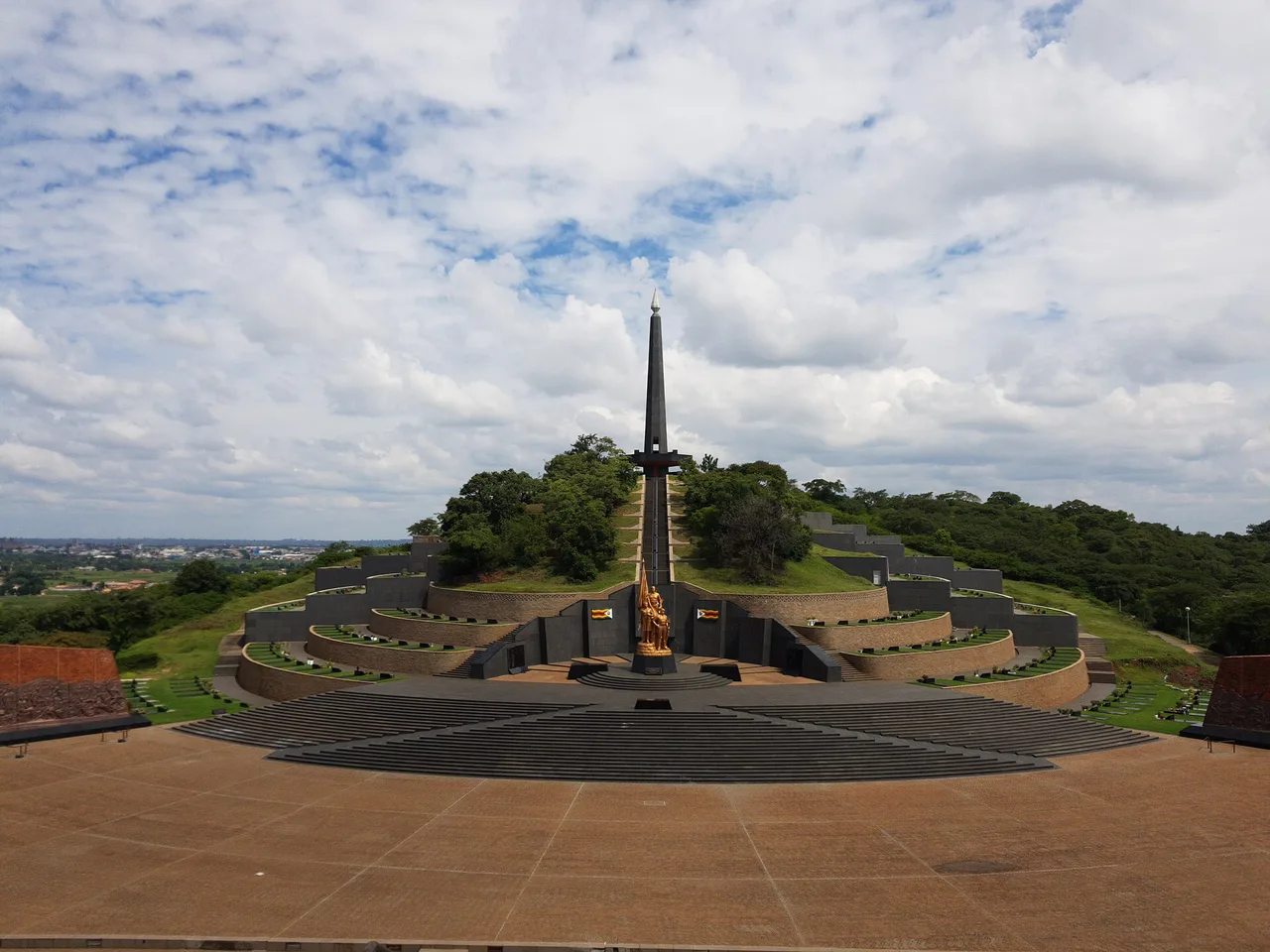
Photo: Muhammad Mahdi Karim, Wikimedia Commons, GFDL 1.2.
Pick one
Lake Chivero is a reservoir on the Manyame River, held back by a dam wall about 400 metres long, and it is Harare's main water supply. Its water is also used for farming and fishing. It used to be called Lake McIlwaine.
Photo: Gyron, Wikimedia Commons, Public domain.
Pick one
The National Gallery of Zimbabwe in Harare has been a hub for Shona stone sculpture since it opened in 1957. This unique art form gained global acclaim in the mid-20th century, with artists carving beautiful figures out of local serpentine and springstone.
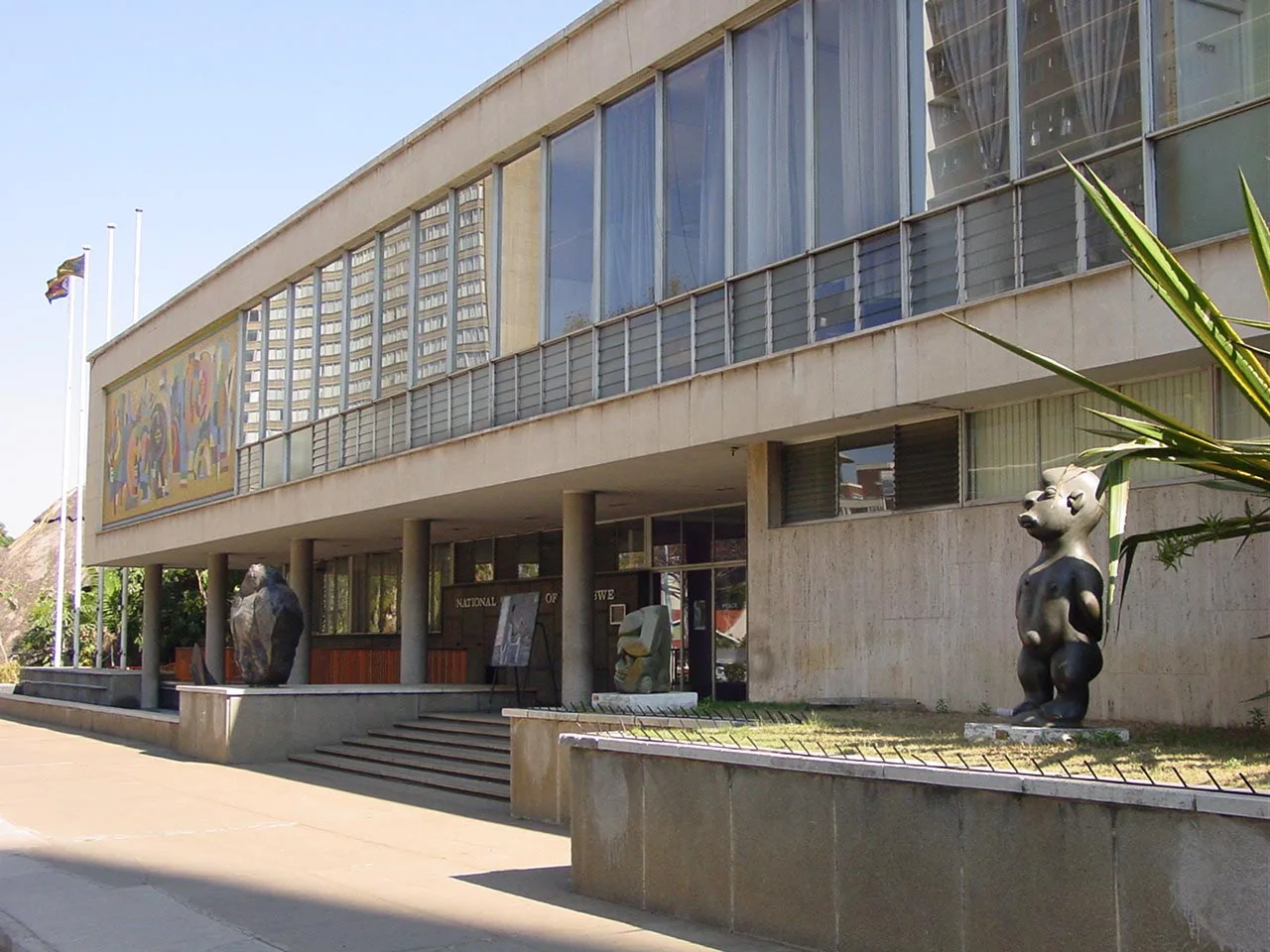
Photo: Awinda, Wikimedia Commons, CC BY-SA 3.0.
Pick one
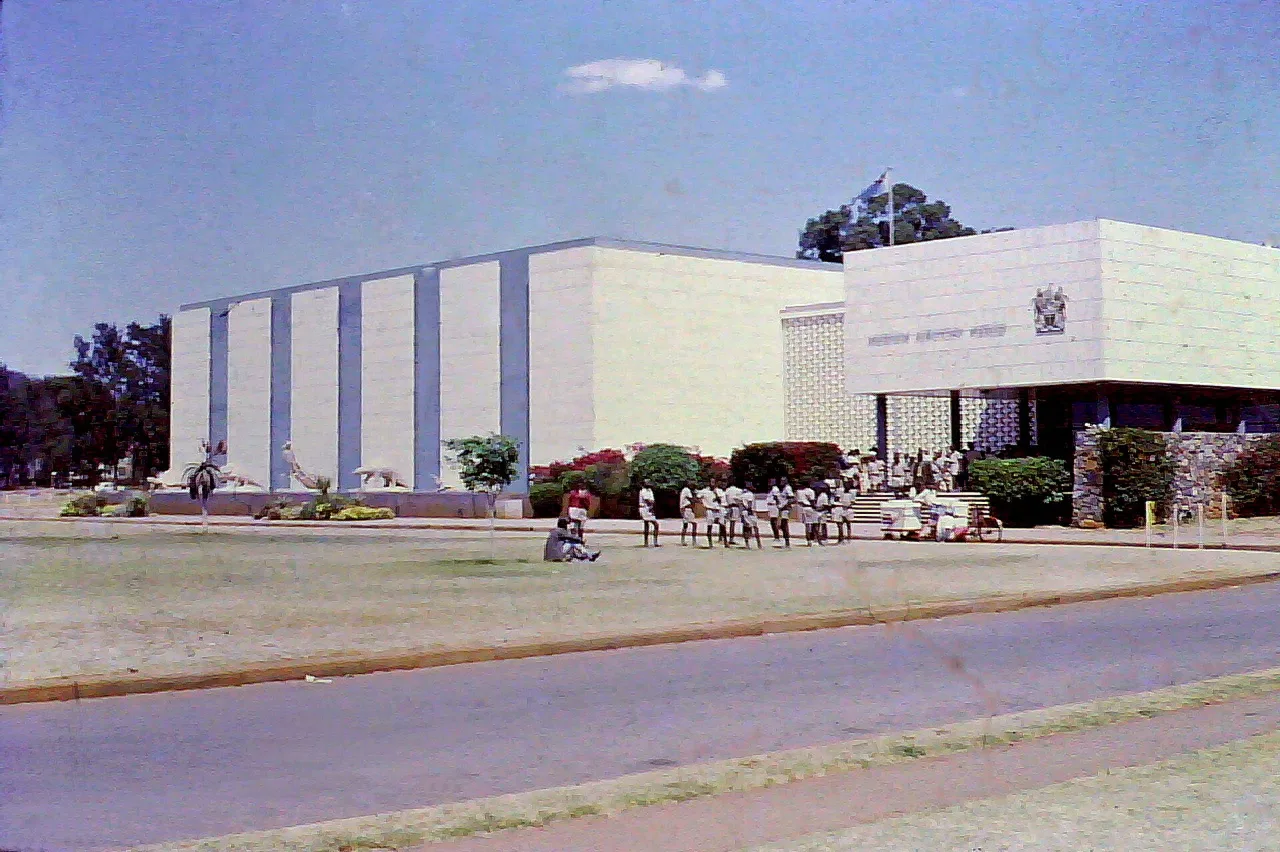
The museum houses the Ngoma Lungundu, a large wooden drum believed by the Lemba people to be the sacred vessel of their ancestors. Some researchers have compared its description and historical role to the biblical Ark of the Covenant.
Photo: Rob from United Kingdom, Wikimedia Commons, CC BY 2.0.
Pick one
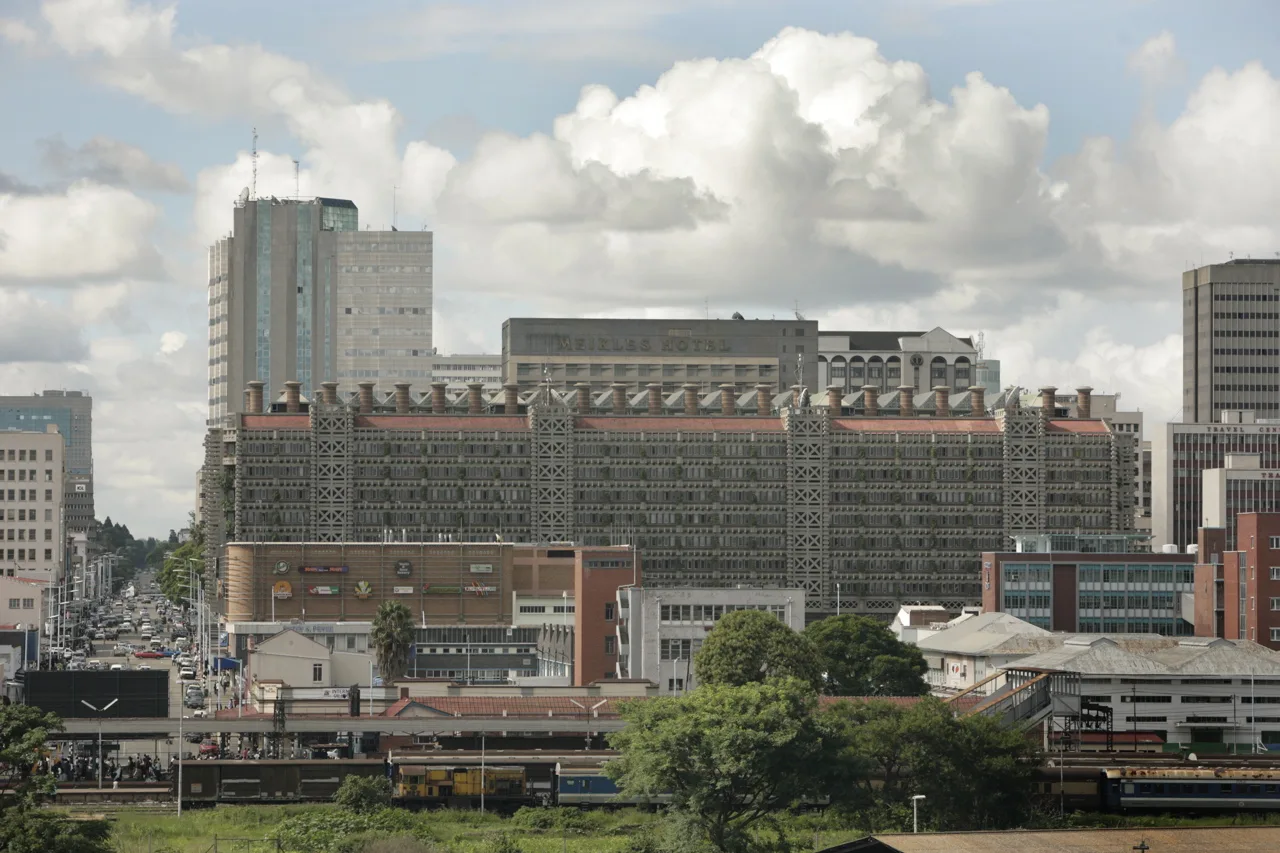
Designed by architect Mick Pearce, the Eastgate Centre mimics the self-cooling mechanism of local termite mounds. This innovative design allows the building to stay cool without conventional air conditioning, saving massive amounts of energy.
Photo: David Brazier, Wikimedia Commons, CC BY-SA 3.0.


Paste the code into your page. The player fits itself in, and every vote counts in Votur.
On WordPress, Ghost or Squarespace? Just paste the link of this page into your post.
This is how it looks
Also fun