Get app
 Photo: Sanadalahlafi, Wikimedia Commons, CC BY-SA 4.0.
How well do you know Libya? Test your knowledge on this North African nation's rich history, stunning desert landscapes, ancient ruins, and unique cultural traditions.
Desert Wanderer 0–4 · Oasis Neighbor 5–8 · Keeper of the Coast 9–10
Pick one

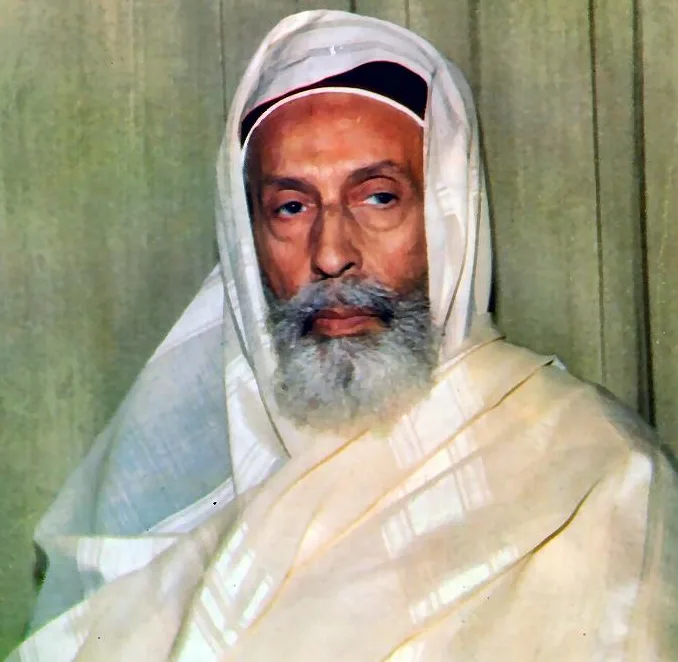
King Idris I led Libya from its independence in 1951 until he was overthrown in a military coup in 1969. He was also the chief of the Senussi Muslim order, a powerful religious and political movement centered in the Cyrenaica region.
Photo: Wikimedia Commons, Public domain.
Pick one
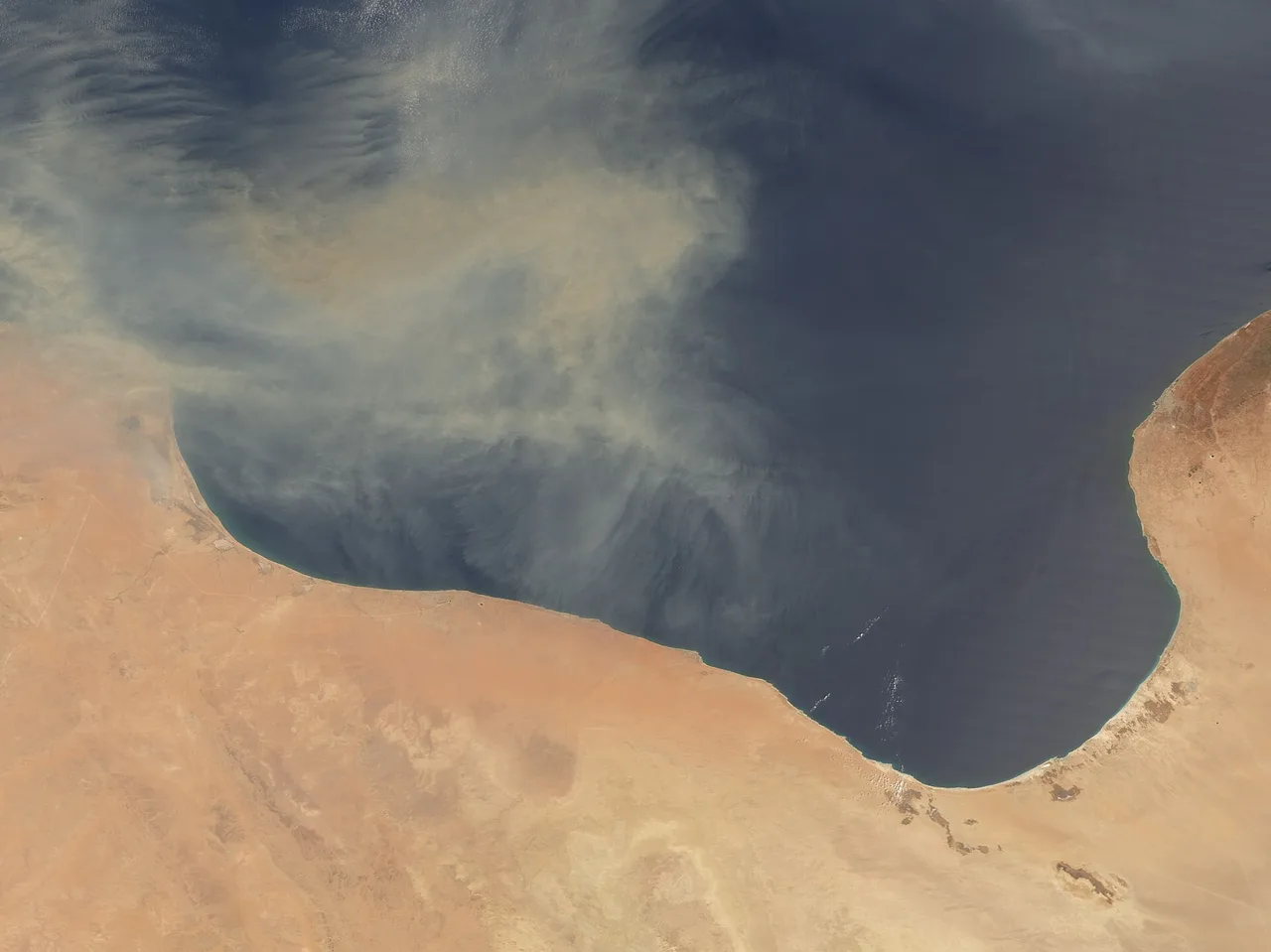
The Gulf of Sidra is a major body of water that has historically been vital for Libya's fishing industry and maritime trade. During the Cold War, it was the site of several naval encounters due to disputes over territorial water boundaries.
Photo: Jesse Allen, Wikimedia Commons, Public domain.
Pick one
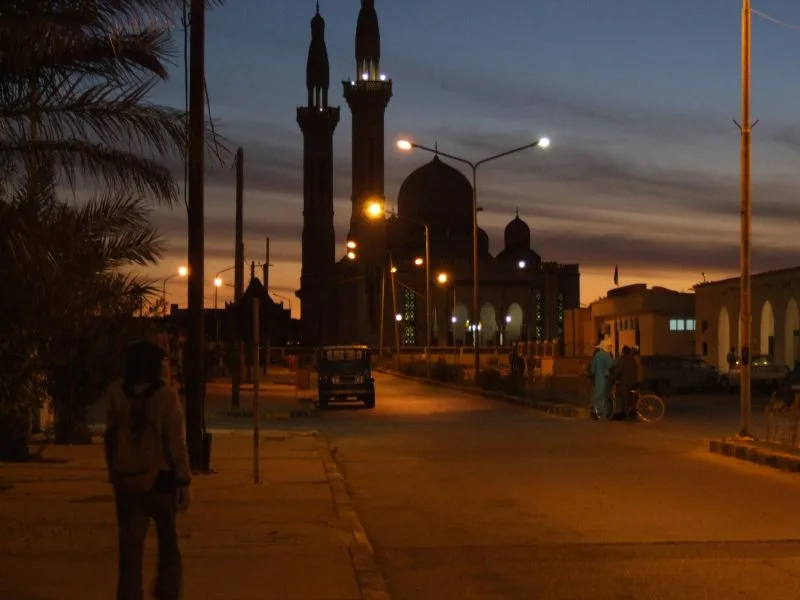
Ghadames is a UNESCO World Heritage site famous for its vertical architecture. The ground floors are used for storage, the first floor is for family living, and the interconnected rooftops are traditionally reserved exclusively for women to move around.
Photo: Wikimedia Commons, CC BY-SA 2.0.
Pick one
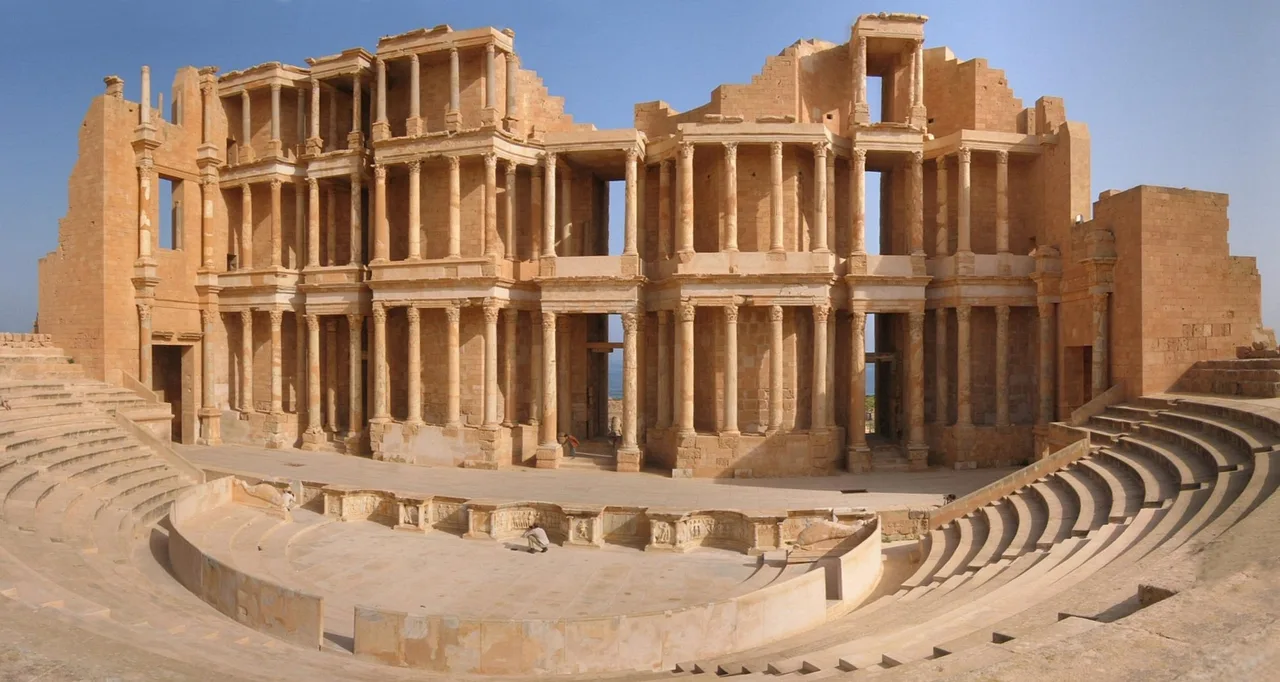
Sabratha is situated on the Mediterranean coast about 70 kilometers west of Tripoli. Its spectacular late 2nd-century Roman theater could once seat up to 5,000 spectators and offers stunning views of the sea behind the stage.
Photo: Wikimedia Commons, CC BY-SA 2.0.
Pick one
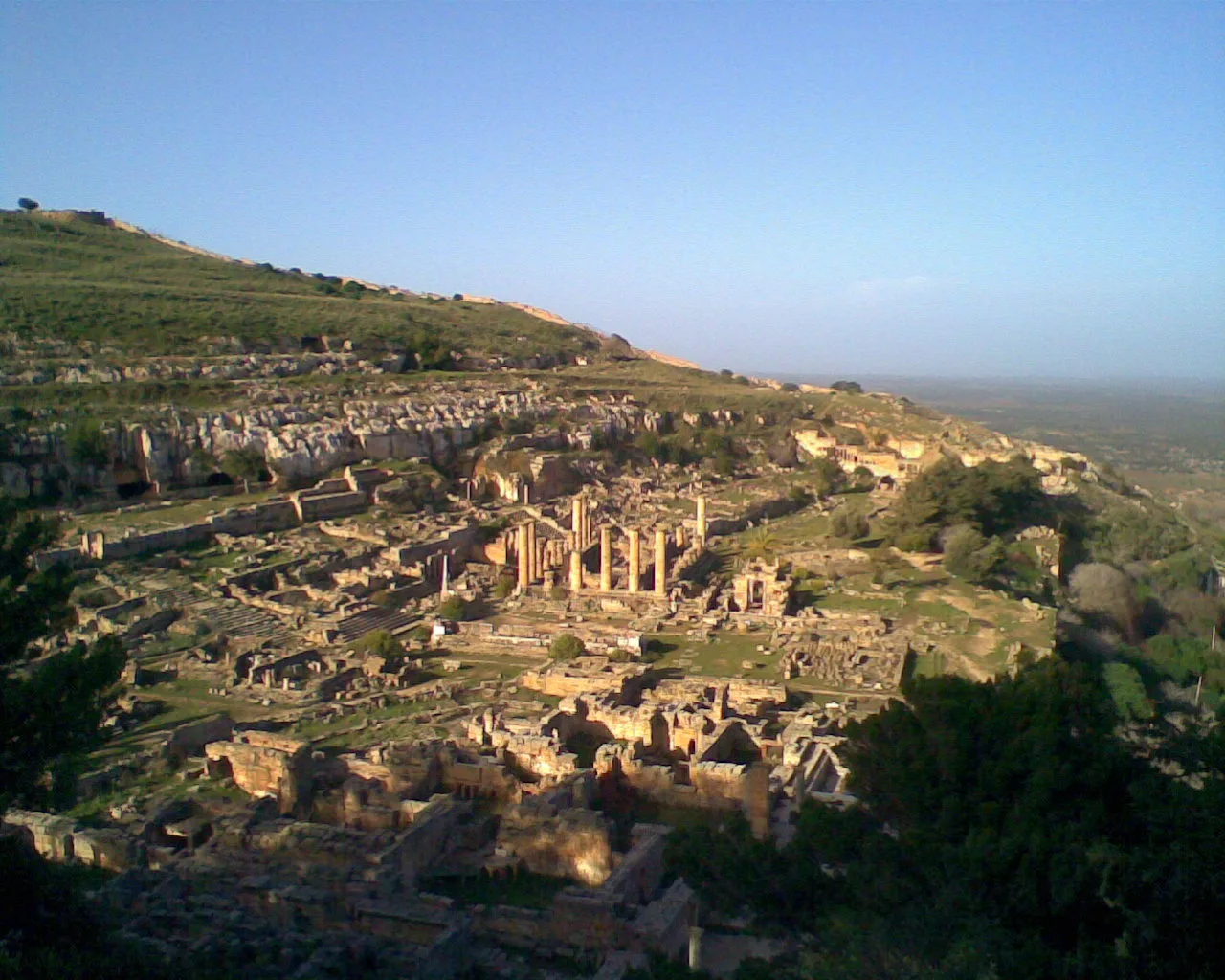
Cyrene was founded in 631 BC by Greek colonists and became a major intellectual and commercial hub. It was famous for producing silphium, a highly valuable medicinal plant that was so important it was depicted on ancient Cyrenian coins.
Photo: Maher27777, Wikimedia Commons, Public domain.
Pick one
Bazin is a beloved national dish in Libya, traditionally eaten with the fingers of the right hand. The dense barley dough dome is placed in the center of the dish, surrounded by a flavorful stew of mutton, potatoes, and boiled eggs.
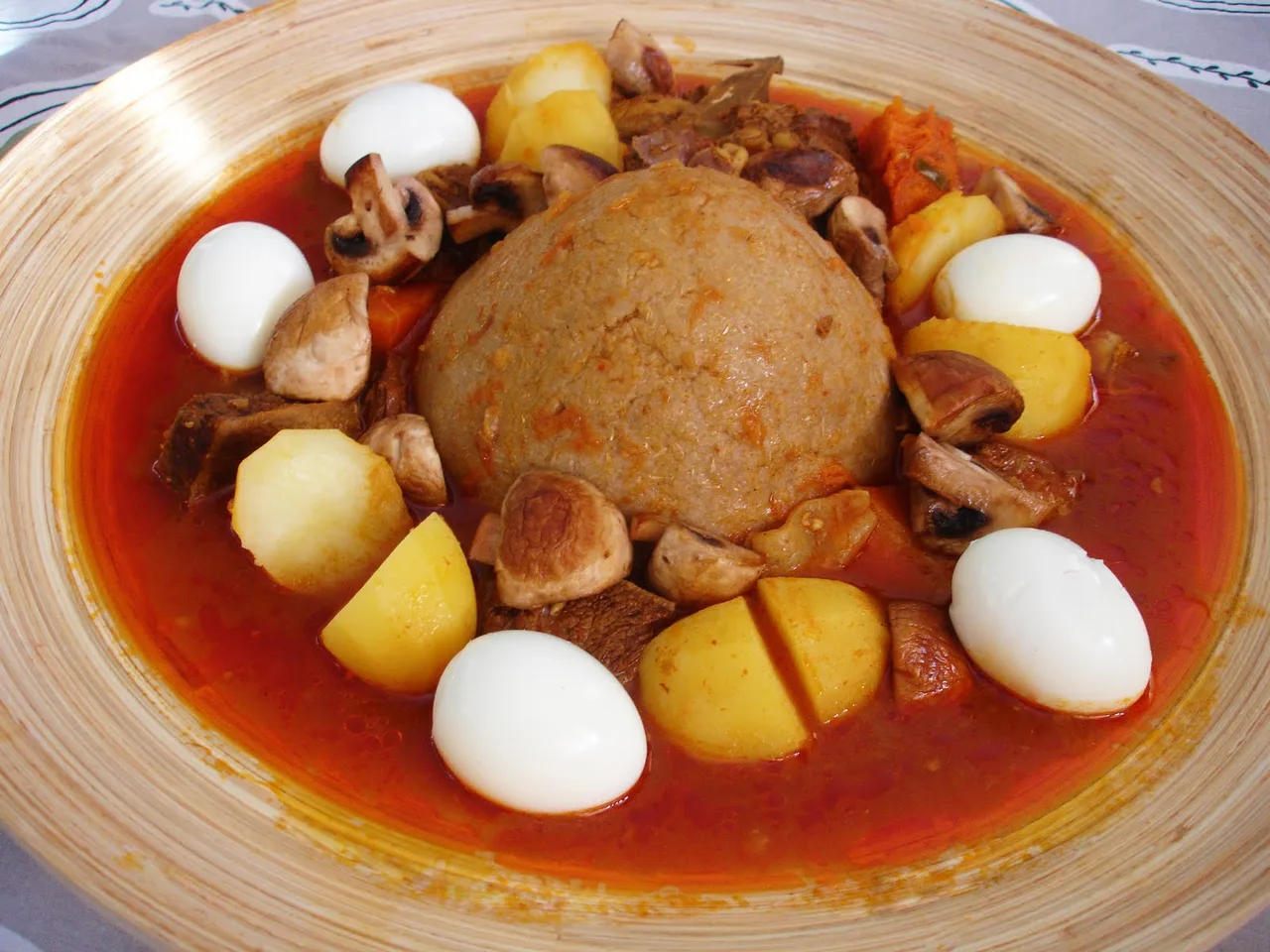
Photo: Libiya11, Wikimedia Commons, CC BY-SA 3.0.
Pick one
The rock art of Tadrart Acacus dates back thousands of years and depicts a time when the Sahara was green and wet. The paintings show animals like giraffes, elephants, and ostriches, revealing how much the region's climate has changed.
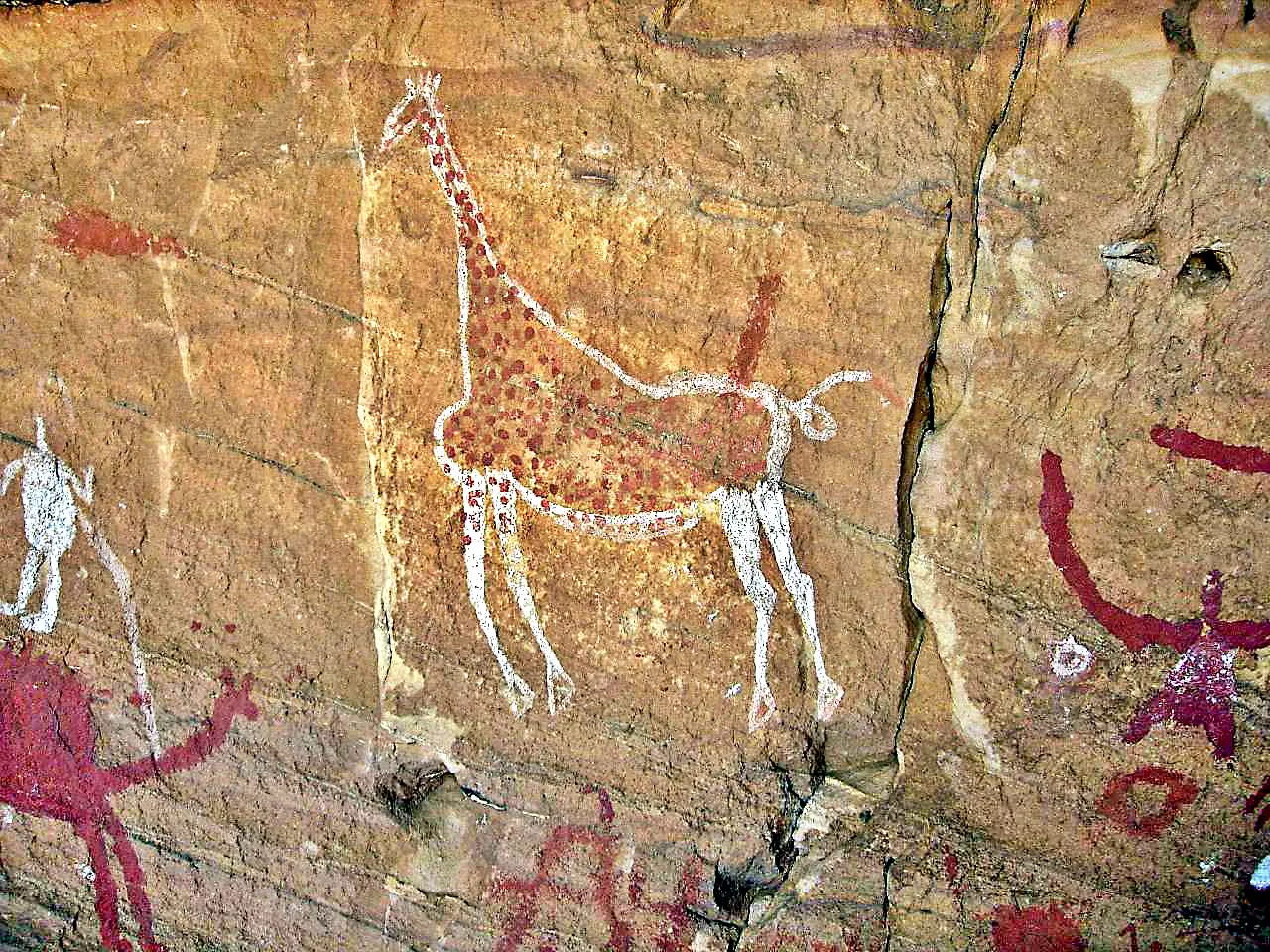
Photo: Roberto D'Angelo (roberdan), Wikimedia Commons, Public domain.
Pick one
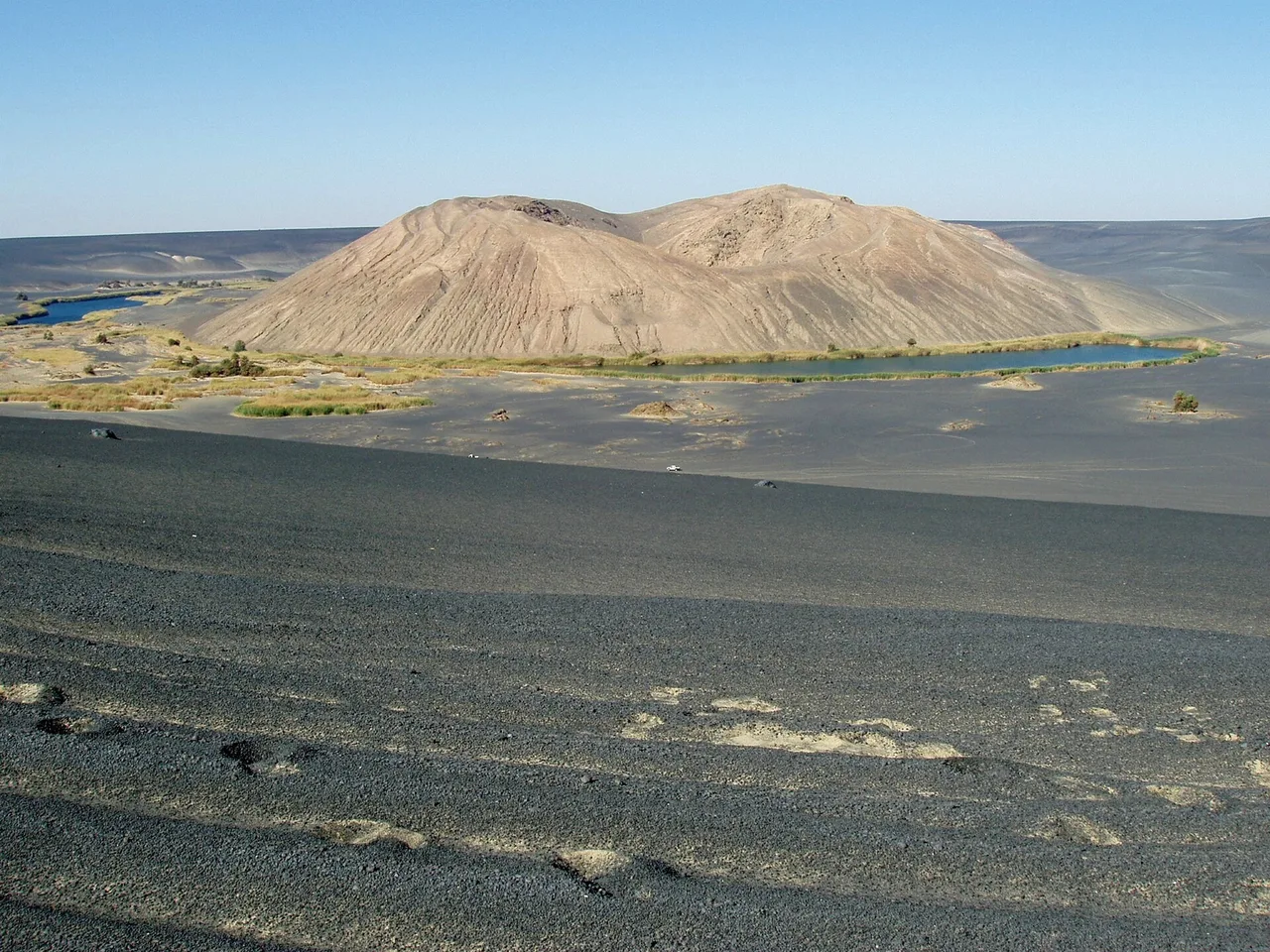
Waw an Namus is a remote volcanic caldera located deep in the Sahara Desert. Its name translates to 'Oasis of Mosquitoes,' and it is famous for its dark ash field that contrasts beautifully with three vibrant, reed-fringed lakes inside.
Photo: StFr, Wikimedia Commons, CC0.
Pick one
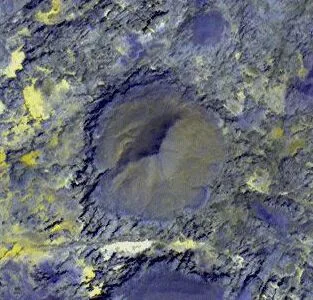
Bikku Bitti rises to about 2,267 metres in southern Libya, close to the border with Chad. It belongs to the Tibesti Mountains, a rugged volcanic range, and is so remote that the first known climb to the top only happened in 2005.
Photo: NASA ASTER (& Bourrichon for cropping), Wikimedia Commons, Public domain.
Pick one
Berber, or Tamazight, has been spoken in North Africa since ancient times. In Libya, Berber-speaking communities are primarily located in the western Nafusa Mountains and the oasis of Ghadames, preserving their unique cultural heritage.
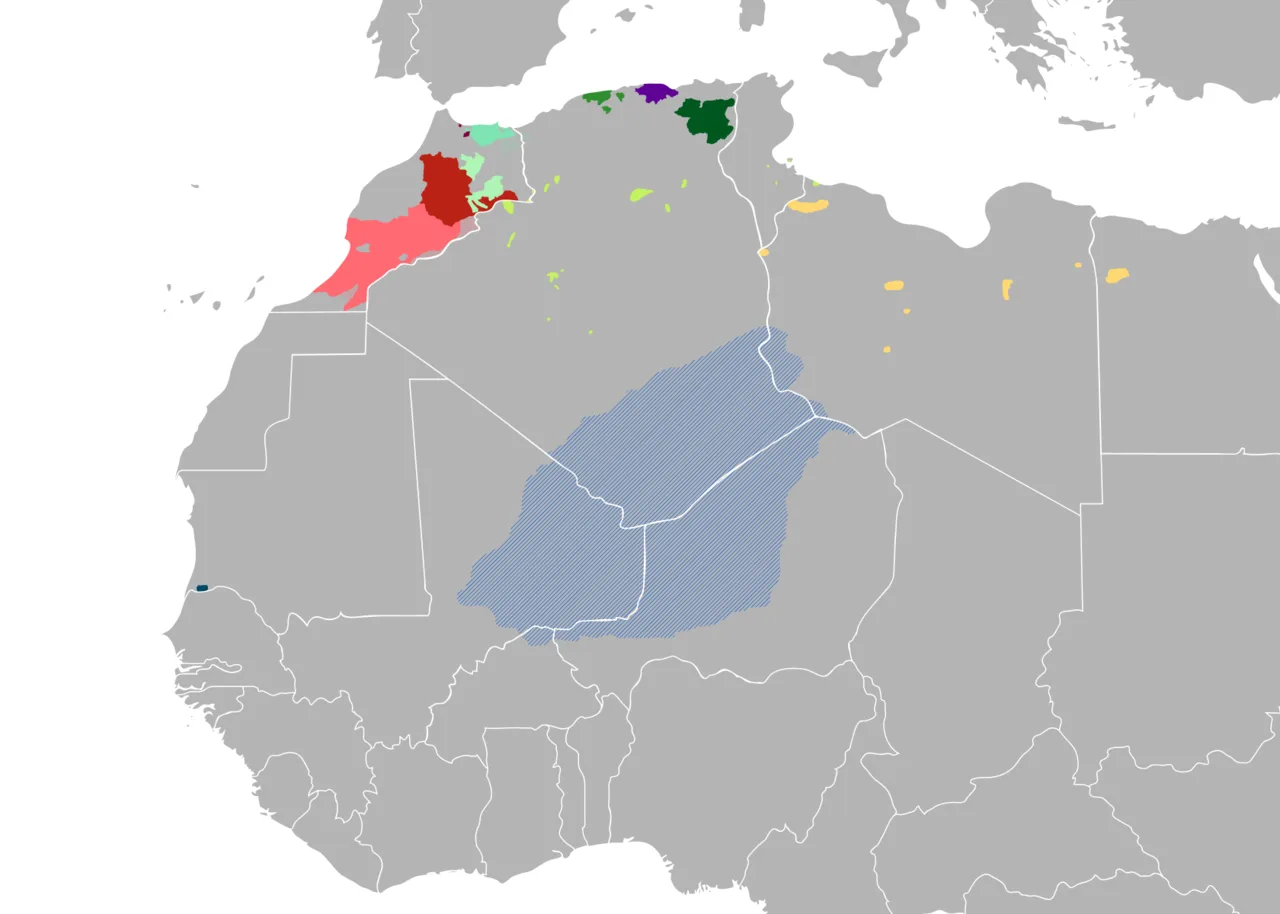
Photo: Ajellid-n-arif, Wikimedia Commons, CC BY-SA 4.0.


Paste the code into your page. The player fits itself in, and every vote counts in Votur.
On WordPress, Ghost or Squarespace? Just paste the link of this page into your post.
This is how it looks
Also fun