Get app
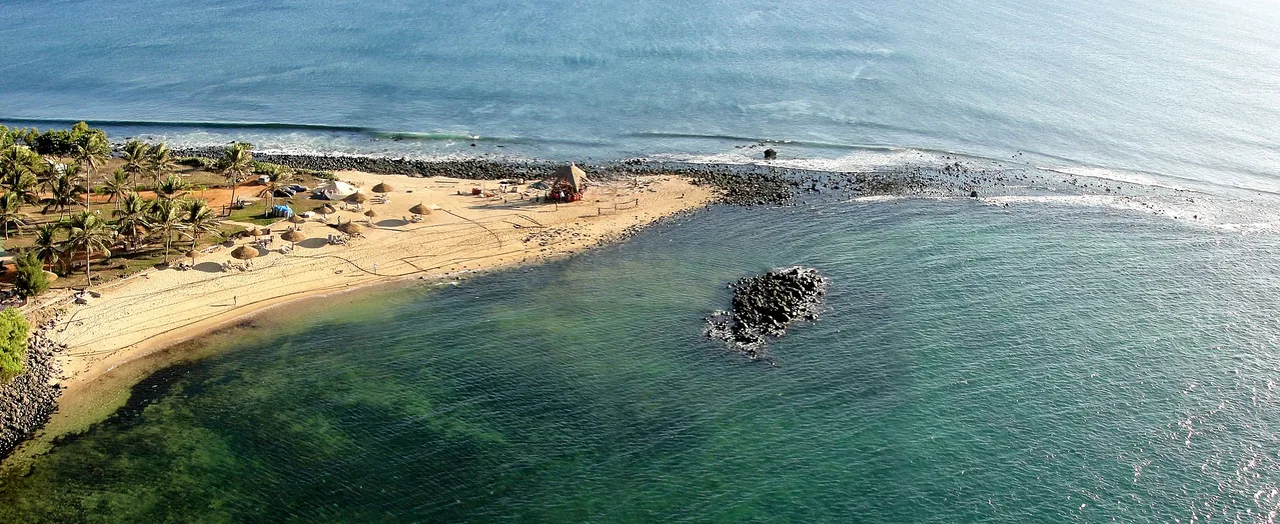
 Photo: Mariordo (Mario Roberto Durán Ortiz), Wikimedia Commons, CC BY-SA 3.0.
How well do you know the Land of Volcanoes? Test your knowledge on El Salvador's rich history, vibrant culture, delicious food, and breathtaking natural wonders!
Friendly Visitor 0–4 · Savvy Explorer 5–8 · True Guanaco 9–10
Pick one

The pupusa is a beloved thick griddle cake made from corn or rice flour, traditionally stuffed with cheese, chicharrón, or refried beans. El Salvador celebrates National Pupusa Day on the second Sunday of November, where towns compete to make the largest pupusa in the world.
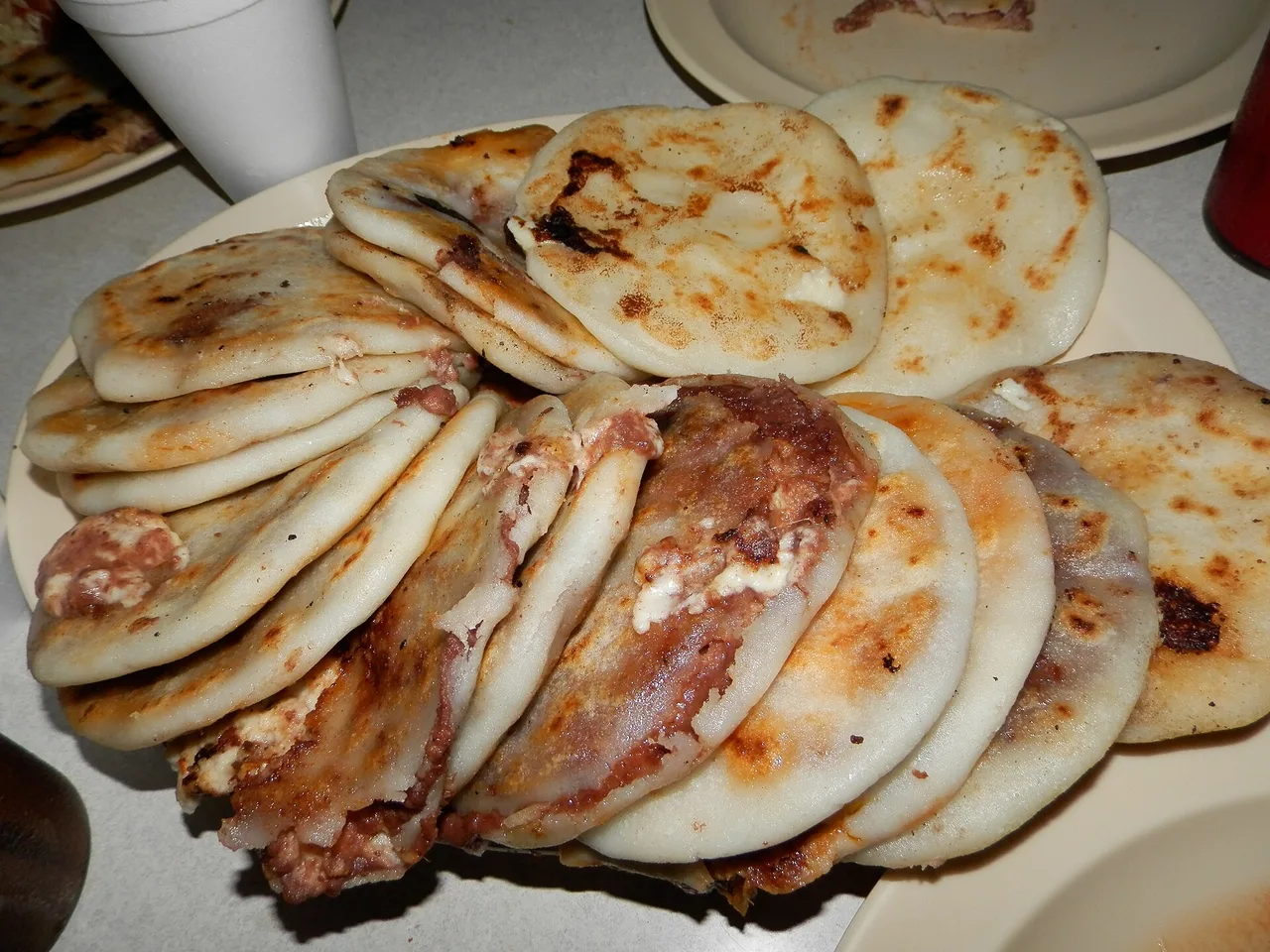
Photo: JMRAFFi, Wikimedia Commons, CC BY-SA 4.0.
Pick one
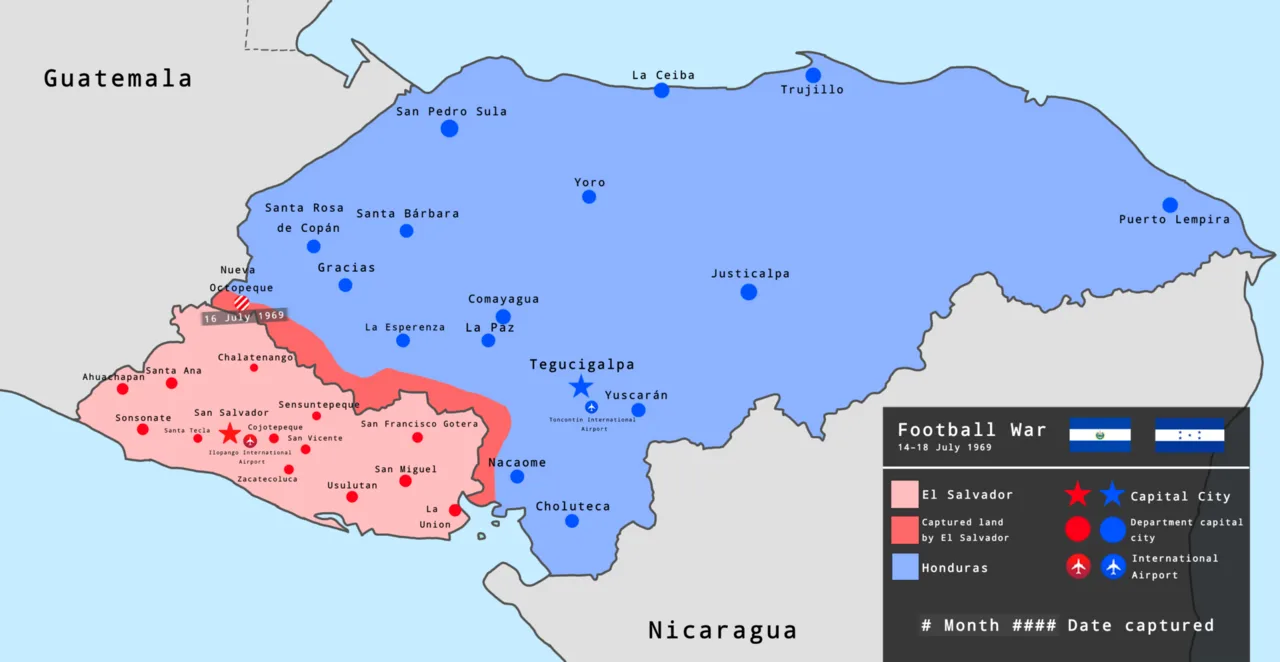
The Football War of 1969 was a brief military conflict between El Salvador and Honduras. While deep-seated land reform issues and immigration tensions were the true causes, the war famously ignited during a highly competitive three-game qualifying series for the 1970 FIFA World Cup between the two nations.
Photo: JuanJose1969, Wikimedia Commons, CC BY-SA 4.0.
Pick one
El Salvador is the smallest country in mainland Central America, which is why it is fondly called 'Pulgarcito', the little thumb of the Americas. Its whole coastline, about 300 kilometres long, faces the Pacific Ocean.
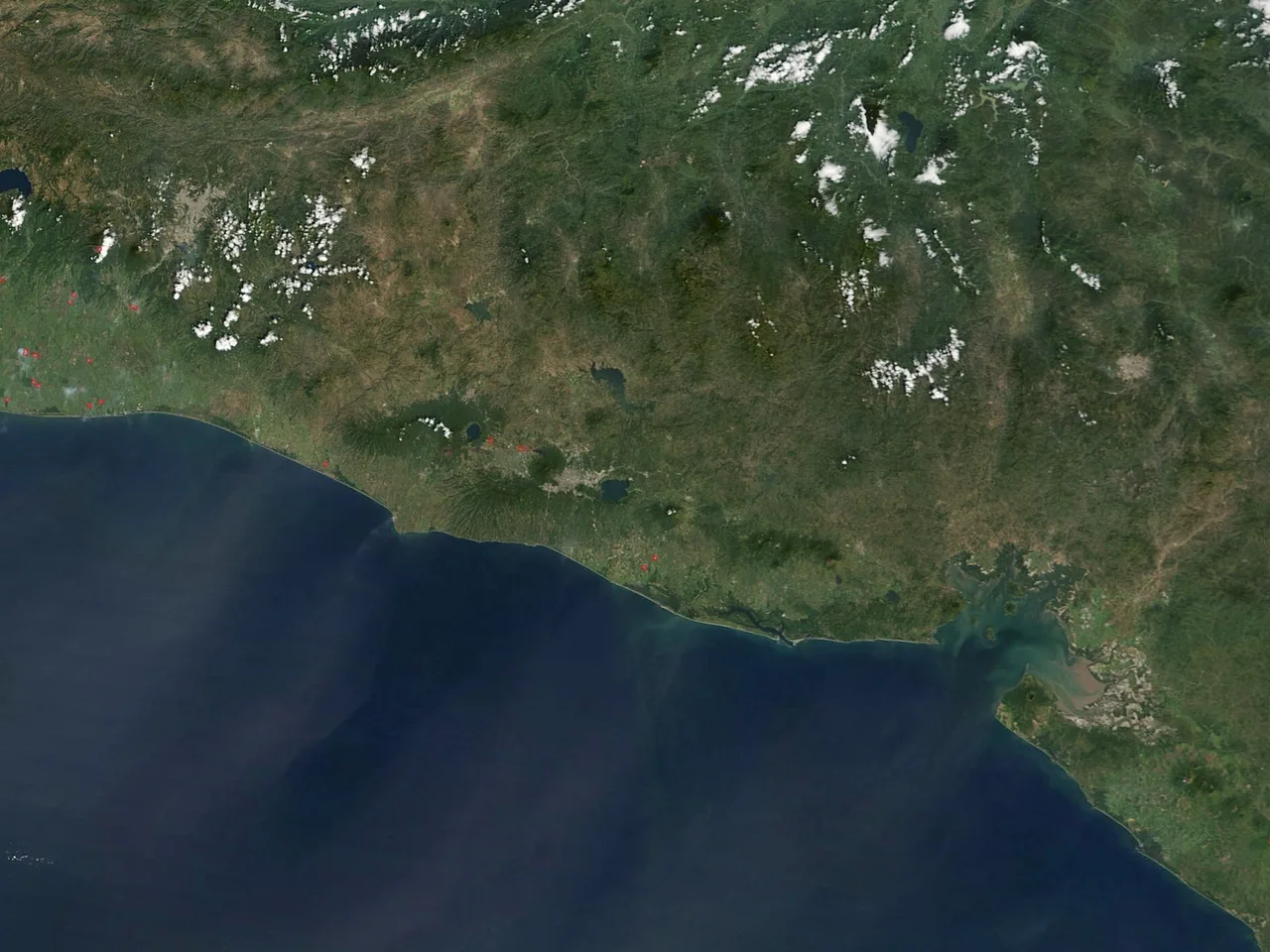
Photo: Nasa, Wikimedia Commons, Public domain.
Pick one
The turquoise-browed motmot, known locally as the torogoz, is famous for its bright plumage and two long, racket-shaped tail feathers that swing like a pendulum. It became El Salvador's national bird in 1999 as a symbol of family, because both parents dig the nest burrow and raise the chicks together.
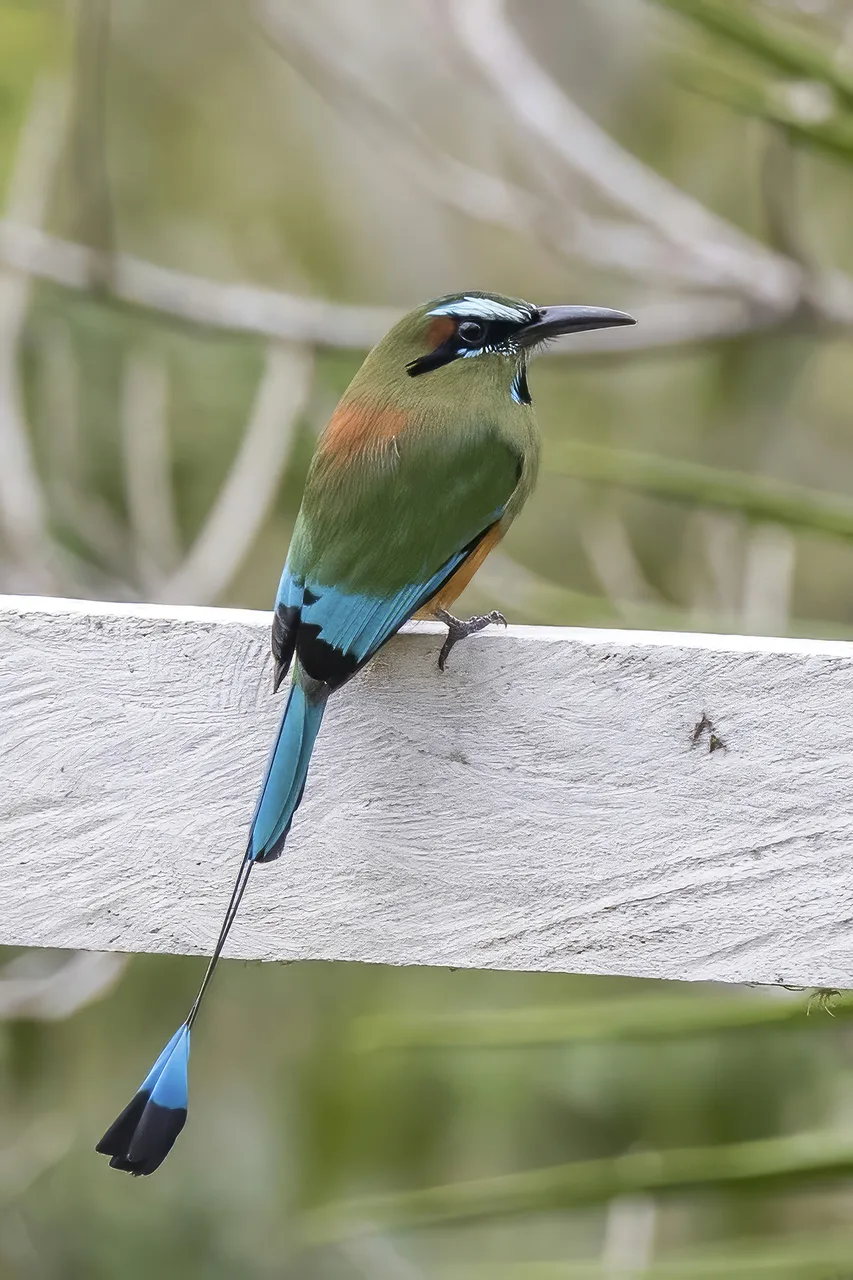
Photo: Charles J. Sharp, Wikimedia Commons, CC BY-SA 4.0.
Pick one
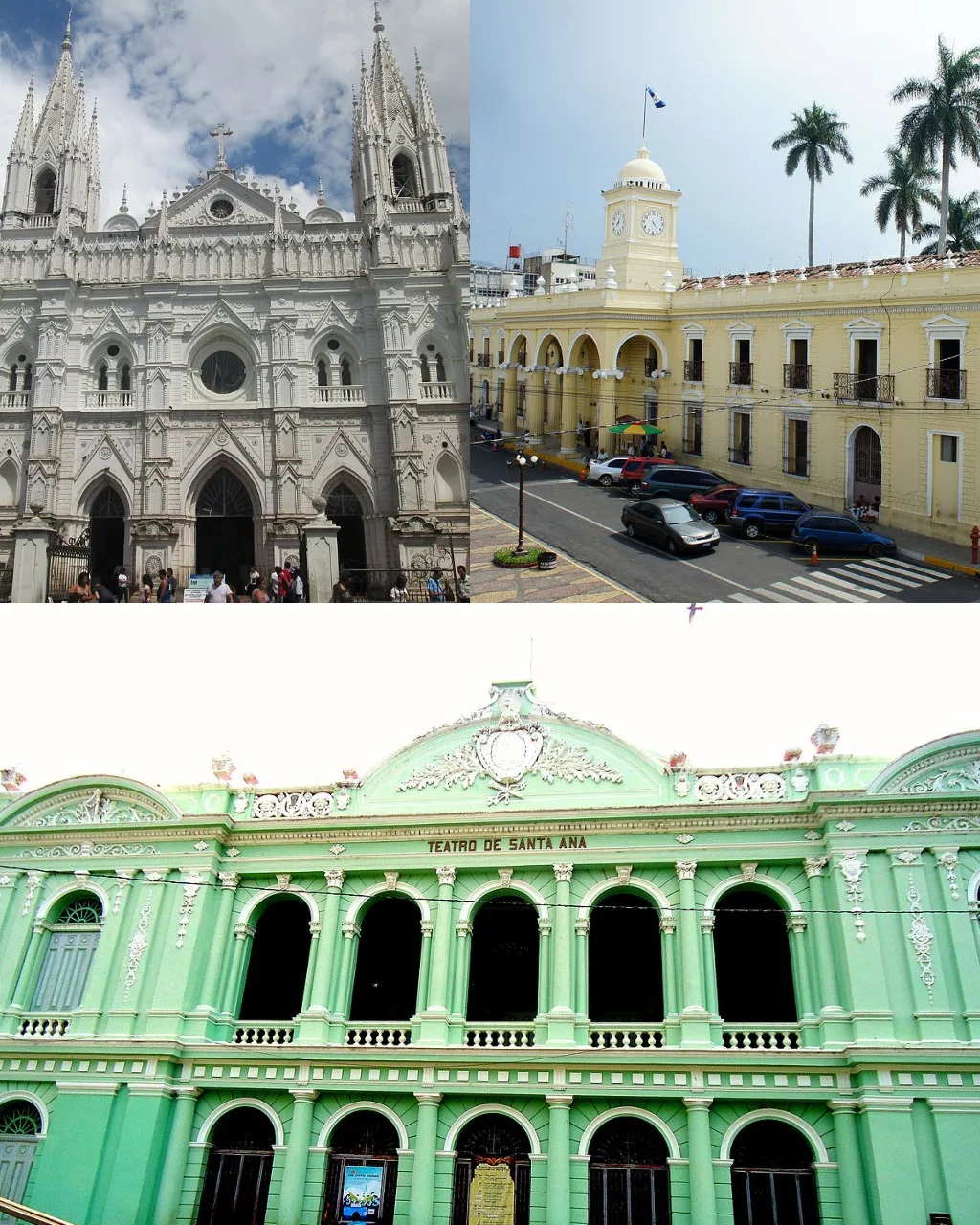
Santa Ana, in the west of El Salvador, is usually counted as the country's second-largest city and is a major hub of its famous coffee industry. Its neo-Gothic cathedral and grand theatre were built during the coffee boom of the late 1800s, when wealthy growers paid for European-style buildings. San Miguel lies in the east of the country.
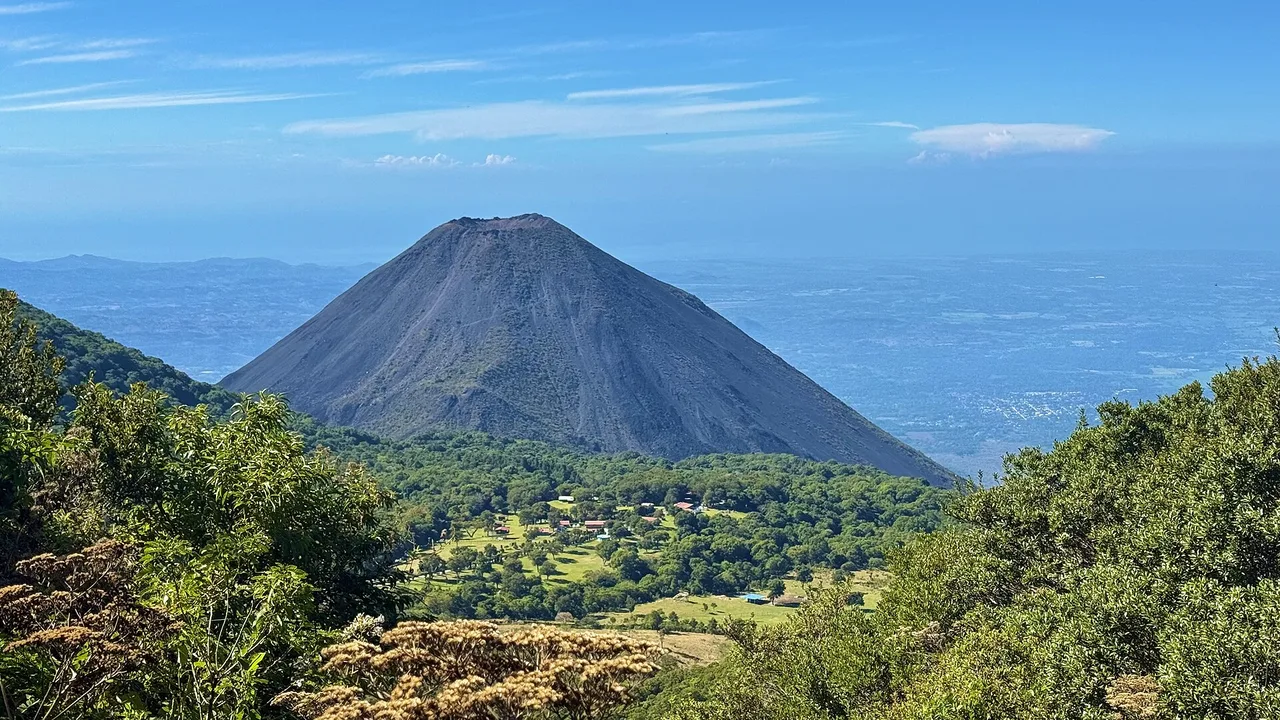
Photo: Ezecr1s305, Wikimedia Commons, CC BY-SA 4.0.
Pick one
Izalco Volcano rose from a pasture in 1770 and erupted almost continuously for nearly two centuries, reaching a height of over 1,900 meters. Its glowing lava and ash columns were so bright and constant that ships navigating the Pacific Ocean used the volcano as a natural guiding light.
Photo: Dead.rabbit, Wikimedia Commons, CC BY-SA 4.0.
Pick one
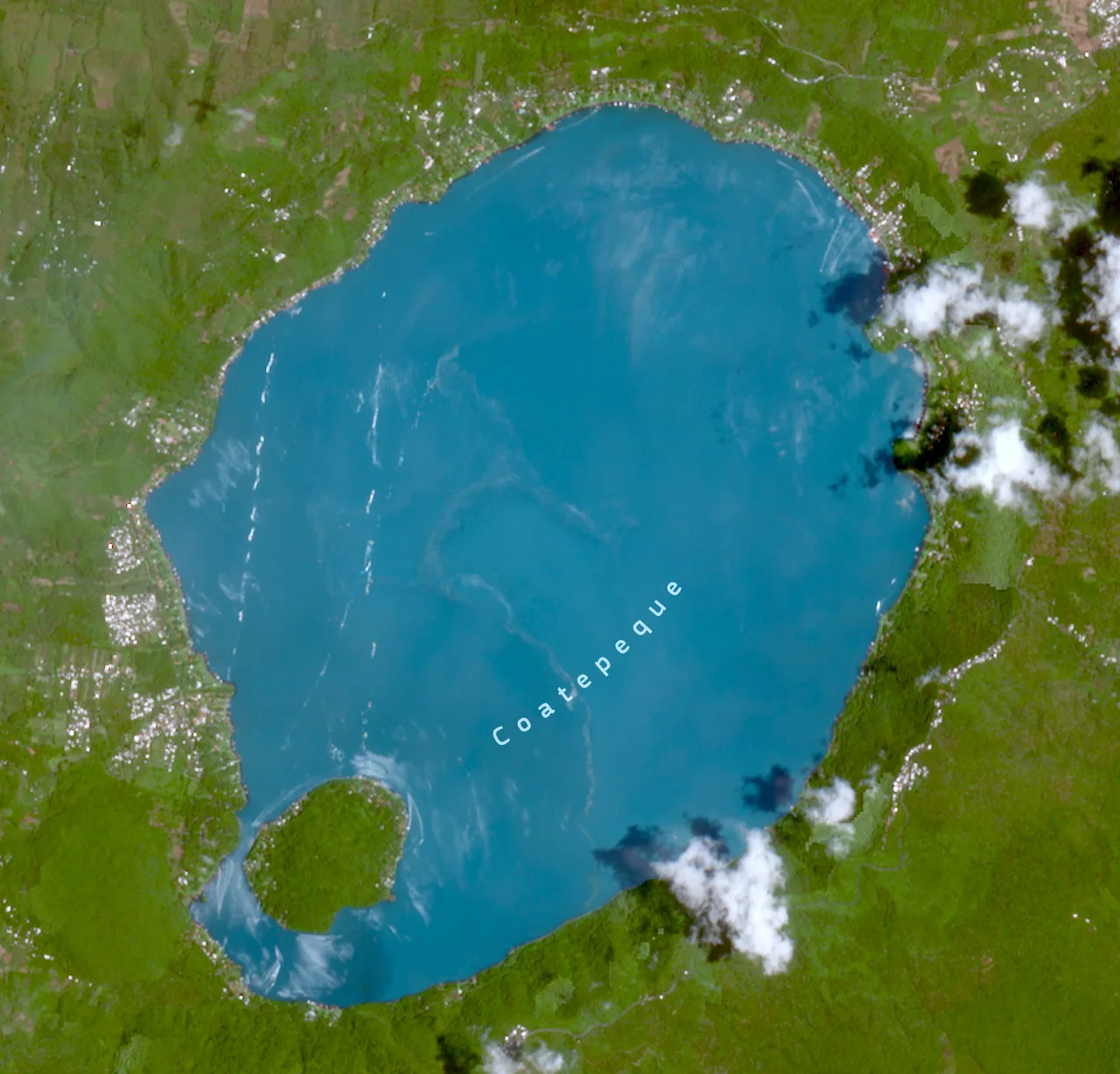
Lake Coatepeque is a stunning volcanic caldera lake formed thousands of years ago. It occasionally undergoes a natural phenomenon where microscopic algae or volcanic minerals turn its deep blue waters into a brilliant turquoise, attracting thousands of amazed visitors.
Photo: European Union, Copernicus Sentinel-2 imagery, Wikimedia Commons, Attribution.
Pick one
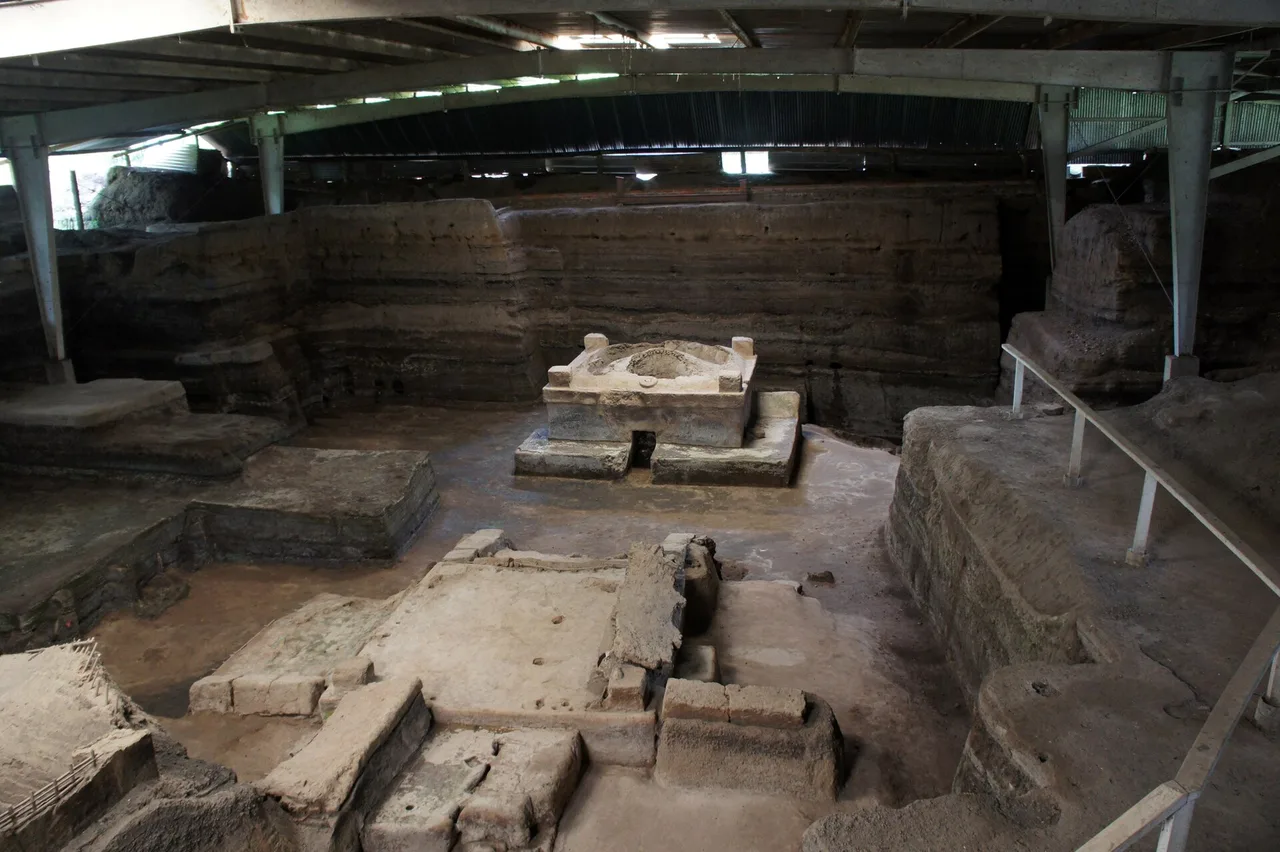
Joya de Cerén was a pre-Columbian Maya farming village that was buried under a thick layer of volcanic ash from the Loma Caldera eruption around 600 AD. Because the ash preserved daily items like food, garden tools, and furniture in place, it offers an incredibly rare look into the everyday lives of ordinary Maya people.
Photo: Mariordo (Mario Roberto Duran Ortiz), Wikimedia Commons, CC BY-SA 3.0.
Pick one
The izote is the flower of the giant yucca, Yucca gigantea, which can grow 8 to 12 metres tall. Salvadorans don't just admire it: the petals are cooked and eaten, for example in little egg-battered patties with sauce.
Photo: H. Zell, Wikimedia Commons, CC BY-SA 3.0.
Pick one
Before adopting the US dollar as its official currency in 2001, El Salvador used the colón, named after Christopher Columbus (Cristóbal Colón in Spanish). Interestingly, even though the US dollar is now the primary currency, the colón remains legally valid, though it has completely circulated out of daily use.


Paste the code into your page. The player fits itself in, and every vote counts in Votur.
On WordPress, Ghost or Squarespace? Just paste the link of this page into your post.
This is how it looks
Also fun