Get app
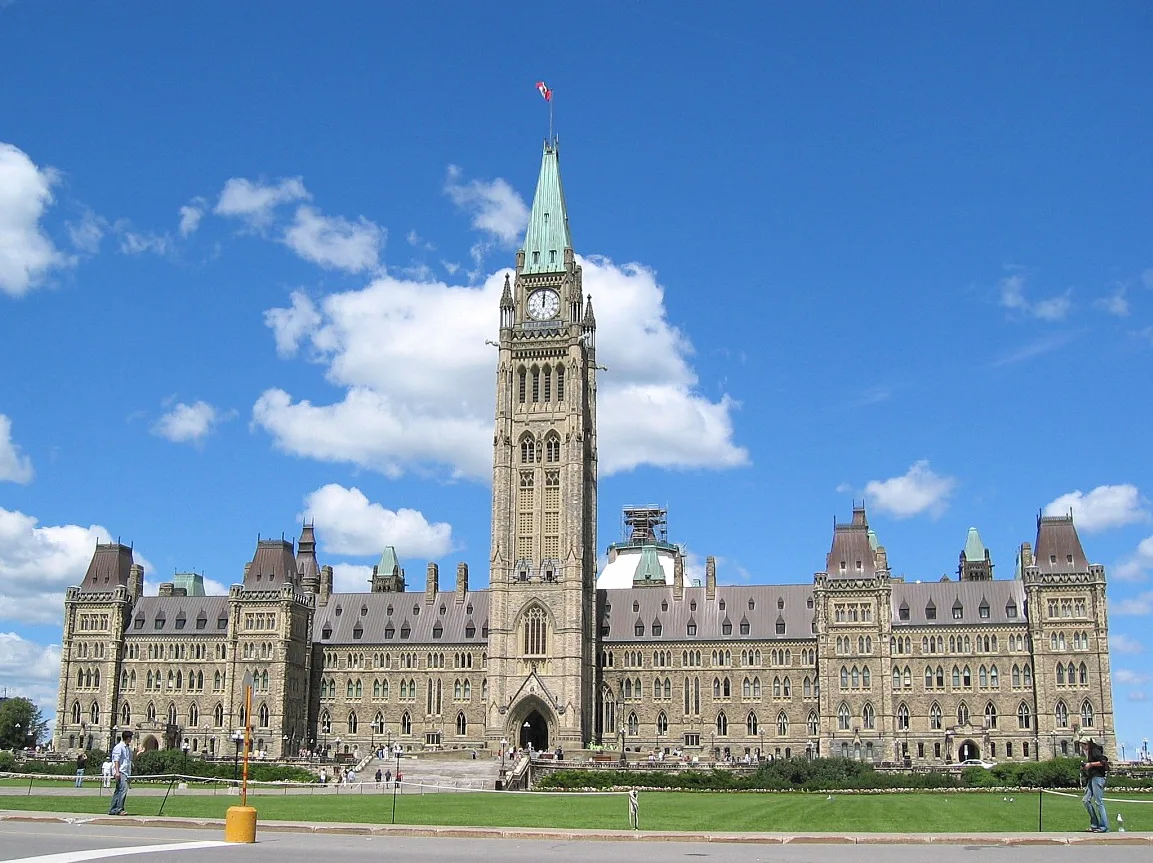
 Photo: Magicpiano, Wikimedia Commons, CC BY-SA 4.0.
Discover the natural wonders, rich history, and unique culture of Canada's only constitutionally bilingual province. From extreme tides to historic bridges, test your knowledge of New Brunswick!
Friendly Visitor 0–4 · Maritime Friend 5–8 · True Maritimer 9–10
Pick one

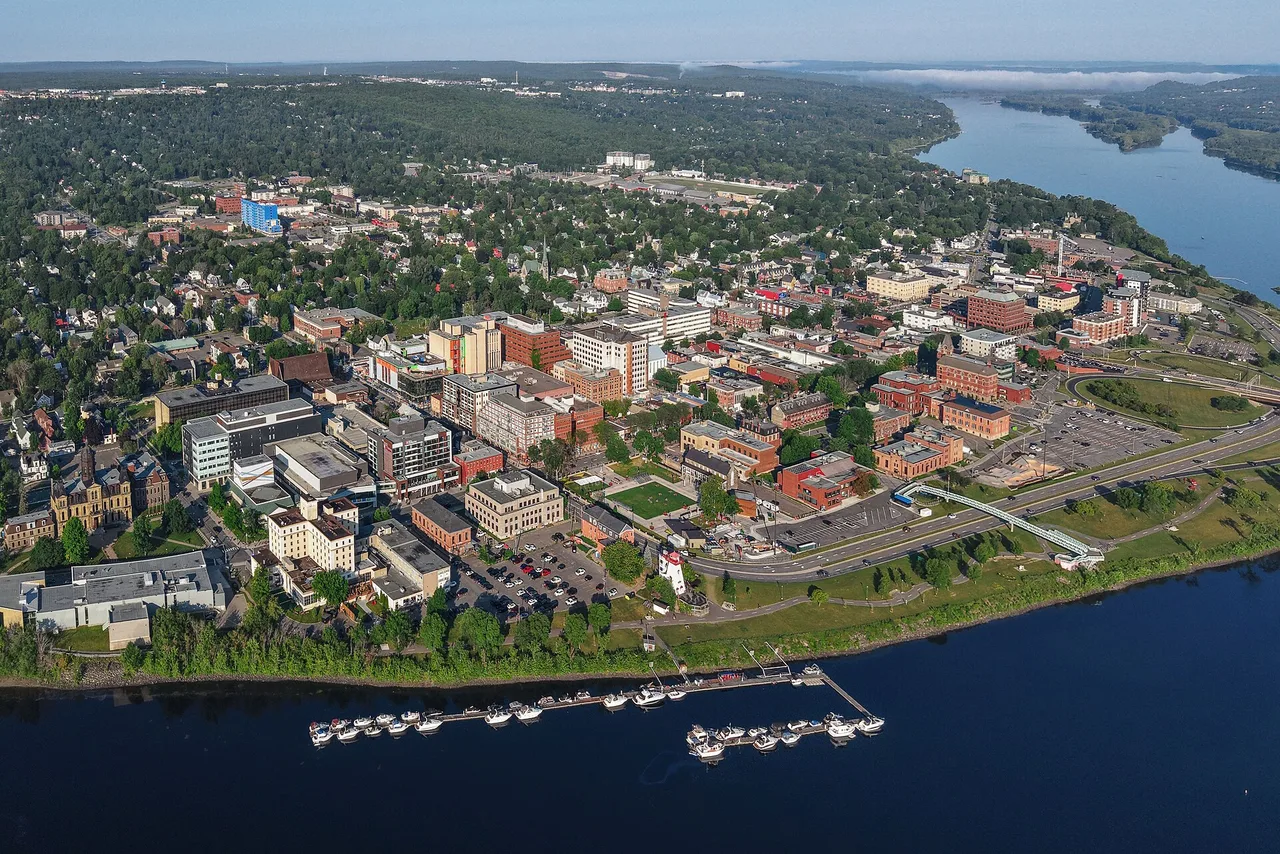
Fredericton became the capital in 1785, chosen partly for its inland location which made it easier to defend against potential American invasions. While Saint John is historically larger and a major industrial hub, Fredericton serves as the political and cultural heart of the province, featuring beautiful historic brick buildings and a vibrant university scene.
Photo: Quintin Soloviev, Wikimedia Commons, CC BY 4.0.
Pick one
Though many people assume Quebec is bilingual, French is its sole official language. New Brunswick recognized both English and French as equal official languages in 1969, a status later cemented in the Canadian Charter of Rights and Freedoms. This means all provincial government services, road signs, and official documents are fully available in both languages.
Pick one
The Hartland Covered Bridge spans the Saint John River and stretches an impressive 391 meters (1,282 feet). Opened in 1901 and later covered in 1922, it was originally built by a private company before being purchased by the government. In local folklore, it is considered a 'kissing bridge,' where couples would traditionally share a kiss in the dark while crossing.
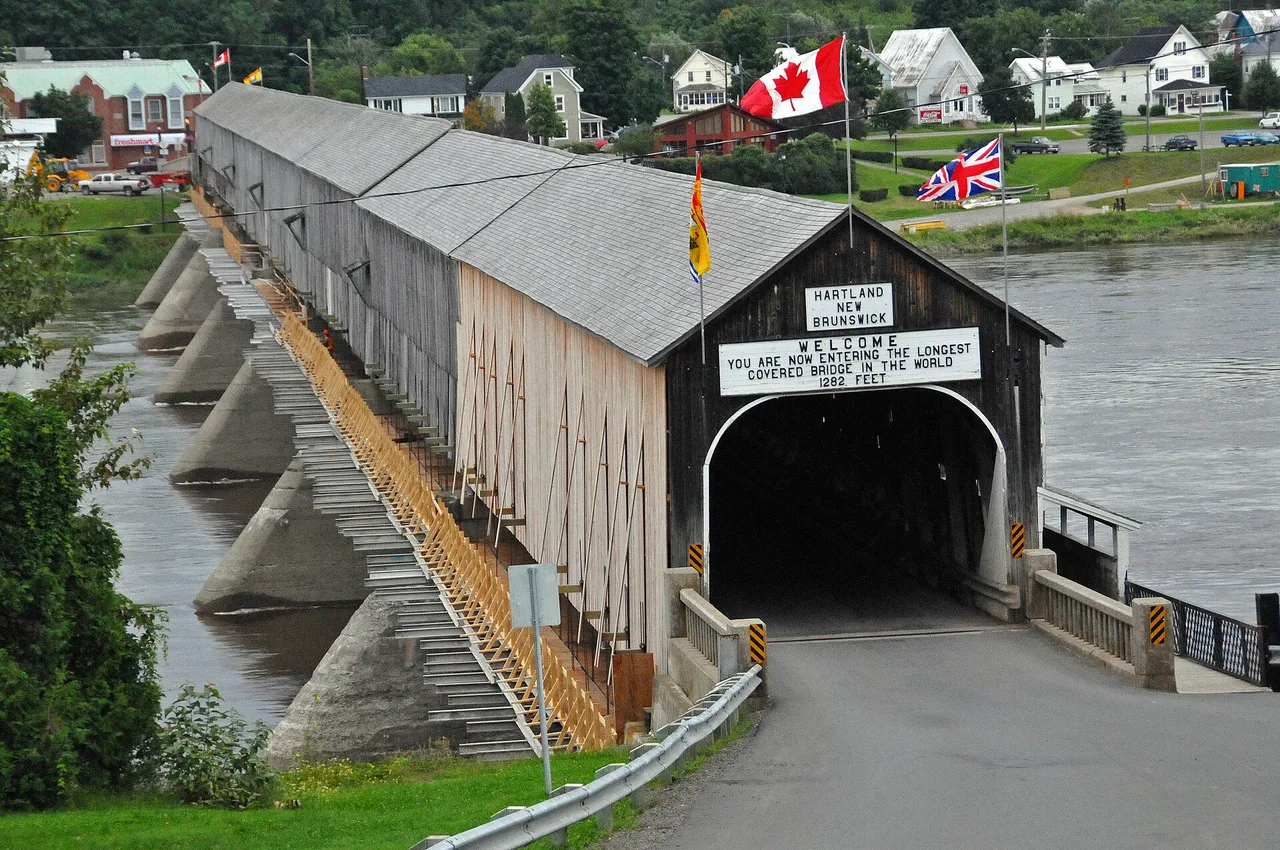
Photo: Dennis G. Jarvis, Wikimedia Commons, CC BY-SA 2.0.
Pick one
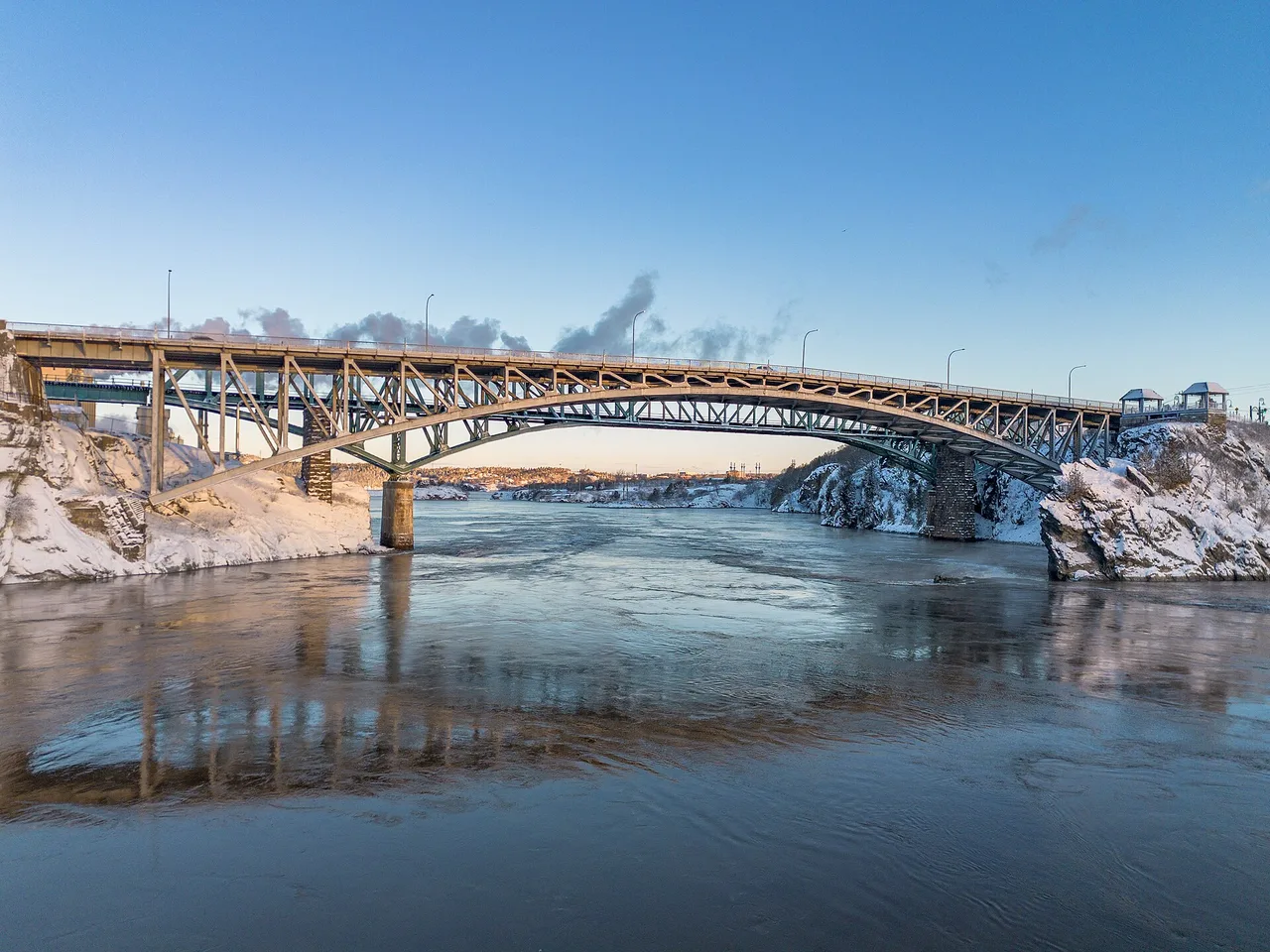
At the Reversing Falls in Saint John, the immense tides of the Bay of Fundy clash with the Saint John River. When the tide rises, it forces the river water to flow backward through a narrow gorge, creating intense rapids and whirlpools. Moncton experiences a related phenomenon called a tidal bore, where a single visible wave travels up the Petitcodiac River.
Photo: Hayden Soloviev, Wikimedia Commons, CC BY 4.0.
Pick one
Based in St. Stephen, Ganong Bros. is Canada's oldest family-owned candy company, founded in 1873. They introduced the first heart-shaped chocolate box in North America in 1932, originally designed for Christmas but quickly adapted for Valentine's Day. St. Stephen is so proud of this heritage that it is officially known as Canada's Chocolate Town.
Photo: Ganong Bros., Wikimedia Commons, Public domain.
Pick one
Acadians are the descendants of French colonists who settled in the Maritime provinces in the 17th and 18th centuries. Despite facing a tragic mass deportation by the British in 1755, many returned and rebuilt their communities. Today, New Brunswick is the heart of Acadian culture, and August 15 is celebrated with vibrant 'Tintamarre' parades of noise and music.
Pick one
The black-capped chickadee was chosen as New Brunswick's official bird following a public contest run by the provincial naturalist club. This tiny, energetic bird is a year-round resident of the province and is easily recognized by its distinctive 'chick-a-dee-dee-dee' call. The Atlantic puffin, meanwhile, is the official bird of neighboring Newfoundland.
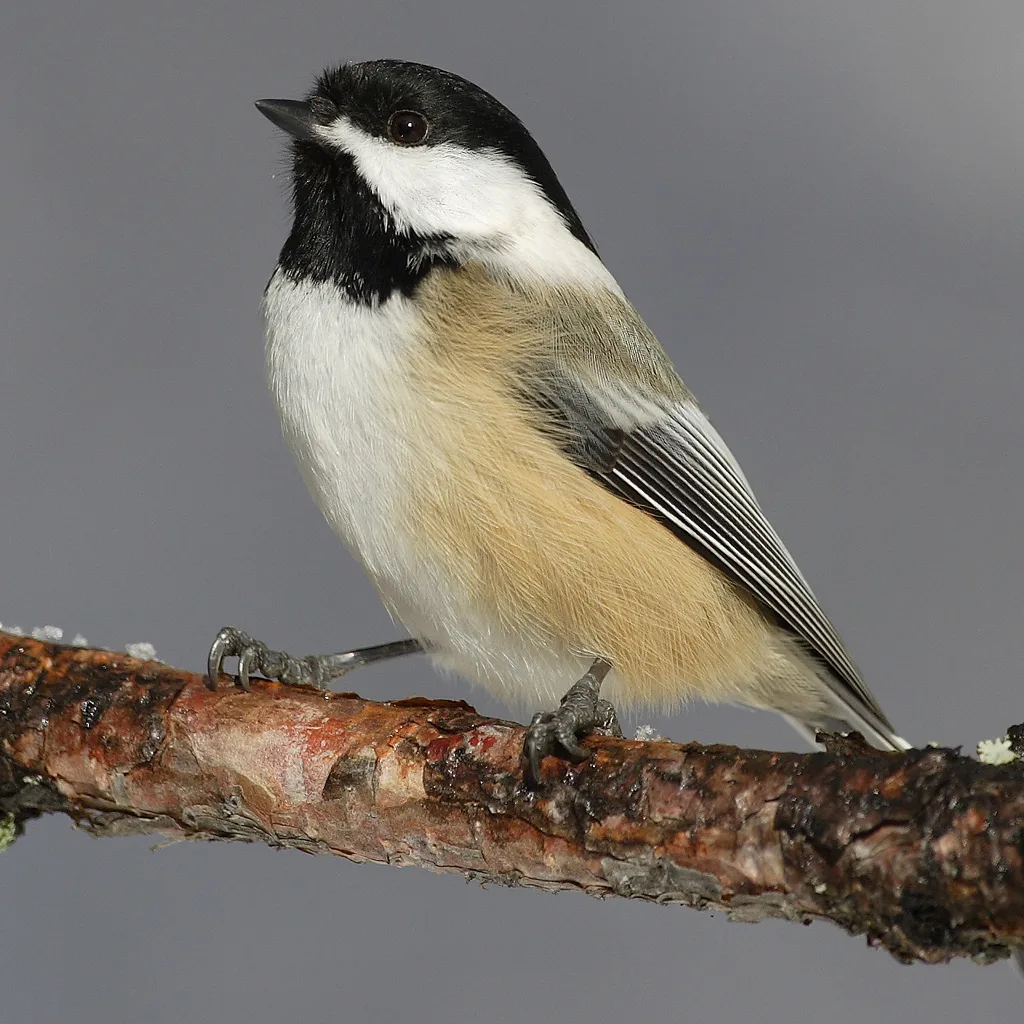
Photo: No machine-readable author provided. Mdf assumed (based on copyright claims)., Wikimedia Commons, CC BY-SA 3.0.
Pick one
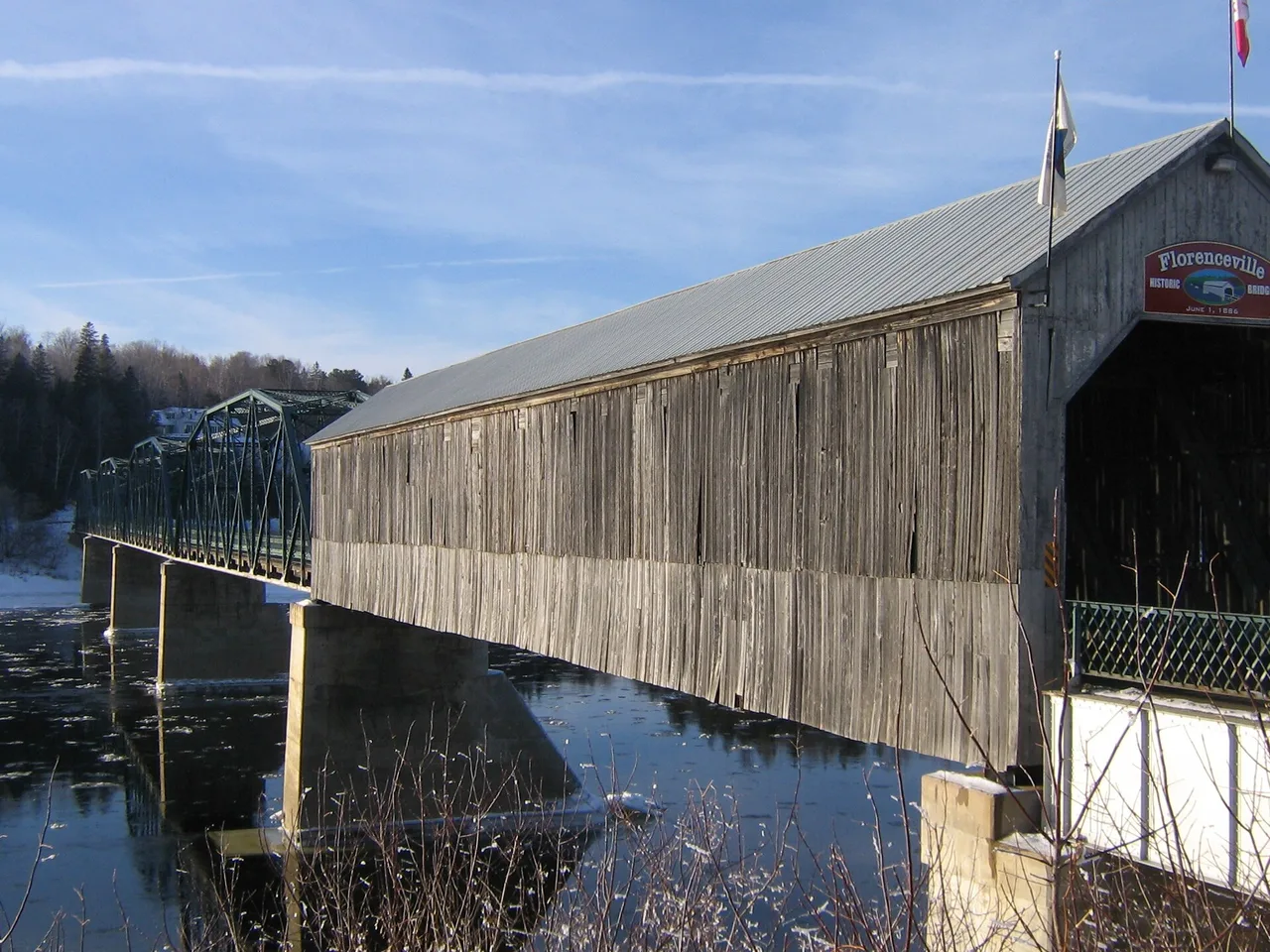
Florenceville-Bristol earned this title because it is the birthplace and global headquarters of McCain Foods, the world's largest manufacturer of frozen potato products. Founded in 1957, the company produces a massive portion of the world's French fries. The town even celebrates its potato heritage with a dedicated museum called Potato World.
Photo: Scott Davis, Wikimedia Commons, CC BY 2.5.
Pick one
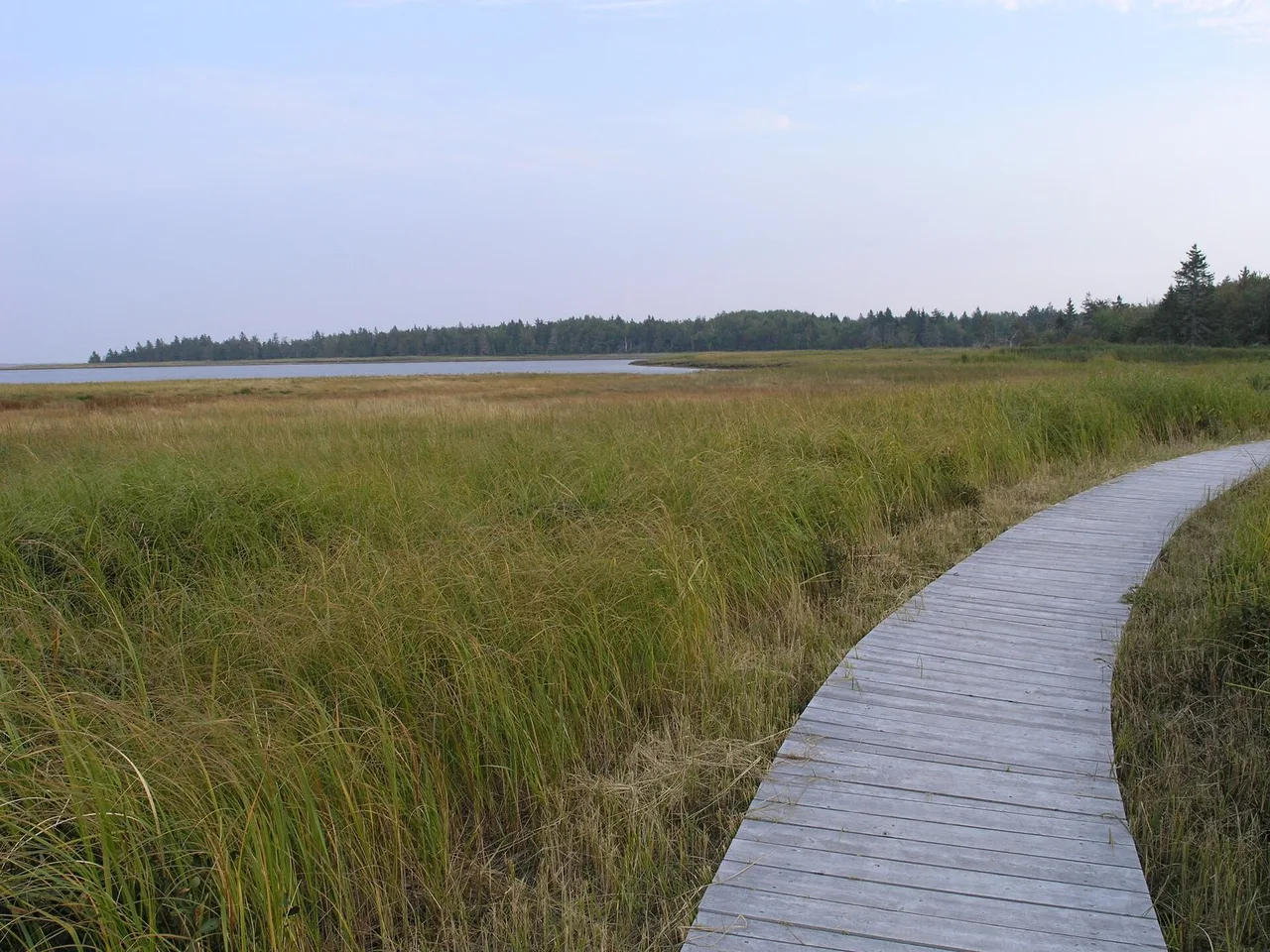
Kouchibouguac National Park, located on the province's eastern coast, features some of the warmest saltwater beaches north of Virginia. Its name comes from a Mi'kmaq word meaning 'river of long tides.' The park protects a fragile system of barrier islands, salt marshes, and bogs, making it a fantastic destination for cycling, canoeing, and stargazing.
Photo: Richtid, Wikimedia Commons, CC BY-SA 3.0.
Pick one
The Bay of Fundy experiences tides that can rise and fall by up to 16 meters (53 feet) twice a day! This incredible movement of water is caused by a natural resonance, as the bay's unique shape and depth match the natural frequency of the Atlantic Ocean's tidal pulses. It moves billions of tons of water with each cycle, more than the flow of all the world's freshwater rivers combined.
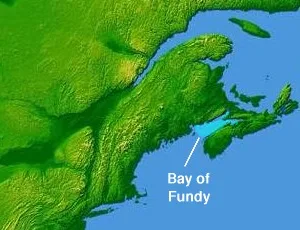
Photo: Decumanus at English Wikipedia, Wikimedia Commons, CC BY-SA 3.0.


Paste the code into your page. The player fits itself in, and every vote counts in Votur.
On WordPress, Ghost or Squarespace? Just paste the link of this page into your post.
This is how it looks
Also fun