Get app
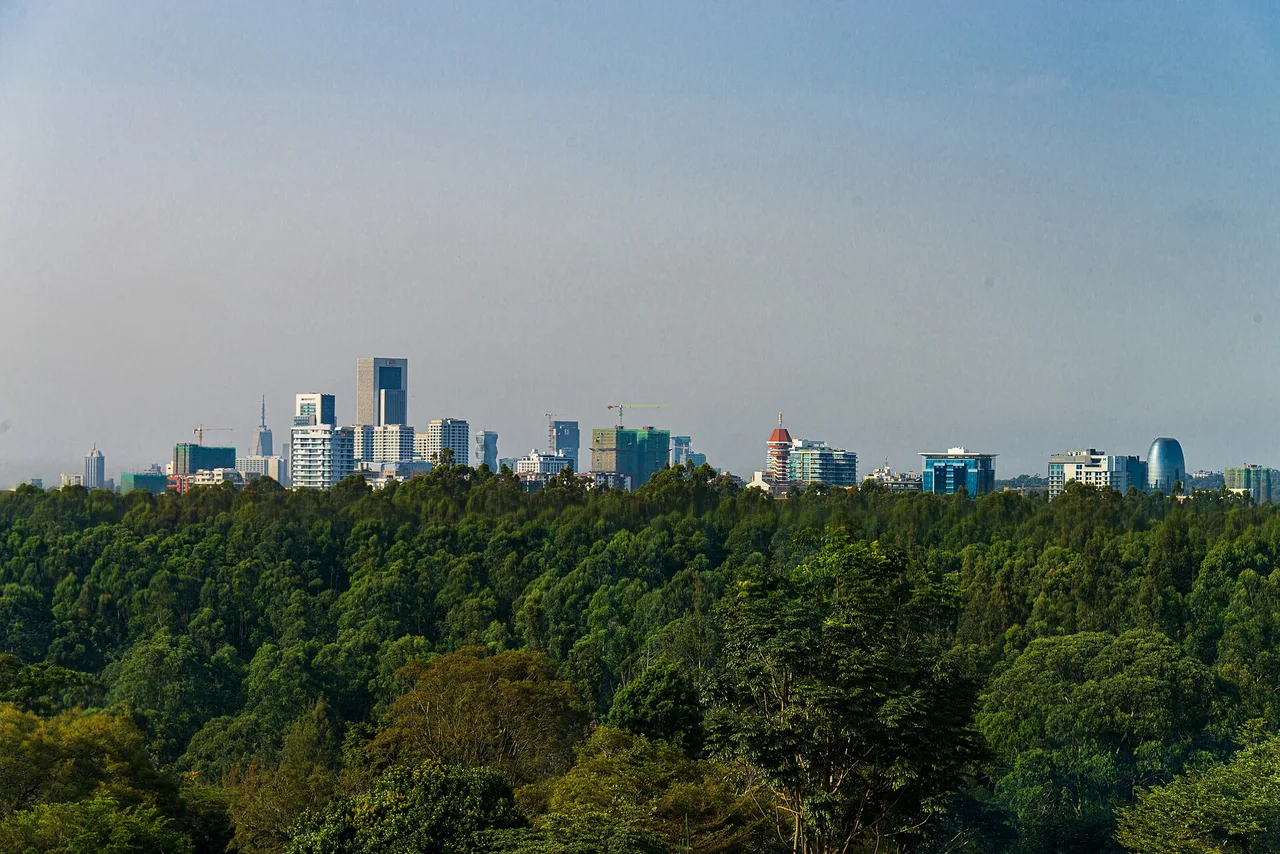
 Photo: Daniel Case, Wikimedia Commons, CC BY-SA 4.0.
How well do you know Kenya's bustling capital? Test your knowledge on Nairobi's rich history, diverse wildlife, vibrant culture, and famous landmarks.
Safari Beginner 0–4 · City Navigator 5–8 · Honorary Nairobian 9–10
Pick one

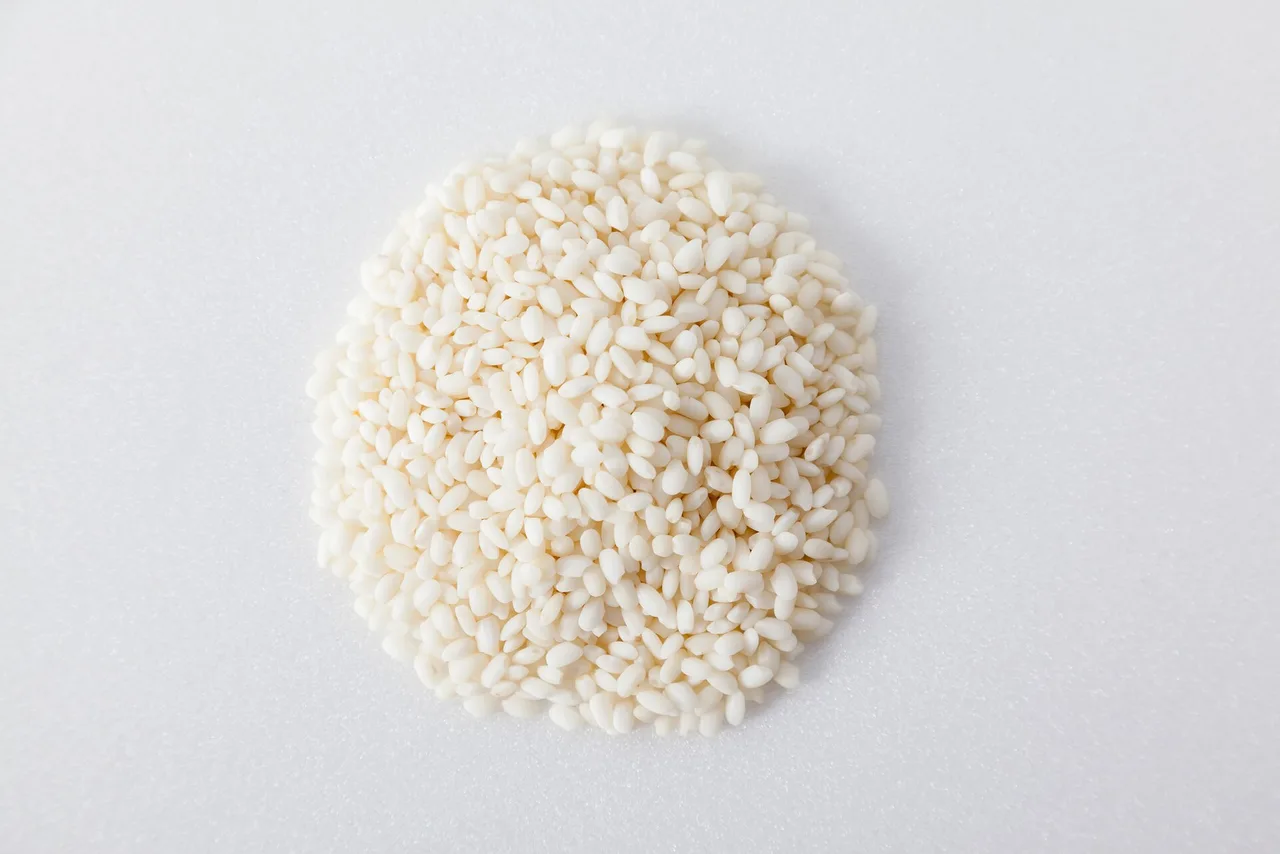
Nyama choma means 'grilled meat' in Swahili and is often called Kenya's unofficial national dish. Usually goat or beef roasted slowly over charcoal, it is eaten with your hands alongside ugali and a fresh tomato-and-onion salad called kachumbari.
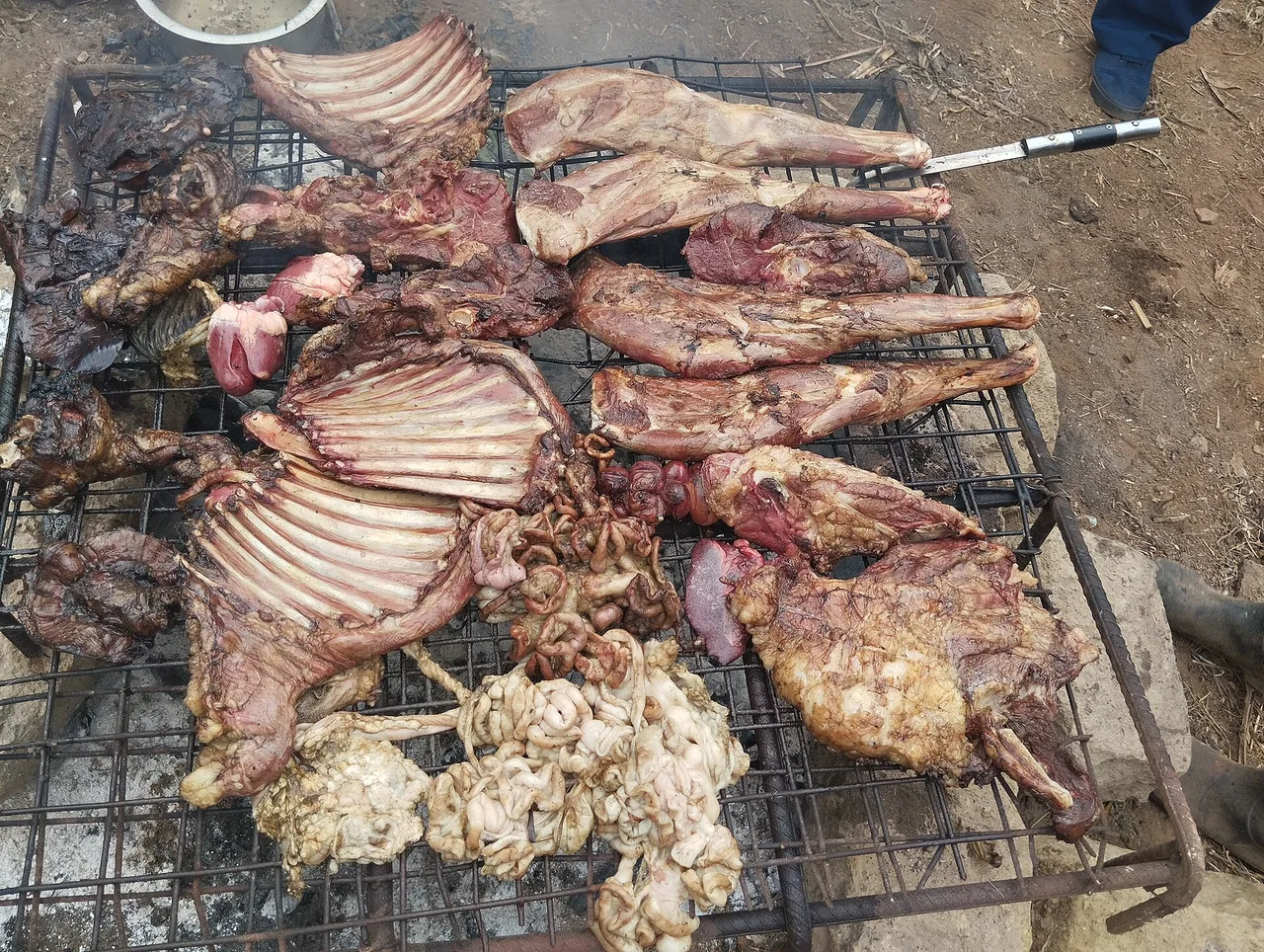
Photo: Samuel Kiongo, Wikimedia Commons, CC BY-SA 4.0.
Pick one
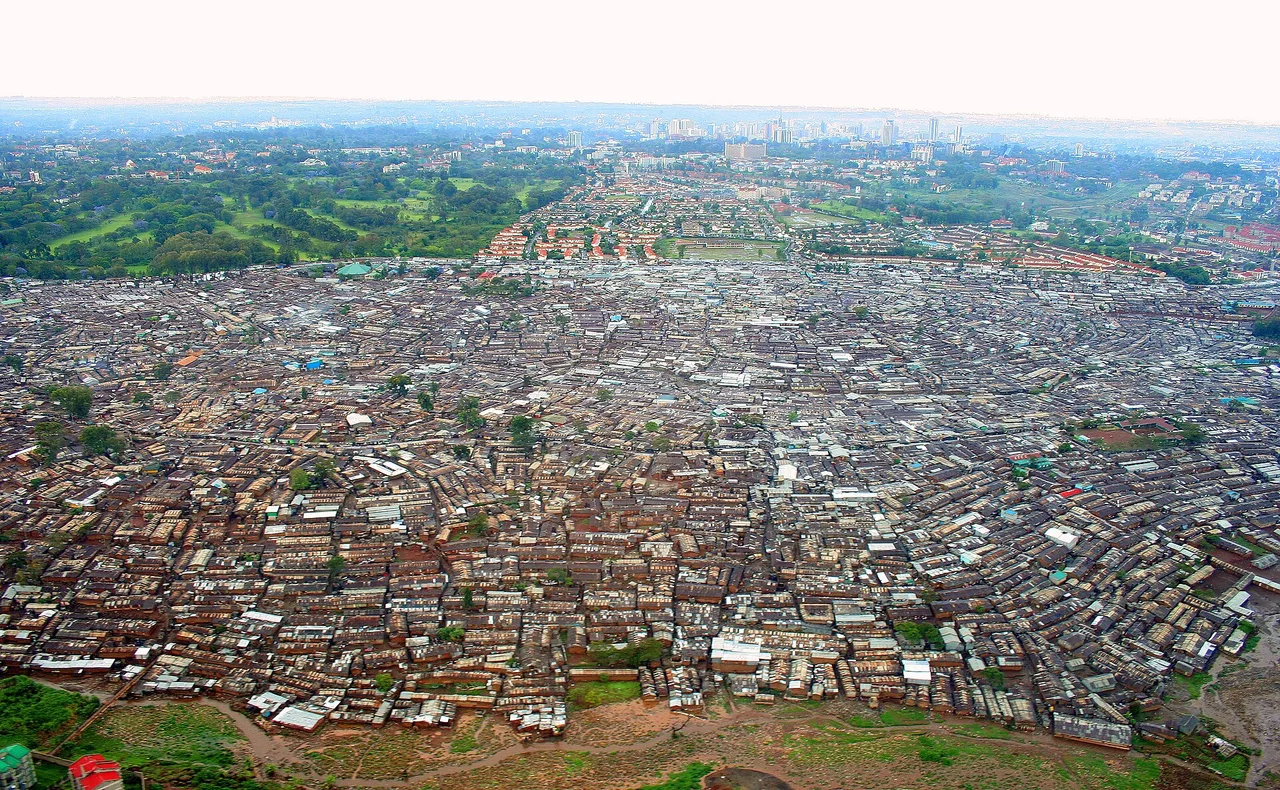
Kibera is located about 6.6 kilometers from the city center and is often called the largest urban informal settlement in Africa. Despite facing significant infrastructure challenges, it is a highly vibrant neighborhood known for its strong community spirit and talented artists.
Photo: Schreibkraft, Wikimedia Commons, CC BY-SA 3.0.
Pick one
Wangari Maathai founded the Green Belt Movement in 1977 to plant trees and advocate for women's rights and environmental conservation. Her courageous activism, which included saving Nairobi's Uhuru Park from skyscraper development, earned her the Nobel Peace Prize in 2004.
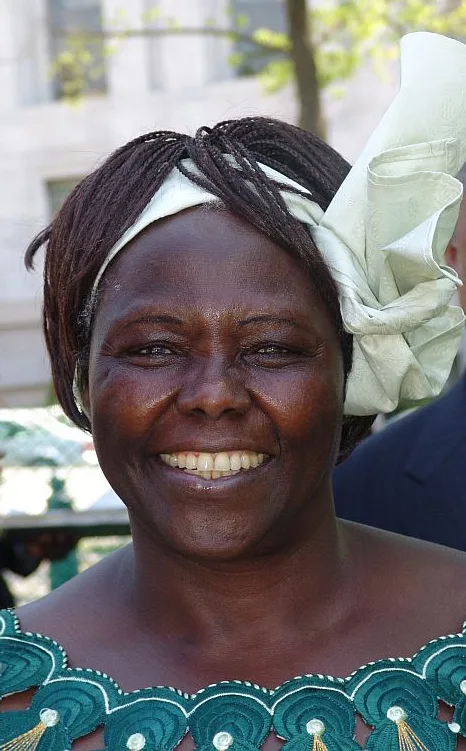
Photo: Kingkongphoto & www.celebrity-photos.com from Laurel Maryland, USA, Wikimedia Commons, CC BY-SA 2.0.
Pick one
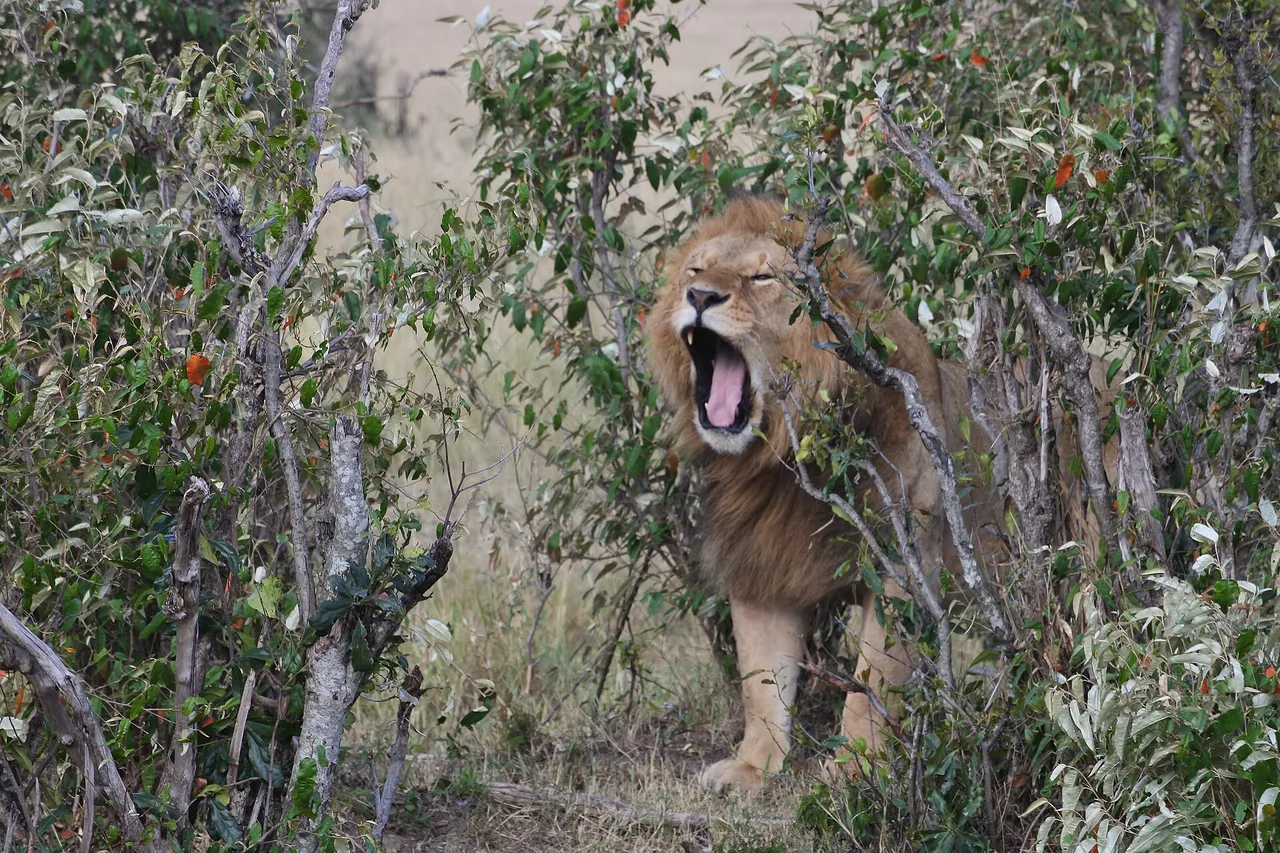
While Nairobi National Park is famous for its wild lions, leopards, and black rhinos roaming just outside the city skyline, it does not host elephants. The park's relatively small size and proximity to human settlements make it unsuitable for these massive, wide-ranging mammals.
Photo: flightlog, Wikimedia Commons, CC BY 2.0.
Pick one
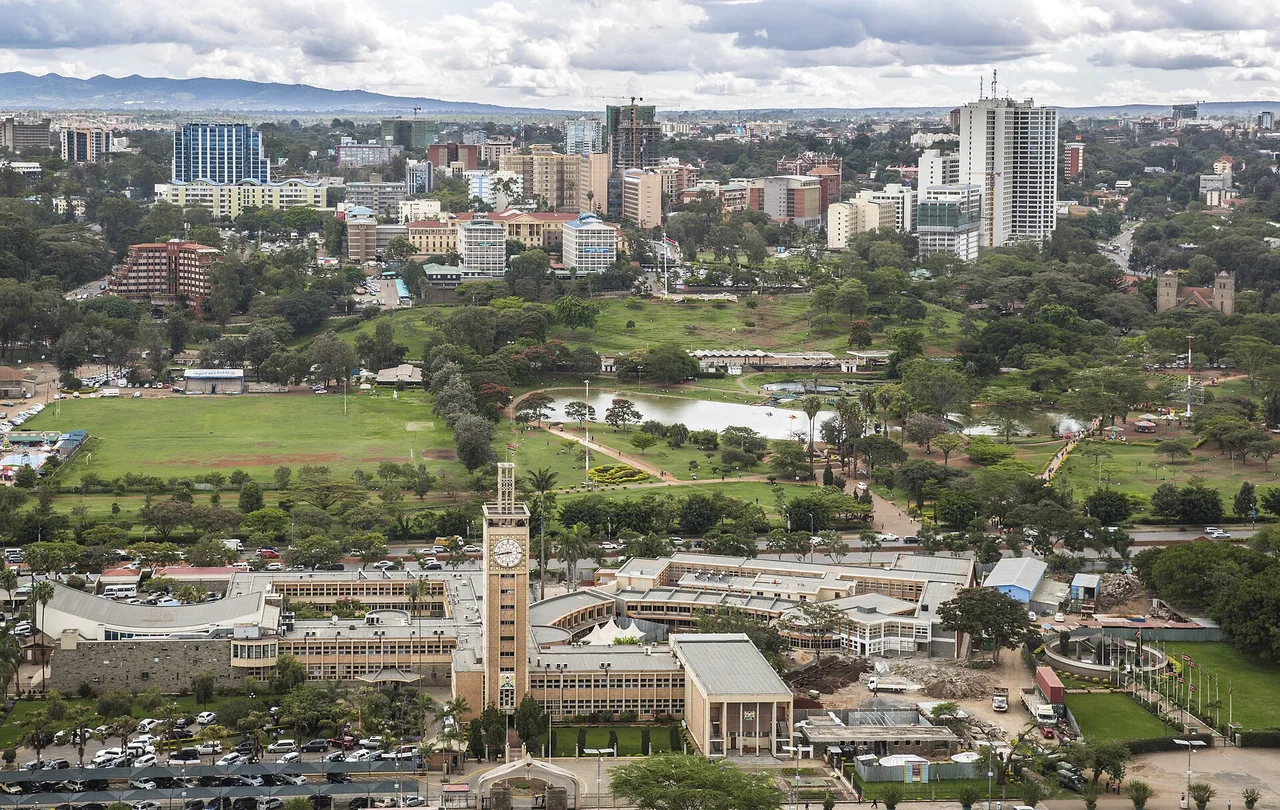
Uhuru Park is a large, historic recreational park adjacent to Nairobi's central business district. Opened in 1969, it has hosted major national celebrations, political rallies, and environmental protests, making it a key symbol of Kenya's democratic history.
Photo: Ninara, Wikimedia Commons, CC BY 2.0.
Pick one
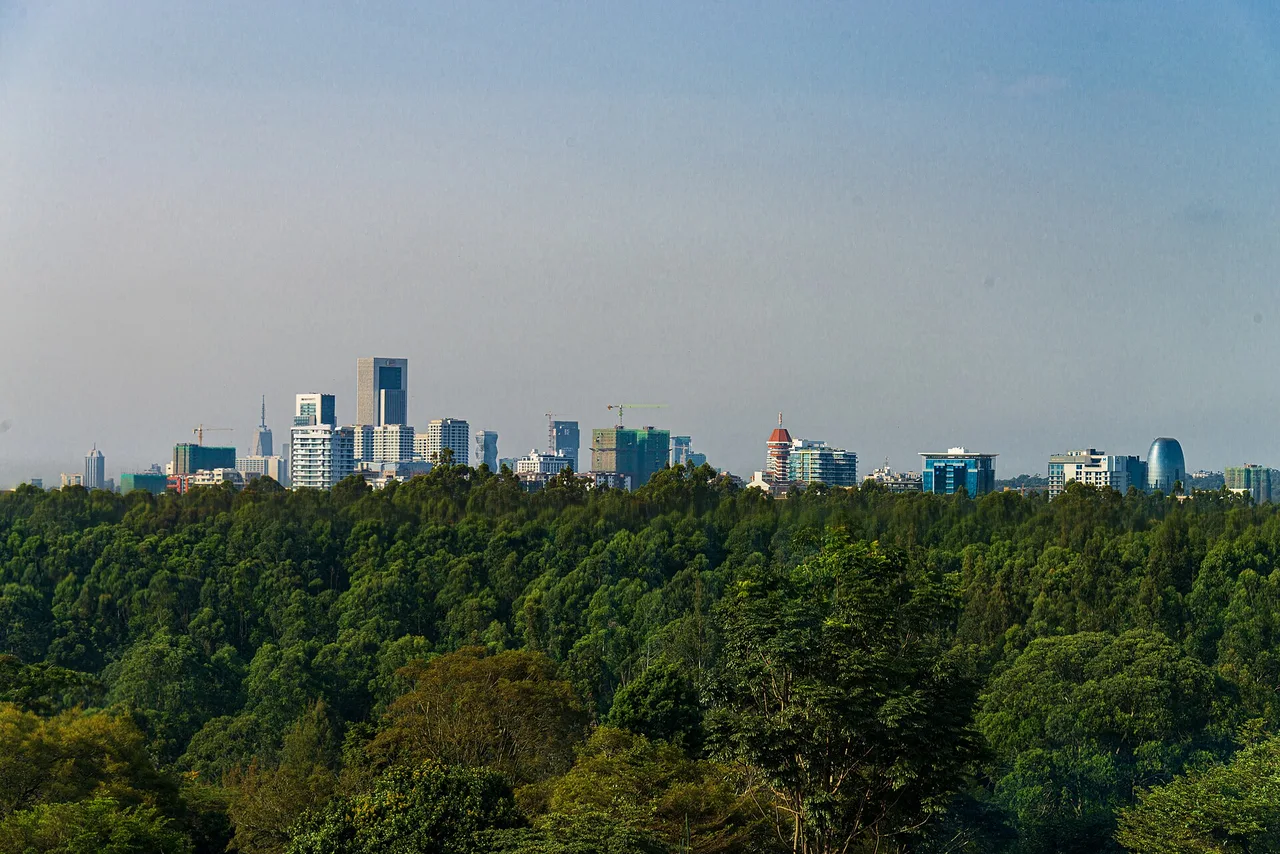
Nairobi's name comes from the Maasai phrase 'Enkare Nyrobi', which refers to the Nairobi River. The cold water of the river stood out to the pastoralist Maasai people who grazed their cattle in the region. Today, the city is still affectionately nicknamed the Green City in the Sun.
Photo: Daniel Case, Wikimedia Commons, CC BY-SA 4.0.
Pick one
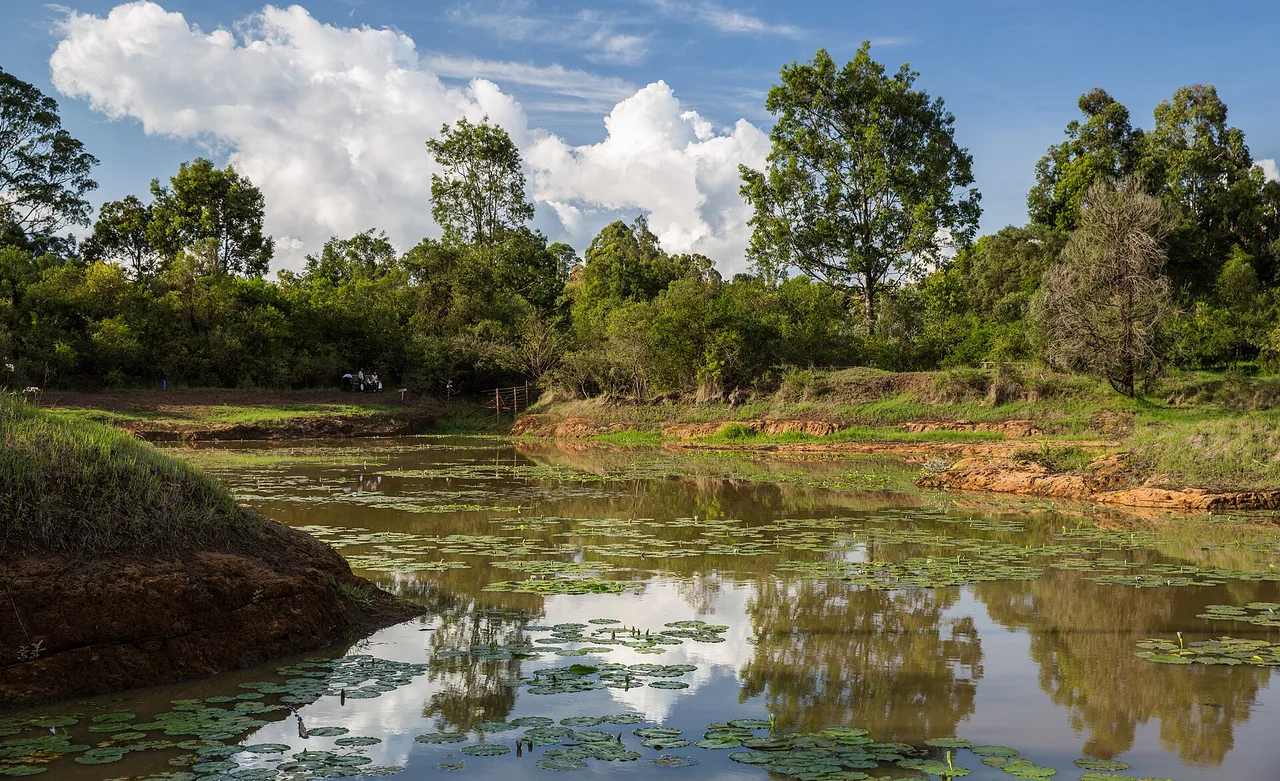
Karura Forest is a large, protected urban forest on the northern edge of central Nairobi. It has a waterfall, bamboo groves and caves that served as hideouts for Mau Mau fighters during Kenya's struggle for independence.
Photo: Ninaras, Wikimedia Commons, CC BY 4.0.
Pick one
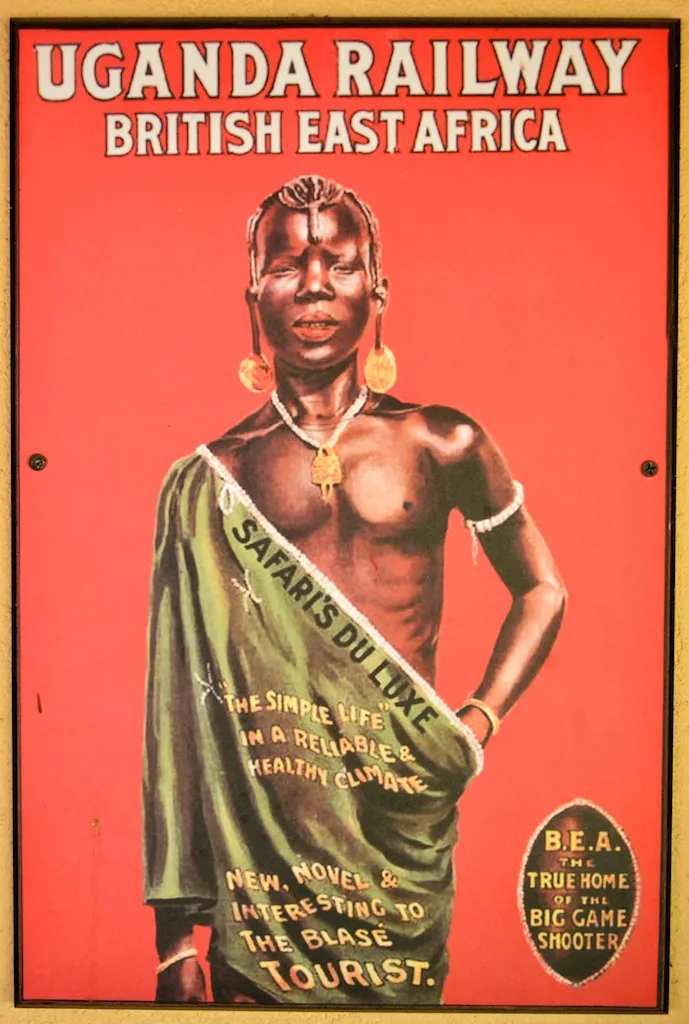
Nairobi began as a simple rail depot on the Uganda Railway, which connected the coastal port of Mombasa to Kisumu on Lake Victoria. Because of its central location and cooler climate, the settlement quickly grew and officially replaced Mombasa as the capital in 1907.
Photo: Rod Waddington from Kergunyah, Australia, Wikimedia Commons, CC BY-SA 2.0.
Pick one
The Giraffe Centre was founded in 1979 to protect the highly endangered Rothschild's giraffe, which had lost most of its natural habitat. The center has successfully bred and released dozens of these giraffes back into the wild, helping to secure their survival.
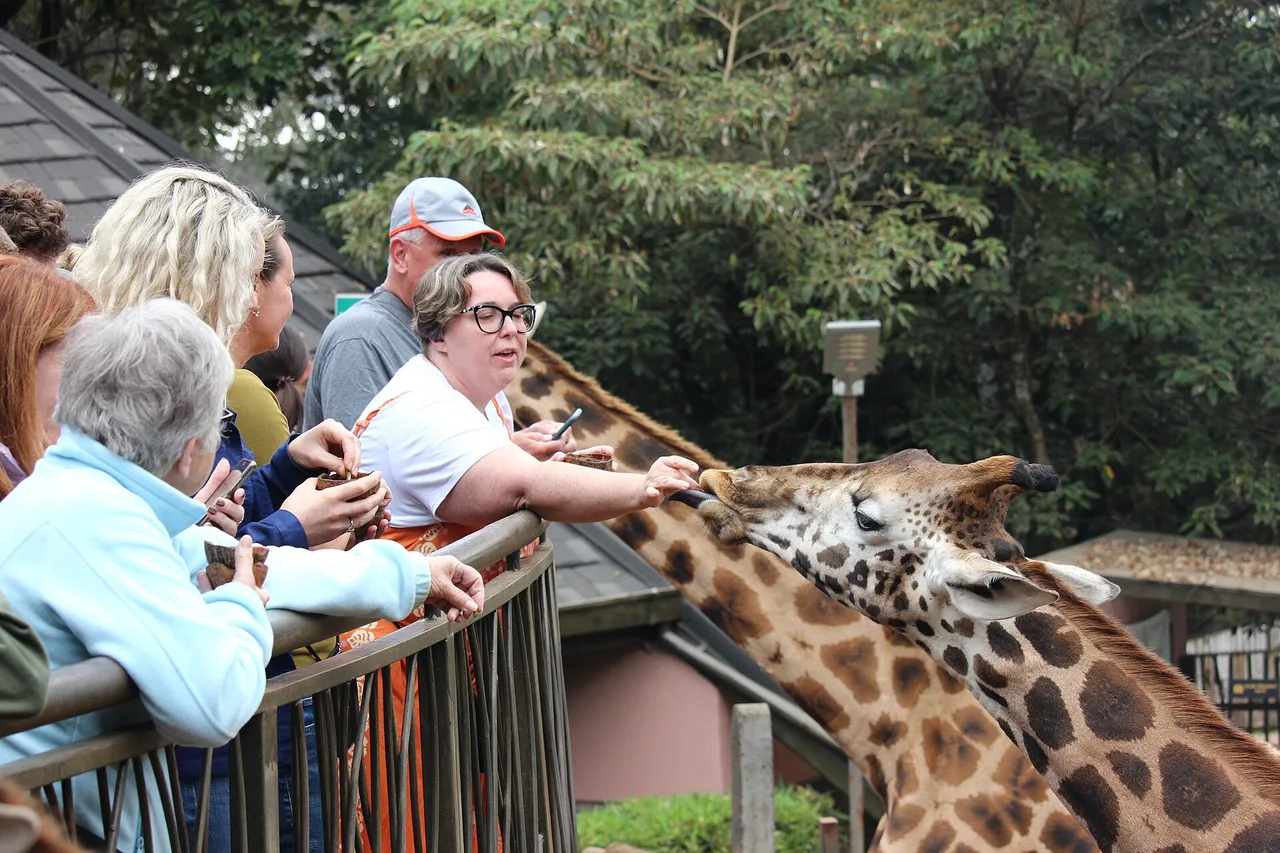
Photo: Samwalton9, Wikimedia Commons, CC BY 4.0.
Pick one
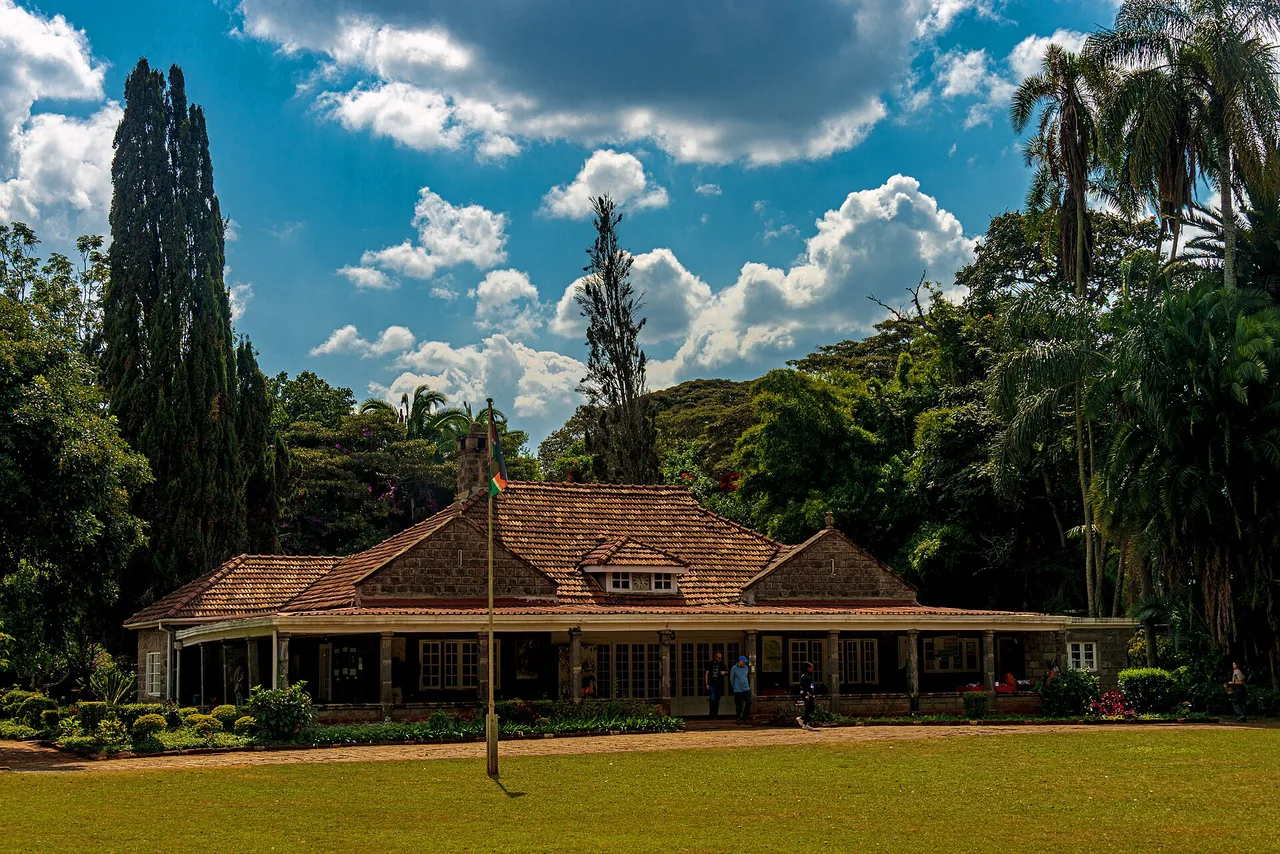
The Karen Blixen Museum is located in the historic farmhouse where the Danish author lived from 1917 to 1931. Writing under her pen name Isak Dinesen, she immortalized her life on the coffee plantation in her memoir Out of Africa, which later became an Oscar-winning movie.
Photo: Daniel Case, Wikimedia Commons, CC BY-SA 4.0.


Paste the code into your page. The player fits itself in, and every vote counts in Votur.
On WordPress, Ghost or Squarespace? Just paste the link of this page into your post.
This is how it looks
Also fun