Get app
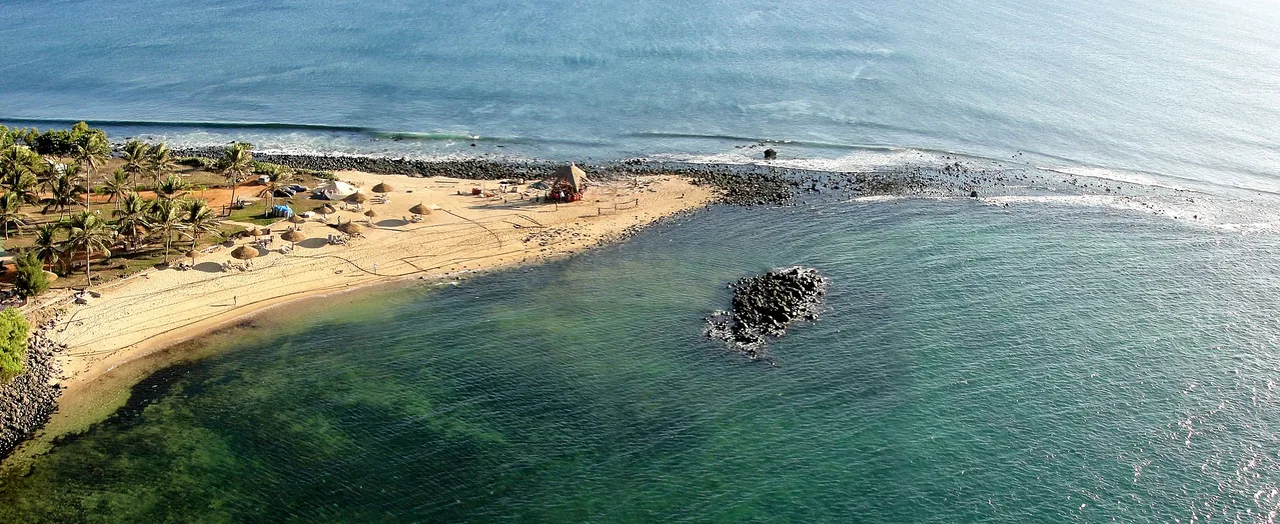
 Photo: NIHEREWENIMANA Richard, Wikimedia Commons, CC BY-SA 4.0.
How well do you know the Heart of Africa? Test your knowledge on Burundi's rich history, stunning landscapes, unique culture, and famous figures.
Friendly Visitor 0–4 · Curious Explorer 5–8 · True Burundian Friend 9–10
Pick one

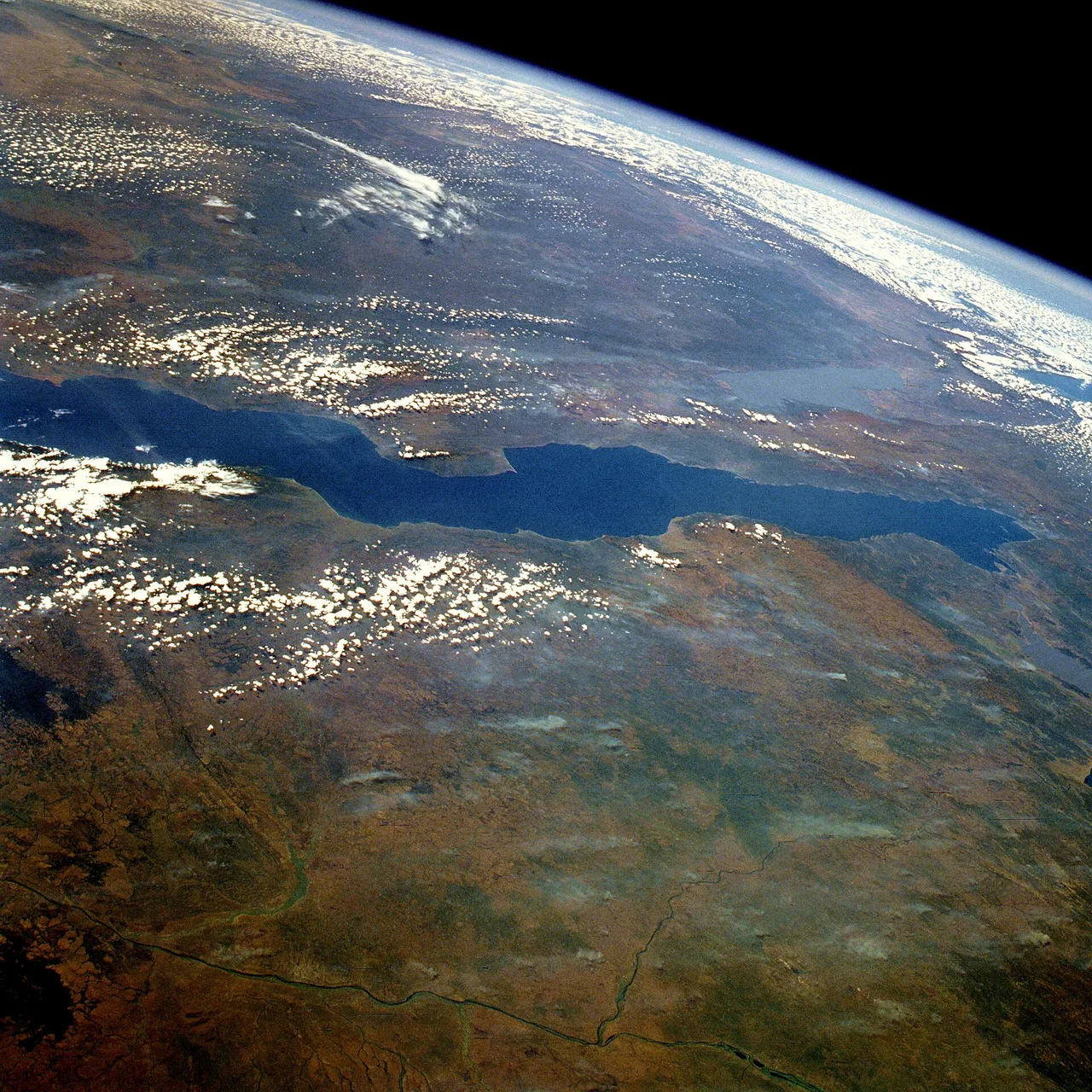
Lake Tanganyika forms much of Burundi's western border. It is about 1,470 metres deep at its deepest point and holds around 16% of the world's available fresh water. It is also famous for its colourful cichlid fish, much loved by aquarium keepers worldwide.
Photo: NASA, Wikimedia Commons, Public domain.
Pick one
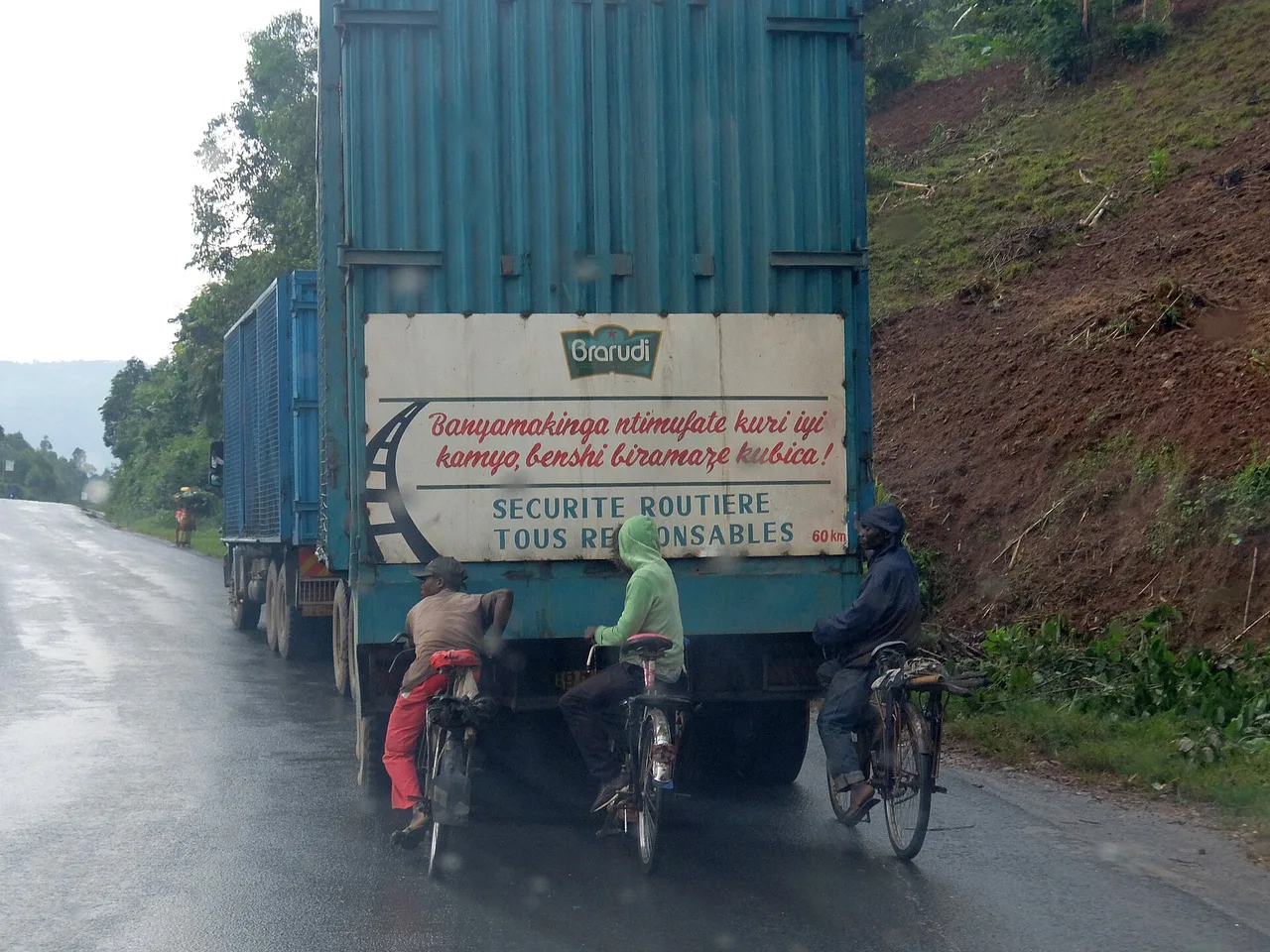
Kirundi is spoken by nearly the entire population of Burundi, serving as a powerful unifying cultural element. It is mutually intelligible with Kinyarwanda, the national language of neighboring Rwanda. It is one of the few national languages in Africa spoken by almost all citizens.
Photo: Macabe5387, Wikimedia Commons, CC BY-SA 4.0.
Pick one
Coffee and tea together bring in about 90% of the money Burundi earns from exports. Most Burundian coffee grows on small farms on the hills of the country's high central plateau.
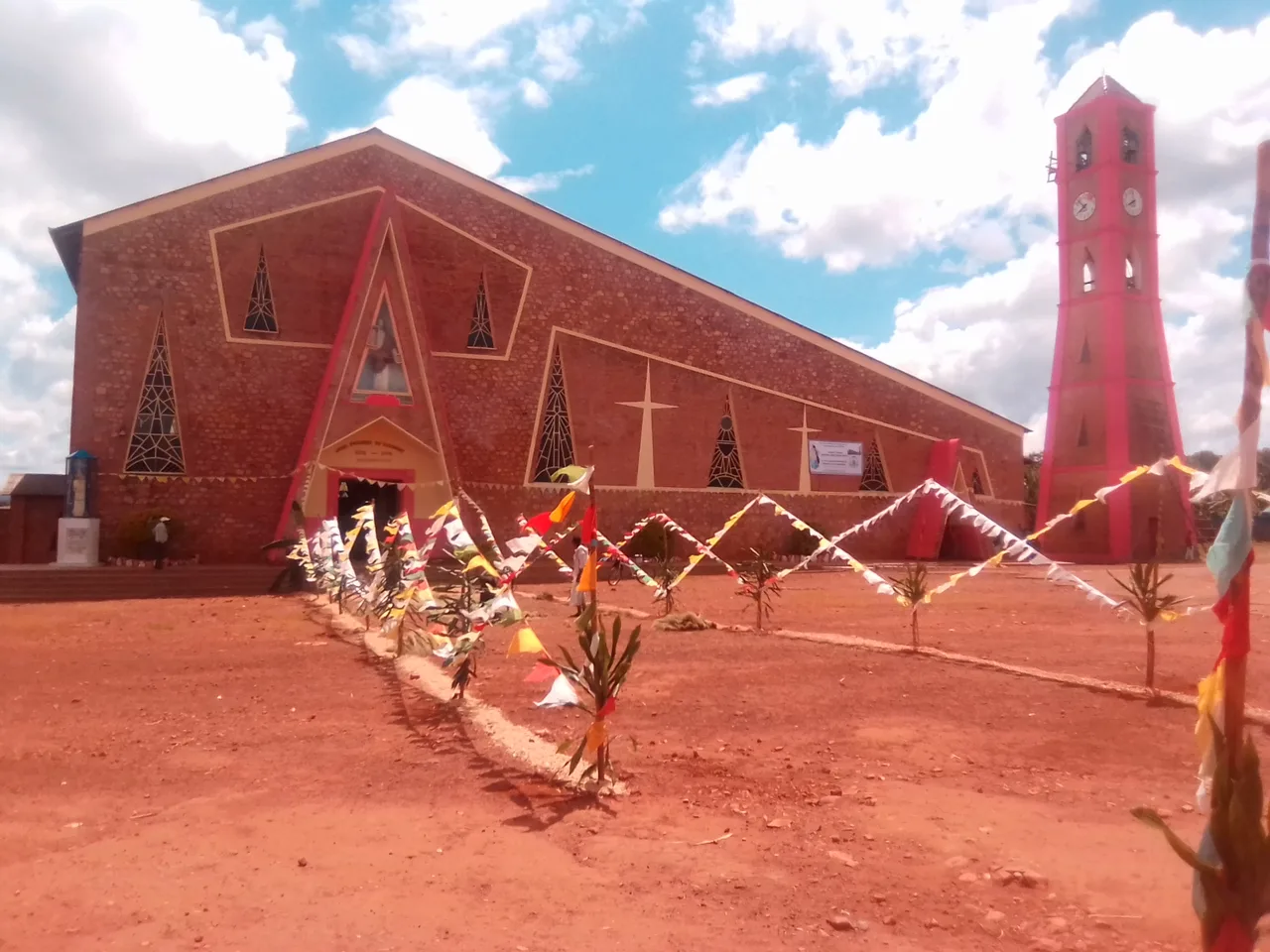
Photo: Edouard mhg, Wikimedia Commons, CC0.
Pick one
Vénuste Niyongabo made history in 1996 by winning Burundi's first Olympic gold medal. Remarkably, he had only run the 5000-meter event a few times before the Olympics, as his primary specialty was the 1500 meters. He generously gave up his spot in the 1500m to a teammate, which led to his historic run.
Pick one
Located about 12 kilometers south of Bujumbura, the Livingstone-Stanley Monument marks the spot where David Livingstone and Henry Morton Stanley stayed in November 1871, just weeks after their famous encounter in Ujiji. A massive rock is inscribed with their names to mark the visit.
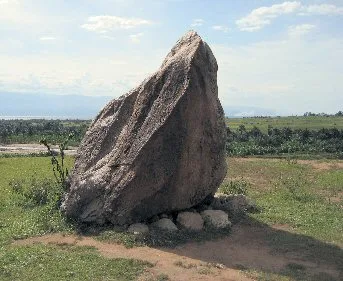
Photo: Bluesystem, Wikimedia Commons, CC0.
Pick one
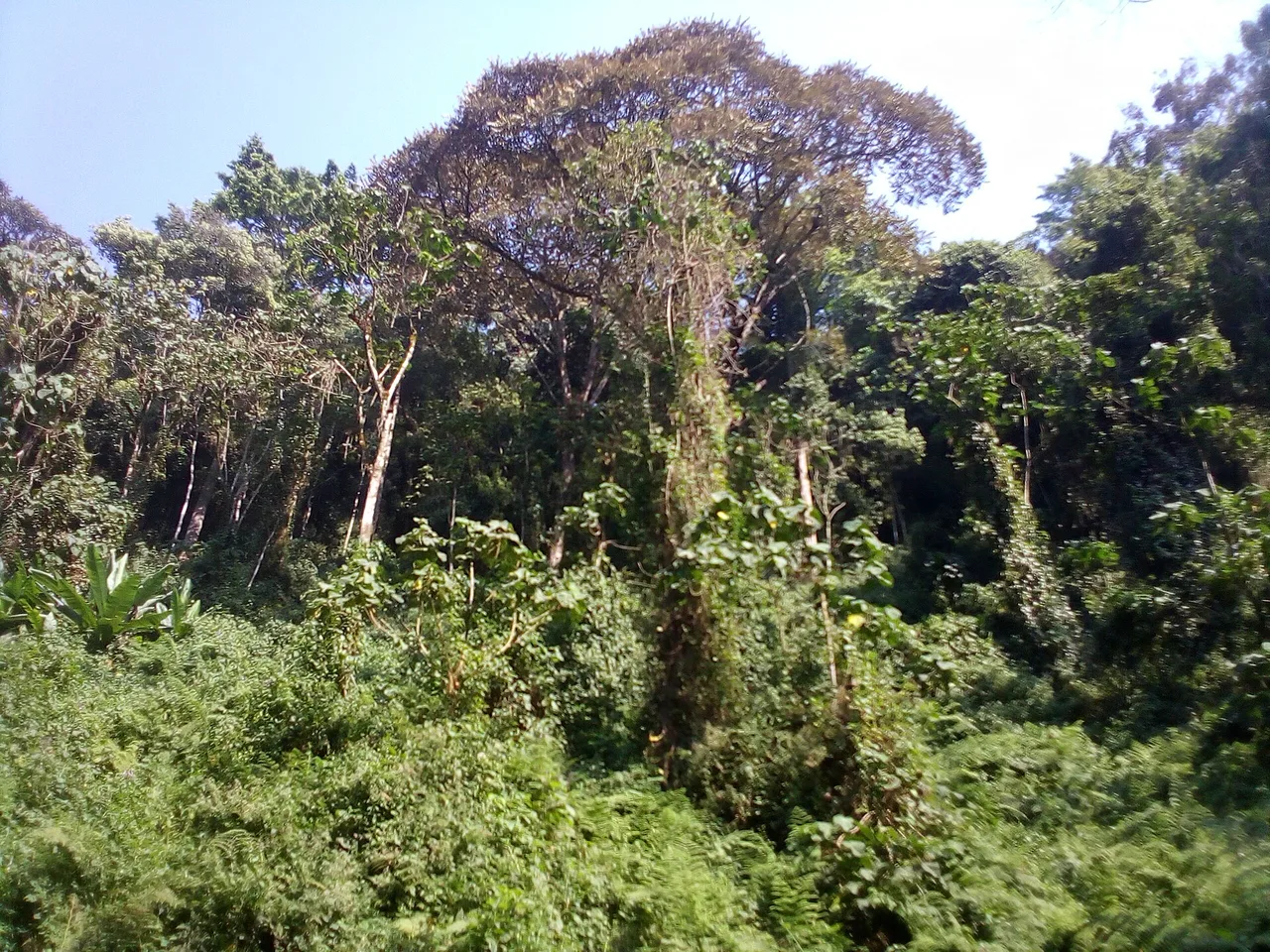
Kibira National Park lies on the apex of the Congo-Nile Divide. It preserves a magnificent primeval rainforest that is home to several primate species, including chimpanzees, black-and-white colobus monkeys, and baboons. It also plays a vital role in regulating the country's water supply.
Photo: NZISABIRA Léopold, Wikimedia Commons, CC BY-SA 4.0.
Pick one
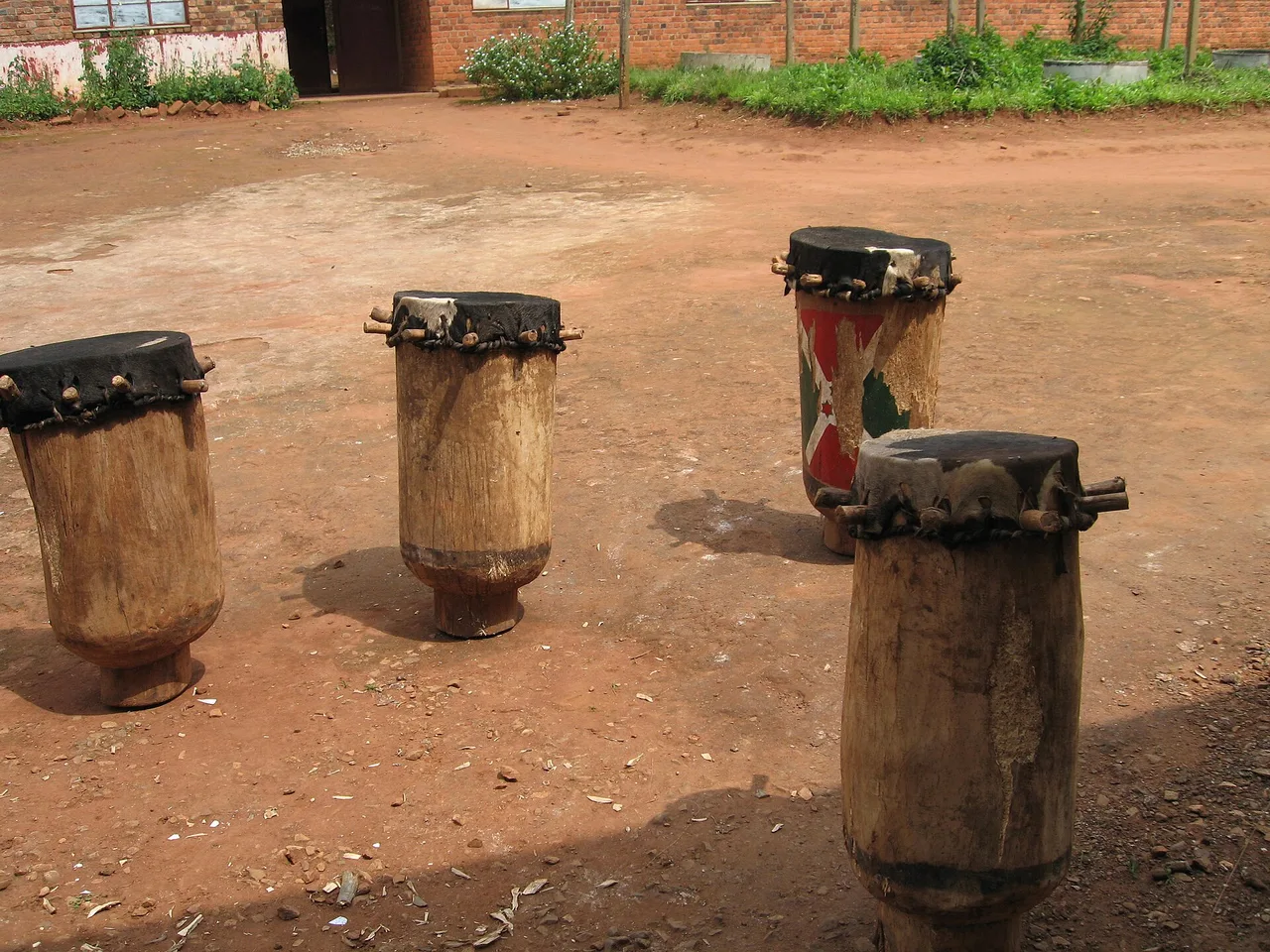
The Karyenda was a sacred drum representing the semi-divine status of the Mwami (king). It was so revered that it even appeared on Burundi's national flag prior to the country becoming a republic in 1966. Only the king could authorize the playing of these sacred instruments for special state ceremonies.
Photo: No machine-readable author provided. Tequendamia assumed (based on copyright cla, Wikimedia Commons, Public domain.
Pick one
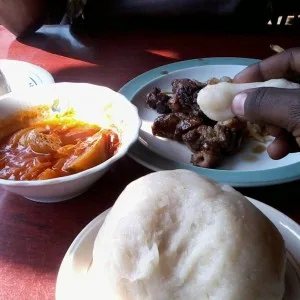
Mukeke, known in English as the sleek lates, is a perch-like fish found only in Lake Tanganyika. It is celebrated for its sweet, white flesh and is typically prepared grilled or steamed with onions and local spices, making it a must-try for visitors. It is often served alongside plantains or ugali.
Photo: [https://augustinetours.com Augustine Tours], Wikimedia Commons, CC BY-SA 4.0.
Pick one
The rulers of Burundi were known as the Mwami. The monarchy lasted for centuries before being abolished in 1966 when the country was declared a republic. The last reigning monarch was Mwami Ntare V, who ruled briefly in 1966 before the monarchy was overthrown in a military coup.
Pick one
Near Rutovu, a small spring flowing into the Kasumo River is claimed by many geographers to be the southernmost source of the Nile. A stone pyramid was erected there in the 1930s to commemorate this geographic landmark, which draws curious travelers from around the world.


Paste the code into your page. The player fits itself in, and every vote counts in Votur.
On WordPress, Ghost or Squarespace? Just paste the link of this page into your post.
This is how it looks
Also fun