Get app
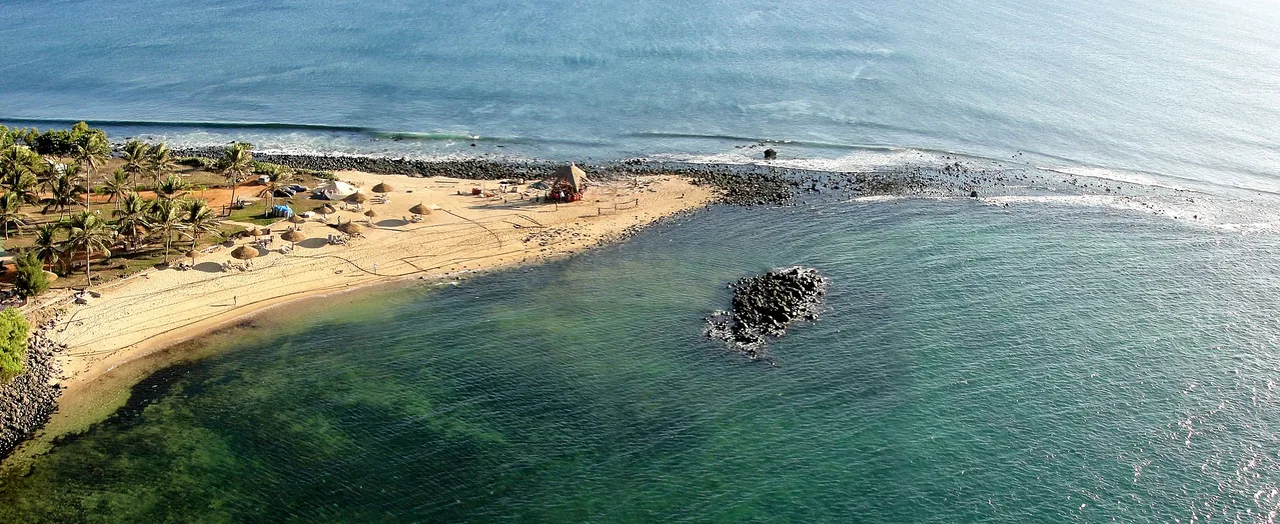
 Photo: Michael Coghlan, Wikimedia Commons, CC BY-SA 2.0.
Test your knowledge of Funafuti, the vibrant and unique atoll capital of Tuvalu. Explore its fascinating geography, rich cultural traditions, and historic landmarks.
Lagoon Explorer 0–4 · Island Neighbor 5–8 · Atoll Expert 9–10
Pick one

Tuvalu uses both the Australian dollar and its own Tuvaluan coins, which are pegged at a 1:1 ratio. Tuvalu only got its very first ATMs in 2025, so travelers are still wise to bring plenty of cash, preferably Australian banknotes.
Pick one
Charles Darwin theorized that coral atolls formed as reefs grew upward around slowly sinking volcanic islands. To test this, the Royal Society of London drilled deep into Funafuti in 1896. While they did not reach the volcanic foundation, later tests elsewhere proved Darwin's theory correct.
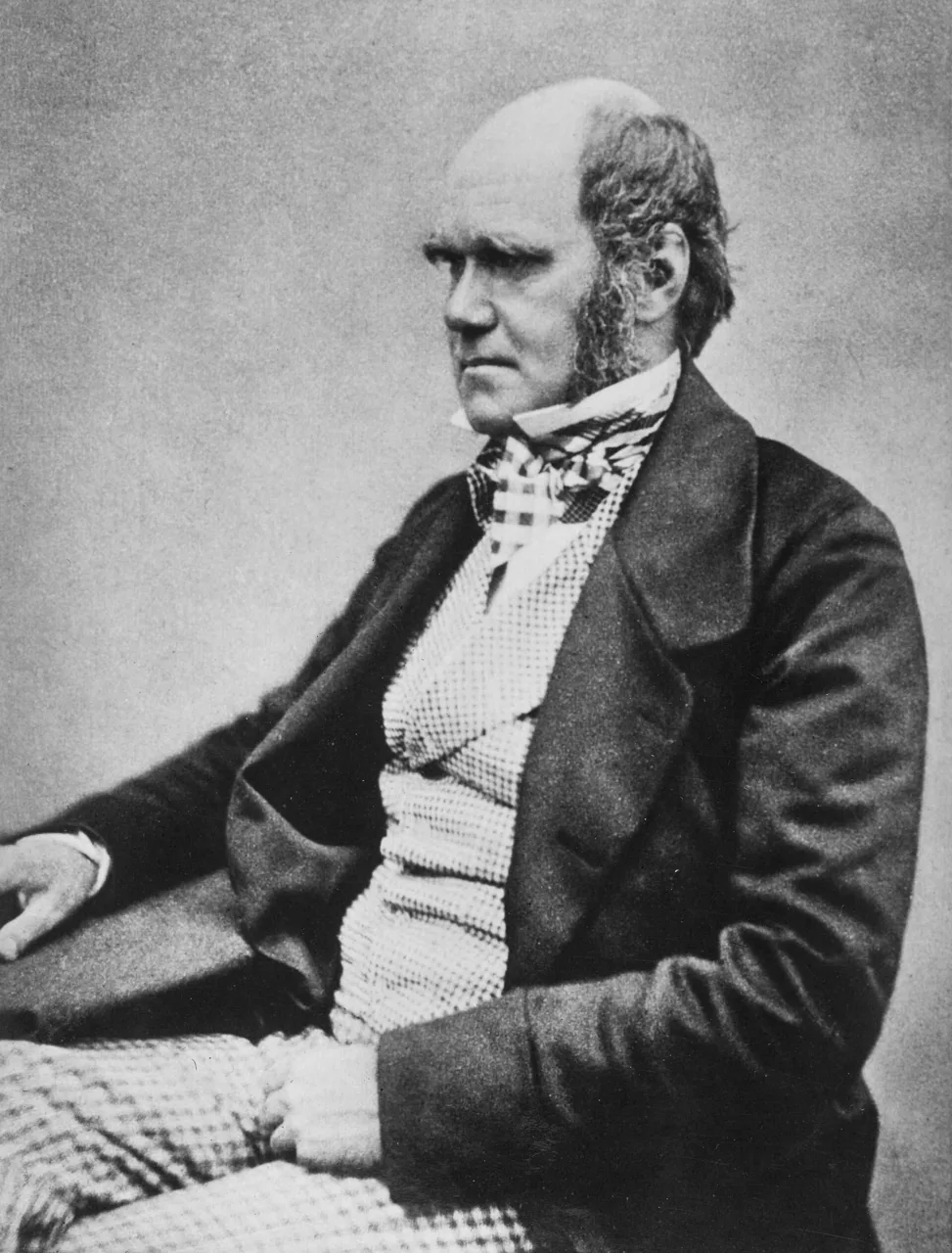
Photo: Charles_Darwin_seated.jpg: Henry Maull (1829–1914) and John Fox (1832–1907) (Mau, Wikimedia Commons, Public domain.
Pick one
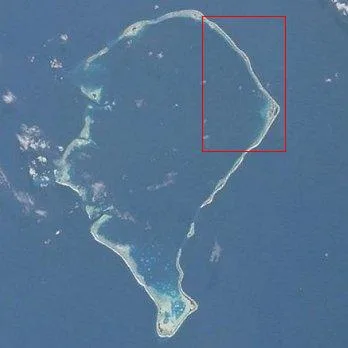
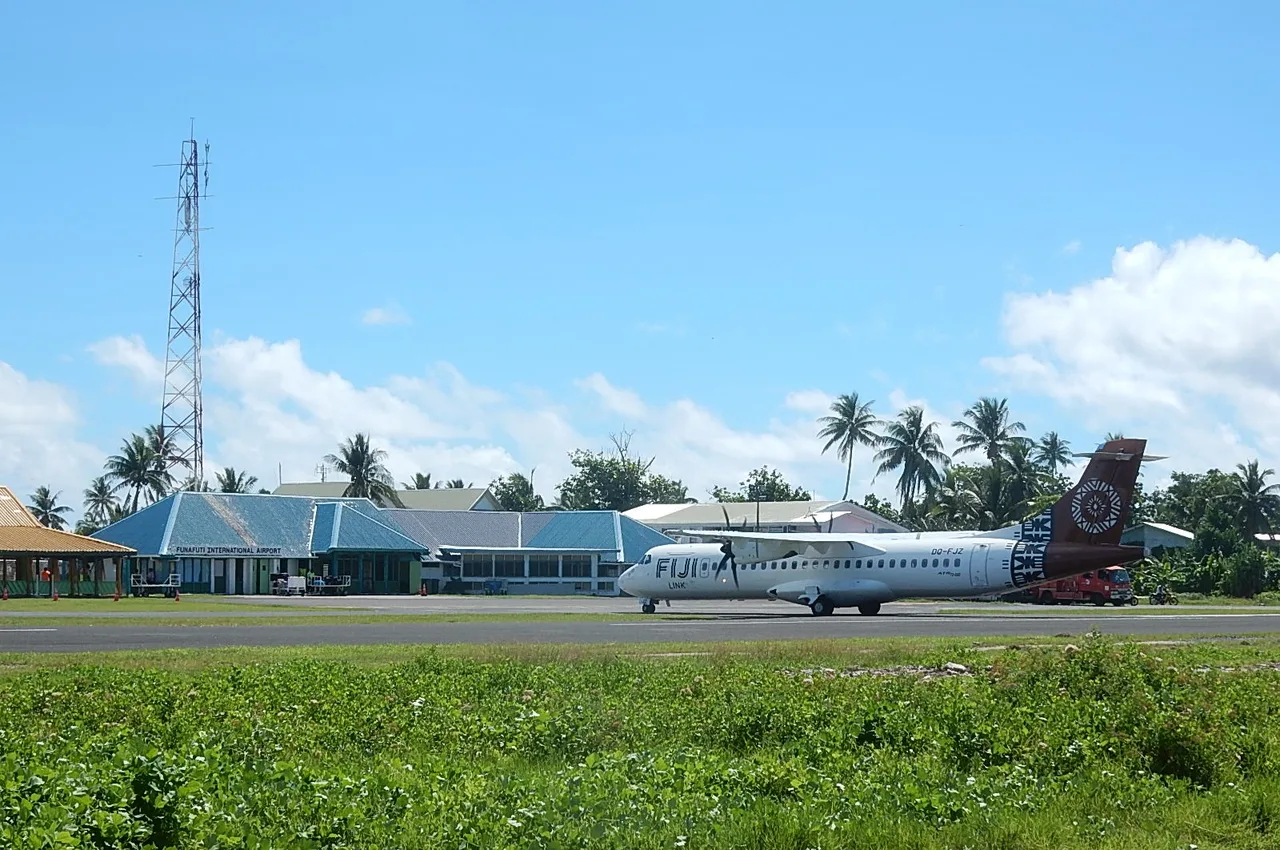
Fongafale is the largest islet of the Funafuti atoll and the centre of the nation's life. It contains the village of Vaiaku, home to the government offices, the post office and the international airport. Over half of Tuvalu's entire population lives on this narrow strip of land.
Photo: Wikimedia Commons, CC BY-SA 3.0.
Pick one
The Congregational Christian Church of Tuvalu, known locally as Te Ekalesia Kelisiano Tuvalu, is the state church by constitution. More than 90 percent of Funafuti's residents belong to this denomination, and its weekly services are central to social and cultural life.
Pick one
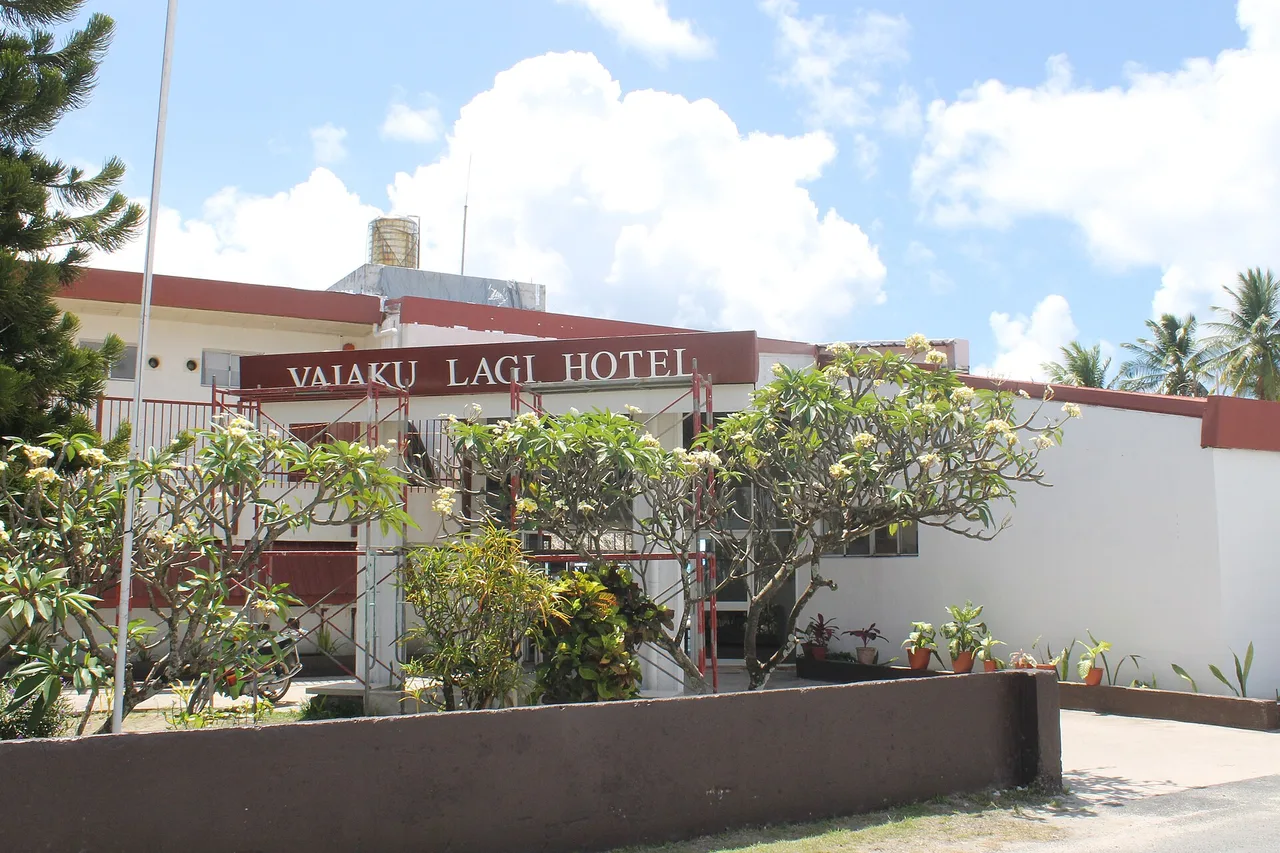
The Funafuti Lagoon Hotel opened in 1993, built with help from Taiwan, and stands on the lagoon shore in Fongafale. It is Tuvalu's best-known hotel and a meeting point for visitors, with Tuvaluan dancing after its weekly buffet dinner.
Photo: lirneasia, Wikimedia Commons, CC BY 2.0.
Pick one
The central lagoon is named Te Namo and is the defining geographical feature of the atoll. Spanning about 18 kilometers in length, its deep waters provide vital sustenance for the local population and serve as a beautiful backdrop for the daily life of the capital.
Photo: Michael Coghlan, Wikimedia Commons, CC BY-SA 2.0.
Pick one
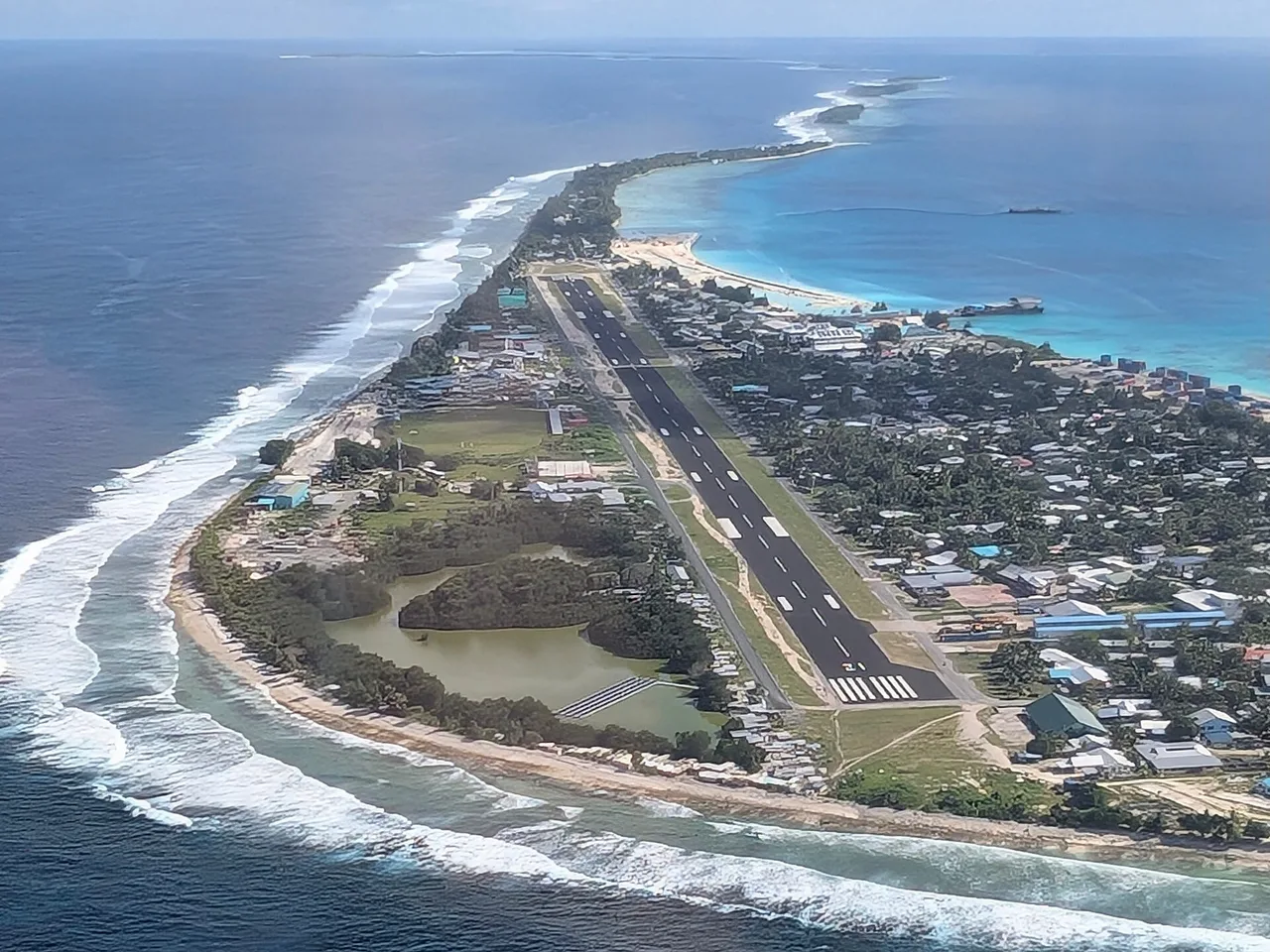
Space is so tight on the narrow islet of Fongafale that the runway doubles as the island's playground. People use it for football and other games and to meet friends. When a plane is coming, a fire engine sounds its siren so that everyone clears the runway.
Photo: Oetti42, Wikimedia Commons, CC0.
Pick one
The Falekaupule, also known as the maneapa, is the traditional island assembly hall where local elders make community decisions. In Funafuti, this structure is the cultural heart of the community, used for major celebrations, traditional dances, and welcoming international dignitaries.
Pick one
The Funafuti Conservation Area covers 33 square kilometers of ocean, reefs, and six uninhabited islets. Established in 1999, it protects a rich variety of marine life, including colorful corals, diverse fish species, and critical nesting beaches for endangered green sea turtles.
Pick one
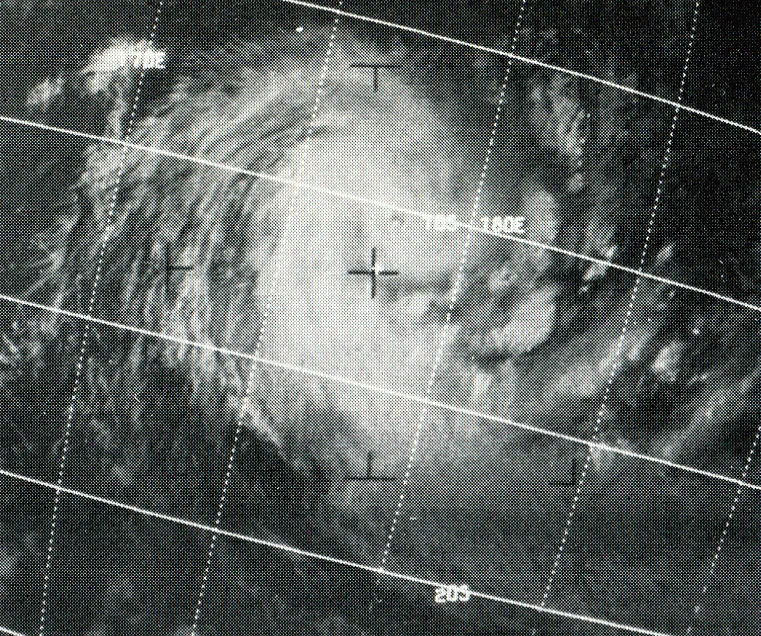
Cyclone Bebe struck Funafuti in October 1972, and a storm surge swept right over the low atoll, destroying most of the buildings. The waves also piled up a long bank of coral rubble along the reef, a mark of the storm that could be seen for years.
Photo: NOAA, Wikimedia Commons, Public domain.


Paste the code into your page. The player fits itself in, and every vote counts in Votur.
On WordPress, Ghost or Squarespace? Just paste the link of this page into your post.
This is how it looks
Also fun