Get app
 Photo: John Pavelka from Austin, TX, USA, Wikimedia Commons, CC BY 2.0.
Explore the fascinating history, stunning white-marble architecture, and unique cultural landmarks of Ashgabat, the capital of Turkmenistan.
Marble Wanderer 0–4 · City Explorer 5–8 · Master of the Avenue 9–10
Pick one

The Turkmen Carpet Museum holds a carpet made in 2001 that covers about 300 square metres, listed by Guinness World Records as the largest hand-woven carpet in the world. Carpets are so loved in Turkmenistan that five traditional carpet patterns appear on the national flag.
Pick one
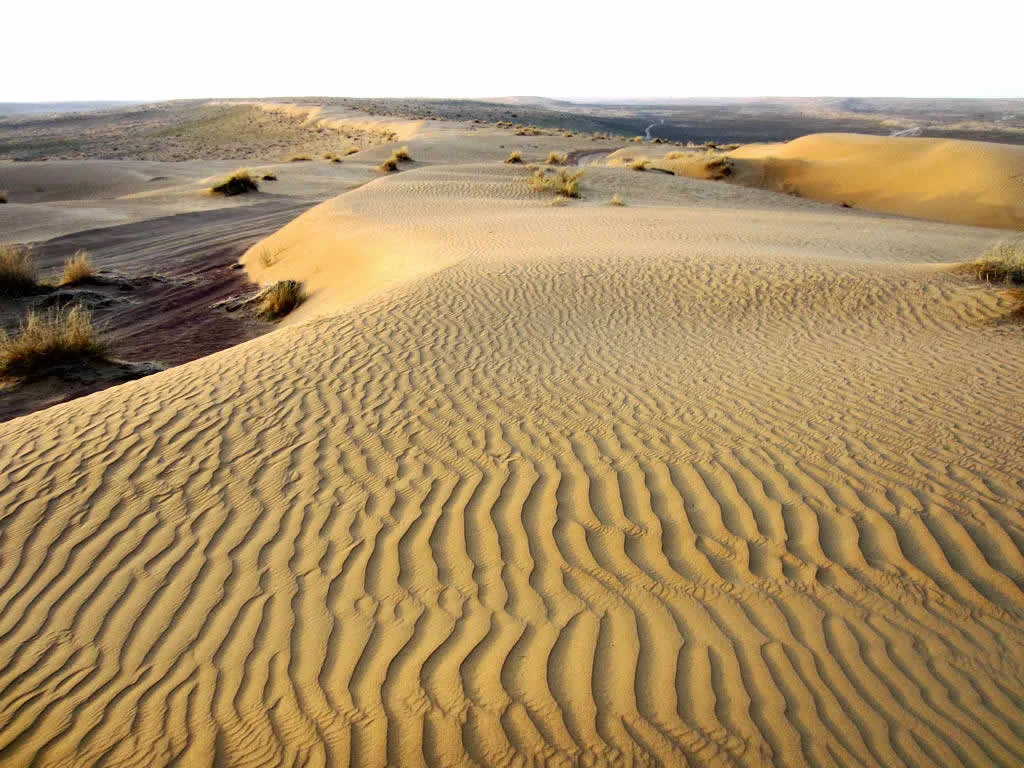
The Karakum Desert covers about 70 percent of Turkmenistan's land area. Ashgabat sits at its southern edge, where the sands meet the foothills of the Kopet Dag mountains, creating a dramatic contrast between dry desert plains and green mountain peaks.
Photo: David Stanley, Wikimedia Commons, CC BY 2.0.
Pick one
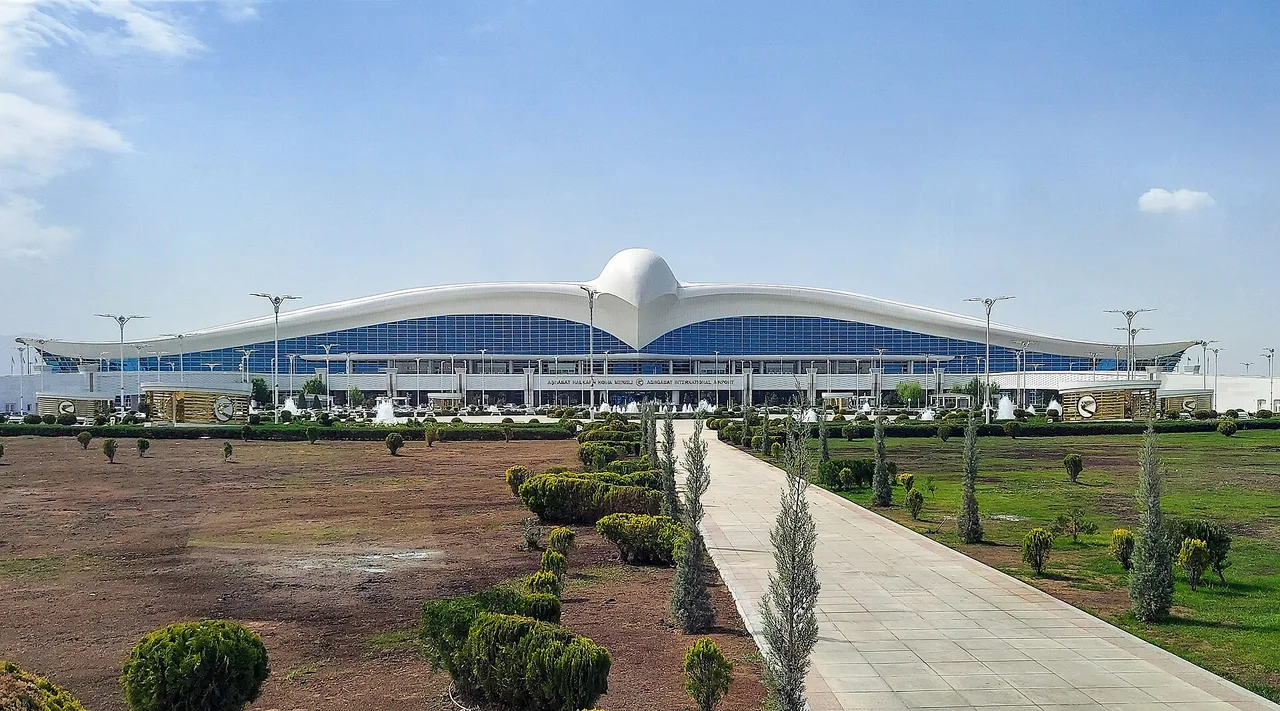
Opened in 2016, the striking terminal building of Ashgabat International Airport is shaped like a soaring falcon, a bird of great cultural significance in Turkmen heritage. The design combines ultra-modern architecture with traditional national motifs.
Photo: P. Hughes, Wikimedia Commons, CC BY 4.0.
Pick one
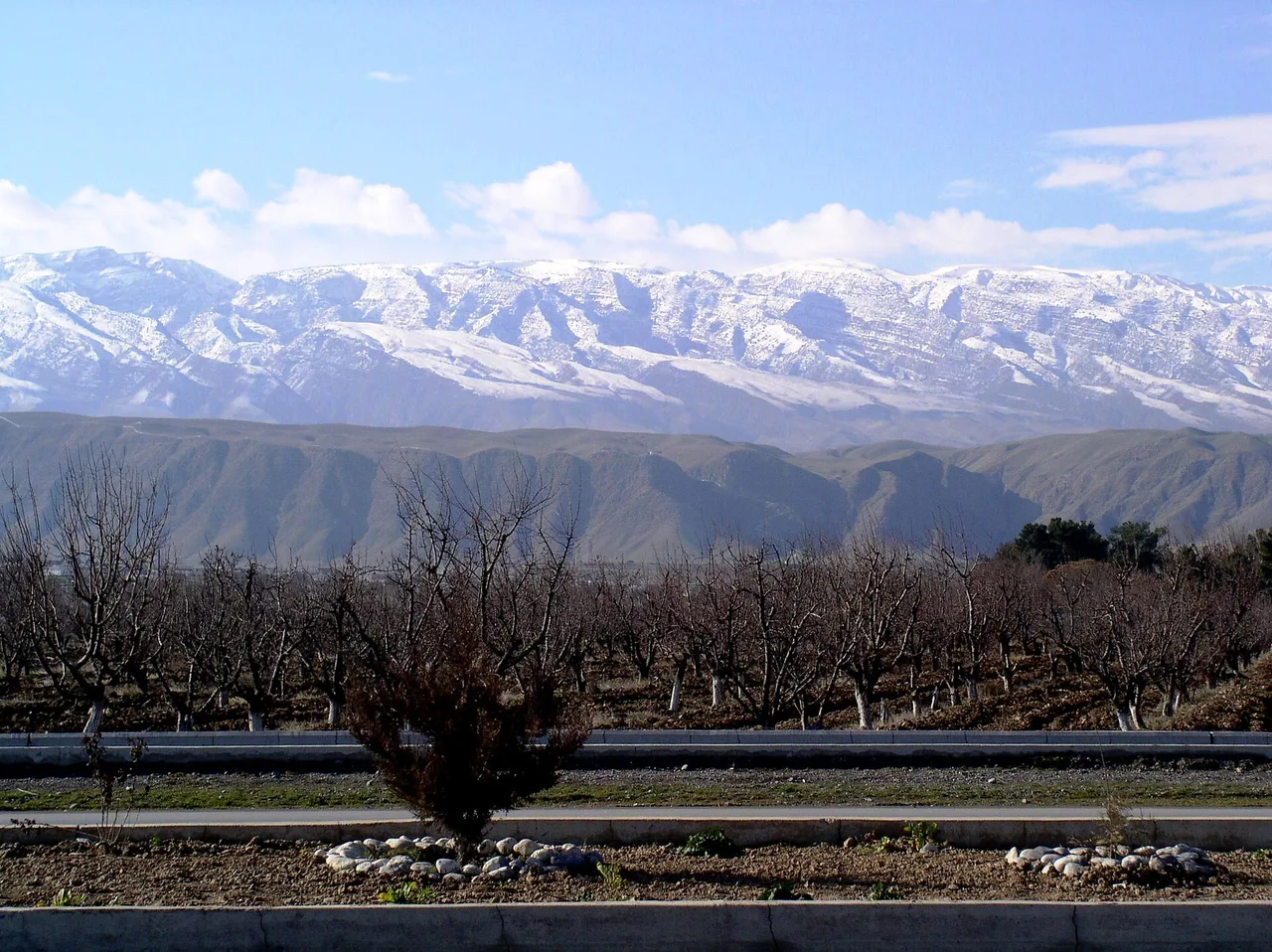
The Kopet Dag range rises sharply just south of Ashgabat, defining the city's skyline and acting as a natural border with Iran. The mountains offer cooler temperatures and scenic hiking trails, including the famous Health Path.
Photo: Balkan Wiki, Wikimedia Commons, CC BY-SA 3.0.
Pick one
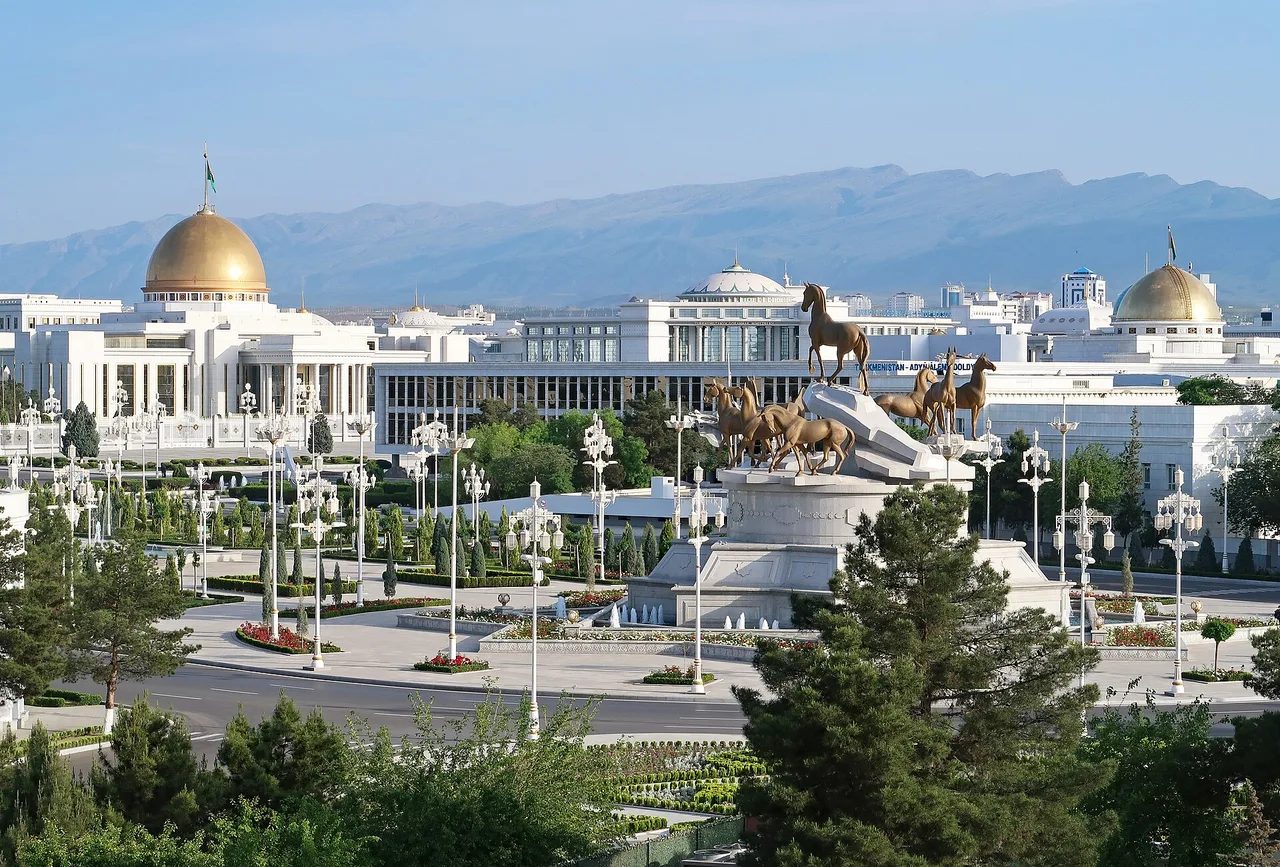
Ashgabat holds the record for the world's highest concentration of white marble buildings. Since the 1990s nearly every new building in the city has been faced with gleaming white marble, so whole avenues shine in the desert sun.
Photo: John Pavelka from Austin, TX, USA, Wikimedia Commons, CC BY 2.0.
Pick one
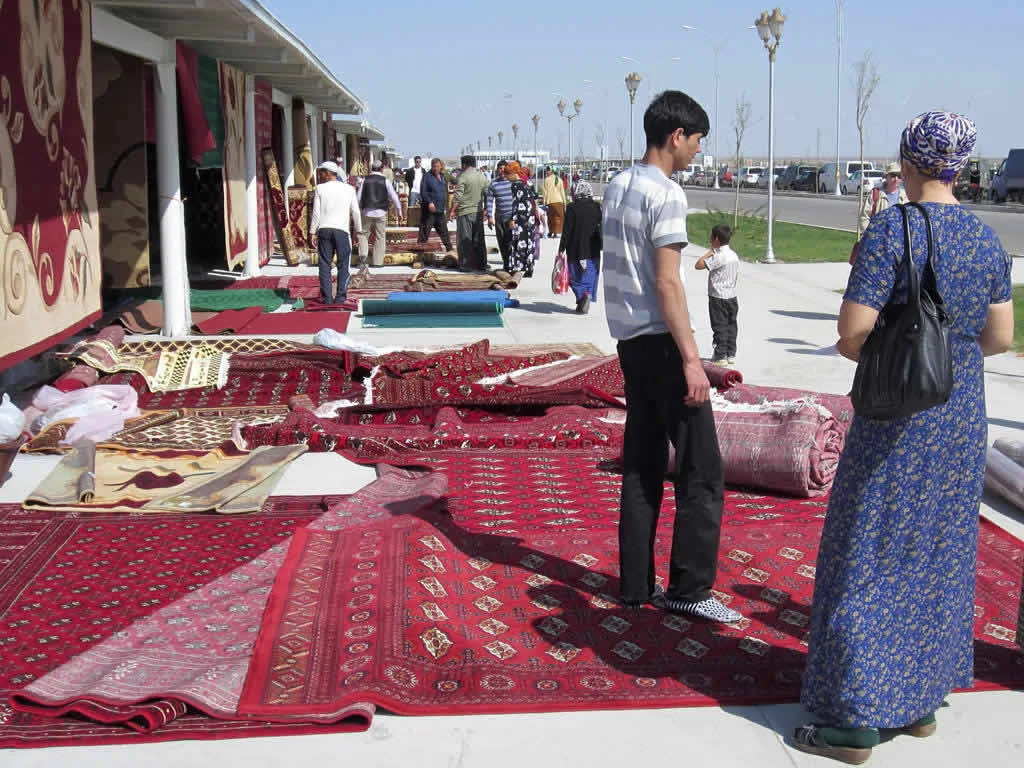
Historically known as the Tolkuchka Bazaar, this massive market was relocated to a modern complex called the Altyn Asyr Bazaar. It remains one of the largest open-air markets in Central Asia, famous for selling everything from traditional carpets to camels.
Photo: David Stanley, Wikimedia Commons, CC BY 2.0.
Pick one
This massive, record-breaking fountain complex features a central statue of Oguz Khan, the mythical patriarch of the Turkic Oghuz people, riding a horse, surrounded by his six sons. It serves as a majestic welcome to visitors entering the city from the airport.
Pick one
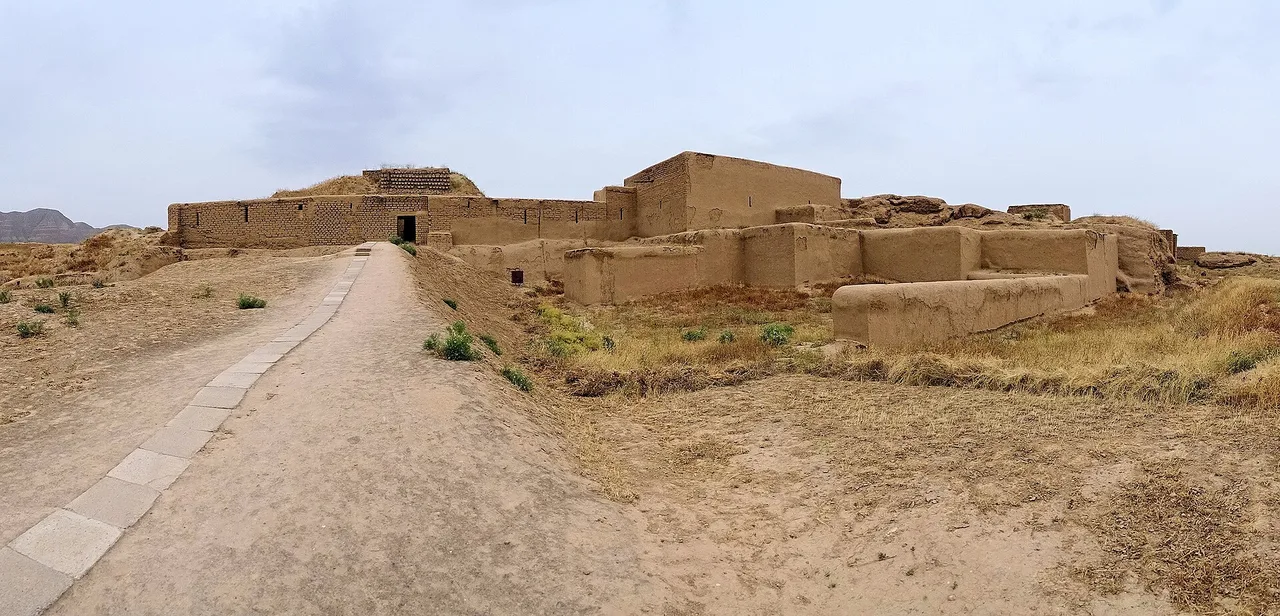
The ruins of Nisa lie about 18 km west of Ashgabat's centre and were an important stronghold of the Parthians more than 2,000 years ago. Archaeologists found beautifully carved ivory horns there, and in 2007 the fortresses were named a UNESCO World Heritage Site.
Photo: Bjørn Christian Tørrissen, Wikimedia Commons, CC BY-SA 4.0.
Pick one
The devastating earthquake struck on October 6, 1948, reducing the city to rubble and claiming the lives of tens of thousands of residents. The city had to be rebuilt from scratch, which explains why almost all of its architecture is modern.
Pick one
The Alem Center features a spectacular indoor Ferris wheel that stands over 47 meters tall. Enclosed entirely in a glass and steel casing, it was recognized as the world's largest indoor Ferris wheel when it opened in 2012.


Paste the code into your page. The player fits itself in, and every vote counts in Votur.
On WordPress, Ghost or Squarespace? Just paste the link of this page into your post.
This is how it looks
Also fun