Get app
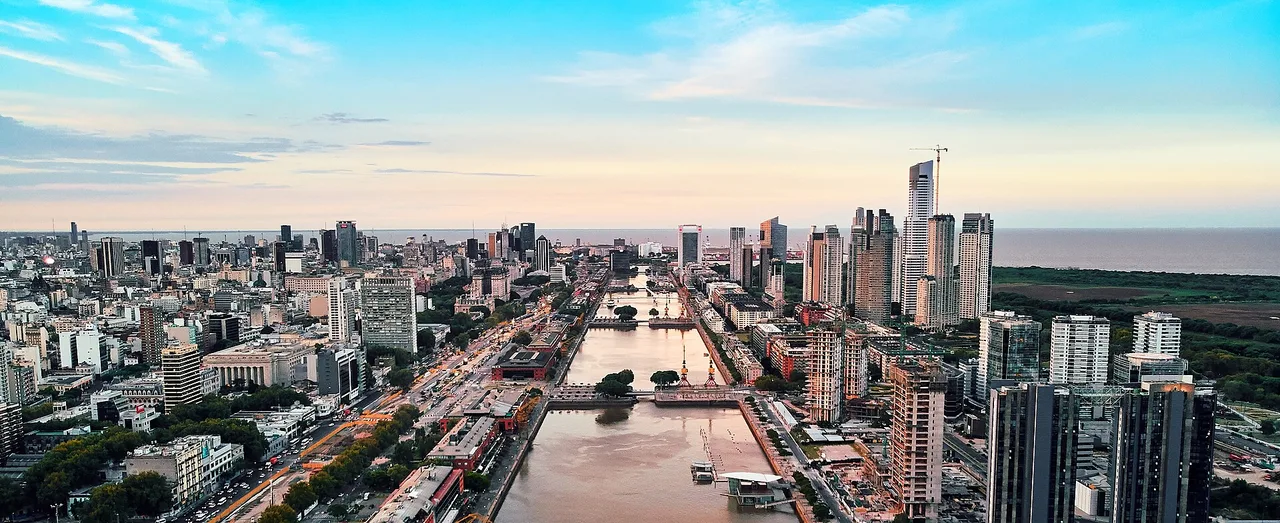
 Photo: Deensel, Wikimedia Commons, CC BY 2.0.
How well do you know Buenos Aires? Test your knowledge on the history, culture, landmarks, and vibrant neighborhoods of Argentina's captivating capital.
Curious Wanderer 0–4 · Barrio Explorer 5–8 · Porteño Expert 9–10
Pick one

El Caminito is a pedestrian street museum in La Boca where local artist Benito Quinquela Martín painted the houses in bright, contrasting colors. It inspired the famous 1926 tango of the same name. Calle Lanín is another painted street, but it is located in the Barracas neighborhood.
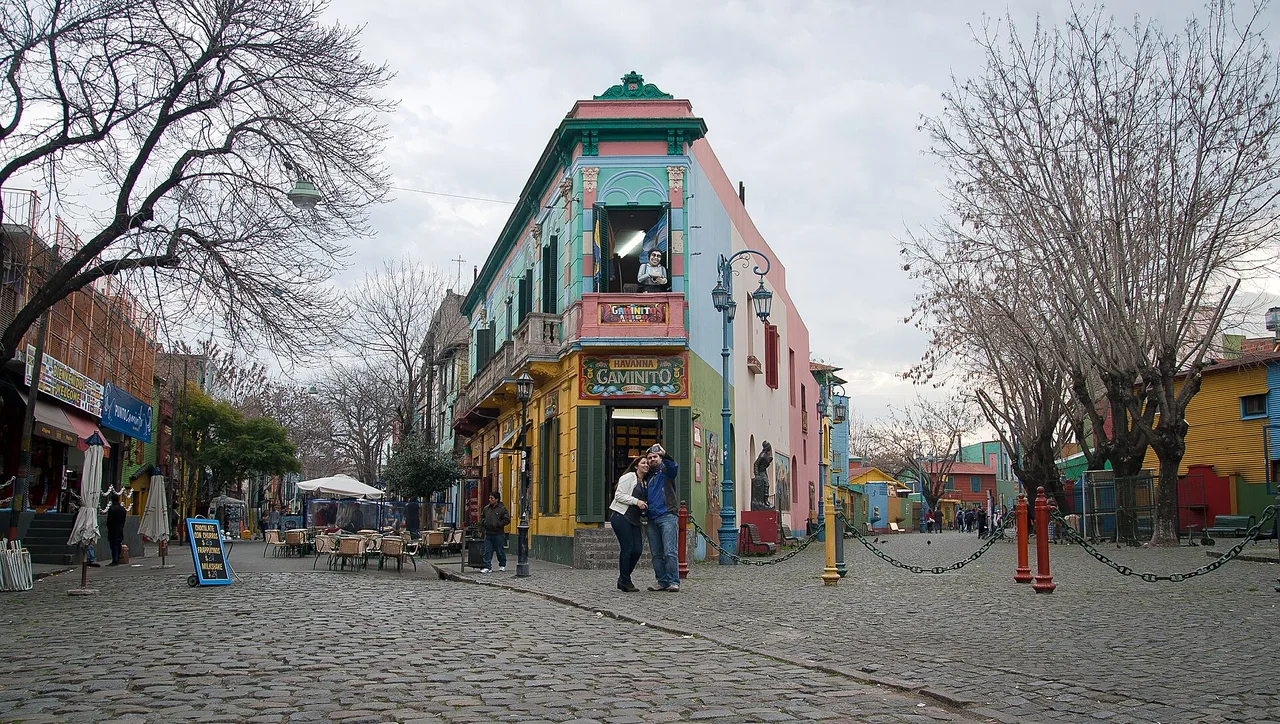
Photo: Hernán Piñera, Wikimedia Commons, CC BY-SA 2.0.
Pick one
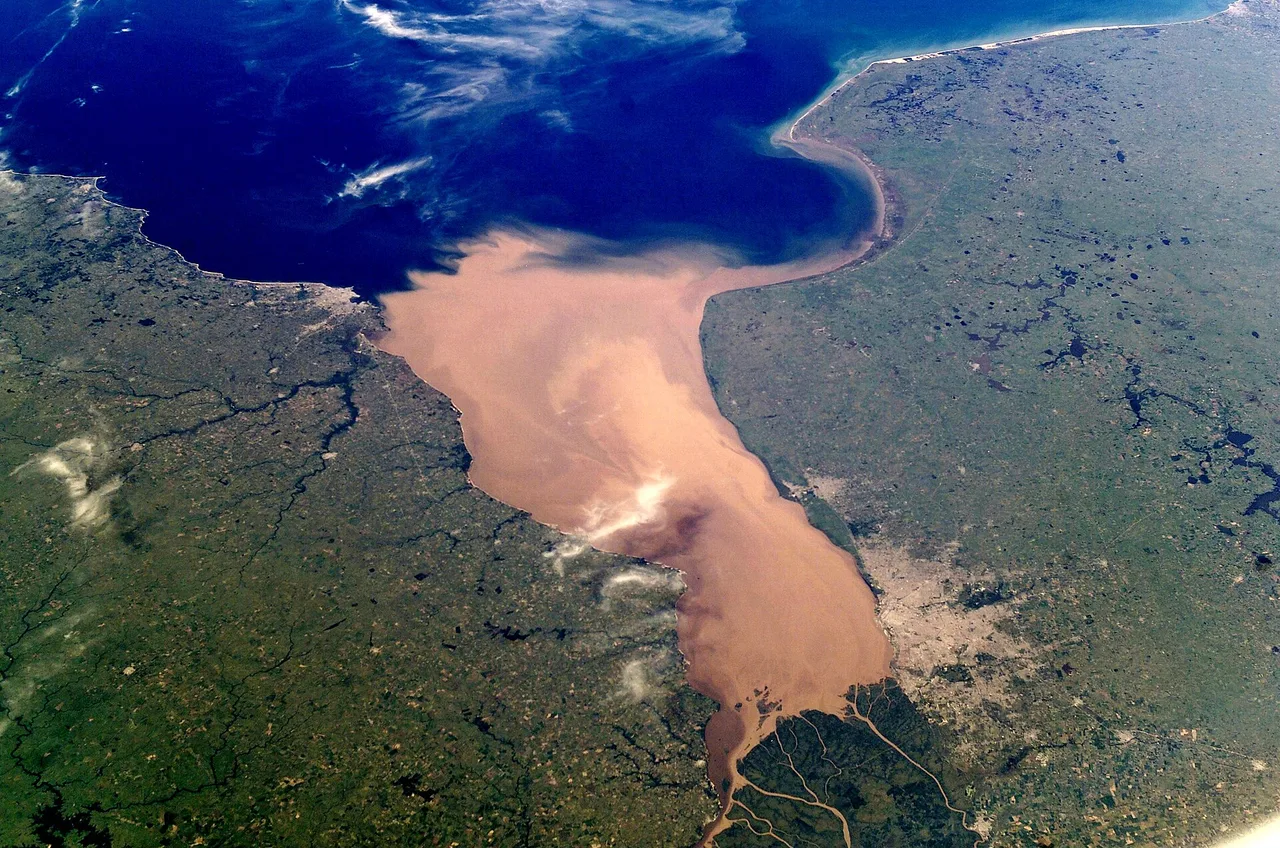
The Río de la Plata is the widest river estuary in the world, stretching about 220 kilometers at its mouth. It is formed by the confluence of the Uruguay and Paraná rivers. Its distinct muddy brown color comes from the massive amount of sediment carried downstream.
Photo: Earth Sciences and Image Analysis Laboratory, NASA Johnson Space Center, Wikimedia Commons, Public domain.
Pick one
Jorge Luis Borges, one of the 20th century's most influential writers, directed the National Library from 1955 until 1973. Ironically, he was almost completely blind by the time he took the position, a twist of fate he famously lamented in his poetry.
Pick one
Opened in 1919, the Grand Splendid was originally a theater that hosted legendary tango performances before being converted into a cinema, and finally a bookstore in 2000. It beautifully retains its original painted ceilings, ornate carvings, and even the red stage curtains.
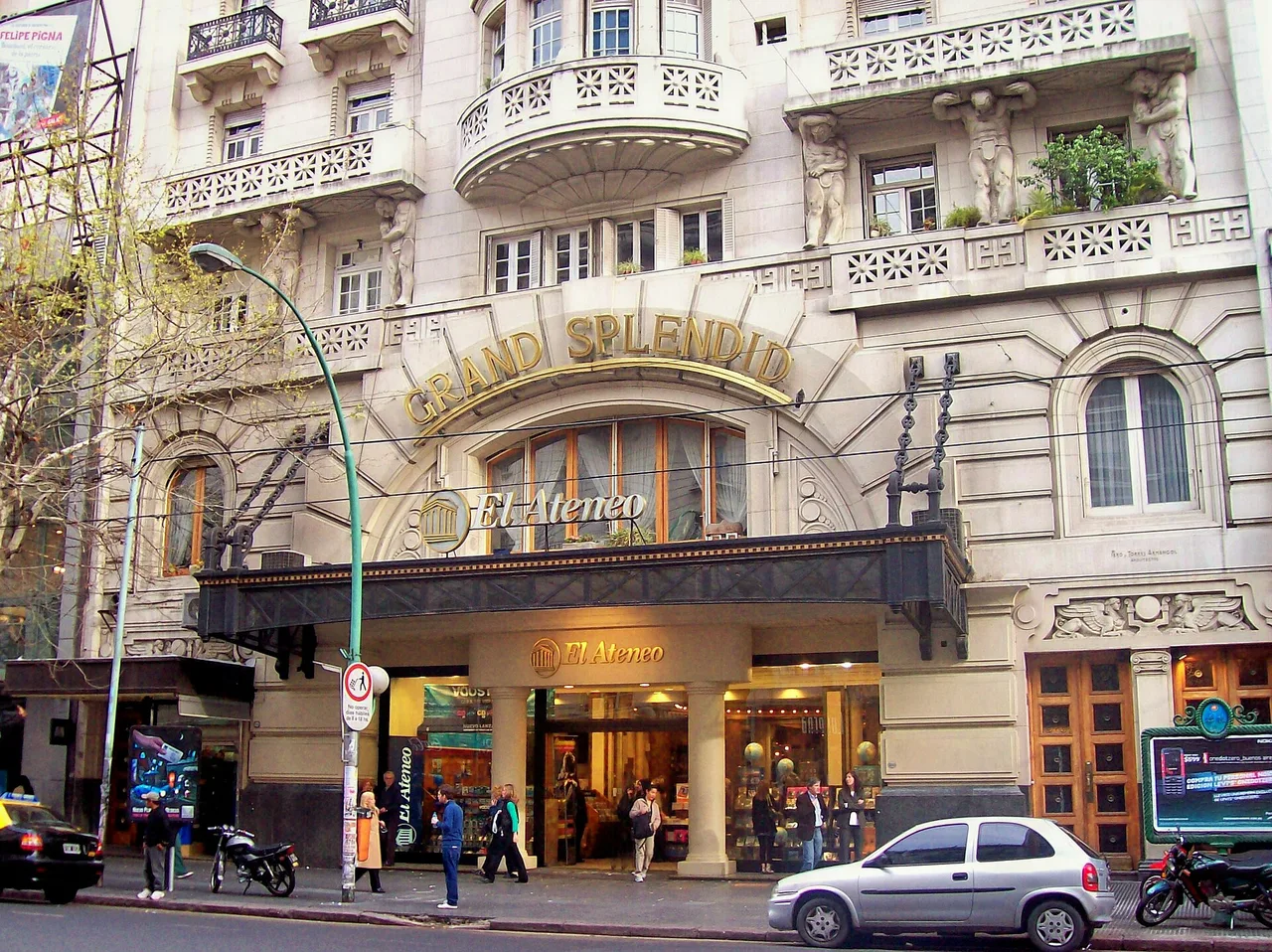
Photo: Roberto Fiadone, Wikimedia Commons, CC BY-SA 3.0.
Pick one
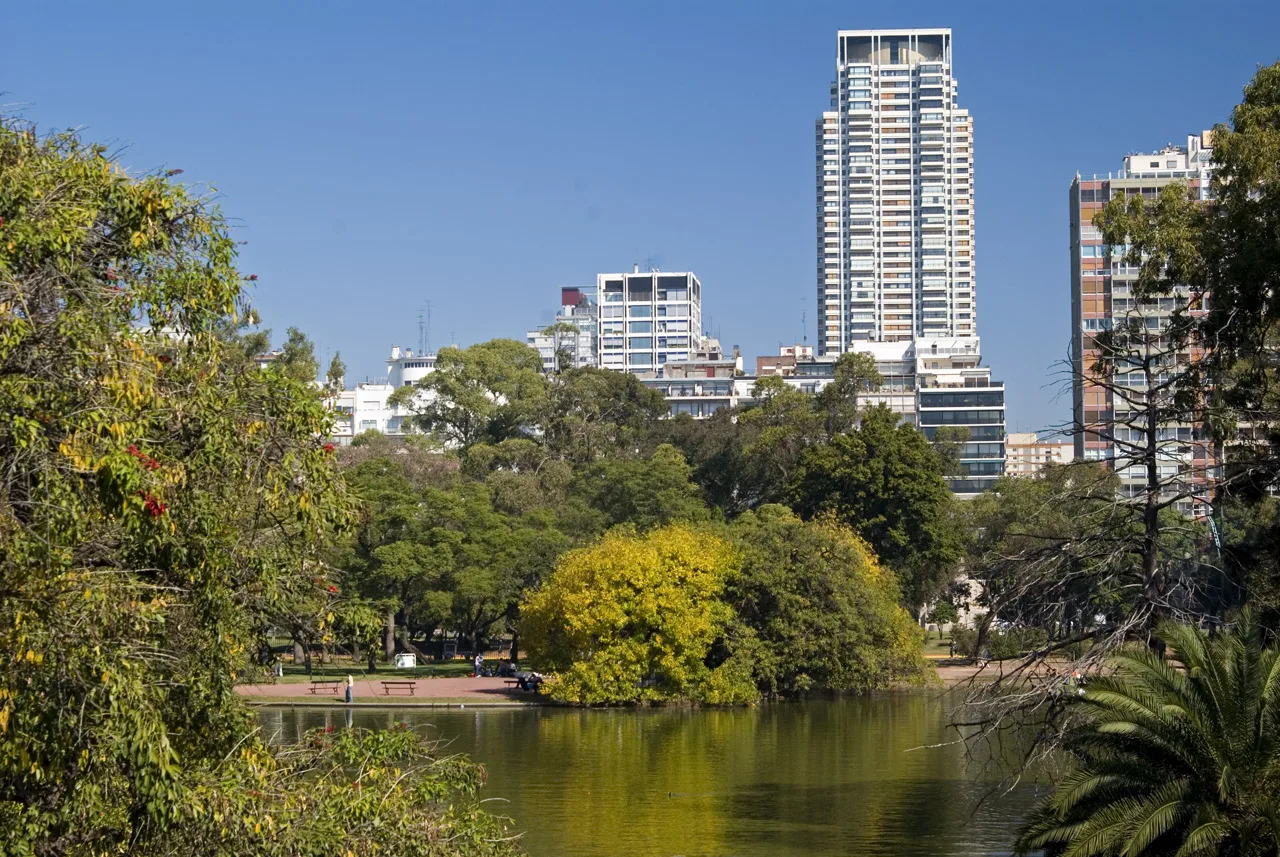
Parque Tres de Febrero, widely known as the Bosques de Palermo, is the green lung of Buenos Aires. Its rose garden, El Rosedal, has more than 18,000 rose bushes. Parque Centenario is a round park with a lake of its own, but it lies in the Caballito neighbourhood.
Photo: Dan DeLuca, Wikimedia Commons, CC BY 2.0.
Pick one
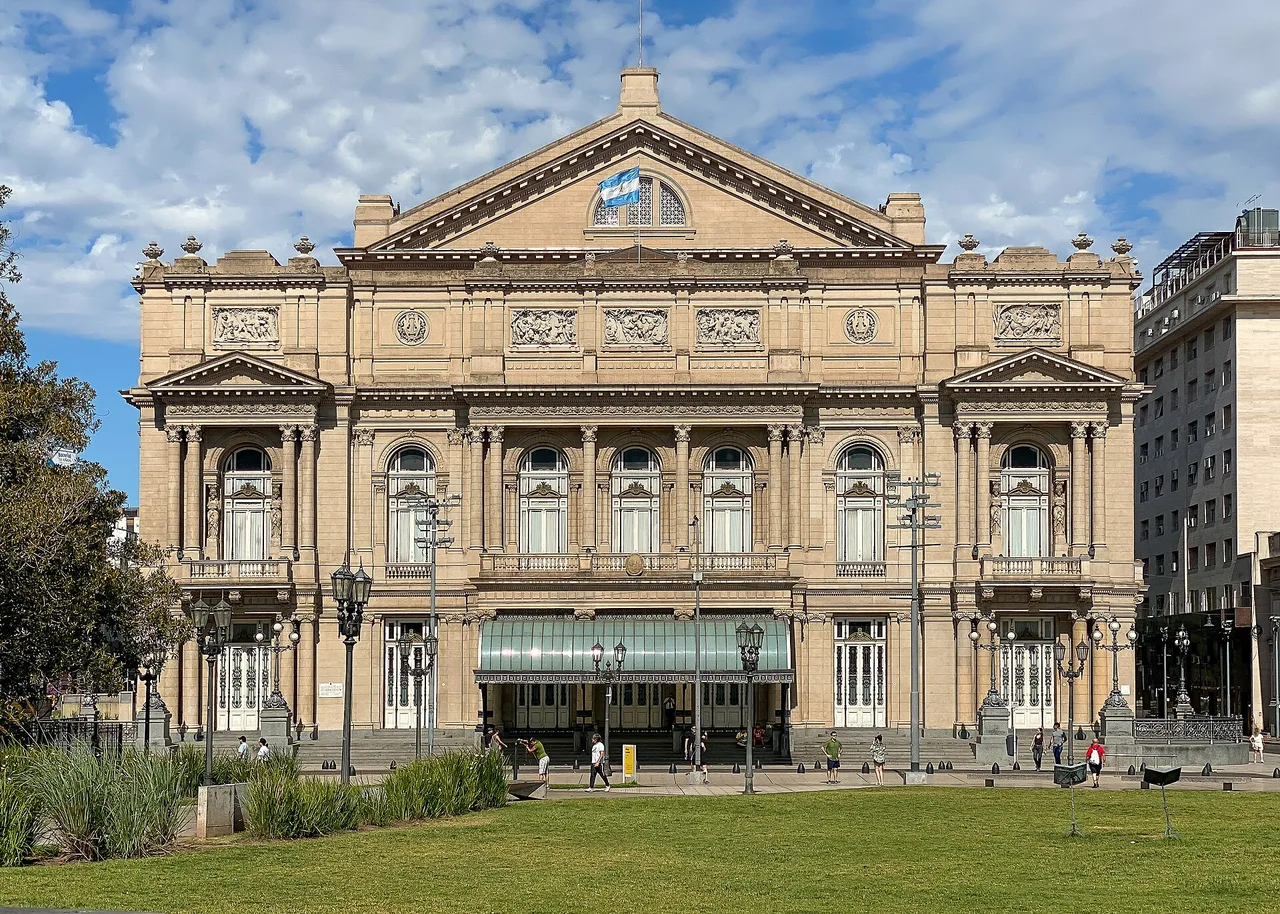
Teatro Colón is consistently ranked among the top five opera venues in the world for its acoustics. Opened in 1908 after nearly two decades of construction, its horseshoe-shaped hall distributes sound so perfectly that even quiet whispers on stage can be heard clearly throughout the venue.
Photo: EEJCC, Wikimedia Commons, CC0.
Pick one
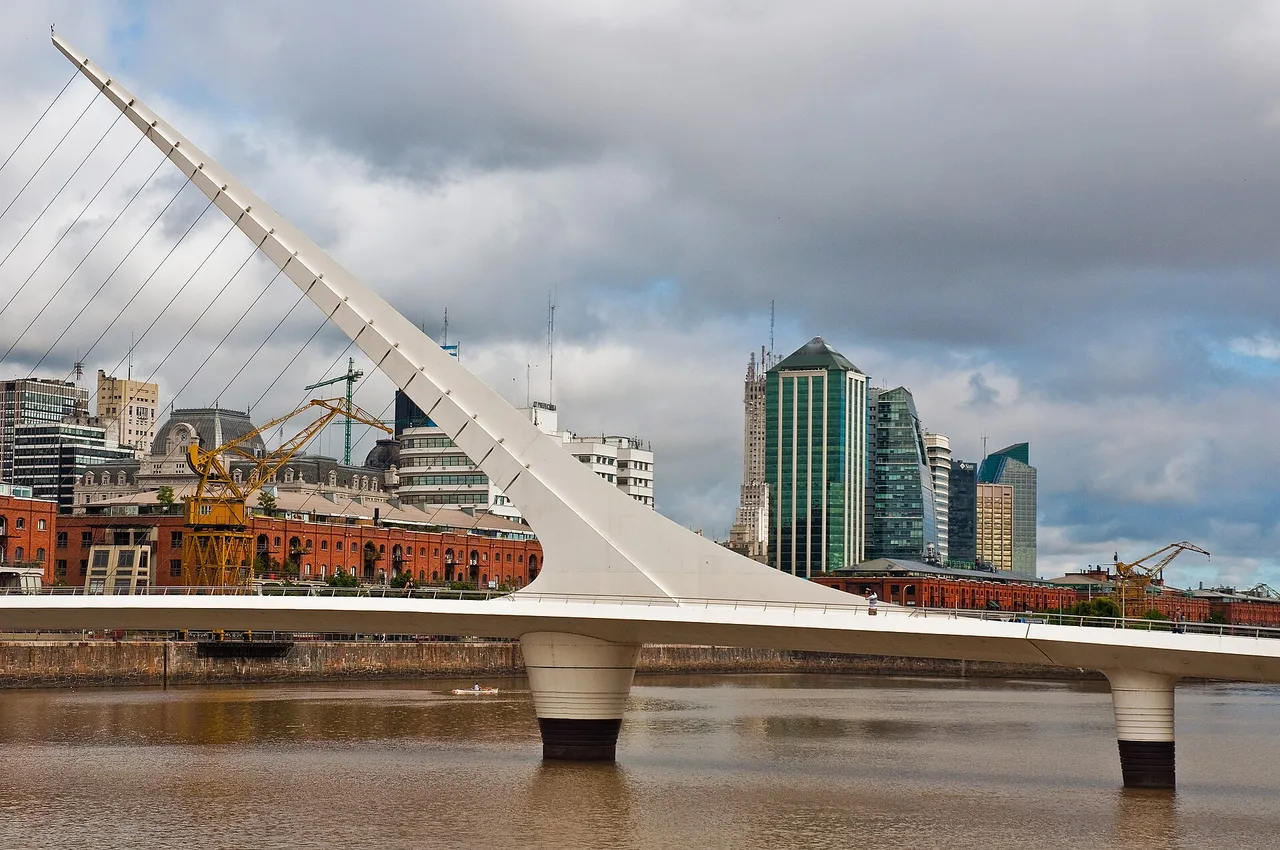
Designed by Santiago Calatrava, the Puente de la Mujer (Bridge of the Woman) is a rotating footbridge representing a couple dancing tango. It is one of the architect's few works in South America, along with the Museum of Tomorrow in Rio de Janeiro. The bridge can swing 90 degrees to allow water traffic to pass through the canal.
Photo: Phillip Capper from Wellington, New Zealand, Wikimedia Commons, CC BY 2.0.
Pick one
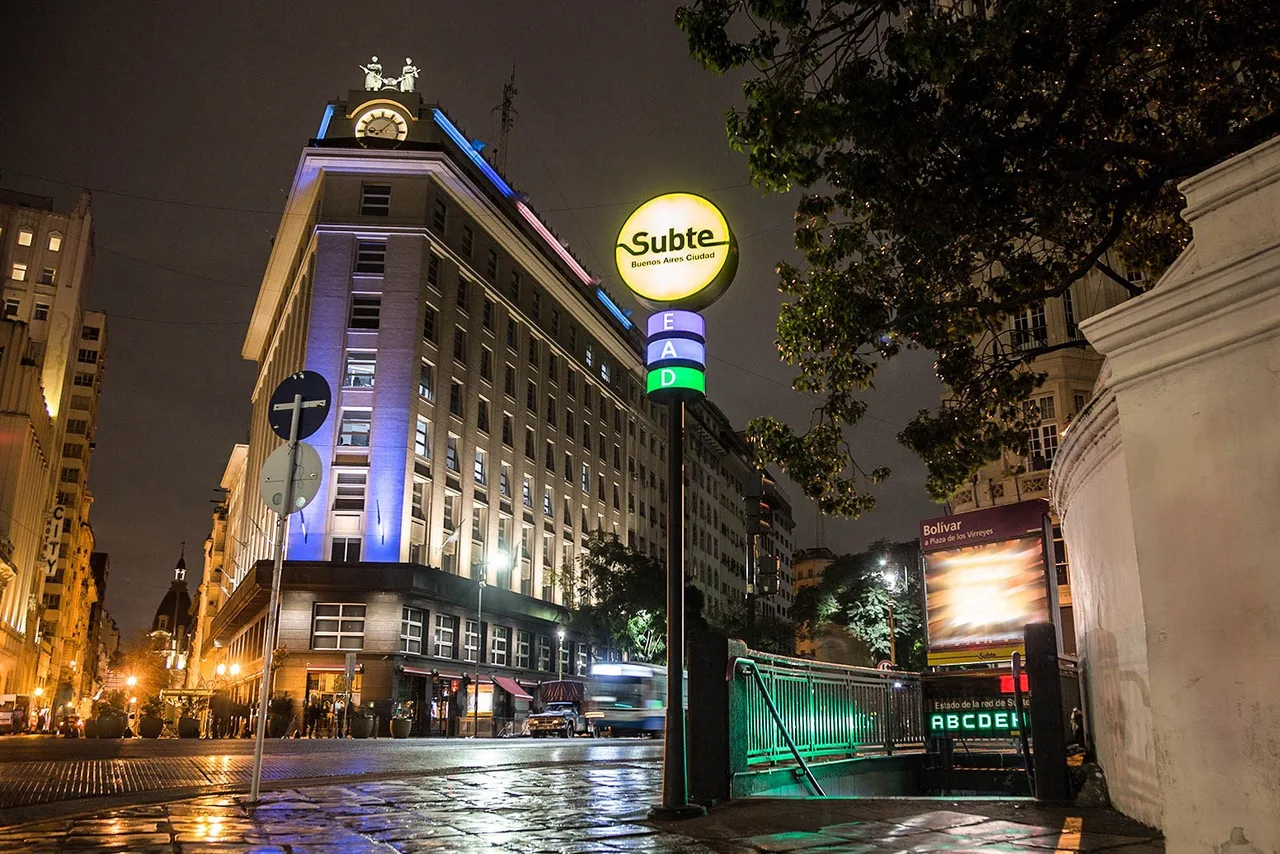
Line A of the Subte opened in 1913, making Buenos Aires the first city in Latin America, the Spanish-speaking world, and the Southern Hemisphere to have an underground railway. For a century, it famously ran vintage wooden Brugeoise cars that became a symbol of the city.
Photo: GCBA, Wikimedia Commons, CC BY 2.5 ar.
Pick one
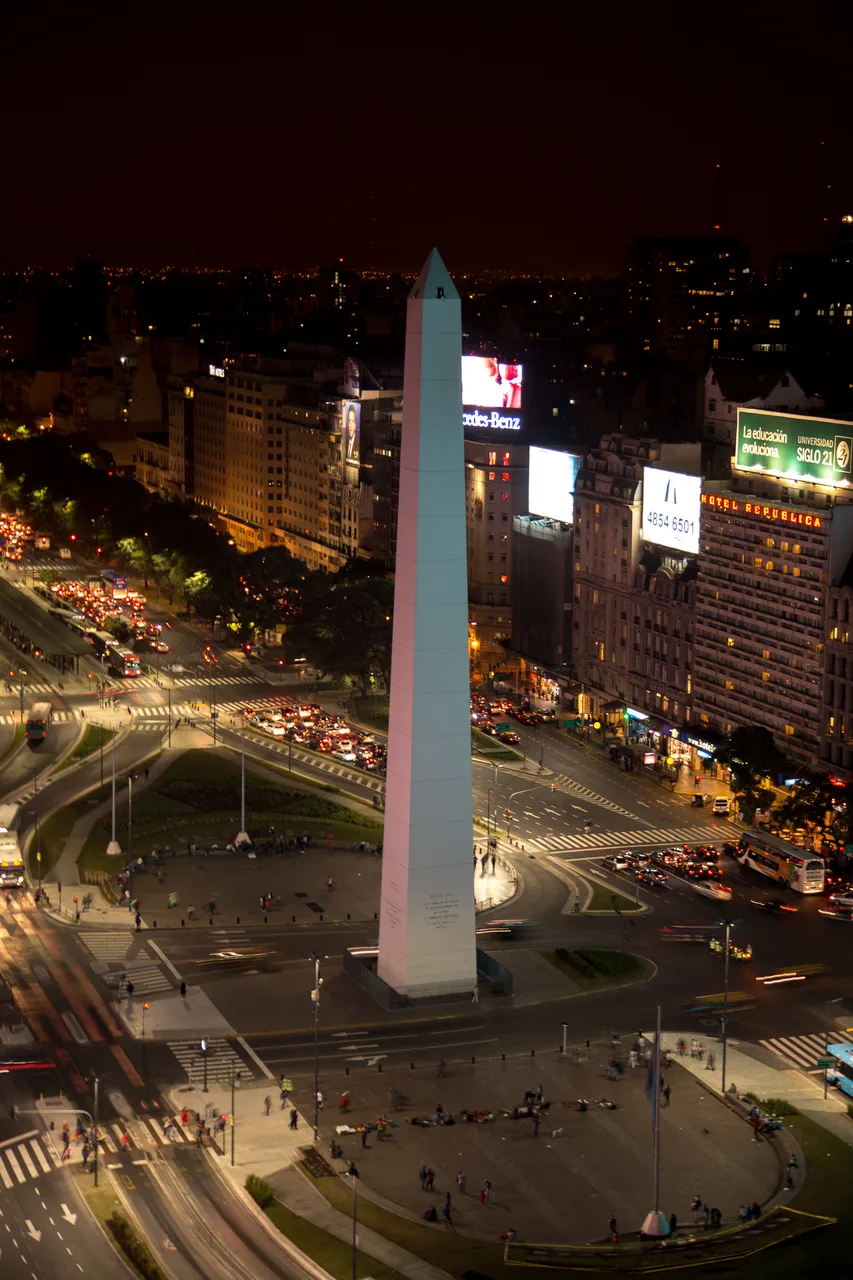
The iconic Obelisco was built to mark 400 years since Pedro de Mendoza's first foundation of Buenos Aires in 1536. Standing at the intersection of 9 de Julio and Corrientes avenues, this towering monument was completed in a remarkably swift 31 days.
Photo: Rodrigo Paredes from Ciudad Autónoma de Buenos Aires, Argentina, Wikimedia Commons, CC BY 2.0.
Pick one
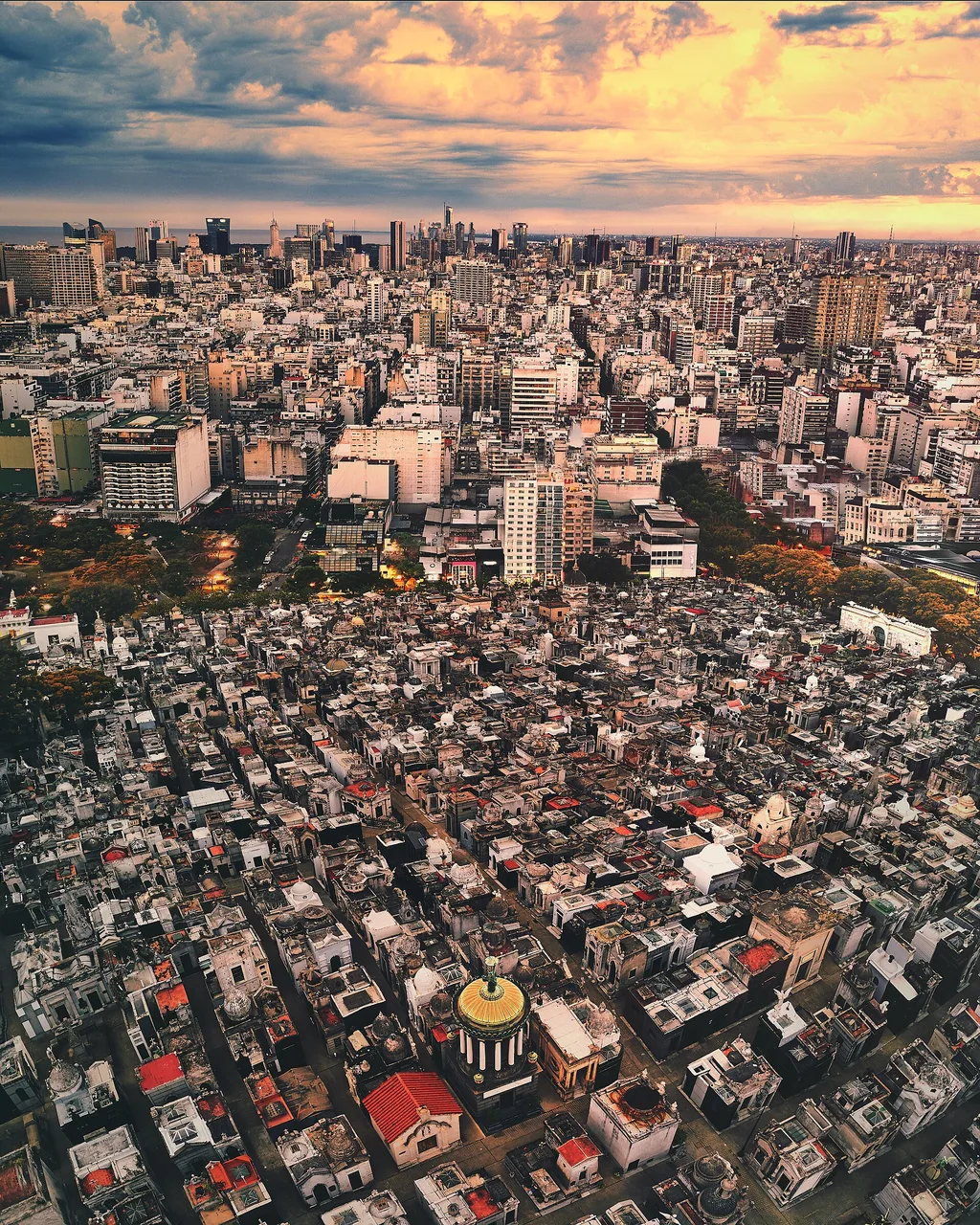
Laid out in 1822, La Recoleta Cemetery is like a little city, with 'streets' lined by thousands of marble tombs decorated with statues. A small colony of stray cats lives among them and has become an attraction of its own.
Photo: Deensel, Wikimedia Commons, CC BY 2.0.


Paste the code into your page. The player fits itself in, and every vote counts in Votur.
On WordPress, Ghost or Squarespace? Just paste the link of this page into your post.
This is how it looks
Also fun