Get app
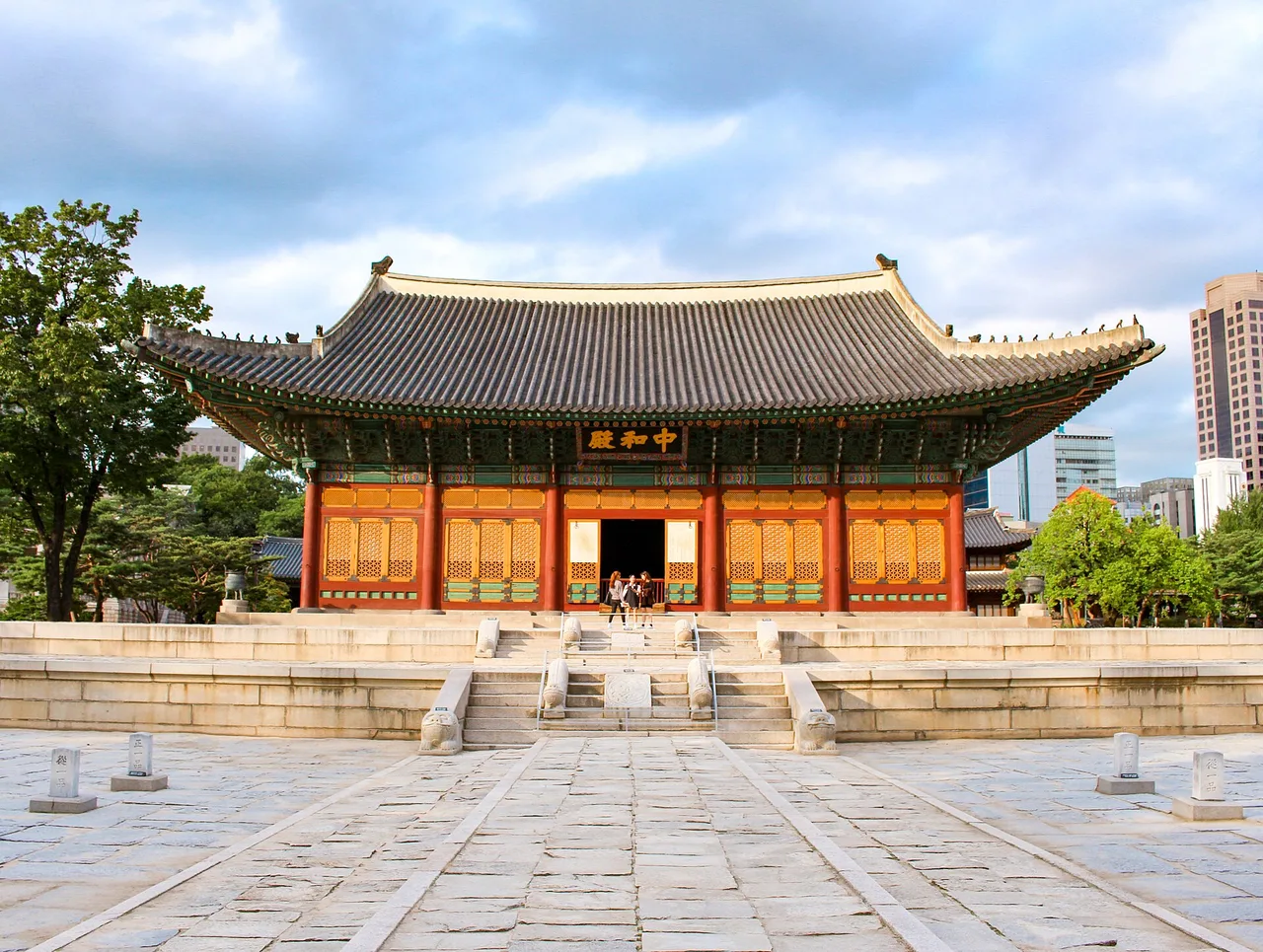
The essentials of South Korea in eight easy-going questions about the things it is best known for. Everyone can join in, from nine to ninety, and learn something new along the way.
Bright-eyed beginner 0–3 · Palace garden regular 4–6 · Korean culture expert 7–8
Pick one

In Korean, the word 'seoul' simply means 'capital city'. Together with the towns around it, the Seoul area is home to more than half of all the people in South Korea, while Busan, the second-biggest city, is a busy port on the south-east coast.
Photo: Eunmi Park, Wikimedia Commons, CC BY-SA 4.0.
Pick one
Taekwondo was first shown at the 1988 Olympics in Seoul and has been a full Olympic sport since 2000. In matches, kicks to the head and spinning kicks earn extra points, which is why fighters leap and twirl so much, while karate comes from Japan.
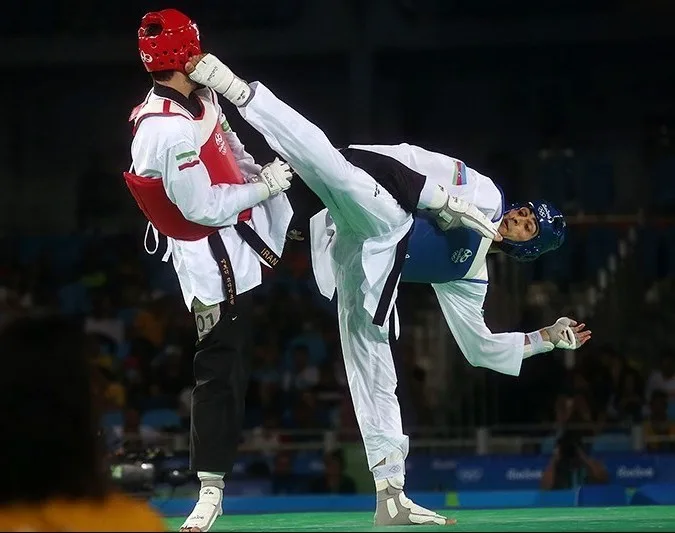
Photo: Javid Nikpour/Tasnim, Wikimedia Commons, CC BY 4.0.
Pick one
The red and blue circle is called the taegeuk and stands for opposite forces in perfect balance, like yin and yang. The four black bar patterns in the corners stand for heaven, earth, fire and water, and the design dates back to the 1880s.
Pick one
This deep New Year's bow is called sebae, and children often wear traditional clothes for it while wishing their elders lots of good fortune. In return, grandparents, parents, aunts and uncles usually give them New Year's money, one of the best-known customs of the holiday.
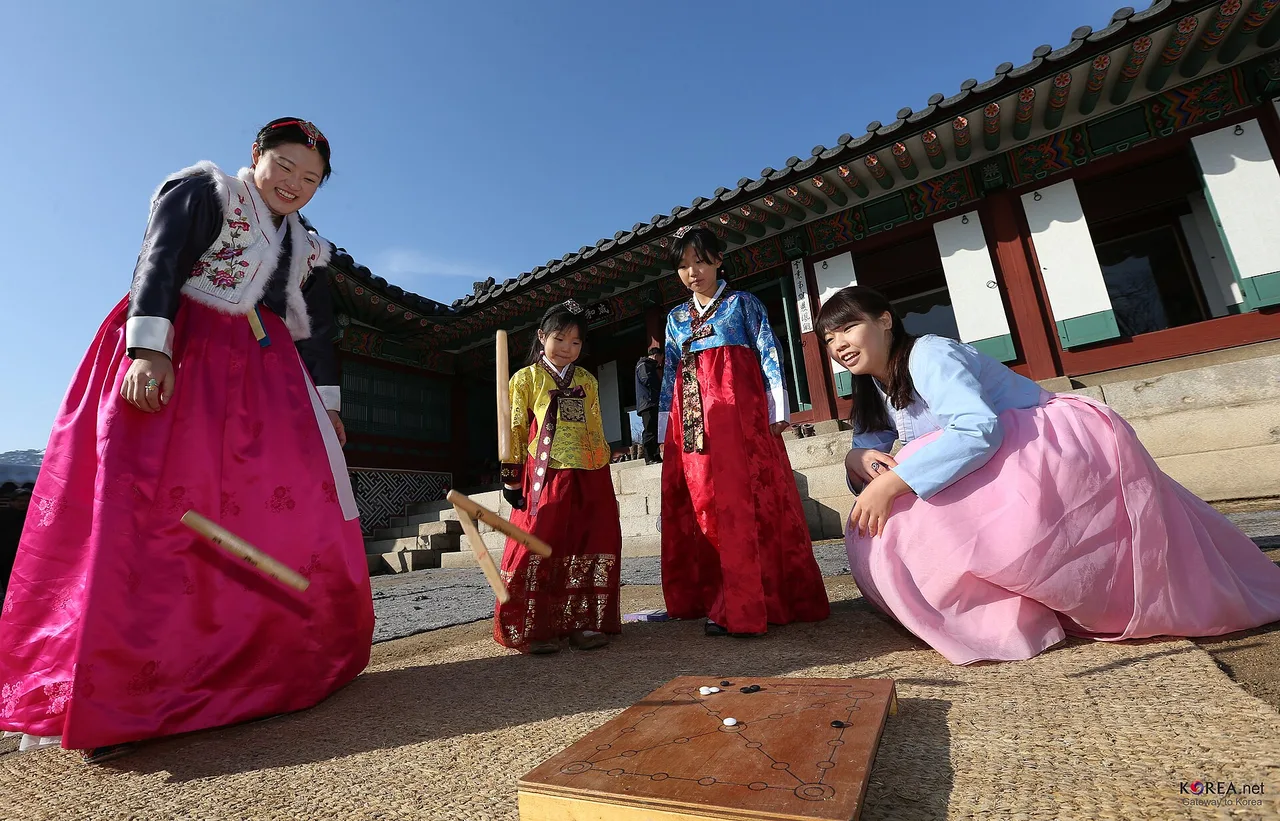
Photo: Korea.net / Korean Culture and Information Service (Jeon Han), Wikimedia Commons, CC BY-SA 2.0.
Pick one
It was the first World Cup ever held in Asia, and the first one shared by two countries. The South Korean team thrilled its home fans by reaching the semi-finals, further than any team from Asia had gone before.
Pick one
This underfloor heating is called ondol. In old houses, smoke from the kitchen fire flowed through channels under a thick stone floor, and families sat, ate and slept on the warm floor; modern apartments still use an updated version of it.
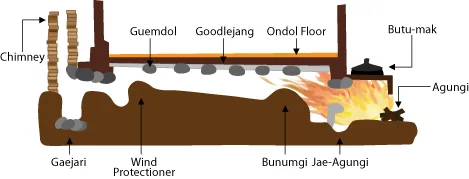
Photo: Dzihi, Wikimedia Commons, CC BY 3.0.
Pick one
The set is called sujeo, from the Korean words for spoon and chopsticks, and today both are usually made of stainless steel. Korea is unusual among chopstick-using countries for still using a spoon so much at meals, and in the old royal court the sets could be made of gold or silver.
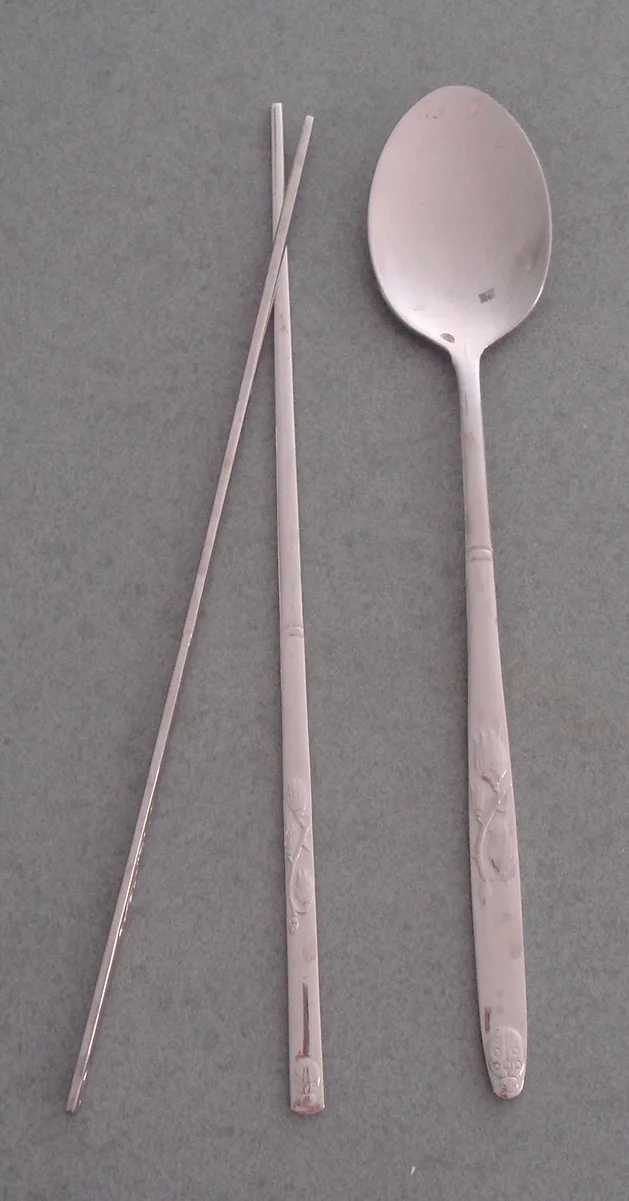
Photo: Photograph by d3j4vu, Wikimedia Commons, CC BY-SA 3.0.
Pick one
Saying 'kimchi' stretches your mouth into a smile, just like 'cheese'. Kimchi is spicy fermented cabbage or other vegetables, but chilli peppers only reached Korea about 400 years ago, so for most of its long history kimchi was not red at all. In late autumn, families and neighbours still gather to make huge batches of it together.
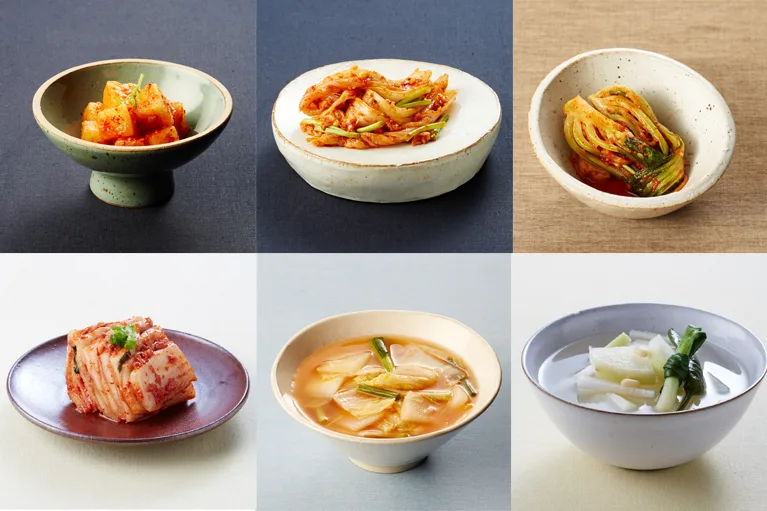
Photo: 국립국어원, Wikimedia Commons, CC BY-SA 2.0 kr.


Paste the code into your page. The player fits itself in, and every vote counts in Votur.
On WordPress, Ghost or Squarespace? Just paste the link of this page into your post.
This is how it looks
Also fun