Get app
 Photo: Dronepicr, Wikimedia Commons, CC BY 3.0.
How well do you know the crossroads of the Americas? Test your knowledge on Panama's rich history, stunning geography, vibrant culture, and unique wildlife.
Friendly Visitor 0–4 · Curious Explorer 5–8 · True Panamaniac 9–10
Pick one

Panama was a department of Colombia before declaring its independence on November 3, 1903, with support from the United States. This historic event paved the way for the signing of the treaty that allowed the US to construct and control the Panama Canal Zone.
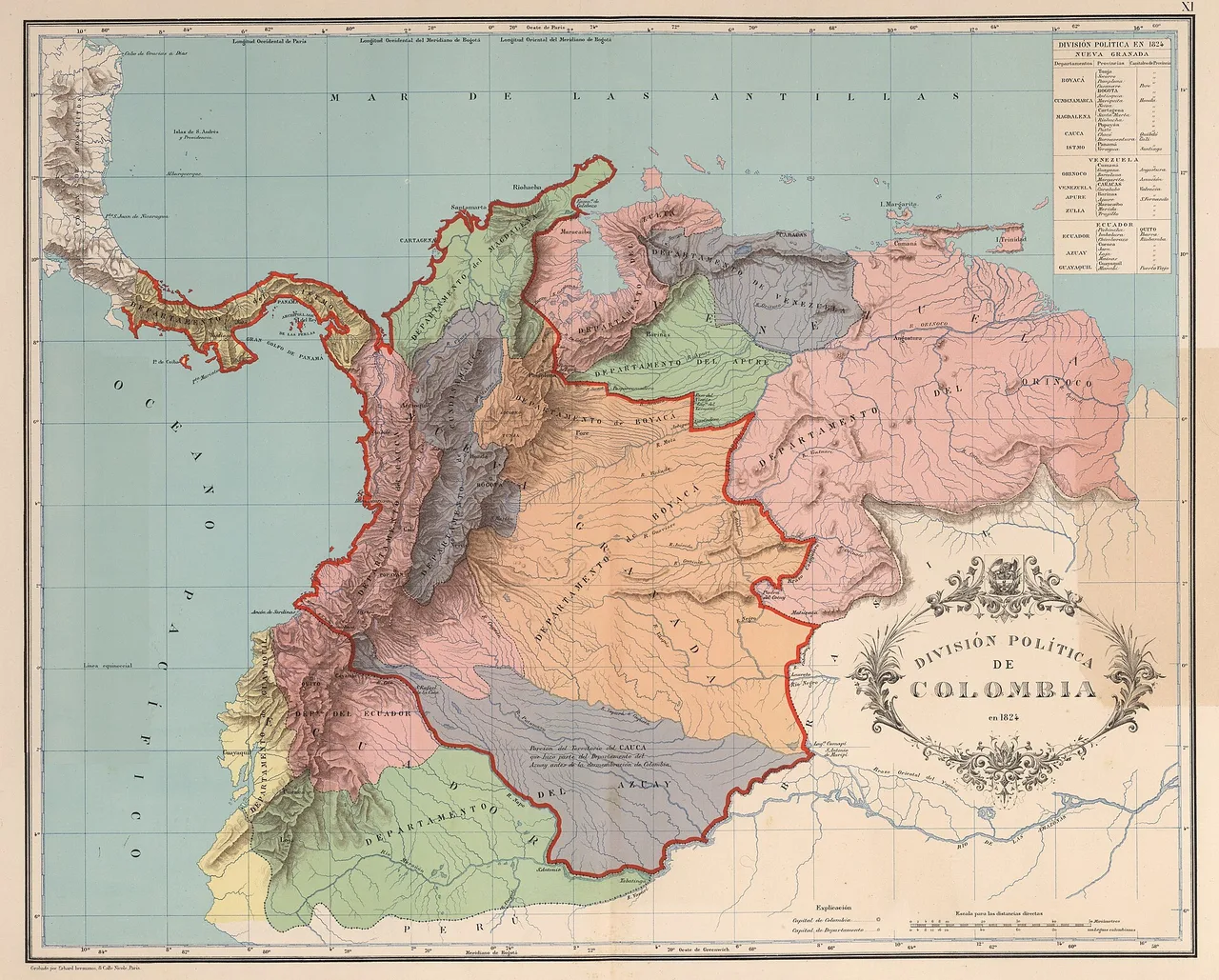
Photo: Agustín Codazzi, Manuel Maria Paz, Felipe Pérez, Wikimedia Commons, Public domain.
Pick one
Panama has used the balboa alongside the US dollar since 1904. The balboa is tied to the dollar at a one-to-one ratio and only exists in coin form, while US banknotes are used for paper currency. It is named after the Spanish explorer Vasco Núñez de Balboa.
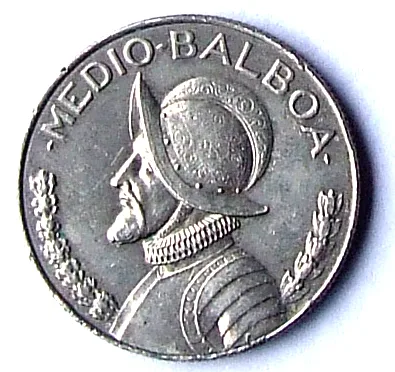
Photo: AnelGTR, Wikimedia Commons, CC BY-SA 3.0.
Pick one
The harpy eagle is the national bird of Panama and is featured on the country's coat of arms. This magnificent bird of prey inhabits the dense canopy of pristine tropical rainforests, hunting mammals like sloths and monkeys with its massive talons.
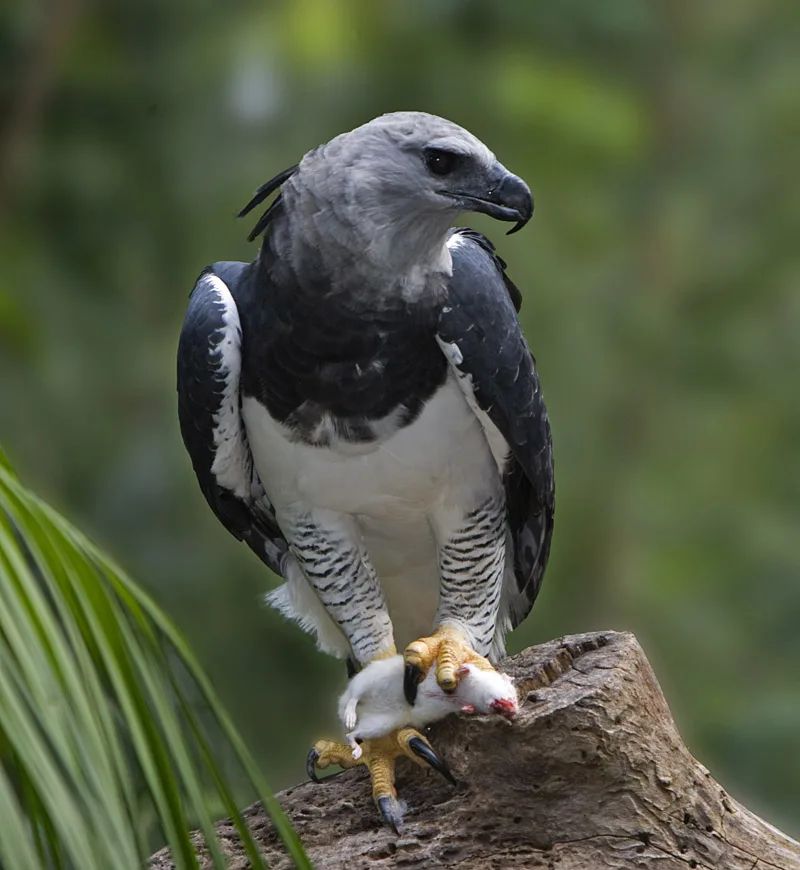
Photo: http://www.birdphotos.com, Wikimedia Commons, CC BY 3.0.
Pick one
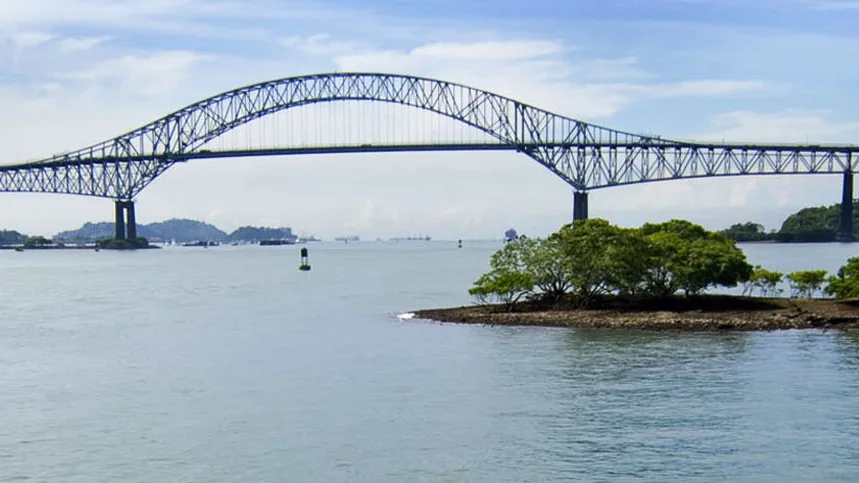
The Bridge of the Americas was the first permanent bridge across the Panama Canal, reconnecting the roads of North and South America that the canal had cut apart. Its highest point is about 117 metres above sea level, and the space beneath its main span is about 61 metres at high tide, too low for the very biggest cruise ships.
Photo: U.S. Navy photo by Mass Communication Specialist 2nd Class Joshua Lee Kelsey, Wikimedia Commons, Public domain.
Pick one
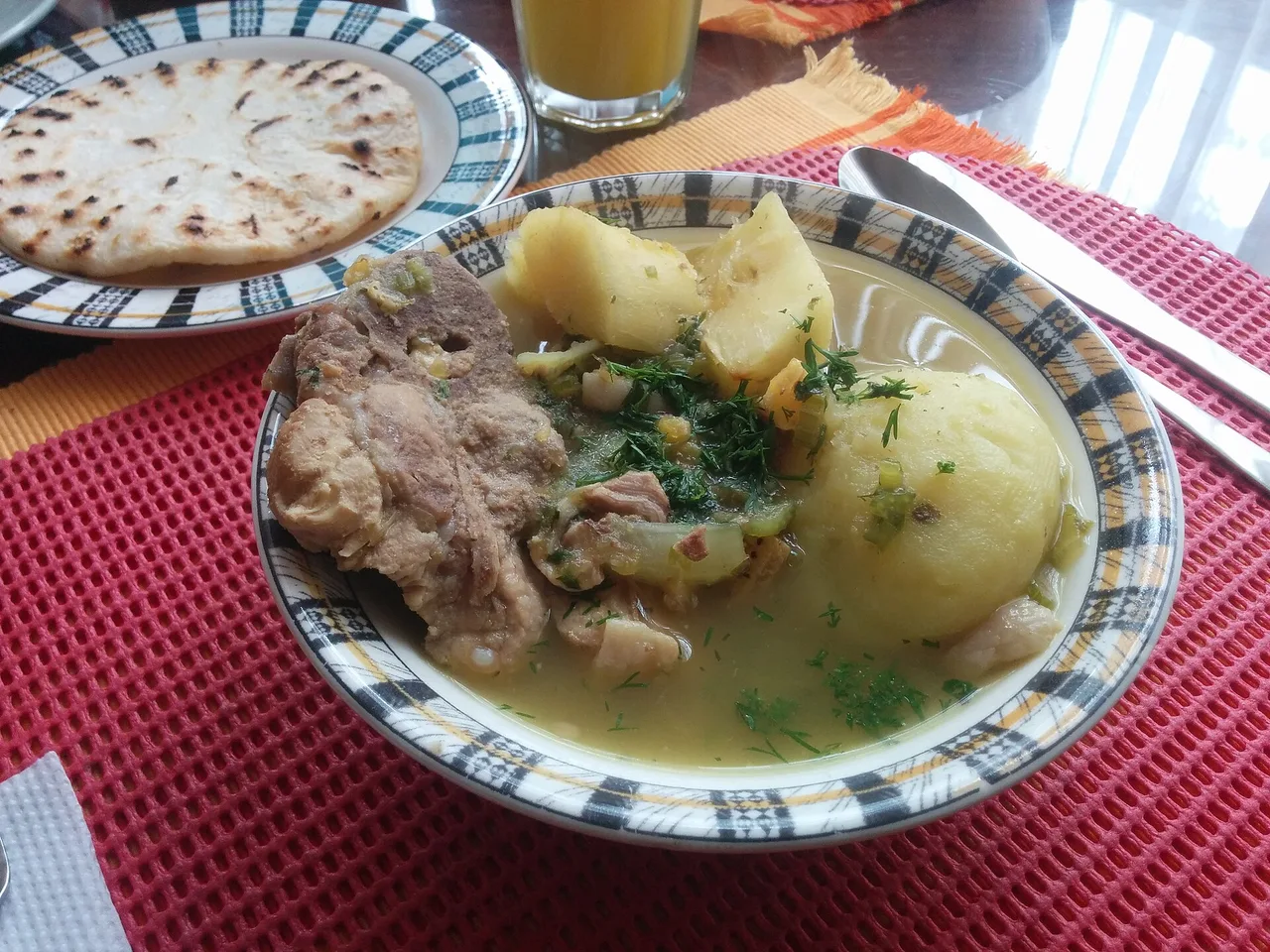
Sancocho de gallina is a hearty chicken soup seasoned with culantro, a regional herb that gives it a distinct flavor. It is widely enjoyed across the country as a comforting meal and is a classic home remedy when someone feels under the weather.
Photo: WIKIRAICES, Wikimedia Commons, CC BY-SA 4.0.
Pick one
The Biomuseo was designed by the renowned architect Frank Gehry, whose wife is Panamanian. Its bright, multi-colored roof panels represent the diverse natural species of Panama and how the rise of the Panamanian isthmus changed the world's climate and biodiversity.
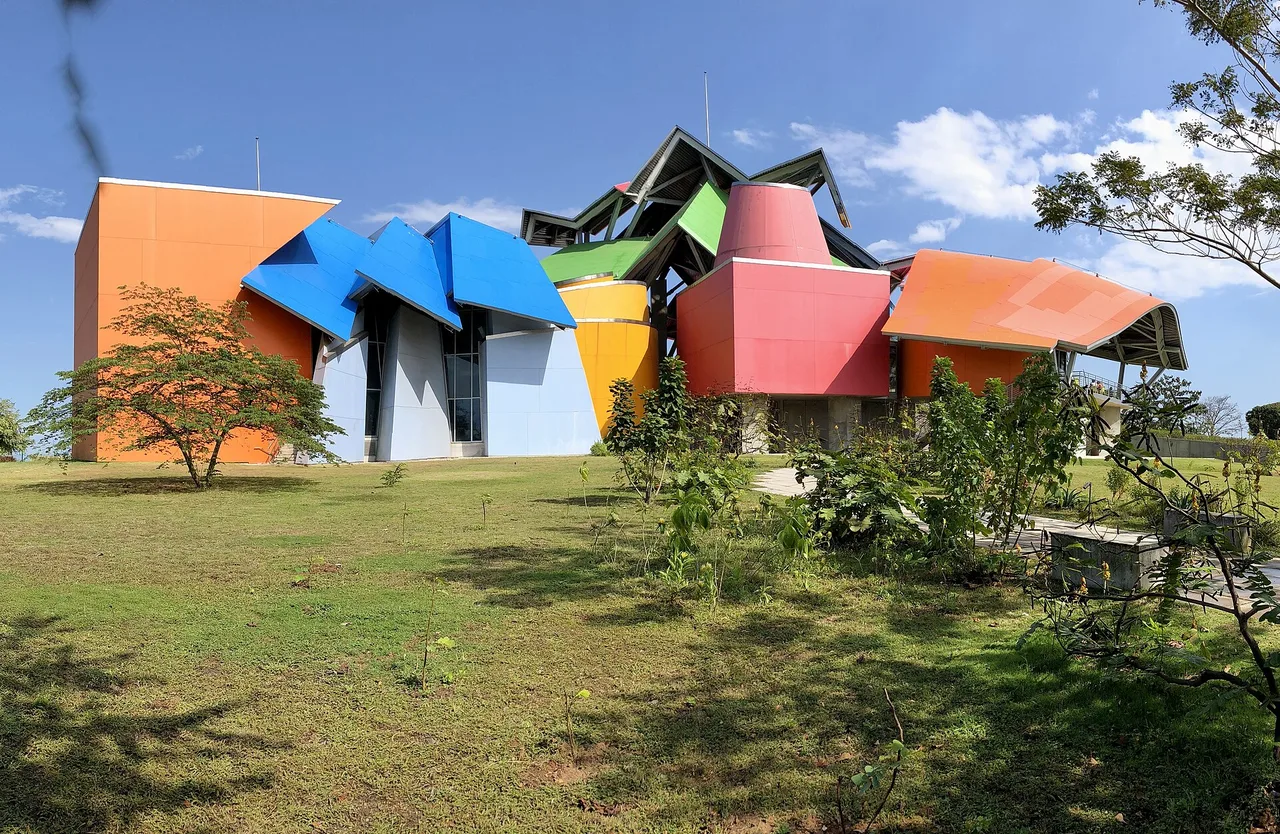
Photo: ArnoldReinhold, Wikimedia Commons, CC BY-SA 4.0.
Pick one
The pollera is Panama's national Spanish-colonial dress, famous for its elaborate hand-stitched embroidery, lace, and accompanying gold jewelry. A single high-quality pollera can take up to a year to make by hand and is passed down through generations.
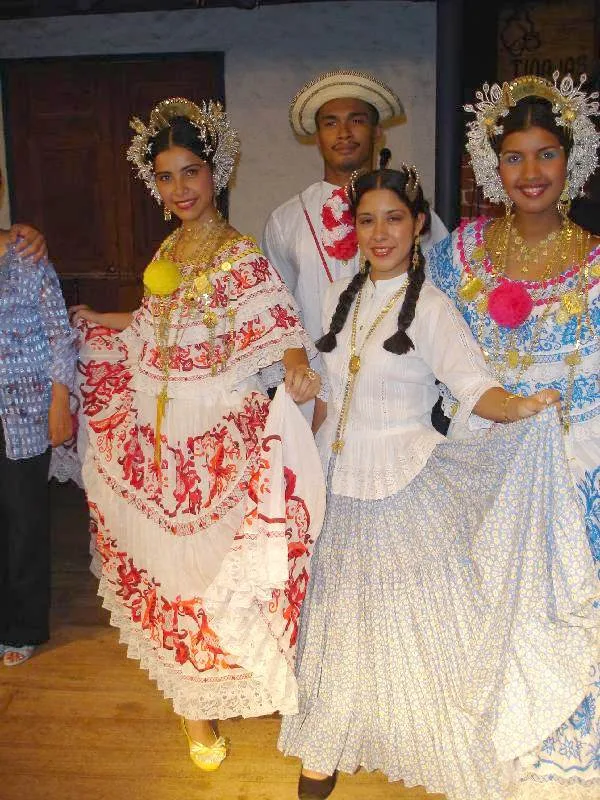
Photo: Anelsalas at English Wikipedia, Wikimedia Commons, CC BY-SA 3.0.
Pick one
Molas are handmade textiles created by the Guna women of the Guna Yala archipelago. They feature intricate geometric and natural designs made by sewing layers of colored fabric together and cutting away parts of the upper layers to reveal the colors underneath.
Pick one
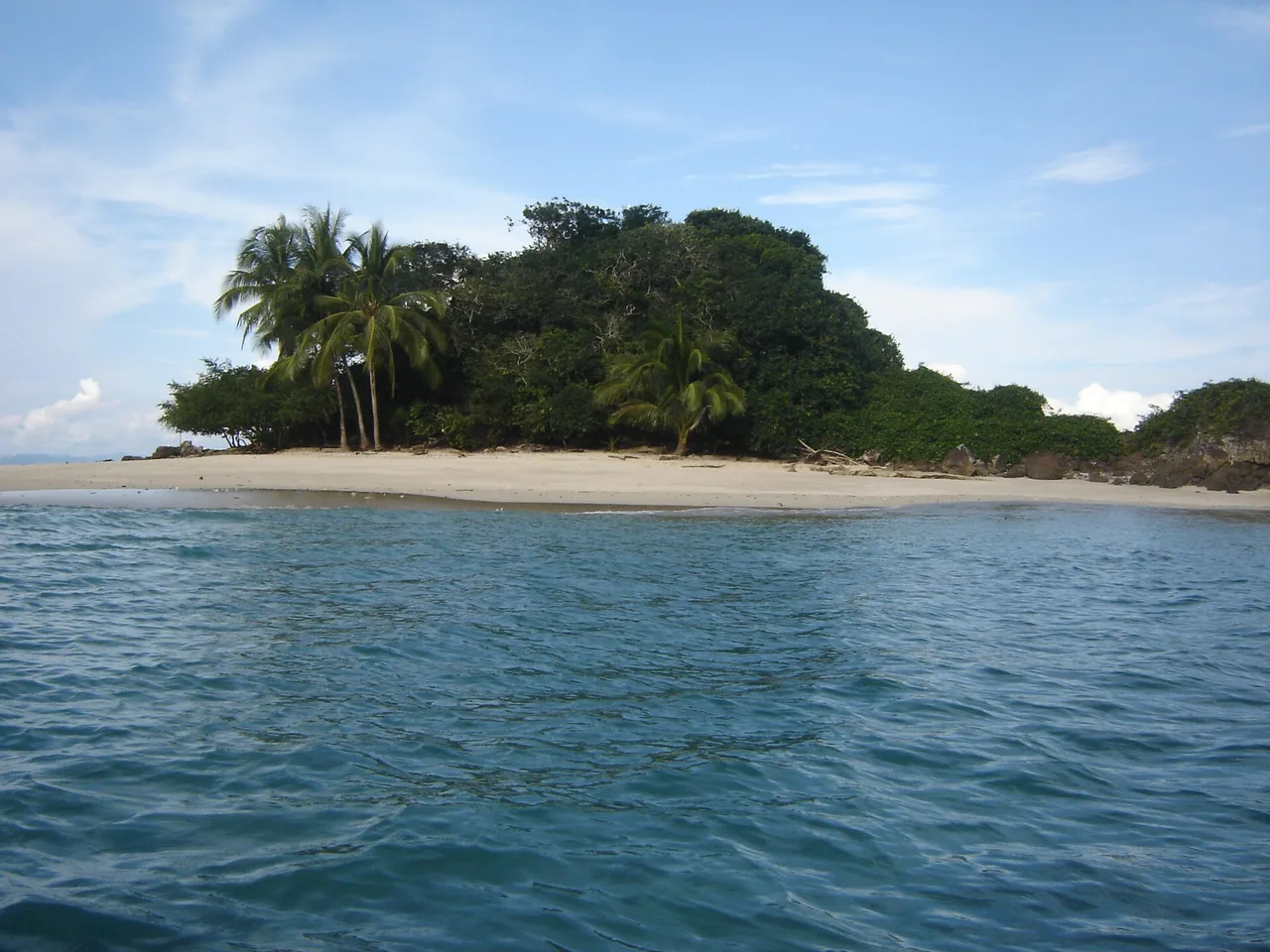
Coiba National Park was home to a notorious penal colony from 1919 to 2004, which unintentionally preserved its pristine rainforests and marine life from development. Today, it is a world-class diving destination where you can spot hammerhead sharks and humpback whales.
Photo: Seibert, Wikimedia Commons, CC BY-SA 4.0.
Pick one
Gatun Lake was created between 1907 and 1913 by building the Gatun Dam across the Chagres River. At the time of its creation, it was the largest man-made lake in the world, and it remains crucial for supplying the water needed to operate the canal's lock system.


Paste the code into your page. The player fits itself in, and every vote counts in Votur.
On WordPress, Ghost or Squarespace? Just paste the link of this page into your post.
This is how it looks
Also fun