Get app
 Photo: Hannu Sääskilahti, Wikimedia Commons, CC BY-SA 4.0.
How well do you know the vibrant capital of the Gambia? Test your knowledge on the history, culture, and natural landmarks of beautiful Banjul!
Friendly Visitor 0–4 · River Explorer 5–8 · True Banjulian 9–10
Pick one

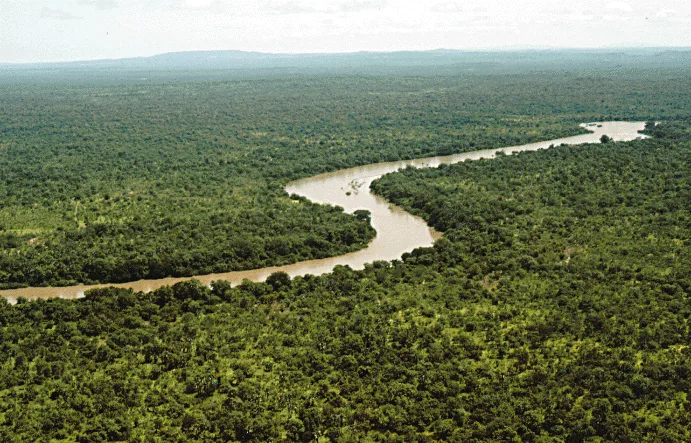
Banjul sits right at the mouth of the Gambia River, one of the most navigable waterways in West Africa. The river divides the country into north and south banks. Because of this strategic location, Banjul historically served as a critical trade post and military stronghold to control access to the African interior.
Photo: United States government, Wikimedia Commons, Public domain.
Pick one
The Banjul-Barra Ferry is a crucial transport link that carries thousands of passengers and vehicles daily across the wide river estuary. Before the Senegambia Bridge was built further upriver, this ferry was the primary connection for travelers heading north toward Senegal. The crossing takes about thirty minutes.
Pick one
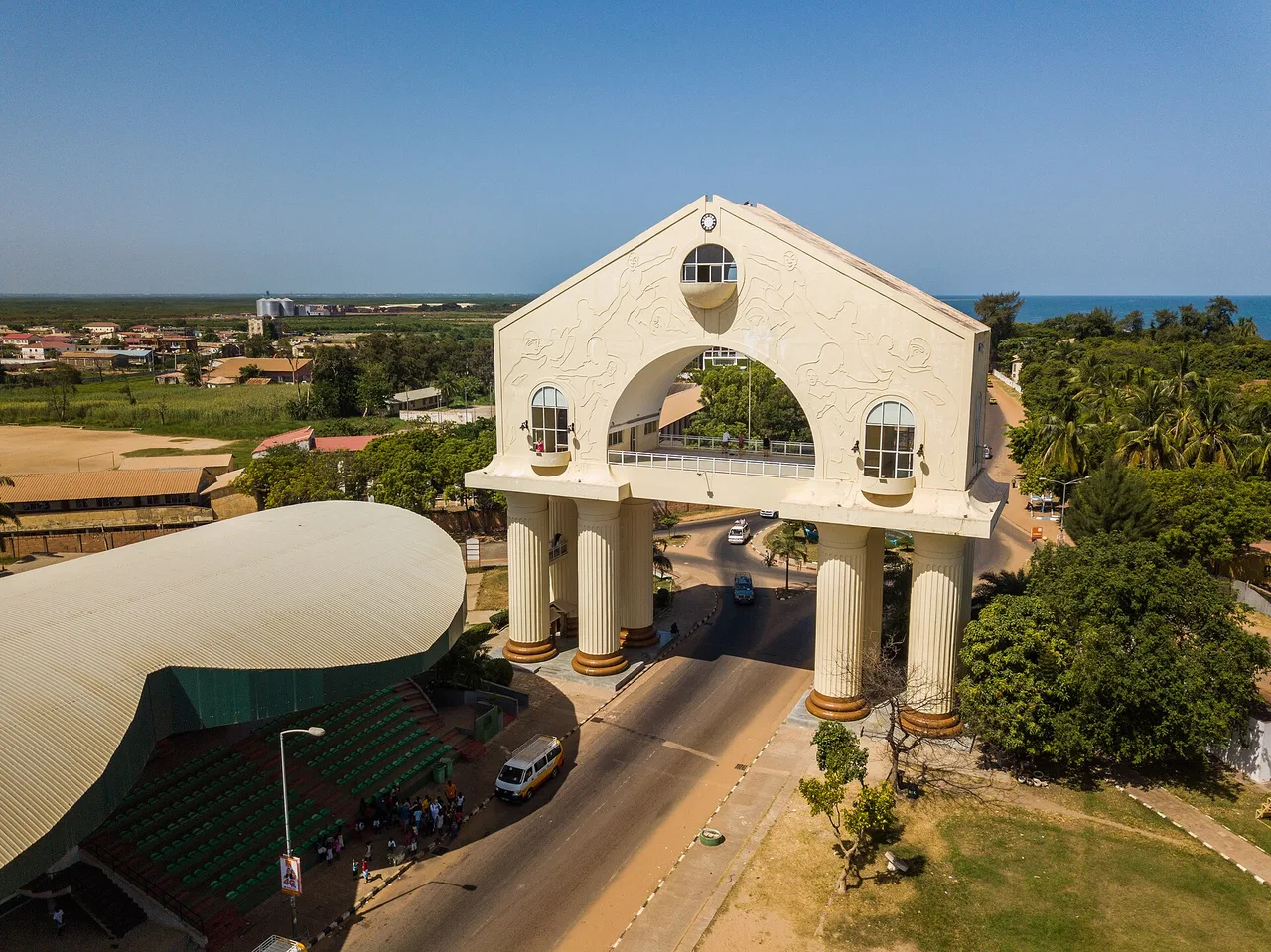
Arch 22 is an impressive 35-meter-tall gateway built in 1996 to commemorate the military coup of July 22, 1994. It offers visitors a panoramic view of the capital from its upper floors. Inside, you can explore a small museum showcasing traditional Gambian textiles, agricultural tools, and historical artifacts.
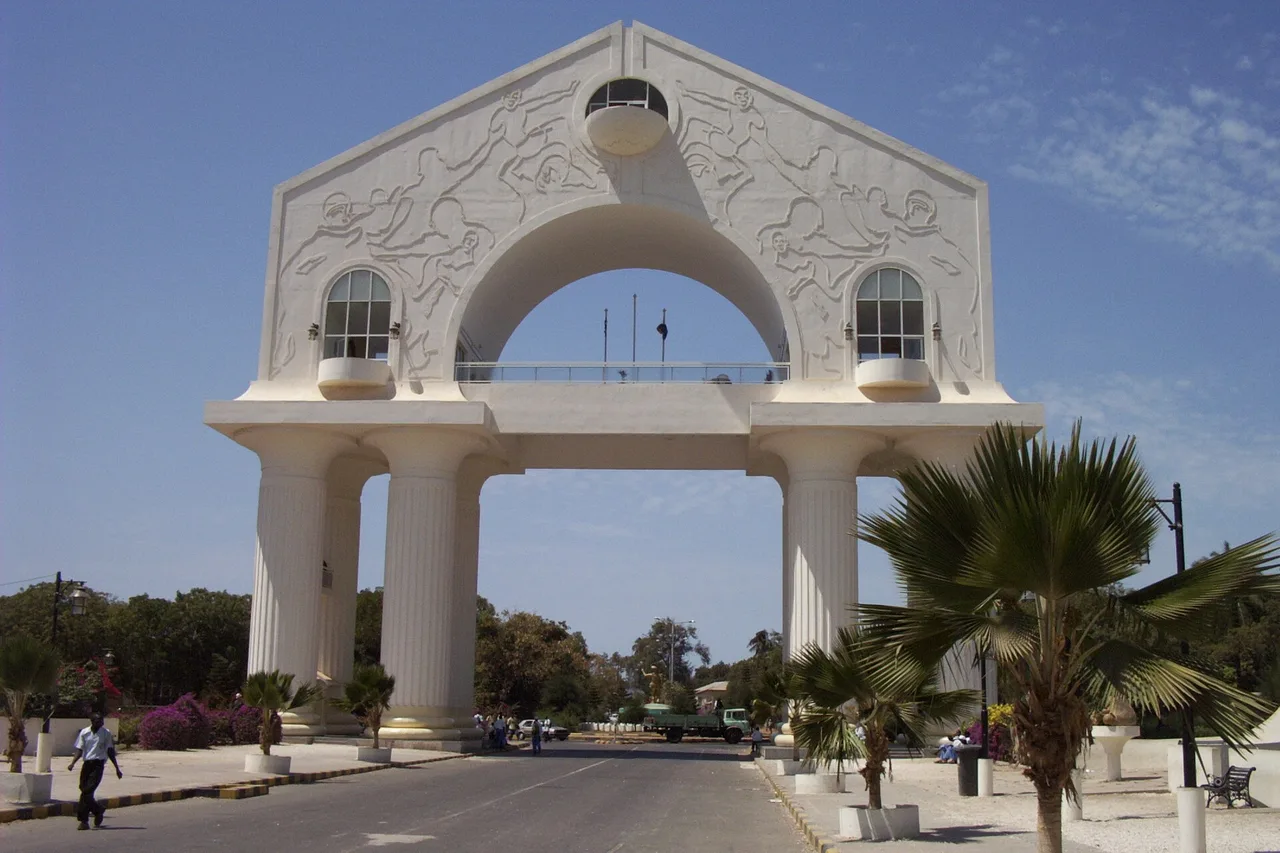
Photo: Atamari, Wikimedia Commons, CC BY-SA 3.0.
Pick one
Banjul was founded on St Mary's Island in 1816. The island is connected to the mainland by bridges, making it easy to access despite being surrounded by water. Interestingly, the island's name was given by British colonizers, but local residents still refer to the surrounding waters and creeks by their traditional Mandinka names.
Photo: Hannu Sääskilahti, Wikimedia Commons, CC BY-SA 4.0.
Pick one
Banjul was originally named Bathurst after Henry Bathurst, who was the British Secretary of State for War and the Colonies. The city kept this name for over 150 years until it was changed to Banjul in 1973, a name derived from the Mandinka word for the local fiber-producing plants found on the island.
Pick one
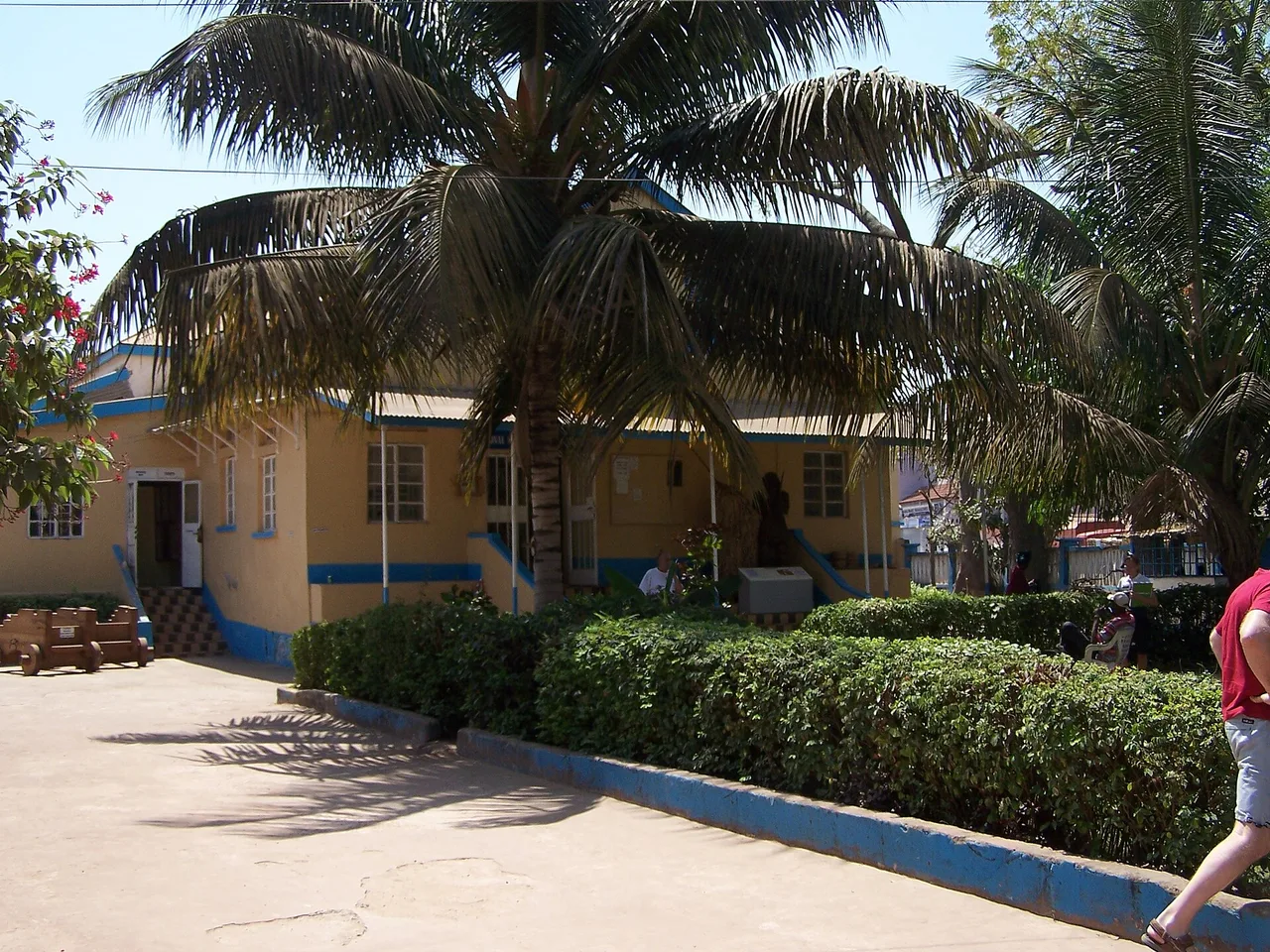
The Gambia National Museum covers Banjul's history, the country's musical instruments and the archaeology of West Africa. School children are its biggest group of visitors, and its photo archive spans more than 70 years of Gambian history.
Photo: Niels Elgaard Larsen - User: (WT-shared) Elgaard at wts wikivoyage, Wikimedia Commons, CC BY-SA 4.0.
Pick one
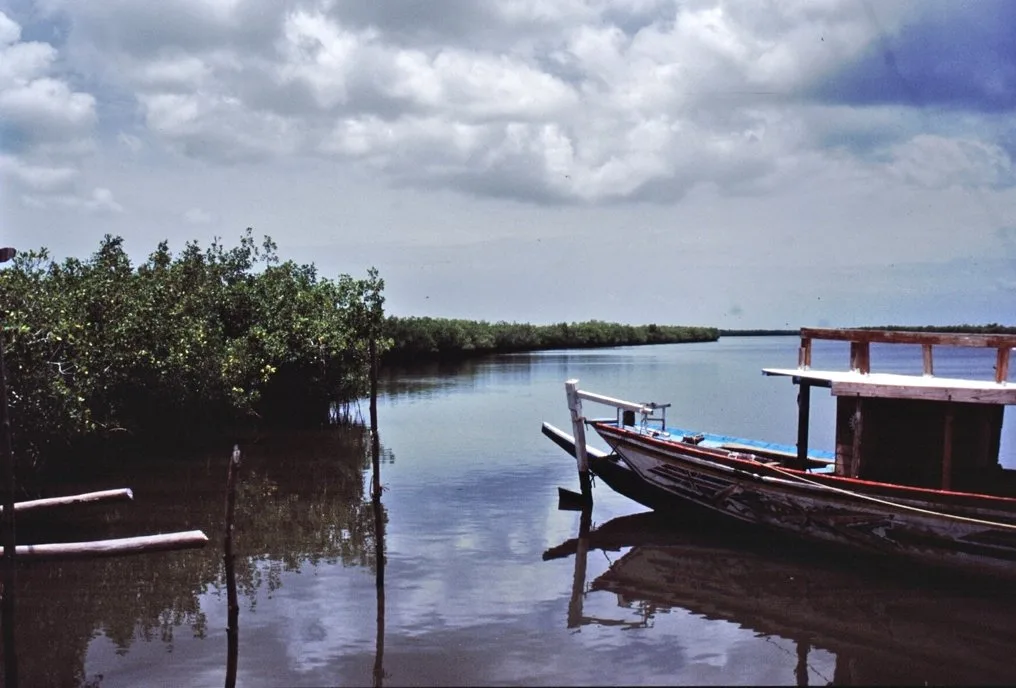
The Tanbi Wetland Complex covers a massive area of mangroves, tidal flats, and swamps just south of the capital. It is an internationally recognized Ramsar wetland site that plays a vital role in coastal defense and local fishing. It is also a paradise for birdwatchers, hosting over 290 distinct bird species.
Photo: uploader Atamari has eMail-contact with the photograph „KG“, Wikimedia Commons, CC BY-SA 2.5.
Pick one
Captain Alexander Grant founded the settlement in 1816 to serve as a military outpost. His primary mission was to suppress the illegal transatlantic slave trade after the British Empire abolished it in 1807. Grant signed a treaty with the local King of Kombo to secure the island, marking the start of modern Banjul.
Pick one
Laba Sosseh sang salsa in fluent Spanish and recorded a famous series of 'Salsa Africana' albums in New York in the late 1970s. The Colombian star Joe Arroyo even covered one of his songs, singing in Wolof from a phonetic cheat sheet.
Pick one
Albert Market was created in the mid-nineteenth century and named after Queen Victoria's husband, Prince Albert. It is the vibrant commercial heart of Banjul, where you can buy everything from fresh tropical fruits to handmade wooden crafts. The market is incredibly maze-like and famous for its lively sensory experience.


Paste the code into your page. The player fits itself in, and every vote counts in Votur.
On WordPress, Ghost or Squarespace? Just paste the link of this page into your post.
This is how it looks
Also fun