Get app
 Photo: Chapelle musa, Wikimedia Commons, CC BY-SA 4.0.
Discover the vibrant capital of Uganda! Test your knowledge on Kampala's legendary seven hills, rich history, bustling street foods, and iconic cultural landmarks.
First-time visitor 0–4 · Boda rider 5–8 · True Kampala insider 9–10
Pick one

Before Kampala became a bustling metropolis, its rolling hills were a prime hunting ground for the King of Buganda, particularly famous for large herds of impalas. British colonial officers referred to the area in Luganda as 'Kasozi ka Impala' (Hill of the Impala), which eventually evolved into the city's modern name.
Photo: Chapelle musa, Wikimedia Commons, CC BY-SA 4.0.
Pick one
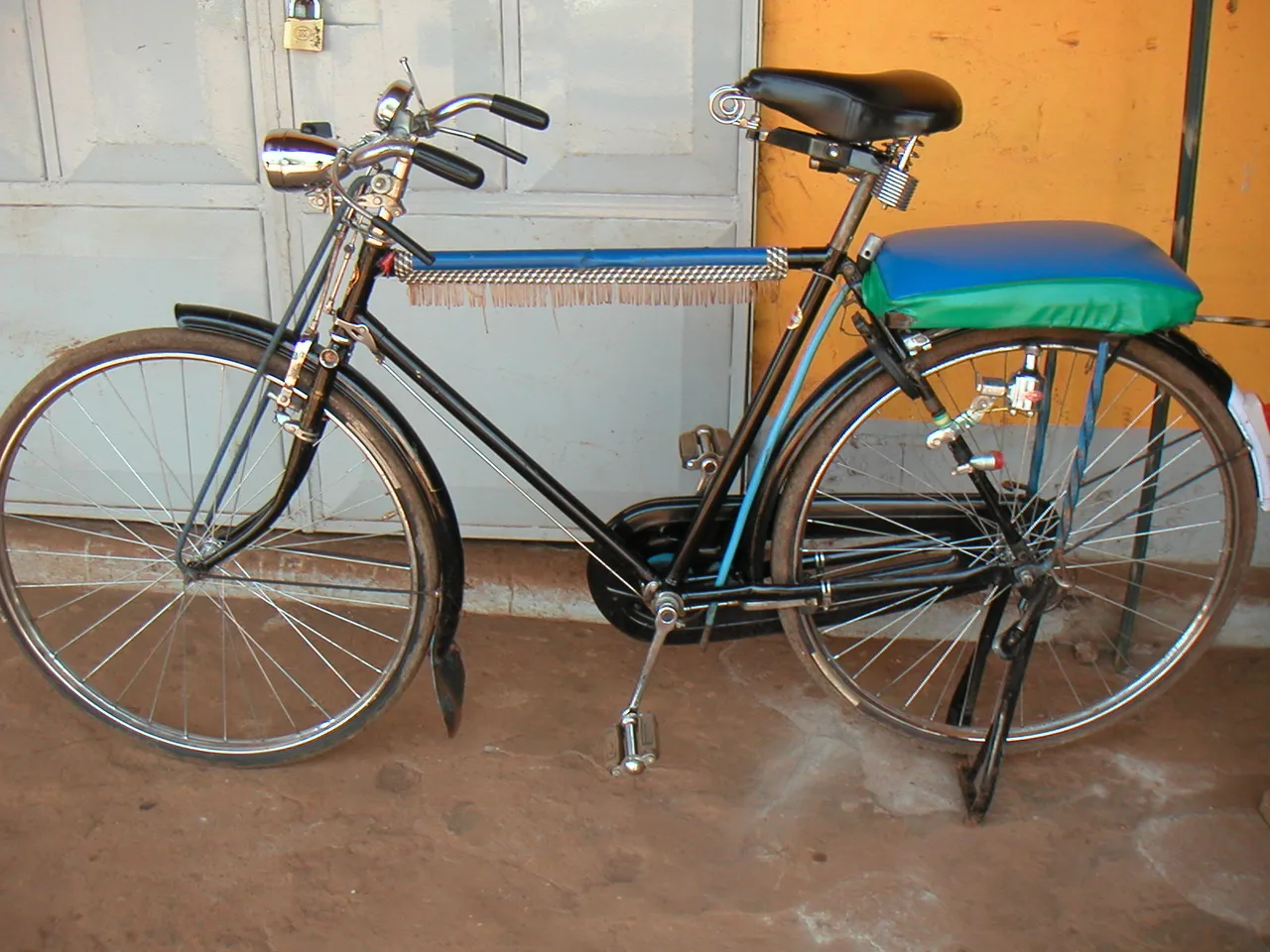
Boda-bodas are indispensable for navigating Kampala's legendary traffic gridlocks. The name originated in the 1960s at the Kenya-Uganda border, where bicycle riders would ferry travelers across the border crossing, shouting 'border-to-border' to attract passengers. Over time, motorcycles replaced the bicycles.
Photo: ObbyK, Wikimedia Commons, CC BY-SA 4.0.
Pick one
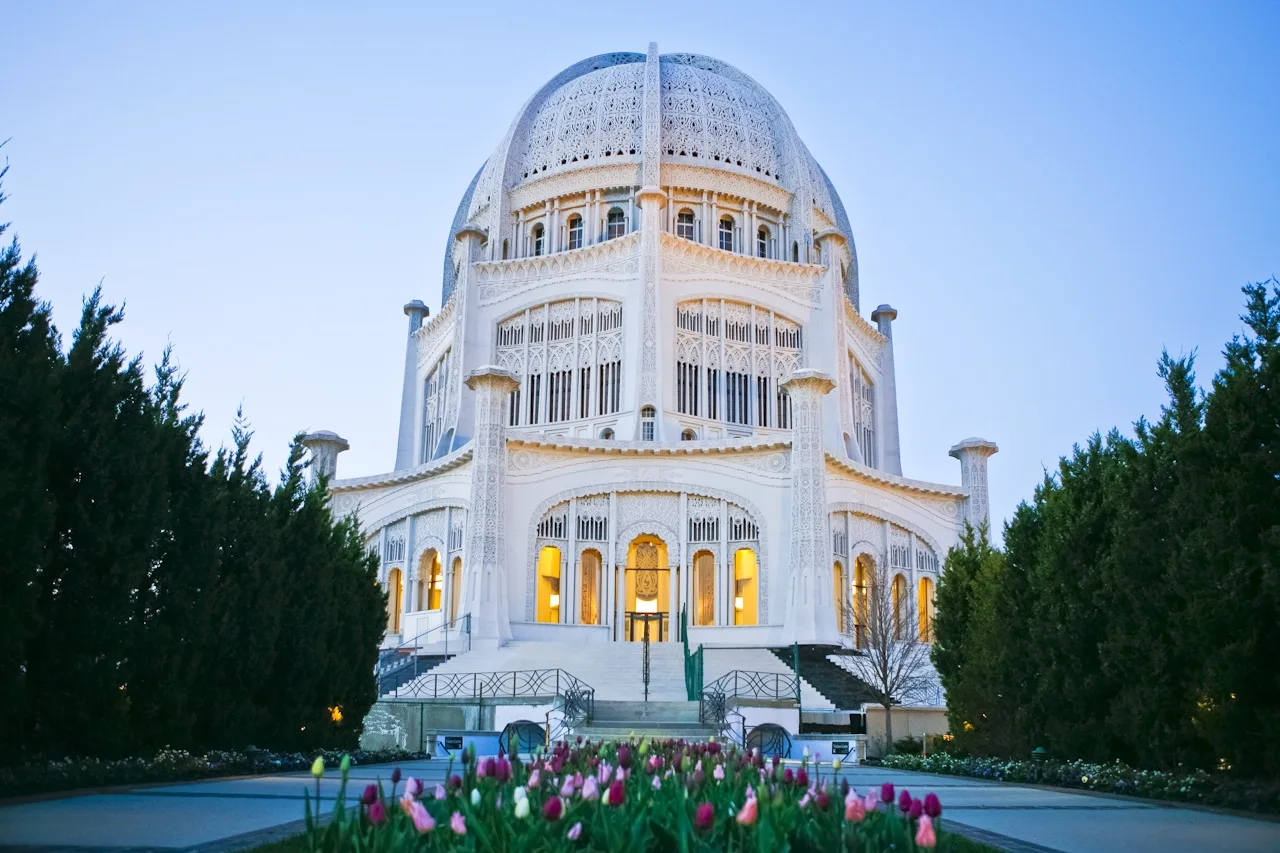
Dedicated in 1961 on Kikaya Hill, the Mother Temple of Africa has nine sides, like every Bahá'í temple, and seats about 800 people. When it was built, it was the tallest building in East Africa.
Photo: Relu Jianu, Wikimedia Commons, CC BY-SA 3.0.
Pick one
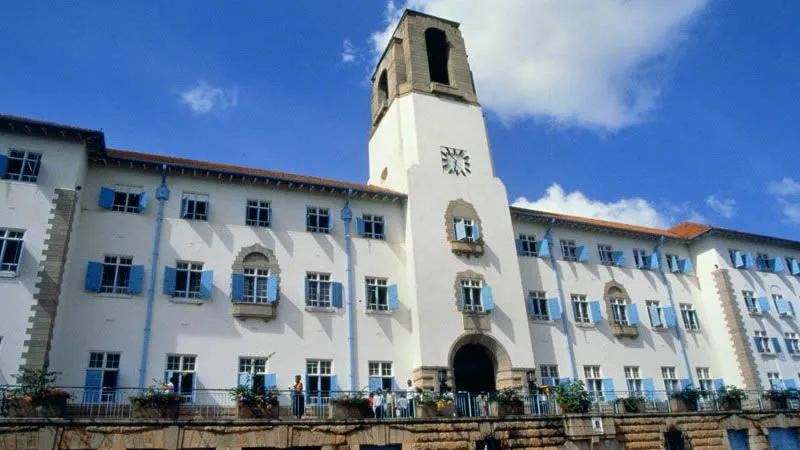
Established in 1922 as a simple technical school, Makerere University grew to become one of Africa's most prestigious academic institutions. It has educated many prominent post-independence African leaders, including Tanzania's Julius Nyerere, Kenya's Mwai Kibaki, and numerous prominent writers and scholars.
Photo: OER Africa, Wikimedia Commons, CC BY 2.0.
Pick one
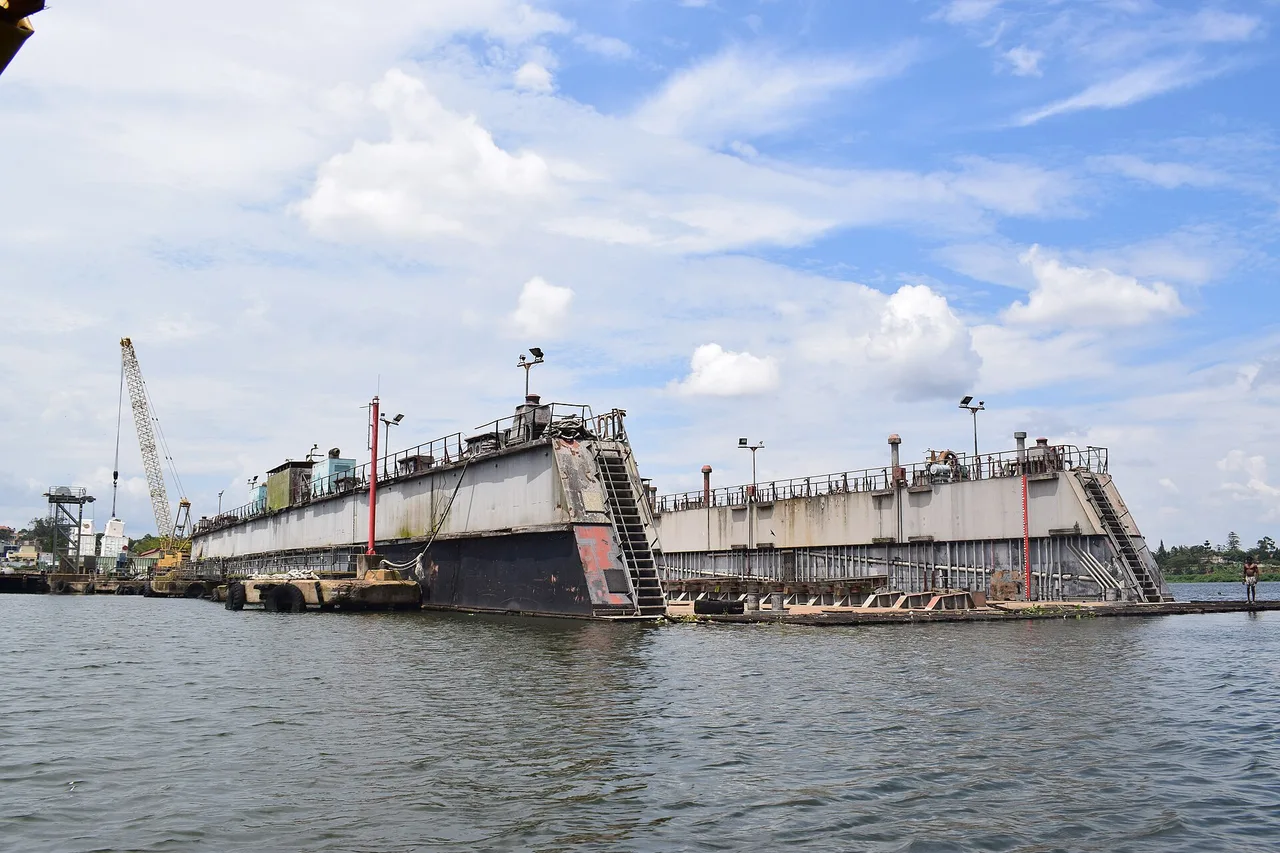
Located in the southeastern suburbs of Kampala, Port Bell is a vital trade hub on Lake Victoria. Named after British commissioner Henry Hesketh Bell, it features a rail link and ferry terminal connecting Uganda to major ports in Tanzania and Kenya, making it crucial for regional commerce.
Photo: Alvinategyeka, Wikimedia Commons, CC BY-SA 4.0.
Pick one
Matooke are starchy green bananas that are peeled, steamed (often wrapped in banana leaves) and mashed into a soft yellow meal. In Uganda this dish counts as a national dish, and the bananas are a staple all around the African Great Lakes.
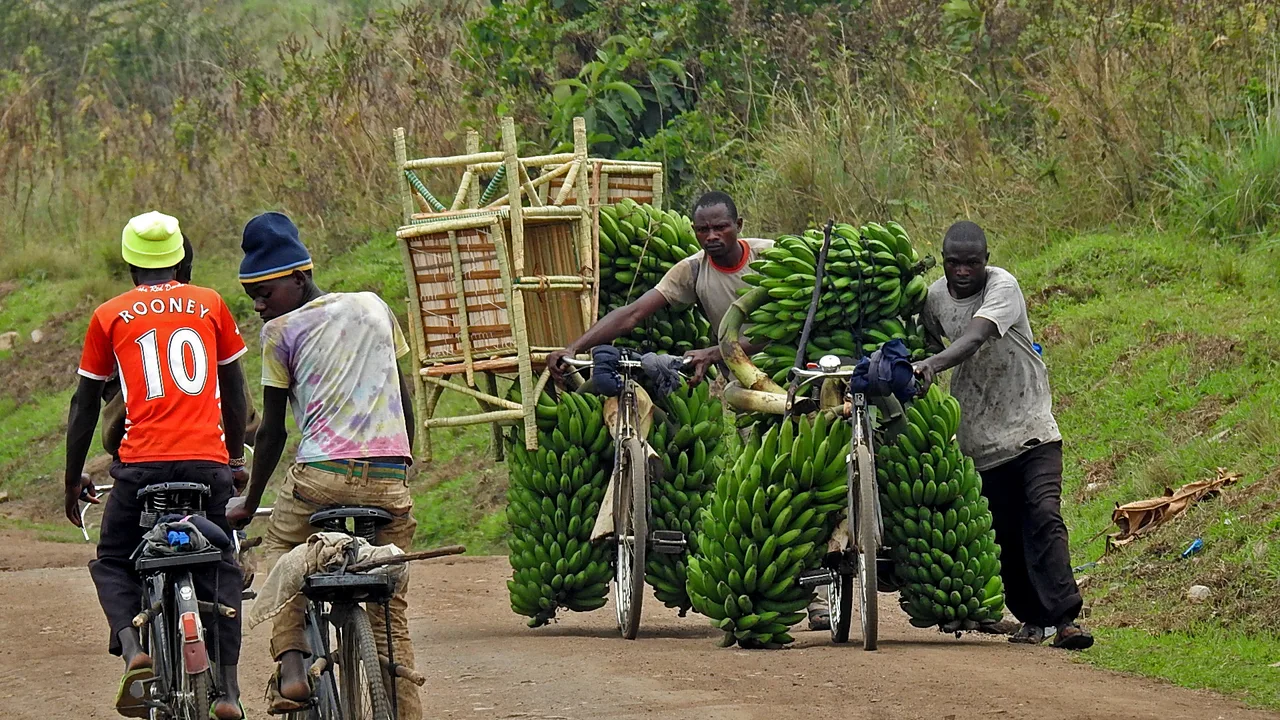
Photo: Sagiomhza, Wikimedia Commons, CC BY-SA 4.0.
Pick one
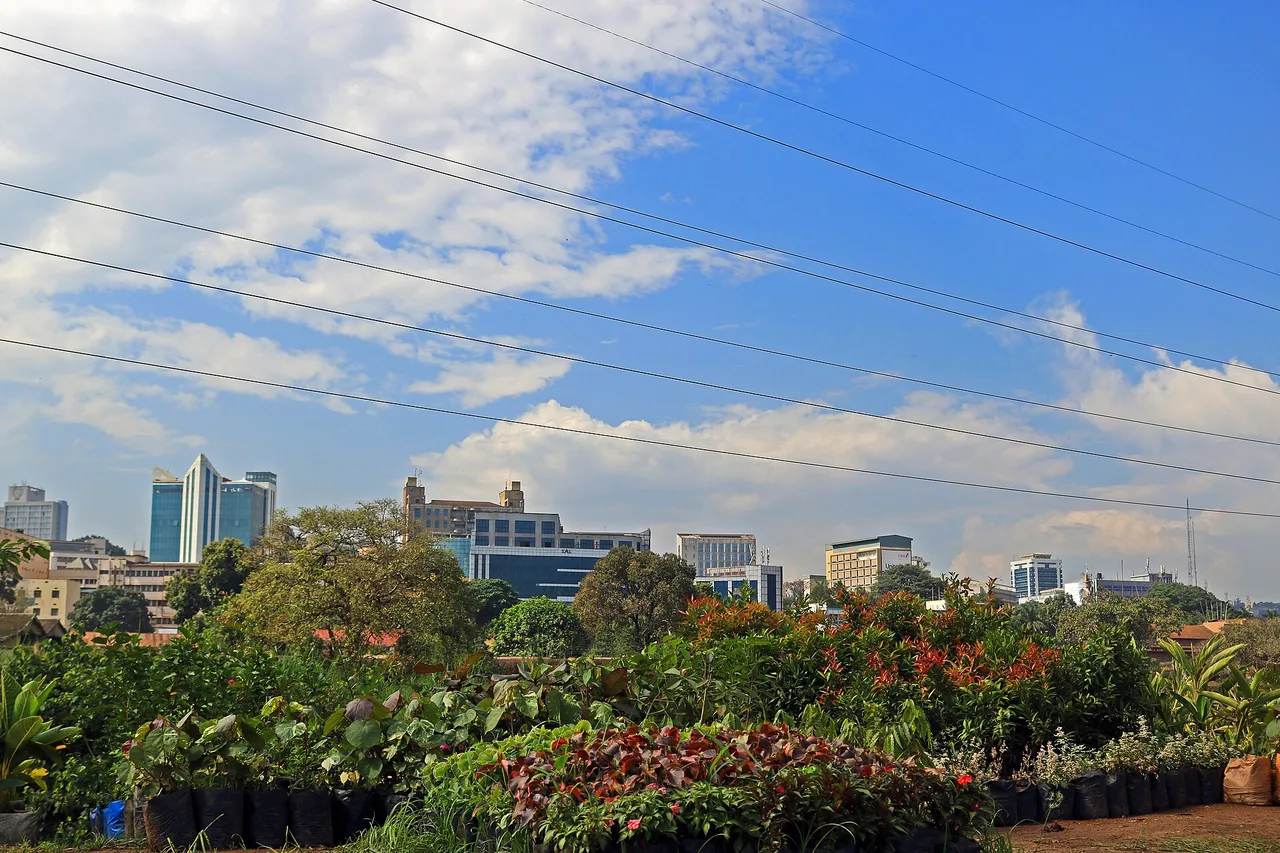
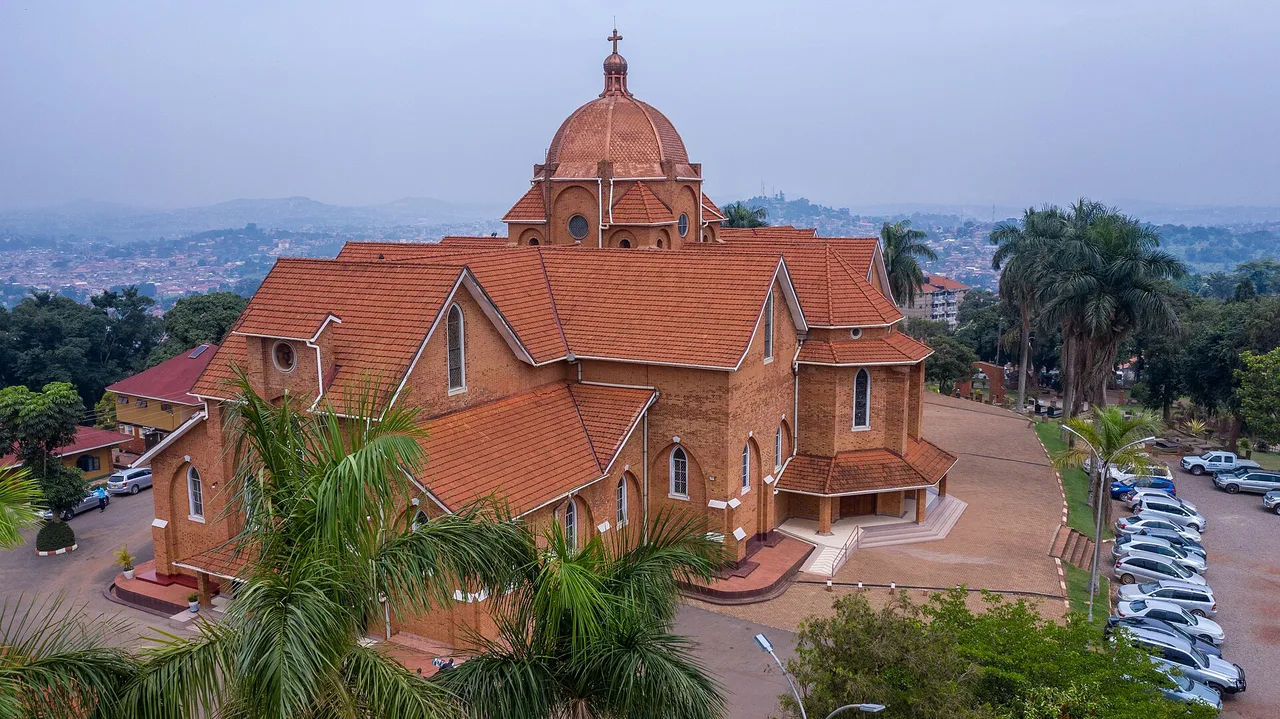
Kampala first grew up on seven hills, and several still carry a famous landmark: Namirembe and Rubaga each have a cathedral, Kibuli a big mosque and Makerere the university. Today the fast-growing city has spread over many more hills around them.
Photo: Tusk media, Wikimedia Commons, CC BY-SA 4.0.
Pick one
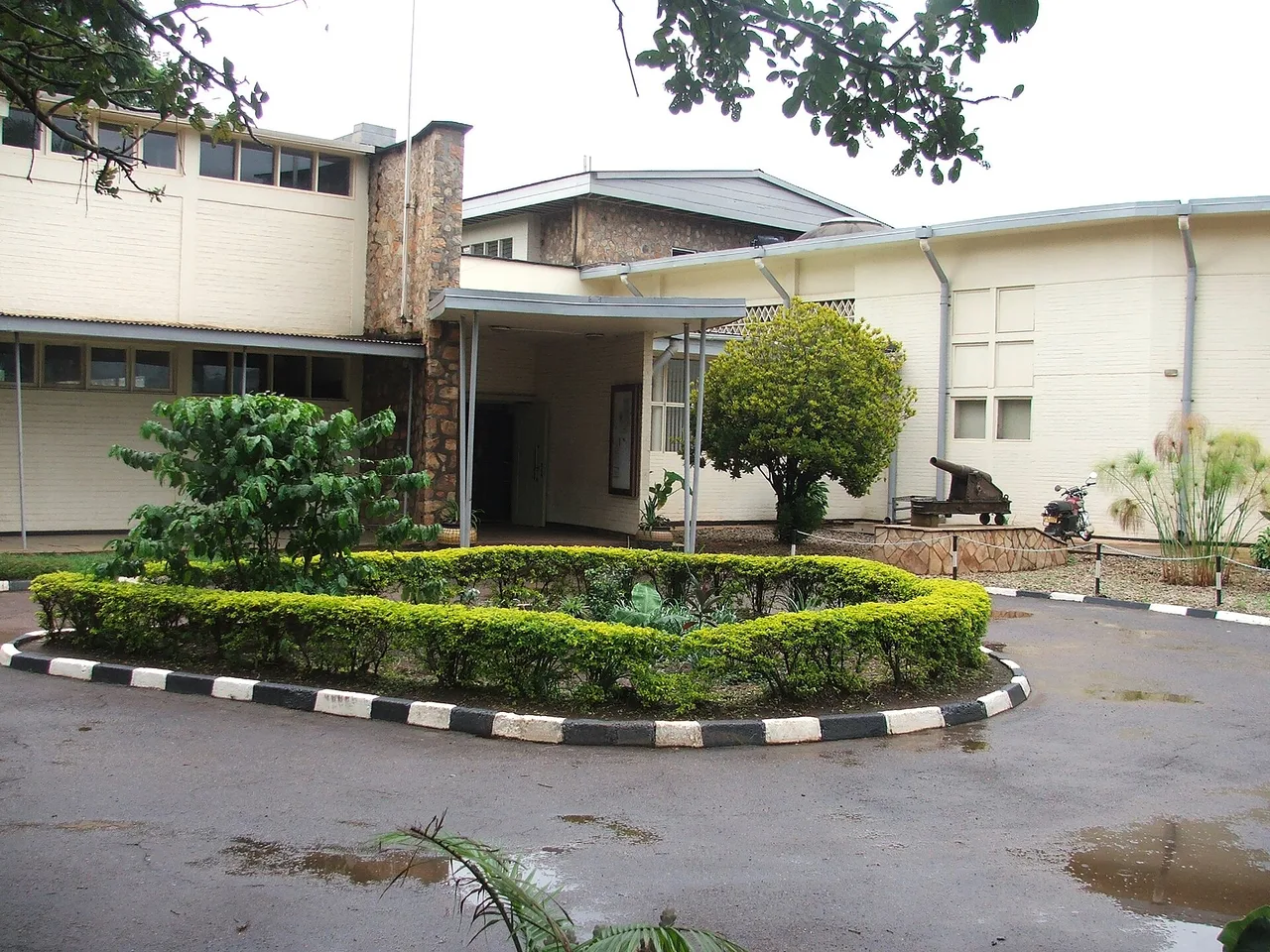
The Uganda Museum preserves the country's rich cultural heritage with exhibits ranging from prehistoric fossils to traditional musical instruments that visitors are actually allowed to play. Founded in 1908, it moved to its current location in Kampala's Kamwokya neighborhood in 1954.
Photo: Lindaneruba, Wikimedia Commons, CC BY-SA 4.0.
Pick one
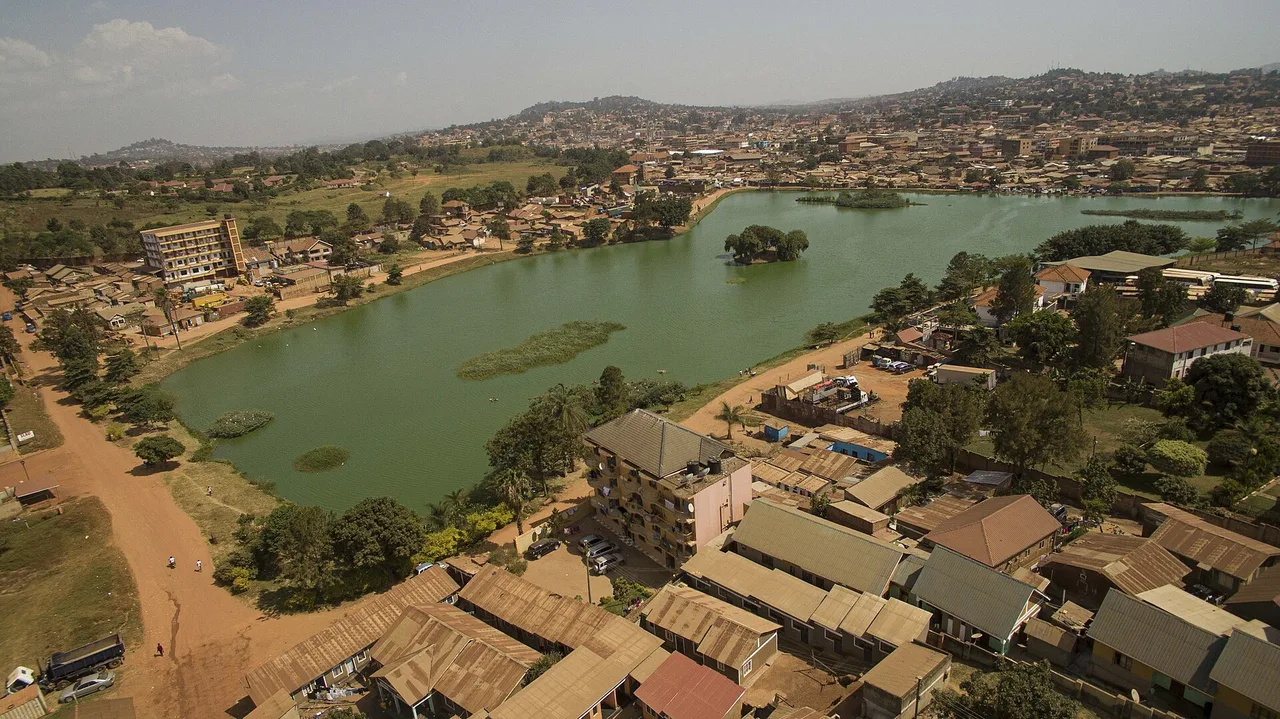
Kabaka's Lake was dug by hand in the 1880s, just outside the king's palace at Mengo. Stories say Kabaka Mwanga II hoped to link it to Lake Victoria as an escape route, but that plan was never finished. Today it is a quiet spot loved by birds.
Photo: Jim Joel, Wikimedia Commons, CC BY-SA 4.0.
Pick one
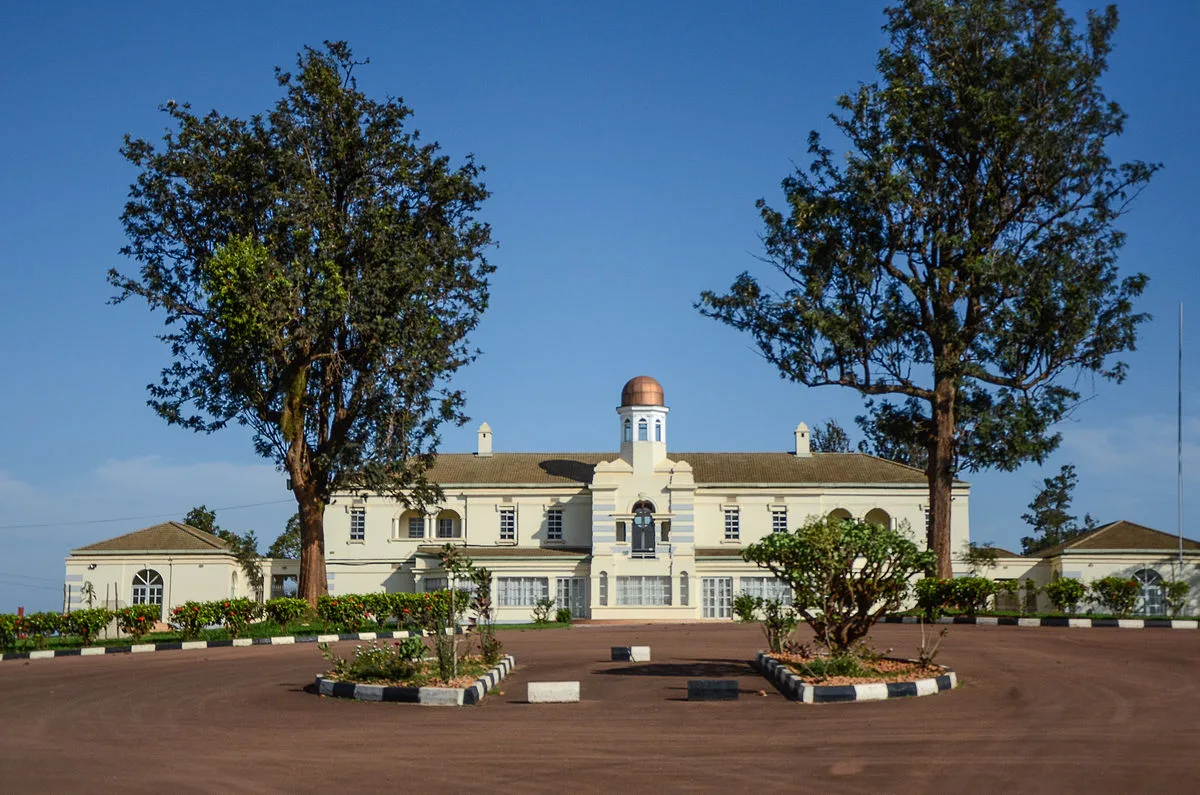
Mengo Hill serves as the historic capital of the Buganda Kingdom. It is home to the Mengo Palace, established in 1885. This hill is deeply central to local administration, while neighboring Rubaga Hill is famous for its massive twin-steepled Roman Catholic Cathedral.
Photo: Rajah Siwale, Wikimedia Commons, CC BY 2.0.


Paste the code into your page. The player fits itself in, and every vote counts in Votur.
On WordPress, Ghost or Squarespace? Just paste the link of this page into your post.
This is how it looks
Also fun