Get app
 Photo: PomposPompou, Wikimedia Commons, CC BY-SA 4.0.
Journey through Nicosia, the vibrant capital of Cyprus! Test your knowledge on its rich history, unique geography, cultural landmarks, and delicious local traditions.
Nicosia Novice 0–4 · Nicosia Explorer 5–8 · Nicosia Insider 9–10
Pick one

Ledra Street is one of Nicosia's most historic and bustling thoroughfares, renowned as a vibrant shopping district. It's a pedestrianized street filled with shops, cafes, and restaurants, stretching through the heart of the old city. Historically, a crossing point on Ledra Street was opened in 2008, symbolizing a step towards reunification and allowing people to cross between the city's northern and southern parts.

Photo: Nicosiaduringnight1, Wikimedia Commons, CC BY-SA 4.0.
Pick one
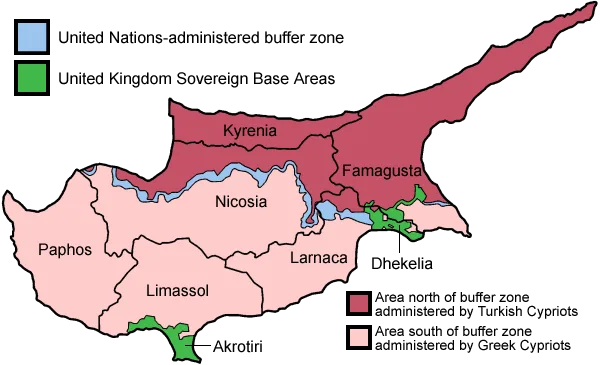
The buffer zone dividing Nicosia, and indeed Cyprus, is known as the Green Line. Established in 1974 following the Turkish invasion, it is patrolled by the United Nations Peacekeeping Force in Cyprus (UNFICYP). The name originates from a green pen line drawn on a map by a British officer in 1963 to delineate areas between communities during earlier intercommunal strife.
Photo: Golbez, Wikimedia Commons, CC BY-SA 3.0.
Pick one
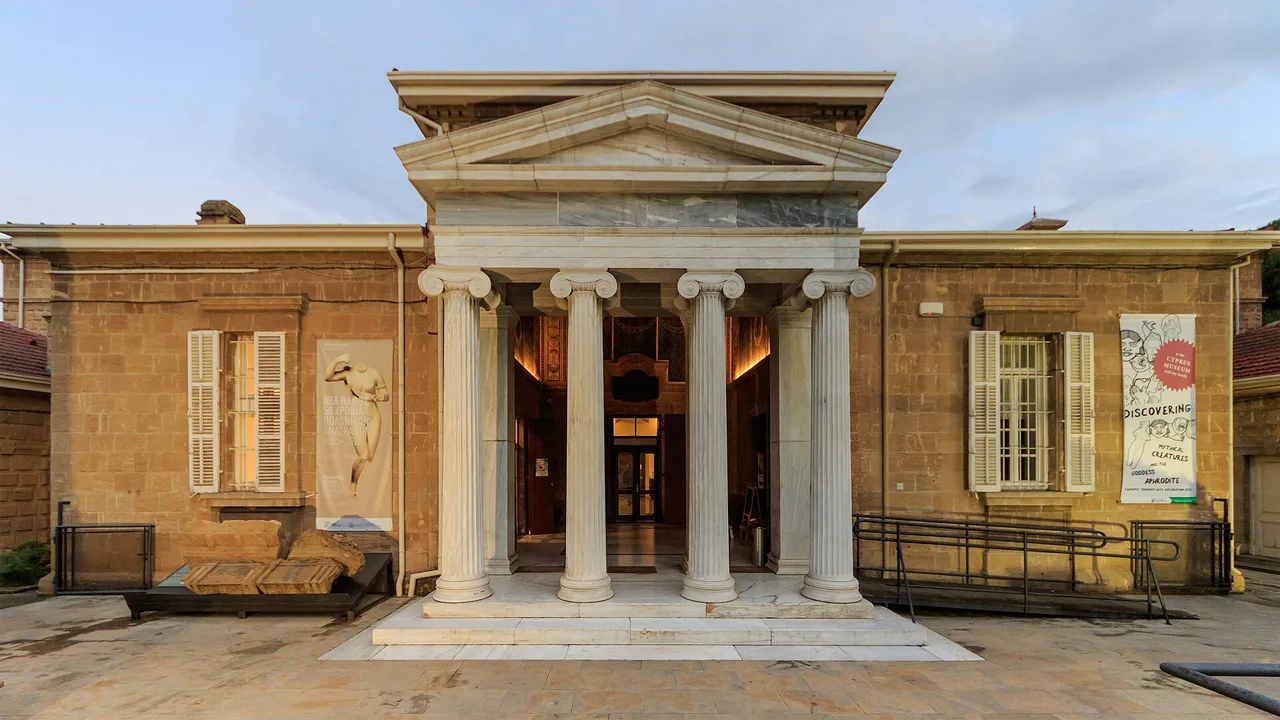
The Cyprus Museum, the oldest and largest archaeological museum on the island, houses an extensive collection of Cypriot antiquities. Its exhibits trace the island's civilization from the Neolithic Age to the early Christian period, showcasing pottery, sculptures, jewellery, and coins. One of its most famous exhibits is the large collection of terracotta figurines from the Ayia Irini sanctuary.
Photo: A.Savin, Wikimedia Commons, FAL.
Pick one
The magnificent Selimiye Mosque, located in the northern part of Nicosia, was originally constructed as the Cathedral of Saint Sophia during the Lusignan period in the 13th century. It served as the coronation church for the Lusignan kings of Cyprus. After the Ottoman conquest in 1570, it was converted into a mosque, with minarets added to its distinctive Gothic structure.
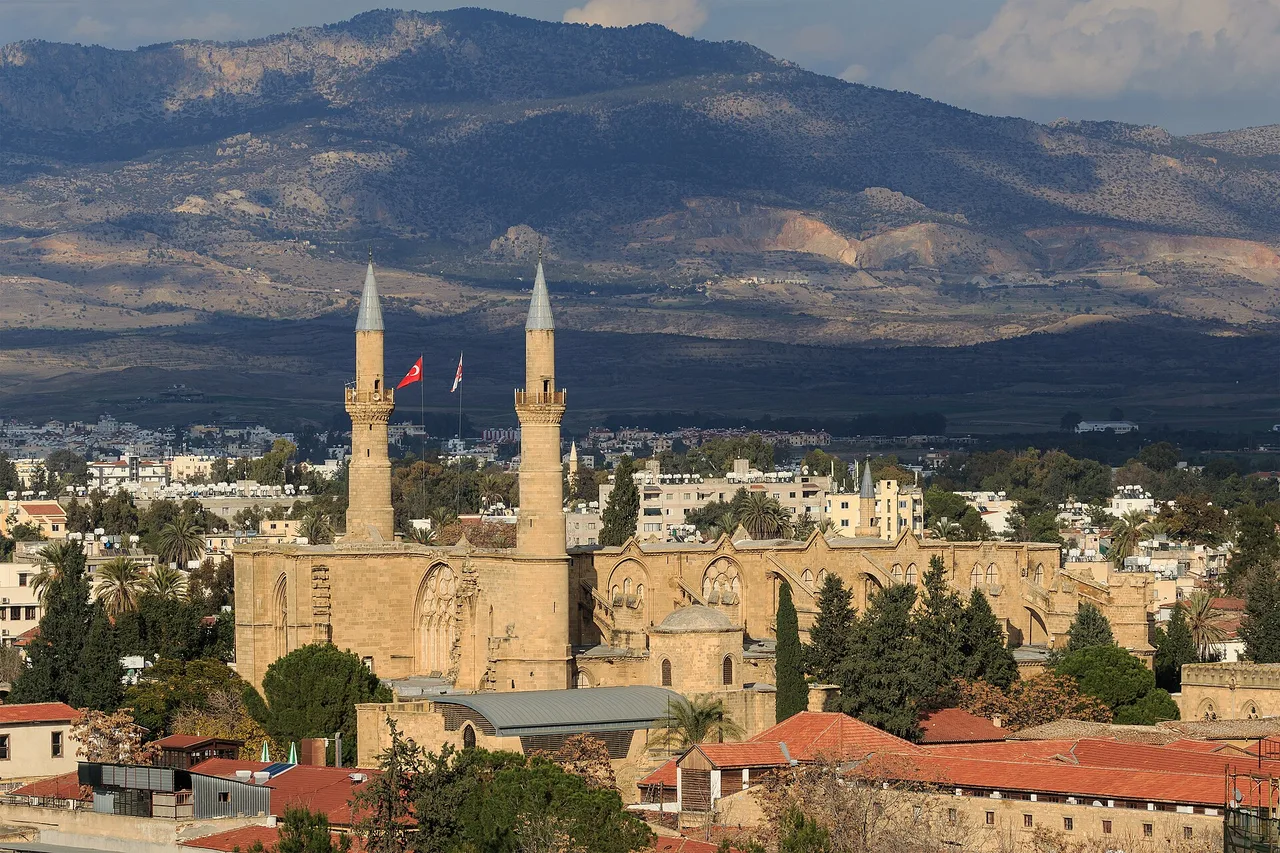
Photo: A.Savin, Wikimedia Commons, FAL.
Pick one
Nicosia lies in the heart of the Mesaoria Plain, the largest plain in Cyprus. This fertile agricultural region stretches across the central part of the island, nestled between the Troodos Mountains to the south and the Kyrenia Mountains to the north. The plain's strategic location and rich soil have historically made it a vital area for settlement and cultivation, influencing Nicosia's development.
Pick one
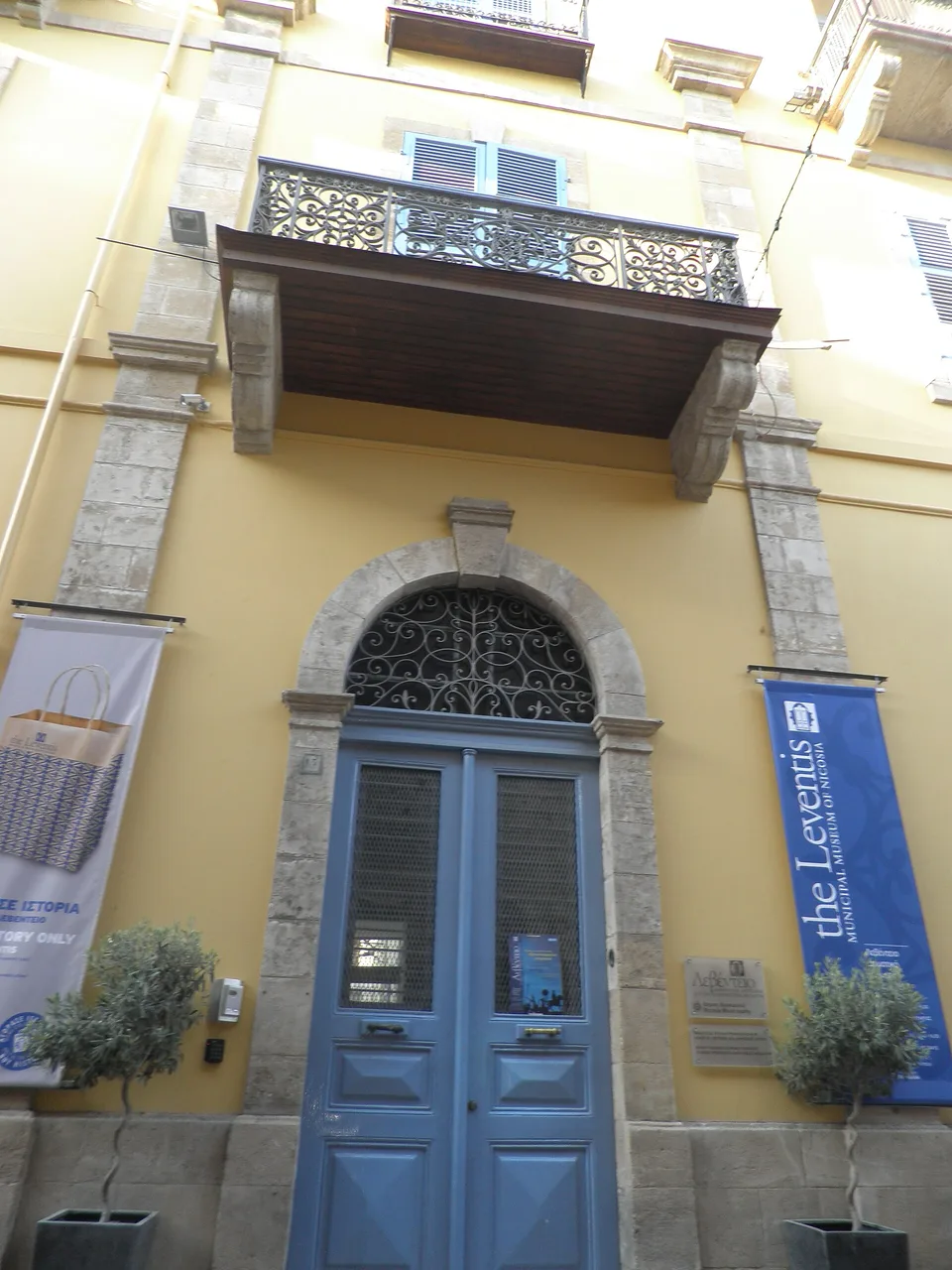
The Leventis Municipal Museum of Nicosia is dedicated to chronicling the social and historical development of the city from prehistoric times to the present day. It was the first historical museum in Cyprus, established in 1984. Through its extensive collections of artifacts, maps, costumes, and photographs, it offers visitors a comprehensive insight into Nicosia's rich past and evolving identity.
Photo: Leventis Museum, Wikimedia Commons, CC BY-SA 3.0.
Pick one
Traders slept in rooms around a big open courtyard, with a small mosque and fountain in the middle. It is the largest inn of its kind on Cyprus, and after a long restoration it is now an arts centre with galleries, workshops and cafés.
Photo: MatthiasKabel, Wikimedia Commons, CC BY-SA 3.0.
Pick one
Famagusta Gate is one of the three main entrances of the Venetian Walls that encircle the old city of Nicosia. Built in the 16th century, it was originally known as Porta Giuliana and was the grandest of the gates, leading to the city of Famagusta. Today, the gate has been beautifully restored and serves as a cultural center, hosting various exhibitions and events.
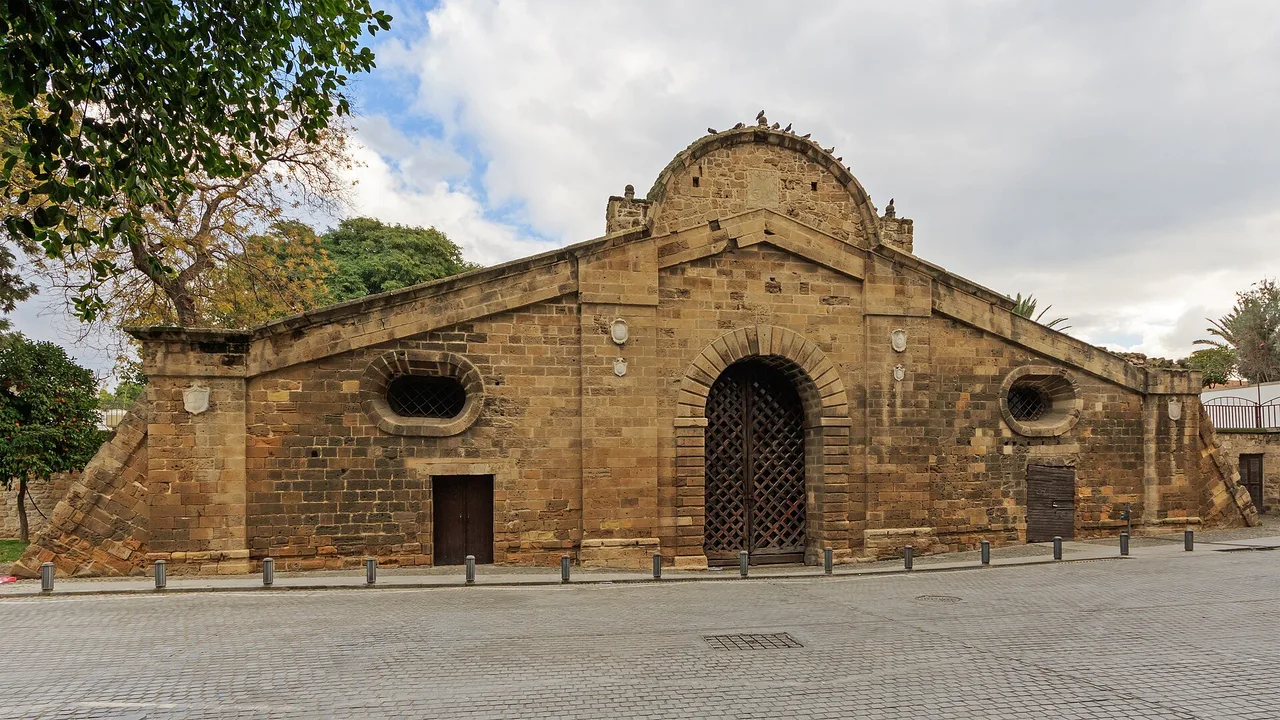
Photo: A.Savin, Wikimedia Commons, FAL.
Pick one
Nicosia rose to prominence and became the capital of the Kingdom of Cyprus under the rule of the Lusignan dynasty. This French noble family governed Cyprus from 1192 to 1489, establishing a Crusader state. During their reign, Nicosia saw significant development, including the construction of grand Gothic cathedrals and palaces, transforming it into a major medieval city.
Pick one
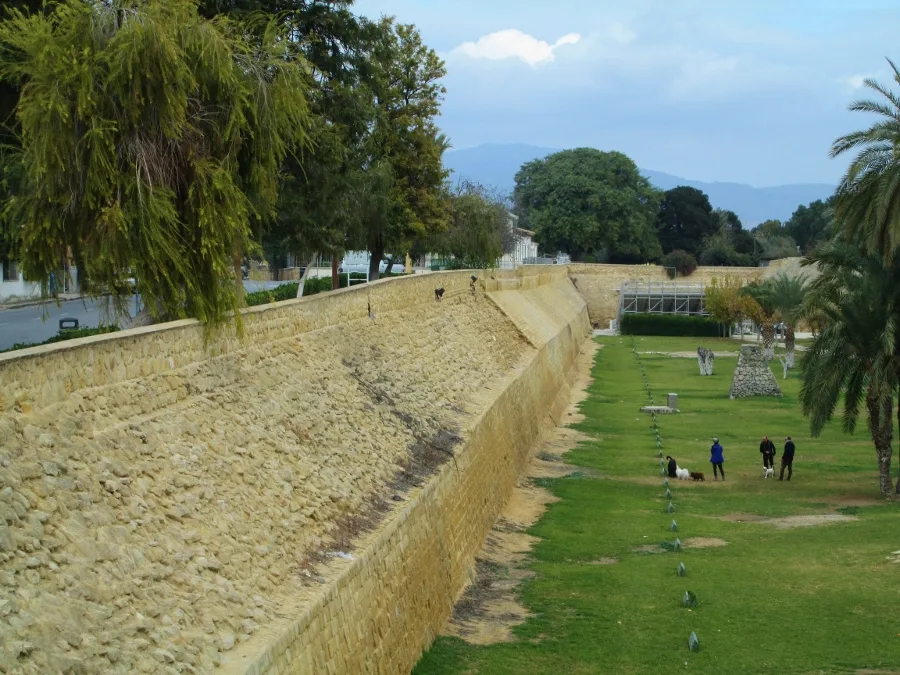
The Venetian walls of Nicosia are famously star-shaped, a sophisticated defensive design from the 16th century. This innovative layout, featuring eleven bastions, allowed for excellent flanking fire against besieging forces, making Nicosia one of the best-fortified cities of its era. The walls remain a prominent feature of the city's landscape today.
Photo: Nicosia029, Wikimedia Commons, CC BY-SA 3.0.


Paste the code into your page. The player fits itself in, and every vote counts in Votur.
On WordPress, Ghost or Squarespace? Just paste the link of this page into your post.
This is how it looks
Also fun