Get app
 Photo: Roland Huziaker, Wikimedia Commons, CC BY-SA 2.0.
How well do you know Niger's vibrant capital? Test your knowledge on Niamey's rich history, iconic landmarks, and unique geography along the Niger River!
Friendly Visitor 0–4 · Savvy Navigator 5–8 · True Niamey Expert 9–10
Pick one

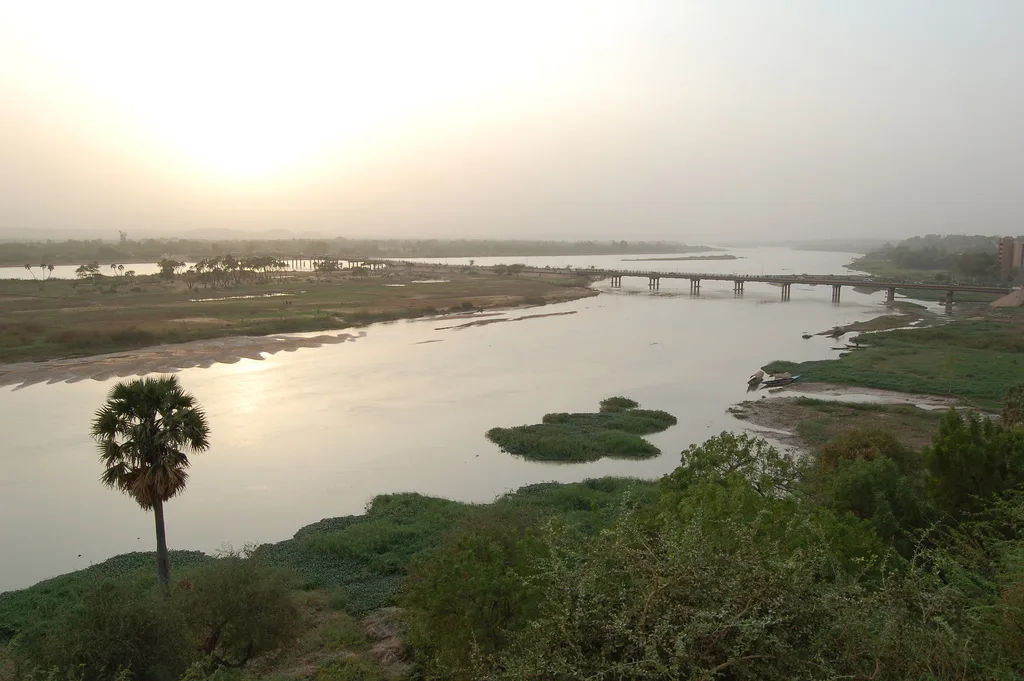
Opened in 1970, the Kennedy Bridge was named in honor of U.S. President John F. Kennedy and funded partly by United States aid. Before its construction, residents and traders had to rely entirely on boats and ferries to cross the river, making this bridge a revolutionary addition to the capital's infrastructure.
Photo: https://www.flickr.com/photos/rolandh/ diasUndKompott / Roland, Wikimedia Commons, CC BY-SA 2.0.
Pick one
The Grand Mosque of Niamey was built with financial support from Libya under the administration of Muammar Gaddafi. Located on Islam Avenue, this beautiful place of worship features an elegant minaret with a circular staircase and remains one of the most important religious landmarks in the capital.
Pick one
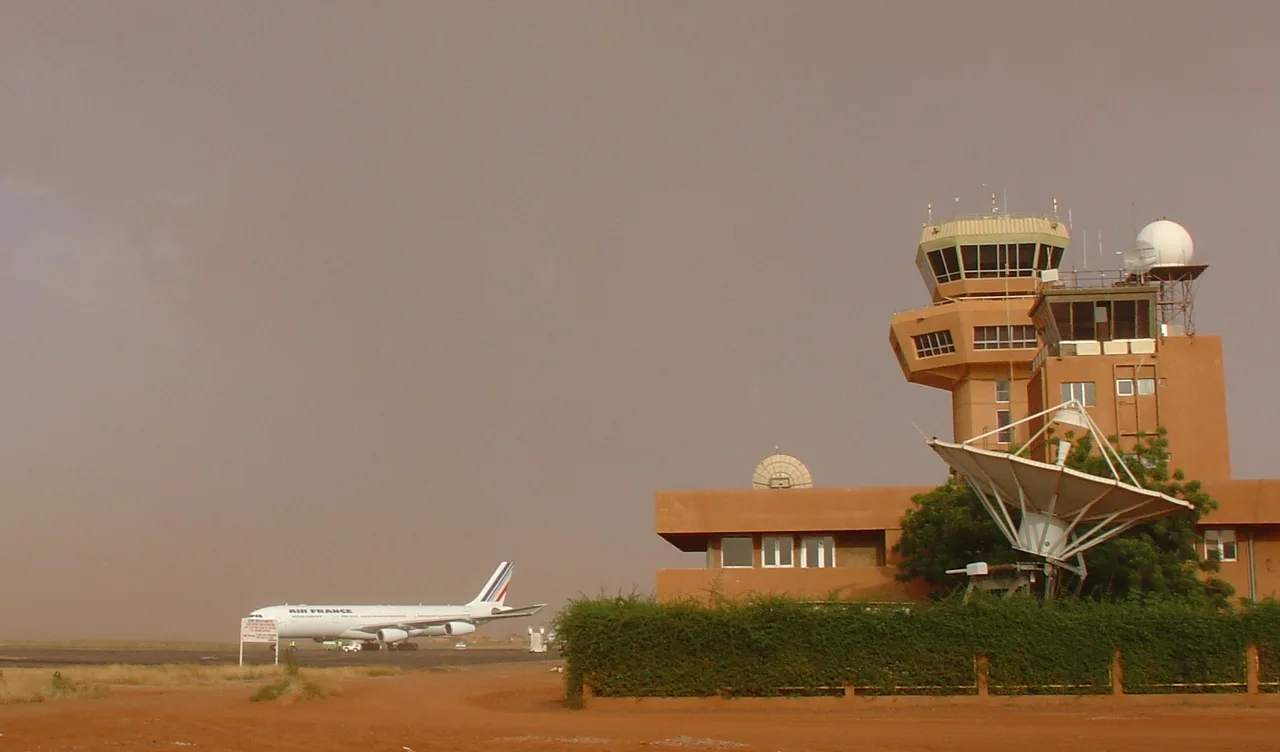
Diori Hamani International Airport is named after the nation's first president, who led Niger after it gained independence from France in 1960. The airport serves as a critical transport hub, and its modern terminal design beautifully incorporates traditional Nigerien architectural motifs.
Photo: Rolanda Jundt U.S. Department of Energy's Atmospheric Radiation Measurement Prog, Wikimedia Commons, Public domain.
Pick one
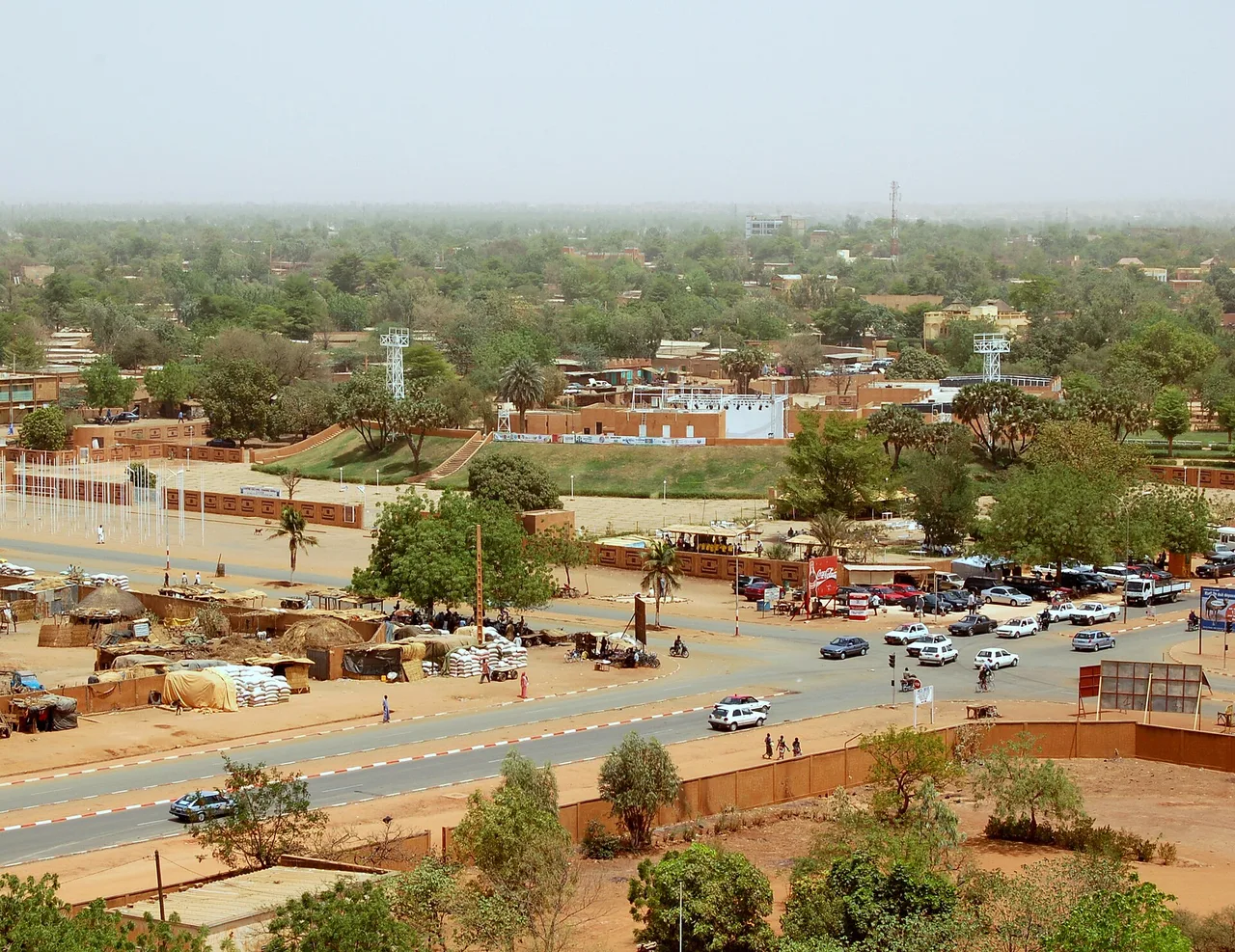
Niamey features a hot semi-arid climate, characterized by a long dry season and a short, intense wet season lasting from June to September. Despite the lack of rainfall for most of the year, the city's proximity to the Niger River helps sustain lush green spaces along its banks.
Photo: Roland Huziaker, Wikimedia Commons, CC BY-SA 2.0.
Pick one
Stade Général Seyni Kountché is the largest stadium in Niamey, boasting a capacity of around 35,000 spectators. Named after a former military president of Niger, it hosts international football matches as well as major athletic competitions and cultural celebrations.
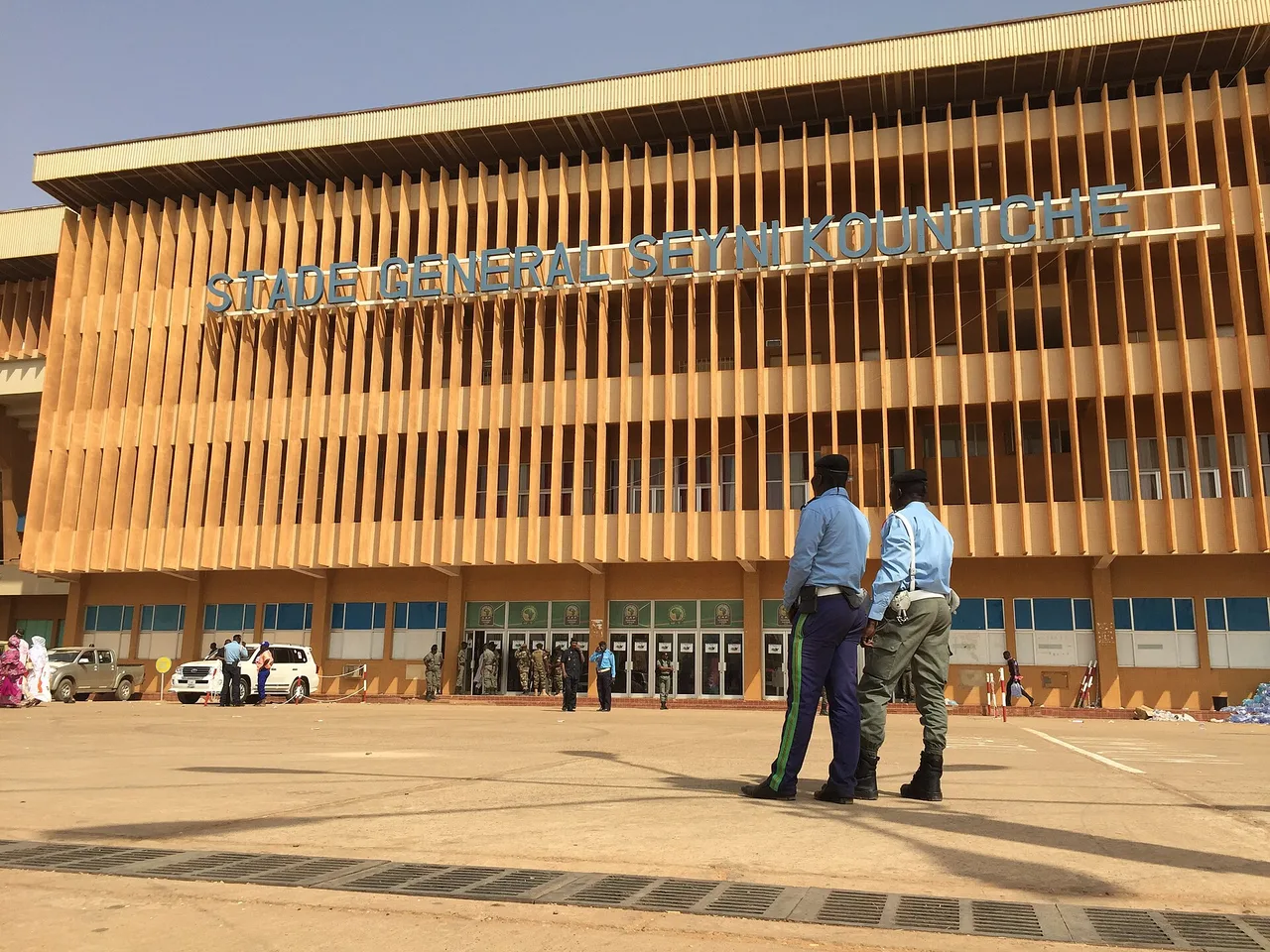
Photo: (VOA/Nicolas Pinault), Wikimedia Commons, Public domain.
Pick one
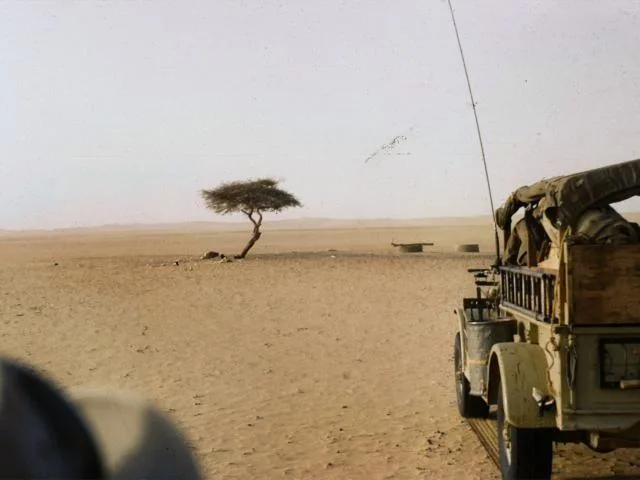
The Tree of Ténéré was once famous for being the most isolated tree on Earth, standing alone in the desert. After a truck driver accidentally knocked it down in 1973, its remains were carefully transported to the National Museum of Niger in Niamey, where they are kept in a special pavilion.
Photo: Michel Mazeau, Wikimedia Commons, CC BY-SA 2.0.
Pick one
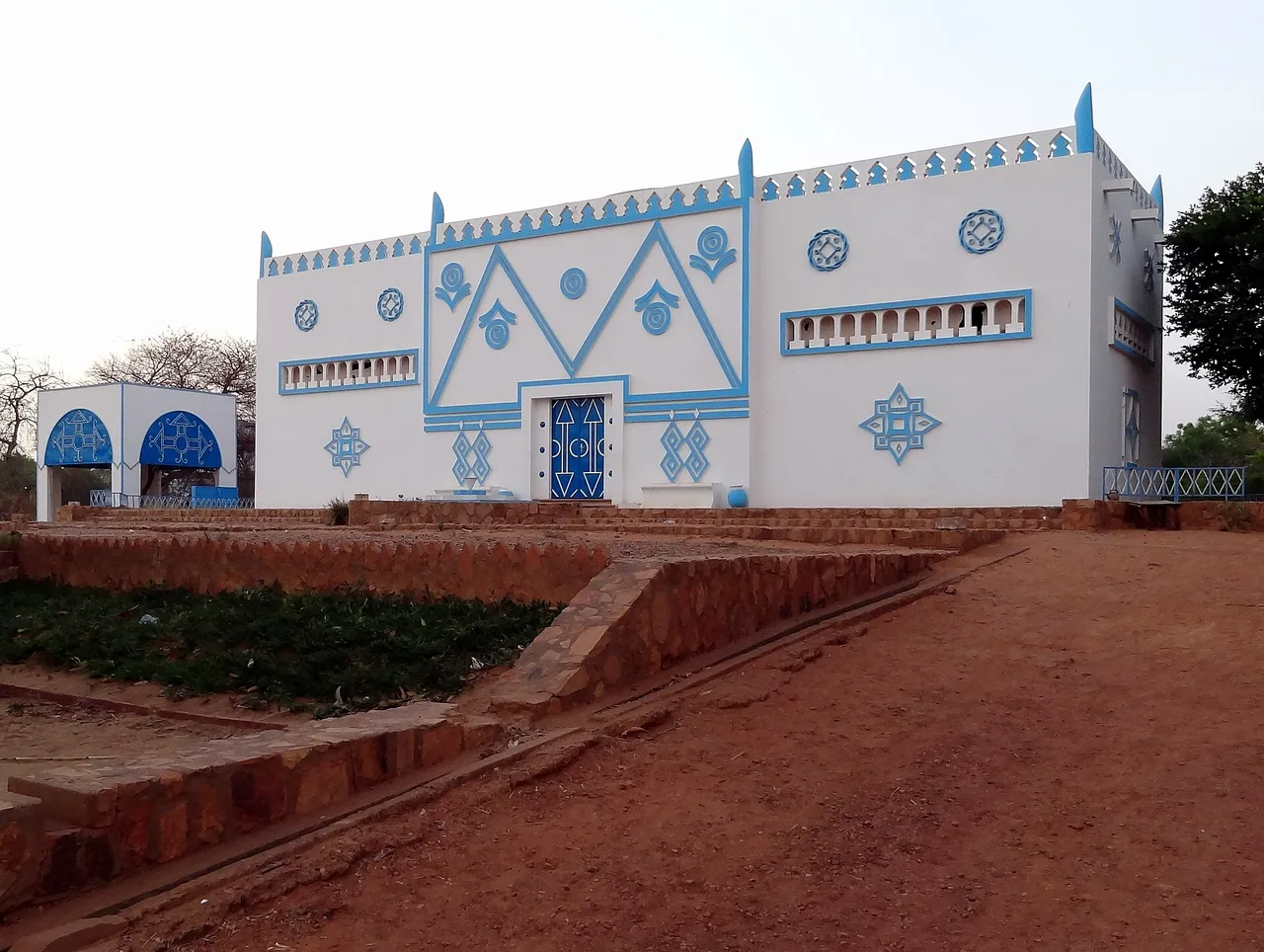
Ouranosaurus was a plant-eating dinosaur with a tall sail or hump along its back. Its almost complete skeleton was dug up in the Nigerien desert, studied in Paris and then returned to Niamey. The museum itself is uniquely designed as an open-air park, combining cultural pavilions with a zoo that showcases West African wildlife.
Photo: Jean Rebiffé (Flickr userpage), Wikimedia Commons, CC BY 3.0.
Pick one
The center is named after Jean Rouch, a highly influential French filmmaker who spent decades capturing the culture, rituals, and daily life of Niger. He is widely considered one of the founders of ethnographic cinema and chose to be buried in Niamey following his death in 2004.
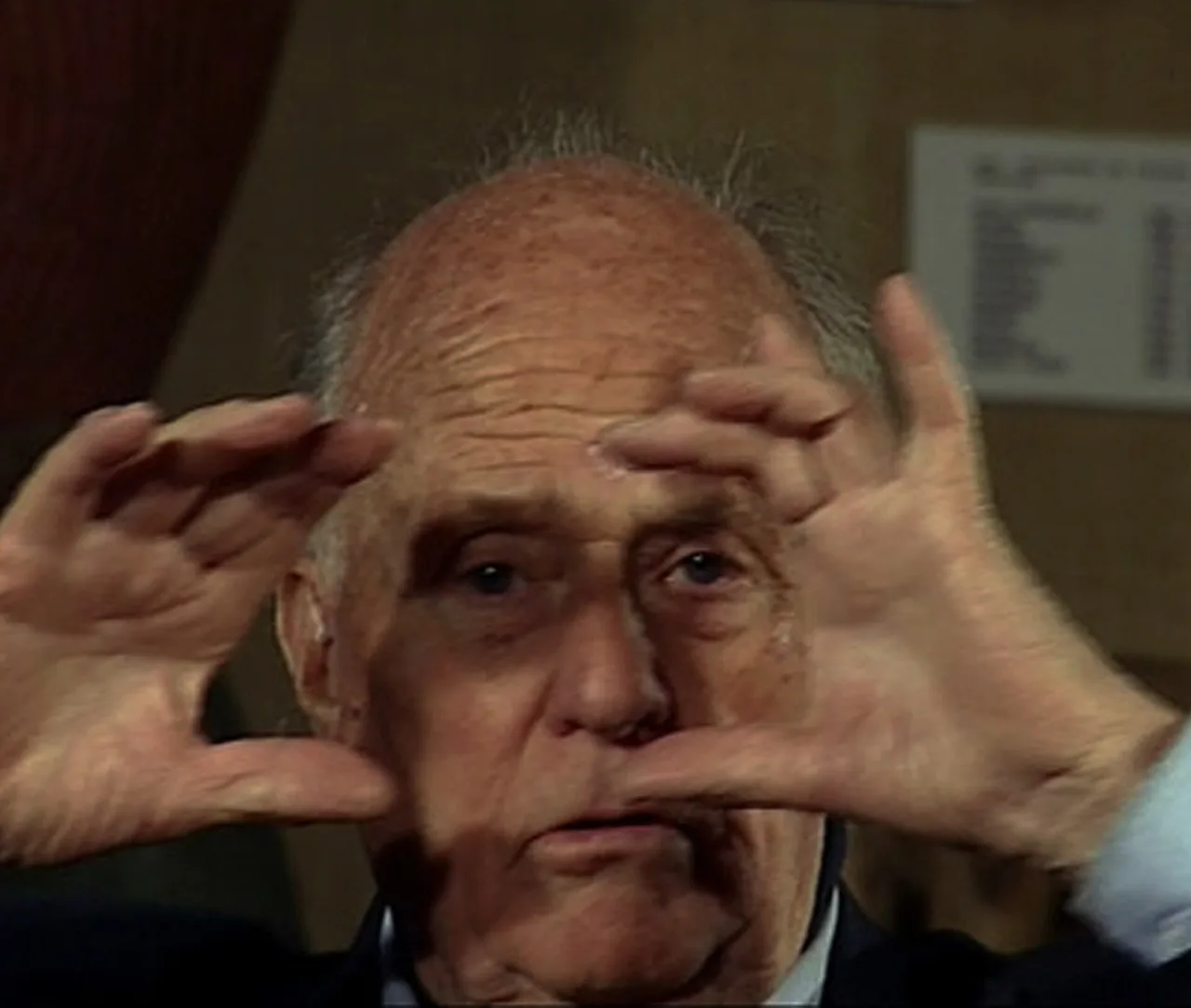
Photo: Lusouser, Wikimedia Commons, CC BY-SA 4.0.
Pick one
Abdou Moumouni was a brilliant physicist and one of the first African scientists to specialize in solar energy. He served as the university's rector and designed several innovative solar-powered devices, making his legacy particularly fitting for sun-drenched Niger.
Pick one
The Grand Marché is the commercial heart of Niamey, housing thousands of stalls selling everything from local crafts to imported goods. After a devastating fire in 1982, the market was completely rebuilt with its signature architectural design to improve safety and ventilation.


Paste the code into your page. The player fits itself in, and every vote counts in Votur.
On WordPress, Ghost or Squarespace? Just paste the link of this page into your post.
This is how it looks
Also fun